Histidine: The Essential Amino Acid for Immune Defense and Tissue Repair
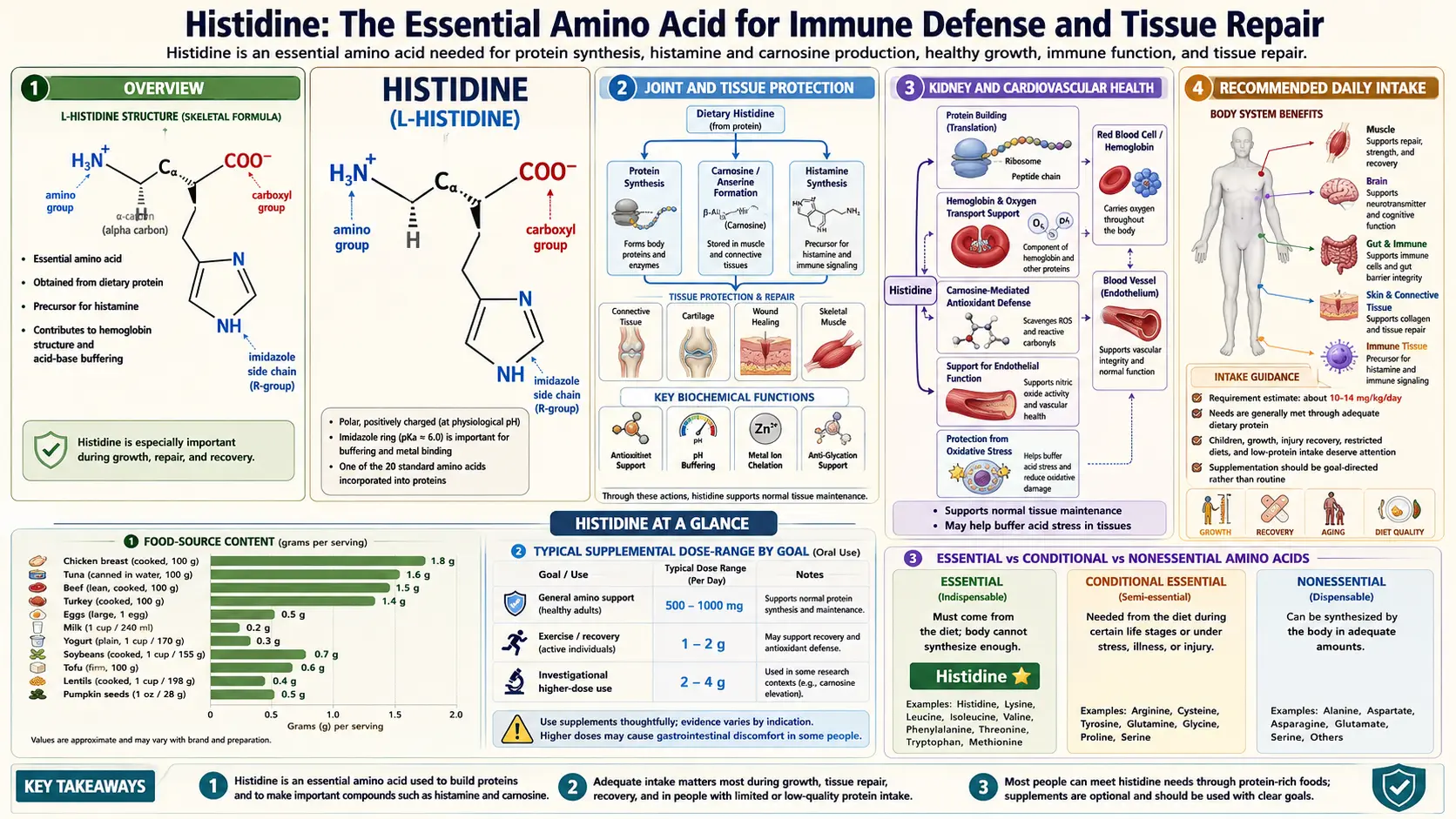
Table of Contents
- Overview
- Histamine Production and Immune Response
- Digestive Health
- Brain Function and Neurotransmission
- Joint and Tissue Protection
- Blood Cell Production
- Sleep-Wake Cycle Regulation
- Antioxidant and Detoxification Properties
- Kidney and Cardiovascular Health
- Deficiency Signs
- Food Sources
- Supplementation Guidelines
- Recommended Daily Intake
- Research Papers
- Connections
- Featured Videos
Overview
Histidine is one of the nine essential amino acids that the human body cannot synthesize on its own and must therefore obtain through dietary intake. Classified as a semi-essential amino acid for adults, it is considered fully essential for infants and children, whose rapidly developing bodies require a reliable external supply. Histidine plays a foundational role in numerous physiological processes, including immune regulation, tissue repair, red blood cell formation, and the production of the neurotransmitter histamine. Its imidazole side chain gives histidine unique biochemical properties, allowing it to act as both a proton donor and acceptor at physiological pH, which makes it indispensable in enzyme catalysis and metal ion coordination.
From a naturopathic perspective, histidine represents a critical intersection between nutrition and whole-body health. Rather than viewing this amino acid in isolation, practitioners of natural medicine recognize that adequate histidine status supports the body's innate healing intelligence. When histidine levels are optimal, the immune system communicates more effectively, the gut lining maintains its integrity, the nervous system functions with greater clarity, and the joints remain supple and resilient. Conversely, suboptimal histidine intake can quietly undermine multiple organ systems simultaneously, creating a cascade of symptoms that conventional medicine may address individually rather than tracing back to a common nutritional root cause.
Histidine was first isolated from protein hydrolysates in 1896 by the German physician Albrecht Kossel. Since then, research has continually expanded our understanding of its diverse biological roles. Today, histidine is recognized as far more than a simple building block of protein. It serves as the sole precursor to histamine, contributes to the buffering capacity of hemoglobin, helps chelate heavy metals, and participates in the synthesis of carnosine, a dipeptide with potent antioxidant properties. Understanding histidine's many functions empowers individuals to make informed dietary choices that support long-term vitality and resilience.
Histamine Production and Immune Response
Perhaps the most widely recognized function of histidine is its role as the direct precursor to histamine, a biogenic amine that serves as a primary mediator of the immune response. The enzyme histidine decarboxylase converts histidine into histamine through the removal of a carboxyl group. Histamine is stored in mast cells and basophils throughout the body, ready to be released when the immune system detects a potential threat such as a pathogen, allergen, or tissue injury.
When histamine is released, it triggers a cascade of inflammatory responses designed to protect the body. Blood vessels dilate to increase blood flow to affected areas, capillary permeability increases to allow white blood cells to reach sites of infection or damage, and smooth muscles in the airways and gastrointestinal tract contract to expel invaders. These responses, while sometimes uncomfortable, represent the body's sophisticated defense mechanisms in action. Adequate histidine availability ensures that the immune system can mount an appropriate and timely response when needed.
From a naturopathic standpoint, the goal is not to suppress histamine activity but to ensure the body maintains a healthy balance. Insufficient histidine can impair immune readiness, while excessive histamine production or impaired histamine degradation can lead to chronic inflammatory conditions and histamine intolerance. Supporting the body with adequate histidine, along with cofactors such as vitamin B6 and copper that are needed for histamine metabolism, helps maintain this delicate equilibrium. Histidine also supports the production of cytokines and the maturation of T cells and natural killer cells, further reinforcing the immune system's capacity to distinguish between self and non-self and to respond proportionately to genuine threats.
Digestive Health
Histidine plays a significant role in maintaining digestive health through multiple mechanisms. Histamine derived from histidine acts on parietal cells in the stomach lining via H2 receptors, stimulating the secretion of hydrochloric acid. This gastric acid is essential for the proper breakdown of proteins, the activation of pepsinogen into pepsin, the absorption of minerals such as calcium, iron, and zinc, and the destruction of ingested pathogens. Individuals with low histidine status may experience hypochlorhydria, or insufficient stomach acid production, leading to symptoms such as bloating, gas, nutrient malabsorption, and increased susceptibility to foodborne infections.
Beyond its role in acid secretion, histidine contributes to the structural integrity of the gastrointestinal mucosal lining. The gut barrier depends on a continuous supply of amino acids to maintain the tight junctions between epithelial cells and to support the rapid turnover of mucosal cells that occurs every three to five days. Histidine's involvement in protein synthesis and tissue repair ensures that this barrier remains intact, preventing the translocation of bacteria, toxins, and undigested food particles into the bloodstream, a condition commonly referred to as increased intestinal permeability or leaky gut.
Naturopathic practitioners often assess digestive function as a starting point for addressing systemic health concerns. When a patient presents with signs of poor digestion, including food sensitivities, nutrient deficiencies despite adequate dietary intake, or chronic gastrointestinal discomfort, evaluating amino acid status, including histidine, can provide valuable clinical insights. Supporting histidine intake through whole foods or targeted supplementation, in combination with other gut-healing nutrients such as glutamine, zinc, and vitamin A, can help restore digestive function and, by extension, improve overall health outcomes.
Brain Function and Neurotransmission
Histidine exerts a profound influence on brain function through its conversion to histamine within the central nervous system. Unlike peripheral histamine, which is primarily involved in immune and digestive processes, neuronal histamine acts as a neurotransmitter that modulates arousal, attention, learning, memory, and appetite. Histaminergic neurons originate in the tuberomammillary nucleus of the hypothalamus and project widely throughout the brain, influencing cortical activation and cognitive performance.
Research has demonstrated that brain histamine levels are closely tied to wakefulness and mental clarity. When histaminergic neurons fire actively, the brain is alert, focused, and capable of processing complex information. This is why antihistamine medications that cross the blood-brain barrier commonly cause drowsiness as a side effect: they block the wake-promoting action of histamine in the brain. Adequate dietary histidine supports the brain's capacity to produce sufficient histamine for optimal cognitive function without relying on stimulants or pharmaceutical interventions.
Histidine also participates in the synthesis of carnosine, a dipeptide composed of histidine and beta-alanine that is concentrated in brain tissue. Carnosine has demonstrated neuroprotective properties, including the ability to reduce oxidative stress, inhibit protein glycation, and chelate metal ions that can contribute to neurodegeneration. Preliminary research suggests that carnosine may offer protective benefits against age-related cognitive decline and neurodegenerative conditions. From a naturopathic perspective, ensuring adequate histidine intake is a foundational strategy for supporting long-term brain health, particularly when combined with other neuroprotective nutrients such as omega-3 fatty acids, B vitamins, and antioxidant-rich foods.
Joint and Tissue Protection
Histidine plays a critical role in maintaining the health and resilience of joint tissues, making it a nutrient of particular interest for individuals experiencing arthritis, joint pain, or connective tissue disorders. Studies have found that individuals with rheumatoid arthritis frequently exhibit lower serum histidine levels compared to healthy controls. While the precise mechanism is still being elucidated, researchers believe that the anti-inflammatory and antioxidant properties of histidine contribute to its protective effects on joint tissue.
Within the joints, histidine supports the production and maintenance of the synovial fluid that lubricates and cushions articulating surfaces. It also contributes to the synthesis of collagen and other structural proteins that form the extracellular matrix of cartilage, tendons, and ligaments. The imidazole ring of histidine allows it to chelate metal ions such as copper and zinc, which are essential cofactors for enzymes involved in collagen cross-linking and tissue remodeling. Without sufficient histidine, the repair and regeneration of connective tissues may be compromised, leading to progressive joint degeneration.
Naturopathic approaches to joint health emphasize addressing underlying inflammation and supporting the body's regenerative capacity rather than simply masking pain. Histidine supplementation, particularly in combination with other joint-supportive nutrients such as glucosamine, chondroitin, methylsulfonylmethane, and omega-3 fatty acids, may offer meaningful benefits for individuals with inflammatory joint conditions. Additionally, the carnosine formed from histidine provides antioxidant protection within muscle and connective tissue, helping to reduce exercise-induced oxidative damage and supporting recovery after physical activity.
Blood Cell Production
Histidine is integral to the production and proper functioning of blood cells, with its most notable contribution being its role in hemoglobin synthesis. Hemoglobin, the oxygen-carrying protein in red blood cells, contains histidine residues at critical positions within its structure. The proximal and distal histidine residues in the heme pocket are essential for the binding and release of oxygen molecules. Without adequate histidine, hemoglobin cannot function efficiently, potentially leading to impaired oxygen delivery to tissues throughout the body.
Beyond its structural role in hemoglobin, histidine contributes to the buffering capacity of blood. The imidazole side chain of histidine has a pKa near physiological pH, allowing it to accept and donate protons as needed to maintain blood pH within the narrow range of 7.35 to 7.45 that is essential for life. This buffering action is particularly important during exercise, when the production of lactic acid and carbon dioxide can rapidly shift blood pH toward acidity. Histidine residues in hemoglobin and other blood proteins help counteract these shifts, supporting the body's acid-base homeostasis.
Clinical observations have shown that individuals with chronic kidney disease, who often suffer from anemia, tend to have depleted histidine levels. Research has explored the potential of histidine supplementation to improve hemoglobin levels and reduce the need for erythropoiesis-stimulating agents in this population, with some promising results. From a naturopathic perspective, ensuring adequate histidine intake is an important consideration when addressing anemia or fatigue, particularly in individuals with chronic illness, as histidine deficiency may be a contributing factor that is overlooked in conventional assessments focused primarily on iron and vitamin B12 status.
Sleep-Wake Cycle Regulation
The histaminergic system plays a central role in regulating the sleep-wake cycle, and histidine availability directly influences this process. Histaminergic neurons in the tuberomammillary nucleus of the hypothalamus are most active during waking hours and become quiescent during sleep, particularly during non-rapid eye movement sleep. This pattern of activity helps establish and maintain the circadian rhythm that governs our daily cycles of alertness and rest.
Histamine's role in promoting wakefulness is complemented by its interactions with other neurotransmitter systems, including the orexin and gamma-aminobutyric acid pathways. During the transition from wakefulness to sleep, GABAergic neurons from the ventrolateral preoptic area inhibit histaminergic neurons, effectively silencing the wake-promoting histamine signal. Disruptions to this delicate interplay can contribute to insomnia, excessive daytime sleepiness, or fragmented sleep patterns. Adequate histidine intake supports the body's ability to produce sufficient histamine for daytime alertness while also allowing for the natural suppression of histamine activity that facilitates restful sleep.
Naturopathic practitioners recognize that sleep disturbances rarely have a single cause. However, optimizing amino acid status, including histidine, is a foundational strategy for supporting healthy sleep architecture. Some individuals with chronically low histidine levels may experience excessive drowsiness or difficulty maintaining focus during the day, while others may develop sleep-onset difficulties due to compensatory neurochemical imbalances. Addressing histidine status as part of a comprehensive sleep hygiene protocol, which may also include magnesium, melatonin precursors, adaptogenic herbs, and lifestyle modifications, can help restore the body's natural rhythms and improve both sleep quality and daytime vitality.
Antioxidant and Detoxification Properties
Histidine possesses significant antioxidant properties that contribute to the body's defense against oxidative stress and toxic exposures. The imidazole ring of histidine is capable of scavenging reactive oxygen species, including singlet oxygen, hydroxyl radicals, and hypochlorous acid. This direct free radical quenching activity helps protect cellular membranes, proteins, and DNA from oxidative damage that can accelerate aging and contribute to chronic disease development.
One of the most important antioxidant contributions of histidine occurs through its participation in the synthesis of carnosine. This dipeptide, formed from histidine and beta-alanine, is found in high concentrations in skeletal muscle, cardiac tissue, and the brain. Carnosine demonstrates a remarkable range of protective activities: it scavenges free radicals, chelates pro-oxidant metal ions, inhibits the formation of advanced glycation end products, and helps maintain intracellular pH during metabolic stress. The availability of histidine is often the rate-limiting factor in carnosine synthesis, making dietary histidine intake a direct determinant of the body's carnosine-mediated antioxidant capacity.
Histidine also plays a valuable role in the detoxification of heavy metals. Its imidazole group has a strong affinity for binding divalent metal ions such as zinc, copper, nickel, and cobalt. While this property is essential for normal metalloenzyme function, it also enables histidine to help sequester and facilitate the excretion of potentially toxic metals that accumulate in the body through environmental exposure. Naturopathic detoxification protocols may include histidine-rich foods or supplements as part of a broader strategy that includes adequate hydration, fiber intake, sulfur-containing amino acids, and targeted chelation support to reduce the body's toxic burden and support optimal cellular function.
Kidney and Cardiovascular Health
Emerging research has highlighted the importance of histidine for maintaining kidney and cardiovascular health. In patients with chronic kidney disease, plasma histidine levels are frequently depleted, and this depletion has been associated with increased inflammation, oxidative stress, and protein-energy wasting. Studies have demonstrated that histidine supplementation in individuals with kidney disease can reduce markers of systemic inflammation, including C-reactive protein and interleukin-6, while also improving nutritional status and reducing oxidative damage.
The cardiovascular benefits of histidine are multifaceted. Histidine has been shown to help lower blood pressure through its role in nitric oxide metabolism and its direct vasodilatory effects. The amino acid also contributes to the reduction of low-density lipoprotein oxidation, a key step in the development of atherosclerotic plaques. Furthermore, histidine's anti-inflammatory properties help protect the endothelial lining of blood vessels from the chronic low-grade inflammation that drives cardiovascular disease progression. Animal studies have demonstrated that histidine supplementation can reduce the size and severity of atherosclerotic lesions, suggesting a potential role in cardiovascular disease prevention.
From a naturopathic perspective, supporting cardiovascular and renal health requires a comprehensive approach that addresses inflammation, oxidative stress, and metabolic imbalances at their root. Histidine fits naturally into this framework as a nutrient that simultaneously targets multiple pathological mechanisms. For individuals with existing kidney or heart conditions, or those at elevated risk due to family history, metabolic syndrome, or chronic inflammatory states, ensuring adequate histidine intake through diet and, when clinically indicated, supplementation may offer meaningful protection. As always, such interventions should be integrated into a holistic treatment plan that includes dietary optimization, stress management, appropriate physical activity, and regular monitoring of relevant biomarkers.
Deficiency Signs
Histidine deficiency can manifest through a wide range of symptoms that may initially seem unrelated but share a common nutritional origin. Because histidine participates in so many physiological processes, insufficient intake can create a cascade of dysfunction that affects multiple organ systems simultaneously. Recognizing the signs of histidine deficiency is essential for naturopathic practitioners and health-conscious individuals seeking to address the root causes of chronic symptoms rather than merely managing their surface-level expressions.
Common signs and symptoms of histidine deficiency include:
- Anemia and fatigue due to impaired hemoglobin synthesis and reduced oxygen-carrying capacity of the blood
- Joint pain and stiffness resulting from inadequate connective tissue repair and increased inflammatory activity
- Impaired immune function with increased susceptibility to infections and delayed wound healing
- Cognitive difficulties including poor concentration, brain fog, and memory impairment related to reduced neuronal histamine production
- Digestive disturbances such as low stomach acid, bloating, nutrient malabsorption, and increased risk of gastrointestinal infections
- Skin conditions including eczema and dermatitis, potentially linked to impaired immune regulation and tissue repair
- Growth retardation in children as histidine is essential for normal growth and development
- Hearing impairment as histidine is involved in the protection of auditory nerve cells
- Mood disturbances including anxiety and irritability, related to imbalances in histamine-mediated neurotransmission
Populations at greatest risk for histidine deficiency include individuals with chronic kidney disease, those following severely restrictive diets, people with malabsorption disorders, and the elderly, who may have reduced dietary intake combined with increased metabolic demands. Naturopathic assessment of amino acid status, through plasma amino acid profiling or targeted clinical evaluation, can help identify deficiency states and guide appropriate nutritional interventions before symptoms progress to more serious health complications.
Food Sources
Obtaining adequate histidine through a balanced, whole-foods diet is both achievable and preferable to supplementation for most individuals. Histidine is found in a wide variety of animal and plant-based protein sources, making it accessible to people following diverse dietary patterns. However, the concentration and bioavailability of histidine vary significantly between food sources, and understanding these differences can help individuals make targeted dietary choices to optimize their intake.
The richest animal-based sources of histidine include:
- Poultry such as chicken and turkey breast, providing approximately 1,000 to 1,200 milligrams per 100 grams of cooked meat
- Fish and seafood including tuna, salmon, halibut, and shrimp, with tuna being particularly rich at around 1,000 milligrams per 100 grams
- Beef and pork offering 800 to 1,100 milligrams per 100 grams of cooked lean meat
- Eggs containing approximately 300 milligrams per 100 grams, with the majority found in the egg white
- Dairy products such as cheese, yogurt, and milk, providing moderate amounts of histidine along with other essential amino acids
For those following plant-based diets, excellent sources of histidine include:
- Soybeans and soy products such as tofu, tempeh, and edamame, providing 500 to 700 milligrams per 100 grams
- Legumes including lentils, chickpeas, black beans, and kidney beans
- Whole grains such as buckwheat, quinoa, rice, and wheat
- Seeds including pumpkin seeds, sunflower seeds, hemp seeds, and chia seeds
- Nuts such as cashews, almonds, pistachios, and walnuts
- Spirulina and chlorella which are exceptionally dense sources of amino acids per gram of protein
Naturopathic dietary guidance emphasizes consuming histidine as part of complete meals that include complementary amino acids and the cofactors necessary for its metabolism, particularly vitamin B6, folate, and copper. For plant-based eaters, combining legumes with grains or seeds throughout the day ensures a complete amino acid profile and supports optimal histidine utilization.
Supplementation Guidelines
While most healthy individuals can obtain sufficient histidine through diet alone, supplementation may be warranted in specific clinical situations. L-histidine supplements are available in capsule and powder forms and are generally well tolerated when taken at appropriate doses. However, as with all supplementation, a thoughtful and individualized approach is essential to ensure safety and efficacy.
Supplementation with L-histidine may be considered in the following circumstances:
- Chronic kidney disease where histidine depletion is common and supplementation has been shown to reduce inflammation and improve nutritional status
- Rheumatoid arthritis when serum histidine levels are found to be below optimal ranges
- Anemia that is not fully responsive to iron and vitamin B12 supplementation alone
- Recovery from surgery or injury when increased amino acid availability supports tissue repair
- Restrictive diets that may not provide adequate protein diversity to meet histidine requirements
Typical supplemental doses range from 500 milligrams to 4 grams per day, depending on the clinical indication and individual needs. It is advisable to begin with a lower dose and gradually increase while monitoring for any adverse effects. Histidine supplements are best taken between meals to optimize absorption, as competition with other amino acids for transport across the intestinal lining can reduce bioavailability when taken with protein-rich foods.
Important precautions to observe when considering histidine supplementation include:
- Histamine sensitivity: Individuals with histamine intolerance, mast cell activation disorders, or chronic allergic conditions should use histidine supplements cautiously, as increased histidine may elevate histamine production
- Pregnancy and lactation: Supplemental histidine should only be used under professional guidance during pregnancy and breastfeeding
- Folic acid deficiency: Histidine metabolism produces formiminoglutamic acid, which requires folate for further processing; supplementation in the context of folate deficiency may be counterproductive
- Bipolar disorder and schizophrenia: Alterations in histamine signaling may affect symptoms in individuals with certain psychiatric conditions, warranting careful clinical supervision
As with all therapeutic interventions, histidine supplementation should ideally be guided by a qualified healthcare practitioner who can assess individual needs, monitor response, and adjust the protocol as necessary.
Recommended Daily Intake
The World Health Organization has established a recommended daily intake for histidine of approximately 10 milligrams per kilogram of body weight for adults. For a 70-kilogram adult, this translates to roughly 700 milligrams per day. The Food and Nutrition Board of the Institute of Medicine has suggested a similar estimate of 14 milligrams per kilogram per day, yielding a recommended intake of approximately 980 milligrams for a 70-kilogram individual. Infants and children have proportionally higher requirements relative to body weight, reflecting the essential nature of histidine for growth and development.
These recommended values represent minimum amounts needed to prevent deficiency in healthy populations and may not reflect the optimal intake for individuals with increased demands due to chronic illness, physical stress, intense athletic training, or healing from injury. Naturopathic practitioners often consider functional optimal ranges rather than mere minimum requirements, recognizing that the amount needed to prevent overt deficiency may differ significantly from the amount needed to support peak physiological performance and long-term resilience.
A practical approach to meeting and exceeding minimum histidine requirements is to consume at least two to three servings of high-quality protein daily from varied sources. For most adults eating a balanced omnivorous diet, this easily provides 1,500 to 3,000 milligrams of histidine per day, well above minimum recommendations. Plant-based eaters should pay particular attention to including legumes, soy products, whole grains, and seeds regularly to ensure adequate intake. Monitoring overall protein sufficiency, maintaining digestive health for optimal amino acid absorption, and addressing any underlying conditions that may increase histidine utilization are all integral components of a naturopathic strategy for supporting long-term histidine adequacy and the many vital functions this essential amino acid supports throughout the body.
Research Papers
The following curated PubMed searches surface the peer-reviewed literature underpinning the claims on this page. Each link opens a live PubMed query for Histidine filtered by topic, so the results stay current as new studies are indexed.
- PubMed search — Histidine: Metabolism and biochemistry (review)
- PubMed search — Histidine: Dietary intake and requirements
- PubMed search — Histidine: Supplementation randomized controlled trials
- PubMed search — Histidine: Plasma levels and clinical outcomes
- PubMed search — Histidine: Muscle protein synthesis and exercise
- PubMed search — Histidine: Deficiency: signs and consequences
- PubMed search — Histidine: Cardiovascular effects
- PubMed search — Histidine: Neurological and cognitive effects
- PubMed search — Histidine: Immune function
- PubMed search — Histidine: Oxidative stress and antioxidant activity
- PubMed search — Histidine: Gastrointestinal and gut health
- PubMed search — Histidine: Safety, toxicity, and upper limit
For a broader literature review, see the full PubMed record for Histidine and the NIH Office of Dietary Supplements Fact Sheets.
This content is provided for informational purposes only and does not constitute medical advice. Consult a qualified healthcare provider before beginning any supplementation regimen.
Connections
- All Amino Acids
- Histidine Benefits Deep Dive
- Alanine
- Arginine
- Lysine
- Proline
- Cysteine
- Glycine
- Oxidative Stress
- Kidney Disease
- Anemia
- Copper-Iron Dysregulation
- Copper
- Zinc
- Iron
- Arthritis
- Vitamin B6
- Fatigue
- Serine