Foods Highest in Resistant Starch
Resistant starch is the rare dietary carbohydrate that behaves more like fiber than sugar. It escapes digestion in the small intestine, travels intact to the colon, and is there fermented by gut bacteria into short-chain fatty acids — especially butyrate — that nourish colonocytes, calm inflammation, improve insulin sensitivity, and help shrink visceral fat. Despite these well-documented benefits, the typical Western diet supplies only about 3–5 grams per day, well under the 15–40 gram range associated with meaningful metabolic and microbiome improvements. This guide catalogs the richest whole-food sources of resistant starch, explains how cooking and cooling dramatically change the numbers on your plate, and shows how to build a realistic 30 g/day intake from foods you already recognize.
Table of Contents
- What Is Resistant Starch?
- The Four (and Fifth) Types of Resistant Starch
- Food Content Table: Resistant Starch in Whole Foods
- How Cooking, Cooling, and Reheating Change RS Content
- A Closer Look at the Top Sources
- Target Intake: How Much Do You Actually Need?
- A Realistic 30 g/Day Meal Plan
- Combining Foods Across Meals
- Safety, Side Effects, and SIBO Cautions
- Practical Kitchen Tips
- Research Papers
- Connections
- Featured Videos
What Is Resistant Starch?
Starch is a polymer of glucose molecules. Most of the starch in bread, rice, and potatoes is rapidly digested by pancreatic amylase and absorbed as glucose in the small intestine, where it delivers roughly 4 kcal/g and raises blood sugar. Resistant starch (RS) is structurally the same glucose polymer, but for physical, crystalline, or chemical reasons it resists this digestion entirely. It arrives in the large intestine largely intact and becomes a substrate for the saccharolytic bacteria that dominate a healthy colon.
The term was coined in 1982 by English nutritional biochemists Hans Englyst and John Cummings, who were trying to explain why careful starch analysis of cooked foods consistently showed a fraction that refused to be hydrolyzed. Subsequent fermentation work by Topping, Clifton, and others revealed that this undigested starch was not inert: it was the single most efficient dietary substrate for generating butyrate, the short-chain fatty acid that serves as the primary fuel for colon cells and a potent signaling molecule for immune and metabolic regulation.
Functionally, resistant starch delivers fewer calories than ordinary starch (roughly 2 kcal/g versus 4 kcal/g), does not raise blood glucose, increases satiety, feeds beneficial microbes including Ruminococcus bromii, Faecalibacterium prausnitzii, and several Bifidobacterium species, and has been shown in controlled trials to improve fasting insulin, postprandial glycemia, and markers of hepatic fat.
The Four (and Fifth) Types of Resistant Starch
Resistant starch is not a single compound but a category of starches that resist digestion for different reasons. The classification developed by Englyst and refined by later investigators recognizes four primary types, with a fifth added more recently.
RS1 — Physically Inaccessible Starch
Starch trapped inside intact plant cell walls or whole kernels. The amylase enzymes simply cannot reach the granules. Coarsely milled whole grains, intact legumes, and seeds are the main sources. Cooking softens cell walls but does not fully release RS1 when the grain is left whole — which is why steel-cut oats, pearl barley, sorghum kernels, and whole lentils retain more RS than their flour equivalents.
RS2 — Raw Granular Starch
Ungelatinized starch granules whose tight crystalline structure (particularly the B-type crystal common to tubers and bananas) is impervious to amylase. The archetypal RS2 foods are raw potato starch, green (unripe) bananas and green banana flour, and raw plantains. As a banana ripens from green to yellow, its RS2 converts to sugars, dropping from roughly 25 grams per 100 g of dry weight to near zero. Cooking also destroys RS2 by gelatinizing the granules.
RS3 — Retrograded Starch
Starch that has been cooked and then cooled. During cooking, starch granules gelatinize and amylose chains unwind; during cooling, those amylose chains recrystallize into a new structure that amylase can no longer efficiently attack. This is called retrogradation. RS3 is the most important form in practice because it is created by ordinary kitchen steps applied to staple foods: cooked-and-cooled potatoes, rice, pasta, oats, and beans. Crucially, RS3 is heat-stable — reheating cooled rice or pasta does not destroy the retrograded fraction.
RS4 — Chemically Modified Starch
Starches modified by industrial processes (cross-linking, esterification, etherification) to resist digestion. RS4 appears in fortified breads and manufactured foods labeled with ingredients such as "modified food starch" or "hi-maize resistant starch." This guide focuses on whole foods, but RS4 supplements are a legitimate way to raise intake for people who cannot tolerate large volumes of beans and tubers.
RS5 — Amylose-Lipid Complex
When high-amylose starch is cooked in the presence of fatty acids, the amylose helix wraps around the lipid tail, forming a single-helical inclusion complex that resists amylase. RS5 is produced naturally in foods cooked with oil or butter, and intentionally in some functional ingredients. It is the most recently recognized category and explains why some fat-rich starch preparations (e.g., fried-then-cooled potatoes, certain pasta dishes with olive oil) test higher in resistant starch than their fat-free counterparts.
Food Content Table: Resistant Starch in Whole Foods
The numbers below are drawn from Murphy, Douglass & Birkett's USDA survey, the Englyst methodology papers, and more recent analyses of legumes and tubers. Real-world values vary with variety, ripeness, cultivar, and exact cooking and cooling time, so each entry should be read as a practical estimate, not a guarantee.
| Food | Typical Serving | Resistant Starch (g) | Notes |
|---|---|---|---|
| Raw potato starch (unmodified) | 1 tablespoon (~10 g powder) | 7.0–8.0 | Roughly 70–80% RS2 by weight. Not a food per se — stir cold into yogurt or water. |
| Green banana flour | 2 tablespoons (~20 g) | 8.0–9.0 | Dry flour is 40–50% RS2. Do not bake if you want the RS; heat destroys RS2. |
| Green (unripe) banana | 1 medium (~120 g) | 4.5–6.0 | Must be firm and green-tipped. A fully yellow banana has essentially zero RS. |
| Raw green plantain | 100 g | 3.0–5.0 | Boiled briefly and cooled (e.g., tostones then chilled) retains partial RS. |
| Cooked and cooled white potato | 1 medium (~150 g) | 3.0–4.5 | Boil or bake, refrigerate overnight. Potato salad is the classic RS3 delivery vehicle. |
| Cooked and cooled white rice | 1 cup cooked (~160 g) | 1.5–4.0 | Long-grain and basmati retrograde more than short-grain sticky rice. Reheating is fine. |
| Cooked and cooled pasta | 1 cup cooked (~140 g) | 1.0–2.5 | Cold pasta salad has roughly double the RS of freshly boiled pasta. |
| Lentils (cooked, whole) | 1 cup (~200 g) | 3.0–5.0 | RS1 from intact seed coat plus RS3 on cooling. See Lentils. |
| Black beans (cooked) | 1 cup (~170 g) | 3.5–5.5 | Among the highest-RS legumes; cooling and reheating raises the number further. |
| Navy beans (cooked) | 1 cup (~180 g) | 4.5–6.0 | Consistently one of the top legume sources in USDA-surveyed foods. |
| Chickpeas (cooked) | 1 cup (~165 g) | 2.0–4.0 | Hummus (chickpeas + oil) benefits from possible RS5 formation. |
| White beans / cannellini | 1 cup (~175 g) | 3.5–5.0 | Particularly high when canned, rinsed, and eaten cold in salads. |
| Rolled oats, cooked and cooled | 1 cup cooked (~235 g) | 1.0–2.5 | Overnight oats retain more RS than hot porridge. Steel-cut > rolled > instant. |
| Pearl barley (cooked) | 1 cup (~160 g) | 1.5–3.0 | Whole-grain barley supplies RS1 from intact kernels plus beta-glucan fiber. |
| Sorghum (whole-grain, cooked) | 1 cup (~190 g) | 2.0–4.0 | High-amylose sorghum varieties can exceed 5 g per cup. |
| Yam (Dioscorea, cooked and cooled) | 1 cup (~140 g) | 2.0–4.0 | True yams, not US orange sweet potatoes, which are lower in RS. |
| Cashews (raw) | 1 oz (~28 g) | ~1.0 | Small contribution but notable because few nuts contain RS at all. |
| Tiger nuts (chufa) | 1 oz (~28 g) | ~2.0 | Actually a tuber, not a nut. High in RS2 and prebiotic for bifidobacteria. |
Two patterns jump out of this table. First, the densest sources by far are the dried powders — raw potato starch and green banana flour — which deliver 7–9 g of RS in a single tablespoon-sized serving. Second, ordinary staple foods (potatoes, rice, pasta, beans, oats) behave very differently depending on whether they are eaten hot off the stove or cooked, cooled, and then reheated or eaten cold.
How Cooking, Cooling, and Reheating Change RS Content
Retrogradation is the single most important kitchen fact about resistant starch. Raw starch granules in a potato or a grain of rice are crystalline and partly indigestible. Cooking with water gelatinizes them: the granules swell, the crystal structure collapses, and amylose and amylopectin chains unwind into a disordered gel. This is why hot rice and fresh pasta produce a sharper blood-sugar response than their cooled counterparts.
When that cooked starch cools, especially below about 4 °C (standard refrigerator temperature), the loose amylose chains begin to re-associate into a new crystalline network. These retrograded amylose crystals are the RS3 form of resistant starch. The process takes several hours and is essentially complete within 12–24 hours in the refrigerator. Freezing and thawing produces similar or slightly greater retrogradation than refrigeration alone.
Key practical consequences:
- Cold is necessary. Leaving cooked rice at room temperature does not meaningfully raise RS (and incidentally is a food-safety concern for Bacillus cereus). Refrigerate within two hours.
- Reheating preserves RS3. Once amylose has retrograded, the new crystals are heat-stable up to about 150 °C. A bowl of previously refrigerated rice reheated in the microwave retains most of its resistant starch. This is the basis for the "cook, chill, reheat" strategy.
- The RS3 fraction is modest. Retrogradation raises RS by 1–2 g per cup of rice or pasta — meaningful across a day, but not a substitute for legumes and green bananas.
- Cold pasta salad beats fresh pasta. Studies comparing fresh, cooled, and reheated pasta consistently show the highest RS in the cold condition, with reheated falling between the two.
- Potatoes are the best performers. Cooked-and-cooled potatoes roughly double their RS content, reaching 3–4 g per medium potato.
A Closer Look at the Top Sources
Raw Potato Starch
Commercial raw potato starch (not to be confused with cooked potato flour or potato flakes) is roughly 70–80% resistant starch by dry weight. A single tablespoon stirred into cold water, kefir, or yogurt supplies 7–8 g of RS with essentially no calories that reach the small intestine. It has been the workhorse of the resistant-starch self-experimentation community since Richard Nikoley popularized it in 2013. The important rule is do not heat it — cooking gelatinizes the granules and destroys the RS2.
Green Banana Flour
Made from unripe bananas dried at low temperature and milled, green banana flour is about 40–50% RS2. It has a mild flavor and can be added cold to smoothies, yogurt, or water. As with potato starch, baking with it reduces the RS content; the flour is most useful as a cold supplement rather than a substitute for wheat flour. Two tablespoons supplies roughly 8–9 g of RS.
Cooked and Cooled Potatoes
Potato salad, gnocchi made the day before, boiled new potatoes chilled for tomorrow's lunch — these are the easiest high-yield RS foods in a normal Western kitchen. A medium potato boiled and refrigerated overnight supplies 3–4 g of RS; eating it cold or reheating it both preserve the gain.
Legumes
Beans and lentils are the single most reliable dietary source of resistant starch for people who don't want to add powders. Every cup of cooked navy beans, black beans, or lentils delivers 3–6 g of RS from a combination of RS1 (intact cell walls) and RS3 (retrograded starch from cooking). They are also the highest-fiber commonly eaten foods, the richest plant sources of folate, and strongly associated with longevity in Blue Zone populations.
Green Bananas and Plantains
A medium green-tipped banana supplies 4–6 g of RS2; a fully yellow banana supplies essentially none. The same is true of plantains: green plantains are rich in RS2, which drops sharply as the fruit ripens and yellows. Boiled or steamed green plantain cooled and eaten as a side dish is a traditional high-RS food across West Africa, the Caribbean, and parts of Latin America.
Whole Grains — Sorghum, Barley, and Oats
Intact whole-grain kernels supply RS1 because amylase struggles to reach starch trapped inside the bran layer. Pearl barley, whole sorghum, and steel-cut oats all deliver 1.5–4 g of RS per cooked cup. Cooling and eating cold (muesli, overnight oats, tabbouleh-style grain salads) adds RS3 on top.
Target Intake: How Much Do You Actually Need?
The typical US or Western European adult consumes about 3–5 g of resistant starch per day. Epidemiological comparisons with rural populations eating traditional diets rich in legumes, whole grains, and unripe tubers suggest historical intakes were closer to 30–40 g per day. Controlled human trials of supplemental RS generally use doses of 15–40 g per day, with benefits appearing at the lower end and plateauing (or producing side effects) at the higher end.
Reasonable targets:
- Minimum effective dose: about 15 g/day for several weeks has been shown to increase fecal butyrate, shift the microbiome toward R. bromii and F. prausnitzii, and modestly improve fasting insulin.
- Practical target: 20–30 g/day is the range most human trials use for metabolic and glycemic endpoints, and it is achievable from whole foods alone.
- Upper end: 40 g/day is the level at which most studies start to see diminishing returns and rising reports of bloating and flatulence.
The jump from 5 g to 30 g is enormous in percentage terms but easy in food terms: one cup of beans, a cold potato, and a green-tipped banana together will cover it.
A Realistic 30 g/Day Meal Plan
The following one-day plan reaches roughly 30 g of resistant starch without powders or supplements, using foods most people already eat.
Breakfast (~7 g RS)
- Overnight oats made the night before with 1/2 cup rolled oats, milk or kefir, and a sliced green-tipped banana. Served cold from the fridge.
- Contribution: ~2 g from the cooled oats + ~5 g from the green banana = ~7 g.
Lunch (~11 g RS)
- Black bean and cold-potato salad: 1 cup cooked black beans + 1 medium potato (boiled last night, chilled, diced) tossed with olive oil, lemon, and parsley.
- Contribution: ~4.5 g beans + ~3.5 g cold potato + possible RS5 from the olive oil-amylose complex = ~8–11 g.
Afternoon Snack (~3 g RS)
- Hummus (chickpeas) with raw vegetables and a small handful of raw cashews.
- Contribution: ~2 g chickpeas + ~1 g cashews = ~3 g.
Dinner (~9 g RS)
- Lentil soup (1 cup cooked lentils) with a side of cooked-and-cooled-then-reheated basmati rice (1 cup). Finish with a little olive oil drizzle.
- Contribution: ~4 g lentils + ~3–4 g retrograded rice + small RS5 contribution = ~8–9 g.
Day total: approximately 28–30 g of resistant starch, along with roughly 40 g of total fiber, a full complement of plant protein, and no unusual ingredients. Swap in cold pasta salad for the rice, or navy beans for the black beans, without losing the target.
Combining Foods Across Meals
Resistant starch is cumulative across the day. The colonic microbiome does not care whether you ate it all at breakfast or spread it evenly over three meals; what matters is the total daily substrate reaching the cecum. This matters practically because it means a single large serving of beans is just as effective as grazing on smaller amounts. It also means a cold potato here and a side of lentils there — choices that individually feel too small to matter — add up to a microbiome-relevant dose over a full day.
There is, however, a rationale for spreading RS intake over several meals when you are ramping up from a low-fiber baseline. A single 30 g bolus is more likely to produce bloating than three 10 g servings, because the fermentation is concentrated in time. Once adapted, both patterns produce the same end-result in the stool.
Safety, Side Effects, and SIBO Cautions
Resistant starch is extremely safe in the general population — it is, after all, nothing more than a specific crystalline form of the most common carbohydrate on Earth. The side effects people report are almost entirely the result of rapid escalation: starting at 5 g/day and jumping to 40 g/day overnight predictably produces bloating, flatulence, loose stools, and occasionally cramping, as the existing microbiome ferments more substrate than it has enzymes for. The solution is a gradual ramp: add 5 g of RS every 3–5 days, let symptoms settle, then add another 5 g. Most people reach 25–30 g/day comfortably within 3–4 weeks.
Two populations should approach resistant starch more cautiously:
- Small intestinal bacterial overgrowth (SIBO) and severe IBS. In these conditions, fermentable substrates can feed bacteria that have colonized the wrong part of the gut, worsening bloating, pain, and diarrhea. Anyone with diagnosed SIBO, unexplained chronic bloating, or IBS poorly controlled on low-FODMAP should introduce RS very slowly, ideally under a clinician's guidance, and may need to treat the overgrowth first.
- Very early post-operative or post-antibiotic states, where the microbiome is unusually disrupted, may also tolerate RS poorly at first. Reintroduce gradually as normal bowel function returns.
Raw potato starch specifically has been associated in some self-reports with unusually vivid dreams and occasional insomnia at doses above 2 tablespoons per day, possibly via vagal or serotonergic signaling from the colon. Reducing the dose or shifting it to earlier in the day resolves this.
Practical Kitchen Tips
- Cook a big pot of potatoes, rice, or pasta once, refrigerate it, and use the cold starch as the base for two or three meals that week.
- Buy bananas in two stages of ripeness — some green for RS, some yellow for eating sweet.
- Canned beans are as good as home-cooked for RS purposes. Rinse, drain, and use cold in salads or reheated in soups and stews.
- Keep a jar of raw potato starch in the pantry for days when the food plan falls apart — one tablespoon in a glass of water rescues the daily target.
- Overnight oats, grain salads, and cold-pasta lunches are the three easiest vehicles for turning staples into RS3.
- Pair starches with olive oil, butter, or cheese when possible — the small RS5 contribution is a free bonus and improves satiety.
- Do not bake green banana flour or raw potato starch into bread or muffins if the goal is RS; the oven will destroy it.
Research Papers
- Englyst HN, Kingman SM, Cummings JH. Classification and measurement of nutritionally important starch fractions. European Journal of Clinical Nutrition. 1992;46 Suppl 2:S33–50. PubMed 1330528
- Birt DF, Boylston T, Hendrich S, et al. Resistant starch: promise for improving human health. Advances in Nutrition. 2013;4(6):587–601. PubMed 24228189
- Topping DL, Clifton PM. Short-chain fatty acids and human colonic function: roles of resistant starch and nonstarch polysaccharides. Physiological Reviews. 2001;81(3):1031–64. PubMed 11427691
- Murphy MM, Douglass JS, Birkett A. Resistant starch intakes in the United States. Journal of the American Dietetic Association. 2008;108(1):67–78. PubMed 18155991
- Robertson MD, Bickerton AS, Dennis AL, et al. Insulin-sensitizing effects of dietary resistant starch and effects on skeletal muscle and adipose tissue metabolism. American Journal of Clinical Nutrition. 2005;82(3):559–67. PubMed 16155268
- Maier TV, Lucio M, Lee LH, et al. Impact of dietary resistant starch on the human gut microbiome, metaproteome, and metabolome. mBio. 2017;8(5):e01343-17. PubMed 29042495
- Ze X, Duncan SH, Louis P, Flint HJ. Ruminococcus bromii is a keystone species for the degradation of resistant starch in the human colon. ISME Journal. 2012;6(8):1535–43. PubMed 22343308
- Bodinham CL, Frost GS, Robertson MD. Acute ingestion of resistant starch reduces food intake in healthy adults. British Journal of Nutrition. 2010;103(6):917–22. PubMed 19857367
- Li H, Zhang L, Li J, et al. Resistant starch intake facilitates weight loss in humans by reshaping the gut microbiota. Nature Metabolism. 2024;6(3):578–597. PubMed 38499776
- Sonia S, Witjaksono F, Ridwan R. Effect of cooling of cooked white rice on resistant starch content and glycemic response. Asia Pacific Journal of Clinical Nutrition. 2015;24(4):620–5. PubMed 26693746
- Raigond P, Ezekiel R, Raigond B. Resistant starch in food: a review. Journal of the Science of Food and Agriculture. 2015;95(10):1968–78. PubMed 25354315
- Hughes RL, Horn WH, Finnegan P, et al. Resistant starch type 2 from wheat reduces postprandial glycemic response with concurrent alterations in gut microbiota composition. Nutrients. 2021;13(2):645. PubMed 33671158
Connections
- Resistant Starches Hub
- Gut Microbiome
- Visceral Fat
- Fatty Liver Disease
- Fermented Foods
- Probiotics
- Type 2 Diabetes
- Metabolic Syndrome
- Irritable Bowel Syndrome
Featured Videos

The Best RESISTANT STARCHES to Increase Insulin Sensitivity (keto friendly)
30 amazing resistant starch foods for better digestion
Resistant starch — the carb with no calories (kinda)

The Starch that Makes You Lean and Healthy

This Food Component Cuts Visceral Fat in Half (Science-backed)

The Truth About Resistant Starch

Best Resistant Starch Foods
Resistant Starches and SIBO-What Everyone with SIBO Must Know.

High Resistant Starch Foods (700 Calorie Meals) DiTuro Productions

A Good Carb for Keto Dieters? Resistant Starch

Resistant Starch - Carbs You Can Eat with Little to No Impact
Getting Starch to Take the Path of Most Resistance

We Took Resistant Starch for 1 Month - Here's What Happened
10 Foods That Are Healthy Starchy Carbohydrates
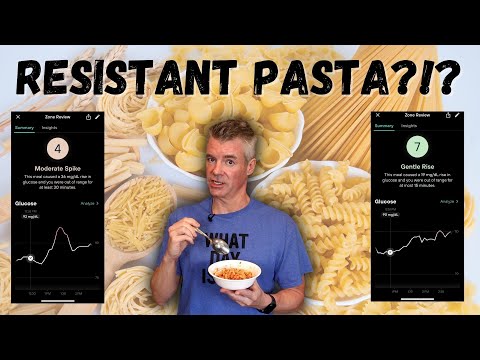
Resistant Starch Pasta: Miracle or Myth? (My CGM Results)

Why Your Gut Needs Resistant Starch To Survive And Thrive | Ask Eric Bakker