Silver Nanoparticles (AgNPs) Research
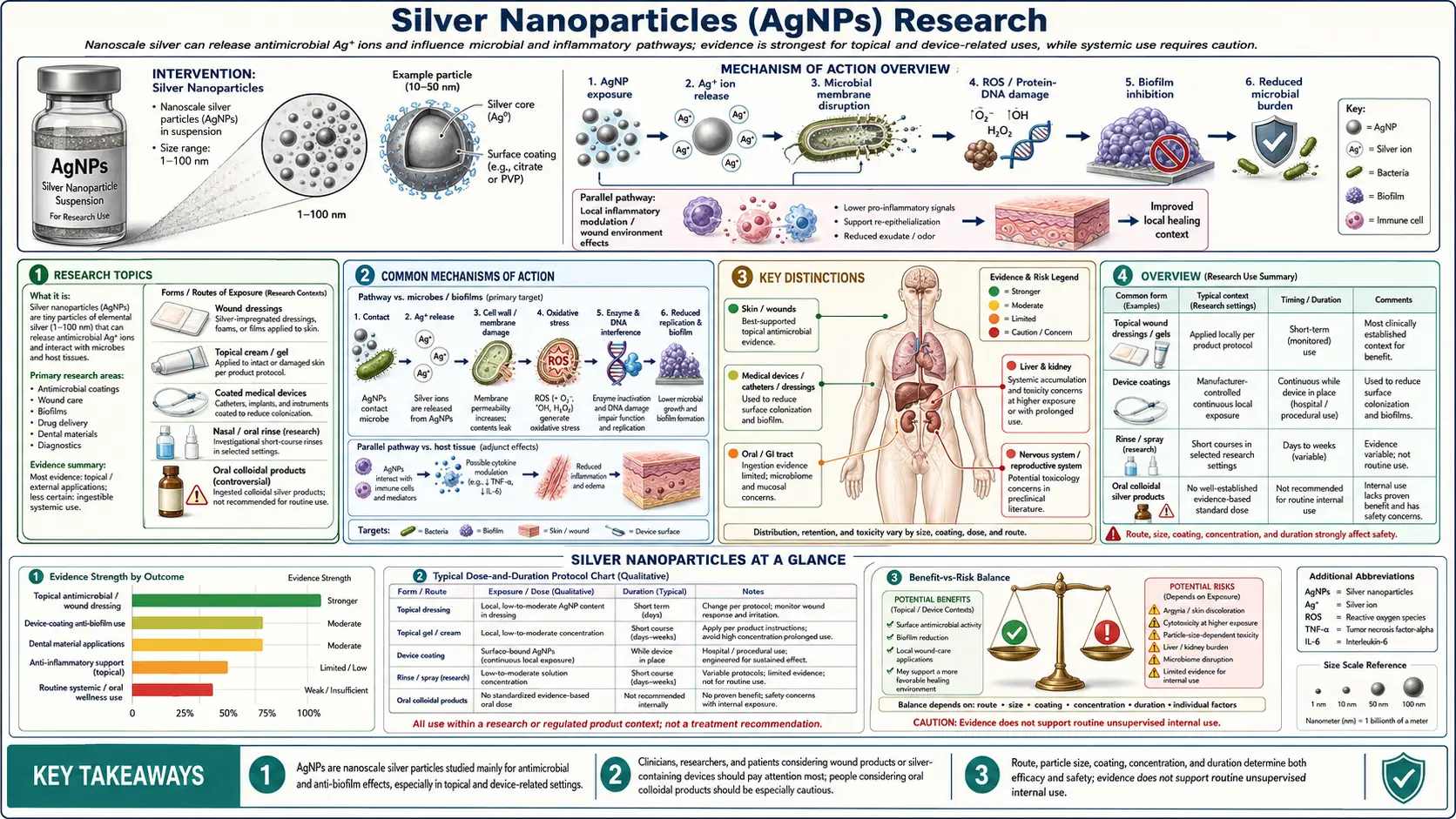
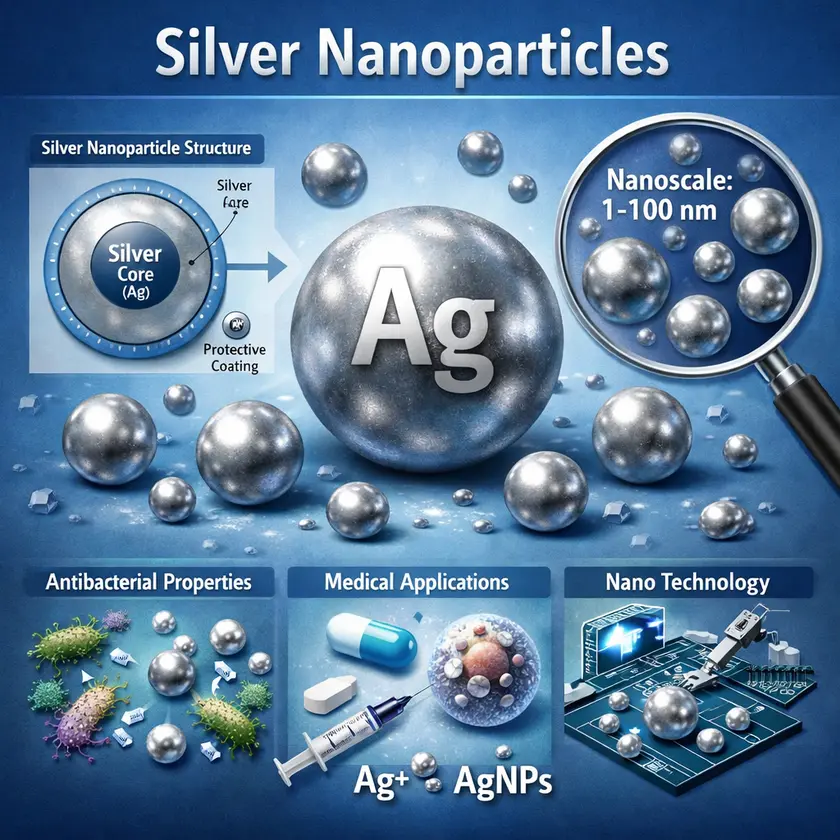
Silver nanoparticles (AgNPs) are engineered particles of silver ranging from 1 to 100 nanometers in diameter. At this nanoscale, silver exhibits dramatically different physical, chemical, and biological properties compared to bulk silver or ionic silver solutions. AgNPs represent one of the most actively researched frontiers in nanomedicine, demonstrating potent antimicrobial, antiviral, and anticancer properties through multiple simultaneous mechanisms — including reactive oxygen species (ROS) generation, direct pathogen destruction, and immune modulation.
Unlike conventional antibiotics or antivirals that typically target a single pathway, silver nanoparticles attack through multiple mechanisms simultaneously, making it significantly harder for pathogens to develop resistance. This multi-target approach has drawn intense research interest for applications ranging from drug-resistant bacterial infections to oncogenic viral diseases.
Research Topics
Silver Nanoparticles & Meningitis
Bacterial meningitis remains one of the most dangerous infectious diseases worldwide, with mortality rates of 20–30% even with prompt antibiotic treatment. With antibiotic resistance rising globally, researchers are investigating how AgNPs could offer new treatment strategies against drug-resistant strains of Streptococcus pneumoniae, Neisseria meningitidis, and Escherichia coli K1. This article covers antimicrobial mechanisms, blood-brain barrier penetration research, antibiotic synergy, green synthesis methods, and the current clinical translation status.
- Multi-target antimicrobial action against meningitis-causing bacteria
- Blood-brain barrier penetration strategies for CNS drug delivery
- Synergy with conventional antibiotics to overcome drug resistance
- Green synthesis methods using plant extracts and microorganisms
- Safety, toxicity profiles, and current clinical applications
Silver Nanoparticles & Epstein-Barr Virus
Epstein-Barr virus (EBV) infects over 90% of adults worldwide and is linked to approximately 200,000 cancer cases annually, including Burkitt lymphoma, nasopharyngeal carcinoma, and Hodgkin lymphoma. With no specific antiviral therapy available, AgNPs have emerged as a promising research area. Studies demonstrate two powerful mechanisms: direct virucidal destruction of viral particles and selective killing of latently infected cancer cells through ROS-induced lytic reactivation.
- Selective cytotoxicity against EBV-infected cells while sparing normal cells
- ROS-mediated lytic reactivation forcing EBV from latency into the vulnerable lytic cycle
- Direct physical destruction of viral particles at sub-cytotoxic concentrations
- Citrate-stabilized AgNPs inhibiting EBV replication by up to 70%
- Context within the broader lytic induction therapy landscape
Common Mechanisms of Action
Across both antibacterial and antiviral applications, silver nanoparticles share several core mechanisms:
- Reactive Oxygen Species (ROS) Generation: AgNPs catalyze production of superoxide, hydrogen peroxide, and hydroxyl radicals that damage pathogen membranes, proteins, and nucleic acids
- Membrane Disruption: Nanoparticles physically interact with and compromise cell membranes (bacteria) or lipid envelopes (viruses)
- Ion Release: Continuous release of Ag+ ions provides sustained antimicrobial and antiviral activity
- Multi-Target Attack: Simultaneous disruption of multiple pathways makes resistance development extremely unlikely
- Size-Dependent Activity: Particles in the 2–25 nm range show optimal antimicrobial and antiviral efficacy due to high surface-area-to-volume ratio
- Surface Functionalization: Coatings (PVP, citrate, tannic acid) can be tuned to enhance biocompatibility, targeting, and therapeutic activity
Key Distinctions
- Silver nanoparticles (AgNPs): Engineered particles 1–100 nm with extremely high surface-area-to-volume ratio, enabling potent activity at low concentrations
- Silver nanoclusters (AgNCs): Ultra-small clusters (<2 nm) with fluorescent properties useful for diagnostic imaging alongside antimicrobial activity
- Colloidal silver: Suspension of larger, uncharacterized silver particles in liquid — less targeted activity and greater toxicity risk compared to engineered nanoparticles
- Ionic silver (Ag+): Dissolved silver ions with antimicrobial action but lacking the sustained-release and targeted delivery capabilities of nanoparticles
Important: Silver nanoparticles used in research are precisely engineered, characterized, and standardized. They are not equivalent to colloidal silver products sold as dietary supplements, which have different particle characteristics, lack quality control, and carry risks including argyria (irreversible skin discoloration).
Research Papers
Selected PubMed topic searches relevant to silver nanoparticle antimicrobial activity, safety, and biomedical applications.
- PubMed: Silver nanoparticles antimicrobial activity
- PubMed: Silver nanoparticles antiviral activity
- PubMed: Silver nanoparticles and biofilms
- PubMed: Silver nanoparticles and wound healing
- PubMed: Silver nanoparticles cytotoxicity
- PubMed: Colloidal silver and argyria
- PubMed: Green synthesis of silver nanoparticles
- PubMed: AgNPs against S. aureus/MRSA
- PubMed: AgNPs against Candida
- PubMed: AgNPs and Epstein-Barr virus
- PubMed: AgNPs and meningitis pathogens
- PubMed: AgNPs and the blood-brain barrier
Connections
- Silver Nanoparticles & Meningitis
- Silver Nanoparticles & EBV
- Meningitis
- Garlic
- Zinc
- Vitamin C
- L-Lysine
- Oral Microbiome
- Escherichia Coli
- Staphylococcus Aureus
- Oregano
- Thyme
- Tea Tree
- Cancer
- Lymphoma
- Sepsis
- Immune Boosting
- Cellulitis
Featured Videos
Baptiste Gault — Nanoparticle Specimen Preparation for Atom Probe: Chemical Fixation and… cryo-Fixation (?)

Nagy Younes — Part 1 video Nanoparticles for Medical Applications
Scientex Conferences — Biopolymer grafted silver nano bre for the treatment of diabetic foot ulcer | Diabetes 2022

GoldSol Inc. Nano Particles — Silver Nano Particles Breakthrough May Revolutionize Printed Electronics Industry HD

Viky Kestlová — #breakthroughjuniorchallenge Silver and Its Toxicity
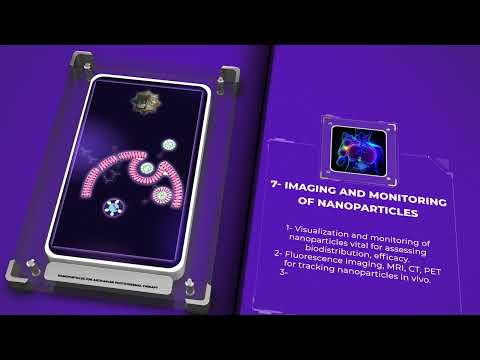
Anabra Medical Biodex — Nanoparticles for Anticancer Photothermal Therapy
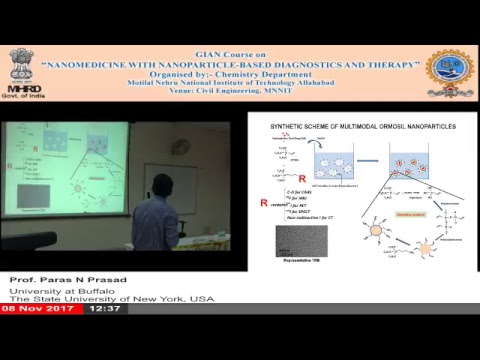
MNNIT — (Day 3) Nanomedicine with Nanoparticle-based Diagnostics and Therapy

Rebecca Watson (Skepchick) — Televangelist Offers to Cure You with Silver, not Prayer

TotalHealth Magazine — Silver Biotics Expo West Award of Excellence | TotalHealth Magazine
Rocky DeRaze — Nanotech for Water Purification - 2. Silver Nanoparticles
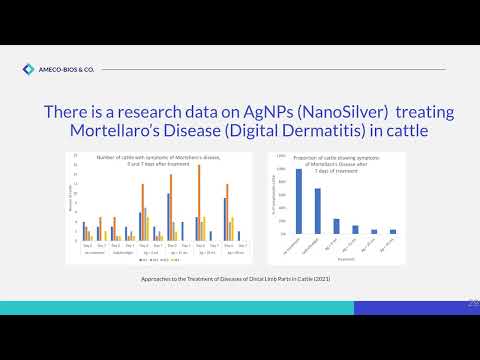
Ameco Bios - Samuel Kay — Nano-Silver for livestock and pet animals - AgNP 10M & Agion 48C
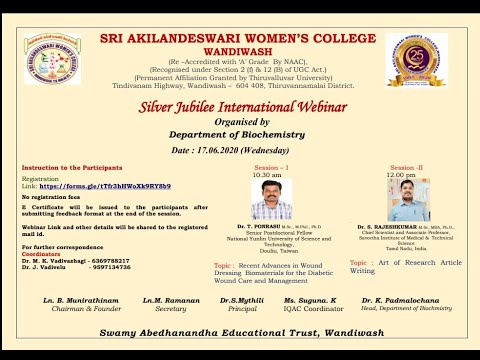
Audacious Dreams — SAWC Silver Jubilee International Webinar Series- Dept of Biochemistry
Sharon George — Nanoparticles that Eradicate Bacterial Biofilm #bacterialbiofilm #bacteria #nanoparticles

YZ — TWiM 5: Mercury-methylating Desulfovibrio and antimicrobial nanoparticles
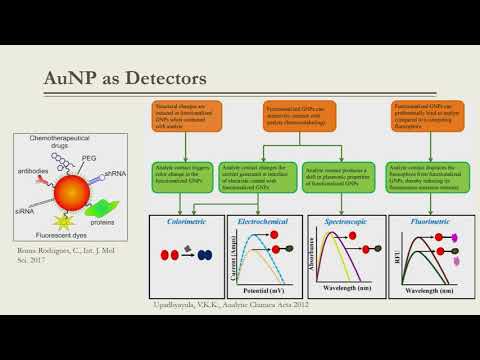
Minnesota Nano Center — Nanoparticle-Based Sensors for Pathogen Detection: From Bench-side to Field Ready Application

Dogs of Pride — Finnessiam Colloidal Silver