⚠ Evidence warning: Clinical trials or other evidence do not support the claims that oat avenanthramides protect blood vessels and reduce whole-body inflammation in people, and that colloidal oatmeal matches mid-potency steroid creams. This page keeps it as a report of what people, websites or other media say.
Oats for Avenanthramides
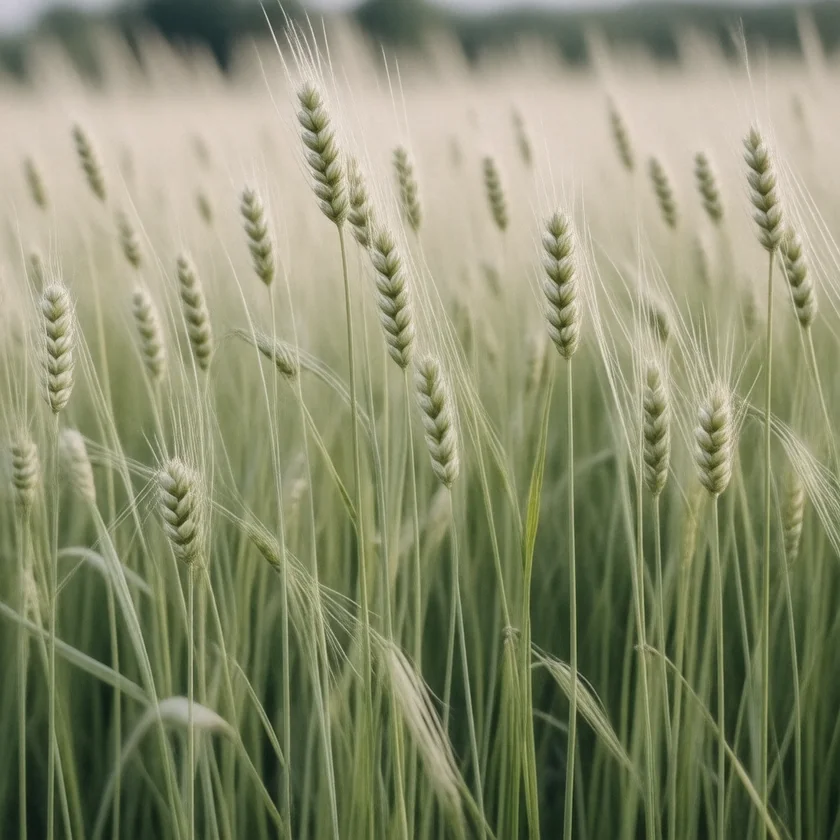
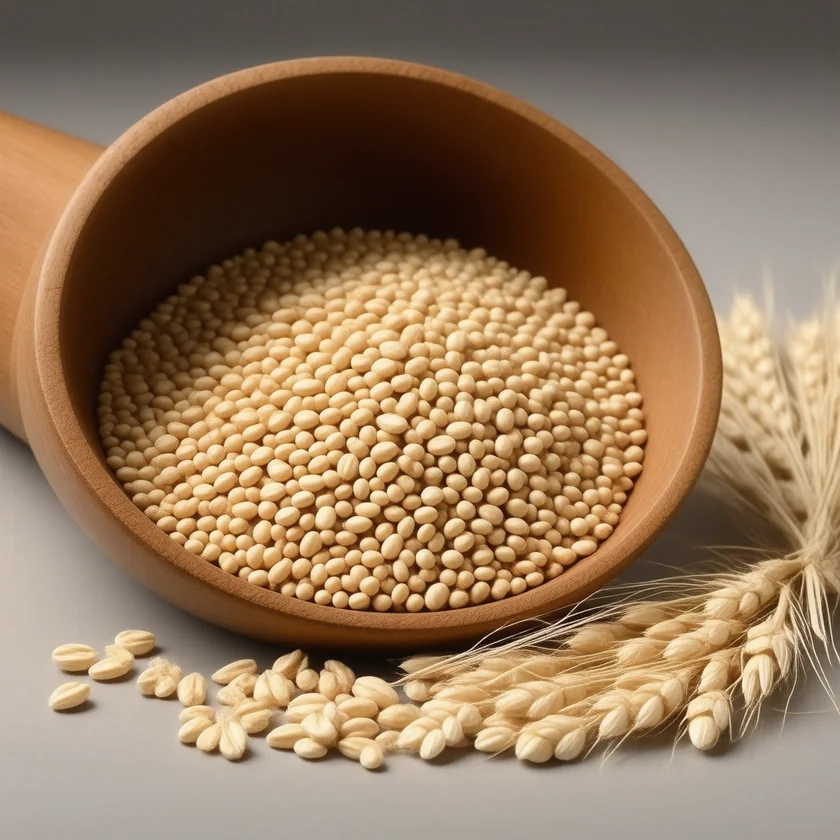
Avenanthramides are a class of approximately 40 related phenolic alkaloids found uniquely in oats (Avena sativa) and a few wild oat relatives — nowhere else in the human food supply, including not in any other cereal grain (wheat, rice, barley, corn, rye, sorghum, or millet all lack them entirely). The three most abundant in commercial oats are avenanthramide A (Bp), B (Bf), and C (Bc), at typical concentrations of 4–40 mg per kg of oat grain depending on cultivar and growing conditions (one 2008 paper gives approximately 300 parts per million for avenanthramides overall). They are anti-inflammatory through NF-kB inhibition, anti-itch through histamine-receptor and prostaglandin-pathway modulation (the mechanism proposed for colloidal-oatmeal skin protectants, which the U.S. Food and Drug Administration (FDA) over-the-counter rules allow to be labeled for minor skin irritation and itching due to eczema and other causes), and antioxidant on a molar basis comparable to many flavonoids. Avenanthramide C in particular has been shown to inhibit vascular smooth muscle cell proliferation, suppress endothelial expression of adhesion molecules (VCAM-1, ICAM-1) implicated in early atherosclerosis, and reduce post-eccentric-exercise inflammation markers in human trials. This page traces the discovery history, the molecular mechanisms, the topical-dermatology evidence base, the emerging cardiovascular and exercise-recovery data, and the question of whether dietary oat intake delivers a meaningful systemic dose.
Table of Contents
- Chemistry and Discovery (Collins 1989, Dimberg 1993)
- Why Only Oats Make Them — The Avenanthramide Biosynthetic Pathway
- The NF-kB Anti-Inflammatory Mechanism
- Colloidal Oatmeal — Topical Eczema and Atopic Dermatitis
- Vascular Effects and Endothelial Function
- Post-Exercise Inflammation and Recovery
- Bioavailability — How Much Reaches the Blood From Eating Oats
- Cultivar Variation and Stress-Induced Synthesis
- Topical Skincare Beyond Eczema
- Cautions
- Key Research Papers
- Connections
- Featured Videos
Chemistry and Discovery (Collins 1989, Dimberg 1993)
The name avenanthramides and the class were published by F. William Collins in 1989, as "novel substituted N-cinnamoylanthranilate alkaloids from oat groats and hulls" (J Agric Food Chem 37:60). Lena Dimberg and colleagues at the Swedish University of Agricultural Sciences described them as a group of phenolic antioxidants in oats in 1992–1993 (Dimberg, Theander, Lingnert, Cereal Chemistry 70:637). They identified 25 related compounds in oat grain extracts, all sharing a common skeleton: a hydroxycinnamic acid (typically caffeic, ferulic, or p-coumaric acid) linked via an amide bond to an anthranilic acid derivative (typically 5-hydroxyanthranilic acid or 4-hydroxyanthranilic acid). The hybrid structure — part hydroxycinnamic acid, part aromatic amine — is unusual and is the source of their unique pharmacology.
The three avenanthramides present at the highest concentrations in commercial cultivars are:
- Avenanthramide A (also called Bp or 2p) — the p-coumaroyl-5-hydroxyanthranilate
- Avenanthramide B (also called Bf or 2f) — the feruloyl-5-hydroxyanthranilate
- Avenanthramide C (also called Bc or 2c) — the caffeoyl-5-hydroxyanthranilate — the most biologically active in most published assays
Total avenanthramide content in commercial oat groats typically ranges from 4 to 40 mg/kg dry weight, with substantial variation across cultivars and growing seasons. The Swedish breeding line "Sang" reaches over 100 mg/kg under ideal conditions; experimental lines stress-induced with crown rust fungus reach over 250 mg/kg. Sur et al. 2008 give a higher overall figure, approximately 300 parts per million (about 300 mg/kg), without naming a cultivar in the abstract.
By comparison, a search across wheat, barley, rye, rice, corn, sorghum, millet, quinoa, amaranth, buckwheat, and teff has identified essentially zero avenanthramide content in any of these grains. Their presence is one of the few biochemical features that makes oats genuinely unique in the human diet rather than just a quantitative variation on a generic cereal-grain profile.
Why Only Oats Make Them — The Avenanthramide Biosynthetic Pathway
The avenanthramide biosynthetic pathway requires the enzyme hydroxycinnamoyl-CoA:hydroxyanthranilate N-hydroxycinnamoyltransferase (called HHT in the cloning paper, also written HCBT), which catalyzes the amide-bond formation between activated hydroxycinnamic acid (as the CoA thioester) and a hydroxyanthranilate aromatic amine. The gene is present in oats and has been cloned and characterized (Yang Q et al., Mol Plant Microbe Interact 2004); it is reported to be absent or non-functional in other cereal grains.
The pathway appears to function as a phytoalexin defense response — avenanthramides are induced by pathogen attack, particularly by the crown rust fungus Puccinia coronata. Infected oat tissue accumulates 10–100-fold higher avenanthramide concentrations than uninfected tissue, and the compounds are mildly antifungal in vitro. This is consistent with the broader pattern of phytoalexin metabolism in plants, where stress-induced secondary metabolites accumulate in defensive responses. It is often said that oats grown under organic conditions, with more exposure to natural pathogen pressure and less prophylactic fungicide use, have higher avenanthramide content than conventionally grown oats — though the variation across cultivars typically exceeds the variation across growing methods. A three-year Swedish comparison of three cultivars (Dimberg et al. 2005) found differences between years, cultivars and nitrogen rates, but "no differences in concentration as a consequence of the conventional or organic cropping system used".
The presence of avenanthramides in commercial oats appears to be entirely accidental from a human-health perspective — oat breeders did not select for these compounds until very recently. Modern Swedish, Canadian, and U.S. oat breeding programs are now actively selecting high-avenanthramide cultivars for nutritional value, but the bulk of the commercial oat supply is from older cultivars selected primarily for yield, lodging resistance, and beta-glucan content.
The NF-kB Anti-Inflammatory Mechanism
The dominant anti-inflammatory mechanism of avenanthramides operates through suppression of NF-kB (nuclear factor kappa-light-chain-enhancer of activated B cells), the master transcription factor that drives expression of pro-inflammatory cytokines, chemokines, and adhesion molecules. Sur et al. 2008 (Arch Dermatol Res 300:569), from researchers at a consumer skin-products company, and Guo et al. 2008 (Free Radic Biol Med 44:415) studied this in cell cultures of keratinocytes and human aortic endothelial cells respectively. In keratinocytes, avenanthramides at concentrations as low as 1 part per billion blocked the breakdown of the NF-kB inhibitor IkappaB-alpha, and they lowered tumor necrosis factor-alpha-induced NF-kB activity. In endothelial cells, an avenanthramide-enriched oat extract and synthetic avenanthramide C suppressed interleukin-1 beta-stimulated NF-kB activation in a concentration-dependent manner; a synthetic methyl ester derivative also inhibited tumor necrosis factor-alpha-stimulated activation. The downstream consequences include:
- Reduced expression of intercellular adhesion molecule 1 (ICAM-1) and vascular cell adhesion molecule 1 (VCAM-1) on endothelial cells — the molecules that mediate early monocyte recruitment to nascent atherosclerotic lesions.
- Reduced expression of pro-inflammatory cytokines interleukin-6 (IL-6), IL-8, and tumor necrosis factor-alpha by activated keratinocytes and macrophages.
- Reduced cyclooxygenase 2 (COX-2) expression and downstream prostaglandin E2 production — a mechanism shared with non-steroidal anti-inflammatory drugs.
- Reduced inducible nitric oxide synthase (iNOS) expression and reactive nitrogen species production.
This pattern of NF-kB suppression is shared with the polyphenol class as a whole (curcumin, resveratrol, epigallocatechin gallate (EGCG), quercetin) but the specific structural features of avenanthramides — the hybrid hydroxycinnamic-acid-amide architecture — appear to produce a particularly tight binding to upstream kinases in the NF-kB activation pathway.
The clinical translation of NF-kB suppression remains the central challenge: in-vitro effects, some of them at micromolar concentrations (40–120 micromolar in the smooth muscle cell study below), do not necessarily translate to in-vivo benefits at the typical plasma concentrations achievable from oats (peak levels were 13–375 nanomolar even after an enriched oat mixture; see Bioavailability section).
Colloidal Oatmeal — Topical Eczema and Atopic Dermatitis
The single clearest clinical application of avenanthramides is topical. Colloidal oatmeal — finely ground whole-oat flour suspended in a vehicle — has been used as a topical anti-pruritic for centuries, formalized in U.S. regulatory frameworks in 2003 when the U.S. Food and Drug Administration's over-the-counter skin protectant rule listed colloidal oatmeal at 0.007 percent minimum (21 CFR 347.10(f)). This is a monograph listing, not an approval to treat a disease: the labeling it allows reads "temporarily protects and helps relieve minor skin irritation and itching due to" rashes, eczema, poison ivy, oak or sumac, and insect bites (21 CFR 347.50). A branded skin-care line was the original commercial preparation; numerous generic equivalents are now available.
The active components in colloidal oatmeal are a mix of beta-glucan (which forms a hydrating film), saponins (which provide mild cleansing), and the avenanthramides (which provide the anti-inflammatory and anti-pruritic effect). The anti-inflammatory benefit is often credited primarily to the avenanthramide fraction, with beta-glucan playing a secondary moisturizing role; Sur et al. 2008 concluded that avenanthramides "appear to mediate the anti-irritant effects of oats". Reynertson et al. 2015 (J Drugs Dermatol 14:43), an original study of four colloidal oatmeal extracts in lab tests plus 29 women with itchy, dry skin using a lotion, concluded that the extracts have direct antioxidant and anti-inflammatory activity; its abstract does not rank avenanthramides against beta-glucan.
Two single-arm studies of a 1% colloidal oatmeal cream used for 14 days (29 and 30 patients with mild to moderate atopic dermatitis; Lisante et al. 2017, J Drugs Dermatol 16:671) reported improved Eczema Area and Severity Index scores and itch. Reviews (Fowler et al. 2012, J Drugs Dermatol 11:804; Fowler 2014, J Drugs Dermatol 13:1180) describe significant improvement from baseline in investigator assessment, eczema scores, itch, dryness and quality of life with daily moisturizers or cleansers containing colloidal oatmeal; in those studies patients could continue their prescribed topical medications. In a double-blind trial of 90 children aged 6 months to 18 years with mild to moderate atopic dermatitis, an over-the-counter 1% colloidal oatmeal cream was non-inferior to a prescription barrier cream at 3 weeks, with no safety issues identified (Lisante et al. 2017, J Dermatolog Treat 28:659). Accounts of these products also describe results comparable to mid-potency topical corticosteroids on some endpoints with no steroid-class side effects (skin atrophy, telangiectasia, hypothalamic-pituitary-adrenal-axis suppression); these studies did not compare against a corticosteroid. The effect is generally most pronounced for mild-to-moderate atopic dermatitis; severe cases still typically require topical immunomodulators or corticosteroids.
The topical-dermatology indication has been extended to:
- Chemotherapy- and radiation-induced dermatitis — colloidal-oatmeal preparations are described as first-line topical care for skin toxicity from epidermal growth factor receptor (EGFR) inhibitors, radiation therapy, and chemotherapy-induced hand-foot syndrome. One such guideline, from a 2011 multinational supportive-care panel, lists colloidal oatmeal among specific emollient creams for dry skin from these inhibitors, beside urea and petroleum-based creams.
- Pediatric atopic dermatitis — widely used in infants and young children where steroid sparing is particularly desirable.
- Pruritus of dry skin in elderly patients — xerosis-related itching, often refractory to simple emollients, responds well to colloidal-oatmeal preparations.
- Post-procedural skin care — after laser resurfacing, chemical peels, and other dermatologic procedures.
Vascular Effects and Endothelial Function
The most active emerging area of avenanthramide research is cardiovascular. Liu, Nie, Meydani and colleagues at the Jean Mayer U.S. Department of Agriculture (USDA) Human Nutrition Research Center on Aging at Tufts University have published a series of cell studies showing avenanthramide effects on vascular smooth muscle cells and endothelial cells, and effects on markers of vascular inflammation in people are also reported:
- Synthetic avenanthramide C at 40, 80 and 120 micromolar lowered the increase in human smooth muscle cell number by 41, 62 and 73 percent in a cell study (Nie et al. 2006, Atherosclerosis 186:260) — relevant because smooth muscle cell proliferation in the intima is a key step in atherosclerotic plaque formation.
- A partly purified avenanthramide mixture suppressed monocyte adhesion to interleukin-1 beta-stimulated human aortic endothelial cells in a cell study (Liu et al. 2004) — relevant because monocyte adhesion is the earliest detectable event in atherosclerosis initiation.
- Avenanthramide-enriched oat extract supplementation in postmenopausal women is reported to reduce plasma adhesion molecule levels and improve flow-mediated vasodilation, a surrogate for endothelial function.
- In a small randomized trial in healthy adults, supplementation with avenanthramide-enriched oat extract reduced inducible nitric oxide synthase mRNA expression in mononuclear cells, consistent with reduced systemic inflammatory tone.
The trial evidence remains thin compared to the well-established beta-glucan-cholesterol data, but the mechanistic story is strong enough that avenanthramides are now an active target for fortification studies — some commercial oat-based supplements contain concentrated avenanthramide extracts at 5–10x the concentration of native oat groats.
What is not known: the smooth muscle and monocyte results above come from cells in a dish, not from people. The smooth muscle study used 40–120 micromolar avenanthramide, while peak blood levels measured in humans by Chen et al. 2007 were 13–375 nanomolar, a gap of roughly a hundred times or more. Whether eating oats brings blood vessel walls anywhere near the concentrations used in that dish has not been shown.
Post-Exercise Inflammation and Recovery
Two double-blind trials from one research group gave 16 women each two oat-flour cookies a day for 8 weeks, providing either 9.2 mg of avenanthramides or 0.4 mg as the control, and tested them before and after with downhill treadmill exercise:
- Postmenopausal women aged 50–80, downhill walking (Koenig et al. 2014, Nutr J 13:21) — the higher-avenanthramide group had lower neutrophil respiratory burst (a white-cell inflammation signal) at 24 hours and lower C-reactive protein at 48 hours. Plasma interleukin-1 beta and NF-kB binding in blood mononuclear cells were suppressed at rest and after exercise in this group but not in the control group, and plasma total antioxidant capacity was higher.
- Young women aged 18–30, downhill running (Koenig et al. 2016, Eur J Appl Physiol 116:67) — neutrophil respiratory burst was blunted only in the higher-avenanthramide group. Plasma interleukin-6 (IL-6) and NF-kB activity were lower 24 hours after running than in the control group, and resting plasma glutathione rose only in the higher-avenanthramide group.
Accounts of this work also describe, in postmenopausal women, lower plasma IL-6 at 1 and 4 hours, lower C-reactive protein and neutrophil counts at 24 hours, and trends toward lower delayed-onset muscle soreness (DOMS) at 24 and 48 hours; the published abstract of the 2014 trial does not list those results.
A later double-blind trial (Zhang et al. 2020, J Int Soc Sports Nutr 17:41) gave 24 young adults, 11 men and 13 women, two oat cookies a day for 8 weeks, with or without avenanthramides, around downhill running. The avenanthramide group had lower levels of an adhesion molecule (soluble vascular cell adhesion molecule-1) and higher levels of the anti-inflammatory protein interleukin-1 receptor antagonist, with only a trend for IL-6 (P = 0.082). Muscle pain eased at 48 and 72 hours with the oat cookies whether or not they contained avenanthramides, so that relief could not be credited to avenanthramides. Two of the authors work for a company that makes oat products.
These trials were small, and their results point the same way across several inflammatory markers. The implication is that habitual whole-oat intake may modestly attenuate exercise-induced inflammation — an effect with parallels to tart cherry juice, beetroot, and other polyphenol-rich foods marketed for recovery.
For elite athletes and serious recreational athletes, the reasoning runs that ~1 cup of cooked whole oats daily in the diet may contribute marginally to inflammation management without the trade-offs of suppressing the adaptive inflammatory response that drives training adaptation (the well-documented problem with high-dose nonsteroidal anti-inflammatory drug (NSAID) use during training cycles).
Bioavailability — How Much Reaches the Blood From Eating Oats
The bioavailability question is critical for translating in-vitro cell-culture findings to in-vivo clinical effects. Chen et al. 2007 (J Nutr 137:1375) gave 6 healthy older adults (average age 60.8) 360 mL of skim milk alone or with 0.5 g or 1 g of an avenanthramide-enriched mixture from oats, in a randomized, placebo-controlled crossover trial, and measured plasma concentrations over 10 hours. After 0.5 g, avenanthramide A peaked at 112.9 nanomolar, B at 13.2 and C at 41.4. After 1 g, A peaked at 374.6 nanomolar, B at 96.0 and C at 89.0. Peaks came at about 2.30, 1.75 and 2.15 hours for A, B and C, and half-lives for elimination were 1.75, 3.75 and 3.00 hours. All three are reported to return to near baseline by 10 hours. After 1 g, plasma reduced glutathione, an antioxidant the body makes, rose by 21% at 15 minutes and by 14% at 10 hours, which the authors read as raised antioxidant capacity.
These doses are estimated at approximately 10x what a single serving of typical oat porridge would provide, suggesting that a normal serving of oats produces plasma avenanthramide concentrations in the low-nanomolar range — well below the micromolar concentrations used in several cell-culture mechanistic studies (40–120 micromolar in Nie et al. 2006). The systemic dose from daily oat consumption is therefore likely too low to produce direct vascular endothelial effects equivalent to the in-vitro observations.
Several caveats moderate this conclusion:
- Repeated daily intake may produce a steady-state plasma concentration higher than single-dose pharmacokinetics suggest, particularly if there are saturable elimination pathways.
- Tissue concentrations in the gut epithelium — the first site of exposure — are likely much higher than plasma, supporting a possible local anti-inflammatory effect in the intestinal mucosa relevant to inflammatory bowel disease research.
- Avenanthramide metabolites (conjugated with glucuronic acid and sulfate in the liver) may retain biological activity and circulate at higher concentrations than the parent compounds.
- For topical applications, the in-vitro concentrations are directly relevant because topical penetration delivers high local concentrations to skin keratinocytes — this is the strongest case for direct mechanism-to-effect translation.
A 2021 review pooling 23 randomized trials of oats and oat products (Kim et al., Front Nutr 8:722866) found no significant change overall in C-reactive protein, tumor necrosis factor-alpha, IL-6 or interleukin-8 after eating oats. C-reactive protein fell slightly in people with one or more health problems, and IL-6 fell in people with high blood fats. The authors called the overall evidence "poor" and called for larger studies.
The honest summary is: topical applications of colloidal oatmeal are well-supported by both mechanism and clinical trials; dietary intake of whole oats may provide modest systemic anti-inflammatory benefit but the trial evidence is still thin and the calculated systemic doses are at the low end of biologically active concentrations.
Cultivar Variation and Stress-Induced Synthesis
Total avenanthramide content varies more than 10-fold across commercial oat cultivars. The Swedish breeding programs in Lund have identified several lines with consistently high avenanthramide content (notably "Belinda" and "Sang"); Canadian and U.S. breeding programs are following suit. Some commercial oat brands report higher-than-average avenanthramide content based on third-party testing but do not generally provide quantitative label information.
Stress conditions during the growing season — particularly mild crown rust pressure, ozone exposure, and moderate drought — induce avenanthramide accumulation as part of the plant defense response. This is one of the reasons often given for the view that organically grown crops, with their greater exposure to natural pathogen and environmental pressure, have higher polyphenol content than conventionally grown equivalents.
From a practical consumer standpoint, labels do not allow cultivars to be compared, so people seeking higher avenanthramide intake often buy organic, whole-form, minimally processed oats; the Swedish comparison above found no difference in avenanthramide concentration between organic and conventional cropping.
Topical Skincare Beyond Eczema
Beyond the eczema labeling in the U.S. Food and Drug Administration's over-the-counter rule, colloidal oatmeal is widely used in:
- Sunburn relief — the anti-inflammatory and anti-pruritic properties make cool oatmeal compresses or baths a long-standing folk remedy for sunburn that has substantial mechanistic support.
- Poison ivy/oak dermatitis — oatmeal baths reduce itching and inflammation from urushiol-induced contact dermatitis.
- Insect bites and stings — localized application reduces itching and erythema.
- Postpartum perineal care — oatmeal sitz baths are used in some hospital protocols.
- Eyelid dermatitis — the safety profile permits use in the periocular region where corticosteroids are problematic.
- General skincare for sensitive skin types — cleansers and moisturizers containing colloidal oatmeal are tolerated by most rosacea, perioral dermatitis, and seborrheic dermatitis patients.
The DIY oatmeal bath approach — 1 cup colloidal oatmeal (food-processor-pulverized rolled oats are a common substitute) in a lukewarm bath for 15–20 minutes — is described as giving equivalent topical exposure to commercial products at a fraction of the cost, and it is used for infants, pregnant women, and elderly patients when there are concerns about commercial-product ingredients. An allergy-clinic study found oat sensitization in some children with eczema, more often under age 2 (see Cautions).
Cautions
- Oat sensitization in children with eczema — among 302 children with atopic dermatitis referred for allergy testing, 14.6% had a positive oat patch test and 19.2% a positive skin-prick test, and children under 2 were more likely to have a positive patch test. Of oat-cream users, 32% were patch-test positive, against 0% of non-users. Among the sensitized children tested further, 15.6% (5 of 32) reacted to an oral oat challenge and 28% (7 of 25) to repeated skin application. The authors suggest avoiding topical products containing oat proteins in infants with atopic dermatitis (Boussault et al. 2007).
- Topical sensitivity is rare but possible — a small minority of users develop contact dermatitis from oat-derived topical products, sometimes attributed to oat proteins (avenins) themselves or to vehicle ingredients. People with known cosmetic allergies sometimes patch-test a new product before extended use.
- Dietary avenanthramide intake has not been tested as a substitute for established anti-inflammatory therapies — for conditions like rheumatoid arthritis, inflammatory bowel disease, or systemic vasculitis, the studies on this page do not include trials of oat intake in place of standard treatments.
- Bioavailability data are limited — systemic effects from dietary oat intake are likely modest and the strongest evidence remains for topical applications.
- Concentrated avenanthramide supplements are commercially available but lack the body of safety data that exists for whole-food oat consumption; mega-dose supplementation of any plant polyphenol has the potential for off-target effects and pro-oxidant behavior at very high concentrations.
- Concomitant medications — NF-kB suppression overlaps with mechanisms targeted by some immunomodulating drugs; clinically meaningful interactions from dietary oat intake have not been reported; the overlap is a theoretical concern for people on biologic immunosuppressants.
Key Research Papers
- Dimberg LH, Theander O, Lingnert H, avenanthramides — a group of phenolic antioxidants in oats (Cereal Chemistry 1993;70:637-41) PubMed: Dimberg 1993
- Meydani M, potential health benefits of avenanthramides of oats (Nutr Rev 2009;67:731-5) — PubMed PMID: 19941618
- Sur R, Nigam A, Grote D, Liebel F, Southall MD, avenanthramides polyphenols from oats exhibit anti-inflammatory and anti-itch activity (Arch Dermatol Res 2008;300:569-74) — PubMed PMID: 18461339
- Guo W, Wise ML, Collins FW, Meydani M, avenanthramides, polyphenols from oats, inhibit IL-1beta-induced NF-kappaB activation in endothelial cells (Free Radic Biol Med 2008;44:415-29) — PubMed PMID: 18062932
- Liu L, Zubik L, Collins FW, Marko M, Meydani M, the antiatherogenic potential of oat phenolic compounds (Atherosclerosis 2004;175:39-49) — PubMed PMID: 15186945
- Nie L, Wise ML, Peterson DM, Meydani M, avenanthramide a polyphenol from oats inhibits vascular smooth muscle cell proliferation and enhances nitric oxide production (Atherosclerosis 2006;186:260-6) PubMed PMID: 16139284
- Koenig RT, Dickman JR, Kang CH, Zhang T, Chu YF, Ji LL, avenanthramide supplementation attenuates eccentric exercise-inflicted blood inflammatory markers in women (Eur J Appl Physiol 2016;116:67-76) — PubMed PMID: 26289619
- Koenig R, Dickman JR, Kang C, Zhang T, Chu YF, Ji LL, avenanthramide supplementation attenuates exercise-induced inflammation in postmenopausal women (Nutr J 2014;13:21) — PubMed PMID: 24645793
- Zhang T, Zhao T, Zhang Y, Liu T, Gagnon G, Ebrahim J, Johnson J, Chu YF, Ji LL, avenanthramide supplementation reduces eccentric exercise-induced inflammation in young men and women (J Int Soc Sports Nutr 2020;17:41) — PubMed PMID: 32711519
- Kim SJ, Jung CW, Anh NH, Kim SW, Park S, Kwon SW, Lee SJ, effects of oats (Avena sativa L.) on inflammation: a systematic review and meta-analysis of randomized controlled trials (Front Nutr 2021;8:722866) — PubMed PMID: 34513905
- Reynertson KA, Garay M, Nebus J, Chon S et al., anti-inflammatory activities of colloidal oatmeal contribute to the effectiveness of oat in treatment of itch associated with dry irritated skin (J Drugs Dermatol 2015;14:43-8) — PubMed PMID: 25607907
- Chen CY, Milbury PE, Collins FW, Blumberg JB, avenanthramides are bioavailable and have antioxidant activity in humans after acute consumption of an enriched mixture from oats (J Nutr 2007;137:1375-82) PubMed PMID: 17513394
- Chen CY, Milbury PE, Kwak HK, Collins FW, Samuel P, Blumberg JB, avenanthramides and phenolic acids from oats are bioavailable and act synergistically with vitamin C to enhance hamster and human LDL resistance to oxidation (J Nutr 2004;134:1459-66) — PubMed PMID: 15173412
- Fowler JF Jr, Nebus J, Wallo W, Eichenfield LF, colloidal oatmeal formulations as adjunct treatments in atopic dermatitis (J Drugs Dermatol 2012;11:804-7) PubMed PMID: 22777219
- Fowler JF, colloidal oatmeal formulations and the treatment of atopic dermatitis (J Drugs Dermatol 2014;13:1180-3) — PubMed PMID: 25607551
- Lisante TA, Nunez C, Zhang P, Mathes BM, a 1% colloidal oatmeal cream alone is effective in reducing symptoms of mild to moderate atopic dermatitis: results from two clinical studies (J Drugs Dermatol 2017;16:671-676) — PubMed PMID: 28697218
- Lisante TA, Nuñez C, Zhang P, efficacy and safety of an over-the-counter 1% colloidal oatmeal cream in the management of mild to moderate atopic dermatitis in children: a double-blind, randomized, active-controlled study (J Dermatolog Treat 2017;28:659-667) — PubMed PMID: 28366039
- Boussault P, Léauté-Labrèze C, Saubusse E, Maurice-Tison S, Perromat M, Roul S, Sarrat A, Taïeb A, Boralevi F, oat sensitization in children with atopic dermatitis: prevalence, risks and associated factors (Allergy 2007;62:1251-6) — PubMed PMID: 17919139
- Lacouture ME, Anadkat MJ, Bensadoun RJ, Bryce J, Chan A, Epstein JB, Eaby-Sandy B, Murphy BA, clinical practice guidelines for the prevention and treatment of EGFR inhibitor-associated dermatologic toxicities (Support Care Cancer 2011;19:1079-95) — PubMed PMID: 21630130
- Collins FW, oat phenolics: avenanthramides, novel substituted N-cinnamoylanthranilate alkaloids from oat groats and hulls (J Agric Food Chem 1989;37:60-66) — doi:10.1021/jf00085a015
- Yang Q, Trinh HX, Imai S, Ishihara A, Zhang L, Nakayashiki H, Tosa Y, Mayama S, analysis of the involvement of hydroxyanthranilate hydroxycinnamoyltransferase and caffeoyl-CoA 3-O-methyltransferase in phytoalexin biosynthesis in oat (Mol Plant Microbe Interact 2004;17:81-9) — PubMed PMID: 14714871
- Dimberg LH, Gissén C, Nilsson J, phenolic compounds in oat grains (Avena sativa L.) grown in conventional and organic systems (Ambio 2005;34:331-7) — PubMed PMID: 16092265
- Tripathi V, Singh A, Ashraf MT, avenanthramides of oats — medicinal importance and future perspectives (Pharmacogn Rev 2018;12:66-71) PubMed: Avenanthramides review