Polyphenol-Rich Foods and Nrf2 Activation
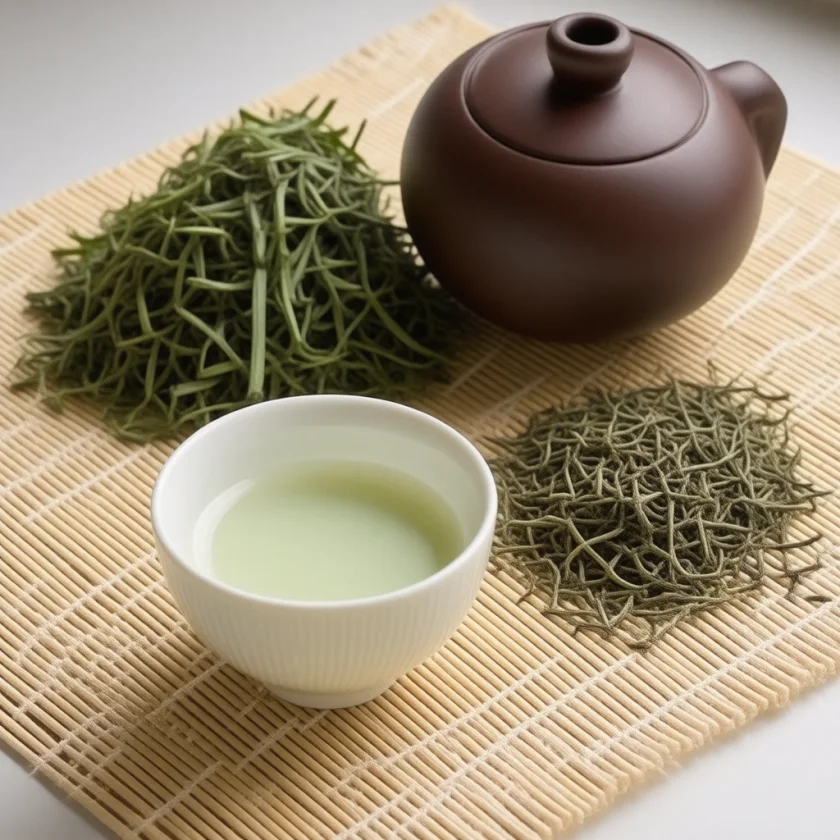
For a generation, mainstream nutrition advice has been to "eat the rainbow" and consume a wide variety of brightly colored fruits and vegetables. That folk wisdom turns out to be precisely correct biochemistry — the pigment compounds responsible for the colors (anthocyanins in berries, carotenoids in orange and red plants, chlorophyll and sulforaphane in greens, curcuminoids in turmeric) are polyphenols and isothiocyanates that activate the body's master antioxidant transcription factor, Nrf2. Activated Nrf2 enters the cell nucleus and transcribes more than 200 cytoprotective genes including glutathione synthesis enzymes, Phase II detoxification enzymes, and reduced nicotinamide adenine dinucleotide phosphate-generating enzymes. Polyphenol-rich foods therefore do not just provide direct antioxidant chemistry — they upregulate the body's endogenous antioxidant capacity. This is why diet-based interventions consistently outperform isolated antioxidant supplements in cardiovascular and neurodegenerative outcomes. This deep-dive walks through the Nrf2 mechanism, the most potent polyphenol activators, the bioavailability problem, and the practical food sources.
Table of Contents
- The Nrf2/Keap1 Pathway — How Foods Talk to Cellular Antioxidant Genes
- Sulforaphane (Cruciferous Vegetables) — The Most Potent Nrf2 Activator
- Curcumin (Turmeric) — The Anti-Inflammatory Polyphenol
- Epigallocatechin Gallate (Green Tea) and Catechins
- Resveratrol and Stilbenes
- Anthocyanins (Berries, Pomegranate, Dark Grapes)
- Quercetin, Hesperidin, and Other Flavonoids
- The Bioavailability Problem and Gut Microbiota
- Why Whole Foods Outperform Isolated Antioxidant Supplements
- Daily Food Sources and Typical Amounts
- Key Research Papers
- Connections
- Featured Videos
The Nrf2/Keap1 Pathway — How Foods Talk to Cellular Antioxidant Genes
Nuclear factor erythroid 2-related factor 2 (Nrf2) is the master transcriptional regulator of the cellular antioxidant response. Under normal resting conditions, Nrf2 is held in the cytoplasm by its partner protein Keap1 (Kelch-like ECH-associated protein 1). The Keap1-Nrf2 complex is constantly tagged with ubiquitin and degraded by the proteasome, keeping baseline cytoplasmic Nrf2 low.
The trick is that Keap1 has approximately 25 cysteine residues that act as molecular sensors. When an oxidant or electrophilic molecule reaches the cytoplasm, it modifies one or more of these reactive Keap1 cysteines (the most sensitive are Cys-151, Cys-273, Cys-288), changing Keap1's conformation. The modified Keap1 releases Nrf2, which translocates to the nucleus, dimerizes with small Maf proteins, and binds antioxidant response elements (AREs) in the promoter regions of more than 200 cytoprotective genes.
The genes turned on by Nrf2 include:
- Glutathione synthesis — GCLC, GCLM (the rate-limiting gamma-glutamyl cysteine ligase subunits), GSS (glutathione synthetase)
- Antioxidant enzymes — glutathione peroxidases, peroxiredoxins, thioredoxin, thioredoxin reductase
- Reduced nicotinamide adenine dinucleotide phosphate-generating enzymes — glucose-6-phosphate dehydrogenase (G6PD) and 6-phosphogluconate dehydrogenase (6PGD) of the pentose phosphate pathway, ME1 (malic enzyme), IDH1 (isocitrate dehydrogenase)
- Phase II detoxification enzymes — NQO1 (NAD(P)H quinone dehydrogenase 1), GSTs (glutathione-S-transferases), UGTs (UDP-glucuronosyltransferases), SULTs (sulfotransferases)
- Heme and iron metabolism — HO-1 (heme oxygenase-1, the textbook Nrf2 target), ferritin (sequesters free iron that catalyzes Fenton chemistry)
- Metal-binding proteins — metallothionein
The net effect of Nrf2 activation is therefore not just "more antioxidant" — it is a coordinated cellular shift toward enhanced detoxification, reactive oxygen species (ROS) neutralization, glutathione synthesis, and iron sequestration. This is qualitatively different from giving a megadose of one antioxidant. The food compounds that activate Nrf2 are not themselves the active antioxidants; they are signaling molecules that tell the cell to upregulate its own antioxidant defenses.
An important nuance: food-derived Nrf2 activation is intermittent and pulse-like rather than continuous, and that difference matters. Sustained Nrf2 activation has been associated in some cancers with chemotherapy resistance (the tumor uses Nrf2 to detoxify chemotherapeutic agents) and accelerated tumor growth in established cancers. After a meal of broccoli, sulforaphane rises, Nrf2 activates for hours, then returns to baseline.
Sulforaphane (Cruciferous Vegetables) — The Most Potent Nrf2 Activator
Sulforaphane is an isothiocyanate (R-N=C=S) released from cruciferous vegetables (broccoli, broccoli sprouts, brussels sprouts, cabbage, cauliflower, kale, bok choy, watercress, arugula) when the precursor glucoraphanin is hydrolyzed by the myrosinase enzyme. The hydrolysis happens when the vegetable is chopped, chewed, or crushed — myrosinase is sequestered in different cells from glucoraphanin until tissue damage brings them together.
Sulforaphane is the most potent natural Nrf2 activator known — effective at low micromolar concentrations. The mechanism is direct covalent modification of Keap1 Cys-151 by the reactive isothiocyanate carbon. The Talalay laboratory at Johns Hopkins (Paul Talalay, who died in 2019) was the foundational research group, demonstrating sulforaphane's chemoprotective effects in animal cancer models in the 1990s and going on to develop standardized broccoli sprout extract preparations.
Practical sulforaphane sources, ranked by content:
- Broccoli sprouts (3-day-old) — the densest source: 3-day-old sprouts of certain broccoli and cauliflower cultivars contain 10-100 times more glucoraphanin (the sulforaphane precursor) than the mature plants (Fahey 1997). Approximately 1 g of fresh sprouts equals the sulforaphane content of 50 g of mature broccoli. Home growing is simple: the seeds are soaked about 8 hours, rinsed and drained twice daily in a sprouting jar, and are ready in 3-4 days. 30 g of sprouts (about 1/4 cup) delivers a substantial Nrf2-activating dose.
- Standardized broccoli sprout extract supplements — sold by several supplement makers. Products differ: some contain both glucoraphanin and active myrosinase (the enzyme that converts it to sulforaphane), others are standardized to deliver sulforaphane equivalents. 10-30 mg sulforaphane per dose is typical for clinical-trial-equivalent dosing.
- Mature broccoli, steamed lightly — light steaming preserves myrosinase activity (boiling destroys it). 1-2 cups daily provides meaningful but lower-dose sulforaphane.
- Other cruciferous vegetables — kale, cabbage, cauliflower, brussels sprouts — contain related isothiocyanates (with similar Nrf2 activation but different potency). The well-studied compound from watercress is gluconasturtiin; from horseradish, sinigrin.
The clinical evidence for sulforaphane is among the most positive of any nutraceutical. Studies have shown effects on Helicobacter pylori clearance (Yanaka 2009), modulation of autism behavior (Singh 2014 PNAS), reduced systemic inflammation markers, improved insulin sensitivity, hepatic detoxification capacity, and ongoing chemopreventive trials in bladder cancer, prostate cancer, and Barrett's esophagus.
A preparation detail: boiling broccoli destroys myrosinase, and sprinkling raw mustard powder (which contains active myrosinase) over the cooked broccoli before eating restores sulforaphane generation in the digestive tract.
Curcumin (Turmeric) — The Anti-Inflammatory Polyphenol
Curcumin is the yellow polyphenol pigment of turmeric (Curcuma longa), the principal spice in curry. It is one of the most studied phytochemicals in the world — PubMed lists more than 25,000 publications on curcumin.
Curcumin's effects are pleiotropic, but the dominant mechanisms relevant to oxidative stress are:
- Nrf2 activation — curcumin's alpha-beta unsaturated carbonyl system modifies Keap1 cysteine residues, releasing Nrf2 to activate the antioxidant response.
- NF-kappaB inhibition — curcumin inhibits the inflammatory transcription factor NF-kappaB, reducing tumor necrosis factor-alpha, interleukin-6 (IL-6), IL-1beta, and other inflammatory cytokines.
- Direct reactive oxygen species scavenging — curcumin's phenolic hydroxyl groups directly quench reactive oxygen species, though this is a minor effect compared to Nrf2-mediated upregulation of endogenous defenses.
- 5-lipoxygenase (5-LOX) and cyclooxygenase-2 (COX-2) inhibition — reducing prostaglandin and leukotriene production for an anti-inflammatory effect similar to (but milder than) nonsteroidal anti-inflammatory drugs (NSAIDs).
The clinical applications with the strongest evidence:
- Osteoarthritis — a 2016 meta-analysis (Daily 2016, J Med Food) of 8 small randomized trials of turmeric extract (about 1,000 mg/day of curcumin) found lower pain scores than placebo and no significant difference in pain scores against pain medicines in 5 trials; the authors judged the number, size and quality of the trials not sufficient to draw definitive conclusions. In a 2014 Thai trial of 367 people with knee osteoarthritis, a turmeric extract at 1,500 mg/day for 4 weeks was as effective as ibuprofen 1,200 mg/day, with fewer reports of stomach pain or discomfort (Kuptniratsaikul 2014).
- Rheumatoid arthritis — smaller trials show benefit as adjunct to standard disease-modifying antirheumatic drugs (DMARDs).
- Inflammatory bowel disease — some evidence for benefit in mild-to-moderate ulcerative colitis as adjunct to mesalamine.
- Major depression — meta-analyses show modest antidepressant effect; benefits the "treatment-resistant" phenotype with elevated inflammatory markers more than melancholic depression.
- Hyperlipidemia — modest reductions in low-density lipoprotein (LDL) and triglycerides; less impressive than statins.
Bioavailability is curcumin's biggest practical problem. Plain curcumin has <1% oral bioavailability due to poor solubility, rapid hepatic glucuronidation, and biliary excretion. Several formulation strategies dramatically improve bioavailability:
- Piperine combination (a piperine-containing black pepper extract) — piperine inhibits glucuronidation. In human volunteers, 20 mg of piperine taken with a single 2 g dose of curcumin raised curcumin bioavailability by 2,000% (Shoba 1998).
- Phospholipid complex (a phospholipid-bound curcumin form) — ~30x bioavailability increase.
- Nanoparticle formulations (submicron-particle curcumin) — ~27x bioavailability increase.
- Liposomal curcumin — ~20x increase.
The clinical-trial-equivalent dose for plain curcumin is approximately 1,000-1,500 mg/day; for bioavailability-enhanced formulations, 200-500 mg/day is roughly equivalent. See our detailed Turmeric page for the full clinical profile.
Epigallocatechin Gallate (Green Tea) and Catechins
Green tea (Camellia sinensis processed without fermentation) is the dominant dietary source of catechins, particularly epigallocatechin-3-gallate (epigallocatechin gallate, EGCG), epicatechin (EC), epigallocatechin (EGC), and epicatechin-3-gallate (ECG). Epigallocatechin gallate is the most abundant and most studied.
Epigallocatechin gallate activates Nrf2 through Keap1 modification and additionally activates AMP-activated protein kinase (AMPK), inhibits the mechanistic target of rapamycin (mTOR) pathway (mimicking caloric restriction), and modulates the gut microbiome to favor beneficial taxa. The pleiotropic effects translate to evidence for:
- Cardiovascular benefit — large prospective cohorts (Japanese Ohsaki Study, others) show inverse association between green tea consumption and cardiovascular disease (CVD) mortality. Mechanisms include improved endothelial function, modest low-density lipoprotein reduction, blood pressure reduction, and platelet inhibition.
- Metabolic benefit — modest reductions in body weight and improved insulin sensitivity, especially with the combination of epigallocatechin gallate and caffeine in green tea.
- Cancer chemoprevention — large observational evidence; intervention trials less consistent.
- Cognitive function — modest evidence for cognitive benefit in older adults, with L-theanine (also abundant in green tea) contributing.
Dose-response: 3-5 cups of brewed green tea per day (providing 200-400 mg epigallocatechin gallate) is the typical effective dose in epidemiological studies. Concentrated epigallocatechin gallate supplements (300-500 mg/day) approximate this exposure but carry a rare hepatotoxicity risk (idiosyncratic, dose-related, usually reversible) that is not seen with brewed tea.
For more on green tea, see our Green Tea page.
Resveratrol and Stilbenes
Resveratrol is a stilbene phytoalexin produced by grapevines, peanuts, knotweed, and a handful of other plants in response to pathogen stress. It was popularized by red wine research in the early 2000s as a potential explanation for the "French paradox" (low cardiovascular disease mortality despite high saturated fat intake) and subsequently by David Sinclair's work suggesting resveratrol mimics caloric restriction through SIRT1 activation.
Mechanistically, resveratrol activates Nrf2, activates SIRT1 (a nicotinamide adenine dinucleotide-dependent histone deacetylase involved in longevity pathways), activates AMP-activated protein kinase (the cellular energy sensor), and has direct antioxidant effects. The cross-talk between Nrf2 and SIRT1 has been a fruitful area of recent research.
The clinical translation has been less dramatic than the early enthusiasm. Trials of high-dose resveratrol have shown modest improvements in insulin sensitivity and lipid profiles in metabolic syndrome, modest cognitive benefits in some studies, and no dramatic longevity effect in humans (the mouse longevity data on high-fat diets did not translate to chow-fed mice or to humans).
Bioavailability is poor (1-2%) due to rapid Phase II glucuronidation. Trans-resveratrol is the bioactive isomer. Typical supplement doses are 150-500 mg/day. Popular longevity-supplement doses of 1 g per day and above produce more bioavailability problems and have shown adverse effects on insulin sensitivity in some studies. Dietary sources include red wine (1-3 mg per glass — not enough for the supplement-trial effects; the cardiovascular benefit long credited to moderate red wine drinking is now contested, because a 2023 meta-analysis of 107 cohort studies found that, once former drinkers and other biases were accounted for, low-volume drinkers did not have a significantly lower risk of death than lifelong non-drinkers — see the red wine entry below), red grapes, blueberries, peanuts, and Japanese knotweed extract.
Anthocyanins (Berries, Pomegranate, Dark Grapes)
Anthocyanins are the polyphenol pigments responsible for the red, blue, and purple color of berries (blueberries, blackberries, raspberries, strawberries, cranberries, elderberries), pomegranate, dark grapes, purple cabbage, eggplant skin, purple sweet potato, black rice, and red wine. They activate Nrf2 and have well-documented vascular benefits.
The strongest evidence is for cardiovascular outcomes, and it comes from observational cohorts. In the Nurses' Health Study II (93,600 women aged 25-42, followed for 18 years), women with the highest anthocyanin intake had a lower risk of heart attack (myocardial infarction) than those with the lowest (hazard ratio 0.68, highest versus lowest fifth of intake; Cassidy 2013). In the Health Professionals Follow-up Study (43,880 men, followed for 24 years), higher anthocyanin intake was not linked to total or fatal heart attack or to stroke; the only association was a weaker one with non-fatal heart attack (hazard ratio 0.87; Cassidy 2016). These are observational findings: the 2013 authors noted that short-term trials suggest dietary flavonoids may benefit the lining of the blood vessels (endothelial function), and wrote that intervention trials of anthocyanin-rich foods are still needed.
Mechanisms include direct Nrf2 activation, enhanced endothelial nitric oxide bioavailability (reducing vascular oxidative stress), reduced platelet aggregation, modest low-density lipoprotein reduction, and gut microbiota modulation. The gut microbiota plays a major role — anthocyanins are themselves poorly absorbed but are metabolized by gut bacteria into smaller phenolic acids (protocatechuic acid, ferulic acid, vanillic acid) that are well-absorbed and themselves bioactive.
Practical sources, ranked by anthocyanin density:
- Aronia berries (chokeberries) — the highest anthocyanin content of more than 100 common US foods measured by USDA researchers (1,480 mg per 100 g fresh weight; Wu 2006). Tart enough that they are usually consumed as concentrate or in juice blends.
- Elderberries — 700-1,000 mg per 100 g, plus immune-supportive sambucus compounds.
- Black raspberries — ~600 mg per 100 g.
- Blackberries, blueberries (wild > cultivated) — 300-500 mg per 100 g.
- Black currants — 300-500 mg per 100 g.
- Pomegranate — rich in punicalagins (related compounds) and ellagic acid plus anthocyanins.
- Red wine — 20-35 mg per 6 oz glass.
The typical effective dose in studies is approximately 200-500 mg of anthocyanins per day — achievable with 1 cup of berries daily, or 1-2 tablespoons of aronia concentrate. By comparison, the same USDA study estimated that the average American eats only about 12.5 mg of anthocyanins a day (Wu 2006). For more on berries, see our Berries page.
Quercetin, Hesperidin, and Other Flavonoids
Beyond the headline polyphenols above, several other flavonoids contribute meaningfully to the dietary antioxidant effect:
- Quercetin — abundant in onions, apples, capers, dill, kale, red wine, green tea. Anti-inflammatory and antihistamine effects in addition to Nrf2 activation. 500-1,000 mg/day supplemental doses have been studied for exercise recovery, allergic rhinitis, and cardiovascular health. Combines well with bromelain (improves absorption) and Vitamin C.
- Hesperidin and naringin — citrus flavonoids. Improve endothelial function and capillary fragility. Found in the white pith of citrus fruits.
- Apigenin — chamomile, parsley, celery. Anti-inflammatory and modest sedative effects.
- Luteolin — celery, parsley, broccoli, peppers, thyme. Strong Nrf2 activator and anti-inflammatory.
- Kaempferol — kale, broccoli, dill, chives, beans, leeks, tea.
- Catechins beyond epigallocatechin gallate — in cocoa (epicatechin contributes to dark chocolate's vascular benefit) and apples.
- Proanthocyanidins (condensed tannins) — in grape seeds, pine bark, cocoa, cinnamon. Strong antioxidant capacity and vascular benefits.
The take-home is that polyphenol benefit comes from variety. No single flavonoid is uniquely necessary; multiple polyphenols delivered together (as in whole-food consumption) activate Nrf2 more reliably and at lower individual doses than any single compound.
The Bioavailability Problem and Gut Microbiota
One of the great puzzles of polyphenol research has been the disconnect between in-vitro potency and in-vivo bioavailability. Many polyphenols have less than 5% bioavailability for the parent compound, are rapidly conjugated by Phase II enzymes (glucuronidated and sulfated within minutes), and yet produce measurable clinical effects in human trials. The resolution to this paradox is the gut microbiota.
Most polyphenols are not absorbed intact — they reach the colon, where gut bacteria deglycosylate them, cleave their ring structures, and produce smaller phenolic acid metabolites that are well-absorbed and bioactive. For example:
- Anthocyanins are metabolized to protocatechuic acid, vanillic acid, gallic acid, syringic acid.
- Ellagitannins (from pomegranate, walnuts, raspberries) are metabolized to urolithin A and urolithin B — the latter compounds being responsible for much of the systemic anti-inflammatory and mitophagy effect attributed to the parent ellagitannins. Urolithin A is now sold as a stand-alone supplement.
- Isoflavones (soy) are metabolized to equol by approximately 30% of Western adults (the "equol producers") who get more benefit from soy than non-producers.
- Catechins are metabolized to phenyl-valerolactones with their own activity.
This means that:
- The relevant exposures in human polyphenol studies are not just the parent compounds but the microbiota-derived metabolites.
- Individual variability in gut microbiota produces variable response to polyphenol foods. A person with a urolithin-producing microbiota gets more out of walnuts and pomegranate than a non-producer.
- Antibiotic exposure or severe gut dysbiosis temporarily reduces polyphenol efficacy until the relevant bacteria recolonize.
- Direct supplementation with the post-microbial metabolite (e.g., urolithin A) bypasses the variability.
The practical implication is that polyphenol-rich diet works synergistically with gut microbiome health — fermented foods, fiber, prebiotic-rich vegetables, and avoiding unnecessary antibiotics all amplify the antioxidant benefit of polyphenols.
Why Whole Foods Outperform Isolated Antioxidant Supplements
One of the most important and humbling stories in clinical nutrition is the consistent failure of isolated antioxidant supplements in large randomized controlled trials (RCTs):
- ATBC trial (1994) — alpha-tocopherol and beta-carotene supplementation in 29,000 Finnish smokers. Beta-carotene increased lung cancer incidence by 18% and overall mortality by 8%.
- CARET trial (1996) — beta-carotene + Vitamin A in 18,000 smokers and asbestos workers. Trial stopped early due to 28% increase in lung cancer.
- HOPE and HOPE-TOO trials (2000/2005) — Vitamin E (400 IU/day) in 9,541 patients aged 55 or older with vascular disease or diabetes, median follow-up 7 years. No reduction in major cardiovascular events or cancer; a significantly higher risk of heart failure (relative risk 1.13) and of hospitalization for heart failure (relative risk 1.21) (Lonn 2005).
- SELECT trial (2009; extended follow-up 2011) — selenium and Vitamin E for prostate cancer prevention in 35,533 men. The first report (2009) found no prevention; with longer follow-up, Vitamin E (400 IU/day) increased prostate cancer risk by 17% (hazard ratio 1.17; 620 cases versus 529 on placebo), an absolute increase of 1.6 cases per 1,000 person-years (Klein 2011).
- Bjelakovic meta-analysis JAMA 2007 — 68 randomized trials with 232,606 participants. Pooled together, all trials showed no significant effect on mortality; in the 47 trials with low risk of bias (180,938 participants), antioxidant supplements increased mortality by 5% (relative risk 1.05). In those low-bias trials beta-carotene, Vitamin A and Vitamin E increased mortality; Vitamin C and selenium had no significant effect.
In contrast, intake of antioxidant-rich whole foods (Mediterranean diet pattern, high fruit and vegetable consumption, regular berry consumption) consistently associates with reduced cardiovascular disease events, reduced cancer incidence, reduced cognitive decline, and reduced all-cause mortality in both observational studies and intervention trials (PREDIMED).
Why the discrepancy? Several reasons:
- Hormesis — reactive oxygen species at low concentrations are essential signaling molecules. Megadose antioxidants disrupt this signaling. Foods deliver polyphenols in pulse-like patterns that activate Nrf2 transiently without sustained suppression of normal redox signaling.
- Nrf2 activation versus direct scavenging — food polyphenols upregulate the endogenous antioxidant system rather than substituting for it. The result is durable cellular antioxidant capacity rather than transient direct reactive oxygen species absorption.
- Antioxidant network synergy — foods deliver dozens of polyphenols that interact synergistically; isolated single compounds at megadose can become pro-oxidant under specific conditions (the beta-carotene problem in smokers).
- Cofactors and matrix — whole foods deliver minerals, B-vitamins, fiber, and other compounds that support the antioxidant system. Isolated supplements lack this context.
- Gut microbiota processing — food polyphenols are processed by gut bacteria into bioactive metabolites. Isolated chemical supplements bypass this important biological filtering.
This does not mean every supplement is bad — N-acetylcysteine (NAC), glutathione precursors, coenzyme Q10 (CoQ10), Vitamin D in deficient populations, and curcumin all have positive supplement evidence. But the broad lesson of these trials is that the evidence on oxidative stress favours diet, with isolated supplements supported only for specific clinical indications rather than as a substitute for diet.
Daily Food Sources and Typical Amounts
The foods below are the main dietary sources of the Nrf2-activating compounds covered on this page, with the amounts commonly described:
- Cruciferous vegetables — about 1 cup a day of broccoli, kale, brussels sprouts, cabbage, cauliflower, or bok choy. Light steaming or eating them raw preserves myrosinase. 1-2 tablespoons of broccoli sprouts (easily home-grown) carry the highest sulforaphane density. See our Broccoli page and Kale page.
- Berries — about 1 cup of mixed berries a day; frozen berries are often more anthocyanin-dense than out-of-season fresh ones. Blueberries, blackberries, raspberries, strawberries, pomegranate seeds. Berries deep-dive.
- Turmeric in cooking — 1/2 to 1 teaspoon turmeric (curcumin source) per day, usually paired with black pepper, whose piperine raises curcumin absorption (see above). Turmeric page.
- Green tea — 3-5 cups a day is the intake linked with benefit in epidemiological studies; matcha (powdered whole leaf) has the highest epigallocatechin gallate density. Green Tea page.
- Allium vegetables — onions, garlic, leeks, scallions, shallots: sources of quercetin and organosulfur compounds.
- Dark leafy greens — spinach, chard, beet greens, mustard greens.
- Olive oil — extra virgin (not refined) is the form that carries the oleocanthal and oleuropein polyphenols; 2-4 tablespoons a day is a commonly described amount.
- Dark chocolate — 70%+ cacao; 20-30 g a day supplies epicatechin and proanthocyanidins.
- Coffee — 2-4 cups a day delivers chlorogenic acid, with documented cardiovascular and metabolic benefits in habitual consumers. Unfiltered coffee (boiled, cafetière or Turkish) also carries cafestol and kahweol, coffee oils that raise total and low-density lipoprotein cholesterol; a paper filter holds them back, which is why filtered coffee does not affect cholesterol (Urgert and Katan 1997).
- Spices broadly — cinnamon, ginger, rosemary, thyme, oregano, sage, clove, allspice all are concentrated polyphenol sources.
- Walnuts and pecans — 1 ounce a day supplies ellagitannins (precursor to urolithin A).
- Red wine — a source of resveratrol and anthocyanins, but any health benefit of drinking it is contested. A 2023 review of 107 cohort studies (4,838,825 participants) adjusted for the way earlier studies counted former drinkers as non-drinkers. After that adjustment, low-volume drinkers (1.3-24 g of alcohol a day) did not have a significantly lower risk of death than lifelong non-drinkers (relative risk 0.93), the risk was significantly higher from 45 g a day, and higher risk began at lower intakes for women than for men (Zhao 2023).
This pattern overlaps almost exactly with the Mediterranean diet (PREDIMED), the Okinawan diet (longevity cohort), and the MIND diet (cognitive decline prevention). For someone eating a typical Western diet, the main change this pattern describes is 2-3 more servings a day of brightly colored fruits and vegetables, eaten as a substantial portion of caloric intake rather than as a side dish.
Key Research Papers
- Itoh K et al. (1997). An Nrf2/small Maf heterodimer mediates the induction of phase II detoxifying enzyme genes through antioxidant response elements. Biochem Biophys Res Commun. — PubMed PMID: 9240432
- Hayes JD, Dinkova-Kostova AT (2014). The Nrf2 regulatory network provides an interface between redox and intermediary metabolism. Trends in Biochemical Sciences. — PubMed PMID: 24647116
- Fahey JW, Talalay P (1999). Antioxidant functions of sulforaphane: a potent inducer of Phase II detoxication enzymes. Food and Chemical Toxicology. — PubMed PMID: 10541453
- Fahey JW, Zhang Y, Talalay P (1997). Broccoli sprouts: an exceptionally rich source of inducers of enzymes that protect against chemical carcinogens. Proc Natl Acad Sci U S A. — PubMed PMID: 9294217
- Yanaka A et al. (2009). Dietary sulforaphane-rich broccoli sprouts reduce colonization and attenuate gastritis in Helicobacter pylori-infected mice and humans. Cancer Prevention Research. — PubMed PMID: 19349290
- Singh K et al. (2014). Sulforaphane treatment of autism spectrum disorder (ASD). PNAS. — PubMed PMID: 25313065
- Daily JW et al. (2016). Efficacy of turmeric extracts and curcumin for alleviating the symptoms of joint arthritis: A systematic review and meta-analysis of randomized clinical trials. J Med Food. — PubMed PMID: 27533649
- Kuptniratsaikul V et al. (2014). Efficacy and safety of Curcuma domestica extracts compared with ibuprofen in patients with knee osteoarthritis: a multicenter study. Clin Interv Aging. — PubMed PMID: 24672232
- Shoba G et al. (1998). Influence of piperine on the pharmacokinetics of curcumin in animals and human volunteers. Planta Med. — PubMed PMID: 9619120
- Estruch R et al. (2018). Primary prevention of cardiovascular disease with a Mediterranean diet supplemented with extra-virgin olive oil or nuts (PREDIMED). NEJM. — PubMed PMID: 29897866
- Cassidy A et al. (2013). High anthocyanin intake is associated with a reduced risk of myocardial infarction in young and middle-aged women. Circulation. — PubMed PMID: 23319811
- Cassidy A et al. (2016). Habitual intake of anthocyanins and flavanones and risk of cardiovascular disease in men. Am J Clin Nutr. — PubMed PMID: 27488237
- Wu X et al. (2006). Concentrations of anthocyanins in common foods in the United States and estimation of normal consumption. J Agric Food Chem. — PubMed PMID: 16719536
- Bjelakovic G et al. (2007). Mortality in randomized trials of antioxidant supplements for primary and secondary prevention: systematic review and meta-analysis. JAMA. — PubMed PMID: 17327526
- Omenn GS et al. (1996). Effects of a combination of beta carotene and vitamin A on lung cancer and cardiovascular disease (CARET). NEJM. — PubMed PMID: 8602180
- Lippman SM et al. (2009). Effect of selenium and vitamin E on risk of prostate cancer and other cancers (SELECT). JAMA. — PubMed PMID: 19066370
- Klein EA et al. (2011). Vitamin E and the risk of prostate cancer: the Selenium and Vitamin E Cancer Prevention Trial (SELECT). JAMA. — PubMed PMID: 21990298
- Lonn E et al. (2005). Effects of long-term vitamin E supplementation on cardiovascular events and cancer: a randomized controlled trial. JAMA. — PubMed PMID: 15769967
- Ristow M et al. (2009). Antioxidants prevent health-promoting effects of physical exercise in humans. PNAS. — PubMed PMID: 19433800
- Urgert R, Katan MB (1997). The cholesterol-raising factor from coffee beans. Annu Rev Nutr. — PubMed PMID: 9240930
- Zhao J et al. (2023). Association Between Daily Alcohol Intake and Risk of All-Cause Mortality: A Systematic Review and Meta-analyses. JAMA Netw Open. — PubMed PMID: 37000449
PubMed Topic Searches
Connections
- All Remedies
- Oxidative Stress Hub
- Oxidative Stress Benefits Hub
- Glutathione Master Antioxidant
- N-Acetylcysteine and Precursors
- Mitochondrial Health
- Turmeric (Curcumin)
- Green Tea (Epigallocatechin Gallate)
- Broccoli (Sulforaphane)
- Kale
- Onions (Quercetin)
- Vitamin C
- Vitamin E
- Mediterranean Diet
- Cardiovascular Disease