⚠ Evidence warning: Clinical trials or other evidence do not support the claims that oat benefits in type 2 diabetes are greatest when oats replace other grain foods, that higher oat consumption is tied to lower cardiovascular death, and that oats are among the most evidence-based dietary tools for preventing cardiovascular disease. This page keeps it as a report of what people, websites or other media say.
Oats - Beneficial Foods
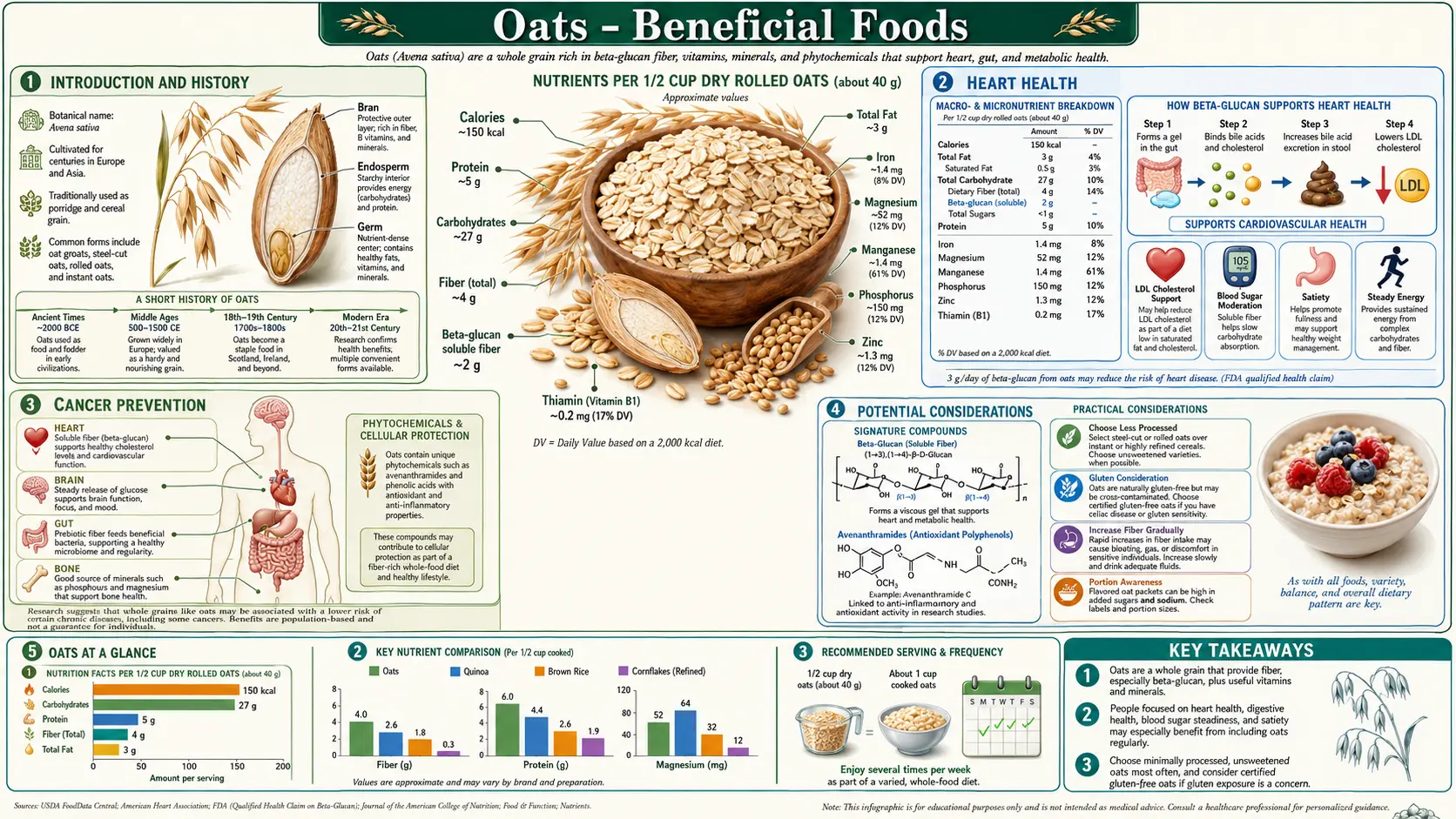
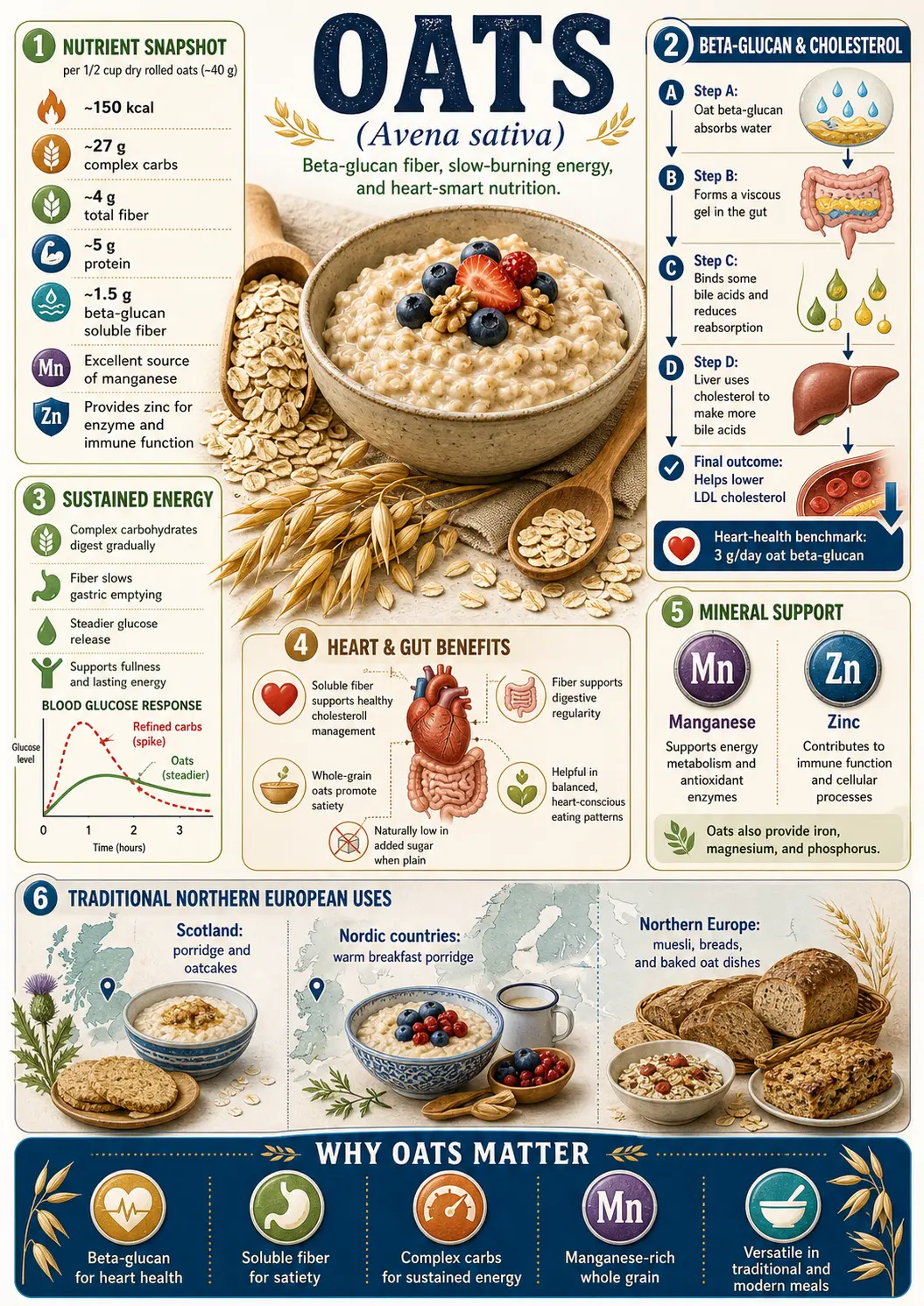
Table of Contents
- Introduction and History
- Nutritional Profile
- Beta-Glucan Soluble Fiber
- Cholesterol Reduction
- Blood Sugar Control
- Heart Health
- Digestive Health
- Weight Management
- Anti-Inflammatory Properties
- Skin Health
- Immune System
- Cancer Prevention
- Athletic Performance
- Types of Oats
- Gluten-Free Considerations
- Optimal Preparation
- Potential Considerations
- Key Research Papers
- Connections
- Featured Videos
1. Introduction and History
Oats (Avena sativa) are one of the most nutritious and versatile cereal grains consumed worldwide. Belonging to the grass family Poaceae, oats have been cultivated for thousands of years, serving as a dietary staple in temperate climates across the globe. Unlike wheat and barley, which were domesticated in the Fertile Crescent, oats were originally considered a weed that grew among other cereal crops before being recognized for their own nutritional value and hardiness in cooler, wetter growing conditions.
The earliest archaeological evidence of oat cultivation dates to approximately 2000 BCE in Europe, though wild oats were likely gathered as food long before deliberate farming began. The ancient Romans documented oats primarily as animal fodder, and the Roman writer Pliny the Elder noted that Germanic tribes consumed oats as porridge. It was in the cooler climates of Scotland, Scandinavia, and northern Europe that oats truly became a cornerstone of the human diet. Scottish cuisine in particular elevated oats to cultural significance, with oatmeal porridge, oatcakes, and haggis becoming defining dishes of the national culinary identity.
In Nordic traditions, oats held similar importance. The harsh growing seasons of Scandinavia made oats an ideal crop, as they tolerated poor soils and wet conditions far better than wheat. Norwegian and Swedish farmers relied heavily on oat-based gruels and flatbreads throughout the Middle Ages. When Scottish and Scandinavian immigrants arrived in North America, they brought their oat-eating traditions with them, helping to establish the grain as a breakfast staple across the continent by the nineteenth century.
The modern understanding of oats has transformed them from a humble peasant grain into a recognized functional food. Beginning in the 1960s and accelerating through the 1990s, scientific research revealed the extraordinary health benefits of oat consumption, particularly regarding cardiovascular health. Today, oats are grown commercially in Russia, Canada, the United States, Australia, and throughout Europe, with global production exceeding 20 million metric tons annually. Their resurgence in popularity reflects a growing appreciation for whole grains and plant-based nutrition in contemporary dietary practice.
Throughout history, oats have also been valued in traditional medicine. Scottish and Irish folk remedies employed oat straw tea as a nerve tonic and mild sedative. In Ayurvedic and traditional European herbalism, oat preparations were used to support convalescence, calm anxiety, and strengthen the body during periods of exhaustion. Modern science has validated many of these traditional uses, uncovering specific bioactive compounds that explain the wide-ranging health benefits attributed to this remarkable grain.
2. Nutritional Profile
Oats are among the most nutrient-dense cereal grains available, providing an impressive array of macronutrients, micronutrients, and bioactive compounds per serving. A single cup (approximately 81 grams) of dry rolled oats delivers roughly 307 calories, 55 grams of carbohydrates, 11 grams of protein, 5 grams of fat, and 8 grams of dietary fiber. This macronutrient composition is notably superior to many other grains, with oats containing significantly more protein and healthy fats than rice, corn, or wheat flour products.
The mineral content of oats is particularly remarkable. By USDA figures for dry rolled oats, measured against the current FDA Daily Values (DV), a single 1-cup (81-gram) serving provides approximately 128% of the DV for manganese, a trace mineral essential for bone formation, blood clotting, and antioxidant enzyme function. Oats also supply substantial amounts of phosphorus (27% DV), which supports bone health and cellular energy metabolism, along with magnesium (27% DV), a mineral involved in over 300 enzymatic reactions in the body including muscle and nerve function. Iron content is significant at approximately 19% of the DV, while zinc (27% DV) supports immune function and wound healing. Copper and selenium round out the mineral profile.
Among the B vitamins, oats are an excellent source of thiamine (vitamin B1), providing approximately 31% of the DV per serving. Thiamine plays a critical role in carbohydrate metabolism and nervous system function. Oats also contain meaningful amounts of pantothenic acid (vitamin B5), riboflavin (vitamin B2), niacin (vitamin B3), and folate (vitamin B9). This B-vitamin complex supports energy production, red blood cell formation, and cognitive function.
The protein in oats deserves special attention. At approximately 13-17% protein by weight, oats contain the highest protein content of any commonly consumed cereal grain. The protein quality is also noteworthy, with a relatively well-balanced amino acid profile that includes higher levels of the essential amino acid lysine compared to wheat and corn. Avenalin, the primary storage protein in oats, has a composition more similar to legume proteins than to the prolamins found in most other cereals, contributing to its superior nutritional value.
Perhaps the most celebrated component of oats is their unique collection of bioactive compounds, particularly avenanthramides. These polyphenolic antioxidants are found exclusively in oats and have demonstrated potent anti-inflammatory, anti-itching, and vasodilatory properties. Oats also contain phenolic acids, flavonoids, sterols, and tocotrienols (a form of vitamin E). The combination of these phytochemicals with the grain's exceptional fiber, protein, and mineral content establishes oats as one of the most complete and health-promoting foods in the human diet.
3. Beta-Glucan Soluble Fiber
Beta-glucan is the defining nutritional component of oats, a soluble dietary fiber that sets this grain apart from virtually all other cereal crops. Oat beta-glucan consists of linear chains of glucose molecules linked by mixed beta-(1,3) and beta-(1,4) glycosidic bonds. This specific molecular structure gives oat beta-glucan its extraordinary ability to form viscous, gel-like solutions when dissolved in water, a property that underlies most of the grain's well-documented health benefits. Whole oat groats contain between 3% and 8% beta-glucan by weight, concentrated primarily in the cell walls of the endosperm and the outer aleurone layer.
The gel-forming mechanism of beta-glucan is central to understanding how oats exert their physiological effects. When oat beta-glucan encounters water in the digestive tract, the polysaccharide chains hydrate and unfold, interacting with one another to create a thick, viscous matrix. This gel increases the viscosity of the intestinal contents, which in turn slows the rate of gastric emptying and delays the absorption of nutrients, including glucose and cholesterol, across the intestinal wall. The viscosity is directly proportional to the molecular weight and concentration of the beta-glucan, which is why processing methods that break down the fiber can reduce its effectiveness.
The scientific evidence supporting oat beta-glucan's health benefits became so compelling that in 1997, the United States Food and Drug Administration (FDA) took the unprecedented step of approving the first food-specific health claim for oats. The U.S. Food and Drug Administration authorized manufacturers to state that diets including soluble fiber from oat products, as part of a diet low in saturated fat and cholesterol, may reduce the risk of heart disease. This landmark decision was based on extensive clinical trial data demonstrating consistent reductions in total and low-density lipoprotein (LDL) cholesterol with daily oat beta-glucan intake of at least 3 grams. The European Food Safety Authority (EFSA) subsequently issued similar authorized health claims.
Research has continued to expand understanding of beta-glucan's mechanisms beyond simple gel formation. Studies published in the Journal of the American College of Nutrition and Nutrition Reviews have shown that beta-glucan interacts with bile acids in the intestinal lumen, binding them and promoting their excretion. This forces the liver to synthesize new bile acids from circulating cholesterol, effectively lowering blood cholesterol levels. Additionally, fermentation of beta-glucan by colonic bacteria produces short-chain fatty acids, particularly propionate and butyrate, which may independently suppress hepatic cholesterol synthesis and support intestinal health.
The daily threshold for clinically meaningful health benefits has been consistently established at 3 grams of oat beta-glucan, which can be obtained from approximately 1.5 cups of cooked oatmeal or 3 packets of instant oatmeal. Higher intakes may produce additional benefits, with some studies showing dose-dependent responses up to 6 grams per day. Importantly, the beta-glucan must remain structurally intact and capable of forming viscous solutions to exert its full effects, which has implications for how oats are processed and prepared.
4. Cholesterol Reduction
The cholesterol-lowering effects of oats represent one of the best-substantiated dietary interventions in nutrition science. Dozens of randomized controlled trials conducted over the past four decades have consistently demonstrated that regular consumption of oat products significantly reduces total cholesterol and low-density lipoprotein (LDL) cholesterol, the form most strongly associated with cardiovascular disease risk. A comprehensive meta-analysis published in the American Journal of Clinical Nutrition in 2014, encompassing 28 randomized controlled trials, found that adding at least 3 grams of oat beta-glucan a day to the diet reduced low-density lipoprotein cholesterol by 0.25 mmol/L and total cholesterol by 0.30 mmol/L compared with control diets, without changing high-density lipoprotein cholesterol; the lowering of low-density lipoprotein cholesterol was greater in people who started with higher levels.
The primary mechanism behind oat-mediated cholesterol reduction involves bile acid sequestration. Bile acids, synthesized from cholesterol in the liver, are secreted into the small intestine to aid in fat digestion and are normally reabsorbed in the ileum through enterohepatic circulation. The viscous gel formed by oat beta-glucan in the intestinal lumen physically traps bile acids, preventing their reabsorption and promoting their excretion in the feces. To compensate for this loss, the liver must upregulate the expression of low-density lipoprotein receptors on hepatocyte surfaces, pulling more low-density lipoprotein cholesterol from the bloodstream to serve as raw material for new bile acid synthesis. This mechanism effectively lowers circulating low-density lipoprotein levels.
Clinical trials have demonstrated that the cholesterol-lowering effect is reliable and clinically meaningful. A 1994 trial by Braaten and colleagues, published in the European Journal of Clinical Nutrition, gave 19 adults with high cholesterol a drink of purified oat gum (2.9 grams of beta-glucan twice a day) for four weeks; total and low-density lipoprotein cholesterol each fell 9%, and both returned to their starting levels when the oat gum was stopped. Subsequent studies have confirmed that even more modest intakes produce statistically significant reductions. A 2016 meta-analysis of 58 trials, published in the British Journal of Nutrition, found that a median 3.5 grams of oat beta-glucan a day lowered low-density lipoprotein cholesterol by 0.19 mmol/L, and its authors described oat-containing foods as a possible strategy for reaching cholesterol targets for cardiovascular risk reduction.
Importantly, oat consumption appears to selectively lower low-density lipoprotein and total cholesterol without significantly reducing high-density lipoprotein (HDL) cholesterol, the so-called "good cholesterol." This specificity makes oats a particularly attractive dietary intervention, as some cholesterol-lowering strategies can inadvertently reduce high-density lipoprotein levels. Additionally, some research suggests that oats may beneficially influence low-density lipoprotein particle size, shifting the distribution toward larger, less atherogenic particles. Small, dense low-density lipoprotein particles are more prone to oxidation and more readily penetrate arterial walls, so this qualitative improvement in low-density lipoprotein composition may provide cardiovascular benefits beyond what is captured by standard low-density lipoprotein measurements.
The cholesterol-lowering benefits of oats are most pronounced in individuals who begin with elevated cholesterol levels. In people with normal cholesterol, the reductions tend to be smaller, suggesting a regulatory mechanism that prevents excessive lowering. The therapeutic effect typically becomes apparent within two to four weeks of consistent consumption and is maintained as long as oat intake continues. For individuals with mild to moderate hypercholesterolemia, incorporating 3 grams of oat beta-glucan daily can serve as an effective first-line dietary strategy, potentially reducing the need for pharmacological intervention or complementing statin therapy under medical guidance.
5. Blood Sugar Control
Oats possess remarkable glycemic-regulating properties that make them one of the most beneficial grains for blood sugar management. The glycemic index (GI) of oats varies depending on processing, ranging from approximately 55 for steel-cut and rolled oats (classified as low to medium GI) to around 79 for instant oats (medium to high GI). This variability underscores the importance of choosing minimally processed forms, but even within this range, the presence of beta-glucan fiber substantially moderates the postprandial glycemic response compared to other cereal grains and refined carbohydrate sources.
The mechanism by which oats improve glycemic control is directly related to the viscous gel formed by beta-glucan in the gastrointestinal tract. This gel slows gastric emptying and creates a physical barrier along the intestinal mucosa that delays the enzymatic digestion of starch and the absorption of glucose. As a result, glucose enters the bloodstream more gradually, preventing the sharp spikes and subsequent crashes that characterize the consumption of refined carbohydrates. Studies using continuous glucose monitoring have demonstrated that oat-based meals produce significantly flatter glucose curves compared to equicaloric meals based on white bread, rice, or corn-based cereals.
Research published in the European Journal of Clinical Nutrition has shown that consuming oat beta-glucan with meals reduces peak postprandial glucose concentrations by 20-30% and decreases the overall glycemic response (measured as area under the curve) by a similar magnitude. The insulin response is also attenuated, meaning the pancreas does not need to secrete as much insulin to manage the incoming glucose load. This reduction in insulin demand is particularly beneficial for individuals with insulin resistance or type 2 diabetes, as it decreases the strain on beta cells and may help preserve their function over time.
For individuals managing type 2 diabetes (T2D), the evidence supporting oat consumption is robust. A meta-analysis published in Nutrients in 2015 examined 14 controlled trials and 2 uncontrolled studies in people with type 2 diabetes and found that oat intake significantly reduced hemoglobin A1c (HbA1c) (a marker of long-term glucose control), fasting blood glucose, total cholesterol and low-density lipoprotein cholesterol. Some studies have shown hemoglobin A1c reductions of 0.2-0.5% with regular oat consumption, a magnitude comparable to certain glucose-lowering medications. Benefits were most pronounced when oats replaced other grain-based foods in the diet rather than being added on top of existing intake.
Long-term observational studies further support the role of oats in diabetes prevention. The Nurses' Health Study and the Health Professionals Follow-Up Study, which tracked hundreds of thousands of participants over decades, found that higher whole grain intake, including oats, was associated with a 20-30% lower risk of developing type 2 diabetes. The combination of beta-glucan's acute glycemic-moderating effects with the long-term benefits of improved insulin sensitivity, reduced systemic inflammation, and better weight management makes oats an exceptionally valuable food for both preventing and managing disorders of glucose metabolism.
6. Heart Health
While the cholesterol-lowering properties of oats have received the most scientific attention, the cardiovascular benefits of this grain extend well beyond lipid management. Emerging research has identified multiple independent mechanisms through which regular oat consumption supports heart health, including blood pressure reduction, anti-inflammatory effects, and improvements in endothelial function. These diverse pathways work synergistically to provide comprehensive cardiovascular protection.
Several clinical trials have documented modest but consistent blood pressure reductions associated with oat consumption. A small randomized pilot trial of 18 people with high blood pressure, published in the Journal of Family Practice in 2002, found that participants eating oat cereal daily for 6 weeks had statistically significant reductions in both systolic and diastolic blood pressure, while blood pressure barely changed in a low-fiber cereal control group. The magnitude of the systolic reduction (approximately 7.5 mmHg) was clinically meaningful, as population studies suggest that even a 5 mmHg reduction in systolic blood pressure can lower cardiovascular mortality risk by roughly 7%. The mechanism may involve the production of nitric oxide stimulated by avenanthramides, which promotes vasodilation and reduces peripheral vascular resistance.
The anti-inflammatory effects of oats are mediated primarily through avenanthramides and the short-chain fatty acids produced during beta-glucan fermentation in the colon. Chronic low-grade inflammation is now recognized as a central driver of atherosclerosis and cardiovascular disease. Avenanthramides have been shown in laboratory studies to inhibit the production of pro-inflammatory cytokines including interleukin-6 (IL-6), interleukin-8 (IL-8), and monocyte chemoattractant protein-1 (MCP-1). By dampening these inflammatory pathways, regular oat consumption may help prevent the formation and progression of atherosclerotic plaques in coronary and peripheral arteries.
Endothelial function, the ability of blood vessel linings to regulate tone, clotting, and immune function, is another area where oats show promise. Endothelial dysfunction is an early marker of cardiovascular disease and precedes the development of visible atherosclerosis by years or decades. Research published in Atherosclerosis demonstrated that oat-enriched diets improved flow-mediated dilation (FMD), a standard measure of endothelial function, in overweight adults. The improvement was attributed to the combined effects of reduced oxidative stress, increased nitric oxide bioavailability, and lower circulating levels of inflammatory markers.
Large prospective cohort studies have looked at whole grains as a group. Higher oat consumption was associated with significantly lower risk of cardiovascular mortality. A 2016 meta-analysis in the British Medical Journal pooling 45 prospective studies found that whole grain intake was associated with lower risk of coronary heart disease, cardiovascular disease, total cancer and death from all causes; the association with stroke was not statistically significant. The authors concluded that the findings support dietary guidelines that recommend more whole grain to reduce the risk of chronic diseases and premature death. These findings position oats as one of the most evidence-based dietary tools for comprehensive cardiovascular disease prevention.
7. Digestive Health
Oats provide a well-balanced combination of soluble and insoluble dietary fiber that supports digestive health through multiple complementary mechanisms. While beta-glucan is the most studied soluble fiber in oats, the grain also contains significant amounts of insoluble fiber, primarily cellulose and hemicellulose concentrated in the outer bran layers. Together, these fibers promote healthy gut motility, feed beneficial intestinal bacteria, and help maintain the structural integrity of the intestinal lining. A standard serving of oats provides approximately 4 grams of total dietary fiber, contributing meaningfully to the recommended daily intake of 25-38 grams.
The insoluble fiber fraction in oats adds bulk to stool and accelerates transit time through the colon. This mechanical effect helps prevent constipation, one of the most common digestive complaints worldwide, and ensures regular bowel movements. Studies have shown that increasing oat fiber intake can increase stool weight by 5-7 grams per gram of fiber consumed, a magnitude comparable to wheat bran. Unlike some high-fiber foods that can cause gastrointestinal discomfort, oats are generally well-tolerated and tend to produce softer, more easily passed stools due to the water-retaining properties of beta-glucan.
The prebiotic effects of oat fiber represent one of the most exciting areas of current research. Beta-glucan and other oat-derived carbohydrates serve as fermentable substrates for beneficial bacteria in the large intestine, particularly species of Bifidobacterium and Lactobacillus. A study published in the British Journal of Nutrition found that consuming oat beta-glucan for two weeks significantly increased fecal Bifidobacterium populations and improved markers of colonic health. This selective stimulation of beneficial microorganisms, known as the prebiotic effect, helps establish a more favorable gut microbial composition that is associated with improved immune function, reduced inflammation, and better metabolic health.
The fermentation of oat fiber by colonic bacteria produces short-chain fatty acids (SCFAs), primarily acetate, propionate, and butyrate. Butyrate is of particular importance because it serves as the primary energy source for colonocytes, the epithelial cells lining the colon. Adequate butyrate production supports the maintenance of the intestinal barrier, reducing permeability (sometimes referred to as "leaky gut") and lowering the risk of inflammatory bowel conditions. Propionate is absorbed into the portal circulation and may contribute to cholesterol-lowering effects by inhibiting hepatic cholesterol synthesis. Acetate enters systemic circulation and may play roles in appetite regulation and energy metabolism.
For individuals with irritable bowel syndrome (IBS) or other functional gut disorders, oats can be a valuable dietary component when introduced appropriately. Unlike wheat bran, which can exacerbate symptoms in many irritable bowel syndrome patients, oat fiber tends to be better tolerated due to its gentler, gel-forming properties. The UK National Institute for Health and Care Excellence (NICE) guideline on irritable bowel syndrome (CG61) states that people with wind and bloating may find it helpful to eat oats (such as oat-based breakfast cereal or porridge) and linseeds (up to 1 tablespoon a day), and that any increase in dietary fibre be soluble fibre, such as ispaghula powder or foods high in soluble fibre like oats. However, individual tolerance varies, particularly among people sensitive to FODMAPs (fermentable oligosaccharides, disaccharides, monosaccharides, and polyols); the low-FODMAP serving size for oats is given under Potential Considerations below.
8. Weight Management
Oats are increasingly recognized as a powerful dietary ally for weight management and obesity prevention. Their combination of soluble fiber, protein, and complex carbohydrates creates a uniquely satiating food that can help individuals control appetite and reduce overall caloric intake without the feelings of deprivation associated with restrictive diets. Research into the specific mechanisms of oat-induced satiety has revealed a sophisticated interplay between the physical properties of beta-glucan and hormonal signaling in the gastrointestinal tract.
The satiety-promoting effects of oats begin with the viscous gel formed by beta-glucan during digestion. This gel slows gastric emptying, meaning food remains in the stomach longer and the sensation of fullness persists well beyond the meal. Studies using visual analog scales (a standardized tool for measuring subjective appetite) have consistently shown that oat-based meals produce greater feelings of fullness and reduced desire to eat compared to equicaloric meals based on other cereals. A 2013 crossover study of 48 healthy adults, published in the Journal of the American College of Nutrition, found that oatmeal for breakfast produced significantly greater fullness and less hunger and desire to eat through the morning than a ready-to-eat breakfast cereal with the same caloric content.
At the hormonal level, oat consumption influences key appetite-regulating peptides. Research has shown that beta-glucan stimulates the release of glucagon-like peptide-1 (GLP-1) and peptide YY (PYY) from enteroendocrine cells in the intestinal lining. Glucagon-like peptide-1 is particularly important because it not only promotes satiety by acting on appetite centers in the brain but also enhances insulin secretion and slows gastric emptying, creating a positive feedback loop that extends the feeling of fullness. Pharmaceutical analogs of glucagon-like peptide-1 are the basis of several blockbuster weight-loss and diabetes medications, underscoring the physiological significance of naturally stimulating this pathway through food.
Breakfast studies have provided some of the most compelling evidence for oats in weight management. A randomized crossover trial of 48 healthy adults, published in the Journal of the American College of Nutrition in 2016, compared instant oatmeal with a matched-calorie serving of a popular oat-based ready-to-eat cereal. Despite identical caloric content, the oatmeal produced significantly greater fullness and less hunger, and participants ate fewer calories at a lunch served four hours later. The researchers linked these differences to the oatmeal’s beta-glucan, which had higher content, molecular weight and viscosity than the cereal’s. Because both breakfasts were made from oats, the difference lay in processing rather than in the grain itself.
Long-term observational data supports the association between regular oat and whole grain consumption and lower body weight. Analyses from the Nurses' Health Study found that women who consumed more whole grains, including oats, had consistently lower body mass indices and gained less weight over a 12-year follow-up period compared to those consuming primarily refined grains. While oats are not a low-calorie food (roughly 166 calories per cooked cup of oatmeal made with water, by USDA figures), their exceptional ability to promote satiety and reduce subsequent caloric intake makes them a net positive for weight management when they replace less satiating breakfast options.
9. Anti-Inflammatory Properties
Oats contain a class of polyphenolic compounds called avenanthramides that are entirely unique to this grain and possess potent anti-inflammatory and antioxidant activity. More than 25 distinct avenanthramide compounds have been identified in oats, with avenanthramide-c (also designated 2c) showing the strongest biological activity. These compounds are produced by the oat plant as part of its defense response to fungal pathogens, and they have proven to exert remarkably beneficial effects in the human body, acting through multiple anti-inflammatory signaling pathways simultaneously.
The anti-inflammatory mechanism of avenanthramides involves the suppression of nuclear factor kappa-B (NF-kB), a master transcription factor that controls the expression of hundreds of pro-inflammatory genes. When NF-kB is activated inappropriately or chronically, it drives the production of inflammatory cytokines, chemokines, and adhesion molecules that contribute to conditions ranging from atherosclerosis to autoimmune disease. Laboratory studies at Tufts University found that avenanthramides inhibited NF-kB activation in human aortic endothelial cells (the cells lining the body’s main artery) and lowered their output of interleukin-6, interleukin-8 and monocyte chemoattractant protein-1 (Free Radical Biology and Medicine, 2008), and that an avenanthramide-enriched oat extract suppressed the adhesion molecule intercellular adhesion molecule-1 (ICAM-1) in the same cells (Atherosclerosis, 2004).
In laboratory studies of vascular smooth muscle cells and human aortic endothelial cells, an avenanthramide also increased the production of nitric oxide (NO) through upregulation of endothelial nitric oxide synthase (eNOS) (Atherosclerosis, 2006). Nitric oxide is a critical signaling molecule that relaxes blood vessel walls, reduces blood pressure, and inhibits platelet aggregation and monocyte adhesion to the endothelium. These anti-inflammatory vascular effects complement the cholesterol-lowering actions of beta-glucan, providing a dual mechanism of cardiovascular protection. A 2018 mouse study published in the Journal of Agricultural and Food Chemistry found that oat-bran diets reduced the fatty artery lesions (atheroma) caused by a high-fat diet in the aortic valve of mice bred to develop atherosclerosis (Ldlr-/- mice), and that oat bran high in avenanthramides reduced the lesions further than regular oat bran.
The anti-itching and anti-irritant properties of oat avenanthramides have practical implications beyond cardiovascular health. These compounds inhibit the release of histamine from mast cells and suppress the activity of phospholipase A2, an enzyme involved in the production of pro-inflammatory prostaglandins and leukotrienes. Clinical studies have confirmed that topical application of avenanthramide-rich oat extracts significantly reduces itching, redness, and inflammation in skin conditions including eczema, contact dermatitis, and insect bites. This anti-pruritic (anti-itch) activity was reported in 2008 in the Archives of Dermatological Research, where avenanthramides applied to the skin reduced scratching in a mouse itch model.
Beyond avenanthramides, oats contain additional anti-inflammatory compounds including ferulic acid, caffeic acid, and various flavonoids. The fermentation of oat fiber in the colon also produces butyrate, a short-chain fatty acid with well-documented anti-inflammatory properties in the gut. Butyrate inhibits histone deacetylases (HDACs), epigenetic regulators that influence inflammatory gene expression, effectively dampening intestinal inflammation at the genetic level. This multi-layered anti-inflammatory activity, operating through diverse chemical compounds and physiological mechanisms, positions oats as one of the most broadly anti-inflammatory foods available.
10. Skin Health
Colloidal oatmeal, a finely ground form of whole oat grain suspended in liquid, has been used for centuries to soothe irritated skin and is now recognized by modern dermatology as an effective therapeutic agent. In 2003, the United States Food and Drug Administration officially classified colloidal oatmeal as a skin protectant, authorizing its use in over-the-counter products for the temporary relief of itching and irritation caused by eczema, rashes, insect bites, poison ivy, and other minor skin conditions. This U.S. Food and Drug Administration classification was based on extensive clinical evidence demonstrating the safety and efficacy of oat-based topical preparations.
The dermatological benefits of colloidal oatmeal arise from its complex biochemical composition. The beta-glucan in oats forms a thin, protective film on the skin surface that locks in moisture and creates a barrier against environmental irritants. Oat lipids, including linoleic acid and oleic acid, help restore the skin's natural lipid barrier, which is often compromised in conditions such as atopic dermatitis (eczema). Oat proteins contribute additional moisture-binding capacity, while the starch fraction provides a soothing, anti-itch effect through direct interaction with sensory nerve endings in the skin. Together, these components address multiple aspects of skin dysfunction simultaneously.
Clinical trials have demonstrated significant benefits of colloidal oatmeal for eczema management. Two small 14-day studies published together in the Journal of Drugs in Dermatology in 2017, each without a comparison group (29 and 30 patients), found that a 1% colloidal oatmeal cream improved eczema severity scores and itching in people with mild to moderate atopic dermatitis. Improvements were seen from day 3, and by day 14 in the first study, 82.8% of patients had at least a 20% improvement on the Eczema Area and Severity Index (EASI) and 85.7% on the itch score. The cream was well tolerated, with two adverse events reported by one patient across both studies, which enrolled people from age 8.
The moisturizing properties of oats extend to general skincare beyond clinical conditions. Oat-containing body washes, lotions, and bath products have been shown to increase skin hydration, reduce transepidermal water loss (TEWL), and improve skin pH balance. Healthy skin maintains a slightly acidic pH (around 5.0-5.5), and many soaps and cleansers disrupt this acid mantle, leaving skin vulnerable to irritation and infection. Colloidal oatmeal preparations buffer skin pH toward the optimal acidic range, supporting the natural antimicrobial defense system of the skin surface.
The avenanthramides present in oats play a central role in the anti-inflammatory and anti-itch effects observed with topical application. These compounds have been shown to reduce histamine-induced itching by up to 40% in controlled studies. For individuals with chronic pruritic (itchy) conditions, colloidal oatmeal baths represent a drug-free intervention that can be safely combined with other treatments. The combination of barrier repair, anti-inflammatory activity, moisturization, and itch relief makes colloidal oatmeal one of the most versatile and well-supported natural ingredients in dermatological practice.
11. Immune System
The immune-modulating properties of oat beta-glucan have attracted significant scientific interest, revealing that this dietary fiber does far more than support cardiovascular and digestive health. Beta-glucans from various sources, including oats, mushrooms, and yeast, are recognized as biological response modifiers, substances that interact directly with immune cells to enhance the body's defense capabilities. Oat beta-glucan's specific molecular structure, with its mixed beta-(1,3) and beta-(1,4) linkages, gives it a distinct immunological profile that has been investigated in both laboratory and clinical settings.
The primary immune mechanism of oat beta-glucan involves the activation of macrophages, the frontline phagocytic cells of the innate immune system. Macrophages possess surface receptors, particularly Dectin-1 and complement receptor 3 (CR3), that recognize beta-glucan molecules. When beta-glucan binds to these receptors, it triggers a signaling cascade that enhances macrophage phagocytic activity, increases the production of reactive oxygen species used to kill pathogens, and stimulates the secretion of cytokines that recruit and activate additional immune cells. Research published in Immunology Letters demonstrated that oat beta-glucan enhanced macrophage killing of bacterial and fungal pathogens by 30-60% in controlled laboratory experiments.
Beyond macrophage activation, oat beta-glucan influences other branches of the immune system. Natural killer (NK) cells, which play a critical role in identifying and destroying virus-infected and cancerous cells, show enhanced cytotoxic activity following beta-glucan exposure. Neutrophil function, including chemotaxis (migration toward sites of infection) and antimicrobial activity, is also improved. These effects on innate immunity do not appear to promote excessive or inappropriate immune activation; rather, beta-glucan seems to prime the immune system for a more rapid and effective response when genuine threats are encountered, a concept referred to as "trained immunity."
Clinical studies have explored the effects of oat beta-glucan supplementation on infection susceptibility and exercise-induced immunosuppression. A 2008 trial published in Medicine and Science in Sports and Exercise gave trained male cyclists (19 on beta-glucan, 17 on placebo) either oat beta-glucan (5.6 grams a day) or a placebo drink for 18 days spanning three days of 3-hour rides. Beta-glucan did not change resting or exercise-induced immune measures, and upper respiratory tract infection rates in the two weeks after the rides did not differ between the groups. Intense prolonged exercise temporarily suppresses immune function, creating a window of vulnerability to infection.
The gut-immune connection provides an additional pathway through which oats support immune health. Approximately 70% of the body's immune tissue is located in the gut-associated lymphoid tissue (GALT), making intestinal health inseparable from immune function. The prebiotic effects of oat fiber, including the promotion of beneficial bacterial populations and the production of immunomodulatory short-chain fatty acids, contribute to a balanced and responsive mucosal immune system. Butyrate, in particular, supports the integrity of the intestinal barrier and helps regulate the balance between immune activation and tolerance, reducing the risk of both infection and autoimmune dysfunction.
12. Cancer Prevention
The potential cancer-preventive properties of oats have been investigated across multiple tumor types, with the strongest evidence emerging for colorectal cancer, the third most common cancer worldwide. The relationship between dietary fiber intake and colorectal cancer risk has been studied extensively since the 1970s, when Denis Burkitt first proposed that high-fiber diets in African populations might explain their remarkably low rates of colon cancer. Subsequent research, including large prospective cohort studies and meta-analyses, has confirmed an inverse association between whole grain and fiber intake and colorectal cancer incidence, with oats contributing meaningfully to protective dietary patterns.
The primary mechanism linking oat fiber to colorectal cancer prevention involves the production of butyrate through bacterial fermentation in the colon. Butyrate has demonstrated potent anti-cancer properties in laboratory studies, including the ability to inhibit proliferation of colon cancer cells, induce apoptosis (programmed cell death) in transformed cells, and promote differentiation of cancerous cells back toward a normal phenotype. Butyrate accomplishes these effects largely through inhibition of histone deacetylases (HDACs), enzymes that modify chromatin structure and regulate gene expression. HDAC inhibition by butyrate reactivates tumor suppressor genes that have been epigenetically silenced during cancer development, effectively turning the cell's own defense mechanisms back on.
Oats also contain lignans, a class of phytoestrogens that undergo conversion by intestinal bacteria into the bioactive metabolites enterolactone and enterodiol. These compounds have demonstrated anti-cancer activity in both hormone-dependent and hormone-independent tumor models. Some epidemiological studies have found that higher blood levels of enterolactone are associated with reduced risk of breast cancer, particularly in postmenopausal women. A 2010 meta-analysis of 21 studies, published in the American Journal of Clinical Nutrition, found lower breast cancer risk with higher enterolignan exposure (pooled risk estimate 0.84, from 4 studies) and with high lignan intake in postmenopausal women, but no association with blood or urine enterolactone concentrations. While flaxseeds contain higher concentrations of lignans, oats contribute meaningfully to lignan intake in populations that consume them regularly.
The antioxidant compounds in oats, including avenanthramides, phenolic acids, and tocotrienols (vitamin E isomers), may provide additional anti-cancer effects by neutralizing free radicals and reducing oxidative DNA damage. Oxidative stress is a well-established contributor to the initiation and progression of cancer, as reactive oxygen species can cause mutations in tumor suppressor genes and oncogenes. Avenanthramides have been shown to protect against hydrogen peroxide-induced DNA damage in colon cells in laboratory studies. Tocotrienols, which are present in higher concentrations in oats than in many other grains, have demonstrated anti-proliferative effects in breast, prostate, and pancreatic cancer cell lines.
While no single food can prevent cancer, the convergence of multiple protective mechanisms in oats, including fiber-mediated butyrate production, lignan metabolism, antioxidant activity, and immune modulation, makes them a valuable component of a cancer-risk-reducing dietary pattern. The World Cancer Research Fund recommends consuming at least 30 grams of fiber daily and including foods containing whole grains, vegetables, fruit and pulses in most meals as part of its cancer prevention guidelines. Regular oat consumption contributes substantially to meeting these recommendations and provides a practical, enjoyable way to support long-term cancer risk reduction.
13. Athletic Performance
Oats have long been favored by athletes and physically active individuals as a reliable source of sustained energy. The complex carbohydrate content of oats, combined with their moderate glycemic response and impressive nutrient density, makes them an ideal food for fueling exercise performance and supporting recovery. Unlike simple sugars that provide a rapid but short-lived energy spike followed by a crash, the carbohydrates in oats are released gradually into the bloodstream, providing a steady supply of glucose to working muscles over extended periods of physical activity.
Pre-workout nutrition is an area where oats particularly excel. Consuming a meal rich in complex carbohydrates 2-3 hours before exercise maximizes muscle glycogen stores, the primary fuel source for moderate to high-intensity physical activity. The sustained glucose release from oats ensures that blood sugar levels remain stable during the initial phases of exercise, delaying the onset of fatigue.
The protein content of oats, while not sufficient on its own for athletic recovery, contributes meaningfully to daily protein needs and complements other protein sources. The amino acid profile of oat protein includes substantial amounts of glutamine, an amino acid that supports immune function and gut health during periods of intense training. Many athletes combine oats with protein-rich foods such as Greek yogurt, milk, eggs, or protein powder to create balanced pre- or post-workout meals that provide both sustained energy and the amino acids necessary for muscle protein synthesis and repair.
The micronutrient profile of oats addresses several nutritional concerns common among athletes. The high iron content supports oxygen transport and prevents exercise-related anemia, while magnesium plays essential roles in muscle contraction, energy metabolism, and electrolyte balance. B vitamins, particularly thiamine and pantothenic acid, are critical cofactors in the metabolic pathways that convert food into usable energy. Zinc supports immune function, which can be compromised by heavy training loads. By meeting these micronutrient needs through whole food sources like oats, athletes can reduce their reliance on supplements and ensure better overall nutritional status.
The beta-glucan immune research discussed earlier has been tested in athletes, who experience transient immune suppression following prolonged or intense exercise. The "open window" hypothesis suggests that athletes are most vulnerable to upper respiratory infections in the hours and days following heavy training sessions or competitions. In the 2008 cyclist trial described under Immune System, however, oat beta-glucan did not change immune measures or upper respiratory infection rates in the two weeks after three days of heavy training. For athletes at all levels, incorporating oats as a regular dietary staple supports both the acute energy demands of training and the long-term health requirements of a physically demanding lifestyle.
14. Types of Oats
Understanding the different forms of commercially available oats is essential for making informed dietary choices, as the degree of processing significantly influences texture, cooking time, glycemic response, and beta-glucan functionality. All oat products originate from the same grain, Avena sativa, but the mechanical processing applied after harvesting creates distinct products with different culinary and nutritional characteristics. The starting point for all oat products is the oat groat, the whole kernel with only the inedible outer hull removed.
Oat groats are the least processed form of oats available to consumers. These intact whole kernels retain all three parts of the grain: the bran (outer fiber-rich layer), the endosperm (starchy middle), and the germ (nutrient-dense core). Oat groats have a chewy, dense texture similar to wheat berries or barley and require 30-60 minutes of simmering to cook. Because the kernel structure is completely intact, oat groats produce the slowest glycemic response and maintain the highest levels of structurally intact beta-glucan. They are excellent in pilafs, salads, and slow-cooked porridges but are less commonly consumed due to their long preparation time.
Steel-cut oats (also known as Irish oats or pinhead oats) are oat groats that have been chopped into two or three pieces using steel blades. This minimal processing reduces cooking time to approximately 20-30 minutes while preserving most of the whole grain structure and nutritional profile. Steel-cut oats produce a creamy yet slightly chewy porridge with a nuttier flavor than rolled oats. Their glycemic index is comparable to oat groats and lower than rolled or instant varieties. The beta-glucan in steel-cut oats remains largely intact, supporting full gel-forming capacity during digestion.
Rolled oats (old-fashioned oats) are produced by steaming oat groats and then flattening them between large rollers. The steaming process partially cooks the grain, while the rolling increases the surface area, together reducing cooking time to approximately 5-10 minutes. Rolled oats are the most commonly consumed form and offer a good balance between convenience, texture, and nutritional value. While the rolling process does partially disrupt the cellular structure, the beta-glucan content remains high and retains significant viscosity-forming ability. Rolled oats have a moderate glycemic index, typically ranging from 55 to 65.
Instant oats (quick oats) undergo the most extensive processing. They are pre-cooked, dried, and rolled thinner than standard rolled oats, sometimes with additional cutting or flaking. This processing reduces preparation time to 1-2 minutes with hot water. While instant oats retain the same macronutrient and micronutrient content as other forms, the extensive disruption of the grain structure results in faster starch digestion and a higher glycemic index (approximately 75-82). The beta-glucan, though present in equal amounts, has reduced molecular weight and viscosity-forming capacity due to the processing. Flavored instant oat packets often contain substantial amounts of added sugar (8-12 grams per packet), which further increases the glycemic impact and reduces the overall nutritional quality. Plain instant oats contain none of this added sugar, while steel-cut and rolled oats keep more of the grain’s structure and have a lower glycemic index.
15. Gluten-Free Considerations
The relationship between oats and gluten sensitivity is nuanced and frequently misunderstood. Oats do not contain gluten in the traditional sense. Gluten refers specifically to the storage proteins gliadin (in wheat), secalin (in rye), and hordein (in barley), which trigger immune-mediated damage to the small intestinal lining in individuals with celiac disease. Oats store most of their protein as globulins (avenalin, described above); avenin, the oat prolamin, belongs to the same prolamin protein family as gliadin, secalin and hordein but makes up only a small fraction of oat protein and has a different amino acid sequence and molecular structure. Most research indicates that pure, uncontaminated oats are safe for the vast majority of individuals with celiac disease and non-celiac gluten sensitivity.
The critical caveat regarding oats and celiac disease is cross-contamination. Conventional oats are almost universally grown in rotation with wheat and barley, processed in shared facilities, and transported in shared equipment. This results in significant contamination with gluten-containing grains, with studies finding that commercial oat products can contain gluten levels well above the 20 parts per million (ppm) threshold established as safe for celiac patients. For this reason, oats for people with celiac disease are sold specifically labeled as "gluten-free" or "certified gluten-free"; these are grown, harvested, transported, and processed under strict protocols to prevent cross-contamination.
Large clinical studies have confirmed the safety of pure, uncontaminated oats for most celiac patients. A 2017 systematic review and meta-analysis of 28 studies, published in Gastroenterology, found that eating oats for 12 months did not affect symptoms, intestinal tissue (histology) scores or blood (serologic) test results in people with celiac disease on a gluten-free diet; the authors rated the overall quality of the evidence as low. Both the Canadian Celiac Association and many European celiac organizations endorse the inclusion of pure oats in the celiac diet, typically recommending a daily limit of 50-70 grams of dry oats for adults and 20-25 grams for children.
However, a small subset of individuals with celiac disease (estimated at 1-5%) may react to avenin itself, independent of gluten contamination. These individuals produce immune responses specifically targeting avenin peptides, which can cause intestinal inflammation similar to gluten exposure. This avenin sensitivity is difficult to identify through standard celiac testing and is typically discovered through clinical observation. For this reason, gastroenterology guidelines generally recommend that celiac patients introduce oats gradually, starting with small amounts, and monitor for symptoms and serological markers over several months. Worsening symptoms after starting certified gluten-free oats can be a sign of this avenin reaction.
For individuals without celiac disease or gluten sensitivity, the avenin in oats presents no known health concerns. The growing market for gluten-free oat products has made certified options widely available in most countries, benefiting not only celiac patients but also individuals with wheat allergies and those following gluten-free diets by choice. In the European Union (since 2009), the United States (since 2013) and Canada (since 2015), oat products may be sold as gluten-free when any gluten contamination is below 20 parts per million, according to a 2018 review.
16. Optimal Preparation
The way oats are prepared can significantly influence both their nutritional value and their culinary appeal. Understanding the various preparation methods allows individuals to maximize the health benefits of oats while enjoying the diverse textures and flavors this versatile grain offers. From traditional stovetop porridge to modern overnight oat preparations, each method has distinct advantages and considerations regarding beta-glucan preservation, nutrient bioavailability, and practical convenience.
Traditional porridge (stovetop cooking) remains one of the most effective ways to prepare oats for maximum beta-glucan benefit. Cooking rolled oats in water or milk for 5-10 minutes (or 20-30 minutes for steel-cut oats) allows the beta-glucan to fully hydrate and form its characteristic viscous gel. The ratio of liquid to oats matters: a standard ratio of 2:1 (liquid to oats) produces a creamy porridge, while a 3:1 ratio yields a thinner consistency. Cooking with milk instead of water adds protein and calcium, creating a more complete meal. Adding toppings such as berries, nuts, seeds, and a small amount of honey or cinnamon after cooking enhances both flavor and nutritional value without significantly altering the glycemic response.
Overnight oats have gained tremendous popularity as a no-cook preparation method ideal for busy lifestyles. Rolled oats are combined with milk, yogurt, or a plant-based alternative and refrigerated for at least 6-8 hours (typically overnight). During this time, the oats absorb liquid and soften to a creamy, pudding-like consistency. The beta-glucan hydrates fully during soaking, preserving its gel-forming properties without the need for heat. Overnight oats can be customized with an endless variety of fruits, nuts, seeds, nut butters, and spices. A notable advantage of overnight preparation is that it may reduce phytic acid content through passive enzymatic activity, potentially improving mineral absorption compared to raw or briefly cooked oats.
Baking with oats opens additional culinary possibilities, including oat flour breads, oatmeal cookies, granola bars, and muffins. When oats are used in baked goods, the beta-glucan is retained in the finished product, though the high temperatures and dry conditions of baking can reduce its molecular weight and viscosity-forming capacity to some degree. Oat flour, made by grinding rolled oats in a food processor, can replace a portion of wheat flour in most recipes, increasing fiber and nutrient content. For gluten-free baking, oat flour provides structure and flavor, though it lacks the elastic gluten network that wheat flour provides, so recipes may require additional binding agents such as xanthan gum or flax eggs.
Several preparation factors affect beta-glucan effectiveness. Minimally processed forms (steel-cut or rolled) keep more intact beta-glucan than instant varieties. Enough liquid during cooking or soaking allows full hydration of the beta-glucan fiber. Heavy blending or processing of prepared oats can mechanically degrade the beta-glucan chains and reduce their viscosity. The effects on glucose and cholesterol are more pronounced when beta-glucan is present in sufficient quantity during digestion, as in a meal rather than a small snack. The 3 grams of beta-glucan a day on which health claims are based is equivalent to roughly 1.5 cups of cooked oatmeal.
Additional preparation methods include oat milk (made by blending and straining oats with water), oat-based smoothies, savory oat bowls topped with eggs and vegetables, and oat-crusted proteins for baking or pan-frying. The neutral flavor of oats makes them equally suited to sweet and savory applications. Each preparation method retains the core nutritional benefits of the grain while offering different textures and meal possibilities, ensuring that even daily oat consumption remains varied and enjoyable over the long term.
17. Potential Considerations
While oats are among the most health-promoting foods available, certain considerations affect their benefits and potential drawbacks. Like all whole grains, oats contain antinutrients, may not be suitable for everyone in unlimited quantities, and their health value can be substantially undermined by certain commercial processing and flavoring practices. An informed approach to oat consumption allows individuals to enjoy the grain's remarkable benefits while navigating these potential concerns.
Phytic acid (phytate) is the primary antinutrient of concern in oats. This compound binds to minerals including iron, zinc, calcium, and magnesium in the digestive tract, forming insoluble complexes that reduce mineral absorption. Oats contain approximately 0.5-1.2% phytic acid by weight, comparable to other whole grains. For individuals consuming a varied diet with adequate mineral intake, the phytic acid in oats is unlikely to cause deficiency. However, for those relying heavily on grains as their primary food source, or individuals with pre-existing mineral deficiencies, phytic acid can be a meaningful concern. Soaking oats overnight, cooking them thoroughly, or consuming them with vitamin C-rich foods (which counteract phytate's binding effect on iron) can mitigate this issue.
FODMAP sensitivity is relevant for a subset of individuals with irritable bowel syndrome (IBS) or other functional gastrointestinal disorders. Oats contain fructans, a type of fermentable oligosaccharide classified within the FODMAP group. In the low-FODMAP diet protocol developed by researchers at Monash University, small servings of oats (up to approximately 52 grams or half a cup of dry oats) are generally considered low-FODMAP and well-tolerated, while larger servings may trigger symptoms including bloating, gas, abdominal pain, and altered bowel habits in sensitive individuals. In a low-FODMAP elimination diet, the reintroduction phase is where personal tolerance to oats and a threshold portion size are tested.
Added sugars in flavored varieties represent one of the most significant pitfalls of commercial oat products. Flavored instant oatmeal packets commonly contain 8-15 grams of added sugar per serving, with some brands exceeding this range. This added sugar directly counteracts many of the metabolic benefits of oats, producing higher glycemic responses, contributing to excess caloric intake, and promoting inflammation. Similarly, many commercial granolas and oat-based breakfast bars contain substantial amounts of added sugars, oils, and other additives that transform a fundamentally healthy ingredient into a less beneficial product. Plain, unsweetened oats contain no added sugar, and the added-sugar content of flavored products is listed on the nutrition label.
Calorie density matters for people monitoring their energy intake. At approximately 307 calories per cup of dry oats (which yields about 2.5 cups cooked), oats are more calorie-dense than many people realize. While the high satiety value of oats typically compensates for this, adding generous amounts of nuts, dried fruits, honey, brown sugar, or cream to oatmeal can easily push a single breakfast bowl to 500-700 calories or more. For those seeking weight loss, keeping toppings moderate and measuring portions can help maintain oats as a beneficial component of a calorie-controlled diet. Fresh berries, a small amount of nuts, and spices like cinnamon provide flavor enhancement with minimal caloric impact.
Finally, the high fiber content of oats can potentially affect the absorption of some medicines. The viscous gel formed by beta-glucan may slow the absorption of some orally administered medications, particularly those taken with meals. This effect is generally modest and unlikely to be clinically significant for most medications; timing matters most for thyroid hormones, certain antibiotics, and other medications with narrow therapeutic windows. The levothyroxine (thyroid hormone) label states that dietary fiber, along with soybean flour, cottonseed meal and walnuts, may bind levothyroxine and decrease its absorption from the gut, and it directs that the tablet be taken once a day on an empty stomach, 30 to 60 minutes before breakfast.
Key Research Papers
- Whitehead A et al. "Cholesterol-lowering effects of oat beta-glucan: a meta-analysis of randomized controlled trials" American Journal of Clinical Nutrition, 2014. — PubMed PMID: 25411276 (Meta-analysis of 28 RCTs finding that 3 g/day oat beta-glucan reduced LDL cholesterol by 0.25 mmol/L and total cholesterol by 0.30 mmol/L.)
- Braaten JT et al. "Oat beta-glucan reduces blood cholesterol concentration in hypercholesterolemic subjects" European Journal of Clinical Nutrition, 1994. — PubMed PMID: 7956987 (Randomized crossover trial demonstrating that oat beta-glucan significantly reduced total and LDL cholesterol without affecting HDL cholesterol.)
- Aune D et al. "Whole grain consumption and risk of cardiovascular disease, cancer, and all cause and cause specific mortality: systematic review and dose-response meta-analysis of prospective studies" BMJ, 2016. — PubMed PMID: 27301975 (Meta-analysis of 45 prospective studies finding that whole grain intake was inversely associated with risk of coronary heart disease, cardiovascular disease, total cancer and all-cause mortality; the association with stroke was not statistically significant.)
- Shen XL et al. "Effect of Oat β-Glucan Intake on Glycaemic Control and Insulin Sensitivity of Diabetic Patients: A Meta-Analysis of Randomized Controlled Trials" Nutrients, 2016. — PubMed PMID: 26771637 (Meta-analysis showing oat beta-glucan significantly reduced fasting plasma glucose by 0.52 mmol/L and HbA1c by 0.21% in type 2 diabetes patients; fasting insulin was not significantly lowered.)
- Hou Q et al. "The metabolic effects of oats intake in patients with type 2 diabetes: a systematic review and meta-analysis" Nutrients, 2015. — PubMed PMID: 26690472 (Meta-analysis finding oat intake reduced HbA1c by 0.42% and fasting blood glucose by 0.39 mmol/L in diabetic patients.)
- Keenan JM et al. "Oat ingestion reduces systolic and diastolic blood pressure in patients with mild or borderline hypertension: a pilot trial" Journal of Family Practice, 2002. — PubMed PMID: 11978262 (Pilot trial showing oat cereal reduced systolic blood pressure by 7.5 mmHg and diastolic by 5.5 mmHg over 6 weeks.)
- Guo W et al. "Avenanthramides, polyphenols from oats, inhibit IL-1beta-induced NF-kappaB activation in endothelial cells" Free Radical Biology and Medicine, 2008. — PubMed PMID: 18062932 (Tufts University study demonstrating that oat avenanthramides suppressed pro-inflammatory cytokine secretion by inhibiting NF-kB signaling in human endothelial cells.)
- Thomas M et al. "High Levels of Avenanthramides in Oat-Based Diet Further Suppress High Fat Diet-Induced Atherosclerosis in Ldlr(-/-) Mice" Journal of Agricultural and Food Chemistry, 2018. — PubMed PMID: 29298067 (Oat diets with high avenanthramide levels reduced atherosclerotic lesions in the aortic valve of Ldlr-deficient mice.)
- Sur R et al. "Avenanthramides, polyphenols from oats, exhibit anti-inflammatory and anti-itch activity" Archives of Dermatological Research, 2008. — PubMed PMID: 18461339 (Demonstrated that avenanthramides reduce inflammation and pruritogen-induced scratching in animal models.)
- Lisante TA et al. "A 1% Colloidal Oatmeal Cream Alone is Effective in Reducing Symptoms of Mild to Moderate Atopic Dermatitis: Results from Two Clinical Studies" Journal of Drugs in Dermatology, 2017. — PubMed PMID: 28697218 (Two single-arm 14-day studies; in the first, 82.8% of patients with atopic dermatitis improved their EASI score by at least 20% by day 14.)
- Rebello CJ et al. "Acute effect of oatmeal on subjective measures of appetite and satiety compared to a ready-to-eat breakfast cereal: a randomized crossover trial" Journal of the American College of Nutrition, 2013. — PubMed PMID: 24024772 (Oatmeal produced greater fullness and reduced hunger compared to an isocaloric ready-to-eat cereal.)
- Rebello CJ et al. "Instant Oatmeal Increases Satiety and Reduces Energy Intake Compared to a Ready-to-Eat Oat-Based Breakfast Cereal: A Randomized Crossover Trial" Journal of the American College of Nutrition, 2016. — PubMed PMID: 26273900 (Oatmeal suppressed appetite and reduced subsequent caloric intake compared to processed oat cereal of equal calories.)
- Nieman DC et al. "Beta-glucan, immune function, and upper respiratory tract infections in athletes" Medicine and Science in Sports and Exercise, 2008. — PubMed PMID: 18614945 (In trained male cyclists, 18 days of oat beta-glucan did not alter immune function or upper respiratory tract infection incidence.)
- Pinto-Sánchez MI et al. "Safety of Adding Oats to a Gluten-Free Diet for Patients With Celiac Disease: Systematic Review and Meta-analysis of Clinical and Observational Studies" Gastroenterology, 2017. — PubMed PMID: 28431885 (Meta-analysis of 28 studies finding no effect of oats on symptoms, histology or serology in celiac disease; overall quality of evidence low.)
PubMed Topic Searches
The following curated PubMed topic searches lead to the peer-reviewed primary literature and systematic reviews that underpin the health claims discussed on this page. Each link opens PubMed in a new tab.
- PubMed: Oat beta-glucan and LDL cholesterol: FDA health claim
- PubMed: Oat beta-glucan and blood pressure: meta-analysis
- PubMed: Oats and glycemic response
- PubMed: Oats and type 2 diabetes management
- PubMed: Avenanthramides in oats and inflammation
- PubMed: Oats and gut microbiota fermentation
- PubMed: Oats and satiety: randomized trial
- PubMed: Oats and colorectal cancer risk
- PubMed: Oats and celiac disease: cross-contamination
- PubMed: Whole grains and all-cause mortality
Browse all PubMed citations for “Oats”
This content is provided for informational purposes only and does not constitute medical advice. Consult a qualified healthcare provider for personalized dietary guidance.
Connections
- All Food
- Chia Seeds
- Lentils
- Quinoa
- Bananas
- Cholesterol Management
- Type 2 Diabetes
- Celiac Disease
- Gluten-Free Diet
- Atherosclerosis
- Cardiovascular Disease
- Magnesium
- Iron
- Zinc
- Blood Sugar Control
- Irritable Bowel Syndrome
- Eczema
- Milk
- Fatty Liver Disease
- High Resistant Starch Foods — food rankings by RS grams per serving, the cook-and-cool RS3 protocol, a daily ~20g meal plan, and butyrate/short-chain fatty acid (SCFA) mechanism.
- Brown Rice
- White Rice
- Wheat
- Corn
- Buckwheat
- Conditions on this site that reference this page: Hemorrhoids · Colorectal Cancer