Inflammatory Bowel Disease (IBD): History and Discovery
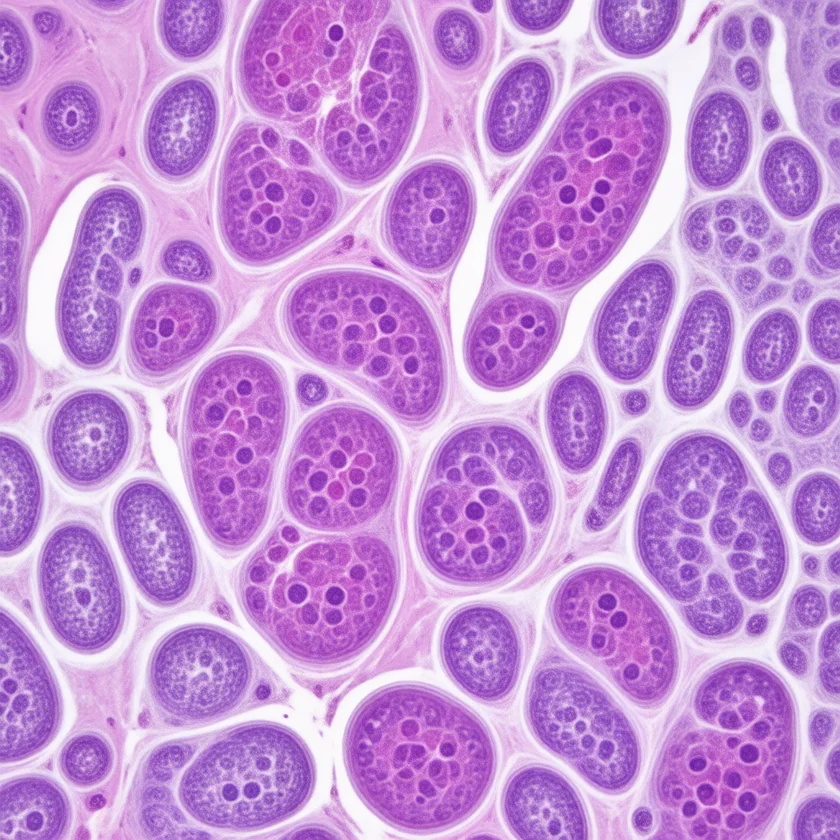
Inflammatory bowel disease (IBD) is not a single illness but an umbrella term for two chronic, immune-mediated diseases of the gut: ulcerative colitis and Crohn's disease. Each was described separately and decades apart — ulcerative colitis named by Sir Samuel Wilks in 1859, and Crohn's disease defined by Crohn, Ginzburg, and Oppenheimer in 1932 (after an earlier 1913 account by Dalziel) — and only over the course of the twentieth century were the two gradually understood as related-but-distinct entities and grouped under the unifying label “inflammatory bowel disease.” The cause is still incompletely understood; the prevailing model is a dysregulated immune response to gut microbes in genetically susceptible people, shaped by environment, with no single trigger identified. This page traces that history honestly, distinguishes the two component diseases from the unifying concept, and marks every name, date, and “first” only where the historical record supports it.
Table of Contents
- Two Diseases, One Umbrella: What “Inflammatory Bowel Disease” Means
- Naming Ulcerative Colitis: Wilks, 1859
- Defining Crohn's Disease: Dalziel 1913 and Crohn 1932
- Becoming “Inflammatory Bowel Disease”: A Unifying Concept Takes Shape
- The Search for a Cause: An Unsolved Question
- The Genetic Era: NOD2 in 2001 and the GWAS Flood
- The Microbiome Era
- From Sulfasalazine to Biologics: The Treatment Revolution
- Key Research Papers
- Connections
- Featured Videos
Two Diseases, One Umbrella: What “Inflammatory Bowel Disease” Means
The single most important fact for understanding the history of inflammatory bowel disease is that inflammatory bowel disease is an umbrella term, not a disease in its own right. It covers two chronic conditions in which the immune system drives inflammation of the digestive tract: ulcerative colitis, which is confined to the colon and rectum and inflames the innermost lining in a continuous stretch; and Crohn's disease, which can affect any part of the gut from mouth to anus, often in patchy “skip” lesions, and which can involve the full thickness of the bowel wall. A third label, inflammatory bowel disease-unclassified (sometimes called indeterminate colitis), is used when a colitis clearly belongs to the inflammatory bowel disease family but cannot yet be assigned to one or the other.
Because the two diseases were discovered and named independently — in different countries, by different physicians, more than seventy years apart — their histories run on separate tracks for most of the story. Ulcerative colitis was recognized as a distinct, non-infectious disease of the colon in the mid-nineteenth century. Crohn's disease, long mistaken for intestinal tuberculosis, was not crisply defined until 1932. Only after both were on the map did clinicians begin to see them as two expressions of a shared underlying problem and to speak of them together. This page therefore keeps the component-disease history distinct from the later, twentieth-century emergence of “inflammatory bowel disease” as a unifying concept, rather than reading the modern umbrella back onto the early descriptions.
Keeping that distinction matters for accuracy. It is tempting, looking back, to say the nineteenth-century physicians were studying “inflammatory bowel disease” but they were not; they were describing one specific disease at a time, and the recognition that ulcerative colitis and Crohn's disease are biological relatives is itself a historical achievement of the twentieth century. The detailed clinical differences between the two are covered in the companion page Crohn's vs Ulcerative Colitis: Key Differences.
Naming Ulcerative Colitis: Wilks, 1859
The term ulcerative colitis is generally credited to the English physician Sir Samuel Wilks (1824–1911), who introduced it in 1859. Wilks described a non-infectious inflammation and ulceration of the colon, distinguishing it from the infectious dysenteries that were the usual explanation for bloody diarrhoea at the time. This act of separating a chronic, non-infective colitis from infectious dysentery is the conceptual birth of ulcerative colitis as a discrete disease, and it is the earliest firm landmark in the entire inflammatory bowel disease story.
There is an important and honest historical wrinkle here. The case that prompted Wilks's 1859 account — the autopsy of a woman named Isabella Banks — involved inflammation of both the ileum and the colon, and a number of modern historians argue that this particular patient may actually have had what we would now call Crohn's disease rather than ulcerative colitis. In other words, the man who named ulcerative colitis may have done so from a case that, by today's criteria, looks more like the other inflammatory bowel disease. This does not undo the achievement: Wilks still established the crucial idea of a non-infectious, ulcerating colon disease. It simply illustrates how blurred the two diseases were before they could be told apart.
Wilks returned to the subject with the pathologist Walter Moxon, and their 1875 description of “simple ulcerative colitis” in a pathology text gave a fuller, more detailed account of the disease as a distinct, non-infective entity. Through the later nineteenth and early twentieth centuries other physicians — including Samuel Fenwick in England — added to the clinical picture, and ulcerative colitis became an accepted diagnosis well before Crohn's disease was untangled from intestinal tuberculosis. For most of the nineteenth century, then, “the” inflammatory bowel disease that medicine recognized was ulcerative colitis alone.
Defining Crohn's Disease: Dalziel 1913 and Crohn 1932
Crohn's disease took much longer to come into focus, largely because it so closely mimicked intestinal tuberculosis, which was common and feared. Scattered earlier accounts exist — Giovanni Battista Morgagni is often cited for an eighteenth-century description, and the Polish surgeon Antoni Leśniowski reported relevant cases in 1903 — but the most substantial pre-modern description belongs to the Scottish surgeon Thomas Kennedy Dalziel. In 1913, in the British Medical Journal, Dalziel reported a series of patients with what he called chronic interstitial enteritis, describing the thickened bowel wall and inflammation that we now recognize as Crohn's disease, and noting that it was not tuberculosis. His paper, however, fell into relative obscurity for years.
The defining moment came in 1932, when three physicians at Mount Sinai Hospital in New York — the gastroenterologist Burrill B. Crohn, the surgeon Leon Ginzburg, and the surgeon Gordon D. Oppenheimer — published “Regional Ileitis: A Pathologic and Clinical Entity” in the Journal of the American Medical Association. Drawing on a series of fourteen patients, the paper crisply characterized a chronic inflammation of the terminal ileum, distinct from tuberculosis and from ulcerative colitis, and established it as a definite disease entity. The eponym “Crohn's disease” followed — reportedly in part because the authors were listed alphabetically, putting Crohn's name first — and the contributions of Ginzburg and Oppenheimer are often under-credited as a result. For accuracy, all three names belong to the 1932 description.
It is worth being precise about what 1932 did and did not establish. The paper described regional ileitis — disease of the terminal small intestine — and it was only over subsequent decades that physicians recognized the same disease process could affect the colon and other parts of the gut, broadening “regional ileitis” into the wider concept of Crohn's disease as we now understand it. The full clinical portrait of Crohn's disease, including its modern definition and management, is detailed on the dedicated Crohn's Disease page.
Becoming “Inflammatory Bowel Disease”: A Unifying Concept Takes Shape
With ulcerative colitis defined in the nineteenth century and Crohn's disease defined in 1932, the mid-twentieth century faced a new question: how are these two diseases related? They were clearly different in distribution and pathology, yet they shared a great deal — chronic relapsing inflammation, an unknown cause, overlapping symptoms, similar complications outside the gut, and a tendency to run in the same families. Out of this growing recognition came the practice of considering them together as inflammatory bowel disease. There is no single dramatic “discovery” moment for the umbrella term; rather, the unifying concept developed gradually through the twentieth century as clinicians and researchers accumulated evidence that the two conditions were biological relatives. We present this as a gradual conceptual shift, not a dated event, because the historical record does not support pinning it to one paper or year.
A useful institutional milestone reflects the maturity of the concept: in 1967 a patient-and-physician group in the United States founded what was then called the National Foundation for Ileitis and Colitis — now the Crohn's & Colitis Foundation — explicitly to fund research into both diseases together. The very framing of a single organization devoted to ileitis (Crohn's) and colitis (ulcerative colitis) shows that by the 1960s the two were firmly understood as members of one disease family worth studying as a pair, even though their individual identities remained distinct.
The unifying concept has also always had honest limits, and those limits persist today. A meaningful minority of colitis cases cannot be confidently classified as either ulcerative colitis or Crohn's disease, hence the standing category of inflammatory bowel disease-unclassified / indeterminate colitis. This is not a failure of diagnosis so much as a reminder that “inflammatory bowel disease” is a clinical and conceptual umbrella stretched over two diseases whose boundaries genuinely blur at the edges — which is exactly why the umbrella term is useful in the first place.
The Search for a Cause: An Unsolved Question
Running underneath the entire history of inflammatory bowel disease is one stubborn fact: the cause has never been fully explained. Across more than a century, the leading explanation has shifted with the prevailing science of each era. Early observers suspected infection — an understandable guess given how much these diseases resemble dysentery, and one embodied in Nanna Svartz's 1940s hypothesis that a streptococcal infection underlay both ulcerative colitis and rheumatoid arthritis. Mid-century thinking added psychosomatic theories, which have not held up. Later attention turned to autoimmunity, to the gut bacteria themselves, and to inherited susceptibility.
The model that has emerged — and that we present as the current understanding, not as settled certainty — is multifactorial. In this view, inflammatory bowel disease arises when a genetically susceptible person mounts a dysregulated immune response against the normal community of microbes living in the gut, with environmental factors (such as diet, smoking, antibiotics, hygiene, and geography) tipping the balance. Crucially, no single specific trigger has been identified: there is no one germ, gene, food, or exposure that has been shown to cause inflammatory bowel disease. The disease is best described today as the product of several interacting contributors rather than any one cause, and anyone claiming a single definitive cause is going beyond what the evidence supports.
This honest uncertainty is not a footnote; it shapes everything downstream. Because the trigger is unknown, treatment aims to control the immune-driven inflammation rather than cure the underlying disease, and prevention remains largely impossible. The three threads that have most reshaped our understanding in recent decades — genetics, the microbiome, and the resulting wave of targeted treatments — are taken up in the sections that follow. They have deepened the multifactorial picture considerably without yet completing it.
The Genetic Era: NOD2 in 2001 and the GWAS Flood
The first decisive evidence that inflammatory bowel disease has a genetic basis at the level of a specific gene came in 2001, when researchers identified mutations in the gene NOD2 (subsequently also named CARD15) as a susceptibility factor for Crohn's disease. Two groups reported this almost simultaneously in Nature: a team led by Jean-Pierre Hugot and, independently, a team including Yasunori Ogura and Gabriel Núñez. NOD2 encodes a protein that helps immune cells sense bacterial components, so the discovery did more than flag a risk gene — it pointed directly at the interface between the gut's bacteria and the body's immune response, reinforcing the emerging multifactorial model. It is worth noting that the major NOD2/CARD15 variants are associated specifically with Crohn's disease and not with ulcerative colitis, an early molecular confirmation that the two umbrella diseases, while related, are genuinely distinct.
What followed was a flood. With the arrival of genome-wide association studies (GWAS) in the late 2000s, the number of identified inflammatory bowel disease risk regions climbed rapidly. The landmark international meta-analysis by Jostins and colleagues, published in Nature in 2012, brought the count to well over a hundred loci shared across Crohn's disease and ulcerative colitis, and subsequent work by the International inflammatory bowel disease Genetics Consortium has pushed the total past 200 risk loci. Many of these regions involve genes governing the immune response and the handling of microbes — including pathways for bacterial sensing and for autophagy, the cellular “clean-up” process that disposes of intracellular bacteria.
Two cautions keep this in honest perspective. First, the great majority of these loci carry only small individual effects; inflammatory bowel disease is polygenic, the sum of many small genetic contributions, not a simple inherited disease — which is why no genetic test can predict who will develop it. Second, genetics alone cannot explain the steep rise in inflammatory bowel disease incidence seen over recent decades, especially in newly industrializing regions, because gene pools do not change that fast. The genetic discoveries are profound, but they describe susceptibility, not destiny, and they make sense only alongside the environment and the microbiome.
The Microbiome Era
If genetics supplied the “susceptible host,” the microbiome era brought into focus the other half of the equation: the trillions of bacteria, viruses, and fungi that inhabit the gut. The long-standing clinical observation that inflammatory bowel disease inflammation concentrates where bacterial load is highest, together with the discovery that several inflammatory bowel disease risk genes (NOD2 among them) govern how the body senses and manages gut microbes, made the microbiome a natural suspect. From roughly the late 2000s onward, advances in DNA sequencing allowed researchers to survey the entire microbial community without having to culture it, and a consistent finding emerged: people with inflammatory bowel disease tend to show dysbiosis — an altered, less diverse gut microbial community — compared with people without the disease.
Honesty is essential here, because the microbiome field is genuinely exciting and also genuinely unsettled. The central unresolved question is cause versus consequence: it is not yet established whether the disturbed microbiome helps trigger inflammatory bowel disease or is largely a result of the inflamed gut environment. No specific microbe has been confirmed as the cause of inflammatory bowel disease. (One organism, Mycobacterium avium subspecies paratuberculosis, has been investigated as a possible contributor to Crohn's disease for decades; it remains a hypothesis under study, not an established cause, and we flag it explicitly as unproven.) The current consensus places the microbiome firmly inside the multifactorial model as a key player interacting with host genetics and immunity, rather than as a sole and proven driver.
The microbiome era has nonetheless reshaped how inflammatory bowel disease is understood and approached. It reframed the disease as an unhealthy relationship between host and microbes rather than a defect in either alone, and it has driven interest in microbiome-directed strategies — diet, and in ulcerative colitis some experimental work on faecal microbiota transplantation — though these remain areas of active research rather than settled therapy. The practical, evidence-based dietary angle is covered separately on the Diet for inflammatory bowel disease page.
From Sulfasalazine to Biologics: The Treatment Revolution
The history of inflammatory bowel disease treatment is, until recently, a history of dampening inflammation without understanding its source. The first major step came in 1942, when the Swedish physician Nanna Svartz — the first woman appointed to a professorship at a Swedish university — introduced sulfasalazine (Salazopyrin). She had built the drug by linking an antibacterial agent (sulfapyridine) to an anti-inflammatory salicylate (5-aminosalicylic acid), reasoning from her belief that infection underlay both rheumatoid arthritis and ulcerative colitis. The infection theory did not survive, but the drug did: its active anti-inflammatory component, 5-aminosalicylic acid (mesalazine), remains a mainstay for ulcerative colitis to this day.
The second landmark was the arrival of corticosteroids. In 1955, Sidney Truelove and Lloyd Witts published a trial of cortisone in ulcerative colitis that was not only practice-changing — it was one of the very first randomized controlled trials in the history of medicine, and it produced the severity criteria still used to grade acute ulcerative colitis. Steroids dramatically reduced the once-grim mortality of severe attacks and remain a first-line tool for bringing active disease under control, though their long-term side effects mean they are used to induce remission, not to maintain it. The middle decades of the twentieth century added immunomodulators — thiopurines such as azathioprine, and later methotrexate — drugs that suppress the overactive immune response to keep disease in remission.
The most transformative chapter is the biologic era, which began in 1998 when infliximab — a monoclonal antibody that neutralizes the inflammatory signalling molecule tumour necrosis factor-alpha (tumor necrosis factor-α) — received U.S. Food and Drug Administration (FDA) approval for Crohn's disease, becoming the first anti-TNF biologic for inflammatory bowel disease. For the first time, a treatment targeted a specific molecule in the inflammatory cascade rather than blanketing the whole immune system, and it could heal the gut lining and close fistulas in patients who had run out of options. Anti-TNF therapy was soon joined by newer targeted classes: anti-integrin agents (vedolizumab) that block immune-cell trafficking into the gut, anti-interleukin agents (ustekinumab, targeting IL-12/IL-23) and selective IL-23 inhibitors, oral JAK inhibitors, and S1P receptor modulators. These modern agents are detailed on the companion pages Biologics: TNF, IL-23 & Integrin Inhibitors and JAK Inhibitors and S1P Modulators. The arc from a single repurposed antibacterial in 1942 to a menu of precision-targeted molecules today is the clearest sign of how far inflammatory bowel disease care has come — even as the underlying cause of the disease remains, honestly, unsolved.
Key Research Papers
The references below combine landmark primary papers in inflammatory bowel disease history with curated PubMed topic-search links into the historical and scientific literature. Where a specific paper's identifier is given with confidence, a DOI or PMID link is provided; otherwise a PubMed topic search is supplied. Several foundational works are also named in the article as historical sources. Each link opens at the publisher or at PubMed (National Library of Medicine) in a new tab.
- Crohn BB, Ginzburg L, Oppenheimer GD. Regional ileitis: a pathologic and clinical entity. JAMA. 1932;99(16):1323–1329. — doi:10.1001/jama.1932.02740680019005
- Dalziel TK. Chronic interstitial enteritis. British Medical Journal. 1913;2:1068–1070. — PubMed: Dalziel chronic interstitial enteritis (1913)
- Mulder DJ, Noble AJ, Justinich CJ, Duffin JM. A tale of two diseases: the history of inflammatory bowel disease. Journal of Crohn's and Colitis. 2014;8(5):341–348. — doi:10.1016/j.crohns.2013.09.009
- Kirsner JB. Historical aspects of inflammatory bowel disease. Journal of Clinical Gastroenterology. 1988;10(3):286–297. — PubMed PMID: 2980764
- Hugot JP, Chamaillard M, Zouali H, et al. Association of NOD2 leucine-rich repeat variants with susceptibility to Crohn's disease. Nature. 2001;411(6837):599–603. — doi:10.1038/35079107
- Ogura Y, Bonen DK, Inohara N, et al. A frameshift mutation in NOD2 associated with susceptibility to Crohn's disease. Nature. 2001;411(6837):603–606. — doi:10.1038/35079114
- Jostins L, Ripke S, Weersma RK, et al. Host-microbe interactions have shaped the genetic architecture of inflammatory bowel disease. Nature. 2012;491(7422):119–124. — doi:10.1038/nature11582
- Truelove SC, Witts LJ. Cortisone in ulcerative colitis; final report on a therapeutic trial. British Medical Journal. 1955;2(4947):1041–1048. — doi:10.1136/bmj.2.4947.1041
- Svartz N. Salazopyrin, a new sulfanilamide preparation. Acta Medica Scandinavica. 1942;110(6):577–598. — doi:10.1111/j.0954-6820.1942.tb06841.x
- Nanna Svartz (1890–1986) and the discovery of sulfasalazine (historical profile). — PubMed PMID: 37586761
- Targan SR, Hanauer SB, van Deventer SJ, et al. A short-term study of chimeric monoclonal antibody cA2 to tumor necrosis factor alpha for Crohn's disease. New England Journal of Medicine. 1997;337(15):1029–1035. — doi:10.1056/NEJM199710093371502
- Mukherjee S, Kar A, Khatun N, et al. Familiarity of the unfamiliar: history and recognition of inflammatory bowel disease — PubMed topic search. — PubMed: history of inflammatory bowel disease
- Gut microbiome, dysbiosis, and inflammatory bowel disease — PubMed topic search. — PubMed PMID: 42846765
- Genome-wide association studies and IBD risk loci — PubMed topic search. — PubMed: GWAS and IBD risk loci
External Authoritative Resources
- Crohn's & Colitis Foundation — A Look Back at Our Beginning (1967)
- NIDDK (NIH) — Crohn's Disease and Inflammatory Bowel Disease
- PubMed — All research on the history of inflammatory bowel disease. — Search PubMed
Connections
- Gastroenterology
- Inflammatory Bowel Disease (Hub)
- Crohn's Disease
- Ulcerative Colitis
- Crohn's vs Ulcerative Colitis: Key Differences
- Irritable Bowel Syndrome
- Celiac Disease
- All Conditions