⚠ Evidence warning: Clinical trials or other evidence do not support the claim that 6–8 g a day and bowel-tolerance vitamin C dosing treats an active cold or flu. This page keeps it as a report of what people, websites or other media say.
Vitamin C for Immune Function — Colds, Pneumonia & Sepsis
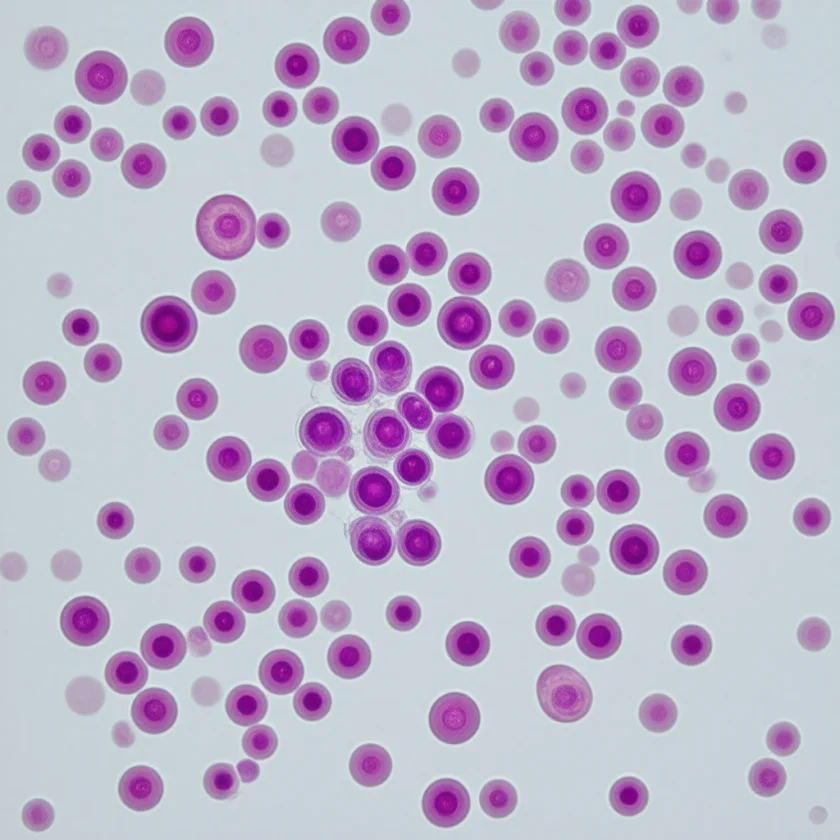
Vitamin C and immune function is the most controversial of the four major benefit areas because the public expectation ("vitamin C prevents colds") does not match the trial data, while the trial finding that does hold ("regular supplementation cuts cold incidence by 50% in people under heavy physical stress") is almost unknown to the public. This deep-dive walks through the Hemilä Cochrane reviews trial-by-trial, the neutrophil and lymphocyte mechanisms that explain why ascorbate matters at all, the Marik metabolic-resuscitation sepsis protocol and the CITRIS-ALI follow-up, and the 1–2 g/day prevention doses and 6–8 g/day treatment doses that practitioners describe, with the bowel-tolerance principle for acute illness.
Interactive Visualization Vitamin C, Collagen & Why Sailors Fell Apart Zip three protein chains into the strongest rope in biology — then take the vitamin C away and watch the helix unravel, and old healed scars split back open. Launch →
Table of Contents
- What Vitamin C Actually Does to Immune Cells
- Neutrophil Function: Chemotaxis, Phagocytosis, Respiratory Burst
- Lymphocytes, Natural Killer Cells, and Adaptive Immunity
- The Common Cold: What the Cochrane Review Actually Says
- The Athlete / Cold-Exposure Exception — 50% Reduction
- Pneumonia and Lower Respiratory Tract Infection
- Sepsis — Marik 2017, CITRIS-ALI, and the State of the Evidence
- Practical Dosing for Prevention vs Acute Treatment
- The Cathcart Bowel-Tolerance Principle
- Combinations: Zinc, Quercetin, Vitamin D, N-Acetylcysteine
- Cautions Specific to Immune-Use Patients
- Key Research Papers
- Connections
- Featured Videos
What Vitamin C Actually Does to Immune Cells
The starting point for understanding ascorbate and immunity is a simple anatomical fact: neutrophils and lymphocytes contain Vitamin C at concentrations 50–100 times higher than plasma. The SVCT2 transporter actively pumps ascorbate into white cells against its gradient at significant metabolic cost. Evolution does not pay for that pump unless it matters.
Why it matters: every step of the innate immune response generates oxidative stress. The respiratory burst that kills phagocytosed bacteria, the cytokine cascade that recruits more neutrophils, the rapid clonal expansion of activated T-cells — all generate reactive oxygen species (ROS) inside the immune cell itself. Without intracellular antioxidant defense, the immune cell would damage itself faster than it could damage pathogens. Vitamin C, glutathione, and the antioxidant enzyme network constitute that defense.
When plasma ascorbate falls (smoking, sepsis, surgery, critical illness, chronic inflammation, marginal diet), intracellular leukocyte ascorbate falls too. Neutrophil chemotaxis slows. The respiratory burst weakens. T-cell proliferation in response to antigen contracts. The immune system is operating, but it is operating with degraded equipment. Restoring ascorbate restores function. None of this means megadosing healthy people improves their immunity beyond baseline — it means deficiency degrades immunity, and the threshold for deficiency for immune purposes is higher than the threshold for preventing scurvy.
Neutrophil Function: Chemotaxis, Phagocytosis, Respiratory Burst
Neutrophils are the most abundant white blood cell and the body's first cellular responder to bacterial infection. They live only hours after entering tissue, but during those hours they perform three sequential functions, each of which is ascorbate-dependent.
Chemotaxis is the directed migration of a neutrophil up a chemical gradient toward the source of infection. The gradient is set by complement fragments (C5a), bacterial peptides (formyl-methionyl peptides), and chemokines (IL-8). The neutrophil's cytoskeleton repeatedly polymerizes and depolymerizes actin to propel the cell. A 1996 study by Levy and colleagues of 23 people with recurrent boils (furunculosis) found that in the 12 whose neutrophil function (chemotaxis, phagocytosis or superoxide generation) was impaired, 1 g a day of vitamin C brought neutrophil function up to the level of healthy controls, with a dramatic clinical response; in those whose neutrophil function was normal, vitamin C changed neither neutrophil activity nor the clinical course.
Phagocytosis follows chemotaxis — the neutrophil engulfs the bacterium into a membrane-bound phagosome. Ascorbate supports phagocytic capacity by maintaining the cytoskeletal flexibility and the membrane fluidity required to extend pseudopods around the target.
Respiratory burst is the killing step. The reduced nicotinamide adenine dinucleotide phosphate (NADPH) oxidase complex in the phagosome membrane pumps electrons across the membrane, generating superoxide (O&sub2;−) in the phagosome lumen, which dismutates to hydrogen peroxide, which combines with chloride to form hypochlorous acid (bleach) — the actual bactericidal agent. This is a controlled oxidative burst aimed at the bacterium. The same chemistry would kill the neutrophil from inside if not for the high intracellular ascorbate and glutathione pools that mop up any leakage.
After the kill, neutrophils undergo apoptosis — programmed self-destruction — and are cleared by macrophages, resolving the inflammation. Vitamin C also supports this clearance step. Failure to clear apoptotic neutrophils is the mechanism behind chronic non-resolving inflammation in critical illness, and is the rationale for the Mohammed 2013 mouse and human-cell work on neutrophil extracellular traps (NETs), which found that ascorbate reduced NET formation in septic vitamin C-deficient mice and in neutrophils from healthy volunteers in the laboratory.
Lymphocytes, Natural Killer Cells, and Adaptive Immunity
The lymphocyte side of the story is less dramatic but equally important. T-cells and B-cells also concentrate ascorbate via the SVCT2 transporter. When a naive T-cell encounters its cognate antigen on a dendritic cell, it begins to proliferate — doubling roughly every 6 hours for a week, eventually generating a clonal population millions of cells strong. That proliferation is metabolically extraordinary: glycolysis ramps up dramatically, and the resulting reactive oxygen species load would block proliferation without intracellular antioxidant defense.
Ascorbate also supports cytotoxic T-cell killing of virus-infected targets, B-cell antibody production, and natural killer (NK) cell cytotoxicity against virally infected and malignant cells. The Carr and Maggini 2017 review in Nutrients compiles these findings: it describes the role of vitamin C in lymphocytes as less clear than in neutrophils, though vitamin C has been shown to enhance the differentiation and proliferation of B- and T-cells, and it reports that vitamin C deficiency results in impaired immunity and higher susceptibility to infections.
The interferon response is a particularly important downstream effect. Interferons are antiviral signaling proteins released by infected cells that put neighboring cells into an antiviral state. Ascorbate stimulates interferon production, which is part of why subjects with adequate ascorbate appear to handle viral infections better than deficient subjects independent of the more familiar cellular mechanisms.
The Common Cold: What the Cochrane Review Actually Says
The Hemilä and Chalker 2013 Cochrane review of vitamin C for the common cold is the definitive evidence synthesis. It pooled 29 randomized trials with over 11,000 participants. The findings are nuanced and frequently misreported in both directions.
Finding 1: Regular supplementation does NOT meaningfully prevent colds in the general population
Across the 29 trials, daily vitamin C supplementation (200 mg to several grams per day) did not reduce the number of cold episodes per year in the general adult population. The relative risk was approximately 0.97 — a 3% reduction that did not reach statistical significance. The pop-culture belief that "vitamin C prevents colds" is not supported by the trial data.
Finding 2: Regular supplementation modestly reduces cold DURATION
When colds do occur, regular daily supplementation reduces their duration by approximately 8% in adults and 14% in children. For a typical 7-day cold, this is roughly half a day to one day shorter. The effect is consistent across trials and statistically robust. Severity scores also improve modestly.
Finding 3: Therapeutic (not prophylactic) dosing during a cold does NOT consistently shorten it
The trials that gave vitamin C only after cold symptoms started, rather than as ongoing daily supplementation, generally failed to show benefit: seven comparisons (3,249 cold episodes) found no consistent effect on duration or severity. This suggests the duration-reduction effect requires the body to be vitamin-C replete when the infection starts — tissue stores need to be saturated before the immune challenge, not after.
A 2023 meta-analysis by the same authors pooled 10 randomized, double-blind, placebo-controlled trials (15 comparisons) of at least 1 g a day of oral vitamin C in people in good health. Vitamin C reduced cold severity by 15% on average; in the five comparisons that reported both, it shortened the duration of severe symptoms but had no significant effect on the duration of mild symptoms.
The honest summary
For a healthy adult with no specific risk factors, taking 200–1,000 mg of vitamin C daily produces a small reduction in cold duration if a cold occurs but does not measurably reduce how often colds occur. It is not a placebo — the effect is real and reproducible — but it is also not the dramatic protection that supplement marketing implies. The case for daily supplementation in this population rests on the other benefits (collagen, antioxidant, iron absorption, cardiovascular), not primarily on cold prevention.
The Athlete / Cold-Exposure Exception — 50% Reduction
The Cochrane review identified one subgroup in which regular vitamin C does dramatically reduce cold incidence: people under heavy physical stress, especially when combined with cold exposure. In the subgroup of marathon runners, soldiers in subarctic exercises, and skiers, regular vitamin C supplementation at 200–1,000 mg/day cut cold incidence by approximately 50%. This is a large, clinically meaningful effect that is statistically robust across multiple independent trials in different physical-stress populations.
The mechanism is plausible. Heavy physical exertion drives a transient post-exercise immunosuppression ("open window" theory) during which upper respiratory infections are more likely. Plasma ascorbate falls during exertion as it is consumed at the sites of exercise-induced oxidative stress. Cold exposure adds vasoconstriction and reduced mucosal immune surveillance to the picture. Pre-loading with vitamin C prevents the post-exercise plasma drop and keeps mucosal immunity functioning at baseline through the stress event.
The practical implication: for athletes in heavy training, military personnel in field exercises, and people working outdoors in cold conditions for extended periods, the Cochrane review pooled five trials of 598 marathon runners, skiers and soldiers on subarctic exercises and found about half the risk of colds with regular vitamin C (risk ratio 0.48); the review included trials using at least 0.2 g a day, and 1–2 g/day during the period of physical stress is the range practitioners describe for this group. This is one of the cleanest evidence-base-to-practice translations in supplementation science.
Pneumonia and Lower Respiratory Tract Infection
The pneumonia evidence is more limited than the cold evidence but more clinically important because pneumonia mortality is non-trivial, especially in the elderly. The Hunt 1994 trial randomized 57 elderly hospitalized patients with acute bronchitis or pneumonia to vitamin C 200 mg/day or placebo. The vitamin C group had significantly better clinical scores and faster recovery, with the largest effect in the most severely ill subgroup. In this double-blind trial of patients with bronchitis and bronchopneumonia, the modest 200 mg dose significantly raised plasma and white-cell vitamin C even during the infection, and many of the most severely ill patients had very low plasma and white-cell vitamin C on admission. The trial was small but methodologically clean and is the clearest randomized evidence in this setting.
Multiple subsequent observational and smaller interventional studies have shown similar patterns: low baseline plasma ascorbate is associated with increased pneumonia incidence and severity; supplementation appears to improve outcomes most in subjects who were deficient at baseline; benefit is most consistent in elderly and institutionalized populations where deficiency is common. A 2016 case report (Bharara and colleagues) of one young woman with two episodes of acute respiratory distress syndrome (ARDS) caused by bacterial sepsis, treated with intravenous (IV) vitamin C alongside standard intensive care, is suggestive but uncontrolled.
The Hemilä and de Man review (Front Med 2020) of vitamin C in COVID-19 and in intensive care unit (ICU) patients pulled together the broader critical-care evidence and concluded that plasma vitamin C is commonly very low in critically ill patients, that gram doses are needed to raise it to the levels of ordinary healthy people, and that replacement is likely beneficial but the optimal dose, route, and timing remain open research questions.
Sepsis — Marik 2017, CITRIS-ALI, and the State of the Evidence
The sepsis story is the highest-profile recent chapter in vitamin C clinical research, and it has been a roller coaster.
Marik 2017 (Chest) — the spark
Paul Marik, a critical-care intensivist at Eastern Virginia Medical School, published a before-after retrospective case series in Chest: 47 septic-shock patients treated with intravenous vitamin C (1.5 g every 6 hours) + intravenous thiamine (200 mg every 12 hours) + intravenous hydrocortisone (50 mg every 6 hours), compared to a historical control cohort of 47 septic-shock patients treated with standard care. Hospital mortality dropped from 40% in controls to 8.5% in the treatment group. The effect size was extraordinary, and despite the methodological weaknesses of a before-after design with historical controls, the paper triggered widespread interest and rapid uptake of the "HAT protocol" (hydrocortisone, ascorbate, thiamine) in critical-care units worldwide.
The subsequent randomized trials — mixed
Multiple randomized controlled trials followed: VITAMINS (2020), ACTS (2020), VICTAS (2021), LOVIT (2022). They have produced mixed results. Most have shown no mortality benefit. Some have shown subgroup signals (faster intensive care unit resolution of shock, reduced vasopressor requirements). VITAMINS (Fujii 2020, JAMA; 216 patients with septic shock) compared intravenous vitamin C, hydrocortisone and thiamine with hydrocortisone alone and found no difference in time alive and free of vasopressors; 90-day deaths were 28.6% with the combination and 24.5% with hydrocortisone alone. LOVIT (Lamontagne 2022, NEJM; 872 patients) tested intravenous vitamin C alone (50 mg per kilogram every 6 hours for up to 96 hours) against placebo and found a higher risk of death or persistent organ dysfunction at 28 days in the vitamin C group (44.5% vs 38.5%); deaths by day 28 were 35.4% vs 31.6%.
CITRIS-ALI — the cleaner signal
The CITRIS-ALI trial (Fowler 2019, JAMA) tested intravenous vitamin C alone (not the HAT cocktail) in sepsis with acute respiratory distress syndrome. The primary outcomes (modified SOFA score, C-reactive protein (CRP), thrombomodulin) did not differ between groups. But a secondary analysis showed substantially lower 28-day mortality in the vitamin C arm (29.8% vs 46.3%, p=0.03) and more intensive care unit-free days. The signal was buried under negative primary outcomes but is suggestive enough that follow-up trials are ongoing.
Where the evidence stands today
For sepsis, intravenous vitamin C is no longer routinely recommended as monotherapy or as part of the original HAT cocktail. But the underlying biology — that septic patients are essentially uniformly ascorbate-depleted, that this depletion impairs vasopressor responsiveness and endothelial function, and that physiological replacement is biologically reasonable — remains valid. The 2021 Surviving Sepsis Campaign international guideline states: “For adults with sepsis or septic shock, we suggest against using IV vitamin C” (a weak recommendation based on low-quality evidence). Some practitioners still describe physiological-dose replacement in septic patients with documented low plasma ascorbate. This is not a settled question.
Practical Dosing for Prevention vs Acute Treatment
The doses below are those used in the trials discussed above and those that practitioners describe for acute illness.
Daily prevention (general adult)
- Dose: 200–1,000 mg/day, divided if >500 mg/dose
- Form: Plain ascorbic acid (acidic) or buffered sodium/calcium/magnesium ascorbate (gentler on stomach)
- Timing: With or without food — food does not impair absorption of vitamin C (unlike many other supplements)
- Rationale: Tissue saturation occurs around 400 mg/day single-dose; higher doses are increasingly excreted unchanged in urine
Heavy physical stress (athlete, soldier, cold-exposure)
- Dose: 1–2 g/day in divided doses
- Duration: Throughout the period of physical stress; the evidence base used continuous prophylactic dosing rather than dose-on-event-day
- Form: Buffered ascorbate to reduce gastrointestinal (GI) upset at the higher daily dose
Acute cold or flu treatment (practitioner dosing)
- Dose: 6–8 g/day in divided doses (1–2 g every 2–3 hours during waking hours), tapering as symptoms resolve
- Cathcart bowel-tolerance approach: the dose is raised until loose stools develop, then reduced slightly
- Duration: 5–10 days, followed by a lower maintenance dose once symptoms resolve
- Form: Buffered or liposomal forms are what practitioners describe using at these doses to minimize gastrointestinal upset
- Honest framing: The trial evidence for therapeutic-onset dosing is weaker than for prevention dosing: in the 2013 Cochrane review, trials that started vitamin C at the onset of a cold found no consistent effect on duration or severity, while the 2023 meta-analysis of trials using at least 1 g a day found a 15% reduction in cold severity. Practitioners and people who use these doses report benefit, and practitioners regard the risk-benefit at this short-term dose as favorable.
Hospital / Intensive Care Unit clinical setting
- Intravenous physiological replacement (practitioner protocol): 1.5 g intravenous every 6–12 hours, described by some practitioners for critically ill patients with documented hypovitaminosis C (very low vitamin C). The 2021 Surviving Sepsis Campaign guideline suggests against using intravenous vitamin C for adults with sepsis or septic shock.
- Combination with thiamine and hydrocortisone: Original Marik HAT protocol (a practitioner protocol); no longer routinely recommended after the negative randomized trials but used selectively in some centers
The Cathcart Bowel-Tolerance Principle
Dr. Robert Cathcart, a California physician, published the bowel-tolerance principle in 1981 in Medical Hypotheses. The observation: when a person is well, the dose of oral vitamin C that produces loose stools is in the range of 4–15 g/day. When the same person develops a viral infection, the bowel-tolerance dose rises — sometimes to 30–100 g/day during severe acute illness — reflecting the dramatically increased systemic consumption of ascorbate by the inflamed and infected tissues. Vitamin C is effectively being "absorbed away" before it reaches the colon where it would otherwise cause osmotic diarrhea.
Cathcart's clinical method: start with a familiar dose (say, 1 g every hour), increase until loose stools develop, then back off by 25–50% to the highest tolerated dose. Maintain that dose until symptoms resolve, then taper. The point is not the megadose itself but the use of gastrointestinal tolerance as a personalized biofeedback signal that titrates dose to current physiological need.
The principle is empirically reasonable and the safety record at short-term high-dose oral ascorbate is excellent in subjects without glucose-6-phosphate dehydrogenase (G6PD) deficiency, hemochromatosis, or kidney stone history. It has not been formally validated in randomized trials and is an example of clinical practice that runs ahead of evidence-base standards. Used as a short-term acute-illness intervention rather than a chronic protocol, it is low-risk.
Combinations: Zinc, Quercetin, Vitamin D, N-Acetylcysteine
- Zinc — the most-studied pairing. Zinc lozenges (75 mg+ elemental zinc per day, started within 24 hours of symptom onset) reduce cold duration in their own right (Hemilä meta-analyses). Vitamin C + zinc together is the canonical natural-medicine cold protocol. See Zinc for the lozenge dosing details.
- Quercetin — a polyphenol with mast-cell-stabilizing and ionophore activity (facilitates zinc entry into cells). Synergizes with both vitamin C and zinc. Typical dose 500–1,000 mg/day during acute viral illness. See Quercetin.
- Vitamin D — complementary mechanism (vitamin D is more important for adaptive immunity and antimicrobial peptide expression). Combination is standard in integrative practice. Integrative practitioners aim for a blood 25-hydroxyvitamin D level of 50–80 ng/mL year-round and describe bolus dosing during acute illness as producing less robust effects than maintained baseline adequacy.
- N-acetylcysteine (NAC) — glutathione precursor; reduces mucus viscosity and supports respiratory mucosal antioxidant defense. Pairs naturally with vitamin C since both regenerate each other in the antioxidant network. See N-acetylcysteine.
- Elderberry (Sambucus nigra) — anthocyanin-rich; some randomized evidence for reduced cold and flu duration. Often combined with vitamin C in cold-flu formulas.
- Thiamine (vitamin B1) — component of the Marik HAT sepsis protocol; physiological replacement is reasonable in critical illness. Less evidence for use in routine outpatient cold prevention.
Cautions Specific to Immune-Use Patients
- Glucose-6-phosphate dehydrogenase deficiency — high-dose intravenous vitamin C can cause hemolysis in glucose-6-phosphate dehydrogenase-deficient patients. Intravenous protocols screen for this deficiency beforehand. Oral high-dose at bowel-tolerance levels is generally considered safe in glucose-6-phosphate dehydrogenase deficiency but caution is appropriate.
- Kidney stones — oxalate is a metabolite of ascorbate. The Massey 2005 study showed that high-dose vitamin C increases urinary oxalate excretion measurably. This matters most for people with a history of calcium-oxalate kidney stones; the limit commonly described for them is a daily intake under 1 g/day with plenty of fluids. Acute short-term high-dose during illness is lower risk than chronic high-dose for years.
- Hemochromatosis and iron overload — vitamin C enhances non-heme iron absorption and can also mobilize stored iron. Taken with iron-containing meals, vitamin C increases the iron absorbed, which matters most for people with hemochromatosis or iron overload. See Iron Absorption for the full discussion.
- Glucose-meter interference — high plasma ascorbate (after intravenous dosing especially) can interfere with some glucometers that use a glucose dehydrogenase enzyme strip, falsely elevating apparent blood glucose. This matters most for people with diabetes who dose insulin by meter readings.
- Excessive supplementation does NOT add benefit beyond saturation — oral doses above 400 mg/single-dose are progressively wasted via urinary excretion. Splitting doses across the day is more effective than a single megadose for maintaining plasma levels.
- Smoking — smokers need substantially more vitamin C than non-smokers (Recommended Dietary Allowance (RDA) adds 35 mg/day; practitioners often recommend 250–500 mg/day extra). Vitamin C does not undo smoking damage.
Key Research Papers
- Hemilä H, Chalker E (2013). Vitamin C for preventing and treating the common cold. Cochrane Database of Systematic Reviews. — PubMed PMID: 23440782
- Hemilä H (1996). Vitamin C and common-cold incidence under heavy physical stress. Int J Sports Med. — PubMed
- Marik PE et al. (2017). Hydrocortisone, vitamin C, and thiamine for the treatment of severe sepsis and septic shock. Chest. — PubMed
- Fowler AA et al. (2019). CITRIS-ALI: Effect of vitamin C infusion on organ failure in sepsis and ARDS. JAMA. — PubMed PMID: 31573637
- Lamontagne F et al. (2022). LOVIT trial — intravenous vitamin C in adults with sepsis in the intensive care unit. NEJM. — PubMed PMID: 35704292
- Carr AC, Maggini S (2017). Vitamin C and immune function. Nutrients. — PubMed PMID: 29099763
- Hunt C et al. (1994). The clinical effects of vitamin C supplementation in elderly hospitalised patients with acute respiratory infections. Int J Vitam Nutr Res. — PubMed PMID: 7814237
- Levy R, Shriker O, Porath A, Riesenberg K, Schlaeffer F (1996). Vitamin C for the treatment of recurrent furunculosis in patients with impaired neutrophil functions. J Infect Dis. — PubMed PMID: 8648230
- Cathcart RF (1981). Vitamin C, titrating to bowel tolerance, anascorbemia, and acute induced scurvy. Med Hypotheses. — PubMed PMID: 7321921
- Wintergerst ES, Maggini S, Hornig DH (2006). Immune-enhancing role of vitamin C and zinc. Ann Nutr Metab. — PubMed PMID: 16373990
- Hemilä H, de Man AME (2020). Vitamin C and COVID-19. Front Med (Lausanne). — PubMed PMID: 33537320
- Mohammed BM et al. (2013). Vitamin C: a novel regulator of neutrophil extracellular trap formation. Nutrients. — PubMed PMID: 23939536
- Bharara A et al. (2016). Intravenous Vitamin C Administered as Adjunctive Therapy for Recurrent Acute Respiratory Distress Syndrome. Case Rep Crit Care. — PubMed PMID: 27891260
- Fujii T et al. (2020). Effect of Vitamin C, Hydrocortisone, and Thiamine vs Hydrocortisone Alone on Time Alive and Free of Vasopressor Support Among Patients With Septic Shock: The VITAMINS Randomized Clinical Trial. JAMA. — PubMed PMID: 31950979
- Evans L et al. (2021). Surviving sepsis campaign: international guidelines for management of sepsis and septic shock 2021. Intensive Care Med. — PubMed PMID: 34599691
- Hemilä H, Chalker E (2023). Vitamin C reduces the severity of common colds: a meta-analysis. BMC Public Health. — PubMed PMID: 38082300
PubMed Topic Searches
Connections
- All Vitamins
- Vitamin C, Collagen & Why Sailors Fell Apart — interactive animation
- Vitamin C Overview
- Vitamin C Benefits Hub
- Vitamin C for Collagen Synthesis
- Intravenous High-Dose Vitamin C & Cancer
- Vitamin C for Iron Absorption & Anemia
- Vitamin C and Immune Defense (legacy article)
- Cold & Flu Treatments
- Immune Boosting
- Pneumonia
- Sepsis
- Zinc
- Quercetin
- Vitamin D
- N-Acetylcysteine
- Glutathione
- Vitamin E
- Oxidative Stress
- Deficiency
- Toxicity
- History
- Sources