Vitamin C for Iron Absorption & Anemia
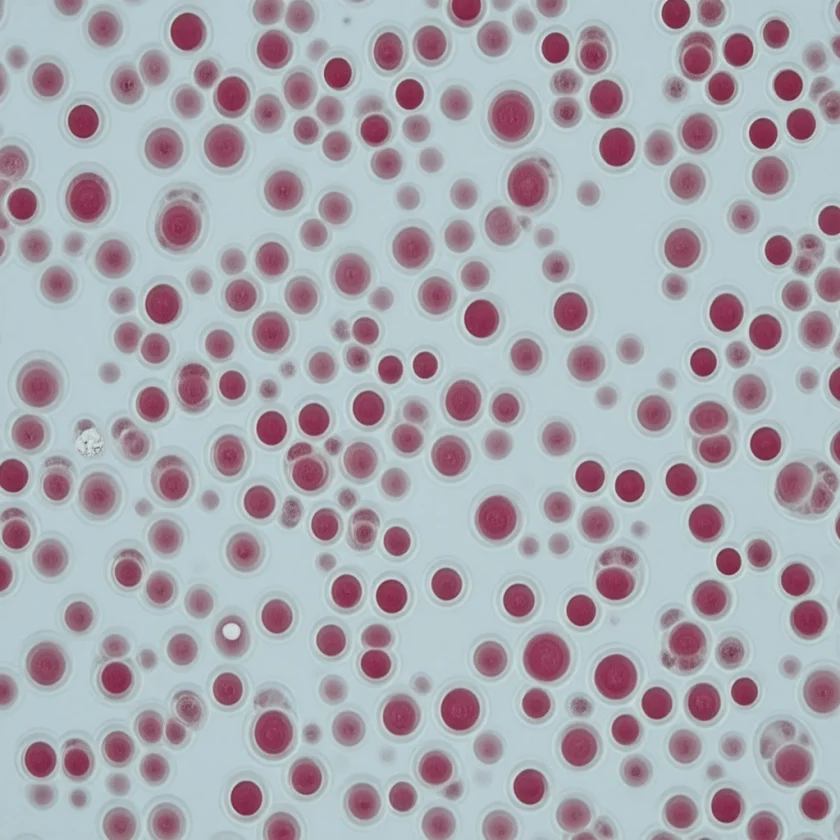
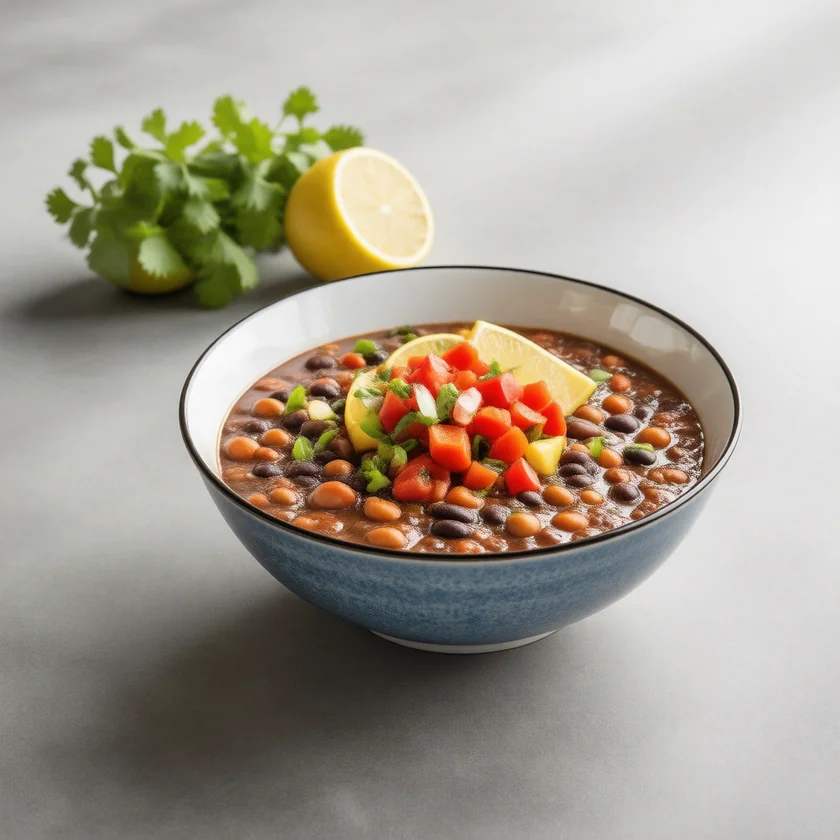
Dietary iron exists in two chemically distinct forms with different absorption pathways. Heme iron (from animal flesh) is absorbed directly and efficiently regardless of vitamin C status. Non-heme iron (from plants, eggs, and oral iron supplements) must first be reduced from the insoluble ferric (Fe³+) state to the soluble ferrous (Fe²+) state in the duodenum before the DMT1 transporter can carry it into the enterocyte — and vitamin C is the body's principal dietary reductant for this step. Taking 75–100 mg of vitamin C with an iron-containing meal increases non-heme iron absorption 2–6 fold. This deep-dive walks through the duodenal mechanism, the clinical use in iron-deficiency anemia and plant-based diets, the meal-timing rules, the copper-depletion concern at chronic high doses, and the absolute hemochromatosis contraindication.
Interactive Visualization Vitamin C, Collagen & Why Sailors Fell Apart Zip three protein chains into the strongest rope in biology — then take the vitamin C away and watch the helix unravel, and old healed scars split back open. Launch →
Table of Contents
- The Two Forms of Dietary Iron
- The Duodenal Reduction Mechanism
- Magnitude of Absorption Enhancement
- Iron-Deficiency Anemia — Clinical Application
- Vegetarian and Plant-Based Diets
- Timing and Meal Combinations
- Overcoming Absorption Inhibitors
- The Copper-Depletion Caution
- Hemochromatosis — Why High-Dose Is Contraindicated
- Lab Monitoring: Ferritin, Transferrin Saturation
- Cautions
- Key Research Papers
- Connections
- Featured Videos
The Two Forms of Dietary Iron
The clinical picture only makes sense after the chemistry of dietary iron is clear. Iron exists in food in two forms:
Heme iron is iron bound inside the porphyrin ring of hemoglobin and myoglobin from animal flesh — red meat, poultry, fish. It is absorbed as the intact heme molecule via the heme carrier protein 1 (HCP1) transporter on the duodenal enterocyte. Absorption is approximately 15–35% of intake, regardless of meal composition. Vitamin C does not significantly affect heme iron absorption.
Non-heme iron is inorganic iron — the iron in plants (legumes, dark leafy greens, whole grains, nuts, seeds), eggs, dairy, fortified foods, and essentially all iron supplements (ferrous sulfate, ferrous gluconate, ferrous fumarate, iron bisglycinate). Non-heme iron in food and supplements is mostly in the ferric (Fe³+) oxidation state. Fe³+ is poorly soluble at duodenal pH and cannot be transported by the divalent metal transporter (DMT1) that carries iron across the enterocyte brush border. It must first be reduced to ferrous (Fe²+).
Non-heme iron absorption is far less efficient than heme: 2–20% of intake, with the percentage depending strongly on the chemical environment in the duodenum. This is where vitamin C becomes the critical variable. The absorption percentage in the same person from the same meal can swing 3–6× depending on whether vitamin C is present.
Most US dietary iron comes from non-heme sources (cereals, breads, beans). For vegetarians and vegans, virtually all dietary iron is non-heme. For premenopausal women with heavy menstrual losses, both forms matter but optimizing non-heme absorption from supplements is usually the most leveraged intervention.
The Duodenal Reduction Mechanism
Iron absorption happens almost exclusively in the proximal duodenum (the first ~25 cm of small intestine after the stomach). The relevant transporter, DMT1, can only carry Fe²+ into the enterocyte, not Fe³+. Two reduction systems convert dietary Fe³+ to Fe²+ at the brush border:
- Duodenal cytochrome b (Dcytb) — a membrane-bound reductase on the apical surface of enterocytes that uses ascorbate (or other reducing agents) as the electron donor. This is the body's endogenous reduction machinery. Its capacity is limited and rate-limiting in iron-replete subjects.
- Dietary vitamin C — ascorbate in the duodenal lumen directly reduces Fe³+ to Fe²+ in the chyme, before it even reaches the enterocyte surface. This is the dominant reduction pathway when significant vitamin C is co-ingested. It bypasses the rate-limiting Dcytb step entirely.
Ascorbate does a second important job: it chelates the freshly reduced Fe²+, keeping it in soluble form in the duodenal lumen. At the more alkaline pH of the duodenum (vs the acid stomach), un-chelated Fe²+ tends to oxidize back to Fe³+ and precipitate out as insoluble ferric hydroxide. The ascorbate-iron complex resists this and keeps the iron bioavailable through the absorption window.
This is the canonical Hallberg 1989, Lynch and Cook 1980, and Cook and Reddy 2001 mechanism work. The Lynch and Cook 1980 paper in Annals of NY Academy of Sciences remains the classical reference, while Cook and Reddy 2001 in Am J Clin Nutr extended the work to complete mixed diets in real-world conditions.
Magnitude of Absorption Enhancement
The magnitude of the vitamin C effect on non-heme iron absorption is among the largest documented for any nutrient-nutrient interaction in human nutrition:
- 25 mg vitamin C with a meal: roughly doubles non-heme iron absorption
- 50 mg vitamin C: ~3× absorption increase
- 75–100 mg vitamin C: ~4–6× absorption increase
- 200+ mg vitamin C: continued but diminishing increase; plateau around 6–8×
The dose-response is roughly logarithmic. The single most leveraged step is going from "no vitamin C with the meal" to "75–100 mg vitamin C with the meal," which alone produces most of the available enhancement. Higher doses add marginal additional benefit.
The effect is largest at lower iron intakes and in iron-deficient subjects (where intestinal absorption regulation is already turned up). For iron-replete subjects with adequate iron stores, the body downregulates DMT1 expression via hepcidin and the absorption ceiling is lower — vitamin C still helps but the absolute amount of additional iron absorbed is smaller.
Practical interpretation: for a vegetarian or anyone trying to optimize iron status, pairing every meal containing non-heme iron with a vitamin C source can mean the difference between iron deficiency and iron sufficiency. It is one of the highest-leverage single nutrition interventions available.
Iron-Deficiency Anemia — Clinical Application
Iron-deficiency anemia (IDA) is the most common nutritional deficiency disease worldwide and a common finding in:
- Premenopausal women with heavy menstrual bleeding (the dominant cause of IDA in adult women)
- Pregnant women — expanded blood volume and fetal demands roughly double iron requirements
- Infants and young children — rapid growth and limited dietary diversity
- Vegetarians and vegans — non-heme-only iron intake combined with phytate/polyphenol absorption inhibitors
- Athletes — especially female endurance athletes ("sports anemia")
- Older adults with gastrointestinal (GI) bleeding, malabsorption, or chronic disease
- Patients post-bariatric surgery — reduced gastric acid and altered duodenal anatomy impair iron absorption
The standard medical treatment is oral iron supplementation — most commonly ferrous sulfate 325 mg (which provides 65 mg elemental iron) one to three times daily. This has been the standard regimen for decades.
The Stoffel 2020 work in Mol Aspects Med and earlier landmark studies changed thinking about timing. High oral iron doses cause a spike in hepcidin (the iron-regulatory hormone) that suppresses iron absorption from subsequent doses; in the Stoffel review, doses of 60 mg or more in iron-deficient women raised hepcidin for 24 hours, and it subsided by 48 hours. This means that when 65 mg elemental iron is taken three times a day, the later doses meet raised hepcidin and are absorbed less well; the review reports that iron doses given in the afternoon or evening after a morning dose fall in this window. The review concludes that alternate-day single morning doses of 60–120 mg iron as a ferrous salt, given with ascorbic acid, “may be an optimal” regimen for women with iron deficiency and mild iron-deficiency anemia; it reports that moving from daily to alternate-day doses, and from divided to single morning doses, increases iron absorption and may reduce side effects.
Vitamin C is routinely taken with oral iron supplements. Cook and Reddy 2001 measured iron absorption from a whole, freely chosen diet in 12 people and found no significant difference in mean iron absorption across daily dietary vitamin C intakes of 51–247 mg; they concluded that the effect of vitamin C from a complete diet is “far less pronounced” than from single meals. Olivares and Pizarro 2001 found that iron absorption from iron bisglycinate (34.6%) and from ferrous ascorbate (29.9%), each given in water to 14 women, was not significantly different. Pairing each oral iron dose with 100–500 mg vitamin C is a common practice; in a 2020 randomized trial in 440 adults with iron-deficiency anemia (100 mg iron with or without 200 mg vitamin C every 8 hours for 3 months), iron alone was equivalent to iron plus vitamin C for hemoglobin recovery and iron absorption (Li 2020).
Expected timeline for treatment response in IDA:
- Week 1–2: Reticulocyte count rises (new young red cells appearing in the marrow)
- Week 3–4: Hemoglobin begins to rise measurably; symptoms (fatigue, dyspnea on exertion) begin to improve
- Month 2–3: Hemoglobin typically normalizes if treatment is adequate
- Month 3–6: Ferritin (iron stores) replete; treatment is usually continued to this point rather than stopped when hemoglobin normalizes
Vegetarian and Plant-Based Diets
Plant-based diets are not inherently iron-deficient — the iron content of legumes, leafy greens, nuts, seeds, and whole grains is substantial. The challenge is the absorption efficiency: non-heme iron from plants has the lowest bioavailability, and many plant foods simultaneously contain absorption inhibitors (phytates in grains and legumes, polyphenols in tea and coffee, calcium in dairy alternatives).
A common approach on plant-based diets is to pair a vitamin C source with every iron-containing meal. Typical combinations:
- Lentil soup with squeeze of lemon — the juice of one whole lemon (48 g) provides about 19 mg vitamin C (USDA)
- Spinach salad with bell pepper and tomato — half a medium red bell pepper has about 76 mg vitamin C and a whole medium green pepper about 96 mg (USDA); spinach has high iron but also high oxalate that partially blocks absorption
- Bean burrito with salsa — tomato salsa provides vitamin C with the bean iron
- Iron-fortified breakfast cereal with orange juice — the classic combination; OJ provides 60–90 mg vitamin C with the cereal iron
- Tofu stir-fry with broccoli or bell pepper — pepper or broccoli provides the vitamin C cofactor
- Hummus with strawberries — sounds odd but strawberries are dense in vitamin C and the timing helps the chickpea iron
Things that interfere if consumed at the same meal:
- Tea and coffee — polyphenols bind iron and block absorption by up to 70%. A gap of more than 1 hour between them and iron-containing meals is the usual practice.
- Dairy — calcium competes with iron at DMT1. Cottage cheese on the lentil bowl is undermining the iron.
- Calcium supplements — same issue; they are usually taken >2 hours apart from iron.
- Antacids and proton pump inhibitors (PPIs) — raise gastric pH and impair iron solubility. Vitamin C and citric acid are not interchangeable: in Hallberg and Rossander 1984, 50 mg of pure ascorbic acid raised iron absorption from a simple Latin American-type meal (0.17 to 0.41 mg), while 1 g of citric acid reduced it to about one-third (0.06 mg).
For long-term vegetarians and especially vegans, periodic ferritin monitoring (every 6–12 months for menstruating women; every 2–3 years for men and postmenopausal women) catches developing deficiency before frank anemia. Target ferritin: 30–100 ng/mL for general health; some athletes and chronic-fatigue patients target 70–150 ng/mL. See Ferritin for the lab-test deep-dive.
Timing and Meal Combinations
The vitamin C must be present in the duodenum at the same time as the iron. Taking them hours apart eliminates the benefit. How the timing is usually described:
- Together at the same meal is ideal — the vitamin C is in the duodenal chyme alongside the iron, ready to reduce Fe³+ to Fe²+ as the chyme is processed.
- Within 30 minutes works almost as well — vitamin C dosed shortly before the iron-containing meal arrives in the duodenum slightly ahead.
- More than 2 hours apart — benefit is mostly lost; the vitamin C and iron travel through the duodenum at different times.
For oral iron supplements specifically:
- Most often described: Iron + 100–500 mg vitamin C on an empty stomach, 30–60 min before breakfast or 2 hours after the previous meal. Empty stomach maximizes solubility; vitamin C maximizes reduction efficiency.
- If gastrointestinal upset is a problem on empty stomach: Iron + vitamin C with a small low-inhibitor snack (no dairy, tea, coffee, or high-fiber whole grain). A piece of fruit (which itself provides additional vitamin C) is a common compromise.
- Iron with juice: Orange juice, grapefruit juice, kiwifruit smoothie all work. Lemon water with the supplement is the cheapest option.
For dietary iron from foods:
- The usual pattern is a vitamin C source on the plate with every iron-containing dish
- Acidic ingredients (tomatoes, citrus, vinegar) cooked in cast iron cookware pick up additional iron from the pan, which the vitamin C then helps the body absorb
- Sprouting and fermenting grains and legumes reduces phytate content and improves baseline iron absorption
Overcoming Absorption Inhibitors
Iron-absorption studies have catalogued the major dietary inhibitors of non-heme iron absorption. The good news is that vitamin C partially overcomes most of them:
- Phytates (in whole grains, legumes, nuts): Can reduce iron absorption by 50–80%. Vitamin C at 50 mg+ partly overcomes this — net absorption can match or exceed phytate-free conditions if enough vitamin C is co-ingested.
- Polyphenols (tea, coffee, cocoa, red wine): Bind iron and reduce absorption 50–70%. Vitamin C reduces but does not eliminate this effect. Separating them in time (no tea/coffee within 1 hour of iron-containing meals) is the usual approach.
- Calcium: Competes with iron at DMT1. Vitamin C does not directly counteract this; calcium-rich foods/supplements are usually separated from iron by 2+ hours.
- Phosphates (in cola, processed foods): Form insoluble iron phosphates. Vitamin C partly compensates.
- Oxalates (spinach, beet greens, rhubarb): Bind iron in the food matrix. Vitamin C in the same meal helps; the absolute amount of usable iron from oxalate-rich greens is lower than the total iron content suggests.
- Soy protein: Has an iron-binding effect independent of phytate. Vitamin C helps; fermentation (tempeh, miso) also reduces the inhibition.
The integrated picture: vitamin C is the strongest single enhancer available; for inhibitor-rich diets, optimizing meal composition (sprouting legumes, separating tea/coffee, fermenting grains) compounds with vitamin C to substantially improve net absorption.
The Copper-Depletion Caution
A less-publicized but clinically important interaction: chronic high-dose vitamin C (typically >1–2 g/day for months) can deplete copper.
The mechanism is competitive absorption interference at the intestinal level plus direct chemical reduction of dietary Cu²+ to Cu+ (the less-absorbable copper form). The Finley and Cerklewski 1983 trial in Am J Clin Nutr documented measurable copper status changes (lower serum ceruloplasmin) in young men taking 1.5 g/day vitamin C for two months. The effect is not large in a healthy person with good copper intake from diet, but it accumulates over time and becomes clinically significant in subjects with marginal copper intake to begin with.
Copper deficiency matters because:
- Copper is the essential cofactor for ferroxidase enzymes (ceruloplasmin in plasma, hephaestin in enterocytes) that oxidize Fe²+ back to Fe³+ for loading onto transferrin — the iron transport protein. Without copper, dietary iron is absorbed but cannot be loaded onto transferrin and cannot be delivered to the bone marrow for hemoglobin synthesis.
- Copper-deficiency anemia is a recognized clinical syndrome — microcytic anemia (looking very much like iron-deficiency anemia) that does NOT respond to iron supplementation but does respond to copper.
- This is the Morley Robbins / Root Cause Protocol thesis taken at face value: chronic vitamin C and high-dose synthetic iron supplementation, especially in the absence of bioavailable copper sources (such as beef liver, oysters, dark chocolate), can paradoxically produce a copper-deficient anemia that looks like iron deficiency and gets treated with more iron, worsening the underlying copper deficit. See Morley Robbins Root Cause Protocol.
At sustained vitamin C doses above 1–2 g/day, practitioners who follow this view describe including copper-rich foods (beef liver weekly, regular dark chocolate, oysters or other shellfish, sesame and sunflower seeds, cashews) or a low-dose copper supplement (1–2 mg/day) with monitoring. Copper and iron supplements are usually taken at different meals, because copper competes with iron at DMT1 for absorption.
For acute high-dose use (cold/flu bowel-tolerance dosing for 1–2 weeks), copper depletion is not a meaningful concern. For chronic high-dose maintenance (years at gram-level daily), it is worth attention.
Hemochromatosis — Why High-Dose Is Contraindicated
Hereditary hemochromatosis (most commonly the HFE C282Y homozygous genotype) and other iron-overload conditions are an absolute contraindication for high-dose vitamin C supplementation taken with iron-containing meals.
The disease mechanism in hemochromatosis is increased intestinal iron absorption (due to impaired hepcidin regulation) leading to progressive iron deposition in liver, heart, pancreas, joints, skin, and endocrine organs. Untreated, it causes cirrhosis, cardiomyopathy, diabetes ("bronze diabetes"), arthritis, hypogonadism, and early mortality. Standard treatment is therapeutic phlebotomy (regular blood removal) to reduce body iron stores.
Vitamin C does two harmful things in this context:
- Increases dietary iron absorption — the same mechanism that helps an anemic patient hurts a hemochromatosis patient. More iron entering an already iron-overloaded body accelerates organ damage.
- Mobilizes stored iron in a pro-oxidant manner — in the presence of high tissue iron stores, ascorbate can act as a Fenton-chemistry catalyst, generating hydroxyl radicals from the stored ferritin/hemosiderin iron pool. This can cause acute oxidative tissue damage. A published case report (McLaran 1982) describes a young man who had taken large amounts of vitamin C by mouth for twelve months and died of rapidly progressing heart failure (congestive cardiomyopathy); hemochromatosis was found only at autopsy, and the authors suggest the vitamin C may have accelerated the disease.
What this means for people with hemochromatosis, as usually described:
- Daily vitamin C intake is usually kept in the Recommended Dietary Allowance (RDA) range (75–90 mg/day), not at gram-level supplement doses
- Multivitamins differ: most adult-male multivitamins are iron-free, while many "women's" or "prenatal" multivitamins contain iron
- High-vitamin-C foods eaten at iron-rich meals raise non-heme iron absorption (e.g., citrus plus an iron supplement with a steak dinner)
- Diet changes do not replace therapeutic phlebotomy, the standard treatment described above
- Intravenous vitamin C raises the greatest concern, because of the acute iron-mobilization risk described above
For undiagnosed patients: hemochromatosis prevalence is approximately 1 in 200–300 in people of Northern European descent. Routine ferritin and transferrin saturation testing in middle-aged adults catches the iron-overloaded subset before irreversible organ damage. Ferritin and transferrin saturation are inexpensive blood tests, and they show whether iron overload is present before a high-dose vitamin C protocol begins.
Lab Monitoring: Ferritin, Transferrin Saturation
Iron status is best assessed by a panel rather than any single test:
- Ferritin — the storage protein; the single best indicator of body iron stores in non-inflammatory states. Low (<30 ng/mL) suggests deficient stores; very low (<15 ng/mL) is diagnostic of iron deficiency. High (>300 ng/mL in men, >200 ng/mL in women) suggests iron overload OR ongoing inflammation (ferritin is an acute-phase reactant). See Ferritin.
- Transferrin saturation (TSAT) — calculated from serum iron and total iron-binding capacity; reflects the current iron supply to the bone marrow. Normal 20–50%. <20% suggests deficiency; >45% suggests overload (with hemochromatosis often presenting at TSAT >55%).
- Complete blood count (CBC) with reticulocyte count — hemoglobin, MCV (mean corpuscular volume), and reticulocyte count round out the picture. Low Hb + low MCV + low reticulocyte count = iron-deficiency anemia. Low Hb + low MCV + high reticulocyte count = ongoing blood loss or hemolysis.
- High-sensitivity C-reactive protein (hsCRP) — checks for inflammation that would falsely elevate ferritin and complicate interpretation.
Target ranges for optimal (not just minimum-adequate) iron status:
- Ferritin: 50–100 ng/mL for general health; some endurance athletes target 70–150 ng/mL
- TSAT: 25–35%
- Hemoglobin: 13–15 g/dL women, 14–16 g/dL men
For people in active treatment for iron-deficiency anemia, a common schedule is a ferritin and complete blood count re-check at 8–12 weeks to confirm response, treatment continued until ferritin is >50 ng/mL (not just until hemoglobin normalizes), and a re-check 6 months after stopping to verify stability.
For people on chronic high-dose vitamin C, the checks usually described are annual ferritin and TSAT (to catch iron overload if hemochromatosis is undetected) plus copper and ceruloplasmin (to catch copper depletion).
Cautions
- Hemochromatosis and iron overload — absolute contraindication for high-dose vitamin C with iron; see dedicated section above. Ferritin + TSAT are the usual screening tests when there is a family history or unexplained joint pain, diabetes, or skin pigmentation.
- Hemoglobinopathies (thalassemia, sickle cell) — these patients can have iron overload from transfusion and ineffective erythropoiesis even without HFE mutations. Vitamin C raises non-heme iron absorption (Lynch and Cook 1980), which adds to the iron load from transfusions; the US Institute of Medicine's tolerable upper intake level for vitamin C in adults is 2,000 mg a day.
- Inflammatory states — chronic inflammation (RA, inflammatory bowel disease (IBD), chronic kidney disease, cancer) drives "anemia of chronic disease" through hepcidin elevation that traps iron in macrophages and blocks intestinal absorption. Iron + vitamin C may not produce the expected response while the underlying inflammation continues.
- Concurrent calcium or dairy — reduces vitamin C-assisted iron absorption; the two are usually separated by 2+ hours.
- Polycythemia vera and erythrocytosis — elevated red cell mass conditions where additional iron is counterproductive, including iron loading enhanced by vitamin C.
- Hereditary copper-handling disorders (Wilson disease, Menkes disease) — copper handling is already disturbed in these conditions, and high-dose vitamin C lowers copper status: in Finley and Cerklewski 1983, 1,500 mg/day for 64 days significantly lowered serum ceruloplasmin activity in young men.
- Chronic kidney disease — high-dose vitamin C increases urinary oxalate and can contribute to stone formation. A daily intake under 500 mg is a commonly cited limit in chronic kidney disease (CKD) stage 3+.
- Infants and children — iron overdose is a common cause of poisoning in children; the warning that US law (21 CFR 101.17) requires on iron supplement labels reads: “Accidental overdose of iron-containing products is a leading cause of fatal poisoning in children under 6.”
Key Research Papers
- Hallberg L et al. (1989). The role of vitamin C in iron absorption. Int J Vitam Nutr Res Suppl. — PubMed PMID: 2507689
- Lynch SR, Cook JD (1980). Interaction of vitamin C and iron. Ann NY Acad Sci. — PubMed PMID: 6940487
- Cook JD, Reddy MB (2001). Effect of ascorbic acid intake on nonheme-iron absorption from a complete diet. Am J Clin Nutr. — PubMed PMID: 11124756
- Finley EB, Cerklewski FL (1983). Influence of ascorbic acid supplementation on copper status in young adult men. Am J Clin Nutr. — PubMed PMID: 6837490
- Olivares M, Pizarro F (2001). Bioavailability of iron bis-glycinate chelate in water. Arch Latinoam Nutr. — PubMed PMID: 11688077
- Stoffel NU et al. (2020). Oral iron supplementation in iron-deficient women: how much and how often? Mol Aspects Med. — PubMed PMID: 32650997
- Fishman SM, Christian P, West KP (2000). The role of vitamins in the prevention and control of anaemia. Public Health Nutr. — PubMed
- Hallberg L, Rossander L (1984). Improvement of iron nutrition in developing countries: comparison of adding meat, soy protein, ascorbic acid, citric acid, and ferrous sulfate to a simple Latin American-type of meal. Am J Clin Nutr. — PubMed PMID: 6538742
- McKie AT et al. (2001). An iron-regulated ferric reductase associated with the absorption of dietary iron. Science. — PubMed
- Finkelstein JL, Kurpad AV, Bose B, Thomas T, Srinivasan K, Duggan C (2020). Anaemia and iron deficiency in pregnancy and adverse perinatal outcomes in Southern India. Eur J Clin Nutr. — PubMed PMID: 31296936
- Camaschella C (2015). Iron-deficiency anemia. N Engl J Med. — PubMed PMID: 25946282
- Li N, Zhao G, Wu W, Zhang M, Liu W, Chen Q, Wang X (2020). The Efficacy and Safety of Vitamin C for Iron Supplementation in Adult Patients With Iron Deficiency Anemia: A Randomized Clinical Trial. JAMA Netw Open. — PubMed PMID: 33136134
- McLaran CJ, Bett JH, Nye JA, Halliday JW (1982). Congestive cardiomyopathy and haemochromatosis--rapid progression possibly accelerated by excessive ingestion of ascorbic acid. Aust N Z J Med. — PubMed PMID: 6953962
PubMed Topic Searches
Connections
- All Vitamins
- Vitamin C, Collagen & Why Sailors Fell Apart — interactive animation
- Vitamin C Overview
- Vitamin C Benefits Hub
- Vitamin C for Immune Function
- Vitamin C for Collagen Synthesis
- Intravenous High-Dose Vitamin C & Cancer
- Vitamin C and Iron Absorption (legacy article)
- Iron
- Copper
- Zinc
- Anemia
- Ferritin
- Hemoglobin
- Morley Robbins Root Cause Protocol
- Beef Liver
- Beef
- Lentils
- All Minerals
- Deficiency
- Toxicity
- History
- Sources