⚠ Evidence warning: Clinical trials or other evidence do not support the claims that coriander seed lowered fasting glucose by 10-15% in open-label pilots at 1-3 g a day, combines additively with fenugreek, cinnamon, berberine and bitter melon, and works as a layered adjunct for prediabetes at 1-3 g per meal. This page keeps it as a report of what people, websites or other media say.
Coriander Seeds for Blood Sugar (Hypoglycemic Activity)
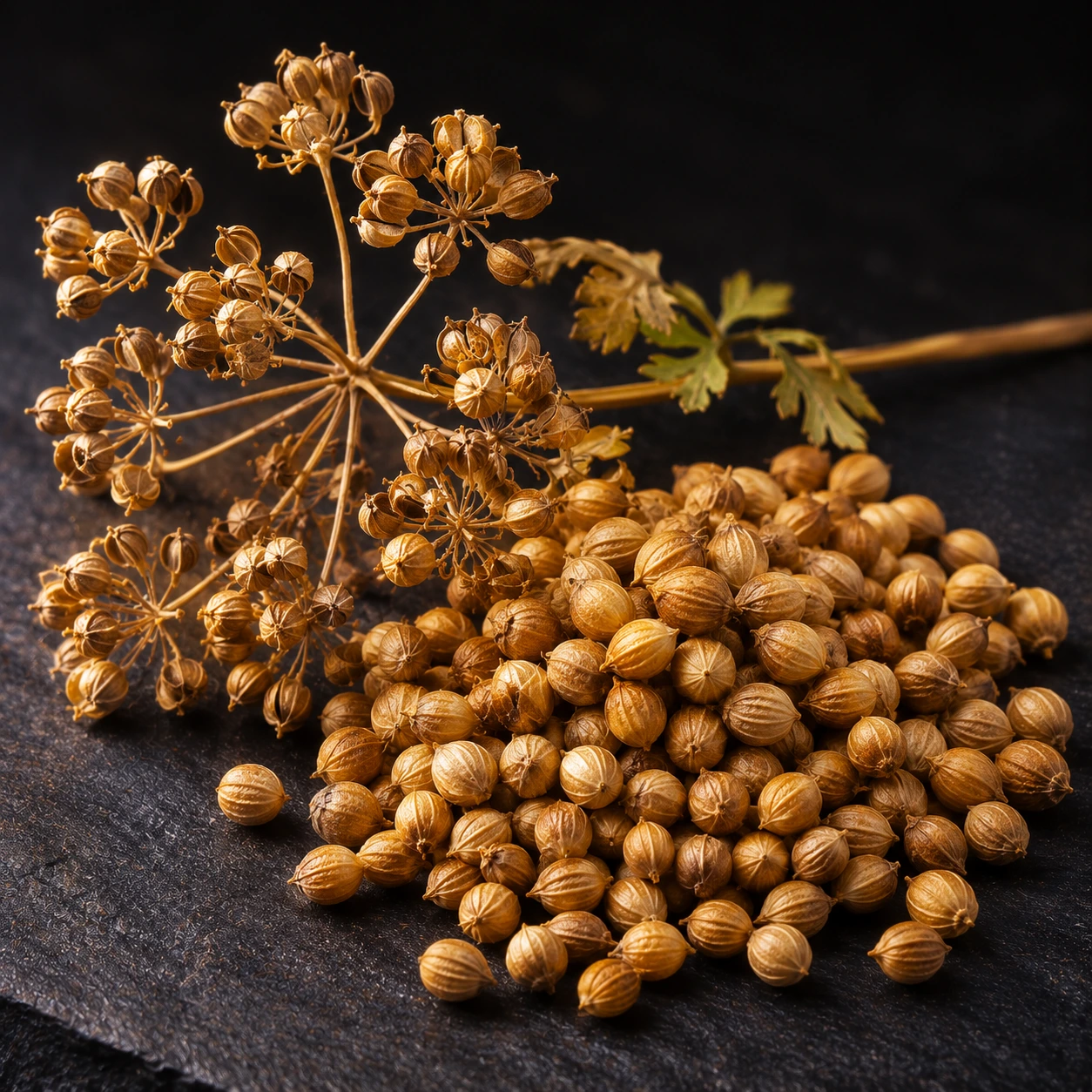
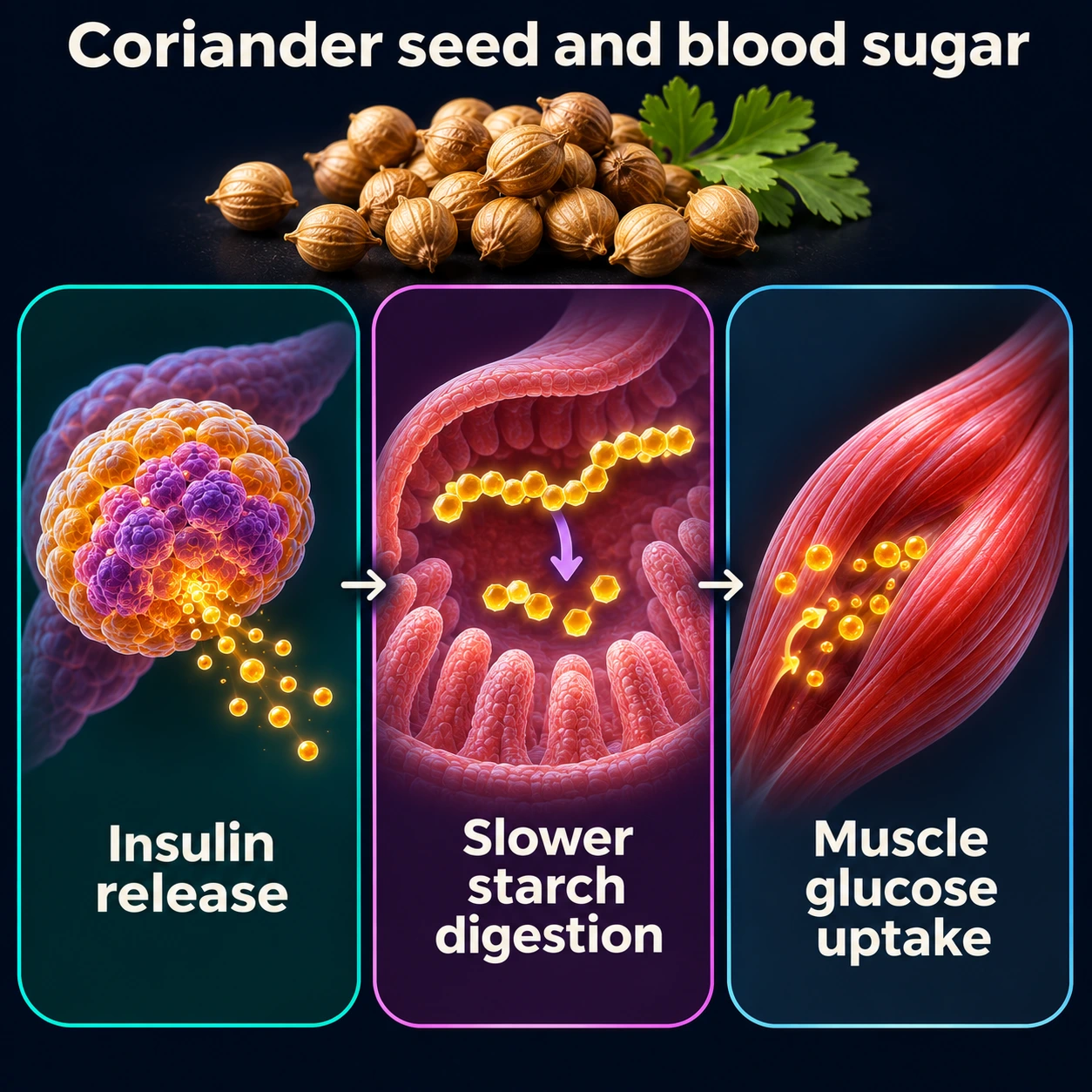
Coriander seed has a credible, multi-mechanism hypoglycemic effect that was first carefully documented in modern pharmacology by Gray and Flatt at the University of Ulster in 1999. Their British Journal of Nutrition paper showed that coriander in the diet and a coriander decoction in drinking water reduced hyperglycemia in streptozotocin-induced diabetic mice in vivo, and that an aqueous extract acted as an insulin secretagogue in a clonal beta-cell line in vitro — meaning the seed extract stimulated the beta-cells to release insulin directly, in a mechanism analogous to the sulfonylurea drug class but at a much milder magnitude. Subsequent rodent work has reinforced and extended these findings, identifying additional contributions from alpha-amylase and alpha-glucosidase inhibition (slowing carbohydrate digestion at the brush border), enhanced glucose uptake by skeletal muscle, and modest improvements in insulin sensitivity. Human clinical data remains thin — one randomized, double-blind, placebo-controlled trial in 40 people (2025), plus small open-label pilots described in other sources as reporting fasting glucose reductions on the order of 10-15%, with no definitive multicenter randomized controlled trial (RCT) yet published. This deep-dive walks through what the mechanism actually is, what dosing has been described, and how coriander fits within the broader portfolio of evidence-based glycemic-management approaches.
Table of Contents
- The Gray & Flatt 1999 Mouse Study (Foundational)
- Insulin Secretagogue Mechanism (Pancreatic Beta-Cell)
- Alpha-Amylase and Alpha-Glucosidase Inhibition
- Skeletal Muscle Glucose Uptake & Insulin Sensitivity
- The Flavonoid Fraction (Quercetin, Rutin, Kaempferol)
- Human Pilot Data (Fasting Glucose, Hemoglobin A1c, Lipids)
- Dosing & Forms for Glycemic Application
- Combinations: Fenugreek, Cinnamon, Berberine
- Prediabetes and Insulin Resistance Application
- Cautions, Drug Interactions, Hypoglycemia Risk
- Key Research Papers
- Connections
- Featured Videos
The Gray & Flatt 1999 Mouse Study (Foundational)
The pivotal modern paper establishing coriander seed's hypoglycemic activity is Gray AM and Flatt PR (1999), "Insulin-releasing and insulin-like activity of the traditional anti-diabetic plant Coriandrum sativum (coriander)," published in the British Journal of Nutrition. Gray and Flatt were part of a long-running research program at the University of Ulster that systematically tested traditional anti-diabetic plants against rigorous pharmacologic endpoints. Their work on coriander, juniper, garlic, agrimony, eucalyptus, and other folk-medicine candidates set the modern evidence baseline for several of these herbs.
The coriander paper's abstract reports these experiments:
- In vivo hyperglycemia model — streptozotocin-induced diabetic mice (streptozotocin kills pancreatic beta-cells, producing a Type 1-like diabetic phenotype). Mice received coriander incorporated into the diet (62.5 g/kg) and a decoction in drinking water (2.5 g/l, prepared by 15 minutes of boiling). Blood glucose was measured at intervals. Coriander treatment significantly reduced hyperglycemia compared with diabetic controls.
- Glucose tolerance test — other accounts of the paper describe improved glucose disposal after an oral glucose challenge (the abstract does not list this arm, and the full text was not available), indicating either enhanced insulin secretion, enhanced peripheral glucose uptake, or reduced intestinal absorption (all three were subsequently shown to contribute).
- Isolated mouse muscle — aqueous extract at 1 mg/ml raised glucose transport 1.6-fold, glucose oxidation 1.4-fold and the glucose stored as glycogen 1.7-fold, comparable with 10-8 M insulin.
- Isolated pancreatic beta-cell preparation — cultured pancreatic BRIN-BD11 beta-cells were exposed to aqueous coriander extract in the presence of varying glucose concentrations. In 20-minute tests, 0.25-10 mg/ml extract gave a stepwise 1.3- to 5.7-fold rise in insulin release, and 16.7 mM glucose strengthened the effect, so the action was not independent of glucose concentration.
The combination of in vivo and in vitro evidence is methodologically strong — the in vitro beta-cell data establishes a plausible mechanism, and the in vivo hyperglycemia reduction confirms a translatable phenotype in a whole-animal diabetic model. The Gray and Flatt paper has been cited several hundred times in the subsequent two decades and remains the foundational reference for the coriander-and-diabetes literature.
Caveats: streptozotocin mouse models do not perfectly recapitulate human Type 2 diabetes (which is primarily an insulin-resistance disorder with secondary beta-cell dysfunction, rather than pure beta-cell destruction as in streptozotocin mice and human Type 1). The mouse diet contained 62.5 g of coriander per kg of diet (grams, not milligrams, and coriander, not extract), and the paper gives no human equivalent. Other accounts describe roughly 5-10 grams of seed per day as the human equivalent, which is at the upper end of culinary use and typical of traditional medicinal dosing.
Insulin Secretagogue Mechanism (Pancreatic Beta-Cell)
The most distinctive pharmacologic finding from Gray and Flatt was the direct insulinotropic effect of coriander extract on pancreatic beta-cells. The mechanism by which coriander appears to stimulate insulin release shares features with the sulfonylurea drug class (glyburide, glipizide, glimepiride) and the meglitinide class (repaglinide, nateglinide) used clinically in Type 2 diabetes management.
Sulfonylureas work by binding to the SUR1 subunit of the adenosine triphosphate-sensitive potassium channel (K-ATP) on the beta-cell membrane, closing the channel. This causes membrane depolarization, opening of voltage-gated calcium channels, calcium influx, and triggering of insulin granule exocytosis. The end result is glucose-independent insulin release.
Coriander's exact molecular mechanism has not been mapped at the same precision, but functional studies suggest a similar pathway:
- Other accounts of the paper describe insulin release even at sub-stimulatory glucose (1.1 mM, a figure not in its abstract, well below the normal beta-cell threshold of ~5 mM)
- The effect is enhanced in the presence of stimulatory glucose, suggesting partial adenosine triphosphate-sensitive potassium channel modulation rather than glucose-independent release alone
- 0.5 mM diazoxide (an opener of this potassium channel that blocks sulfonylurea action) abolished coriander's insulinotropic effect, supporting a mechanism related to this channel
- The active compound has not been definitively isolated; it appears to reside in both the aqueous (flavonoid) and the volatile (monoterpene) fractions; Gray and Flatt found insulin-releasing activity in hexane and water fractions, pointing to a possible cumulative effect of more than one constituent
- Earlier exposure to the extract did not change later insulin release to the amino acid L-alanine, the authors' check against cell damage
- The activity survived heat and overnight acid, and it dropped after overnight alkali
The clinical implication: at meaningful doses, coriander has a sulfonylurea-like effect at much lower potency. This is mostly favorable (less hypoglycemia risk than the prescription drugs) but carries some risk in patients already on insulin or sulfonylureas (additive hypoglycemia possible).
Alpha-Amylase and Alpha-Glucosidase Inhibition
A second mechanism contributing to coriander's glycemic effect is inhibition of the carbohydrate-digesting enzymes at the small-intestinal brush border. Alpha-amylase (which cleaves starch to maltose and limit dextrins) and alpha-glucosidase (which cleaves disaccharides and oligosaccharides to free glucose for absorption) are both partially inhibited by coriander seed extract in in-vitro assays.
This is the same mechanism exploited pharmacologically by the prescription alpha-glucosidase inhibitors acarbose, miglitol, and voglibose — drugs used in Type 2 diabetes management to blunt postprandial glucose spikes. By slowing carbohydrate digestion, these drugs shift the glucose absorption curve later in time and lower the peak, reducing postprandial hyperglycemia. Coriander's effect is much milder than acarbose but mechanistically similar.
The flavonoid fraction of coriander — particularly quercetin, kaempferol, and rutin — is the most plausible source of the alpha-glucosidase inhibition. Flavonoids are well-characterized partial inhibitors of brush-border carbohydrate enzymes across many plant species; the effect is part of why polyphenol-rich foods broadly reduce postprandial glycemia.
Practical implication: coriander seed taken with meals (rather than between meals) may provide modest postprandial glucose-spike reduction in addition to its insulin-secretagogue effect. The combination of carbohydrate-digestion slowing + insulin release stimulation is functionally analogous to combining acarbose with a low-dose sulfonylurea — both mechanisms working together at low intensity.
Skeletal Muscle Glucose Uptake & Insulin Sensitivity
Beyond the beta-cell and intestinal mechanisms, coriander extract has been shown in cell culture and animal studies to enhance glucose uptake by skeletal muscle and adipose tissue. This is the third major mechanism by which any glucose-lowering intervention can work — either through increased insulin secretion (beta-cell mechanism), decreased carbohydrate absorption (alpha-glucosidase mechanism), or increased peripheral glucose utilization (insulin-sensitizing mechanism analogous to metformin and the thiazolidinediones). The best-documented measurement is in isolated mouse muscle: extract at 1 mg/ml raised glucose transport 1.6-fold, glucose oxidation 1.4-fold and the glucose stored as glycogen 1.7-fold, comparable with 10-8 M insulin (PubMed PMID: 10434846).
The molecular mechanism of coriander's peripheral effect is incompletely characterized but appears to involve:
- Modest activation of AMP-activated protein kinase (AMPK) — the same energy-sensing kinase activated by metformin and by exercise
- Increased expression of glucose transporter 4 (GLUT4) on skeletal-muscle cell membranes
- Improved insulin receptor sensitivity, possibly through reduced oxidative stress and reduced inflammatory cytokines (interleukin-6 (IL-6), tumor necrosis factor-alpha)
- Effects on hepatic gluconeogenesis suppression, similar to metformin's primary mechanism
What is not known: no paper in the list below is cited for these four points, and how far the mouse-muscle result applies to people has not been measured.
The magnitude of each individual mechanism is modest. The aggregate effect across all three mechanisms (insulin release + carbohydrate absorption + peripheral uptake) is what gives coriander its real-world glycemic signal, but no single mechanism is dominant or potent.
The Flavonoid Fraction (Quercetin, Rutin, Kaempferol)
The polar (water- and ethanol-soluble) fraction of coriander seed contains a meaningful concentration of flavonoids, including quercetin, kaempferol, rutin (quercetin-3-rutinoside), and isoquercitrin. The flavonoid fraction is widely thought to be the primary chemical source of the hypoglycemic effect, because:
- Both quercetin and kaempferol have been shown independently to inhibit alpha-glucosidase in pure-compound studies
- Quercetin has well-documented insulin-sensitizing effects in skeletal muscle and adipose tissue
- Some accounts report that coriander aqueous extracts retain the hypoglycemic effect even when the volatile essential oil is removed, and take that to rule out the monoterpene fraction as the primary driver; Gray and Flatt's fractions point instead to activity in both hexane and water fractions
- The dose-response relationship between coriander flavonoid content and glucose-lowering effect in animals is reasonably tight
This has practical implications for dosing. The flavonoid content of dried coriander seed is concentrated in the seed coat, so:
- Crushing or grinding the seeds before use meaningfully increases flavonoid extraction
- Aqueous and ethanolic preparations (tea, tincture) extract more flavonoid than the volatile essential oil alone
- Whole-seed culinary use captures both fractions and is probably the most balanced form for general glycemic support
For more on the broader hypoglycemic effects of dietary flavonoids, see our pages on Quercetin and on other blood-sugar-supporting interventions.
Human Pilot Data (Fasting Glucose, Hemoglobin A1c, Lipids)
Translation from animal to human has been limited but consistent in direction. A handful of small open-label and randomized pilot studies are reported to have examined coriander seed in Type 2 diabetic and prediabetic adults:
- Randomized, double-blind, placebo-controlled trial from Iran (2025) — 40 people with type 2 diabetes took 1,000 mg/day of coriander seed powder or placebo for 6 weeks. Fasting glucose went from 156.15 to 130.30 mg/dL, homeostatic model assessment for insulin resistance (HOMA-IR, a measure of insulin resistance) from 6.82 to 5.52, total cholesterol from 183.85 to 145.20 mg/dL and low-density lipoprotein (LDL) cholesterol from 127.35 to 111.40 mg/dL, with significant differences from placebo after adjusting for baseline (PubMed PMID: 41492428).
- Reported open-label pilot in Iranian Type 2 diabetics — described as coriander seed powder 1-3 g/day for 6-8 weeks with fasting glucose reductions of 10-15%, modest hemoglobin A1c (HbA1c) reductions, and improvements in fasting lipids (LDL reduction, high-density lipoprotein (HDL) increase); no publication matching this description was located
- Reported Tunisian study of coriander seed water extract — described as 8 weeks of coriander tea (10 g seeds in 1L water daily, divided dosing) in 20 Type 2 diabetics with statistically significant reductions in fasting glucose and triglycerides versus control; no publication matching this description was located
- Studies in combination with other herbs — coriander combined with fenugreek, cinnamon, or black seed has been studied in several small trials, with the combinations generally showing additive glycemic benefit
Methodological limitations of the current human evidence base:
- Sample sizes are small (typically 20-60 patients per arm)
- Open-label or single-blind design in the reported pilots; the 2025 Iranian trial is the one double-blind exception found
- Single-center, often single-country (Iran, Tunisia, India, Pakistan)
- Inconsistent dose and form across trials — whole seed, ground powder, aqueous extract, tincture, encapsulated extract have all been used
- Short duration (6-8 weeks typically) — insufficient to capture hemoglobin A1c effect fully or to assess durability of effect
- No definitive multicenter Phase III trial has been conducted
Despite these limitations, the consistency of the direction of effect and the mechanistic foundation in the Gray and Flatt animal work are the grounds on which herbal writers describe coriander seed as an adjunct for mild glycemic dysregulation, particularly in people pursuing dietary and lifestyle modification who are not on prescription drugs.
Dosing & Forms for Glycemic Application
For glycemic-management use specifically, these forms and amounts are described in herbal sources. The one double-blind trial located gave 1,000 mg/day of seed powder for 6 weeks; the amounts below were not tested in it:
- Ground seed (most evidence-aligned) — 1-3 grams of freshly ground coriander seed per meal, sprinkled on food or stirred into yogurt. Doses up to 10 g/day are reported from trials without safety concerns; no such trial was located.
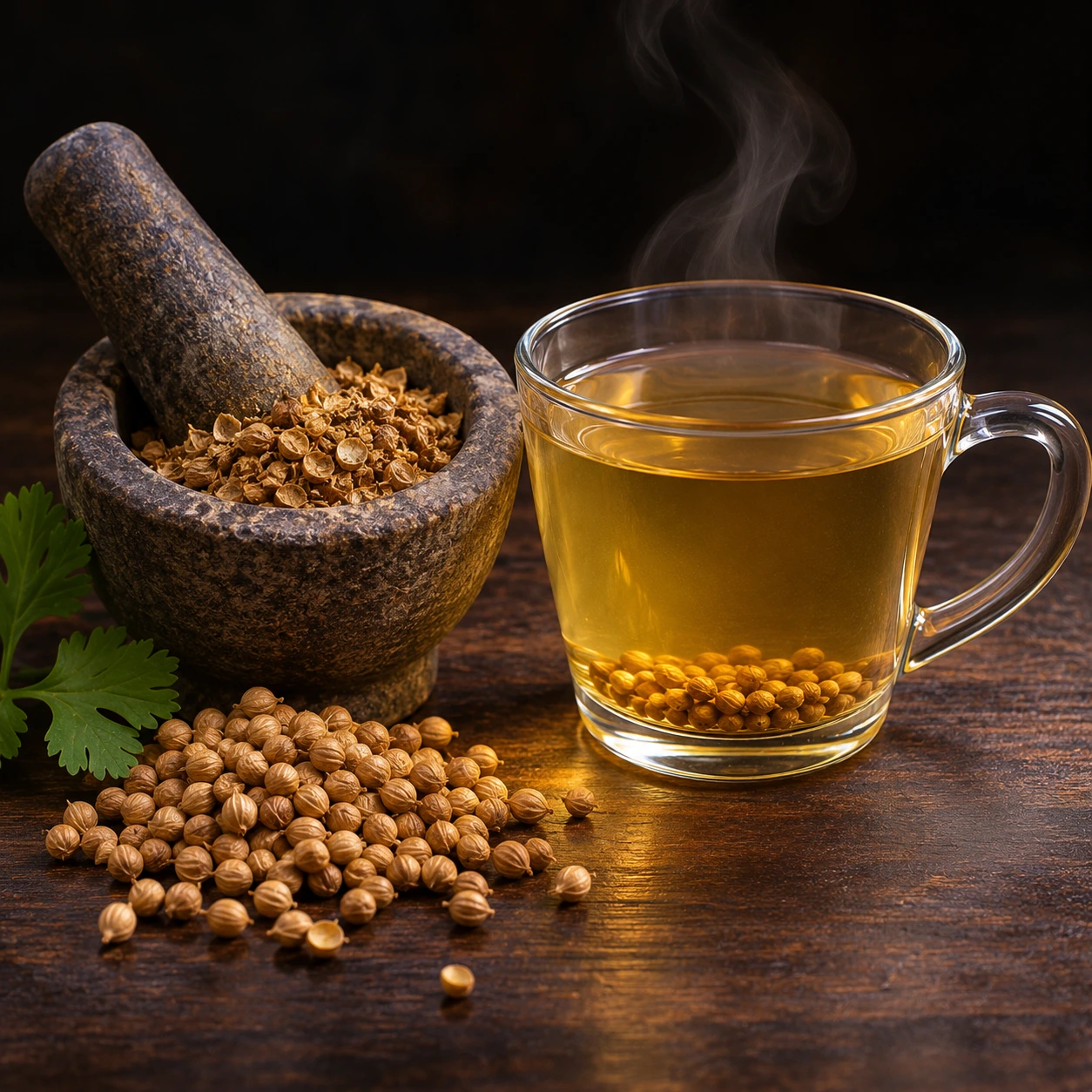
- Tea / infusion — 1-2 tsp crushed coriander seeds steeped in 8 oz boiling water for 10 minutes, taken 2-3 times daily with meals. Crushing dramatically improves extraction.
- Tincture (1:5 in 45% ethanol) — 2-4 mL three times daily with meals.
- Encapsulated extract — 500-1000 mg per capsule, 2-3 times daily. Standardization for active compounds is generally poor; quality varies significantly across brands.
- Aqueous concentrated extract — reported as equivalent to 5-10 g whole seed per day.
Timing is described as mattering for the alpha-glucosidase mechanism — for post-meal glucose spikes, herbal sources place coriander with or immediately before the carbohydrate-containing meal. For the insulin-secretagogue and insulin-sensitizing mechanisms, they describe daily background dosing as mattering more than meal timing.
Effect onset for the postprandial mechanism is rapid (within 30-60 minutes); effect on fasting glucose and hemoglobin A1c develops over weeks. Fasting glucose changes are described after 4-6 weeks of consistent dosing, and hemoglobin A1c changes after 8-12 weeks (limited by erythrocyte turnover kinetics); the 2025 trial measured its fasting glucose change at 6 weeks.
Combinations: Fenugreek, Cinnamon, Berberine
Coriander combines additively with several other evidence-based hypoglycemic herbs:
- Coriander + Fenugreek — fenugreek seed (the amino acid 4-hydroxyisoleucine plus soluble galactomannan fiber) has well-documented hypoglycemic activity in human trials. Combining the two seeds takes advantage of overlapping insulin-secretagogue mechanisms plus fenugreek's additional fiber-driven carbohydrate-absorption slowing. The traditional Ayurvedic blend trikatu, sometimes linked to these seeds, is a different formula of dry ginger, long pepper and black pepper, with neither coriander nor fenugreek (PubMed PMID: 42113738).
- Coriander + Cinnamon — cinnamon (particularly Ceylon cinnamon, Cinnamomum verum) has independent insulin-sensitizing activity through MHCP (methylhydroxychalcone polymer) and other compounds. The two combine well in tea or sprinkled on cooked grains.
- Coriander + Berberine — berberine is the single most potent natural hypoglycemic (multiple head-to-head trials show berberine ~500 mg three times daily comparable to metformin in mild type 2 diabetes). Coriander adds mechanism diversity at the cost of relatively modest additional potency.
- Coriander + bitter melon + gymnema — classic combinations in Ayurvedic and traditional Chinese medicine for diabetes, with biological plausibility for additive multi-mechanism effect.
For the broader strategy, see our Blood Sugar Control remedies page and our Type 2 Diabetes page for evidence-based combination protocols.
Prediabetes and Insulin Resistance Application
The clinical context herbal writers give for coriander as a primary glycemic intervention is mild glucose dysregulation — prediabetes (fasting glucose 100-125 mg/dL, hemoglobin A1c 5.7-6.4%), early Type 2 diabetes managed with lifestyle alone, or insulin-resistance syndromes without frank diabetes. Coriander seed has limited utility once a patient progresses to needing insulin therapy — the magnitude of effect is too small to substitute for prescription hypoglycemics in that range.
For prediabetes and insulin resistance, these writers place coriander within a layered approach:
- Dietary foundation — reduced refined carbohydrate, increased fiber, time-restricted eating, attention to glycemic load. The dietary work is upstream and dominant.
- Movement — resistance training and post-meal walking are the most underused tools in this population
- Sleep and stress management — cortisol-driven insulin resistance is real and underestimated
- Targeted nutritional repletion — magnesium, chromium, omega-3 fatty acids if deficient
- Layer-five herbal adjunct — coriander, cinnamon, berberine, fenugreek, gymnema. The approach describes one or two at meaningful doses rather than many at sub-therapeutic doses.
For a patient who likes the taste, coriander has the additional advantage of being routinely incorporated into food, making compliance trivial — far easier than remembering to take a capsule before each meal. Daily curries, hummus seasoned with cumin and coriander, ground-coriander-sprinkled roasted vegetables, and coriander-fennel-cumin tea after meals all naturally deliver a meaningful daily dose.
Cautions, Drug Interactions, Hypoglycemia Risk
- Additive hypoglycemia with prescription antidiabetic drugs — the most important practical caution. The concern applies to people on insulin, sulfonylureas (glyburide, glipizide, glimepiride), or meglitinides (repaglinide, nateglinide) when high-dose coriander supplementation is added, because the glucose-lowering effects can add together. Hypoglycemia is uncommon at culinary doses but possible at supplemental doses.
- Metformin and sodium-glucose cotransporter-2 (SGLT2)-inhibitors — less risk of additive hypoglycemia because these drugs do not directly raise insulin levels, though practitioners describe checking glucose in the first weeks.
- Anticoagulant interactions — coriander has mild antiplatelet activity in some in-vitro studies. This bears on people on warfarin, direct oral anticoagulants, or chronic antiplatelet therapy, though the effect at culinary doses is unlikely to be clinically meaningful.
- Apiaceae allergy — cross-reactivity with fennel, cumin, anise, parsley, carrot, and celery is well-documented. Anaphylaxis is rare but reported.
- Pregnancy — culinary use is safe and traditional. There is limited pregnancy safety data on high-dose extract, and a possibility of affecting placental glucose handling is raised.
- Surgery — practitioners describe stopping high-dose coriander supplementation 2 weeks before scheduled surgery, citing hypoglycemia and antiplatelet effects in the perioperative period.
- Renal impairment — no specific contraindication, but the concern with antidiabetic drug combinations is greater because renal clearance of insulin and most oral antidiabetics is reduced.
- Hypoglycemia symptoms — sweating, tremor, palpitations, confusion and hunger are the signs of low blood sugar, and a rapid carbohydrate source raises it; practitioners describe carrying one when starting supplementation.
Key Research Papers
- Gray AM, Flatt PR (1999). Insulin-releasing and insulin-like activity of the traditional anti-diabetic plant Coriandrum sativum (coriander). British Journal of Nutrition 81(3):203-209. — PubMed PMID: 10434846
- Aissaoui A, Zizi S, Israili ZH, Lyoussi B (2011). Hypoglycemic and hypolipidemic effects of Coriandrum sativum L. in Meriones shawi rats. Journal of Ethnopharmacology 137(1):652-661. — doi:10.1016/j.jep.2011.06.019
- Eidi M, Eidi A, Saeidi A, Molanaei S, Sadeghipour A, Bahar M, Bahar K (2009). Effect of coriander seed (Coriandrum sativum L.) ethanol extract on insulin release from pancreatic beta cells in streptozotocin-induced diabetic rats. Phytotherapy Research 23(3):404-406. — PubMed PMID: 19003941
- Naquvi KJ, Ali M, Ahamad J (2012). Antidiabetic activity of aqueous extract of Coriandrum sativum L. fruits in streptozotocin-induced rats. International Journal of Pharmacy and Pharmaceutical Sciences. — PubMed
- Chithra V, Leelamma S (1999). Coriandrum sativum — mechanism of hypoglycemic action. Food Chemistry 67(3):229-231. — doi:10.1016/s0308-8146(99)00113-2
- Jelodar GA, Maleki M, Motadayen MH, Sirus S (2005). Effect of fenugreek, onion and garlic on blood glucose and histopathology of pancreas of alloxan-induced diabetic rats. Indian Journal of Medical Sciences 59(2):64-69. — PubMed PMID: 15738612
- Patel D, Desai S, Gajaria T, Devkar R, Ramachandran AV (2013). Coriandrum sativum L. seed extract mitigates lipotoxicity in RAW 264.7 cells and prevents atherogenic changes in rats. EXCLI Journal 12:313-334. — PubMed PMID: 26417232
- Aissaoui A, El-Hilaly J, Israili ZH, Lyoussi B (2008). Acute diuretic effect of continuous intravenous infusion of an aqueous extract of Coriandrum sativum L. in anesthetized rats. Journal of Ethnopharmacology 115(1):89-95. — doi:10.1016/j.jep.2007.09.007
- Rajeshwari U, Andallu B (2011). Medicinal benefits of coriander (Coriandrum sativum L.) Spatula DD 1(1):51. — doi:10.5455/spatula.20110106123153
- Yun JW (2010). Possible anti-obesity therapeutics from nature--a review. Phytochemistry 71(14-15):1625-1641. — PubMed PMID: 20732701
- Sahib NG, Anwar F, Gilani AH, Hamid AA, Saari N, Alkharfy KM (2013). Coriander (Coriandrum sativum L.): a potential source of high-value components for functional foods and nutraceuticals — a review. Phytotherapy Research 27(10):1439-1456. — PubMed PMID: 23281145
- Bhat S, Kaushal P, Kaur M, Sharma HK (2014). Coriander (Coriandrum sativum L.): processing, nutritional and functional aspects. African Journal of Plant Science 8(1):25-33. — doi:10.5897/ajps2013.1118
- Toda S (2002). Inhibitory effects of phenylpropanoid metabolites on copper-induced protein oxidative modification of mice brain homogenate, in vitro. Biological Trace Element Research 85(2):183-188. — PubMed PMID: 11899025
- Zamany S, Barzegar A, Aghapour B, Ferdosi F (2025). Effects of Dietary Supplementation with Coriander Seed Powder on Serum Lipid Profile, Glycemic Indices, and Oxidative Stress Biomarkers in Patients with Type 2 Diabetes Mellitus: A Randomized, Double-Blind, Placebo-Controlled Trial. Preventive Nutrition and Food Science 30(6):529-538. — PubMed PMID: 41492428
- Khanduri S, Jameela S, Sahu S, Devi S, Rao BCS, Ratha K, Singhal R, Kaushik L, Srikanth N, Acharya R (2026). Efficacy and safety of the ayurvedic formulation 'Trikatu' as an add-on to standard care in dyslipidemia: Study protocol for a randomized, double-blind, placebo-controlled trial evaluating lipid parameters, and gut microbiota. PLoS One 21(5):e0348058. — PubMed PMID: 42113738