Lavender (Lavandula angustifolia)
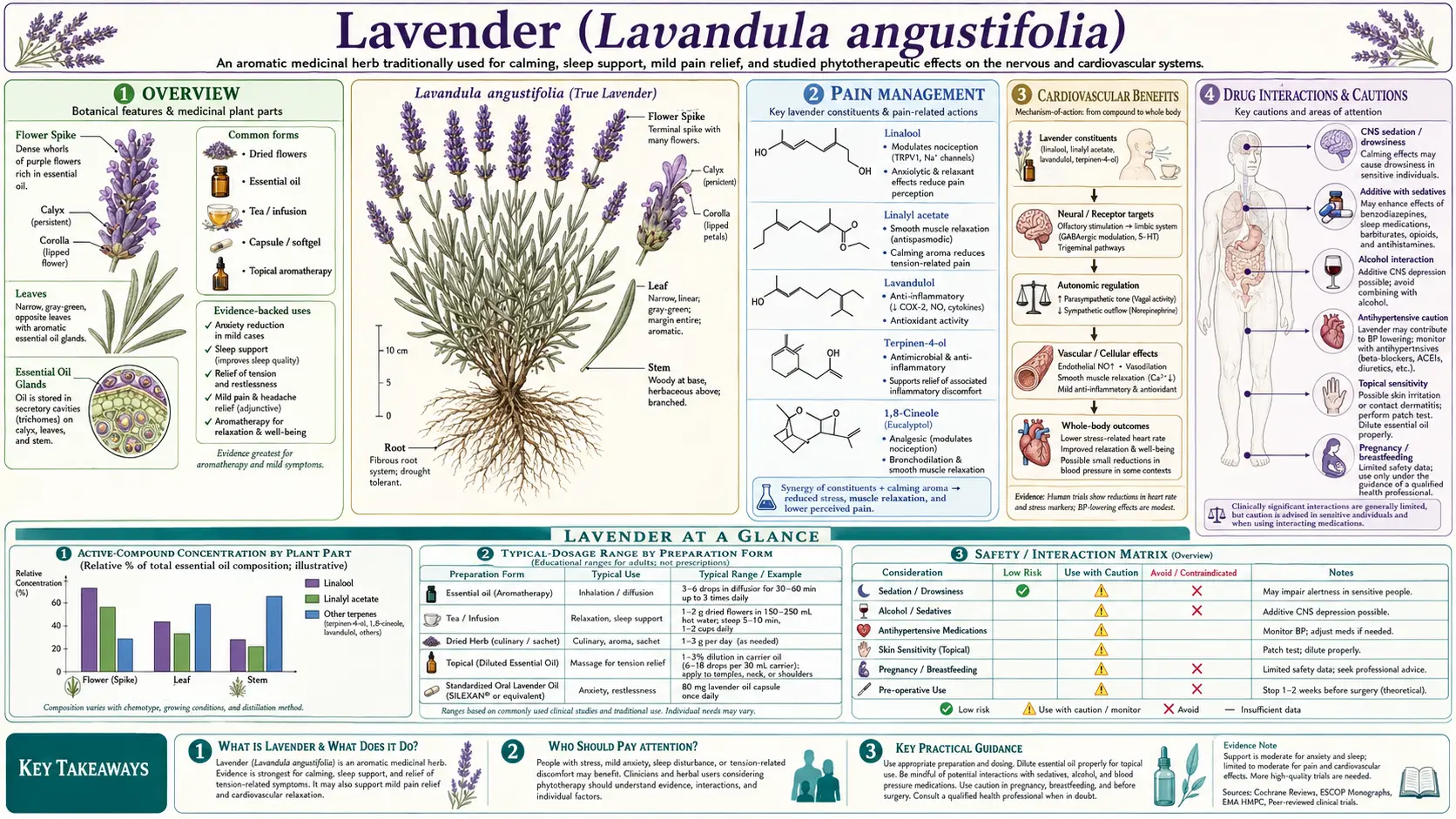
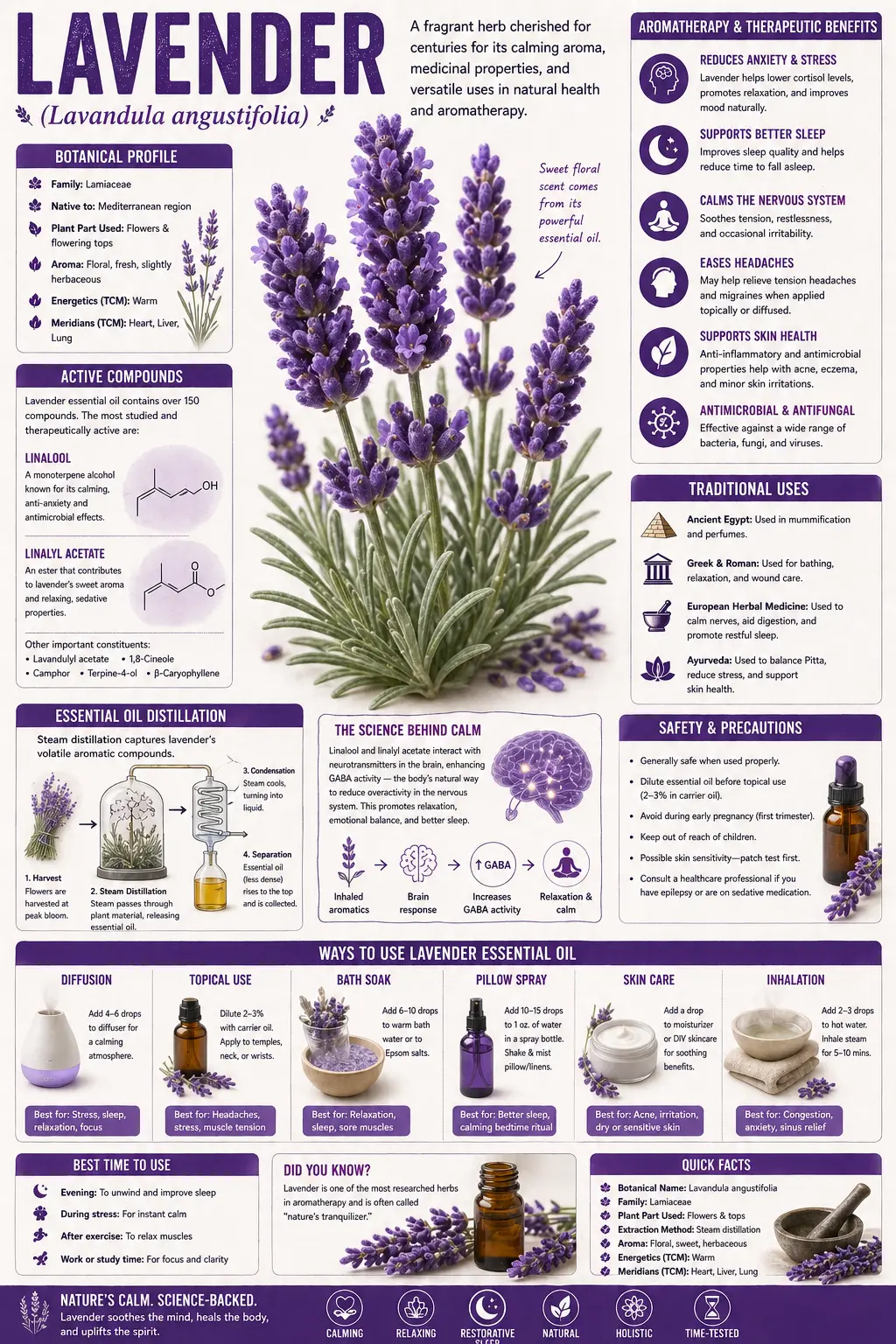
Table of Contents
- Overview
- History and Traditional Use
- Botanical Description
- Active Compounds
- Anxiety and Stress Relief
- Sleep Quality Improvement
- Depression and Mood Support
- Pain Management
- Skin Health
- Anti-Inflammatory Properties
- Antimicrobial and Antifungal Effects
- Respiratory Health
- Digestive Support
- Cardiovascular Benefits
- Neuroprotective Effects
- Aromatherapy Applications
- Internal Use
- Topical Applications
- Dosage Forms and Amounts Used
- Safety and Side Effects
- Drug Interactions
- Key Research Papers
- Featured Videos
Overview
Lavender, often called the queen of calming herbs, is one of the most widely recognized and extensively studied medicinal plants in the world. Belonging to the genus Lavandula within the mint family (Lamiaceae), this aromatic evergreen shrub has been treasured for millennia for its soothing fragrance and remarkable therapeutic versatility. Among the forty-seven known species of lavender, Lavandula angustifolia—commonly known as English lavender, true lavender, or common lavender—stands as the most important species for medicinal and aromatherapy applications.
Modern scientific research has validated many of the traditional uses of lavender that healers have relied upon for thousands of years. Clinical trials have demonstrated that lavender essential oil and its standardized preparations possess significant anxiolytic, sedative, analgesic, anti-inflammatory, antimicrobial, and neuroprotective properties. The European Medicines Agency (EMA) has a traditional-use monograph for lavender essential oil — “for relief of mild symptoms of mental stress and exhaustion and to aid sleep,” based on long-standing use rather than on trials, at an oral daily dose of 20–80 mg — and a standardized oral lavender oil preparation is approved in Germany for the treatment of restlessness related to anxiety disorders.
What makes lavender particularly remarkable among medicinal herbs is the breadth of its applications. From calming a racing mind and easing insomnia to healing burns, fighting infections, relieving migraines, and protecting brain cells, lavender exerts a gentle yet powerful influence across nearly every system of the body. Its exceptional safety profile, pleasant aroma, and well-documented efficacy make it one of the most accessible and practical herbal medicines available to the modern consumer.
History and Traditional Use
Lavender’s history as a healing plant stretches back more than two thousand years, and its very name records its oldest use: it derives from the Latin lavare, “to wash,” reflecting its ancient association with bathing, laundry, and cleanliness. From Roman baths and medieval monastery gardens to the Tudor still-room, the lavender fields of Provence, and the laboratory accident that gave us the word aromatherapy, the plant has been prized as a remedy for the mind, the head, the nerves, and the skin — the fuller story is told in the dedicated History & Traditional Use article.
Botanical Description
Lavender belongs to the genus Lavandula, which comprises forty-seven known species within the family Lamiaceae (the mint or sage family). The genus is native to the Old World, with its center of diversity in the drier, warmer regions of the Mediterranean basin, extending eastward through the Middle East to India. Lavenders are small evergreen shrubs and subshrubs characterized by their gray-green, hoary, linear leaves and distinctive aromatic flower spikes.
Lavandula angustifolia, the species of greatest medicinal importance, is a strongly aromatic shrub that typically grows to a height of 30 to 60 centimeters, though some cultivars may reach up to one meter. The plant forms a compact, rounded mound of narrow, lance-shaped leaves that are covered with fine hairs, giving them a silvery-gray appearance. The flowers are borne in whorls on slender, upright spikes that rise above the foliage, and they range in color from pale lilac to deep violet-blue. The entire plant emits a characteristic sweet, floral, herbaceous fragrance due to the essential oil glands concentrated in the flowers and, to a lesser extent, in the leaves and stems. The plant thrives in full sun, well-drained alkaline soils, and moderate climates, and is remarkably drought-tolerant once established.
Several other species and hybrids within the genus are important commercially and medicinally. Lavandula latifolia (spike lavender or broadleaf lavender) produces an essential oil richer in camphor and 1,8-cineole, making it more stimulating and better suited for respiratory applications. Lavandula stoechas (French lavender or Spanish lavender) is distinguished by its tufted bracts atop the flower heads and has a stronger, more camphoraceous aroma. Lavandula × intermedia, commonly known as lavandin, is a natural hybrid between L. angustifolia and L. latifolia and is the most widely cultivated lavender for commercial essential oil production due to its higher oil yield, though its oil is considered therapeutically inferior to that of true lavender. Lavandula dentata (toothed lavender) and Lavandula multifida (Egyptian lavender) are also grown ornamentally. For medicinal and therapeutic purposes, Lavandula angustifolia remains the gold standard, as it produces the essential oil with the highest concentration of the calming compounds linalool and linalyl acetate.
Active Compounds
The therapeutic properties of lavender are primarily attributed to its complex essential oil, which contains over one hundred identified chemical constituents. The oil is obtained by steam distillation of the fresh flowering tops and is standardized according to the monograph on Lavender Oil in the European Pharmacopoeia. The two principal bioactive compounds are linalool and linalyl acetate, which together typically account for 50 to 70 percent of the total oil composition, though their exact proportions vary depending on the species, cultivar, growing conditions, altitude, and harvest timing.
Linalool, a monoterpene alcohol, is present at concentrations ranging from approximately 20 to 45 percent in high-quality L. angustifolia oil. It is the compound most directly responsible for lavender's anxiolytic and sedative effects. Research has demonstrated that linalool binds to the serotonin transporter (SERT), effectively blocking the reuptake of serotonin and increasing its availability at neuronal synapses. Linalool also interacts with glutamatergic N-methyl-D-aspartate (NMDA) receptors and voltage-dependent calcium channels, contributing to its analgesic and anticonvulsant properties. Its anti-inflammatory effects are mediated in part through the suppression of the NF-kB signaling pathway.
Linalyl acetate, the ester form of linalool, constitutes roughly 25 to 47 percent of the oil. While linalyl acetate demonstrates comparable in vitro bioactivity to linalool, it functions as a prodrug that is rapidly hydrolyzed to linalool in the body. Linalyl acetate shows particular potency at the glutamatergic N-methyl-D-aspartate receptor, where the presence of its acetate group enhances activity compared to linalool alone. Studies have confirmed that linalyl acetate possesses anti-hypertensive, anti-diabetic, neuroprotective, anti-inflammatory, and antioxidant properties independently of its conversion to linalool.
Beyond these two dominant compounds, lavender essential oil contains several additional bioactive constituents. 1,8-Cineole (eucalyptol) contributes to the oil's respiratory and expectorant effects. Camphor provides mild analgesic and stimulant properties. Lavandulol and lavandulyl acetate add to the antimicrobial profile. Terpinen-4-ol enhances antibacterial and antifungal activity. Beta-caryophyllene, a sesquiterpene, acts on CB2 cannabinoid receptors and exerts anti-inflammatory effects. Geraniol and borneol round out the oil's pharmacological complexity. This synergistic interplay among dozens of chemical constituents is believed to account for lavender oil's broad spectrum of therapeutic activity, a phenomenon herbalists refer to as the "entourage effect."
Anxiety and Stress Relief
The anxiolytic effects of lavender represent its most thoroughly studied and best-documented therapeutic application. A large body of clinical evidence, including multiple randomized, double-blind, placebo-controlled trials, supports the use of lavender essential oil for the treatment of anxiety disorders and subclinical anxiety. A standardized oral lavender oil preparation has been the subject of at least five major randomized controlled trials and has demonstrated efficacy comparable to established pharmaceutical anxiolytics.
In a landmark multicenter, double-blind, randomized study, the standardized preparation at a dose of 80 mg per day was compared to lorazepam (0.5 mg per day), a commonly prescribed benzodiazepine, in adults with generalized anxiety disorder (GAD). The results showed that the lavender preparation was as effective as lorazepam in reducing anxiety symptoms as measured by the Hamilton Anxiety Rating Scale (HAMA), but without the sedative effects, cognitive impairment, or potential for drug dependence that are characteristic of benzodiazepines. This finding is particularly significant because it positions lavender as a safe, non-addictive alternative to one of the most widely prescribed classes of anti-anxiety medications.
A subsequent randomized, double-blind trial compared the preparation at doses of 80 mg and 160 mg per day against both paroxetine (a selective serotonin reuptake inhibitor) and placebo in patients with GAD. The HAMA total score decreased by 14.1 points for lavender oil 160 mg, 12.8 points for lavender oil 80 mg, 11.3 points for paroxetine, and 9.5 points for placebo. Both lavender doses were statistically superior to placebo, and the 160 mg dose showed numerically greater improvement than paroxetine. Importantly, the adverse event profile of the lavender preparation was comparable to placebo and superior to paroxetine, with gastrointestinal complaints (primarily eructation, or burping) being the most commonly reported side effect.
A 2023 meta-analysis of all five completed randomized, placebo-controlled trials (1,213 outpatients taking 80 mg a day or placebo for ten weeks) found significantly greater reductions in clinician-rated and self-rated anxiety than with placebo after ten weeks, with no significant difference in adverse events. The mechanism of lavender's anxiolytic action involves modulation of the GABAergic system, inhibition of serotonin reuptake via binding to the serotonin transporter, interaction with N-methyl-D-aspartate glutamate receptors, and reduction of calcium channel activity in neurons. Unlike benzodiazepines, lavender does not produce tolerance, dependence, or withdrawal symptoms, making it suitable for long-term use in chronic anxiety management.
Sleep Quality Improvement
Lavender has been used as a sleep aid for centuries, and modern clinical research has provided substantial evidence supporting this traditional application. A systematic review and meta-analysis of eleven randomized controlled trials involving 628 adult participants found that lavender essential oil intervention produced a significant sleep-enhancing effect across diverse populations, including healthy adults, postoperative patients, older adults, and individuals with comorbid conditions such as hypertension and cancer.
The mechanisms through which lavender improves sleep are closely related to its anxiolytic properties. By modulating gamma-aminobutyric acid (GABA) receptor activity, inhibiting serotonin reuptake, and reducing sympathetic nervous system arousal, lavender promotes the physiological state of relaxation that is prerequisite to sleep onset. Electroencephalogram (EEG) studies have shown that lavender inhalation during the twenty minutes before sleep significantly increases theta and alpha brainwave activity, both of which are associated with deep relaxation and the transition into sleep. This neurophysiological evidence corroborates the subjective reports of improved sleep quality documented in clinical trials.
A randomized controlled trial in 79 college students with self-reported sleep problems found that a lavender inhalation patch worn at night, together with sleep hygiene, improved sleep quality at the end of the five-night intervention and at two-week follow-up; the sleep-hygiene-only group also slept better, but to a lesser extent, and sleep quantity did not differ between the groups. A 2025 randomized trial in patients after surgery for intracranial tumors found that total and deep sleep were significantly longer with lavender oil inhalation only on the fourth postoperative day. Another trial examining patients with hematological malignancies undergoing chemotherapy found that lavender oil inhalation improved both fatigue levels and sleep quality compared to standard care.
The most common method of using lavender for sleep involves inhaling the essential oil, either by placing a few drops on a pillow or cotton pad near the bed, using an aromatherapy diffuser in the bedroom, or applying diluted oil to the temples and wrists before retiring. The oral lavender oil preparation has also demonstrated sleep-improving effects in clinical trials, likely as a secondary benefit of its anxiolytic action. While the evidence is generally supportive, researchers note that some studies have methodological limitations including small sample sizes and difficulties with blinding in aromatherapy trials, and they recommend additional large-scale studies to further strengthen the evidence base.
Depression and Mood Support
Emerging clinical evidence suggests that lavender possesses meaningful antidepressant and mood-stabilizing properties, though this area of research is less mature than the anxiety literature. A systematic review and meta-analysis examining the effects of lavender on both anxiety and depression found that lavender aromatherapy produced a substantial effect in reducing depression symptoms, with longer and more frequent sessions of aromatherapy administration showing greater efficacy. These findings are consistent with the neurochemical mechanisms of lavender's active compounds, which overlap significantly with the targets of conventional antidepressant medications. Trials of the oral capsule are covered on Lavender Oil Capsules and Depression.
One proposed mechanism involves the serotonergic system, though a 2025 review of the capsule research states that the serotonin mechanism remains unclear. Laboratory work reports that linalool, the principal active compound in lavender essential oil, binds to the serotonin transporter (SERT) and inhibits the reuptake of serotonin, thereby increasing the concentration of this key mood-regulating neurotransmitter at synaptic junctions. This proposed mechanism resembles the action of selective serotonin reuptake inhibitors (SSRIs) such as paroxetine and sertraline, which are first-line pharmaceutical treatments for depression. Additionally, lavender's interaction with the 5-HT1A serotonin receptor in specific brain regions contributes to its mood-elevating effects.
Beyond serotonin modulation, lavender also influences other neurochemical pathways relevant to depression. Its activity at gamma-aminobutyric acid receptors helps calm the hyperarousal and rumination that frequently accompany depressive states. Lavender's anti-inflammatory properties may also contribute to its antidepressant effects, as neuroinflammation is increasingly recognized as a contributing factor in major depressive disorder. The reduction of inflammatory cytokines through NF-kB pathway suppression may help address the inflammatory component of depression that is often resistant to conventional serotonergic medications alone.
It is important to note that the evidence for lavender's mood-supporting properties, while encouraging, does not show that it can replace established treatments for moderate to severe depression. Lavender is used as a complementary therapy, particularly by people with mild depression, seasonal mood changes, or depressive symptoms that co-occur with anxiety. The combination of anxiolytic and antidepressant effects within a single herb with an excellent safety profile makes lavender a practical option for holistic mood support.
Pain Management
Lavender has demonstrated clinically significant analgesic properties, with the strongest evidence existing for its efficacy in the management of headaches and migraines. A placebo-controlled clinical trial published in European Neurology evaluated the inhalation of lavender essential oil for the acute treatment of migraine headaches. In this study, patients inhaled lavender oil or a liquid paraffin placebo for fifteen minutes during a migraine attack. The results were striking: the mean reduction in headache severity on the Visual Analogue Scale was 3.6 points in the lavender group compared to 1.6 points in the control group, a highly significant difference (p < 0.0001). Of 129 headache attacks treated with lavender, 92 (71 percent) responded entirely or partially, compared to a significantly lower response rate in the placebo group.
A separate randomized controlled clinical trial examined lavender essential oil as a prophylactic therapy for migraine prevention over a three-month period. Participants who used lavender therapy showed a significant reduction in the frequency and severity of migraine episodes, with MIDAS (Migraine Disability Assessment) scores decreasing significantly compared to both baseline and control group values. Notably, no adverse effects were reported during the treatment period, suggesting that lavender inhalation is a safe preventive strategy for chronic migraine sufferers.
Beyond headaches, lavender has shown pain-relieving effects in several other clinical contexts. Studies in postoperative patients have demonstrated that lavender aromatherapy reduces pain intensity and decreases the need for opioid analgesics following surgery. In a 2025 randomized clinical trial in 90 patients undergoing urological surgery, headache after spinal anesthesia fell in all groups; the lavender and clove aromatherapy groups had lower headache scores than the standard-care group at 8 and 24 hours, but the difference was not statistically significant. Research in labor and delivery settings has shown that lavender oil massage reduces the perception of labor pain. Additionally, lavender has been studied for pain relief in conditions including needle-insertion pain, chronic low back pain, osteoarthritis of the knee, and dysmenorrhea (menstrual cramps).
The analgesic mechanisms of lavender involve multiple pathways. Linalool's interaction with N-methyl-D-aspartate glutamate receptors contributes to central pain modulation, while its effects on voltage-dependent calcium channels help reduce neuronal excitability and pain signal transmission. The anti-inflammatory properties of lavender's constituents address the peripheral inflammatory component of many pain conditions. Additionally, lavender's anxiolytic effects reduce the psychological amplification of pain that occurs when anxiety and pain coexist, breaking the cycle of pain-induced anxiety that worsens the subjective experience of suffering.
Skin Health
Lavender essential oil has a long and distinguished history in dermatological applications, and it is widely regarded as one of the most beneficial essential oils for skin health. Its combination of anti-inflammatory, antimicrobial, antifungal, and wound-healing properties makes it uniquely suited to addressing a wide range of skin conditions. The modern resurgence of interest in lavender for skin care can be traced to the French chemist René Gattefossé, who in the 1920s famously treated a severe burn on his hand with lavender essential oil and was astonished by the rapid healing and absence of scarring. This incident led Gattefossé to coin the term "aromatherapy" and devote his career to studying the medicinal properties of essential oils.
For burns and wounds, lavender essential oil accelerates the healing process through multiple mechanisms. Research has demonstrated that lavender promotes collagen synthesis, enhances connective tissue cell differentiation, increases cellular response to transforming growth factor-beta (TGF-beta), and stimulates the formation of new tissue. These processes collectively accelerate wound closure through enhanced tissue granulation, collagen deposition, and wound contraction. Lavender's antimicrobial properties provide an additional benefit by protecting wounds from secondary infection during the healing process.
In the treatment of acne, lavender oil has shown efficacy through its dual antimicrobial and anti-inflammatory actions. Research has demonstrated that lavender oil effectively reduces the population of Propionibacterium acnes (now reclassified as Cutibacterium acnes), the bacterium primarily responsible for inflammatory acne. Clinical studies have found that both the total bacterial count and the number of inflammatory lesions were significantly reduced following treatment with lavender oil, suggesting that it represents a viable complementary or alternative therapy for patients who wish to avoid conventional antibiotic treatments for acne.
Lavender also shows promise for eczema and dermatitis. Its ability to kill Staphylococcus aureus, a bacterium commonly associated with eczema flares, combined with its potent anti-inflammatory and skin-soothing properties, makes it particularly relevant for managing inflammatory skin conditions. A 2025 study examined Lavandula angustifolia leaf callus extract and found that it significantly enhanced skin cell viability, reduced oxidative stress, and decreased melanin content through activation of the Nrf2 signaling pathway, suggesting additional applications in skin rejuvenation and protection against environmental damage.
Anti-Inflammatory Properties
Chronic inflammation is a driving factor behind many of the most prevalent modern diseases, including cardiovascular disease, diabetes, autoimmune conditions, neurodegenerative disorders, and cancer. Lavender essential oil and its principal constituents demonstrate significant anti-inflammatory activity through multiple well-characterized molecular pathways, positioning lavender as a valuable botanical tool for managing inflammation-related health conditions.
The primary anti-inflammatory mechanism of lavender involves the suppression of the nuclear factor kappa-B (NF-kB) signaling pathway, one of the master regulators of the inflammatory response. A 2025 laboratory study in human liver-cancer cells (HepG2) reported that both linalool and linalyl acetate attenuated the canonical NF-kB pathway — the pathway that drives production of pro-inflammatory cytokines including tumor necrosis factor-alpha, interleukin-1 beta (IL-1 beta), and interleukin-6 (IL-6). Dampening the NF-kB cascade at that upstream level is the proposed route to a broad anti-inflammatory effect across tissue types.
Additionally, lavender oil inhibits the activity of cyclooxygenase-2 (COX-2) and lipoxygenase (LOX), enzymes that catalyze the production of prostaglandins and leukotrienes, the lipid mediators directly responsible for the cardinal signs of inflammation: pain, swelling, redness, and heat. This dual COX-2/LOX inhibition is pharmacologically significant because it mirrors the mechanism of action of non-steroidal anti-inflammatory drugs such as ibuprofen, albeit through a gentler, plant-derived pathway with fewer gastrointestinal side effects.
The antioxidant properties of lavender further support its anti-inflammatory profile. Oxidative stress and inflammation are intimately linked in a self-perpetuating cycle: reactive oxygen species (ROS) activate inflammatory pathways, and inflammatory processes generate additional reactive oxygen species. Lavender's constituents, particularly linalool, linalyl acetate, and beta-caryophyllene, scavenge free radicals and enhance endogenous antioxidant defenses, including the activation of the Nrf2 pathway, which upregulates the expression of protective antioxidant enzymes. By breaking the oxidative stress-inflammation cycle, lavender addresses the root cause of chronic low-grade inflammation rather than merely suppressing its symptoms.
Antimicrobial and Antifungal Effects
Lavender essential oil possesses broad-spectrum antimicrobial activity against a wide range of pathogenic bacteria, fungi, and yeasts. This property has been recognized since ancient times, when Romans used lavender to prevent wound infections and medieval Europeans relied on it during plague outbreaks. Modern laboratory research has systematically confirmed and characterized lavender's antimicrobial potency, identifying the specific pathogens it is effective against and the mechanisms by which it exerts its effects.
Against bacteria, lavender oil has demonstrated significant activity against both gram-positive and gram-negative organisms. Research has confirmed efficacy against Staphylococcus aureus (including methicillin-resistant Staphylococcus aureus (MRSA)), Escherichia coli, Pseudomonas aeruginosa, Klebsiella pneumoniae, and Cutibacterium acnes. The antibacterial action is attributed primarily to the monoterpene constituents linalool, linalyl acetate, lavandulol, terpinen-4-ol, and geraniol, which disrupt bacterial cell membrane integrity, leading to leakage of cellular contents and cell death. The lipophilic nature of these terpenoid compounds allows them to penetrate the bacterial cell wall and interfere with membrane-bound enzyme systems.
Lavender's antifungal properties are equally well documented. The oil is effective against Candida albicans, the most common cause of fungal infections in humans, as well as against various dermatophyte species responsible for skin, nail, and hair infections. Studies have shown that lavender oil inhibits fungal growth by disrupting the fungal cell membrane, causing morphological changes in fungal hyphae and reducing the production of fungal virulence factors. The combination of antifungal and anti-inflammatory effects makes lavender particularly useful for treating fungal skin infections, where inflammation often exacerbates the symptoms and delays healing.
In an era of growing concern about antibiotic resistance, lavender's antimicrobial properties have attracted renewed interest from researchers. Studies have demonstrated that lavender oil can enhance the effectiveness of conventional antibiotics when used in combination, potentially reducing the required dose of pharmaceutical agents and slowing the development of resistance. This synergistic potential, combined with lavender's excellent safety profile when used topically, suggests a role for lavender-based formulations in wound care, skin hygiene products, and surface disinfection applications where minimizing chemical exposure is desirable.
Respiratory Health
Lavender has been used traditionally to support respiratory health, and its essential oil contains several compounds with documented benefits for the airways. The presence of 1,8-cineole (eucalyptol) in the oil, particularly in spike lavender (L. latifolia), provides expectorant and mucolytic properties that help thin and mobilize respiratory mucus. Additionally, lavender's anti-inflammatory and antispasmodic effects can help soothe irritated airways, reduce bronchial inflammation, and ease respiratory discomfort associated with colds, bronchitis, sinusitis, and allergic conditions.
Inhalation of lavender essential oil has been studied in clinical settings for its effects on respiratory function and comfort. Research using electroencephalogram monitoring has shown that twenty-minute lavender inhalation sessions via respiratory masks significantly altered brainwave patterns in ways consistent with enhanced relaxation, which can benefit individuals whose respiratory distress is exacerbated by anxiety and stress. In postoperative settings, lavender inhalation has been associated with reduced respiratory rate and improved subjective respiratory comfort, likely through a combination of anxiolytic and direct airway effects.
The antimicrobial properties of lavender are also relevant to respiratory health, as many upper and lower respiratory tract infections are caused by bacteria and viruses against which lavender oil has demonstrated activity. Steam inhalation with added lavender oil is a traditional remedy for nasal congestion, sinus pressure, and sore throat that combines the decongestant effects of warm steam with the antimicrobial and anti-inflammatory properties of the essential oil. There is no evidence that lavender treats serious respiratory conditions such as pneumonia or asthma; it is used as a gentle complementary therapy for mild respiratory complaints and is traditionally credited with reducing the frequency and severity of upper respiratory infections through its antimicrobial actions.
Digestive Support
Lavender has been used traditionally for centuries to soothe digestive complaints, and its antispasmodic, carminative, and anti-inflammatory properties provide a scientific basis for these applications. The Roman naturalist Pliny the Elder specifically recommended lavender for upset stomachs, and herbalists throughout European history have relied on lavender preparations to ease digestive discomfort, reduce bloating, relieve nausea, and calm intestinal spasms.
The antispasmodic action of lavender on smooth muscle tissue is well characterized. Linalool and linalyl acetate relax the smooth muscle of the gastrointestinal tract by modulating calcium channel activity and reducing acetylcholine-induced contractility. This mechanism helps alleviate intestinal cramping, colic, and the spasmodic pain associated with irritable bowel syndrome (IBS). The calming effect of lavender on the autonomic nervous system further supports healthy digestive function by promoting parasympathetic dominance, which enhances digestive secretions, improves motility, and reduces the gut-disrupting effects of chronic stress.
Lavender has also demonstrated notable anti-nausea properties. In a Turkish clinical trial comparing three essential oils for postoperative nausea and vomiting (PONV), lavender outperformed both rose and ginger oils in reducing nausea severity. Inhaled lavender oil is also used by some practitioners to manage morning sickness during pregnancy, though the evidence for this application is largely anecdotal; the EMA monograph states that the safety of lavender oil in pregnancy and breastfeeding has not been established and that, without sufficient data, its use during pregnancy and lactation is not recommended. The choleretic properties of lavender, meaning its ability to stimulate bile production and flow, may also contribute to improved fat digestion and overall digestive efficiency.
Cardiovascular Benefits
Emerging research suggests that lavender may confer meaningful benefits to cardiovascular health through its anti-hypertensive, vasorelaxant, antioxidant, and stress-reducing properties. The link between chronic stress, elevated cortisol levels, and cardiovascular disease is well established in medical literature, and lavender's ability to reduce psychological stress and activate the parasympathetic nervous system positions it as a potentially valuable botanical for heart health.
Clinical studies have demonstrated that lavender aromatherapy can produce measurable reductions in blood pressure and heart rate. A study involving 100 intensive care unit patients found that foot massage with lavender essential oil was effective in lowering systolic and diastolic blood pressure, heart rate, and respiratory rate. A 2025 randomized, placebo-controlled pilot study in middle-aged adults with hypertension found that inhaled lavender essential oil produced significant reductions in both systolic and diastolic blood pressure after seven days of treatment, along with improvements in anxiety, fatigue, and sleep quality. These cardiovascular effects appear to be mediated through lavender's influence on the limbic system, which enhances parasympathetic (vagal) activity and reduces sympathetic nervous system activation.
At the molecular level, lavender essential oil demonstrates vasorelaxant properties, meaning it can relax the smooth muscle of blood vessel walls, thereby reducing peripheral vascular resistance and lowering blood pressure. Linalyl acetate, in particular, has shown anti-hypertensive effects in both animal and human studies. The antioxidant properties of lavender's constituents help protect the vascular endothelium from oxidative damage, preserving the production of nitric oxide, a critical molecule for maintaining blood vessel flexibility and healthy blood flow. Additionally, the anti-inflammatory effects of lavender may help reduce the chronic vascular inflammation that contributes to atherosclerosis and cardiovascular events.
While the cardiovascular evidence for lavender is promising, the research does not show lavender replacing prescribed antihypertensive medications or other cardiovascular treatments. It is used as a complementary approach aimed at the stress-related and inflammatory components of cardiovascular risk and at quality of life.
Neuroprotective Effects
Among the most exciting frontiers in lavender research is the growing body of evidence supporting its neuroprotective properties. Studies have demonstrated that lavender and its active constituents can protect neurons from various forms of damage, including ischemic injury (oxygen deprivation), excitotoxicity (glutamate-induced damage), oxidative stress, and neuroinflammation. These findings suggest potential applications in the prevention and supportive management of neurodegenerative conditions such as Alzheimer's disease, Parkinson's disease, and epilepsy.
In animal models of cerebral ischemia (stroke), lavender oil significantly decreased neurological deficit scores, reduced infarct size, and lowered levels of mitochondria-generated reactive oxygen species. An aqueous extract of lavender has been shown to diminish glutamate-induced neurotoxicity, which is particularly relevant because excessive glutamate signaling is a common pathway of neuronal death in stroke, traumatic brain injury, and neurodegenerative diseases. Linalool's ability to modulate N-methyl-D-aspartate glutamate receptors provides a molecular explanation for this protective effect, as N-methyl-D-aspartate receptor overactivation is a primary trigger of excitotoxic cell death.
Research has also explored lavender's potential role in Alzheimer's disease. Lavender constituents have demonstrated the ability to inhibit acetylcholinesterase, the enzyme that breaks down the neurotransmitter acetylcholine, a key target in Alzheimer's treatment. Additionally, the anti-inflammatory and antioxidant properties of lavender may help counter the neuroinflammation and oxidative damage that drive the progression of neurodegenerative diseases. In epilepsy research, lavender's anticonvulsant properties have been documented in multiple animal models, with linalool showing particular potency in raising seizure thresholds.
A comprehensive review published in Frontiers in Neuroscience examined the neuroprotective potential of aromatic herbs including rosemary, sage, and lavender, concluding that these plants contain compounds capable of modulating neuroinflammation, oxidative stress, and neurotransmitter systems in ways that may slow cognitive decline and protect against neurological disease. While most neuroprotective evidence for lavender comes from preclinical studies, the combination of demonstrated anxiolytic, sleep-improving, anti-inflammatory, and antioxidant effects in human trials provides indirect support for cognitive health benefits, as anxiety, poor sleep, chronic inflammation, and oxidative stress are all recognized risk factors for neurodegeneration.
Aromatherapy Applications
Lavender essential oil is the single most widely used oil in the practice of aromatherapy, and it serves as the foundation upon which the entire modern discipline was built. When René Gattefossé coined the term "aromatherapy" in the 1930s following his experience treating a burn with lavender oil, he established lavender as the archetypal healing essential oil. Today, lavender remains the first oil recommended by nearly every aromatherapy practitioner for home use, owing to its exceptional versatility, pleasant fragrance, and outstanding safety profile.
Inhalation is the most studied and most commonly used method of lavender aromatherapy. The volatile compounds in lavender oil are absorbed through the nasal mucosa and olfactory epithelium, where they stimulate olfactory receptors that send signals directly to the limbic system, the brain region governing emotion, memory, and autonomic function. This direct pathway allows inhaled lavender to exert rapid effects on mood, anxiety, and physiological stress markers. Methods of inhalation include diffusion using an ultrasonic or nebulizing diffuser, direct inhalation from a bottle or cotton pad, addition of drops to a warm bath, placement on a pillow or bedclothes before sleep, and steam inhalation for respiratory complaints.
Aromatherapy massage, which combines the benefits of therapeutic touch with the pharmacological effects of absorbed essential oils, represents another well-studied application. When diluted in a carrier oil (such as jojoba, sweet almond, or coconut oil) at a concentration of 1 to 3 percent, lavender oil is applied to the skin during massage, where it is absorbed transdermally into the bloodstream while simultaneously providing olfactory stimulation. Clinical studies on aromatherapy massage with lavender have demonstrated benefits for pain relief, anxiety reduction, blood pressure lowering, and improved sleep quality in populations ranging from postoperative patients and cancer patients to healthy adults experiencing everyday stress.
For home use, aromatherapy practice works lavender essential oil into daily routines in numerous ways. Adding five to ten drops to a warm bath creates a relaxing soak before bedtime. Placing two to three drops on a tissue or cotton ball beside the pillow promotes restful sleep. Using a diffuser in living spaces creates a calming environment that can reduce household tension and promote wellbeing. Lavender oil can also be added to unscented lotions, shampoos, and cleaning products to extend its benefits throughout daily activities.
Internal Use
While the inhalation and topical application of lavender essential oil are the most traditional routes of administration, oral supplementation with standardized lavender oil preparations represents an important and well-studied therapeutic approach, particularly for anxiety disorders. The most extensively researched oral lavender product is a standardized oral lavender oil preparation, also sold in the United States. This preparation consists of a precisely standardized essential oil from Lavandula angustifolia flowers; in the five placebo-controlled trials it was given in immediate-release soft gelatin capsules.
The preparation complies with the monograph on Lavender Oil in the European Pharmacopoeia and is standardized to contain specific concentrations of linalool and linalyl acetate to ensure consistent pharmacological activity. Each capsule contains 80 mg of the essential oil preparation. In clinical trials, doses of 80 mg and 160 mg per day have been evaluated over treatment periods of up to ten weeks. The preparation has been approved in Germany as an herbal medicine for the treatment of restlessness associated with anxious mood, and it holds marketing authorization as a medicinal product in several European countries.
The clinical evidence for the oral preparation is substantial. Across five randomized, double-blind, placebo-controlled trials, the preparation has demonstrated statistically significant reductions in anxiety symptoms as measured by validated instruments including the Hamilton Anxiety Rating Scale (HAMA) and the State-Trait Anxiety Inventory (STAI). It has shown efficacy comparable to lorazepam for generalized anxiety disorder and numerical superiority to paroxetine, while maintaining an adverse event profile comparable to placebo. The most commonly reported side effect is eructation (burping) with a lavender taste, which occurs in a minority of users and is generally mild and transient.
There is an important difference between pharmaceutical-grade oral lavender preparations and the casual swallowing of essential oils bought for aromatherapy. Essential oils sold for aromatherapy are not formulated or dosed for swallowing: undiluted essential oils can cause irritation of the mouth and gut lining (mucosal irritation), nausea, vomiting, and potentially serious gastrointestinal damage. The oral evidence above comes only from standardized, encapsulated preparations that went through pharmaceutical quality control and clinical testing, at 80–160 mg a day; the EMA traditional-use monograph gives an oral daily dose of 20–80 mg.
Topical Applications
Topical application of lavender essential oil is one of the most versatile and accessible ways to harness its therapeutic benefits. When properly diluted in a carrier oil, lavender can be applied to the skin for a wide range of purposes, including wound healing, pain relief, skin care, relaxation, and infection prevention. Lavender is one of the few essential oils that some practitioners consider safe for brief, limited application in its undiluted (neat) form on small areas of intact skin, though dilution is the standard aromatherapy practice for routine use.
For general topical use, aromatherapy practice dilutes lavender essential oil to a concentration of 1 to 3 percent in a carrier oil such as jojoba oil, sweet almond oil, coconut oil, or olive oil. This translates to approximately 6 to 18 drops of essential oil per ounce (30 ml) of carrier oil. For facial applications or sensitive skin, practitioners use a lower concentration of 0.5 to 1 percent. For acute conditions such as minor burns, insect bites, or small cuts, up to 5 percent is used for short-term application to the affected area.
Common topical applications include applying diluted lavender oil to the temples, forehead, and back of the neck for headache and migraine relief. For muscle and joint pain, lavender oil can be blended with a carrier oil and massaged into the affected area. For skin conditions such as acne, minor burns, insect bites, and eczema, lavender oil is applied directly to the affected areas after appropriate dilution. Adding lavender oil to bath water provides both topical absorption and inhalation benefits simultaneously. For sleep and relaxation, applying diluted oil to the wrists, behind the ears, and on the soles of the feet before bedtime is a popular practice.
Aromatherapy practice calls for a patch test before first topical use, particularly for people with sensitive skin or a history of allergic reactions: a small amount of the diluted oil goes on the inner forearm under a bandage for 24 hours, and redness, itching, swelling, or irritation there are signs of a skin reaction to the oil. While allergic contact dermatitis to lavender is uncommon, it can occur, and individuals who are sensitive to other members of the Lamiaceae family (mint, basil, rosemary, sage) may be at higher risk.
Dosage Forms and Amounts Used
Lavender is available in numerous dosage forms, each suited to different therapeutic applications and individual preferences. Understanding the appropriate form, concentration, and dosage for each intended use is essential for maximizing therapeutic benefit while minimizing the risk of adverse effects.
Essential oil (for inhalation and topical use): High-quality Lavandula angustifolia essential oil obtained by steam distillation is the most versatile form. For aromatherapy diffusion, 3 to 5 drops in an ultrasonic diffuser for 30 to 60 minutes is standard practice. For direct inhalation, practitioners use 2 to 3 drops on a cotton pad or tissue, inhaled for 5 to 15 minutes, for acute anxiety or headache. For topical application, the usual dilution is 1 to 3 percent in a carrier oil. For baths, 5 to 10 drops are added to warm bathwater mixed with a dispersant such as Epsom salts or a small amount of milk to aid distribution.
Oral capsules (standardized lavender oil preparation): The clinically studied dose is 80 mg per day, taken as a single capsule with water. A dose of 160 mg per day (two capsules) has also been studied and shown greater efficacy in some trials for generalized anxiety disorder. Treatment periods in clinical trials ranged from 6 to 10 weeks. This form was developed and tested specifically for anxiety and restlessness; the EMA monograph notes that lavender oil taken by mouth may impair the ability to drive and use machines.
Dried herb (for teas and infusions): Lavender flower tea is prepared by steeping 1 to 2 teaspoons (approximately 1 to 2 grams) of dried lavender flowers in 8 ounces (240 ml) of hot water for 5 to 10 minutes. This preparation provides a gentle calming effect and is suitable for daily use as a relaxing beverage, digestive aid, or sleep-promoting ritual. Lavender can also be blended with complementary herbs such as chamomile, lemon balm, and passionflower for enhanced effects.
Tinctures and liquid extracts: Lavender tinctures are typically dosed at 2 to 4 ml (approximately 40 to 80 drops) taken two to three times daily, diluted in water or juice. Hydrosol (lavender water): A byproduct of the distillation process, lavender hydrosol is a gentle, water-based preparation suitable for use as a facial toner, room spray, or linen mist. It contains trace amounts of essential oil compounds and is well tolerated by sensitive skin. Sachets and pillows: Dried lavender flowers placed in fabric sachets can be kept in drawers, placed under pillows, or hung in rooms to provide gentle, sustained aromatic exposure.
Safety and Side Effects
Lavender is considered likely safe for most adults when used appropriately through inhalation, topical application, or oral supplementation with standardized preparations. Its excellent safety profile is one of its most significant advantages over pharmaceutical alternatives, and serious adverse events are exceedingly rare in the medical literature. However, as with any bioactive substance, potential side effects and precautions exist.
Oral use of standardized lavender oil capsules at the studied dose of 80 to 160 mg per day is well tolerated. The most commonly reported side effects in clinical trials include eructation (burping) with a lavender flavor, mild nausea, and occasional gastrointestinal discomfort. The incidence of adverse events with the preparation was comparable to placebo in controlled trials and lower than that observed with paroxetine. Consuming undiluted essential oil or excessive doses orally can cause more significant side effects including nausea, vomiting, diarrhea, anorexia, and mucosal irritation. Large oral doses of lavender oil have been associated with toxicity in rare cases.
Topical use of diluted lavender oil is generally well tolerated. However, allergic contact dermatitis can occur in sensitized individuals, and some people may experience skin irritation if the oil is used at excessive concentrations or applied to damaged skin. Case reports link topical lavender products with prepubertal gynecomastia (breast tissue enlargement) in boys. In a 2007 New England Journal of Medicine report on three otherwise healthy boys, the breast growth coincided with skin and hair products containing lavender and tea tree oils and went away shortly after the products were stopped; the authors concluded that repeated exposure to the oils probably caused it, and cell studies showed the oils had estrogen-like and anti-androgen activity. The EMA's assessment report on lavender accepted causality in those cases. A 2019 report added three young girls with early breast development and one more boy, all with continuous exposure to lavender-fragranced products; the breast growth went away in every case once the products were stopped. The evidence is still limited to case reports, and whether lavender oil's estrogen-like potency is enough to cause these effects is not known.
Pregnancy and breastfeeding: The EMA monograph states that safety during pregnancy and lactation has not been established and that, in the absence of sufficient data, the use of lavender oil (by mouth or in the bath) during pregnancy and lactation is not recommended. Lavender has traditionally been reported to promote menstruation, the traditional reason for caution with internal use in pregnancy. Mild aromatherapy use (diffusion, pillow placement) is generally considered acceptable in aromatherapy practice. Surgery: Lavender may slow the central nervous system and could theoretically interact with anesthesia; a common precaution, based on that theoretical concern, is stopping lavender essential oil one to two weeks before scheduled surgery or dental procedures. Children: The EMA monograph does not recommend lavender oil by mouth or in the bath for children under 12, because its use at those ages has not been established for lack of adequate data. Lavender aromatherapy has been studied in children and is generally considered safe in aromatherapy practice at age-appropriate dilutions; that practice keeps essential oils out of children's reach and never applies them undiluted to a child's skin.
Drug Interactions
While lavender is generally safe and well tolerated, it has the potential to interact with certain categories of medications. The EMA monograph reports no known interactions with other medicines but notes that lavender oil may impair the ability to drive and use machines; the concerns below are theoretical ones based on lavender's known effects.
Sedatives and central nervous system depressants: Lavender has mild sedative and anxiolytic effects. When combined with prescription sedatives, benzodiazepines (such as lorazepam, diazepam, and alprazolam), barbiturates, sleep medications (such as zolpidem), or other central nervous system (CNS) depressants, there is a theoretical risk of additive sedation that could result in excessive drowsiness, slowed breathing, or impaired coordination. The EMA monograph's note that lavender oil may impair driving and machine use is most relevant to people on these medications.
Blood pressure medications: Because lavender has demonstrated hypotensive effects in clinical studies, combining it with antihypertensive medications could theoretically result in an excessive drop in blood pressure (hypotension). For people taking angiotensin-converting enzyme inhibitors (ACE inhibitors), angiotensin receptor blockers (ARBs), calcium channel blockers, beta-blockers, or diuretics, the concern is an additive fall in blood pressure with lavender supplements or regular lavender aromatherapy, which shows up as lightheadedness. Other herbs and supplements that lower blood pressure, including andrographis, casein peptides, cat's claw, coenzyme Q-10, fish oil, L-arginine, and L-theanine, may have additive effects when used alongside lavender.
Anticoagulant and antiplatelet drugs: There is a theoretical concern that lavender may increase the risk of bleeding when used concurrently with blood-thinning medications such as warfarin, heparin, aspirin, clopidogrel, or novel oral anticoagulants (NOACs). Clinically significant bleeding interactions have not been documented in controlled studies, and the EMA monograph reports no interactions; the concern remains theoretical. Cholesterol-lowering medications: Some in vitro data suggests that lavender constituents may affect hepatic cytochrome P450 enzyme activity, which could theoretically alter the metabolism of statin drugs and other medications processed through these liver enzymes. However, this interaction has not been confirmed in human studies and remains a theoretical consideration.
Key Research Papers
- Dold M, Bartova L, Volz HP, Seifritz E, Möller HJ, Schläfke S, Kasper S. Efficacy of Silexan in patients with anxiety disorders: a meta-analysis of randomized, placebo-controlled trials. Eur Arch Psychiatry Clin Neurosci. 2023;273(7):1615-1628. — doi:10.1007/s00406-022-01547-w (PubMed PMID: 36717399)
- Woelk H, Schläfke S. A multi-center, double-blind, randomised study of the lavender oil preparation Silexan in comparison to lorazepam for generalized anxiety disorder. Phytomedicine. 2010;17(2):94-99. — doi:10.1016/j.phymed.2009.10.006
- Kasper S, Gastpar M, Müller WE, et al. Lavender oil preparation Silexan is effective in generalized anxiety disorder: a randomized, double-blind comparison to placebo and paroxetine. Int J Neuropsychopharmacol. 2014;17(6):859-869. — doi:10.1017/S1461145714000017
- Sasannejad P, Saeedi M, Shoeibi A, et al. Lavender essential oil in the treatment of migraine headache: a placebo-controlled clinical trial. Eur Neurol. 2012;67(5):288-291. — doi:10.1159/000335249
- Koulivand PH, Khaleghi Ghadiri M, Gorji A. Lavender and the nervous system. Evid Based Complement Alternat Med. 2013;2013:681304. — doi:10.1155/2013/681304
- López V, Nielsen B, Solas M, et al. Exploring pharmacological mechanisms of lavender (Lavandula angustifolia) essential oil on central nervous system targets. Front Pharmacol. 2017;8:280. — doi:10.3389/fphar.2017.00280
- Karadag E, Samancioglu S, Ozden D, Bakir E. Effects of aromatherapy on sleep quality and anxiety of patients. Nurs Crit Care. 2017;22(2):105-112. — doi:10.1111/nicc.12198
- Wu CH, Tai SM, Yang YC, Hung YW, Huang LR, Chen PH, Peng YC. Linalool and linalyl acetate attenuated canonical pathway of NF-κB signaling in HepG2 cells. All Life. 2025;18(1):2527624. (A laboratory study in human liver-cancer cells; not indexed in PubMed.) — doi:10.1080/26895293.2025.2527624
- Cavanagh HMA, Wilkinson JM. Biological activities of lavender essential oil. Phytother Res. 2002;16(4):301-308. — doi:10.1002/ptr.1103
- Malcolm BJ, Tallian K. Essential oil of lavender in anxiety disorders: ready for prime time? Ment Health Clin. 2018;7(4):147-155. — doi:10.9740/mhc.2017.07.147
- Lillehei AS, Halcon LL. A systematic review of the effect of inhaled essential oils on sleep. J Altern Complement Med. 2014;20(6):441-451. — doi:10.1089/acm.2013.0311
- Donelli D, Antonelli M, Bellinazzi C, et al. Effects of lavender on anxiety: a systematic review and meta-analysis. Phytomedicine. 2019;65:153099. — doi:10.1016/j.phymed.2019.153099
- Aboutaleb N, Jamali H, Abolhasani M, Pazoki Toroudi H. Lavender oil (Lavandula angustifolia) attenuates renal ischemia/reperfusion injury in rats through suppression of inflammation, oxidative stress and apoptosis. Biomed Pharmacother. 2019;110:9-19. — PubMed PMID: 30453254
- Predoi D, Iconaru SL, Buton N, et al. Antimicrobial activity of new materials based on lavender and basil essential oils and hydroxyapatite. Nanomaterials. 2018;8(5):291. — doi:10.3390/nano8050291
- Nasiri A, Mahmodi MA, Nobakht Z. Effect of aromatherapy massage with lavender essential oil on pain in patients with osteoarthritis of the knee. Complement Ther Clin Pract. 2016;25:75-80. — doi:10.1016/j.ctcp.2016.08.002
- Setzer WN. Essential oils and anxiolytic aromatherapy. Nat Prod Commun. 2009;4(9):1305-1316. — doi:10.1177/1934578X0900400928
- Cardia GFE, Silva-Filho SE, Silva EL, et al. Effect of lavender (Lavandula angustifolia) essential oil on acute inflammatory response. Evid Based Complement Alternat Med. 2018;2018:1413940. — doi:10.1155/2018/1413940
- Hajhashemi V, Ghannadi A, Sharif B. Anti-inflammatory and analgesic properties of the leaf extracts and essential oil of Lavandula angustifolia Mill. J Ethnopharmacol. 2003;89(1):67-71. — doi:10.1016/S0378-8741(03)00234-4
- Wang YR, Ho YC, Yeh YC. Short- and long-term effects of inhaled lavender essential oil on anxiety, fatigue, blood pressure, and sleep quality in middle-aged adults with hypertension: A randomized placebo-controlled pilot study. Complement Ther Med. 2025;95:103296. — PubMed PMID: 41177368
- Lillehei AS, Halcón LL, Savik K, Reis R. Effect of Inhaled Lavender and Sleep Hygiene on Self-Reported Sleep Issues: A Randomized Controlled Trial. J Altern Complement Med. 2015;21(7):430-438. — PubMed PMID: 26133206
- Liu Y, Dong Y, Wang X, Huang Y, Wu F, Xia F, Bai H, Li H, Shi L, Wang B. Effects of lavender essential oil inhalation aromatherapy on postoperative sleep quality in patients with intracranial tumors: a randomized controlled trial. Front Pharmacol. 2025;16:1584998. — PubMed PMID: 40832605
- Dehghan M, Samareh Fekri A, Rashidipour N, Naeimi Bafghi N, Maghfouri A, Ebadzadeh M. The Effects of Aromatherapy With Clove and Lavender on Headache Caused by Spinal Anesthesia in Patients Undergoing Urological Surgery: A Randomized Clinical Trial Study. Health Sci Rep. 2025;8(2):e70392. — PubMed PMID: 40012817
- Henley DV, Lipson N, Korach KS, Bloch CA. Prepubertal gynecomastia linked to lavender and tea tree oils. N Engl J Med. 2007;356(5):479-485. — PubMed PMID: 17267908
- Ramsey JT, Li Y, Arao Y, Naidu A, Coons LA, Diaz A, Korach KS. Lavender Products Associated With Premature Thelarche and Prepubertal Gynecomastia: Case Reports and Endocrine-Disrupting Chemical Activities. J Clin Endocrinol Metab. 2019;104(11):5393-5405. — PubMed PMID: 31393563
- European Medicines Agency, Committee on Herbal Medicinal Products. Community herbal monograph on Lavandula angustifolia Miller, aetheroleum. EMA/HMPC/143181/2010. 27 March 2012.
- European Medicines Agency, Committee on Herbal Medicinal Products. Assessment report on Lavandula angustifolia Miller, aetheroleum and Lavandula angustifolia Miller, flos. EMA/HMPC/143183/2010. 27 March 2012.
- National Center for Complementary and Integrative Health (NCCIH). Lavender. Updated 2024. Accessed March 2026.
PubMed Topic Searches
The following PubMed topic searches aggregate the peer-reviewed literature underpinning the claims above. Each link opens a live PubMed query so the result set stays current as new research is published.
- PubMed: Anxiety randomized controlled trial
- PubMed: Silexan and generalized anxiety disorder
- PubMed: Essential oil and sleep quality
- PubMed: Aromatherapy
- PubMed: Linalool GABA anxiolytic
- PubMed: Postoperative pain
- PubMed: Depression
- PubMed: Menopausal symptoms
- PubMed: Antimicrobial and wound
- PubMed: Systematic review and meta-analysis
- PubMed: Oil safety and toxicology
Connections
- All Herbs
- Lavender Benefits Deep Dive
- Anxiety
- Depression
- Sleep Hygiene
- Stress Management
- Passionflower
- Lemon Balm
- Chamomile
- Valerian
- Rosemary
- Sage
- Magnesium
- Migraine
- Headache
- Acne
- Oxidative Stress
- Natural Anxiety Relief
- Tea Tree
- Household Chemicals
- Aromatherapy — the practice built around lavender oil, and the delivery route used in most of the inhalation and massage trials cited here.