⚠ Evidence warning: Clinical trials or other evidence do not support the claims that diluted lavender oil heals burns, scars, stretch marks, acne and fungal skin infections. This page keeps it as a report of what people, websites or other media say.
Lavender for Skin Healing and Burns
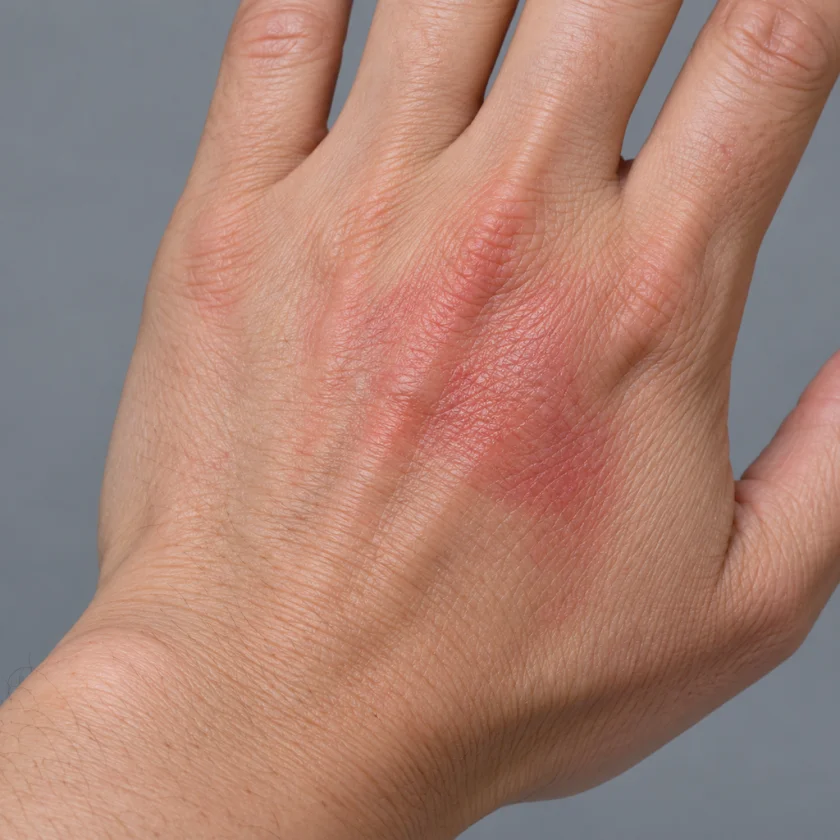
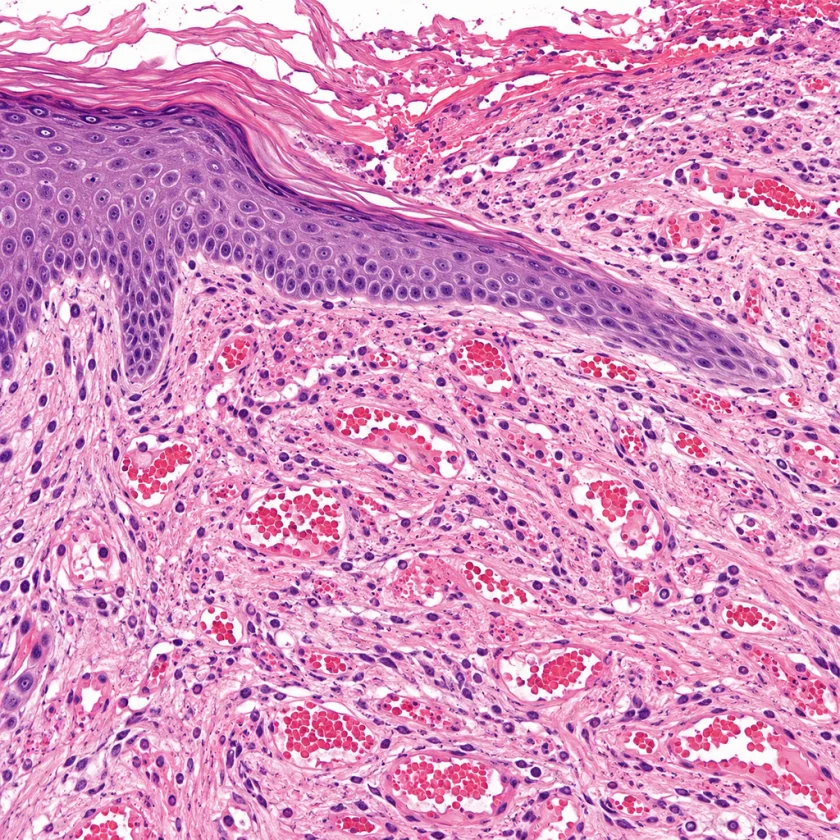
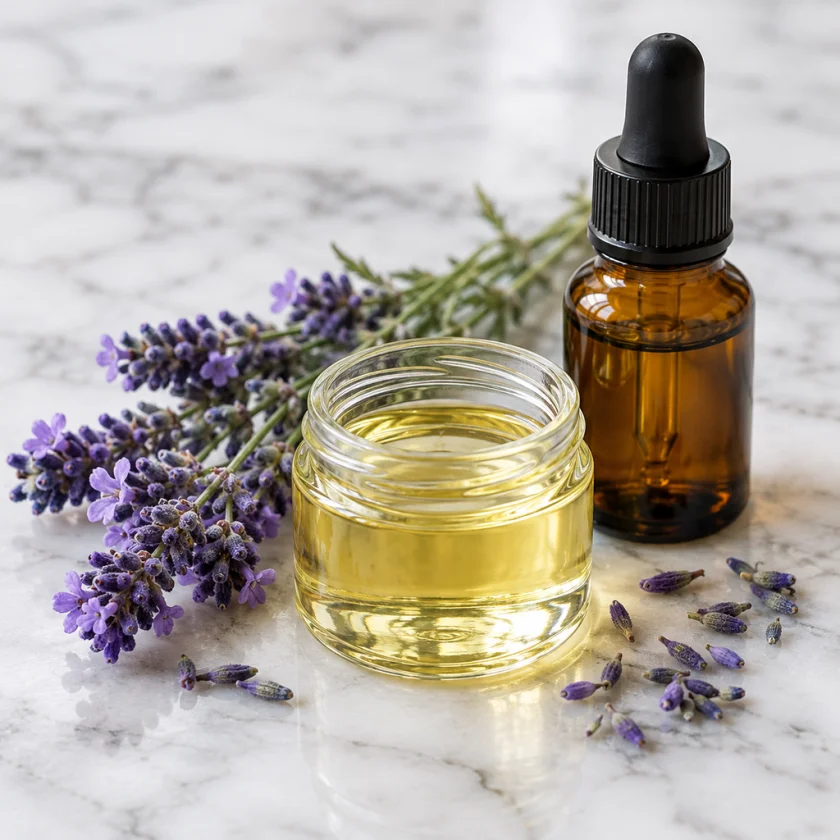
Lavender's dermatologic story begins with a laboratory accident: in approximately 1910, the French chemist René-Maurice Gattefossé suffered a chemistry-lab explosion that covered him with burning substances. According to his own account he put out the flames by rolling on a grassy lawn, both hands then developed gas gangrene, one rinse with lavender essence stopped it, and healing began the next day. That experience led him to a lifetime of research into the medicinal use of essential oils and, in 1937, to publish Aromathérapie, the book that coined the word and founded the modern field. A century later, research has tested parts of what Gattefossé described: lavender essential oil has measurable antimicrobial activity in laboratory tests against Staphylococcus aureus (including methicillin-resistant Staphylococcus aureus, MRSA), Pseudomonas aeruginosa, Candida albicans, and several dermatophyte fungi; the Vakilian 2011 trial in Complementary Therapies in Clinical Practice found less redness of the episiotomy wound with lavender-water sitz baths than with povidone-iodine, and no significant difference in wound complications; and rat wound-healing data documents more collagen and faster early wound contraction. This deep-dive walks through the history, the antimicrobial spectrum, the wound-healing mechanism, the clinical evidence, the practical application protocols, and the safety caveats including the contact-dermatitis caution and the disputed gynecomastia signal.
Table of Contents
- The Gattefossé Burn Story and the Birth of Aromatherapy
- Antimicrobial Spectrum (Bacteria, Fungi, Methicillin-Resistant Staphylococcus Aureus)
- Wound Healing Mechanism: Collagen, Re-Epithelialization, Angiogenesis
- The Vakilian 2011 Episiotomy Trial
- Minor Burns and the Modern Burn Care Caveat
- Acne, Rosacea, and Inflammatory Skin Conditions
- Fungal Skin Infections and Lavender + Tea Tree Synergy
- Atopic Dermatitis and Eczema
- Scar Healing and Stretch Marks
- Dilution and Application Protocols
- Cautions: Contact Dermatitis, Photosensitivity, Gynecomastia
- Key Research Papers
- Connections
- Featured Videos
The Gattefossé Burn Story and the Birth of Aromatherapy
René-Maurice Gattefossé was a French chemist working in the perfume industry at the turn of the 20th century. According to his own account, around 1910 he was conducting an experiment in his family's laboratory in Lyon when a sudden chemical explosion enveloped his hands in flames. He wrote that the explosion covered him with burning substances, which he put out by rolling on a grassy lawn; that both hands were then covered with a rapidly developing gas gangrene; that “just one rinse with lavender essence” stopped it; and that profuse sweating followed and healing began the next day (July 1910). Later retellings add that the pain subsided rapidly and that the hand healed cleanly with minimal scarring.
Note: a popular embellishment of this story (often repeated in aromatherapy literature) has Gattefossé plunging his hand into the nearest tub of liquid, which just happened to be lavender essential oil. Robert Tisserand, editor of the English edition of his book, calls that version fiction: Gattefossé describes a deliberate rinse. The gas gangrene on both hands is in his own account, and he is the only original source for it. Tisserand adds that gas gangrene typically takes about one to four days to develop and that Gattefossé does not say how much time passed, so the timing of the account is uncertain. The essential observation — that lavender appeared to halt the damage and that a real burn injury then began to heal — is from Gattefossé's own published writings.
The observation propelled Gattefossé into a decades-long research program on the medicinal uses of essential oils. He worked with military hospitals during World War I to treat infected wounds with lavender, thyme, lemon, and clove oils, with documented (if observational) reductions in mortality from gas gangrene. In 1937 he published Aromathérapie: Les Huiles Essentielles, Hormones Végétales ("Aromatherapy: The Essential Oils, Plant Hormones"), the book that gave the field its name and that remains the foundational text. The French aromatherapy tradition that descended from Gattefossé (Jean Valnet, Daniel Pénoel) maintained the medical, clinical orientation; the later British tradition (Marguerite Maury, Robert Tisserand) developed the holistic massage-based aromatherapy that is more widely known in the English-speaking world.
Gattefossé's observation that lavender appeared to halt infection in a real burn wound has been followed by laboratory research into the antimicrobial spectrum of lavender essential oil. The pain relief described in retellings is consistent with linalool's antinociceptive properties discussed in our migraine deep-dive. The accelerated healing has been documented in modern animal wound-healing models and in some human clinical trials.
Antimicrobial Spectrum (Bacteria, Fungi, Methicillin-Resistant Staphylococcus Aureus)
Lavender essential oil has been tested extensively in vitro against a wide range of microbial pathogens. The general mechanism is lipophilic insertion of the monoterpene constituents (linalool, linalyl acetate, terpinen-4-ol, alpha-terpineol, cineole) into the phospholipid bilayer of the microbial cell membrane, producing disruption of membrane integrity, leakage of cytoplasmic contents, and cell death. This is a non-specific mechanism that distinguishes lavender from targeted antibiotic agents — the antimicrobial effect spans Gram-positive and Gram-negative bacteria, fungi, and some viruses, but is generally weaker on a per-mass basis than pharmaceutical antibiotics and requires direct topical application to achieve effective concentration.
Documented in-vitro activity (with caveats about translating in-vitro minimum inhibitory concentration (MIC) values to clinical efficacy):
- Staphylococcus aureus — the most extensively studied target; lavender essential oil shows reliable activity at concentrations achievable with topical application. Activity is preserved against methicillin-resistant S. aureus strains: Roller 2009 found that four lavender oils inhibited both methicillin-sensitive and methicillin-resistant strains by direct contact, with inhibition zones of 8 to 30 mm at 1 to 20 microliters of oil, and not in the vapor phase. A minimum inhibitory concentration of 1-5% (v/v) is a figure from aromatherapy practice; that test did not measure it.
- Streptococcus pyogenes (Group A Strep) — in-vitro susceptible
- Pseudomonas aeruginosa — in-vitro susceptible at moderately higher concentrations than for Gram-positive organisms (typical for essential oils, since Gram-negative bacteria have an outer membrane providing additional protection)
- Escherichia coli — in-vitro susceptible at moderate concentrations
- Klebsiella pneumoniae — in-vitro susceptible
- Candida albicans — broadly susceptible at concentrations achievable topically; clinically relevant for cutaneous candidiasis, vulvovaginal candidiasis (with caution about mucosal irritation), and oral thrush (caution)
- Dermatophytes (Trichophyton rubrum, T. mentagrophytes, Microsporum canis) — causative organisms of tinea (athlete's foot, ringworm, tinea corporis); susceptible to lavender essential oil with documented in-vitro inhibition of mycelial growth
- Malassezia furfur — causative of pityriasis versicolor and contributory to seborrheic dermatitis; susceptible to lavender oil
- Acne-causing Cutibacterium acnes (formerly Propionibacterium acnes) — susceptible; relevant for the use of lavender in acne care
- Herpes simplex virus type 1 — some in-vitro evidence of activity against HSV-1, with the proposed mechanism of monoterpene disruption of viral envelope
The synergy of lavender oil with tea tree oil (Melaleuca alternifolia) is particularly notable for cutaneous fungal infections. The Cassella 2002 study demonstrated synergistic antifungal activity of the combination against several dermatophytes, with each oil at lower concentration than would be required for monotherapy. This is one of the rare documented examples of essential-oil synergy with reasonable in-vitro evidence.
The clinical translation: aromatherapy practice uses lavender essential oil as adjunct topical therapy for minor skin infections, fungal infections, and acne — not as a replacement for established antibacterial/antifungal pharmacotherapy in serious infections, but as a complement and as a first-line for very minor infections that would not otherwise be treated. Aromatherapy practice also holds that the dose needs enough concentration to deliver an antimicrobial effect, and its figures differ: 5-10% dilution in some descriptions of direct antimicrobial use, 2-3% in the wound-care protocol below, against the 1-3% used for general skin care. No trial on this page tested these figures.
Wound Healing Mechanism: Collagen, Re-Epithelialization, Angiogenesis
Beyond antimicrobial activity, lavender essential oil has documented effects on the wound-healing cascade itself. The wound healing process proceeds through overlapping phases: hemostasis, inflammation, proliferation (granulation tissue formation, angiogenesis, re-epithelialization), and remodeling (collagen maturation, scar formation). Lavender appears to modulate several of these phases.
The Mori 2016 study in BMC Complementary and Alternative Medicine demonstrated in a rat model that topical lavender essential oil applied to standardized skin wounds produced:
- Accelerated wound contraction: wound area was significantly smaller than in control rats at days 4, 6, 8 and 10
- Earlier and more robust granulation tissue formation
- Increased collagen: more type I and type III collagen expression at day 4, with more fibroblasts (the cells that make collagen); by day 7 type III was back to control level while type I stayed raised, which the authors read as faster replacement of one by the other
- Upregulation of TGF-beta (transforming growth factor beta), a key cytokine in granulation and remodeling
- More myofibroblasts at day 4, the cells needed for wound contraction
- No difference in the total days to complete healing; the authors write that lavender oil “may have no influence on re-epithelialization for wound closure”
The mechanism likely involves multiple convergent effects: anti-inflammatory action (linalool reduces pro-inflammatory cytokine release), antimicrobial reduction of bacterial bioburden in the wound bed, and direct stimulation of fibroblast proliferation and collagen synthesis. Animal model data shows lavender-treated wounds closing faster in the early phase than control wounds; these are rat results, and in the Mori study the total time to full healing did not differ.
For clinical wound care, the practical application described in aromatherapy practice is limited to minor wounds (superficial abrasions, minor lacerations, superficial second-degree burns). Major wounds are treated with standard medical care. For the very common scenario of minor scrapes and small burns at home, diluted lavender essential oil is a household use people report.
The Vakilian 2011 Episiotomy Trial
The Vakilian, Atarha, Bekhradi, and Chaman 2011 study in Complementary Therapies in Clinical Practice evaluated lavender oil sitz baths for perineal healing after episiotomy. Episiotomy — the surgical incision sometimes performed to extend the vaginal opening during the second stage of labor — produces a wound that is particularly difficult to heal because it is in a region with poor visibility, constant moisture, fecal/urinary contamination potential, and considerable mechanical stress from sitting, standing, and breastfeeding.
Design. 120 first-time mothers who had received standard medio-lateral episiotomy during vaginal delivery were randomized into two groups of 60: a few drops of lavender essential oil added to their standard postpartum sitz baths, vs povidone-iodine sitz bath. The incision sites were assessed on the 10th day after birth.
Results. Redness was significantly lower with lavender (p < 0.001). Wound complications did not differ significantly between the groups. At day 10, 25 of 60 women in the lavender group and 17 of 60 in the povidone-iodine group had no pain (p = 0.06, which falls short of statistical significance).
The intervention was simple and safe, with no reported adverse events. The author group has subsequently conducted additional trials with consistent results. The findings have led to the inclusion of lavender oil sitz baths in some postpartum care protocols in Iran and other regions, though it remains an adjunct rather than a standard-of-care intervention internationally.
A 2020 systematic review found six trials with 415 women. Lavender in any form reduced episiotomy pain and improved healing scores against placebo, with healing measured on the REEDA scale (Redness, Edema, Ecchymosis, Discharge, Approximation). All six trials came from developing countries, the pain results varied widely, and the authors write that the results should be considered with caution.
The applicability extends to other perineal wounds: post-hemorrhoidectomy care, anal fissure care, post-prostatectomy perineal care. The combination of warm-water soaking (which improves circulation, softens fibrin, and provides comfort) with the antimicrobial and wound-healing effects of lavender appears to produce additive benefit over warm-water soaking alone.
Minor Burns and the Modern Burn Care Caveat
Gattefossé's original burn observation has been extensively cited in support of lavender for burn care, and the historical use of lavender for minor burns continues in folk practice. However, modern burn care has evolved substantially since 1910 and the appropriate framing requires care.
For minor burns (first-degree, very small second-degree):
- The first-line evidence-based intervention remains cool water (15-20 minutes of running cool water immediately after the burn), which limits the depth of tissue damage by halting the heat-induced protein denaturation cascade
- For superficial sunburn, the standard interventions are cool compresses, nonsteroidal anti-inflammatory drugs (NSAIDs) for inflammation, aloe vera gel, and topical petroleum jelly to maintain moisture
- Lavender essential oil at 1-2% dilution applied after the burn has cooled is a use aromatherapy practice describes — it may reduce infection risk, may provide analgesia, may accelerate healing per the animal model data, and is described as having minimal downside
- On broken skin or open burn wounds, the essential oil itself can be irritating at full strength
For moderate or serious burns:
- Any burn larger than approximately 3 inches in diameter, any burn on the face, hands, feet, genitals, or major joints, any deeper-partial-thickness or full-thickness burn, any burn in a child or elderly patient, any burn that doesn't appear to be healing — is the kind of burn that burn-care practice treats as needing medical evaluation rather than home care
- Modern burn care uses specialized wound dressings (silver sulfadiazine, biologic dressings, hydrocolloids), pressure garments for scar prevention, sometimes early excision and skin grafting for deeper burns. Substituting essential oil for established burn care risks infection, scarring, and worse outcomes
- Even for moderate burns being managed medically, ambient lavender aromatherapy in the burn unit has been studied for pain and anxiety management and is generally well-received by patients
People report using neat lavender oil on kitchen burns, but what exists on this is anecdotal rather than from controlled trials. No controlled trial of lavender oil applied to a burn wound was found for this page, so how well it works on burns, and how it compares with plain cooling and a clean dressing, is not known. In practice, diluted lavender after cooling is a folk use for very minor burns; anything more than minimal falls under the conventional burn care described above.
Acne, Rosacea, and Inflammatory Skin Conditions
Acne is the most common dermatologic condition and one where lavender has a plausible adjunctive role. The pathogenesis involves four interacting processes: hyperkeratosis of the follicular infundibulum (the duct that opens onto the skin surface from a sebaceous gland), excess sebum production, colonization of the follicle by Cutibacterium acnes, and inflammatory response to C. acnes antigens and lipid byproducts.
Lavender essential oil's antimicrobial activity against C. acnes and its anti-inflammatory activity are why practitioners use it in acne care. The clinical-trial evidence specifically for lavender in acne is modest (small trials with mixed methodology), but the in-vitro data is supportive and the safety profile is excellent for adjunct use. Typical formulations use lavender at 1-3% dilution in a carrier suitable for facial application (jojoba oil, hemp seed oil, grapeseed oil — non-comedogenic carriers).
Combined lavender + tea tree oil at 1-3% each is a more potent combination with stronger antimicrobial evidence and a long history of safe topical use for acne, with tea tree being the better-validated antimicrobial agent and lavender adding anti-inflammatory effect. Practitioners describe this as an adjunct to conventional acne care (topical retinoids, benzoyl peroxide, topical antibiotics, oral therapy for severe cases) — not as a substitute, particularly for nodulocystic or scarring acne.
For rosacea, the picture is more complicated. Rosacea is a chronic inflammatory facial dermatosis with vascular, papulopustular, phymatous, and ocular subtypes. The facial skin in rosacea is hypersensitive and reactive, and many essential oils — including lavender — can provoke flares. This raises a concern for rosacea-prone skin; the method described for checking a reaction is a test of any new topical product on a small patch of jaw or neck skin for 48 hours before facial application.
For atopic dermatitis (see below), lavender can be helpful in some patients but is also a relatively common contact allergen, particularly with the geraniol contaminant of some lavender oils.
Fungal Skin Infections and Lavender + Tea Tree Synergy
Dermatophyte infections (tinea pedis, tinea corporis, tinea cruris, tinea capitis, onychomycosis) are common skin and nail infections caused by keratinophilic fungi (Trichophyton, Microsporum, Epidermophyton species). Standard treatment is topical azole or allylamine antifungals (clotrimazole, terbinafine, ketoconazole), with oral therapy for nail involvement or recalcitrant infections.
The Cassella, Cassella, and Smith 2002 study in the International Journal of Aromatherapy demonstrated synergistic antifungal activity of combined tea tree (Melaleuca alternifolia) and lavender (Lavandula angustifolia) essential oils against dermatophytes. The combined preparation showed lower minimum inhibitory concentration values than either oil alone, suggesting genuine pharmacologic synergy rather than simple additive effect. The mechanism likely involves complementary points of attack on the fungal cell — terpinen-4-ol in tea tree disrupts membrane permeability through one set of interactions, while linalool in lavender does so through a slightly different set, producing greater membrane disruption together than separately.
Practical application:
- For tinea pedis (athlete's foot) — combined lavender + tea tree at 5% each in a coconut oil carrier, applied twice daily to clean, dry feet for at least 2 weeks. For nail involvement, applied to nail plate and around the nail folds, recognizing that essential oil penetration through the nail plate is poor and oral terbinafine remains the most effective therapy for onychomycosis
- For tinea corporis (ringworm) — same combination applied to the lesion and a margin of normal skin around it, twice daily for at least 2 weeks past clinical resolution
- For pityriasis versicolor (Malassezia-driven scaling skin discoloration) — lavender at higher concentration (5-10%) is described as an adjunct to standard topical antifungal shampoo (ketoconazole, selenium sulfide)
- For severe, extensive, or recurrent fungal infection — standard pharmacotherapy remains first-line; essential oil therapy is adjunct
Atopic Dermatitis and Eczema
Atopic dermatitis is a chronic relapsing inflammatory skin condition affecting approximately 20% of children and 3% of adults. Standard management includes emollients, topical corticosteroids, topical calcineurin inhibitors, the newer crisaborole and topical JAK inhibitors, and (for severe/recalcitrant disease) systemic agents including dupilumab.
Lavender has been studied as adjunct for atopic dermatitis with mixed results. Some trials of lavender essential oil massage in pediatric atopic dermatitis have shown reduction in lesion severity and itch scores. Other trials and case series have noted contact sensitization risk with lavender, particularly in atopic individuals who already have a higher baseline rate of contact allergies.
The approach described in aromatherapy practice:
- A patch test before lavender is introduced in atopic dermatitis: diluted lavender (1%) on a small patch of unaffected skin for 48 hours, watching for irritation
- If tolerated, 1-2% in a fragrance-free emollient base for general moisturization and stress reduction (the calming aromatherapy effect is itself beneficial because atopic flares are stress-triggered)
- Actively oozing lesions are excluded from this use
- Infants with atopic dermatitis are a particular concern — the developing immune system has elevated risk of allergic sensitization
- Contact dermatitis to lavender is the point at which practitioners stop it and change to a fragrance-free option
Lavender oil bath additives (a few drops in a warm bath) provide gentle exposure with low contact-allergen risk and the aromatherapy benefit of relaxation, which is particularly useful for the sleep disturbance and stress that often accompany atopic dermatitis.
Scar Healing and Stretch Marks
The wound-healing effects of lavender extend to the remodeling phase that determines final scar quality. Aromatherapy practice holds that lavender-treated wounds heal with better tensile strength and more organized collagen architecture, suggesting a role in optimizing scar quality; the rat study on this page measured collagen type and did not measure tensile strength.
Practical applications:
- Postsurgical scar care — lavender 1-2% in a vitamin E or rosehip seed oil carrier, applied to the closed incision after the wound is fully epithelialized (typically 2-3 weeks post-surgery) and continued for 3-6 months during scar remodeling. May reduce final scar thickness and hyperpigmentation. Practitioners keep it off fresh, unclosed surgical wounds.
- Pregnancy stretch mark (striae gravidarum) prevention — combined lavender + rosehip seed oil + vitamin E applied to abdomen, breasts, hips, and thighs during the second and third trimesters has traditional use and modest clinical evidence for prevention of striae formation. Mechanism may involve improved skin elasticity and collagen synthesis support.
- Acne scarring — for the modest superficial scarring left after acne resolves, lavender + rosehip seed oil applied nightly may improve appearance over months. For more severe scarring (ice-pick scars, deep boxcar scars), dermatologic procedures (microneedling, fractional laser, subcision) remain more effective.
- Burn scar remodeling — in combination with pressure garments and standard burn-scar management, lavender oil massage during scar maturation may improve final appearance.
The evidence base for scar applications is largely traditional and small-trial rather than from large randomized controlled trials (RCTs), but the mechanism is plausible, the cost is low, and the safety is excellent for these indications.
Dilution and Application Protocols
- General moisturizing / aromatherapy — 1% dilution: 1 drop lavender per teaspoon of carrier oil (jojoba, sweet almond, fractionated coconut). Approximately 6 drops per ounce of carrier.
- Wound care / antimicrobial application — 2-3% dilution: 2-3 drops per teaspoon of carrier. Described in aromatherapy practice as a sufficient antimicrobial concentration with a reasonable margin of skin tolerance.
- Acne and topical infection — 3-5% in non-comedogenic carrier (jojoba, hemp, grapeseed). Higher concentration appropriate because antimicrobial effect requires direct exposure.
- Bath — 5-10 drops in a tablespoon of carrier oil first (essential oils do not mix with water alone and will float as droplets that can cause skin irritation), then added to warm bath water. Soak 15-20 minutes.
- Compress — 5-10 drops in 1 cup warm or cool water, mixed well; soak a clean cloth, wring out, apply to affected area for 15-20 minutes. Useful for headache (apply to forehead/back of neck), burns (cool water), insect bites, minor wounds.
- Spot treatment for acne or insect bite — one drop neat applied with a cotton swab directly to the lesion, then a thin layer of moisturizer over the area. This is one of the few legitimate uses for neat lavender application. Test on inner forearm first for skin sensitivity.
- Massage oil — 2-3% in carrier oil for general body massage. For specific therapeutic massage (sore muscles, post-exercise, tension headache), can be increased to 5% for short-duration application.
- Steam inhalation — 2-3 drops in a bowl of hot (not boiling) water, head covered with a towel, inhale steam for 5-10 minutes. Useful for cold/sinus congestion, mood, sleep ritual.
Carrier oil selection. Jojoba is the most stable (it's technically a liquid wax, not an oil) and has the longest shelf life and a skin-feel similar to human sebum. Sweet almond is light and inexpensive, well-tolerated by most people, but raises a concern for people with tree-nut allergy. Fractionated coconut oil is light, non-greasy, with very long shelf life. Rosehip seed oil is more expensive but has additional skin-benefit constituents (omega-3, omega-6 fatty acids, vitamin A) useful for scar care.
Cautions: Contact Dermatitis, Photosensitivity, Gynecomastia
- Contact dermatitis — lavender is one of the more common essential-oil contact allergens, with sensitization rates of 0.5-2% in patch-test studies. The relevant allergens are linalool oxidation products that form when essential oil is stored exposed to air over time — fresh, properly stored oils are less sensitizing. Patch testing before extensive topical use is the check practitioners describe, particularly in atopic patients.
- Photosensitivity — pure Lavandula angustifolia essential oil is not significantly photosensitizing (unlike citrus oils which contain photoreactive furanocoumarins). However, lavender oil applied to skin and then exposed to strong ultraviolet (UV) may produce more irritation than either alone.
- Pregnancy — topical lavender is generally considered safe during pregnancy in standard dilutions. The standardized oral lavender oil capsule lacks safety data during pregnancy; the same gap applies to internal use of any essential oil during pregnancy.
- Children — topical lavender in dilute form (0.5-1%) is generally considered safe in children >6 months. The Henley 2007 New England Journal of Medicine case series proposed an association between repeated topical use of lavender and tea tree oil in young boys and prepubertal gynecomastia, suggesting weak estrogenic / antiandrogenic activity of certain monoterpenes during pre-pubertal hormonal development. A 2019 report added three prepubertal girls and one boy with breast growth and continuous exposure to lavender-containing fragrances; breast growth went away in all four once the products were stopped, and some oil components showed estrogenic and antiandrogenic activity in human cell lines. Its authors say it is unknown whether the potency is enough to cause these effects. A 2020 letter in the same journal from an essential-oil trade consortium disputes the conclusion, reporting that one of the products contained no essential oil and that the cell results may reflect contamination from plastic labware. The mechanism is disputed and the population at risk is unclear, but the reports raise a concern for chronic high-dose application of lavender (or tea tree) in pre-pubertal children.
- Infants — aromatherapy with lavender is widely used in infant care (lavender bath for calming, lavender pillow spray for sleep) and the Field 2008 study reports less crying, more deep sleep and lower cortisol after a lavender-scented bath oil; its abstract reports no safety outcome. Aromatherapy practice excludes undiluted essential oil on infant skin, and describes diluted lavender (0.25-0.5%) in baby massage oil from 3 months of age and ambient diffusion at any age.
- Pets — lavender essential oil at typical aromatherapy diffusion concentrations is generally safe for dogs but can be problematic for cats, who lack key glucuronidation enzymes for monoterpene metabolism. The concern is greatest with high concentrations of any essential oil; ambient diffusion at low concentration in a well-ventilated space is generally tolerated.
- Oral ingestion — only the standardized oral lavender oil capsule has safety data for ingestion. Drinking lavender essential oil from a bottle can cause significant gastrointestinal (GI) irritation, hepatotoxicity in high doses, and unknown systemic effects from non-pharmaceutical-grade preparations.
- Quality and purity — lavender essential oil is frequently adulterated in the commercial market with lavandin (cheaper hybrid species with higher camphor content), synthetic linalool, or other essential oils. The check on this is a gas chromatography-mass spectrometry (GC/MS) report stating Lavandula angustifolia origin and showing linalool 30-40%, linalyl acetate 30-40%.
- Storage — essential oils oxidize with exposure to air, light, and heat. Dark glass bottles in a cool, dark place slow this. Aromatherapy practice replaces oils older than 2-3 years for therapeutic use, as oxidized linalool products are more sensitizing.
- Oxidized linalool in patch tests — in European clinics in 2021-22, 7.65% of patients tested reacted to linalool hydroperoxide (the oxidized form of linalool, a main alcohol in lavender oil) at 1%, the highest of the audited allergens. This is a result for the fragrance chemical, not a test of lavender oil itself.
Key Research Papers
- Gattefossé RM (1937). Aromathérapie: Les Huiles Essentielles, Hormones Végétales. (Original French text; English translation Robert Tisserand 1993.) His account of the burn is quoted in Tisserand R (2011), Gattefossé's burn. — roberttisserand.com
- Vakilian K, Atarha M, Bekhradi R, Chaman R (2011). Healing advantages of lavender essential oil during episiotomy recovery: a clinical trial. Complementary Therapies in Clinical Practice 17(1):50-53. — PubMed PMID: 21168115
- Mori HM, Kawanami H, Kawahata H, Aoki M (2016). Wound healing potential of lavender oil by acceleration of granulation and wound contraction through induction of TGF-β in a rat model. BMC Complementary and Alternative Medicine 16:144. — PubMed PMID: 27229681
- Cassella S, Cassella JP, Smith I (2002). Synergistic antifungal activity of tea tree (Melaleuca alternifolia) and lavender (Lavandula angustifolia) essential oils against dermatophyte infection. International Journal of Aromatherapy 12(1):2-15. — doi:10.1054/ijar.2001.0127
- D'Auria FD et al. (2005). Antifungal activity of Lavandula angustifolia essential oil against Candida albicans yeast and mycelial form. Medical Mycology 43:391-396. — PubMed PMID: 16178366
- Roller S, Ernest N, Buckle J (2009). The antimicrobial activity of high-necrodane and other lavender oils on methicillin-sensitive and -resistant Staphylococcus aureus (MSSA and MRSA). Journal of Alternative and Complementary Medicine 15(3):275-279. — PubMed PMID: 19249919
- Kwiatkowski P, Lopusiewicz L, Kostek M, et al. (2019). The Antibacterial Activity of Lavender Essential Oil Alone and In Combination with Octenidine Dihydrochloride against MRSA Strains. Molecules 25(1):95. — PubMed PMID: 31888005
- Hartman D, Coetzee JC (2002). Two US practitioners' experience of using essential oils for wound care. Journal of Wound Care 11(8):317-320. — PubMed PMID: 12360766
- Henley DV, Lipson N, Korach KS, Bloch CA (2007). Prepubertal gynecomastia linked to lavender and tea tree oils. The New England Journal of Medicine 356(5):479-485. — PubMed PMID: 17267908
- Brandão FM (1986). Occupational allergy to lavender oil. Contact Dermatitis 15:249-250. — PubMed PMID: 2948764
- Field T, Field T, Cullen C, Largie S, et al. (2008). Lavender bath oil reduces stress and crying and enhances sleep in very young infants. Early Human Development 84(6):399-401. — PubMed PMID: 18053656
- Ramsey JT, Li Y, Arao Y, Naidu A, Coons LA, Diaz A, Korach KS (2019). Lavender Products Associated With Premature Thelarche and Prepubertal Gynecomastia: Case Reports and Endocrine-Disrupting Chemical Activities. The Journal of Clinical Endocrinology and Metabolism 104(11):5393-5405. — PubMed PMID: 31393563
- Giroux JM, Orjubin M (2020). Letter to the Editor: “Lavender Products Associated With Premature Thelarche and Prepubertal Gynecomastia: Case Reports and Endocrine-Disrupting Chemical Activities”. The Journal of Clinical Endocrinology and Metabolism 105(7):e2677-e2678. — PubMed PMID: 32379885
- Uter W, Wilkinson SM, Bauer A, et al. (2026). Patch Test Results With Additions to the European Baseline Series, 2021/22-Joint European Results of the ESSCA and the EBS Working Groups of the ESCD, and the GEIDAC. Contact Dermatitis 95(3):276-285. — PubMed PMID: 42135251
- Abedian S, Abedi P, Jahanfar S, Iravani M, Zahedian M (2020). The effect of Lavender on pain and healing of episiotomy: A systematic review. Complementary Therapies in Medicine 53:102510. — PubMed PMID: 33066851
PubMed Topic Searches
Connections
- All Herbs
- Lavender Overview
- Lavender Benefits Hub
- Lavender for Anxiety & Stress
- Lavender for Sleep Quality
- Lavender for Headache & Migraine
- Tea Tree (Antimicrobial Synergy)
- Acne
- Calendula
- Aloe Vera
- Chamomile
- Wound Healing
- Vitamin E (Scar Care)
- Vitamin A (Skin Differentiation)
- Methicillin-Resistant Staphylococcus Aureus
- Staphylococcus aureus
- Aromatherapy — the field Gattefossé named in 1937 after this lavender burn observation.
- History