⚠ Evidence warning: Clinical trials or other evidence do not support the claims that kava is the only botanical anxiolytic with consistent trial support, gives genuinely restorative sleep while preserving REM and deep sleep, works like lidocaine in skeletal muscle, compares to baclofen for spasticity and helps fibromyalgia. This page keeps it as a report of what people, websites or other media say.
Kava — Benefits Deep Dive
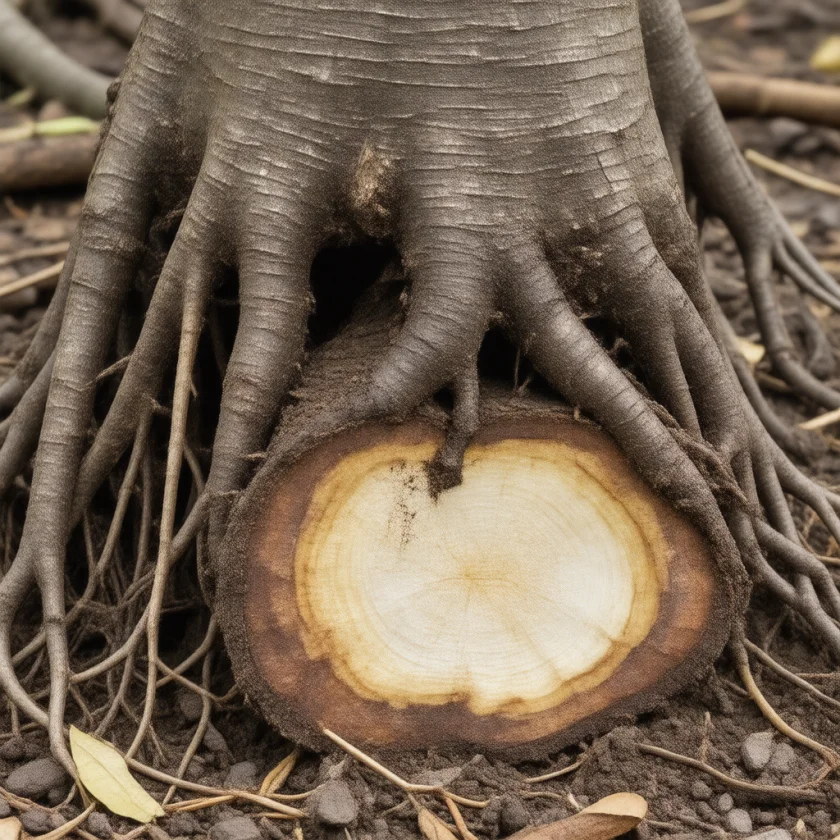
Kava (Piper methysticum) is a shrub of the pepper family (Piperaceae) whose root has anchored ceremonial and social life across Polynesia, Melanesia, and Micronesia for at least three thousand years. The traditional preparation — aqueous extracts of noble cultivars, pounded or chewed root steeped in cold water and strained — produces a uniquely calming, sociable, mentally clear effect that is unlike alcohol, unlike benzodiazepines, and unlike any other plant medicine in the global pharmacopoeia. The bioactive class is the kavalactones, a group of six principal styryl-2-pyranones (kavain, methysticin, yangonin, desmethoxyyangonin, dihydromethysticin, dihydrokavain) that act simultaneously at gamma-aminobutyric acid-A receptors, voltage-gated sodium channels, monoamine oxidase B, and the dopamine reuptake transporter. This multi-target mechanism is the usual explanation for kava's reputation as the only botanical anxiolytic with consistent positive evidence in randomized controlled trials. The trial record itself is mixed: the largest trial listed here, 171 people with generalized anxiety disorder over 16 weeks, found no significant difference from placebo, and a 2025 review calls kava's role in anxiety reduction unclear. The four benefit pages below explore the conditions where the kavalactones produce the largest clinical effect — generalized anxiety, sleep disturbance, skeletal muscle spasm, and mood plus cognitive performance.
Deep-Dive Articles
Anxiety Relief
The 2013 Sarris trial in generalized anxiety disorder (58 people analyzed, 6 weeks, effect size d = 0.62, remission in 26% on kava and 6% on placebo) — long described as the strongest single piece of evidence that kava is genuinely anxiolytic — alongside the Pittler 2003 Cochrane meta-analysis of 11 randomized controlled trials (RCTs) and the larger 2020 Sarris trial (171 people, 16 weeks), which found no significant difference from placebo, with remission in 17.4% on kava and 23.8% on placebo. Mechanism: positive allosteric modulation of gamma-aminobutyric acid-A receptors by kavain, methysticin, and yangonin at sites distinct from the benzodiazepine binding pocket, producing anxiolysis without the tolerance, withdrawal, or cognitive blunting characteristic of benzodiazepines.
Read the deep dive →Sleep & Insomnia
The Lehrl 2004 placebo-controlled trial (61 patients with sleep disturbance tied to anxiety, 200 mg a day of the kava extract WS 1490, 4 weeks) and the Wheatley 2001 pilot study (24 patients with stress-induced insomnia, a different kava extract at 120 mg a day, no placebo group), both reporting improved sleep measures. Unlike benzodiazepines, zolpidem, and alcohol, kavalactones preserve REM sleep architecture and the normal proportion of slow-wave (NREM stage 3) sleep, producing genuinely restorative rest rather than sedated unconsciousness.
Read the deep dive →Muscle Relaxation
Voltage-gated sodium channel blockade by kavain and dihydrokavain in skeletal muscle produces a measurable antispasmodic effect, mechanistically similar to lidocaine at the channel level but without the local anesthetic effect at peripheral nerve. Traditional Polynesian ceremonial use for muscle tension and fatigue, comparison to baclofen for spasticity, and use as a fibromyalgia adjunct in the modern integrative literature.
Read the deep dive →Mood & Cognitive Effects
The depression result from the 2009 Sarris KADSS trial (60 adults, 3-week crossover, 250 mg kavalactones a day), in which depression scores fell alongside anxiety. The widely repeated description of cognitive performance trials, that kava at clinical doses does not impair reaction time, working memory, or driving simulator performance, in striking contrast to alcohol and benzodiazepines; the 2020 Sarris trial, at 240 mg kavalactones a day for 16 weeks, did report poorer memory and tremor more often on kava than on placebo. The MAO-B inhibition and dopamine reuptake hypotheses for the mood-elevating effect.
Read the deep dive →Table of Contents
- Deep-Dive Articles
- Why Kava Produces Anxiolytic, Sedative, and Muscle-Relaxant Effects
- The Hepatotoxicity Controversy and 2002 European Ban
- Kava and Driving
- Research Papers: Anxiety
- Research Papers: Sleep
- Research Papers: Muscle Relaxation
- Research Papers: Mood and Cognition
- Research Papers: Cross-Cutting (Pharmacology, Safety, Ethnobotany)
- External Authoritative Resources
- Connections
- Featured Videos
Why Kava Produces Anxiolytic, Sedative, and Muscle-Relaxant Effects
Most botanical anxiolytics act through a single mechanism — valerian through gamma-aminobutyric acid (GABA) reuptake inhibition, passionflower through gamma-aminobutyric acid-A modulation alone, lemon balm through cholinergic effects, ashwagandha through hypothalamic-pituitary-adrenal-axis modulation. Kava is unusual because the kavalactone class acts simultaneously through at least four distinct pharmacological mechanisms that converge to produce its characteristic clinical profile.
- Positive allosteric modulation of gamma-aminobutyric acid-A receptors — kavain, methysticin, and yangonin enhance gamma-aminobutyric acid-mediated chloride conductance at sites distinct from the benzodiazepine binding pocket. This produces the anxiolytic and sedative effects but explains why kava does not cross-tolerize with benzodiazepines and does not produce a classic benzodiazepine withdrawal syndrome on discontinuation. The site-specificity is documented in radioligand binding studies that show kavalactones do not displace flumazenil from the gamma-aminobutyric acid-A benzodiazepine site (see the Anxiety Relief deep-dive).
- Voltage-gated sodium channel blockade — kavain and dihydrokavain block voltage-gated sodium channels in a use-dependent manner, mechanistically similar to lidocaine, lamotrigine, and carbamazepine. This effect dampens excessive neuronal excitability in the limbic system (contributing to anxiolysis) and produces the skeletal muscle relaxation that traditional Pacific cultures used for ceremonial settings (see the Muscle Relaxation deep-dive).
- Monoamine oxidase B inhibition — yangonin and desmethoxyyangonin reversibly inhibit MAO-B in vitro, which would prolong the action of dopamine, phenethylamine, and benzylamine in the synapse. This is the leading mechanistic hypothesis for kava's mild mood-elevating effect, with depression scores reported in the 2009 Sarris KADSS trial (see the Mood and Cognitive Effects deep-dive).
- Dopamine reuptake inhibition — in vitro and in vivo evidence suggests kavain and methysticin weakly inhibit the dopamine transporter in mesolimbic pathways, which may explain the subjectively pleasant, sociable quality of the kava experience that distinguishes it from purely sedative drugs. This effect is far weaker than that of stimulants and does not produce reinforcement or addiction.
The multi-target nature of the kavalactones is also what makes any single-mechanism pharmaceutical replacement unlikely. Buspirone (a 5-HT1A partial agonist) targets one receptor; benzodiazepines target one binding site on one receptor; selective serotonin reuptake inhibitors (SSRIs) target one transporter. Kava's simultaneous action at gamma-aminobutyric acid-A, sodium channels, MAO-B, and the dopamine transporter produces a clinical effect that no single pharmaceutical reproduces — relaxed but mentally clear, sociable but not euphoric, sleep-promoting but not amnestic. The same multi-target profile makes mechanistic study harder and is one reason kava remains less well-characterized than its 3000-year history of traditional use, widely described as safe, would justify.
What the Largest Trial Found
The trial evidence does not all point one way. The largest trial listed on this page, published in 2020 by Sarris and colleagues in Australia, gave 171 people with diagnosed generalized anxiety disorder, not on other medication, either tablets of a water-based extract of dried kava root (120 mg of kavalactones twice a day) or dummy tablets for 16 weeks. Anxiety fell about equally in both groups: the difference was not significant (1.37 points in favor of the dummy tablets, p = 0.25), and 17.4% on kava were in remission against 23.8% on dummy tablets (p = 0.46). Poorer memory (36 people on kava, 23 on dummy tablets) and tremor or shakiness (36 and 23) were more frequent on kava. Liver test abnormalities were also significantly more frequent on kava, although no participant met the criteria for herb-induced liver injury. The authors wrote that research has generally supported kava in non-clinical groups, potentially for more situational anxiety as a short-term option, and that this particular extract was not effective for diagnosed generalized anxiety disorder.
Earlier work is more favorable. The 2013 Sarris trial enrolled 75 people and analyzed 58 over 6 weeks, with a significant reduction in anxiety on kava (P = 0.046) and more headaches as the only side-effect difference. The 2003 Cochrane review pooled six trials and found a mean difference of 5.0 points on the Hamilton anxiety scale in favor of kava. A 37-person trial from 2002 (Connor and Davidson) found kava no better than placebo. A 2025 review of 197 records concluded that kava's role in liver toxicity and anxiety reduction remains unclear.
The Hepatotoxicity Controversy and 2002 European Ban
No discussion of kava is complete without addressing the hepatotoxicity controversy that resulted in regulatory bans across Germany, France, Switzerland, the United Kingdom, and Canada in 2002, with cascading restrictions in other markets. The story has long been told as one of the most instructive examples in modern phytopharmacology of how the wrong preparation of a safe plant can produce serious harm and how regulatory action based on case reports of toxicity from one extract type can devastate the global market for an entirely different preparation, described as having a 3000-year safety record. Later reviews, set out below, complicate that account.
The 2002 European Action
Between 1990 and 2002, European regulators received approximately 100 case reports of hepatic adverse events — ranging from asymptomatic transaminase elevations to fulminant hepatic failure requiring liver transplant — in patients taking commercial kava extract products. The German BfArM (Federal Institute for Drugs and Medical Devices) suspended kava's marketing authorization in June 2002, and Switzerland, France, the UK, and Canada followed within months. The US FDA issued a consumer advisory but did not ban the herb. Some accounts describe the European bans as lifted in stages between 2014 and 2019. The documented step is German: two administrative courts ruled the ban inappropriate, which a 2015 paper by Kuchta and colleagues called final for at least the German market because the regulators pursued no further appeal, while pointing to continuing misunderstandings in other markets.
The Early Explanation: Extract Type and Plant Part
The early explanation for the reported hepatotoxicity cases centered on two factors that distinguish modern commercial extracts from traditional Pacific preparations:
- Solvent — the implicated products were predominantly acetonic or ethanolic extracts (organic-solvent extraction), not the traditional aqueous (cold-water) preparation. Organic solvents extract a different and broader chemical profile than water, including pipermethystine, found mostly in the leaves and stem peelings (Nerurkar 2004), and flavokavains A and B. Flavokavain B is not confined to the aerial parts: a 2010 paper by Zhou and colleagues describes it as a chalcone from kava root.
- Plant part — many of the implicated commercial extracts used aerial plant material (stem peelings, leaves) rather than the noble cultivar root used in traditional preparation. This was partly an economic decision driven by surging European demand after kava entered the mainstream supplement market in the late 1990s. The aerial parts are rich in pipermethystine, which killed liver-derived cells in culture (Nerurkar 2004), and flavokavain B was toxic to liver cells in culture and caused severe liver damage when given by mouth to animals (Zhou 2010). A 2011 review by Teschke and colleagues found so far no clear evidence for a causative role of either in human kava liver injury.
On this account, the combination — acetonic or ethanolic extracts of aerial plant material — produces a chemical profile fundamentally different from a noble-cultivar aqueous root preparation. A traditional Tongan kava ceremony delivers principally kavalactones in suspension with minimal pipermethystine or flavokavain content. A standardized acetonic extract of mixed plant material may deliver kavalactones plus substantial pipermethystine and flavokavain B.
The World Health Organization 2007 Review and Teschke Re-Analysis
The World Health Organization commissioned a comprehensive safety review published in 2007 (World Health Organization (WHO). Assessments of the Risk of Hepatotoxicity with Kava Products) that examined every case report submitted to European pharmacovigilance authorities. The review found that of the approximately 100 case reports, only a small fraction (estimates range from 1 to 8 cases depending on causality assessment methodology) met rigorous criteria for probable kava-induced liver injury. The remainder were confounded by concurrent hepatotoxic medications (acetaminophen, statins, alcohol), preexisting liver disease, or absence of dechallenge/rechallenge evidence.
Rolf Teschke at Hanau Klinikum subsequently published a series of re-analyses (2008–2013) applying the standardized RUCAM (Roussel Uclaf Causality Assessment Method) and CIOMS scales to each case. An argument often credited to this work holds that the case data did not support a causal relationship between aqueous noble-cultivar kava root extracts and hepatotoxicity, and that the regulatory action against all kava products had been based primarily on cases involving acetonic and ethanolic extracts of mixed or aerial plant material. Teschke's own reviews say otherwise. His 2010 review assessed 14 patients: causality for kava, with or without other drugs and supplements, was highly probable in 1, probable in 4 and possible in 9, involving aqueous extracts (3), ethanolic extracts (5), acetonic extracts (4) and mixtures (2). He wrote that hepatotoxicity “occurred independently of the used solvent, suggesting poor kava raw material quality.” In 2012 Teschke, Sarris and Schweitzer wrote that traditional aqueous extracts used in New Caledonia, Australia, the USA and Germany may also be hepatotoxic, “thus, there is no longer a basis to sustain the previously proposed Pacific kava paradox.”
The Current Working Explanation
The solvent story is now history rather than the settled answer. Teschke's reviews point instead to poor raw material, possibly mould toxins forming before the extract is even made, added to overdose, long use and other drugs taken at the same time, which were risk factors in most of his 14 patients. The 2011 review raises mould contamination, helped along by humidity, poor drying and poor storage after harvest, as a question still to be tested, and states that there is no evidence so far that kava liver injury is due to aflatoxin poisoning. The cause is unsettled: the same review speaks of uncertainty as to the culprit, and a 2025 review calls kava's role in liver toxicity unclear.
The US Government Animal Study
The US National Toxicology Program gave kava extract in corn oil by stomach tube to mice and rats for 2 years. In male mice, a liver cancer called hepatoblastoma was significantly increased at 0.5 and 1.0 g per kg of body weight; in female mice, liver adenoma or carcinoma combined was significantly increased at 0.25 and 0.5 g/kg. Bacterial mutation tests were negative. This is animal work at set doses by stomach tube, and animal results do not transfer directly to people.
Drug-Processing Enzymes
Kava can slow the liver enzymes that clear many medicines, though the lab signal is broader than what has been seen in people. In human liver tissue in the lab, kava extract slowed CYP1A2 (56%), CYP2C9 (92%), CYP2C19 (86%), CYP2D6 (73%) and CYP3A4 (78%) (Mathews 2002). In 12 healthy volunteers taking kava for 28 days, only CYP2E1 fell, by about 40%, among the four enzyme systems tested (Gurley 2005). A 2026 lab study adds CYP2B6, an effect traced to the kavalactone (+)-dihydromethysticin, and its authors call for interaction studies in people (Wang 2026).
What Is Described for Modern Use
- Noble cultivars — the Vanuatu Kava Act of 2002 codifies a list of noble cultivars (Borogu, Melomelo, Palarasul, others) traditionally prepared and consumed for ceremonial use. Tudei cultivars (Isa, Palasa) are described as containing higher flavokavain content and historically were used only in restricted ritual contexts. Industry association noble certification is offered as a consumer guide.
- Aqueous preparations — traditional cold-water extraction and commercial water-based products (instant kava, freeze-dried aqueous extract) are the forms that follow tradition. Acetonic, ethanolic and CO2 supercritical extracts carry a different chemical profile, and only some manufacturers provide explicit testing data for flavokavain B and pipermethystine content.
- Root only — traditional preparation uses the root and rhizome; a product's label states whether it is root or rhizome only or includes aerial parts.
- Other liver exposures — other drugs and supplements taken at the same time were a risk factor in most of the 14 patients in Teschke's 2010 review. The concern extends to alcohol, acetaminophen above 2 g/day, statins, and other hepatotoxic medications. Baseline liver function testing is described for people using kava daily for more than a few weeks. Unusual fatigue, nausea, abdominal pain, dark urine, pale stools, and yellowing of the skin or eyes are signs of liver injury that hospitals treat as urgent.
- Duration of daily use — traditional Pacific use is sociable and ceremonial, not chronic daily medication, and prolonged treatment is among the risk factors in Teschke's 2010 review. Some practitioners describe cycling with breaks (e.g. 4 weeks on, 1 week off) for chronic anxiety.
Supporters of kava argue that the hepatotoxicity story does not invalidate it as a botanical anxiolytic, that the answer lies in consumers and prescribers selecting the correct preparation, and that a noble-cultivar aqueous root extract has the safety record of three millennia of traditional Pacific use, which an acetonic extract of mixed plant material does not. Against that stand the 2012 Teschke review of aqueous extracts and the 2020 trial, in which liver test abnormalities were significantly more frequent on a water-based root extract.
Kava and Driving
Two studies from the Pacific look at kava and the road. A case-control study of serious-injury crashes in Fiji found that 23% of drivers in crashes and 4% of comparison drivers reported drinking kava in the previous 12 hours; after allowing for other factors, driving after kava was linked to about four times the odds of a crash (odds ratio 4.70, 95% confidence interval 1.90 to 11.63). Its authors wrote that the precautionary principle would suggest road safety strategies explicitly recommend against driving after kava. A 2022 study tested 20 kava drinkers against 19 controls during a traditional session lasting about 6 hours. At the final test the drinkers showed a significant drop in temporal order judgement, a skill tied to decision making and information processing, with no significant impairment in the other five areas tested and a positive change in focus. The authors concluded that kava after traditional use may impair driver safety, in a different way from alcohol or cannabis.
Research Papers: Anxiety
- Sarris J, Byrne GJ, Bousman CA, Cribb L, Savage KM, Holmes O, Murphy J, Macdonald P, Short A, Nazareth S, Jennings E, Thomas SR, Ogden E, Chamoli S, Scholey A, Stough C (2020). Kava for generalised anxiety disorder: A 16-week double-blind, randomised, placebo-controlled study. Aust N Z J Psychiatry 54(3):288-297 — PubMed PMID: 31813230
- Sarris J, Stough C, Bousman CA, Wahid ZT, Murray G, Teschke R, Savage KM, Dowell A, Ng C, Schweitzer I (2013). Kava in the treatment of generalized anxiety disorder: a double-blind, randomized, placebo-controlled study. J Clin Psychopharmacol 33(5):643-8 — PubMed PMID: 23635869
- Pittler MH, Ernst E (2003). Kava extract for treating anxiety. Cochrane Database Syst Rev 2003(1):CD003383 — PubMed PMID: 12535473
- Volz HP, Kieser M (1997). Kava-kava extract WS 1490 versus placebo in anxiety disorders--a randomized placebo-controlled 25-week outpatient trial. Pharmacopsychiatry 30(1):1-5 — PubMed PMID: 9065962
- Sarris J, Kavanagh DJ, Byrne G, Bone KM, Adams J, Deed G (2009). The Kava Anxiety Depression Spectrum Study (KADSS): a randomized, placebo-controlled crossover trial using an aqueous extract of Piper methysticum. Psychopharmacology (Berl) 205(3):399-407 — PubMed PMID: 19430766
- Connor KM, Davidson JR (2002). A placebo-controlled study of Kava kava in generalized anxiety disorder. Int Clin Psychopharmacol 17(4):185-8 — PubMed PMID: 12131602
- Witte S, Loew D, Gaus W (2005). Meta-analysis of the efficacy of the acetonic kava-kava extract WS1490 in patients with non-psychotic anxiety disorders. Phytother Res 19(3):183-8 — PubMed PMID: 15934028
- Lehmann E, Kinzler E, Friedemann J (1996). Efficacy of a special Kava extract (Piper methysticum) in patients with states of anxiety, tension and excitedness of non-mental origin - A double-blind placebo-controlled study of four weeks treatment. Phytomedicine 3(2):113-9 — PubMed PMID: 23194958
- Watkins LL, Connor KM, Davidson JR (2001). Effect of kava extract on vagal cardiac control in generalized anxiety disorder: preliminary findings. J Psychopharmacol 15(4):283-6 — PubMed PMID: 11769822
- Kava versus benzodiazepine comparative anxiolysis studies — PubMed: Kava vs benzodiazepine
- Kava and social anxiety disorder pilot evidence — PubMed: Kava and social anxiety
Research Papers: Sleep
- Lehrl S (2004). Clinical efficacy of kava extract WS 1490 in sleep disturbances associated with anxiety disorders. Results of a multicenter, randomized, placebo-controlled, double-blind clinical trial. J Affect Disord 78(2):101-10 — PubMed PMID: 14706720
- Wheatley D (2001). Kava and valerian in the treatment of stress-induced insomnia. Phytother Res 15(6):549-51 — PubMed PMID: 11536390
- Kavalactone effects on sleep architecture (REM and slow-wave NREM preservation) — PubMed: Kavalactone sleep architecture
- Comparative effects of kava and benzodiazepines on polysomnographic sleep parameters — PubMed: Kava vs benzodiazepine polysomnography
- Kava extract for insomnia in menopausal women — PubMed: Kava in menopausal sleep
- Stress-related sleep disturbance and herbal anxiolytics (kava, valerian, passionflower) — PubMed: Herbal anxiolytics in sleep
- Acute kava intake and next-day residual sedation — PubMed: Kava residual sedation
- WS 1490 kava extract and improved sleep quality measures — PubMed: WS 1490 sleep quality
Research Papers: Muscle Relaxation
- Kavain and dihydrokavain voltage-gated sodium channel blockade in skeletal muscle — PubMed: Kavain sodium channel
- Kavalactones and antispasmodic effects in animal models — PubMed: Kavalactone antispasmodic
- Comparison of kava and baclofen for muscle spasticity (mechanistic comparison) — PubMed: Kava vs baclofen
- Traditional Polynesian and Melanesian ceremonial use of kava for muscular tension — PubMed: Pacific ethnobotany
- Kava as adjunct in fibromyalgia symptom management — PubMed: Kava in fibromyalgia
- Kavain effect on mouse motor activity and skeletal muscle tone — PubMed: Kavain motor activity
- Methysticin and dihydromethysticin neuromuscular effects — PubMed: Methysticin neuromuscular
- Kavalactones and tension-type headache adjunct — PubMed: Kava and tension headache
Research Papers: Mood and Cognition
- Depression scores in the Sarris KADSS trial, reported in the main paper rather than a sub-analysis: Sarris J, Kavanagh DJ, Byrne G, Bone KM, Adams J, Deed G (2009). The Kava Anxiety Depression Spectrum Study (KADSS): a randomized, placebo-controlled crossover trial using an aqueous extract of Piper methysticum. Psychopharmacology (Berl) 205(3):399-407 — PubMed PMID: 19430766
- Yangonin and desmethoxyyangonin in vitro inhibition of monoamine oxidase B — PubMed: Kavalactone MAO-B
- Kavain and methysticin in dopamine transporter inhibition studies — PubMed: Kavalactone dopamine reuptake
- Kava and cognitive performance (reaction time, working memory) — PubMed: Kava cognitive performance
- Comparative effects of kava versus alcohol on driving simulator performance — PubMed: Kava vs alcohol driving
- Kava versus oxazepam on cognitive event-related potentials — PubMed: Kava vs oxazepam ERPs
- Kavalactone EEG signature and cortical processing — PubMed: Kavalactone EEG
- Kava and the Stroop and digit-symbol substitution tests — PubMed: Kava cognitive testing
- Kava and major depressive disorder pilot evidence — PubMed: Kava and MDD
- Wainiqolo I, Kafoa B, Kool B, Robinson E, Herman J, McCaig E, Ameratunga S (2016). Driving following Kava Use and Road Traffic Injuries: A Population-Based Case-Control Study in Fiji (TRIP 14). PLoS One 11(3):e0149719 — PubMed PMID: 26930404
- Aporosa S', Ballard H, Pandey R, McCarthy MJ (2022). The impact of traditional kava (Piper methysticum) use on cognition: Implications for driver fitness. J Ethnopharmacol 291:115080 — PubMed PMID: 35151837
Research Papers: Cross-Cutting (Pharmacology, Safety, Ethnobotany)
- Teschke R (2010). Kava hepatotoxicity--a clinical review. Ann Hepatol 9(3):251-65 — PubMed PMID: 20720265
- Teschke R, Qiu SX, Xuan TD, Lebot V (2011). Kava and kava hepatotoxicity: requirements for novel experimental, ethnobotanical and clinical studies based on a review of the evidence. Phytother Res 25(9):1263-74 — PubMed PMID: 21442674
- Teschke R, Sarris J, Schweitzer I (2012). Kava hepatotoxicity in traditional and modern use: the presumed Pacific kava paradox hypothesis revisited. Br J Clin Pharmacol 73(2):170-4 — PubMed PMID: 21801196
- Kuchta K, Schmidt M, Nahrstedt A (2015). German Kava Ban Lifted by Court: The Alleged Hepatotoxicity of Kava (Piper methysticum) as a Case of Ill-Defined Herbal Drug Identity, Lacking Quality Control, and Misguided Regulatory Politics. Planta Med 81(18):1647-53 — PubMed PMID: 26695707
- Economidis G, Lynch M, Taylor S, Asare-Doku W, Macpherson G, Degenhardt L, Farrell M, Santo T (2025). Global Perspectives on Kava: A Narrative Systematic Review of the Health Effects, Economic and Social Impacts and Policy Considerations. Drug Alcohol Rev 44(6):1601-1640 — PubMed PMID: 40560778
- National Toxicology Program (2012). Toxicology and carcinogenesis studies of kava kava extract (CAS No. 9000-38-8) in F344/N rats and B6C3F1 mice (Gavage Studies). Natl Toxicol Program Tech Rep Ser (571):1-186 — PubMed PMID: 22441424
- Nerurkar PV, Dragull K, Tang CS (2004). In vitro toxicity of kava alkaloid, pipermethystine, in HepG2 cells compared to kavalactones. Toxicol Sci 79(1):106-11 — PubMed PMID: 14737001
- Zhou P, Gross S, Liu JH, Yu BY, Feng LL, Nolta J, Sharma V, Piwnica-Worms D, Qiu SX (2010). Flavokawain B, the hepatotoxic constituent from kava root, induces GSH-sensitive oxidative stress through modulation of IKK/NF-kappaB and MAPK signaling pathways. FASEB J 24(12):4722-32 — PubMed PMID: 20696856
- Mathews JM, Etheridge AS, Black SR (2002). Inhibition of human cytochrome P450 activities by kava extract and kavalactones. Drug Metab Dispos 30(11):1153-7 — PubMed PMID: 12386118
- Gurley BJ, Gardner SF, Hubbard MA, Williams DK, Gentry WB, Khan IA, Shah A (2005). In vivo effects of goldenseal, kava kava, black cohosh, and valerian on human cytochrome P450 1A2, 2D6, 2E1, and 3A4/5 phenotypes. Clin Pharmacol Ther 77(5):415-26 — PubMed PMID: 15900287
- Wang PF, Avula B, Katragunta K, Chittiboyina AG, Kharasch ED (2026). Inhibition of cytochrome P450 2B6 activity by kava extracts. Drug Metab Dispos 54(10):100395 — PubMed PMID: 42759205
- WHO (2007). Assessments of the risk of hepatotoxicity with kava products — PubMed: WHO 2007 review
- Pipermethystine and flavokavain B hepatotoxicity in cell culture and rodent models — PubMed: Pipermethystine hepatotoxicity
- Noble versus tudei kava cultivars: chemical and toxicological profile — PubMed: Noble vs tudei
- Kavain GABA-A receptor allosteric modulation — PubMed: Kavain GABA-A
- Pharmacokinetics of kavalactones after oral kava administration — PubMed: Kavalactone pharmacokinetics
- Aqueous versus acetonic versus ethanolic kava extract chemical comparison — PubMed: Kava extract solvent
- Kava drug interactions with CYP450 enzymes — PubMed: Kava CYP450 interactions
- Vanuatu Kava Act and noble cultivar codification — PubMed: Vanuatu Kava Act
- Kava in Pacific Island traditional medicine: ethnopharmacological review — PubMed: Kava ethnopharmacology
External Authoritative Resources
- World Health Organization — Assessments of the Risk of Hepatotoxicity with Kava Products (2007) — the comprehensive World Health Organization safety re-analysis, which recommended research into aqueous extracts
- U.S. National Center for Complementary and Integrative Health (NCCIH) — Kava Fact Sheet (National Center for Complementary and Integrative Health)
- LiverTox (U.S. National Institutes of Health, NIH) — Kava Kava
- Online drug-reference monograph on kava (drug interactions, dosing, contraindications)
- PubMed — All research on Piper methysticum / kava (~2,500+ papers)