Paragonimus westermani (Lung Fluke)
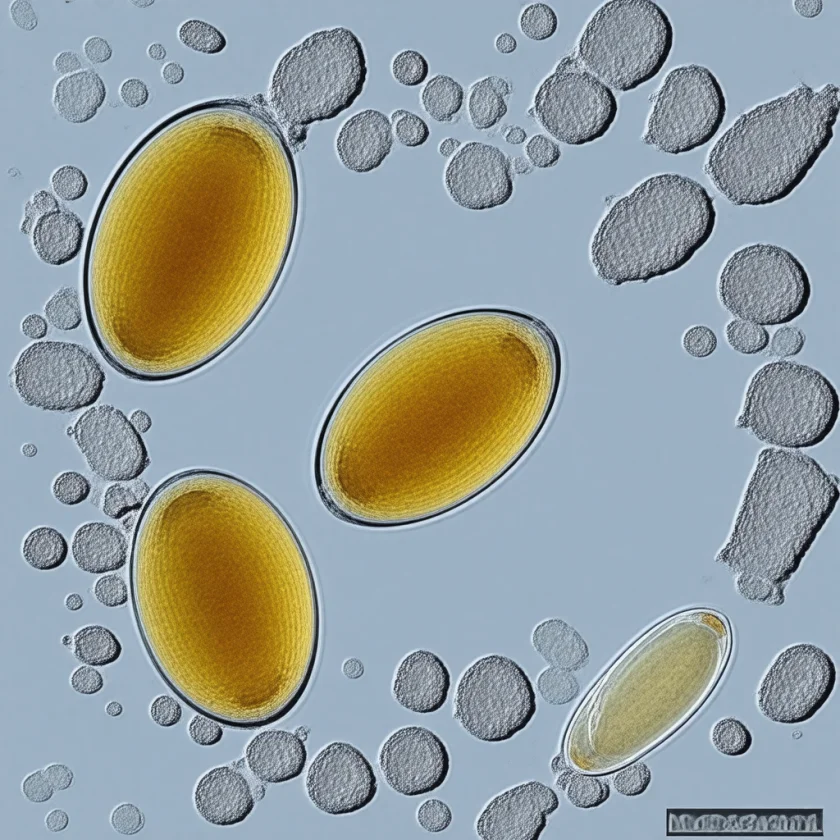
Paragonimus westermani is the most common and most widespread of the lung flukes — small parasitic flatworms that, remarkably, spend their adult lives inside the human lung. The illness they cause is called paragonimiasis, and people catch it not from another sick person but from a meal: eating raw, undercooked, pickled, salted, or wine-soaked freshwater crab or crayfish. Because the mature worms settle in the lungs and provoke a chronic cough with rusty-brown, blood-streaked sputum, paragonimiasis is one of the illnesses most often mistaken for tuberculosis — and patients are sometimes treated for TB for months or even years before the real cause is found. The parasite is endemic across East and Southeast Asia, with closely related Paragonimus species causing the same disease in parts of Africa and the Americas. The reassuring part is that, once it is correctly identified, paragonimiasis is readily curable with a short course of medication. This page explains what the lung fluke is, the winding journey it takes from snail to crab to human lung, the symptoms it causes, why it hides behind a TB diagnosis, and how it is found, treated, and prevented.
Table of Contents
1. What Is the Lung Fluke?
A fluke is a flatworm — a soft, leaf-shaped parasite belonging to a group called the trematodes. Most flukes that infect people live in the gut, the liver, or the bloodstream, but the genus Paragonimus is unusual: its members finish their journey in the lungs. There are roughly fifty known species of Paragonimus, and about ten of them can infect humans, but Paragonimus westermani is by far the most important and the most widely distributed. It is the classic lung fluke of East and Southeast Asia, and the one most people mean when they say “lung fluke.”
Paragonimiasis is a foodborne trematode infection — one of a family of diseases (along with the liver flukes and intestinal flukes) that people acquire by eating raw or undercooked freshwater foods. In the case of the lung fluke, the culprit food is a freshwater crab or crayfish. Related Paragonimus species cause the same illness elsewhere in the world: P. kellicotti in North America, P. mexicanus in Central and South America, P. heterotremus in parts of South and Southeast Asia, and P. africanus and P. uterobilateralis in West and Central Africa. Wherever they occur, the pattern is the same — a fluke that reaches the lung by way of a crustacean dinner.
The parasite carries a curious name. In 1878, flukes were found in the lungs of two Bengal tigers that had died at the zoo in Amsterdam, and the worm was named in honor of Pieter Westerman, the animal keeper who first noticed it. Within a year or two, physicians working in East Asia recognized the very same worm in people who were coughing up blood — and the long human story of the lung fluke began.
2. The Parasite & Its Life Cycle
The adult lung fluke is a small, plump, reddish-brown worm — often compared to a coffee bean in shape and size, roughly 7 to 16 millimeters long. Like most flukes it is hermaphroditic, carrying both male and female organs, but it generally needs a partner to reproduce. That is why the adults are usually found in pairs, sealed together inside a small cyst-like pocket that the body walls off deep in the lung tissue. From there the pair produces a steady stream of eggs.
The life cycle is long and elaborate, and it depends on two intermediate hosts — first a snail, then a crab or crayfish — before it can ever reach a person. Each step has to happen in the right order:
- Adult worms living in the lungs lay eggs. The eggs are carried up in coughed-up sputum, or swallowed and passed out in the stool.
- If the eggs reach fresh water, a tiny swimming larva called a miracidium hatches out.
- The miracidium seeks out and burrows into a particular kind of freshwater snail — the first intermediate host. Inside the snail it multiplies through several stages.
- The snail eventually releases free-swimming larvae called cercariae, which go looking for the next host.
- The cercariae invade a freshwater crab or crayfish — the second intermediate host — and settle in its gills, muscle, and organs, where they wall themselves up as dormant, infective cysts called metacercariae.
- A person becomes the final host by eating that raw or undercooked crab or crayfish. In the small intestine the metacercariae break out of their cysts.
- The young flukes then bore through the wall of the intestine, cross the abdominal cavity, push up through the diaphragm and the membranes around the lung, and finally arrive in the lung tissue.
- There they pair up, mature into adults, and after roughly six to ten weeks begin laying the eggs that start the whole cycle over again.
One extra wrinkle is worth knowing. In some regions, animals such as wild boar can carry immature flukes in their muscle without the parasite ever completing its life cycle in them — they act as a “transport” or paratenic host. A person who eats raw or undercooked wild boar can pick up those juvenile flukes directly, bypassing the crab step entirely. It is an uncommon route, but it explains occasional cases in people who insist they have never eaten crab.
3. How People Get It
Paragonimiasis is, at its heart, a food-borne infection. Almost every case traces back to eating freshwater crab or crayfish that was not cooked thoroughly enough to kill the metacercariae hidden in its tissues. Cooking with heat destroys the parasite reliably; the trouble comes from the many traditional ways of preparing crustaceans that skip real cooking.
- Raw, undercooked, or lightly grilled crab and crayfish — the most direct route.
- “Drunken crab” — raw crab steeped in wine or liquor. The alcohol does not reliably kill the parasite.
- Pickled, salted, brined, or marinated raw crab — dishes prepared with vinegar, soy sauce, or salt rather than heat, such as raw soy-marinated crab. These treatments, too, often leave the metacercariae alive.
- Folk remedies made from raw crab — in some communities the juice of crushed raw crab or crayfish has been used as a traditional treatment for fever or other ailments, an especially direct way to swallow the parasite.
- Cross-contamination in the kitchen — juices from raw crustaceans on a cutting board, knife, cloth, or a cook’s hands can transfer metacercariae to other foods that are eaten without cooking.
- Raw or undercooked wild boar meat, in the less common route described above.
One point brings genuine reassurance: you cannot catch paragonimiasis from an infected person. The eggs a patient coughs or passes are not infectious to other people — they first have to reach fresh water, find the right snail, and then a crab, before they can infect anyone again. Sitting beside someone with a lung fluke, sharing a room, or caring for them carries no risk. The danger lives entirely in undercooked freshwater shellfish.
4. Symptoms & Disease
Paragonimiasis usually unfolds in two phases, and its most important feature is how convincingly it can imitate tuberculosis.
During the early, migrating phase — while the young flukes are tunneling from the gut toward the lungs — symptoms are often vague or absent. Some people have abdominal pain, diarrhea, fever, hives, or a general feeling of being unwell. Because these complaints are mild and easy to blame on something else, this stage frequently passes unnoticed.
Weeks to months later, once the worms have settled in the lungs, the more recognizable chronic pulmonary phase sets in. Its hallmark is a persistent cough that brings up rusty-brown, or blood-tinged, sputum — the color coming from old blood and the parasite’s eggs. Along with the cough, people commonly report:
- Chronic cough that drags on for weeks or months.
- Rusty-brown or blood-streaked sputum, and sometimes frank coughing of blood (hemoptysis).
- Chest pain, often worse with breathing, and a feeling of tightness.
- Breathlessness or reduced exercise tolerance.
- Low-grade fever, night sweats, fatigue, and gradual weight loss.
Put those symptoms together — a chronic cough, blood in the sputum, chest pain, weight loss, and night sweats — and add a chest X-ray showing patches, nodules, cysts, or fluid around the lung, and the result looks almost exactly like pulmonary tuberculosis. This is the central pitfall of the disease. In regions where both are common, patients with paragonimiasis are routinely started on months of anti-TB medication that does nothing for them, while the fluke keeps laying eggs. It can also be mistaken for lung cancer or a lingering pneumonia. A useful clue that points away from TB is a raised eosinophil count in the blood — a type of white blood cell that rises with parasitic infections — together with sputum tests that never grow the TB bacterium. Left untreated, the adult flukes can live for years, so the illness tends to be chronic, waxing and waning, rather than quickly fatal.
5. When Worms Wander: Ectopic & Cerebral Disease
The young flukes navigate through the body largely by burrowing, and they do not always find their way to the lung. Sometimes they take a wrong turn and end up in other tissues, causing what is called ectopic paragonimiasis. These wandering worms can lodge almost anywhere — under the skin, in the abdomen, in the wall of the intestine, or, most seriously, in the brain.
Cerebral paragonimiasis — flukes in the brain — is the most feared complication. It tends to occur in people with heavy infections, and historically it has been an important cause of seizures and epilepsy in some endemic regions, particularly among children and young adults. Depending on where the worms settle, it can cause headaches, seizures, weakness on one side of the body, visual disturbances, or other neurological problems. On a brain scan, older cerebral lesions can leave behind clustered, calcified deposits that radiologists sometimes describe as a “soap-bubble” pattern.
Other wandering worms are usually far less dangerous, though still troubling. Under the skin they can form migratory lumps or nodules that seem to move over days or weeks — a pattern especially associated with certain species such as Paragonimus skrjabini. In the abdomen they can cause pain and inflammation. The take-home message is that the lung fluke is not always confined to the lungs, and unexplained seizures or migrating skin lumps in someone from — or recently traveled to — an endemic area, especially with a raised eosinophil count, should raise the question of a wandering fluke.
6. Who Is at Risk & Where It Is Found
The risk of paragonimiasis comes down to one behavior: eating raw or undercooked freshwater crabs and crayfish in places where the parasite circulates. Anyone who does so is at risk — local residents who enjoy traditional raw-crab dishes, travelers who try them, immigrants who continue a home cuisine, and children who are given crab as food or folk medicine. It is a disease of custom and cuisine more than of poverty alone.
Geographically, the true lung fluke P. westermani is concentrated in East and Southeast Asia — including China, Korea, Japan, the Philippines, Vietnam, Thailand, and Laos — where freshwater crabs and the tradition of eating them raw or pickled come together. In parts of northeastern India and neighboring areas, a related species, P. heterotremus, causes the same illness. Beyond Asia, other members of the genus keep the disease going on other continents: P. mexicanus in Central and South America, and P. africanus and P. uterobilateralis in West and Central Africa.
Paragonimiasis is not only a foreign disease, either. In North America, the native species Paragonimus kellicotti causes locally acquired infections, most often in the American Midwest, when people eat raw crayfish — sometimes on canoe or camping trips, or on a dare. Taken together, the food-borne trematode infections put an estimated hundreds of millions of people at risk worldwide, and paragonimiasis accounts for a substantial share of that burden, with tens of millions thought to be at risk of the lung flukes in particular. Because so many cases are misread as tuberculosis, the true numbers are almost certainly undercounted.
7. Diagnosis
The single most important step in diagnosing paragonimiasis is simply to think of it — to ask a coughing patient whether they have eaten raw or pickled freshwater crab or crayfish, and where they have lived or traveled. Once the possibility is on the table, several tests can confirm it.
Finding the eggs is the classic proof. The parasite’s golden-brown, oval, operculated (lidded) eggs can be seen under the microscope in a sample of sputum, or in the stool (because coughed-up eggs are often swallowed and passed in the feces). Because the flukes do not shed eggs steadily, a single negative sample does not rule out the infection, and several specimens on different days may be needed.
A raised eosinophil count in the blood is a common and useful clue, pointing toward a parasitic cause and away from tuberculosis. Blood antibody (serology) tests, such as an ELISA or immunoblot, are especially valuable when no eggs can be found — for example, early in the infection or in cerebral and other ectopic disease where the worms never reach the lung to lay eggs where they can be sampled.
Imaging supports the picture but cannot make the diagnosis on its own. A chest X-ray or CT scan may show cysts, ring-shadows, nodules, patchy shadowing, or fluid around the lung — findings that overlap heavily with TB and lung cancer, which is exactly why the diet-and-travel history and the egg or antibody tests matter so much. When brain involvement is suspected, CT or MRI of the head is used, sometimes revealing the characteristic calcified clusters. The recurring theme is the same throughout: paragonimiasis should be actively considered rather than defaulting to a diagnosis of tuberculosis.
8. Treatment
The genuinely good news about paragonimiasis is that it is highly treatable, and the medicines work well. Because dosing depends on the person, the site of infection, and local practice, treatment should be directed by a clinician; what follows describes the drugs that are typically used rather than a prescription to follow.
Praziquantel is the first-line treatment and cures the great majority of cases. It is usually given over a short course of a couple of days — a regimen of 25 mg per kilogram of body weight taken three times daily for two days is commonly reported — and it is generally well tolerated. Triclabendazole is an effective alternative, given over a shorter course; it is the same drug used against the liver flukes and is recommended by the World Health Organization for paragonimiasis where it is available.
Special situations call for extra care. In cerebral paragonimiasis, the death of worms in the brain can briefly stir up inflammation, so corticosteroids are often given alongside the antiparasitic drug to calm that reaction, and in some cases surgery is considered. With appropriate treatment, the outlook is excellent: the cough and other symptoms clear, and the illness that was so easily mistaken for tuberculosis simply resolves. The main obstacle is almost never the drugs — it is getting to the correct diagnosis in the first place.
9. Prevention
Because paragonimiasis is caught from food, it is also almost entirely preventable, and the core rule is simple: cook freshwater crab and crayfish thoroughly. Proper heat cooking reliably kills the metacercariae hidden in the crustacean’s tissues, so any dish in which the shellfish is fully cooked is safe.
The practical steps follow from that one principle:
- Cook crabs and crayfish all the way through before eating them, wherever the lung fluke is found.
- Avoid raw, undercooked, pickled, salted, brined, or wine-soaked crab and crayfish — including “drunken crab” and raw marinated crab. Salt, vinegar, soy sauce, and alcohol should not be trusted to kill the parasite.
- Do not use raw crab or crayfish juice as a folk remedy.
- Prevent cross-contamination in the kitchen: wash hands, knives, and cutting boards after handling raw crustaceans, and keep their juices away from foods that will be eaten uncooked.
- Cook wild game, such as wild boar, thoroughly as well, to close off the less common meat-borne route.
There is no vaccine and no preventive pill; the defense is entirely in the kitchen and on the plate. For travelers and for anyone living where the lung fluke is endemic, steering clear of raw and pickled freshwater shellfish — however prized the dish — is the one habit that reliably keeps the parasite out of the lungs.
Key Research Papers
Peer-reviewed reviews and clinical studies on Paragonimus and paragonimiasis — covering the parasite’s biology, its global and regional spread, the confusion with tuberculosis, cerebral and other ectopic disease, and how the infection is diagnosed and treated. Journal names appear as plain text; the year/volume/pages link opens the full citation via DOI.
- Blair D, Xu ZB, Agatsuma T. Paragonimiasis and the Genus Paragonimus. Advances in Parasitology. 1999;42:113–222. — The definitive monograph on lung-fluke biology, species, and life cycle. — doi:10.1016/s0065-308x(08)60149-9
- Procop GW. North American Paragonimiasis (Caused by Paragonimus kellicotti) in the Context of Global Paragonimiasis. Clinical Microbiology Reviews. 2009;22(3):415–446. — A broad clinical review placing the North American species within the worldwide disease. — doi:10.1128/CMR.00005-08
- Diaz JH. Paragonimiasis Acquired in the United States: Native and Nonnative Species. Clinical Microbiology Reviews. 2013;26(3):493–504. — Locally acquired and imported cases in the U.S., including raw-crayfish exposure. — doi:10.1128/CMR.00103-12
- Keiser J, Utzinger J. Food-Borne Trematodiases. Clinical Microbiology Reviews. 2009;22(3):466–483. — Overview of the lung, liver, and intestinal flukes acquired from raw freshwater foods. — doi:10.1128/CMR.00012-09
- Fürst T, Keiser J, Utzinger J. Global Burden of Human Food-Borne Trematodiasis: A Systematic Review and Meta-Analysis. The Lancet Infectious Diseases. 2012;12(3):210–221. — Estimates of how many people are infected and at risk worldwide. — doi:10.1016/S1473-3099(11)70294-8
- Nakamura-Uchiyama F, Mukae H, Nawa Y. Paragonimiasis: A Japanese Perspective. Clinics in Chest Medicine. 2002;23(2):409–420. — Clinical features and the frequent confusion with tuberculosis. — doi:10.1016/s0272-5231(01)00006-5
- Yoshida A, Doanh PN, Maruyama H. Paragonimus and Paragonimiasis in Asia: An Update. Acta Tropica. 2019;199:105074. — Current epidemiology and species distribution across Asia. — doi:10.1016/j.actatropica.2019.105074
- Aka NA, Adoubryn K, Rondelaud D, Dreyfuss G. Human Paragonimiasis in Africa. Annals of African Medicine. 2008;7(4):153–162. — The African species and the disease they cause. — doi:10.4103/1596-3519.55660
- Lane MA, Barsanti MC, Santos CA, Yeung M, Lubner SJ, Weil GJ. Human Paragonimiasis in North America Following Ingestion of Raw Crayfish. Clinical Infectious Diseases. 2009;49(6):e55–e61. — A case series linking U.S. infections directly to eating raw crayfish. — doi:10.1086/605534
- Fischer PU, Weil GJ. North American Paragonimiasis: Epidemiology and Diagnostic Strategies. Expert Review of Anti-infective Therapy. 2015;13(6):779–786. — How the infection presents and is diagnosed in North America. — doi:10.1586/14787210.2015.1031745
- Chen J, Chen Z, Lin J, Zhu G, Meng H. Cerebral Paragonimiasis: A Retrospective Analysis of 89 Cases. Clinical Neurology and Neurosurgery. 2013;115(5):546–551. — The clinical picture of flukes that reach the brain. — doi:10.1016/j.clineuro.2012.06.025
- DeFrain M, Hooker R. North American Paragonimiasis: Case Report of a Severe Clinical Infection and Review of the Literature. Chest. 2002;121(4):1368–1372. — A vivid case of the lung disease and how it was worked up. — doi:10.1378/chest.121.4.1368
PubMed Topic Searches
Each link opens a live PubMed query so results stay current as new papers are indexed.
- PubMed: Paragonimus westermani paragonimiasis
- PubMed: Lung fluke life cycle
- PubMed: Paragonimiasis misdiagnosed as tuberculosis
- PubMed: Cerebral paragonimiasis and seizures
- PubMed: Raw crab and crayfish transmission
- PubMed: Praziquantel and triclabendazole treatment
- PubMed: Sputum egg and serology diagnosis
- PubMed: Paragonimus kellicotti in North America