Echinococcus (Hydatid Disease)
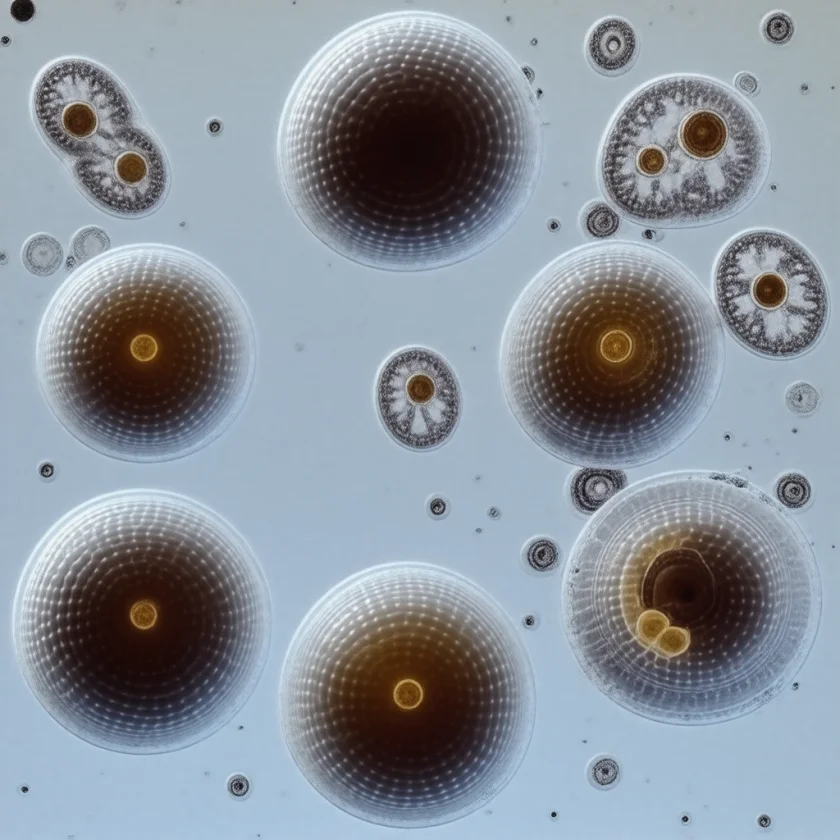
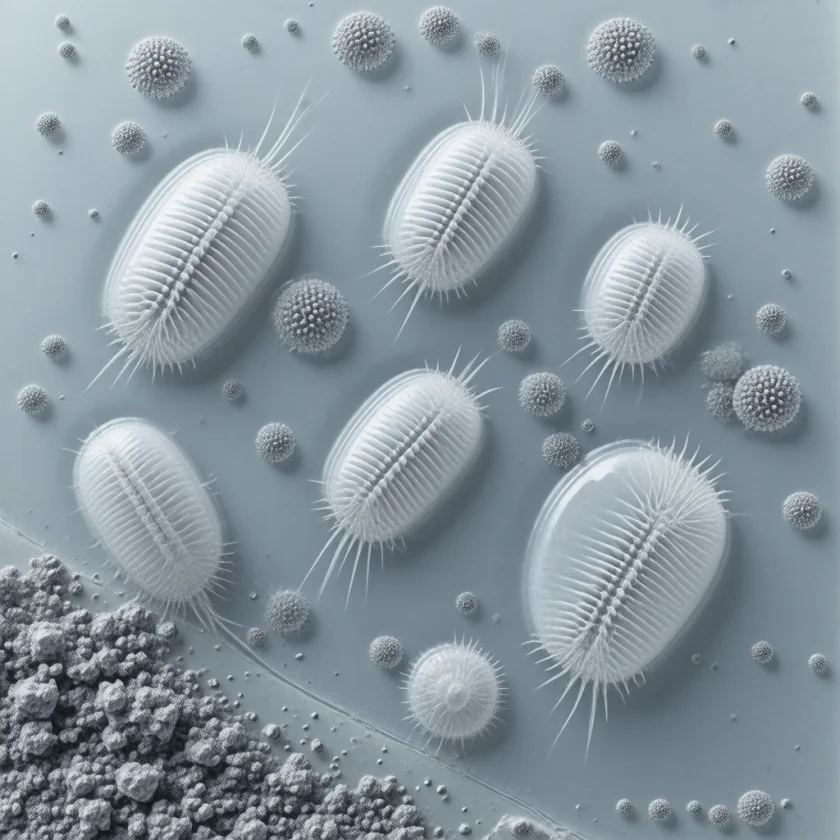
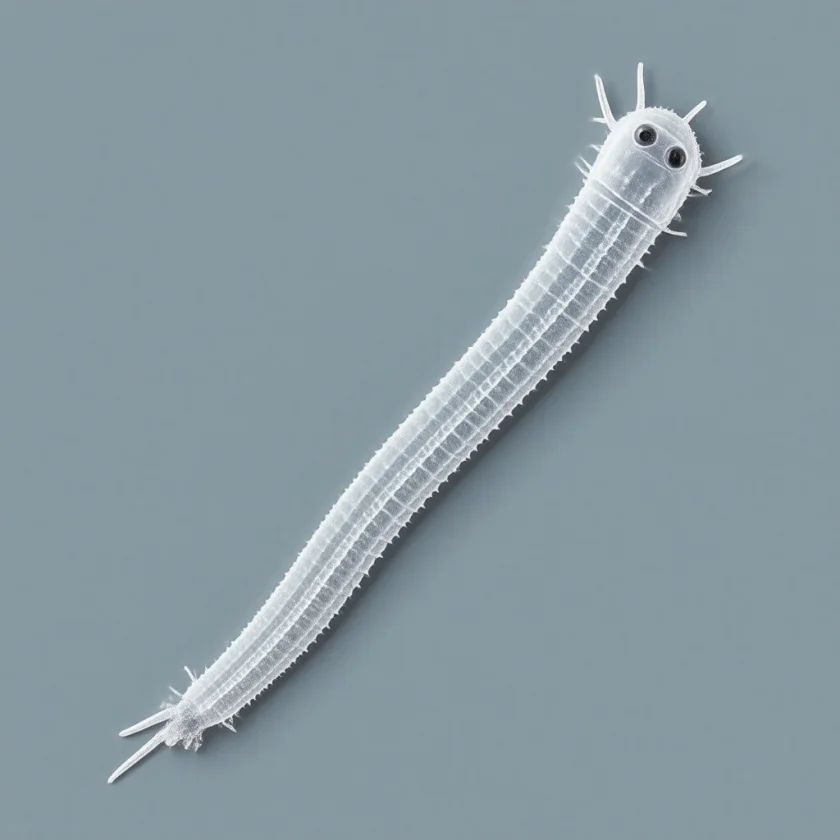
Echinococcus is a genus of some of the smallest tapeworms in the world — the adults are only a few millimeters long — yet the disease they cause, echinococcosis or hydatid disease, is one of the more serious parasitic infections a person can acquire. The harm comes not from the worm itself but from its larval stage: when a person accidentally swallows the tapeworm's microscopic eggs, the larvae settle in an organ — most often the liver — and slowly grow into fluid-filled cysts. Because these cysts can enlarge quietly for years before causing symptoms, the infection is easy to overlook until it is advanced. There are two main forms of the disease: a slower, usually treatable form and a rare but dangerously invasive one that behaves almost like a cancer. This page explains what the parasite is, how it travels from dogs and foxes to people, what the two diseases do to the body, why a leaking cyst is a genuine emergency, and how hydatid disease is diagnosed, treated, and — most importantly — prevented.
Table of Contents
1. What Is Echinococcus?
Echinococcus is a genus of tiny tapeworms in the same broad family as the more familiar intestinal tapeworms, but with a very different relationship to people. The adult worm — just a few millimeters long, made of only a handful of segments — lives more or less harmlessly in the intestine of a meat-eating animal such as a dog or a fox. It is the larval, cyst-forming stage that causes human disease, and it does so only by accident.
Normally the parasite cycles between two kinds of animal: a definitive host (a dog or wild canid, where the adult worm lives and sheds eggs) and an intermediate host (a grazing or foraging animal such as a sheep or a rodent, in which the larvae form cysts). Humans are neither. When a person swallows the eggs, the larvae behave as they would in the intermediate host — they form cysts in the organs — but because a human is never eaten by a dog or fox, the parasite reaches a dead end. We are accidental, dead-end hosts: the disease can be severe for the person, yet the parasite cannot complete its life cycle through us.
The illness, called echinococcosis or hydatid disease, is recognized by the World Health Organization as a neglected tropical disease. It is not contagious from person to person, and it is entirely preventable, yet in the pastoral communities where it is common it causes real suffering and considerable cost. Two species account for nearly all human cases, and they produce two strikingly different diseases.
2. The Two Diseases: Cystic vs. Alveolar
Although several Echinococcus species can infect people, two matter most, and it is worth understanding how differently they behave.
Cystic echinococcosis (CE)
Cystic echinococcosis is caused by Echinococcus granulosus and is the classic, most common form of hydatid disease worldwide. It runs on a dog–sheep cycle: dogs (and other canids) carry the adult worm, and sheep — along with goats, cattle, camels, and other livestock — serve as the intermediate hosts. In people, the larva forms a single, well-defined, fluid-filled cyst surrounded by a tough wall. It grows slowly, often just a centimeter or so a year, most commonly in the liver (roughly two-thirds of cases) and next most often in the lungs. Many of these cysts stay small and quiet, and some eventually calcify and die on their own. This is the form most people mean when they say “hydatid cyst.”
Alveolar echinococcosis (AE)
Alveolar echinococcosis is caused by Echinococcus multilocularis. It is far rarer but far more dangerous. It runs on a fox–rodent cycle: wild foxes (and sometimes domestic dogs and cats) carry the adult worm, and small rodents such as voles are the intermediate hosts. In people, the larva does not form a single tidy cyst. Instead it grows as a spongy, honeycombed, infiltrating mass in the liver that spreads through the tissue at its edges and can even seed distant sites — behaving, in practice, much like a slow-growing liver cancer. Left untreated, alveolar echinococcosis is often fatal, which is why it is taken so seriously despite being uncommon.
Rarer forms
In parts of Central and South America, two other species — Echinococcus vogeli and Echinococcus oligarthrus — cause a still-rarer polycystic form of the disease. These are uncommon and largely confined to the Neotropics, so most of this page focuses on the two dominant forms above.
3. Life Cycle
The parasite's journey helps explain why some people are at risk and others are not. It normally moves in a loop between two animals:
- Adult worm in the gut of a dog or fox. The tiny adult tapeworm lives in the intestine of the definitive host — a dog for E. granulosus, a fox (or dog) for E. multilocularis — where it produces eggs but causes the animal little harm.
- Eggs shed in feces. The eggs pass out in the animal's droppings and contaminate the ground, pasture, water, garden produce, and the animal's own fur. They are hardy and can survive in the environment for months.
- An intermediate host swallows the eggs. A grazing sheep or a foraging rodent eats the eggs. Inside, the larvae hatch, cross the intestinal wall, and travel in the blood to the organs, where they form cysts — usually in the liver.
- The cycle closes. When the dog or fox eats the infected organs (the offal) of that intermediate host, the young worms develop into new adults in its gut, and the loop begins again.
Where humans fit in. People become infected by accidentally swallowing the eggs — from contaminated food or water, from unwashed hands after touching soil, or from close contact with an infected dog whose fur carries eggs from licking or rolling. Once swallowed, the eggs hatch and the larvae take the same path they would in a sheep or vole: through the gut wall, into the bloodstream, and to the liver first (the body's initial filter) or on to the lungs, where they slowly build a cyst. But because no predator eats a person's organs, the parasite cannot go any further — the human host is a dead end. This is also why the incubation can be so long: a cyst may sit and grow silently for many years before it is ever noticed.
4. Symptoms & Disease
The single most important thing to understand about hydatid disease is that, for a long time, there may be no symptoms at all. A small cyst produces nothing a person would notice, and many are found only by accident on a scan or X-ray done for some unrelated reason. Symptoms appear when a cyst grows large enough to press on surrounding structures — so-called mass effect — or when a complication develops.
Cystic echinococcosis (the slower form)
- In the liver (most common): dull pain or fullness in the upper-right abdomen, an enlarging liver, sometimes a mass the doctor can feel, nausea, and poor appetite. If a cyst presses on the bile ducts, it can cause jaundice (yellowing of the skin and eyes).
- In the lungs: a persistent cough, chest pain, and shortness of breath. If a lung cyst breaks into an airway, a person may cough up salty fluid or membranes described as looking like “grape skins.”
- Elsewhere (less common): cysts occasionally form in the spleen, kidneys, bones, heart, or brain, and there the symptoms depend entirely on the location.
Alveolar echinococcosis (the invasive form)
Alveolar echinococcosis usually announces itself as a slowly progressive liver disease that can be mistaken for cirrhosis or liver cancer: vague upper-abdominal pain, weight loss, fatigue, an enlarged and hardened liver, and — as the mass blocks bile flow — jaundice. Over years it can spread beyond the liver to the lungs or brain and, untreated, lead to liver failure. Because it advances quietly and invades rather than simply pushing tissue aside, it is often already well established by the time it is diagnosed.
Whatever the site, the most feared moment in the whole disease is not slow growth but sudden rupture — which deserves its own section.
5. The Danger of a Ruptured Cyst
A hydatid cyst is not just a bag of fluid. The fluid inside is loaded with parasite proteins that the immune system reacts to violently, and it carries thousands of microscopic protoscolices — essentially tiny, viable tapeworm heads, each capable of growing into a brand-new cyst. That is why a leak or a burst is a genuine emergency, and why doctors treat these cysts with such caution.
A rupture — whether from a blow to the abdomen, or from an ill-advised needle or careless surgery — brings two distinct dangers:
- A severe allergic reaction. When cyst fluid spills into the body, the sudden flood of parasite antigen can trigger a powerful allergic response, up to and including life-threatening anaphylaxis — a dramatic drop in blood pressure and difficulty breathing that must be treated immediately.
- Spread of the disease (secondary echinococcosis). The spilled protoscolices act like seeds. Scattered through the abdomen or chest, they can implant on other surfaces and grow into new daughter cysts, turning one contained problem into many, spread throughout the body cavity.
Because of these two risks, a hydatid cyst is never casually drained or biopsied the way an ordinary cyst or abscess might be. Any procedure that touches the cyst — whether a controlled needle drainage or open surgery — is done only with deliberate precautions: cover with an antiparasitic drug beforehand, careful protection of the surrounding tissue, a scolicidal (protoscolex-killing) agent to neutralize the fluid, and readiness to treat anaphylaxis on the spot. This single fact shapes almost everything about how the disease is diagnosed and treated.
6. Who Is at Risk, and Where
Echinococcosis is fundamentally a disease of the relationship between people, dogs, and livestock or wildlife, so risk follows those contacts rather than any single region.
Cystic echinococcosis (E. granulosus) is most common wherever sheep and other livestock are raised alongside working or free-roaming dogs — and especially where dogs are fed, or scavenge, the raw organs of slaughtered animals. Endemic areas include the Mediterranean basin, the Middle East, Central Asia, western China, East Africa, and parts of South America, along with rural pastoral communities in many other countries. Shepherds, farmers, abattoir workers, and children who play closely with dogs are at highest risk.
Alveolar echinococcosis (E. multilocularis) is a disease of the colder Northern Hemisphere: parts of central and eastern Europe, Turkey, Central Asia, Russia, China, and northern Japan, as well as North America, where the parasite's range appears to be expanding as infected foxes move closer to — and even into — towns and cities. Hunters, trappers, farmers, and people who handle foxes or dogs, or who gather wild berries and greens in areas where foxes roam, face the greatest exposure.
In countries like the United States, both forms are uncommon and are seen mainly in immigrants, travelers, or specific local pockets of infection. But the underlying pattern is the same everywhere: the parasite reaches people through the dogs and wild canids they live near.
7. Diagnosis
Because a hydatid cyst usually cannot — and should not — simply be poked with a needle to see what it is, diagnosis leans heavily on imaging, supported by blood tests.
Ultrasound is the workhorse for liver cysts and is often the first test to raise the possibility. Hydatid cysts have characteristic features — a distinct wall, internal daughter cysts, floating debris (“hydatid sand”), and sometimes a detached inner membrane. The World Health Organization's expert group publishes a widely used ultrasound classification (stages CE1 through CE5) that grades a cyst from active and growing to inactive and calcified — a distinction that directly guides treatment.
CT and MRI add detail that ultrasound cannot, and they are essential for cysts in the lungs or other organs, for planning surgery, and above all for alveolar echinococcosis, whose ragged, infiltrating lesions look very different from the neat cysts of the common form.
Blood tests (serology) look for antibodies against the parasite and can support the diagnosis, but they are imperfect: they may be falsely negative — particularly for lung cysts or old, calcified ones — and can cross-react with other conditions. For that reason serology is used alongside imaging rather than on its own. Notably, doctors generally avoid diagnostic aspiration or biopsy of a suspected hydatid cyst because of the rupture and seeding risks described above; when a needle is used at all, it is as part of a carefully controlled treatment procedure, not casual sampling.
8. Treatment
There is no single treatment for echinococcosis. What is done depends on the type (cystic or alveolar), and on the cyst's size, location, stage, and complications. Care is best directed by specialists familiar with the disease. For cystic echinococcosis, expert consensus recognizes four broad approaches:
- Watch-and-wait. Small, inactive, calcified cysts (WHO stages CE4 and CE5) may not need any procedure at all and can simply be monitored over time with periodic imaging.
- Medication. Albendazole, an antiparasitic drug, can shrink or inactivate cysts. It is used on its own for some small cysts and, importantly, as drug cover before and after any procedure to reduce the risk of spread. Mebendazole is an alternative.
- PAIR. For selected liver cysts, an image-guided technique called PAIR — Puncture, Aspiration, Injection, Re-aspiration — is a less invasive option than surgery. Under ultrasound guidance the cyst is punctured, its fluid aspirated, a scolicidal agent (such as hypertonic saline) is injected to kill the protoscolices, and the fluid is then re-aspirated. It is always done under albendazole cover and with full precautions against anaphylaxis.
- Surgery. Large, complicated, superficial, or infected cysts are removed surgically, with great care taken not to spill the contents. Surgery can be definitive but carries the highest procedural risk.
Alveolar echinococcosis is treated quite differently and far more aggressively. Because it invades tissue like a cancer, the goal — when possible — is radical surgical removal of the entire affected portion of liver, much as a tumor would be resected, followed by long courses of albendazole. When the disease cannot be fully removed, lifelong albendazole is used to hold it in check, and in advanced cases liver transplantation is sometimes considered. Either way, alveolar echinococcosis typically requires long-term, often lifelong follow-up, because the parasite can regrow if treatment stops. Across both forms, the recurring theme is the same: treat deliberately, always guard against rupture and spread, and individualize the plan to the patient.
9. Prevention
Echinococcosis is one of those diseases that is genuinely preventable, because its life cycle has an obvious weak point: the dog. Break the loop between dogs and livestock, and human infection falls. Prevention works on two levels.
Breaking the animal cycle
- Deworm dogs regularly. Treating working and pet dogs with praziquantel on a routine schedule is the single most effective control measure in endemic areas, because it clears the adult worms before they can shed eggs.
- Never feed dogs raw offal. Do not let dogs eat the raw organs of sheep or other livestock, and dispose of infected organs properly at slaughter so dogs cannot scavenge them. This is what keeps the cycle from restarting.
- Manage stray dogs and, where available, vaccinate livestock. Reducing free-roaming dog populations helps, and a sheep vaccine (EG95) exists as an additional tool in some control programs. Echinococcosis is a classic “One Health” problem — solved by working on animals, people, and the environment together.
Protecting yourself
- Wash your hands thoroughly after handling dogs or working with soil, and before eating — the eggs travel on hands.
- Wash and peel raw fruit and vegetables, especially low-growing produce that may be contaminated, and avoid drinking untreated water in areas where the parasite is common.
- Take care with wild canids. Hunters and trappers should use caution when handling foxes and other wild animals, the main source of the dangerous alveolar form.
None of these steps is complicated, but together they are what stands between the parasite's quiet loop through dogs and sheep and a cyst growing silently in a person's liver.
Key Research Papers
Peer-reviewed reviews, expert consensus statements, and clinical studies on Echinococcus and hydatid disease — covering the parasite's biology and epidemiology, the two forms of the disease, how cysts are staged and diagnosed, the modern treatment options (albendazole, PAIR, and surgery), and prevention and control. Journal names appear as plain text; the year/volume/pages link opens the full citation via DOI.
- McManus DP, Zhang W, Li J, Bartley PB. Echinococcosis. The Lancet. 2003;362(9392):1295–1304. — A foundational clinical review distinguishing the cystic and alveolar forms of the disease. — doi:10.1016/S0140-6736(03)14573-4
- Eckert J, Deplazes P. Biological, Epidemiological, and Clinical Aspects of Echinococcosis, a Zoonosis of Increasing Concern. Clinical Microbiology Reviews. 2004;17(1):107–135. — Comprehensive account of the parasite's life cycle, hosts, and geography. — doi:10.1128/CMR.17.1.107-135.2004
- Wen H, Vuitton L, Tuxun T, et al. Echinococcosis: Advances in the 21st Century. Clinical Microbiology Reviews. 2019;32(2):e00075–18. — An up-to-date synthesis of biology, diagnosis, and treatment of both forms. — doi:10.1128/CMR.00075-18
- Brunetti E, Kern P, Vuitton DA; Writing Panel for the WHO-IWGE. Expert Consensus for the Diagnosis and Treatment of Cystic and Alveolar Echinococcosis in Humans. Acta Tropica. 2010;114(1):1–16. — The WHO-IWGE consensus that frames modern staging and the watch-and-wait / albendazole / PAIR / surgery approach. — doi:10.1016/j.actatropica.2009.11.001
- WHO Informal Working Group on Echinococcosis. International Classification of Ultrasound Images in Cystic Echinococcosis for Application in Clinical and Field Epidemiological Settings. Acta Tropica. 2003;85(2):253–261. — Defines the CE1–CE5 ultrasound stages used to guide treatment. — doi:10.1016/S0001-706X(02)00223-1
- McManus DP, Gray DJ, Zhang W, Yang Y. Diagnosis, Treatment, and Management of Echinococcosis. BMJ. 2012;344:e3866. — A practical clinical overview for diagnosis and management. — doi:10.1136/bmj.e3866
- Stojkovic M, Zwahlen M, Teggi A, et al. Treatment Response of Cystic Echinococcosis to Benzimidazoles: A Systematic Review. PLoS Neglected Tropical Diseases. 2009;3(9):e524. — Evidence on how liver cysts respond to albendazole and related drugs. — doi:10.1371/journal.pntd.0000524
- Nabarro LE, Amin Z, Chiodini PL. Current Management of Cystic Echinococcosis: A Survey of Specialist Practice. Clinical Infectious Diseases. 2015;60(5):721–728. — How specialists actually choose among watch-and-wait, PAIR, and surgery in practice. — doi:10.1093/cid/ciu931
- Kern P. Clinical Features and Treatment of Alveolar Echinococcosis. Current Opinion in Infectious Diseases. 2010;23(5):505–512. — Focused review of the invasive alveolar form and its long-term albendazole treatment. — doi:10.1097/QCO.0b013e32833d7516
- Torgerson PR, Keller K, Magnotta M, Ragland N. The Global Burden of Alveolar Echinococcosis. PLoS Neglected Tropical Diseases. 2010;4(6):e722. — Quantifies the worldwide toll of the dangerous alveolar form. — doi:10.1371/journal.pntd.0000722
- Craig PS, McManus DP, Lightowlers MW, et al. Prevention and Control of Cystic Echinococcosis. The Lancet Infectious Diseases. 2007;7(6):385–394. — Reviews dog deworming, livestock vaccination, and other control strategies. — doi:10.1016/S1473-3099(07)70134-2
- Moro P, Schantz PM. Echinococcosis: A Review. International Journal of Infectious Diseases. 2009;13(2):125–133. — A concise general review of both forms of the disease. — doi:10.1016/j.ijid.2008.03.037
PubMed Topic Searches
Each link opens a live PubMed query so results stay current as new papers are indexed.
- PubMed: Echinococcus granulosus cystic echinococcosis
- PubMed: Echinococcus multilocularis alveolar echinococcosis
- PubMed: Hydatid cyst of the liver treatment
- PubMed: Echinococcosis albendazole treatment
- PubMed: PAIR procedure for hydatid cysts
- PubMed: WHO-IWGE ultrasound classification (CE1–CE5)
- PubMed: Echinococcosis diagnosis, serology and imaging
- PubMed: Echinococcosis prevention and dog deworming