Lysine for Anxiety and Stress
Research on lysine and anxiety came largely from nutrition science rather than psychiatry. A research group led by Miro Smriga, several of whose members worked at a Japanese amino-acid manufacturer, first reported in rats that a lysine-deficient diet increased stress-induced anxiety, and that lysine behaves like a weak partial blocker of the serotonin 5-HT4 receptor. In people, a 3-month double-blind trial of lysine-fortified wheat in poor communities in Northwest Syria (2004) reported lower trait anxiety in men and a smaller cortisol response to blood drawing in women, and a one-week trial of lysine plus arginine in 108 healthy Japanese adults (2007) reported lower trait and state anxiety. A small 2005 Slovak trial of lysine plus arginine found stress hormones rose MORE, not less, during a public-speaking test. The human evidence is a handful of small trials, mostly from one research network; no trials in diagnosed anxiety disorders were found.
Table of Contents
- The 2004 Syria Wheat-Lysine Fortification Trial
- The 2007 Japanese Trial, the 2005 Slovak Trial and the 2010 Ghana Trial
- The 5-HT4 Serotonin Receptor Findings in Animals
- HPA Axis and Cortisol Findings
- The Lysine + Arginine Combination
- What Has and Has Not Been Studied
- Gut-Brain Axis: Lysine, Serotonin, and the IBS-Anxiety Overlap
- Lysine, Sleep, and Stress
- How the Lysine Evidence Compares With Other Studied Agents
- Doses Used in the Studies
- Safety Findings and Who the Research Raises Concerns For
- Key Research Papers
- Connections
- Featured Videos
The 2004 Syria Wheat-Lysine Fortification Trial
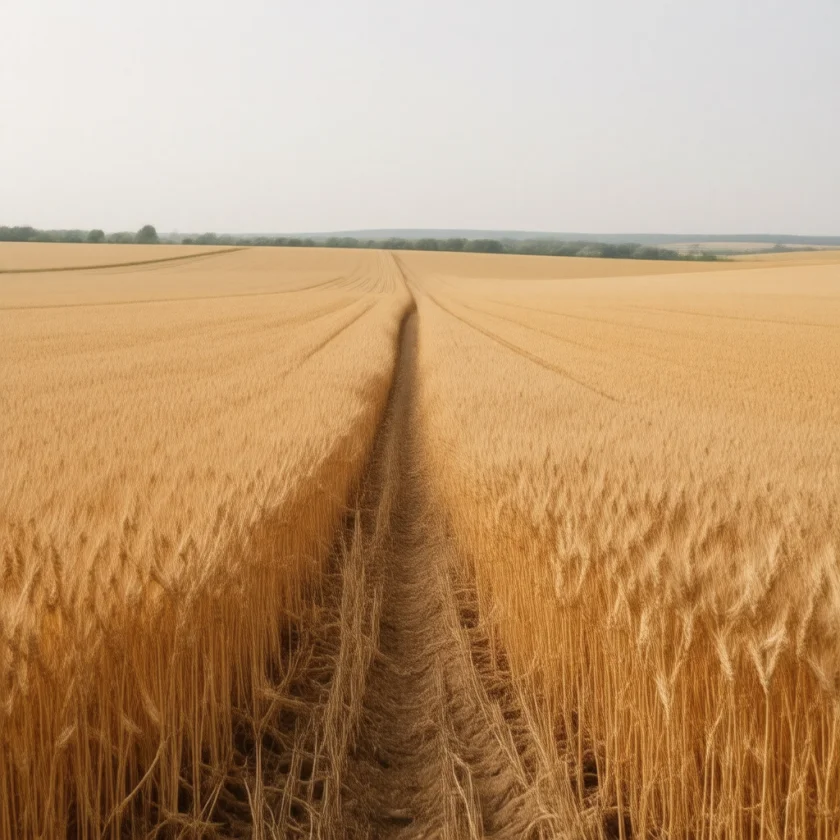
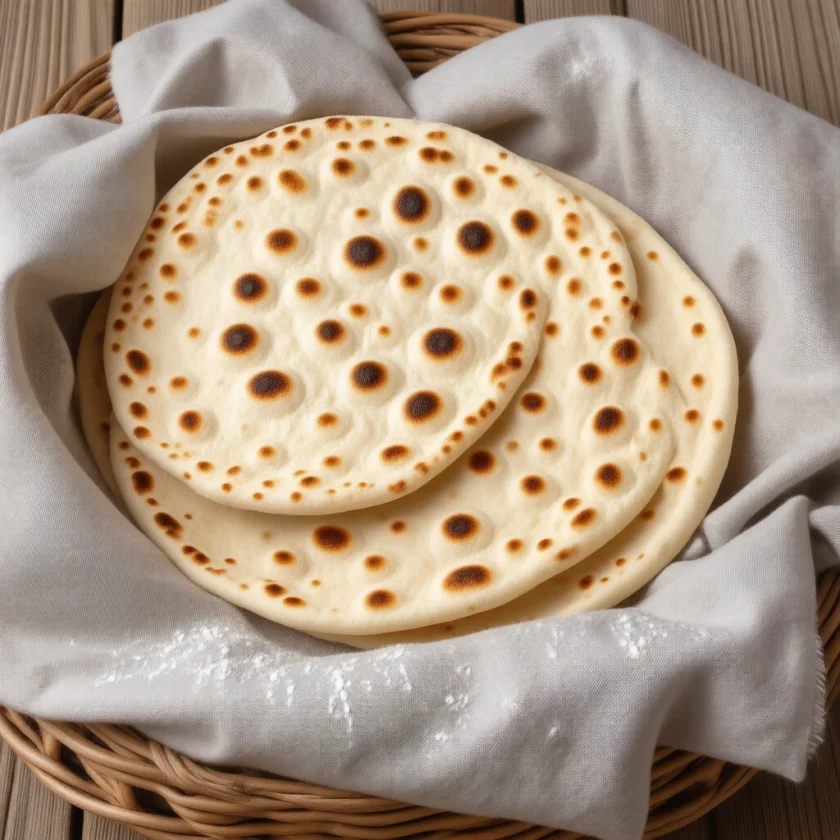
The best-known human study is Smriga M, Ghosh S, Mouneimne Y, Pellett PL and Scrimshaw NS (2004), Lysine fortification reduces anxiety and lessens stress in family members in economically weak communities in Northwest Syria, published in the Proceedings of the National Academy of Sciences. Its starting point is that lysine is the limiting amino acid in diets built on wheat as the staple, and that in experimental animals prolonged lysine inadequacy increases stress-induced anxiety.
As part of a 3-month randomized, double-blind study, the investigators tested whether lysine-fortified wheat reduced anxiety and stress responses in family members in poor Syrian communities that eat wheat as their staple food. The abstract reports:
- Cortisol — in the lysine-fortified group, the plasma cortisol response to blood drawing (used as the stressor) was reduced in women.
- Sympathetic arousal — measured by skin conductance, it was reduced in men.
- Chronic anxiety — trait anxiety, measured by the trait anxiety inventory, was significantly reduced in men.
The authors concluded that some stress responses in economically weak populations eating cereal-based diets can be improved with lysine fortification. The abstract does not report a reduction in trait anxiety in women, and it does not report sleep, headache or digestive outcomes. The number of participants and the fortification level are not given in the abstract (the full text could not be checked). A separate 16-week double-blind trial in 106 rural Syrian households randomized to lysine-fortified or control flour found higher complement C3 in men and less diarrheal illness in women given lysine, with no other significant differences between groups; it did not measure anxiety (Ghosh 2008).
The 2007 Japanese Trial, the 2005 Slovak Trial and the 2010 Ghana Trial
Smriga et al. (2007), Japan. Oral treatment with L-lysine and L-arginine reduces anxiety and basal cortisol levels in healthy humans, published in Biomedical Research. In a double-blind, placebo-controlled, randomized study of 108 healthy Japanese adults, one week of L-lysine (2.64 g/day) plus L-arginine (2.64 g/day) was reported to:
- significantly reduce trait anxiety, in both men and women;
- significantly reduce state anxiety induced by a cognitive stress battery;
- lower basal salivary cortisol and chromogranin-A (a salivary marker of the sympatho-adrenal system) in men.
The participants were healthy adults, not people with low lysine intake, so this trial tested the amino-acid combination in an otherwise adequately fed population. The authors described lysine plus arginine as a potentially useful dietary intervention for healthy people with high subjective stress and anxiety.
Jezova et al. (2005), Slovakia. Subchronic treatment with amino acid mixture of L-lysine and L-arginine modifies neuroendocrine activation during psychosocial stress in subjects with high trait anxiety, published in Nutritional Neuroscience. In a randomized, double-blind, placebo-controlled trial, 29 healthy people at the upper limit of the normal range of a trait anxiety scale took lysine and arginine (3 g each per day) for 10 days and then gave a public speech. Compared with placebo, the amino-acid group had HIGHER adrenocorticotropic hormone (ACTH), cortisol, adrenaline and noradrenaline levels and larger skin-conductance responses during the stress task; heart-rate and blood-pressure responses were not changed. The authors interpreted this as a possible normalization toward the pattern previously seen in people with low trait anxiety, but the measured stress-hormone response went up, not down.
Ghosh et al. (2010), Ghana. Effect of lysine supplementation on health and morbidity in subjects belonging to poor peri-urban households in Accra, Ghana, published in the American Journal of Clinical Nutrition. This double-blind randomized trial gave 1 g lysine/day or placebo to men, women and children (n = 271); anxiety was among the primary outcomes alongside diarrheal and respiratory illness, growth and blood markers. At baseline 30% of men, 50% of women and 15% of children were at risk of lysine inadequacy. Lysine reduced diarrheal episodes in children and respiratory illness in men, and serum ferritin and C-reactive protein fell in women given lysine. The abstract reports no anxiety result, and its conclusion mentions only the reductions in illness — so the Ghana trial does not confirm the Syrian anxiety findings.
The 5-HT4 Serotonin Receptor Findings in Animals
The proposed mechanism for an effect of lysine on anxiety is partial blockade of the serotonin 5-HT4 receptor, a G-protein-coupled receptor found in the gut, the heart and the brain. The evidence for it comes from laboratory and animal work, not from human studies.
- Lysine deficiency in rats (Smriga 2002) — four days on a lysine-deficient diet disturbed the normal daily rhythm of serotonin (but not dopamine) release in the amygdala, measured by microdialysis. Footshock-induced anxiety on an elevated plus maze and restraint-stress-induced fecal output were significantly greater in the deficient rats than in pair-fed controls. The authors concluded that severe lysine deficiency enhances serotonin release in the amygdala.
- 5-HT4 binding and rat behavior (Smriga and Torii 2003) — in a radioligand-binding assay, lysine (0.8 mmol/dl) inhibited 9.17% of serotonin binding to the 5-HT4 receptor, with no effect on 5-HT1A, 2A, 2B, 2C or 3 binding. Lysine blocked serotonin-induced contractions of isolated guinea-pig ileum. Given orally to rats (1 g/kg body weight), it significantly blocked anxiety induced by a 5-HT4 agonist; its effect on diarrhea triggered by restraint stress plus 5-hydroxytryptophan did not reach conventional significance (P < 0.12), and no effects on plasma corticosterone or heart rate were recorded. The authors described lysine as possibly a partial 5-HT4 antagonist.
The binding inhibition reported is small, and whether oral lysine at the doses used in people reaches a level that blocks brain 5-HT4 receptors has not been measured in humans.
HPA Axis and Cortisol Findings
The hypothalamic-pituitary-adrenal (HPA) axis is the body's main stress-response system: corticotropin-releasing hormone (CRH) from the hypothalamus drives adrenocorticotropic hormone (ACTH) release from the pituitary, which drives cortisol secretion from the adrenal glands.
The lysine studies point in different directions on cortisol:
- Syria 2004 — smaller plasma cortisol response to blood drawing in women given lysine-fortified wheat.
- Japan 2007 — lower basal salivary cortisol in men after one week of lysine plus arginine; the abstract does not report a cortisol response to the stress task.
- Slovakia 2005 — HIGHER ACTH and cortisol during a public-speaking stressor after 10 days of lysine plus arginine.
- Rats 2003 — lysine plus arginine for four days partly but significantly reduced stress-raised plasma corticosterone and increased time spent on the open arms of an elevated plus maze (Smriga and Torii 2003, Nutritional Neuroscience).
- Pigs 2003 — in 16 male finishing pigs, one week of a lysine- and arginine-fortified diet lowered plasma cortisol and blocked the transport-induced increase in locomotion (Srinongkote 2003).
Studies of the herb ashwagandha (Withania somnifera) have also measured cortisol; one 60-day placebo-controlled trial is summarised in the comparison section below. Ashwagandha is covered on the Ashwagandha page. No study has tested lysine and ashwagandha together.
The Lysine + Arginine Combination
Two of the three human anxiety trials (Japan 2007, Slovakia 2005) used lysine and arginine together, so their results describe the combination, not lysine alone. No human trial has compared the combination with lysine alone for anxiety. The Syria trial used lysine only.
Arginine is the substrate for nitric oxide synthesis and for agmatine; these are sometimes proposed as reasons the combination might act differently from lysine alone, but the trials did not test those pathways.
The combination sits awkwardly beside the herpes literature, where the hypothesis is that herpes simplex virus needs arginine to replicate and that lysine antagonises it; that evidence is covered on the Herpes Prevention page. No study has examined lysine-plus-arginine anxiety doses in people with recurrent herpes.
What Has and Has Not Been Studied
The published human research on lysine for anxiety consists of the Syria trial (2004), the Slovak trial (2005), the Japanese trial (2007) and the Ghana trial (2010), whose abstract reports no anxiety result. Each of the four lists Smriga among its authors. No “IADS” or other named international series of lysine-anxiety trials was found in PubMed.
- Anxiety disorders — no trial of lysine or lysine plus arginine in people diagnosed with generalized anxiety disorder, panic disorder or another anxiety disorder was found in PubMed. All the human trials enrolled healthy people or community members.
- Children — children were included in the Ghana trial (outcomes reported were illness and growth); no trial of lysine for anxiety in children was found.
- Post-traumatic stress disorder — no trial data.
- Postpartum anxiety and mood — no trial data.
A 2010 systematic review of nutritional and herbal supplements for anxiety (Lakhan and Vieira) included 24 studies of several supplements and concluded that strong evidence exists for passionflower or kava extracts and for combinations of L-lysine and L-arginine; its authors also noted that heterogeneity and the small number of studies per supplement prevented a meta-analysis, and that placebo effects may account for some of the positive results.
Gut-Brain Axis: Lysine, Serotonin, and the IBS-Anxiety Overlap
Because the 5-HT4 receptor is abundant in the enteric nervous system, the rat findings place lysine in discussions of the gut-brain axis. Drugs acting on gut serotonin receptors are used in irritable bowel syndrome (IBS) — for example the 5-HT3 antagonist alosetron for diarrhea-predominant IBS and the 5-HT4 agonist tegaserod for constipation-predominant IBS.
The lysine gut findings are from animals and tissue: lysine blocked serotonin-induced contractions of isolated guinea-pig ileum, a lysine-deficient diet increased stress-induced fecal output in rats, and oral lysine's effect on stress-plus-5-HTP diarrhea in rats did not reach significance (Smriga 2002; Smriga and Torii 2003). The Ghana trial reported fewer diarrheal episodes in children given lysine, an infection-related outcome rather than IBS. No trial of lysine in people with IBS was found.
Related topics are covered on the IBS and gut-brain axis pages.
Lysine, Sleep, and Stress
None of the lysine trial abstracts reports a sleep outcome, and no trial of lysine for insomnia was found. The Syria abstract reports cortisol, skin-conductance and trait-anxiety results only.
For comparison, a 4-week crossover trial of L-theanine (200 mg/day) in 30 healthy adults reported lower Pittsburgh Sleep Quality Index scores (Hidese 2019). Broader material on sleep is on the Sleep Aids page.
How the Lysine Evidence Compares With Other Studied Agents
No trial has compared lysine, or lysine plus arginine, head to head with a prescription anxiolytic or with another supplement. What can be set side by side is what single trials of each agent measured:
- Prescription anxiolytics (benzodiazepines, SSRIs) — none of the lysine trials enrolled people with diagnosed anxiety disorders or included a drug comparison arm, so the trials do not show how lysine compares with these medicines.
- L-Theanine — in the randomized, placebo-controlled, double-blind crossover trial of Hidese 2019, 30 healthy adults took 200 mg/day for four weeks; trait-anxiety (STAI), depression (SDS) and sleep (PSQI) scores decreased, and verbal fluency and executive function scores improved. In rats, theanine given by stomach tube entered the brain and raised serotonin and/or dopamine concentrations in several regions (Yokogoshi 1998).
- Ashwagandha (Withania somnifera) — in a 60-day randomized, double-blind, placebo-controlled trial of 60 stressed but healthy adults, 240 mg/day of a standardized extract was associated with a significant reduction in the Hamilton Anxiety Rating Scale (P = .040), a near-significant reduction in DASS-21 (P = .096) and greater reductions in morning cortisol and DHEA-S than placebo (Lopresti 2019).
- Passionflower, kava and magnesium — the 2010 systematic review rated passionflower and kava extracts as having strong evidence, and magnesium-containing supplements as holding promise with more research needed (Lakhan and Vieira 2010).
Each of these trials is small, so comparisons across them say little about relative strength.
Doses Used in the Studies
- Syria 2004 — lysine added to household wheat flour for 3 months; the fortification level is not given in the abstract.
- Japan 2007 — L-lysine 2.64 g/day plus L-arginine 2.64 g/day for one week.
- Slovakia 2005 — L-lysine and L-arginine, 3 g each per day, for 10 days.
- Ghana 2010 — 1 g lysine/day versus placebo.
- Rats — oral lysine 1 g/kg body weight (Smriga and Torii 2003); lysine 200 mg/kg plus arginine 200 mg/kg twice daily for four days (Smriga and Torii 2003, Nutritional Neuroscience).
- Onset — the human trials ran from 7 days to 3 months; none tracked how quickly any effect appeared.
- Children, pregnancy and lactation — no anxiety trial has studied supplemental lysine doses in these groups.
Safety Findings and Who the Research Raises Concerns For
- Severe anxiety — the lysine trials enrolled healthy people and community members, not people with debilitating anxiety, panic disorder or major depression, so they say nothing about those conditions. Decisions about treating anxiety disorders belong with a clinician.
- Upper intake — a 2020 workshop panel of the International Council for Amino Acid Science proposed a no-observed-adverse-effect level of 6.0 g/day of supplemental lysine for healthy adults (Cynober 2020). The Japanese and Slovak trials used 2.64–3 g/day of lysine plus an equal amount of arginine; none of the trial abstracts reports adverse events.
- Herpes simplex — the combination used in two anxiety trials includes arginine, which the herpes hypothesis holds the virus needs; see the Herpes Prevention page.
- Pregnancy — supplemental lysine and lysine plus arginine have not been studied in pregnancy.
- Lysinuric protein intolerance and cystinuria — rare inherited disorders of the transport of lysine and related amino acids, in which amino-acid intake is managed by specialists.
- Medicines — no drug-interaction study of lysine with antidepressants or anxiolytics was found.
Key Research Papers
- Smriga M, Ghosh S, Mouneimne Y, Pellett PL, Scrimshaw NS (2004). Lysine fortification reduces anxiety and lessens stress in family members in economically weak communities in Northwest Syria. Proceedings of the National Academy of Sciences 101(22):8285-8. — PubMed PMID: 15159538
- Smriga M, Ando T, Akutsu M, Furukawa Y, Miwa K, Morinaga Y (2007). Oral treatment with L-lysine and L-arginine reduces anxiety and basal cortisol levels in healthy humans. Biomedical Research 28(2):85-90. — PubMed PMID: 17510493
- Ghosh S, Smriga M, Vuvor F, Suri D, Mohammed H, Armah SM, Scrimshaw NS (2010). Effect of lysine supplementation on health and morbidity in subjects belonging to poor peri-urban households in Accra, Ghana. American Journal of Clinical Nutrition 92(4):928-39. — PubMed PMID: 20720257
- Smriga M, Torii K (2003). L-Lysine acts like a partial serotonin receptor 4 antagonist and inhibits serotonin-mediated intestinal pathologies and anxiety in rats. Proceedings of the National Academy of Sciences 100(26):15370-5. — PubMed PMID: 14676321
- Smriga M, Kameishi M, Uneyama H, Torii K (2002). Dietary L-lysine deficiency increases stress-induced anxiety and fecal excretion in rats. Journal of Nutrition 132(12):3744-6. — PubMed PMID: 12468617
- Srinongkote S, Smriga M, Nakagawa K, Toride Y (2003). A diet fortified with L-lysine and L-arginine reduces plasma cortisol and blocks anxiogenic response to transportation in pigs. Nutritional Neuroscience 6(5):283-9. — PubMed PMID: 14609314
- Chandra RK (2002). Influence of multinutrient supplement on immune responses and infection-related illness in 50-65 year old individuals. Nutrition Research 22:5-11. — doi:10.1016/S0271-5317(01)00366-9 — Retracted (the paper is not about lysine or anxiety, and nothing on this page rests on it; retraction notice: PubMed PMID: 27315749)
- Scrimshaw NS (2003). Historical concepts of interactions, synergism and antagonism between nutrition and infection. Journal of Nutrition 133(1):316S-321S. — PubMed PMID: 12514318
- Mucida D, Cheroutre H (2010). The many face-lifts of CD4 T helper cells. Advances in Immunology 107:139-52. — PubMed PMID: 21034973
- Lakhan SE, Vieira KF (2010). Nutritional and herbal supplements for anxiety and anxiety-related disorders: systematic review. Nutrition Journal 9:42. — PubMed PMID: 20929532
- Hidese S, Ogawa S, Ota M, Ishida I, Yasukawa Z, Ozeki M, Kunugi H (2019). Effects of L-Theanine Administration on Stress-Related Symptoms and Cognitive Functions in Healthy Adults: A Randomized Controlled Trial. Nutrients 11(10):2362. — PubMed PMID: 31623400
- Lopresti AL, Smith SJ, Malvi H, Kodgule R (2019). An investigation into the stress-relieving and pharmacological actions of an ashwagandha (Withania somnifera) extract: A randomized, double-blind, placebo-controlled study. Medicine 98(37):e17186. — PubMed PMID: 31517876
- Yokogoshi H, Kobayashi M, Mochizuki M, Terashima T (1998). Effect of theanine, r-glutamylethylamide, on brain monoamines and striatal dopamine release in conscious rats. Neurochemical Research 23(5):667-73. — PubMed PMID: 9566605
- Jezova D, Makatsori A, Smriga M, Morinaga Y, Duncko R (2005). Subchronic treatment with amino acid mixture of L-lysine and L-arginine modifies neuroendocrine activation during psychosocial stress in subjects with high trait anxiety. Nutritional Neuroscience 8(3):155-60. — PubMed PMID: 16117182
- Smriga M, Torii K (2003). Prolonged treatment with L-lysine and L-arginine reduces stress-induced anxiety in an elevated plus maze. Nutritional Neuroscience 6(2):125-8. — PubMed PMID: 12722988
- Ghosh S, Pellett PL, Aw-Hassan A, Mouneime Y, Smriga M, Scrimshaw NS (2008). Impact of lysine-fortified wheat flour on morbidity and immunologic variables among members of rural families in northwest Syria. Food and Nutrition Bulletin 29(3):163-71. — PubMed PMID: 18947029
- Cynober L, Bier DM, Stover P, Kadowaki M, Morris SM, Elango R, Smriga M (2020). Proposals for Upper Limits of Safe Intake for Methionine, Histidine, and Lysine in Healthy Humans. Journal of Nutrition 150(Suppl 1):2606S-2608S. — PubMed PMID: 33000163
PubMed Topic Searches
Connections
- All Amino Acids
- Lysine Overview
- Lysine Benefits Hub
- Lysine for Herpes Prevention
- Lysine for Collagen Synthesis
- Lysine for Calcium Absorption
- Arginine (synergistic for anxiety)
- Glycine (sleep and stress)
- Tryptophan (serotonin precursor)
- Anxiety
- Psychiatry
- Ashwagandha
- Stress Management
- Lysine Remedy Page
- Sleep Aids
- History
- Sources