Vitamin B1 (Thiamine) — Benefits Deep Dive
Thiamine (vitamin B1) produces clinically meaningful effects across an unusually wide range of conditions because a single biochemistry — thiamine pyrophosphate's role as cofactor for pyruvate dehydrogenase (PDH), α-ketoglutarate dehydrogenase (α-KGDH), and transketolase — sits at the chokepoint of cerebral glucose metabolism, mitochondrial adenosine triphosphate (ATP) production, the pentose phosphate pathway, and advanced-glycation end-product (AGE) clearance. When thiamine status drops, every high-energy tissue suffers simultaneously: brain (Wernicke encephalopathy, Korsakoff amnesia, mild cognitive impairment), heart (wet beriberi, shoshin), peripheral nerves (dry beriberi, diabetic neuropathy), and autonomic ganglia. Each benefit page below explores one specific therapeutic application in clinical-trial depth.
Deep-Dive Articles
Wernicke-Korsakoff Syndrome
The neurological emergency triad — ophthalmoplegia + ataxia + confusion — that progresses to permanent amnestic dementia within days if thiamine is not given parenterally. Alcoholism, bariatric surgery, hyperemesis gravidarum, and prolonged parenteral nutrition without thiamine. Why oral thiamine fails in the acute phase, intravenous (IV) thiamine given three times a day (TID) as guidelines describe (200 mg per dose in the 2010 European Federation of Neurological Societies guideline), mortality without treatment (~20%), and Caine criteria for diagnosis when only one or two of the classical triad is present.
Read the deep dive →Beriberi & Cardiac Failure
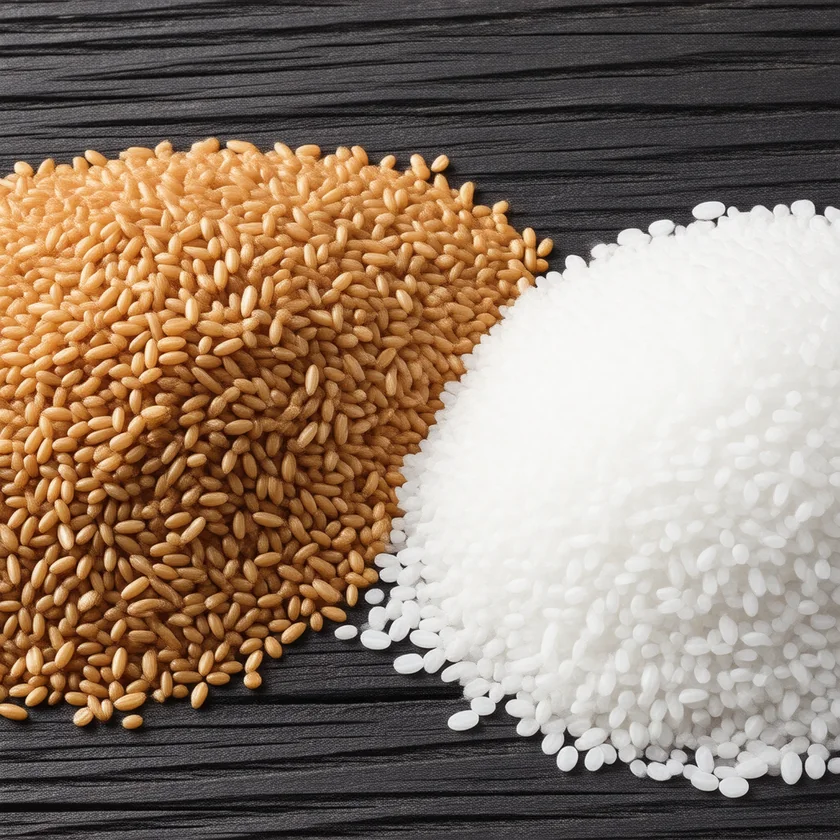
Dry beriberi (peripheral polyneuropathy) vs wet beriberi (high-output heart failure with edema) vs shoshin (acute fulminant cardiovascular collapse). Historical Asian rice-polishing epidemics and the Takaki / Eijkman discoveries. Modern presentations in chronic alcoholism, dialysis, hyperemesis gravidarum, and prolonged parenteral nutrition. The 24-48 hour cardiac response timeline. The pattern of heart failure with a normal left ventricular ejection fraction (LVEF, the share of blood the heart pumps out with each beat) plus lactic acidosis that distinguishes thiamine-deficient cardiomyopathy.
Read the deep dive →Benfotiamine for Diabetic Neuropathy
Benfotiamine is a synthetic S-acyl thiamine derivative with higher bioavailability than thiamine hydrochloride (HCl), the usual supplement form; a 2008 study found it practically insoluble in water or oil and distinct from the truly lipid-soluble thiamine disulfides. The BENDIP trial (Stracke 2008), earlier Stracke trials, and the transketolase-activation mechanism that diverts triose phosphates away from AGE-forming glucose intermediates. Why some practitioners pair benfotiamine 300 mg with alpha-lipoic acid 600 mg, with a head-to-head mechanism comparison.
Read the deep dive →Cognitive Function & Alzheimer's
The thiamine-cognition link: cerebral glucose hypometabolism on fluorodeoxyglucose positron emission tomography (FDG-PET) brain scans is a hallmark of early Alzheimer's, and impaired PDH + α-KGDH activity is downstream of thiamine deficiency. Gibson's 2020 placebo-controlled phase IIa benfotiamine trial in people with amnestic mild cognitive impairment or mild Alzheimer's disease, the literature on thiamine in mild cognitive impairment, and how alcohol-related cognitive decline differs from full Korsakoff amnesia. Why mitochondrial subpages of alpha-lipoic acid (ALA) and B1 belong on the same reading list for cognitive aging.
Read the deep dive →Table of Contents
- Deep-Dive Articles
- Why Thiamine Affects So Many Systems
- Research Papers: Wernicke-Korsakoff
- Research Papers: Beriberi & Cardiac
- Research Papers: Benfotiamine & Diabetic Neuropathy
- Research Papers: Cognition & Alzheimer's
- Research Papers: Cross-Cutting (Forms, Pharmacology, Safety)
- External Authoritative Resources
- Connections
- Featured Videos
Why Thiamine Affects So Many Systems
Thiamine pyrophosphate (TPP, the active coenzyme form of B1) is the coenzyme for several enzymes — the Linus Pauling Institute lists pyruvate dehydrogenase, α-ketoglutarate dehydrogenase, 2-oxoadipate dehydrogenase, branched-chain α-ketoacid dehydrogenase, transketolase and 2-hydroxyacyl-CoA lyase. Three of the best known sit at the entry of critical metabolic pathways:
- Pyruvate dehydrogenase (PDH) — the irreversible step that links glycolysis to the Krebs cycle. PDH converts pyruvate to acetyl-CoA, the entry molecule for aerobic energy production. When PDH activity falls (low TPP), pyruvate accumulates and is shunted to lactate — producing the lactic acidosis pattern that is one of the most specific biochemical fingerprints of thiamine deficiency.
- α-Ketoglutarate dehydrogenase (α-KGDH) — the rate-limiting enzyme of the Krebs cycle itself. α-KGDH activity falls sharply in early Alzheimer's disease and mild cognitive impairment, and the link to cerebral glucose hypometabolism on FDG-PET brain scans is now well-established.
- Transketolase — the bridging enzyme of the pentose phosphate pathway (PPP). PPP activity generates reduced nicotinamide adenine dinucleotide phosphate (NADPH) (for glutathione recycling and antioxidant defense) and ribose-5-phosphate (for DNA/RNA synthesis). High transketolase activity also diverts triose phosphates away from the methylglyoxal pathway that produces advanced glycation end-products in diabetic tissue — the rationale for benfotiamine in diabetic complications.
Tissues with the highest energy demand — brain, heart, peripheral nerves, autonomic ganglia — are first to fail when TPP runs low. That is why severe thiamine deficiency produces a stereotyped pattern: Wernicke encephalopathy (brainstem and mammillary bodies), wet beriberi (high-output heart failure), dry beriberi (length-dependent peripheral polyneuropathy), and cardiac autonomic neuropathy — all four expressions of the same biochemical lesion in tissues of differing oxidative demand.
The supplement-form question matters: thiamine HCl absorption is capped at roughly 5 mg per dose by saturable active transport in the small intestine. Lipid-soluble thiamine precursors have much higher bioavailability than plain thiamine; the truly lipid-soluble ones are the thiamine disulfide derivatives — allithiamine (first found in garlic) and the synthetic sulbutiamine and fursultiamine (thiamine tetrahydrofurfuryl disulfide, TTFD). Benfotiamine is different: a 2008 mouse and cell study found it practically insoluble in water, organic solvents or oil and proposed that it enters the body only after intestinal enzymes remove its phosphate group (Volvert 2008); the Linus Pauling Institute states that it too has higher bioavailability than thiamine. For acute Wernicke encephalopathy, guidelines call for injected thiamine: the 2010 European Federation of Neurological Societies (EFNS) guideline states that it should be given before any carbohydrate, 200 mg three times a day, preferably intravenously.
Research Papers: Wernicke-Korsakoff
- Caine criteria for Wernicke encephalopathy diagnosis — PubMed: Caine criteria
- Royal College of Physicians thiamine guidelines (Thomson 2002) — PubMed: Thomson 2002 RCP guidelines
- IV thiamine 500 mg three times a day (TID) regimen for acute Wernicke — PubMed: IV thiamine 500 mg Wernicke
- Cochrane review thiamine for Wernicke prevention in alcoholism (Day 2013) — PubMed: Cochrane Day 2013
- Wernicke-Korsakoff in bariatric surgery patients — PubMed: Wernicke-Korsakoff syndrome after bariatric surgery
- Wernicke encephalopathy in hyperemesis gravidarum — PubMed: Wernicke encephalopathy in hyperemesis
- Refeeding syndrome and thiamine prophylaxis — PubMed: refeeding thiamine
- Mammillary body atrophy on MRI in Wernicke — PubMed: mammillary MRI
- Glucose-before-thiamine precipitating Wernicke (the classic teaching) — PubMed: glucose precipitates Wernicke
- Korsakoff amnestic syndrome neuropsychology — PubMed: Korsakoff neuropsychology
Research Papers: Beriberi & Cardiac
- Eijkman / Takaki historical discovery of beriberi as a deficiency disease — PubMed: Eijkman Takaki beriberi history
- Shoshin beriberi (acute fulminant cardiac form) case series — PubMed: shoshin beriberi
- Wet beriberi high-output heart failure — PubMed: wet beriberi high-output heart failure
- Dry beriberi peripheral polyneuropathy — PubMed: dry beriberi polyneuropathy
- Thiamine in heart failure (Schoenenberger 2012) — PubMed: Schoenenberger HF trial
- Loop diuretic-induced thiamine deficiency — PubMed: loop diuretic thiamine
- Beriberi in chronic dialysis patients — PubMed: beriberi dialysis
- Parenteral nutrition without thiamine — cardiac arrest case reports — PubMed: total parenteral nutrition (TPN, intravenous feeding) thiamine deficiency cardiac
- Modern beriberi presentations in Western countries — PubMed: modern Western beriberi
Research Papers: Benfotiamine & Diabetic Neuropathy
- Stracke H, Gaus W, Achenbach U, Federlin K, Bretzel RG. Benfotiamine in diabetic polyneuropathy (BENDIP): results of a randomised, double blind, placebo-controlled clinical study. Exp Clin Endocrinol Diabetes. 2008;116(10):600-605. — 6 weeks; the neuropathy symptom score improved in the per-protocol analysis (p = 0.033) and narrowly missed significance in the intention-to-treat analysis (p = 0.055); the total symptom score did not differ. — PubMed PMID: 18473286
- Stracke H, Lindemann A, Federlin K. A benfotiamine-vitamin B combination in treatment of diabetic polyneuropathy. Exp Clin Endocrinol Diabetes. 1996;104(4):311-316. — 12-week randomized double-blind trial in 24 patients (benfotiamine plus vitamins B6 and B12), with 9-month observation of 9 patients. — PubMed PMID: 8886748
- Haupt benfotiamine pilot for diabetic neuropathy — PubMed: Haupt pilot
- Benfotiamine bioavailability vs thiamine HCl — PubMed: benfotiamine bioavailability
- Transketolase activation by benfotiamine blocks AGE formation — PubMed: benfotiamine transketolase AGE
- Hammes 2003 transketolase / Nature Medicine paper — PubMed: Hammes 2003 Nature Medicine
- Benfotiamine + ALA combination diabetic neuropathy — PubMed: benfotiamine + ALA combo
- Thiamine deficiency in type 2 diabetes (urinary loss) — PubMed: type 2 diabetes thiamine urinary loss
- Benfotiamine safety profile long-term — PubMed: benfotiamine long-term safety
Research Papers: Cognition & Alzheimer's
- Gibson GE, Luchsinger JA, Cirio R, et al. Benfotiamine and cognitive decline in Alzheimer's disease: results of a randomized placebo-controlled phase IIa clinical trial. J Alzheimers Dis. 2020;78(3):989-1010. — 12 months, 34 people on benfotiamine vs 36 on placebo, with amnestic mild cognitive impairment or mild Alzheimer's disease; the primary cognitive score (ADAS-Cog) was not significantly different (p = 0.125); worsening on the clinical dementia rating was 77% lower (p = 0.034). — PubMed PMID: 33074237
- Gibson thiamine-dependent enzymes in Alzheimer's — PubMed: Gibson thiamine-dependent enzymes in Alzheimer's brain
- α-KGDH activity in Alzheimer's post-mortem brain — PubMed: α-KGDH Alzheimer's brain
- FDG-PET cerebral glucose hypometabolism in early Alzheimer's disease — PubMed: FDG-PET Alzheimer's
- Thiamine deficiency in mild cognitive impairment — PubMed: thiamine mild cognitive impairment
- Alcohol-related cognitive impairment distinct from Korsakoff — PubMed: alcohol-related cognitive impairment
- Pan X, Chen Z, Fei G, et al. Long-term cognitive improvement after benfotiamine administration in patients with Alzheimer's disease. Neurosci Bull. 2016;32(6):591-596. — uncontrolled study of 5 people with mild-to-moderate Alzheimer's disease given benfotiamine 300 mg daily for 18 months. — PubMed PMID: 27696179
- Thiamine and amyloid-β / tau pathology — PubMed: thiamine amyloid tau
- Brain thiamine pyrophosphate decline with aging — PubMed: brain TPP aging
- Erythrocyte transketolase activity as functional thiamine marker — PubMed: red blood cell transketolase
Research Papers: Cross-Cutting (Forms, Pharmacology, Safety)
- Thiamine HCl saturable absorption ceiling at 5 mg/dose — PubMed: thiamine saturable absorption
- Volvert ML, Seyen S, Piette M, et al. Benfotiamine, a synthetic S-acyl thiamine derivative, has different mechanisms of action and a different pharmacological profile than lipid-soluble thiamine disulfide derivatives. BMC Pharmacol. 2008;8:10. — mouse and cell study; benfotiamine practically insoluble in water, organic solvents or oil, raised thiamine in blood and liver but not brain. — PubMed PMID: 18549472
- Allithiamine and thiamine tetrahydrofurfuryl disulfide (TTFD) pharmacology from garlic-derived thiamine — PubMed: allithiamine TTFD
- Sulbutiamine for fatigue and cognition — PubMed: sulbutiamine
- Anaphylaxis with IV thiamine — rare but documented — PubMed: IV thiamine anaphylaxis
- Thiaminase (raw fish, betel nut, fern) destroys dietary thiamine — PubMed: thiaminase
- Magnesium cofactor requirement for TPP synthesis — PubMed: magnesium TPP cofactor
- Lactic acidosis as biochemical fingerprint of thiamine deficiency — PubMed: lactic acidosis thiamine
- Thiamine in sepsis (Donnino 2016) — PubMed: Donnino sepsis trial
- Thiamine pharmacology review (Manzetti 2014) — PubMed: Manzetti review
- Genetic thiamine-responsive disorders (SLC19A2, SLC19A3) — PubMed: SLC19A2/A3 genetic
External Authoritative Resources
- Linus Pauling Institute — Thiamin Micronutrient Information Center — the single most authoritative scientific summary of thiamine biology and clinical evidence
- U.S. National Institutes of Health (NIH) Office of Dietary Supplements — Thiamin Fact Sheet for Health Professionals
- MedlinePlus — Thiamine
- PubMed — All research on thiamine / vitamin B1
Connections
- All Vitamins
- Vitamin B1 (Main Page)
- B1 for Wernicke-Korsakoff
- B1 for Beriberi & Cardiac
- Benfotiamine for Diabetic Neuropathy
- B1 for Cognitive Function & Alzheimer's
- Thiamine and Beriberi
- Thiamine and Brain Health
- Vitamin B2 (Riboflavin)
- Vitamin B3 (Niacin)
- Vitamin B6 (Pyridoxine)
- Vitamin B12 (Cobalamin)
- Magnesium
- Alpha Lipoic Acid
- Alpha-Lipoic Acid Benefits Hub
- Alpha-Lipoic Acid for Diabetic Neuropathy
- Peripheral Neuropathy
- Alzheimer's Disease
- Heart Failure
- Diabetes
- Diabetic Complications
- Fatigue
- Brain Fog
- Detox Protocols
- Blood Sugar
- Hemoglobin A1c
- Deficiency
- Toxicity
- History
- Sources