Snake Venom and Long COVID: Dr. Ardis on Venom Peptides in COVID-19 Patients
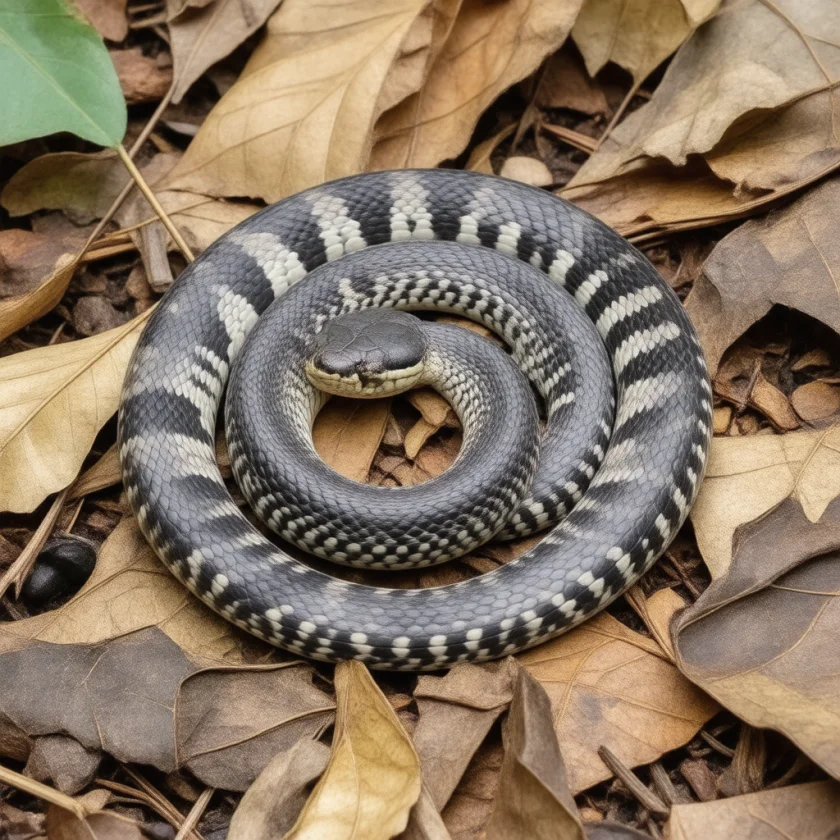
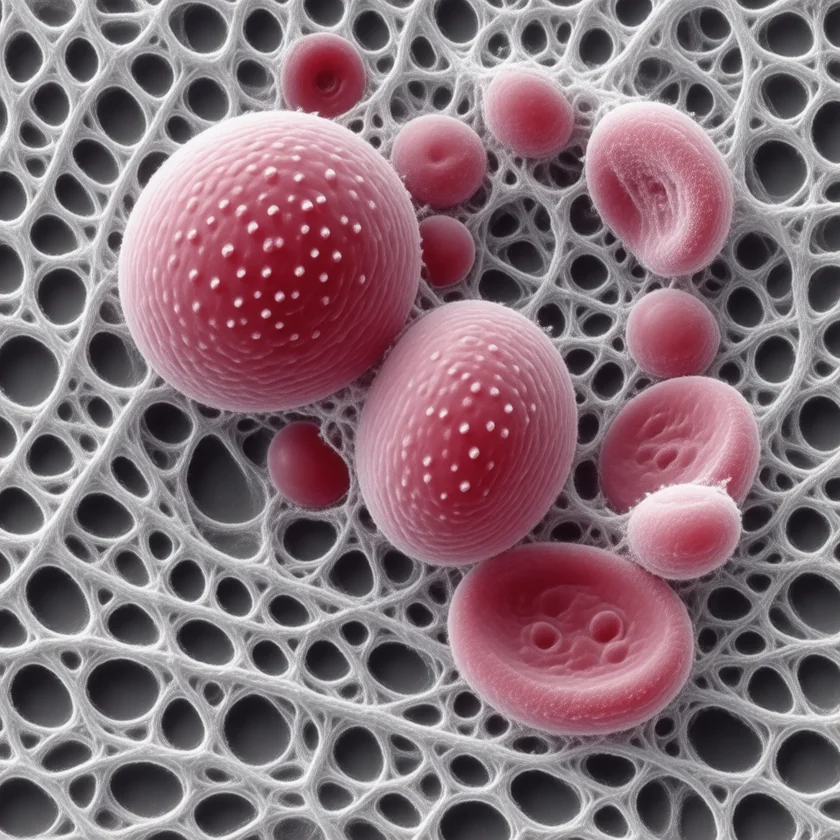
Dr. Bryan Ardis holds that the long list of conditions now grouped under the name “long COVID” matches, item for item, the published long-term effects of snakebite. He ties that to a 2021 Italian study led by Dr. Carlo Brogna, which reported fragments resembling 36 animal venom proteins — 20 from snakes, 15 from cone snails and one from the crown-of-thorns starfish — in samples from COVID-19 patients, and not in samples from healthy controls. The first protein in that study’s table comes from the Malayan krait.
This page sets out his argument first, in his order. It then documents the research behind each link: what the Brogna papers measured and how, what the krait protein is, what intensive-care doctors reported about blood thinners in COVID-19, what the 2024 long COVID definition says, and what is published on the long-term effects of snakebite. The wider venom argument is on The Snake Venom Hypothesis, the D-dimer test on D-Dimer and Snake Venom, and the 2008 and 2011 laboratory papers he cites on Snake Venom Phosphodiesterase in the Karikó–Weissman Papers.
Table of Contents
- What Dr. Ardis Says
- The Brogna Study: Toxin-Like Peptides in COVID-19 Samples
- The 36 Venom Proteins in Table 1
- Follow-Up Work From the Same Group
- The Malayan Krait and Kunitz-Type Proteins
- Blood Thinners in COVID-19 Intensive Care
- The 2024 Long COVID Definition
- Long-Term Effects of Snakebite
- Safety Notes
- Dr. Ardis’s Own Work
- Key Research Papers
- Connections
- Featured Videos
1. What Dr. Ardis Says
Dr. Ardis set this out in a 2025 podcast appearance (Culture Apothecary) and in his book Moving Beyond the COVID-19 Lies: Restoring Health and Hope for Humanity. His account runs in five steps.
Snake venom and chronic disease
Dr. Ardis states that snake venom “is published to cause miscarriages, infertility, glioblastomas, arthritis, all autoimmune diseases, schizophrenia, Parkinson’s, Alzheimer’s,” and that the government publishes that it does so. He asks why people would not be told that, in his view, there is snake venom in the COVID-19 shots, and says the reason is to sell drugs and vaccines.
The 2024 long COVID list
He states that in 2024 the government published a document listing the new diagnosable long COVID conditions that doctors can bill health insurance for — conditions, he says, written for people to have “10 to 14 years from now.” He counts about 200 symptoms in that list, and names schizophrenia, post-traumatic stress disorder (PTSD), psychosis, a pituitary gland that “just disappears,” diabetes, teeth falling out, myocarditis, glioblastoma tumours, death and infertility.
Every one is a long-term effect of snakebite
Dr. Ardis states that “every single one of those are also 100% published side effects of snake venom in people after they got bit by a snake long term.” He adds that even when a bitten person is treated with antivenom in hospital and survives, the venom stays in the body for 14 years, “wrecking havoc on their entire body,” because the human body cannot break venom down faster than that. All of those effects, in his account, are the 200 symptoms now called long COVID.
Dr. Carlo Brogna’s samples
He describes the Italian study this way: Dr. Carlo Brogna took blood, urine and faeces from acutely ill COVID-19 patients who had tested positive by polymerase chain reaction (PCR), sent them to a lab in Germany and two labs in Italy, and ran DNA analysis on all of it. Only the sick, polymerase chain reaction-positive patients, he states, had “a combined 36 different animal venoms” in their blood, urine and faeces — 20 snake venoms, and 16 venoms from 15 ocean snails and one ocean starfish, the crown-of-thorns starfish. He states that the study names them in a table, that all 36 were confirmed by DNA analysis, and that they cause all the symptoms of COVID-19 in every patient. He also refers to venoms found in COVID-19 patients in five different countries.
The krait protein and the blood thinners
The first entry in the table, Dr. Ardis notes, comes from “a Chinese snake called the Malayan krait” and is a Kunitz-type serine protease inhibitor. He explains that this means it causes rapid blood clotting that warfarin or Coumadin cannot break down — and says this is why doctors in hospitals around the world reported during COVID-19 that warfarin, Coumadin and heparin would not break down patients’ clots. He asks how the venom of an Asian snake came to be inside COVID-19 patients in Italy.
Two of his statements are not tied to a source identified here: that venom stays in the body for 14 years after antivenom treatment, and that venoms were found in COVID-19 patients in five countries. The specific study is not identified here; related published work is listed below.
2. The Brogna Study: Toxin-Like Peptides in COVID-19 Samples
The paper Dr. Ardis describes is Brogna C, Cristoni S, Petrillo M, Querci M, Piazza O and Van den Eede G, “Toxin-like peptides in plasma, urine and faecal samples from COVID-19 patients,” F1000Research 2021 (PubMed PMID: 35106136; open access, CC BY). The first three authors contributed equally. Their affiliations are Craniomed group (Montemiletto, Italy), ISB Ion Source & Biotechnologies (Bresso, Milan, Italy), the European Commission’s Joint Research Centre (Ispra, Italy, and Geel, Belgium) and the University of Salerno. Funding came from the Joint Research Centre. The version indexed in PubMed is version 2, which added text to the discussion after peer review; the tables and figures were not changed.
Who was sampled
- Plasma: 20 COVID-19 patients from different Italian cities and 10 control individuals who had tested negative for SARS-CoV-2 and did not have cancer or autoimmune disease.
- Urine: two further COVID-19 patients and two controls.
- Stool: three COVID-19 patients and three controls.
The paper states that, apart from a positive SARS-CoV-2 result, no other information about the patients — age, sex, severity of illness, time of collection, outcome — was provided to the researchers. Ethics approval came from the Comitato Etico Campania Sud.
How the samples were analysed
The method is mass spectrometry, a technique that weighs molecules very precisely and, by breaking them into pieces, reads the order of amino acids in short protein fragments (peptides). The team used a variant called LC-SACI-CIMS (liquid chromatography with surface-activated chemical ionization and cloud ion mobility), run on an Orbitrap mass spectrometer. No enzyme was used to cut the proteins, so the peptides were read as they occurred in the sample.
The peptide sequences were then matched against the UniProtKB set of reviewed animal venom proteins and toxins, mixed with non-venom proteins for statistical comparison, and checked with TBLASTN searches at the US National Center for Biotechnology Information across nucleotide, genome, metagenome, transcriptome and betacoronavirus sequence collections. The team accepted a match only above a set score (−log(e) greater than 10) and below a 5% error-rate threshold, estimated by a reverse-sequence method.
What they reported
Between 70 and 115 peptides per sample, depending on the sample, matched animal venom proteins and toxins — conotoxins, phospholipases A2, metalloproteinases, prothrombin activators and coagulation factors among them — and 86% of assignments scored above 25. These peptides were found in patient samples and in none of the control samples. The paper presents 36 of the matched proteins as examples in its Table 1; the authors write that they “report only 36 examples” from the full set.
The authors concluded that the presence of these peptides “could potentially be connected to SARS-CoV-2 infection,” and that their involvement in the extra-pulmonary symptoms of COVID-19, such as neurological ones, “cannot be excluded.” They also reported, in the discussion, peptides mapping to kappa-bungarotoxins from the Malayan krait and alpha- and kappa-bungarotoxins from the many-banded krait, toxins that an earlier computational study had compared with a stretch of the spike protein.
3. The 36 Venom Proteins in Table 1
Table 1 of the paper, “Overview of candidate proteins on which toxin-like peptides have been mapped,” is split by animal group. Counting its rows gives the figures Dr. Ardis gives: 20 snake proteins and 16 others.
- Snakes — 20 proteins. Kraits, cobras, taipans, the eastern brown snake, coral and water snakes, vipers and pit vipers, among them the Malayan krait (Bungarus candidus), banded krait, Chinese cobra, Malayan spitting cobra, king cobra, inland and coastal taipans, jararaca, ocellated saw-scaled viper and habu. The protein types are phospholipases A2, zinc metalloproteinases, venom prothrombin activators and coagulation factor V-like proteins, a short neurotoxin and an alpha-neurotoxin, bradykinin-potentiating peptides, a cysteine-rich venom protein and a metalloprotease inhibitor.
- Crown-of-thorns starfish — one protein. A phospholipase A2 from Acanthaster planci.
- Cone snails — 15 proteins. Conotoxins from ten cone-snail species: the California, cat, yellow Pacific, geography, marble, flea-bite, oak, rayed, tulip and virgin cones. One of them is itself a Kunitz-type serine protease inhibitor conotoxin (Cal9.1a, from the California cone).
The first row
The first row of Table 1 reads: UniProt Q8AY46, “Kunitz-type serine protease inhibitor homolog beta-bungarotoxin B1 chain,” 85 amino acids long, from Bungarus candidus, the Malayan krait (family Elapidae). Table 2 of the paper lists statistical scores for 31 of the matched proteins.
The method, in plain terms
Dr. Ardis refers to a DNA analysis. The paper’s laboratory method is protein-fragment (peptide) mass spectrometry; the DNA and RNA sequence databases enter at the matching step, where the peptide sequences were compared with known genes through TBLASTN. The paper names an Orbitrap instrument with the place name Bremen, Germany — the city where that line of instruments is made — and lists two Italian companies and the Joint Research Centre as the authors’ institutions.
4. Follow-Up Work From the Same Group
Peptides from gut-bacteria cultures (2022)
Brogna and colleagues followed up in Biomedicines (December 2022; PubMed PMID: 36672595), “Toxin-like Peptides from the Bacterial Cultures Derived from Gut Microbiome Infected by SARS-CoV-2 — New Data for a Possible Role in the Long COVID Pattern.” Here they grew bacteria from the gut contents of COVID-19 patients and ran further proteomics on the cultures. They report that the bacteria went on producing toxin-like peptides after the viral RNA load fell on molecular tests, and propose this as one possible source of persistent symptoms in long COVID. They note that the peptides they had found earlier are “very similar to molecules known to alter acetylcholine signaling,” and link that to the loss of smell seen in COVID-19 and in Parkinson’s and Alzheimer’s disease.
Effects on human brain-cell cultures (2022)
A Joint Research Centre team, with Brogna and Cristoni as co-authors, tested the peptides directly (Pistollato and colleagues, Reproductive Toxicology 2022; PubMed PMID: 35525527). They exposed three-dimensional clusters of human stem-cell-derived neurons and glia, grown for 2 or 8 weeks, to recombinant spike protein, to the toxin-like peptides found in COVID-19 patients, and to both together, for 72 hours at concentrations that did not kill the cells. Both spike protein and the peptides changed the activity of genes important in brain development (among them SPHK1, ELN, HEY1, UTS2 and ACE2), and spike protein reduced the cultures’ spontaneous electrical activity after two days.
5. The Malayan Krait and Kunitz-Type Proteins
The Malayan krait (Bungarus candidus) is a highly venomous elapid snake of Southeast Asia, from Thailand and Malaysia to Indonesia. Kraits are found only in Asia. A 2014 proteomic study of Malaysian specimens identified 103 proteins in B. candidus venom and 86 in banded-krait venom, in 18 protein families; both venoms held a high share of three-finger toxins, phospholipases A2 and Kunitz-type inhibitors (Rusmili and colleagues, Journal of Proteomics 2014).
What “Kunitz-type serine protease inhibitor” means
Serine proteases are protein-cutting enzymes, and many of the clotting factors in blood are serine proteases. A Kunitz-type inhibitor is a small protein, about 60 amino acids at its core, folded into a shape that can block such enzymes. The name comes from Moses Kunitz, who described the first one (from soybeans) in the 1940s. Animals use the same fold for many jobs: some Kunitz proteins block clotting enzymes, some block other proteases, and some have lost their enzyme-blocking action and bind ion channels instead.
Beta-bungarotoxin
The row-one protein is the B chain of beta-bungarotoxin. Beta-bungarotoxin is made of two linked chains: an A chain that is a phospholipase A2 enzyme, and a B chain “homologous to Kunitz protease inhibitors.” In nerve-muscle studies, the B chain binds at or near voltage-dependent potassium channels at motor nerve endings, and the A chain damages the nerve terminal membrane, which in the end blocks the release of acetylcholine (Rowan, Toxicon 2001).
Kunitz proteins and clotting in krait venom
Researchers have also isolated Kunitz-type proteins from krait venom that act on blood clotting. From the banded krait (Bungarus fasciatus), a Singapore team purified a Kunitz-type inhibitor of clotting factor XIa, named Fasxiator. In laboratory tests it prolonged the activated partial thromboplastin time (aPTT, a standard clotting-time test), and an engineered version lengthened the time to artery blockage in a mouse thrombosis model; the authors propose it as a candidate anticoagulant drug (Chen and colleagues, Journal of Thrombosis and Haemostasis 2015).
6. Blood Thinners in COVID-19 Intensive Care
During the first wave of COVID-19, intensive-care teams reported that standard doses of heparin often fell short. A Cambridge, UK study (White and colleagues, Journal of Thrombosis and Thrombolysis 2020) looked at 69 intensive-care patients with COVID-19. Fifteen received full-dose anticoagulation with unfractionated heparin or low-molecular-weight heparin, with complete data on 14. Heparin resistance — needing far more heparin than usual to reach the target effect — was documented in 8 of 10 patients on unfractionated heparin, and the peak anti-Xa level (a blood measure of heparin activity) stayed below the target in all 5 patients measured on low-molecular-weight heparin. When heparin was added to plasma from 12 of the patients in the laboratory, less of its activity was recovered than in normal pooled plasma. The authors concluded there was evidence of heparin resistance in critically ill COVID-19 patients and called for further study.
Warfarin (sold as Coumadin) works differently from heparin: it lowers the liver’s production of vitamin K-dependent clotting factors over several days, and is not used to dissolve an existing clot. The site’s D-Dimer and Snake Venom page explains warfarin, heparin and warfarin in more detail, and how snake venom affects clotting tests.
7. The 2024 Long COVID Definition
The 2024 document is most likely A Long COVID Definition: A Chronic, Systemic Disease State with Profound Consequences, a consensus report of the National Academies of Sciences, Engineering, and Medicine (NASEM), released in June 2024 (doi:10.17226/27768). It was requested and sponsored by two offices of the US Department of Health and Human Services: the Administration for Strategic Preparedness and Response and the Office of the Assistant Secretary for Health.
What it says
The report defines long COVID as an infection-associated chronic condition that follows SARS-CoV-2 infection and lasts at least 3 months, continuous, relapsing and remitting, or progressive, affecting one or more organ systems. It states that “a complete enumeration of possible signs, symptoms, and diagnosable conditions of LC would have hundreds of entries,” and that “studies estimate the prevalence of over 200 symptoms in multiple organ systems.”
Its examples of diagnosable conditions are: interstitial lung disease and low blood oxygen, cardiovascular disease and heart-rhythm disorders, cognitive impairment, mood disorders, anxiety, migraine, stroke, blood clots, chronic kidney disease, postural orthostatic tachycardia syndrome (POTS) and other forms of dysautonomia, myalgic encephalomyelitis/chronic fatigue syndrome (ME/CFS), mast cell activation syndrome, fibromyalgia, connective tissue diseases, high blood lipids, diabetes, and autoimmune disorders such as lupus, rheumatoid arthritis and Sjögren’s syndrome. The report says the list is not exhaustive, and that long COVID can be diagnosed on clinical grounds without a positive test.
Where “200 symptoms” comes from
The figure traces to an international online survey of 3,762 people with confirmed or suspected COVID-19 in 56 countries, which estimated the prevalence of 203 symptoms across 10 organ systems and followed 66 of them for seven months (Davis and colleagues, EClinicalMedicine 2021). The most frequent symptoms after six months were fatigue, post-exertional malaise and cognitive problems.
The RECOVER definition
The NIH RECOVER study took a different route: in 9,764 adults followed at 85 US sites, it compared 44 self-reported symptoms between infected and uninfected people and built a score from 12 that best separated them — post-exertional malaise, fatigue, brain fog, dizziness, gut symptoms, palpitations, changes in sexual desire or capacity, loss or change of smell or taste, thirst, chronic cough, chest pain and abnormal movements. Of 2,231 people first infected on or after December 1, 2021, 10% met the long COVID score at 6 months (Thaweethai and colleagues, JAMA 2023).
8. Long-Term Effects of Snakebite
Research on what happens to snakebite survivors months and years later is newer than research on the acute bite. Four papers frame it.
The 2019 review
Waiddyanatha and colleagues (Toxins 2019) searched the medical literature from the 1940s to 2018 for effects lasting or appearing more than six weeks after envenoming, and reviewed 51 articles. They found reports of disability from amputation, deformity, contractures and chronic ulcers after tissue-destroying bites (rarely turning cancerous); acute kidney injury progressing to chronic kidney failure after Russell’s viper bites in India and Sri Lanka; delayed hypopituitarism (a failing pituitary gland) after Russell’s viper bites; psychological effects including depressive symptoms, post-traumatic stress disorder and somatisation; and blindness. Nerve-muscle paralysis did not appear to leave long-term effects. The authors note that most studies linked an effect to a bite in hindsight, and call for long-term follow-up of snakebite cohorts.
The pituitary gland
Antonypillai and colleagues (QJM 2011) described a 49-year-old Sri Lankan man bitten by a Russell’s viper in 2005, treated with antivenom, who never felt well again and was diagnosed three years later with hypopituitarism affecting the gonadal, adrenal and thyroid hormone axes; he improved markedly on hormone replacement. Their review counted 49 published cases of hypopituitarism after Russell’s viper bite, acute and chronic, and proposed small clots and bleeding in the pituitary from the venom’s clotting enzymes as the cause. Over 85% of these patients had acute kidney injury after the bite. The site’s Hypopituitarism page covers the condition itself.
The Sri Lankan cohort: symptoms, teeth and kidneys
The Anuradhapura snakebite cohort followed 367 adults with confirmed bites, one or four years later (Waiddyanatha and colleagues, PLoS Neglected Tropical Diseases 2022). Sixteen, all bitten by vipers, had permanent musculoskeletal problems. About half of the four-year group (104 of 199) and a quarter of the one-year group (42 of 168) attributed non-specific symptoms — fatigue, body aches, pain, visual problems — or mouth symptoms, including lost or loose teeth and receding gums, to the bite. These reports were more common after systemic envenoming and became more frequent the longer the time since the bite; the authors describe them as not explainable by the known workings of snakebite.
The same cohort was checked for chronic kidney disease (Waiddyanatha and colleagues, Clinical Toxicology 2023). Among 21 patients who had acute kidney injury after the bite, none had chronic kidney disease at one or four years; the patients with low kidney function at review had kidney disease, high blood pressure or diabetes before the bite. Microalbuminuria (a small leak of protein into urine) was common, in about a quarter of each group.
How long venom remains in the body
The 14-year figure Dr. Ardis gives is not identified in the papers reviewed here. The specific study is not identified here; related published work is listed below.
Safety Notes
Dr. Ardis’s remedy for venom illness is nicotine, most often as a low-dose nicotine patch. Read these before acting on anything in his work:
- Children and pets: nicotine is poisonous to small children and to animals in amounts an adult hardly notices. Keep patches — new and used — out of reach; fold a used patch sticky-side in and throw it away safely. Call a poison centre at once if a child or pet chews or wears one.
- Who should not use nicotine: pregnancy and breastfeeding; recent heart attack, unstable angina, serious heart-rhythm problems or uncontrolled high blood pressure; and other conditions listed on the protocol page. Anyone on prescription medicines should check with a clinician first.
- Blood thinners: anyone taking warfarin, heparin or another anticoagulant should not change the dose on the strength of anything on this page.
The full list of contraindications is on the Nicotine Patch Protocol page.
Dr. Ardis’s Own Work
- His book Moving Beyond the COVID-19 Lies: Restoring Health and Hope for Humanity — see the site’s book page.
- The Dr. Bryan Ardis hub — his nicotine hypothesis and snake-venom theory, with every page in the wing.
- The Dr. Ardis Show — official site
Key Research Papers
- Brogna C, Cristoni S, Petrillo M, Querci M, et al. (2021). Toxin-like peptides in plasma, urine and faecal samples from COVID-19 patients. F1000Res. — PubMed PMID: 35106136
- Brogna C, Cristoni S, Brogna B, Bisaccia DR, et al. (2022). Toxin-like Peptides from the Bacterial Cultures Derived from Gut Microbiome Infected by SARS-CoV-2 — New Data for a Possible Role in the Long COVID Pattern. Biomedicines. — PubMed PMID: 36672595
- Pistollato F, Petrillo M, Clerbaux LA, Leoni G, et al. (2022). Effects of spike protein and toxin-like peptides found in COVID-19 patients on human 3D neuronal/glial model undergoing differentiation: Possible implications for SARS-CoV-2 impact on brain development. Reprod Toxicol. — PubMed PMID: 35525527
- Rusmili MR, Yee TT, Mustafa MR, Hodgson WC, Othman I (2014). Proteomic characterization and comparison of Malaysian Bungarus candidus and Bungarus fasciatus venoms. J Proteomics. — PubMed PMID: 25154052
- Rowan EG (2001). What does beta-bungarotoxin do at the neuromuscular junction? Toxicon. — PubMed PMID: 10936627
- Chen W, Carvalho LP, Chan MY, Kini RM, Kang TS (2015). Fasxiator, a novel factor XIa inhibitor from snake venom, and its site-specific mutagenesis to improve potency and selectivity. J Thromb Haemost. — PubMed PMID: 25418421
- White D, MacDonald S, Bull T, Hayman M, et al. (2020). Heparin resistance in COVID-19 patients in the intensive care unit. J Thromb Thrombolysis. — PubMed PMID: 32445064
- Thaweethai T, Jolley SE, Karlson EW, Levitan EB, et al.; RECOVER Consortium (2023). Development of a Definition of Postacute Sequelae of SARS-CoV-2 Infection. JAMA. — PubMed PMID: 37278994
- Davis HE, Assaf GS, McCorkell L, Wei H, et al. (2021). Characterizing long COVID in an international cohort: 7 months of symptoms and their impact. EClinicalMedicine. — PubMed PMID: 34308300
- Waiddyanatha S, Silva A, Siribaddana S, Isbister GK (2019). Long-term Effects of Snake Envenoming. Toxins (Basel). — PubMed PMID: 30935096
- Antonypillai CN, Wass JA, Warrell DA, Rajaratnam HN (2011). Hypopituitarism following envenoming by Russell’s vipers (Daboia siamensis and D. russelii) resembling Sheehan’s syndrome: first case report from Sri Lanka, a review of the literature and recommendations for endocrine management. QJM. — PubMed PMID: 21115460
- Waiddyanatha S, Silva A, Weerakoon K, Siribaddana S, Isbister GK (2022). Long-term health effects perceived by snakebite patients in rural Sri Lanka: A cohort study. PLoS Negl Trop Dis. — PubMed PMID: 36048902
- Waiddyanatha S, Silva A, Weerakoon K, Siribaddana S, Isbister GK (2023). Does snake envenoming cause chronic kidney disease? A cohort study in rural Sri Lanka. Clin Toxicol (Phila). — PubMed PMID: 36440905
PubMed Topic Searches
- PubMed: Toxin-like peptides in COVID-19
- PubMed: Long-term effects of snake envenoming
- PubMed: Kunitz-type inhibitors in krait venom
- PubMed: Heparin resistance in COVID-19
External Authoritative Resources
- National Academies (2024): A Long COVID Definition: A Chronic, Systemic Disease State with Profound Consequences (doi:10.17226/27768) — the report quoted in section 7.
- Brogna et al. 2021, full text with Tables 1 and 2 (PubMed Central) — the table described in section 3.
Connections
- Dr. Bryan Ardis Hub — the wing’s main page: his nicotine hypothesis and snake-venom theory
- The Snake Venom Hypothesis — his wider venom argument, three-finger toxins and conotoxins
- D-Dimer and Snake Venom — the clotting test, blood thinners and venom
- Snake Venom Phosphodiesterase in the Karikó–Weissman Papers — the laboratory papers in his chain
- Cobra Venom and Nicotine — the receptor venom and nicotine share
- Leitzke Post-COVID Nicotine Cases — nicotine patches in post-COVID patients
- Vaccine-Injury Recovery — his recovery protocol
- Nicotine Patch Protocol — dosing for adults and the full safety list
- Moving Beyond the COVID-19 Lies — his book
- Methylene Blue and Long COVID — another line of long COVID research
- Hypopituitarism — the pituitary failure reported after Russell’s viper bites
- aPTT Test — the clotting-time test used to monitor heparin
- D-Dimer Test — the clot-breakdown test