Noni Safety: Liver Case Reports, Potassium and Interactions

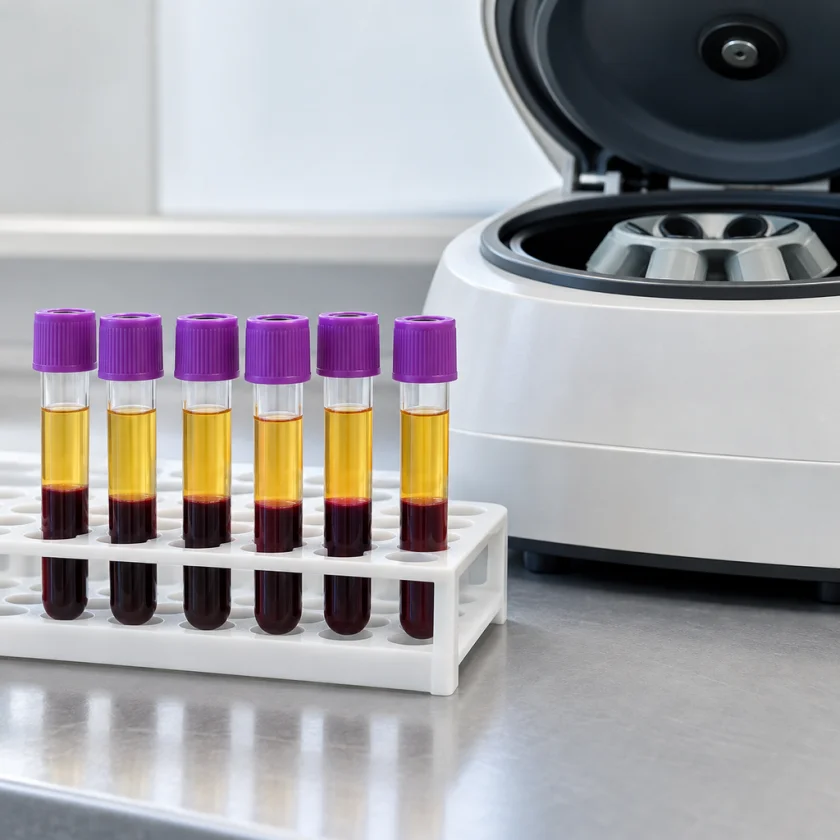
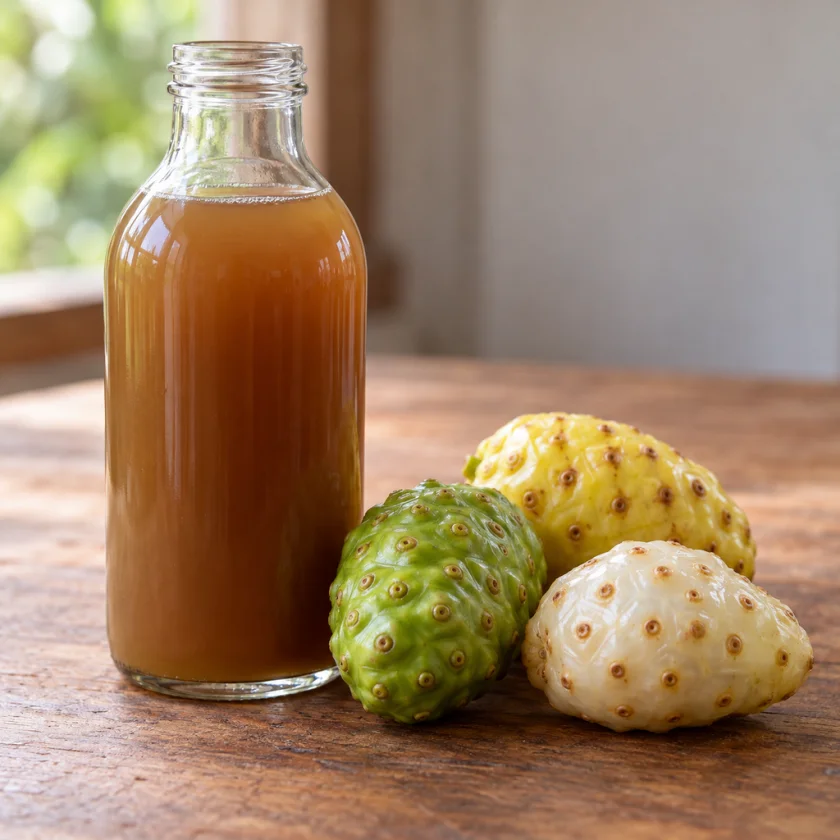
This is the most important page in this section, and it is the one most often left out entirely. Noni juice is sold as a gentle fruit product, and for most healthy adults drinking a modest daily amount that is probably a fair description. But two documented hazards have been published in mainstream medical journals, and neither appears on a bottle: a series of acute hepatitis case reports from several independent centres in Austria, Germany, Croatia and the United States, and a high potassium content that has caused hyperkalaemia in a patient with impaired kidney function.
Neither of the two easy positions is honest. "Noni destroys your liver" overstates a small number of idiosyncratic cases against a very large number of uneventful consumers. Silence about them, which is what most noni pages offer, withholds the one piece of information that could actually change an outcome. This page gives both sides of the liver argument in full, states plainly what European regulators concluded, and then sets out the potassium problem, the drug interactions, and the warning signs of liver injury.
The key safety facts in brief. The liver case reports and the potassium data raise a concern for people with any liver disease, a history of drug-induced liver injury, chronic kidney disease or dialysis, or hyperkalaemia (high blood potassium) from any cause; there is no safety data for pregnancy or breastfeeding. Noni juice samples tested in a 2000 report held 56.3 mEq/L of potassium, which adds to the potassium kept in the body by an angiotensin-converting enzyme inhibitor (ACE inhibitor), an angiotensin receptor blocker (ARB), a potassium-sparing diuretic, trimethoprim or a potassium supplement. A 2004 report linked noni with warfarin resistance, and methotrexate or any other medication that stresses the liver adds a second liver risk. Yellow eyes or skin, dark urine, pale stools, itching, right-upper-abdominal pain, or unexplained nausea and fatigue are signs of liver injury that hospitals treat as urgent; in most published cases, liver tests returned to normal after the noni was stopped.
Table of Contents
- The Published Liver Case Reports
- What the Injury Looked Like
- The Manufacturer's Rebuttal and the Animal Data
- Weighing the Two Sides
- What European Food Safety Authority Actually Concluded
- Who the Liver Reports Raise Concerns For
- Warning Signs and the Tests That Check Them
- Potassium: The Concrete Hazard
- Who Is at Risk from the Potassium
- Drug Interactions
- Pregnancy, Breastfeeding and Children
- What Is Actually in the Bottle
- Monitoring, Surgery and Sensible Limits
- Putting the Risk in Proportion
- Key Research Papers
- Connections
- Featured Videos
The Published Liver Case Reports
These reports come from mainstream hepatology and gastroenterology journals, not from advocacy publications, and from several independent centres. That independence matters: a single case from a single group is anecdote, while consistent reports from unrelated hospitals are a signal.
- Millonig, Stadlmann and Vogel, European Journal of Gastroenterology & Hepatology, 2005 — "Herbal hepatotoxicity: acute hepatitis caused by a Noni preparation (Morinda citrifolia)". The index case in the literature, from Innsbruck: a 45-year-old man on no regular medication had been drinking noni juice "for prophylactic reasons" for 3 weeks. A liver biopsy supported herbal toxicity, and his liver tests were back to normal 1 month after he stopped. PubMed PMID: 15756098.
- Stadlbauer and colleagues, World Journal of Gastroenterology, 2005 — "Hepatotoxicity of NONI juice: report of two cases", from the hepatology unit in Graz, with liver biopsy findings. The first patient, a 29-year-old man who had earlier had toxic hepatitis after small doses of paracetamol, developed sub-acute liver failure after drinking 1.5 L of noni juice over 3 weeks and needed an urgent liver transplant, which was successful. The second, a 62-year-old woman with no earlier liver disease, had a self-limited acute hepatitis after drinking 2 L over 3 months and recovered after stopping. The authors named the anthraquinones as the most likely liver-toxic components. PubMed PMID: 16094725.
- Yüce, Gülberg, Diebold and Gerbes, Digestion, 2006 — "Hepatitis induced by Noni juice from Morinda citrifolia: a rare cause of hepatotoxicity or the tip of the iceberg?", from Munich. A 24-year-old woman with multiple sclerosis had been on interferon beta-1a for 6 weeks — itself a possible cause, and withdrawn first — when she developed fulminant hepatitis with early liver failure. She had been drinking noni juice for 4 weeks "for general immune system stimulation", and her liver tests were normal within 1 month of stopping it. The question in that title has never been settled, and it is the right question. PubMed PMID: 16837801.
- A further report from the Graz group in the American Journal of Gastroenterology in 2008, titled "Herbal does not at all mean innocuous: the sixth case of hepatotoxicity associated with morinda citrifolia (noni)". PubMed PMID: 18844633.
- Cases outside Austria and Germany. Doctors in San Diego described sudden liver injury in a previously healthy 14-year-old boy after he drank noni juice (Yu and colleagues, Journal of Pediatric Gastroenterology and Nutrition, 2011; PubMed PMID: 21119544). A team in Zagreb, Croatia described a 38-year-old woman who developed liver injury while drinking noni juice during 9 months of anticonvulsant treatment with phenobarbital; the biopsy showed severe, mainly liver-cell injury. Both were stopped, she was given corticosteroids, and she had fully recovered five months later (Mrzljak and colleagues, Case Reports in Gastroenterology, 2013; PubMed PMID: 23467452).
- Additional cases have been described from other centres, and noni appears in reviews of herb-induced liver injury and in national supplement-safety reporting. PubMed topic search.
Because published case reports are how idiosyncratic drug injury is discovered in the first place, "it is only case reports" is not the dismissal it sounds like. Rare unpredictable liver injury cannot be found any other way — it is invisible to trials of the size any supplement ever receives.
What the Injury Looked Like
The clinical picture across the reported cases is broadly consistent, which is itself part of the evidence:
- Pattern: hepatocellular — that is, injury to liver cells rather than to bile flow — with markedly raised transaminases (alanine aminotransferase (ALT) and aspartate aminotransferase (AST)).
- Symptoms: jaundice, dark urine, fatigue, nausea, poor appetite, sometimes itching and right-upper-abdominal discomfort.
- Timing: weeks to a few months into regular daily consumption. Not first-dose, which is typical of idiosyncratic rather than dose-dependent toxicity.
- Course: improvement after stopping the juice in most cases, which is the expected behaviour of drug-induced liver injury.
- Rechallenge: in the published series, injury recurred in at least one patient who resumed noni.
- Severity range: from moderate biochemical hepatitis to sub-acute liver failure that needed an urgent liver transplant (the 29-year-old Graz patient, who had drunk 1.5 L over 3 weeks). Most reported patients recovered.
- Use on the skin: a 2026 case report from New York (Kim and colleagues) attributed drug-induced liver injury in a 60-year-old man to about 8 months of using a noni-containing pain cream on the skin, stopped 3 months before his jaundice began. Unlike the juice cases, the injury was cholestatic — affecting bile flow rather than liver cells. His liver tests returned to normal 6 months after he left hospital. The authors note that how much noni is absorbed through the skin has not been measured. PubMed PMID: 41805431.
- Candidate mechanism: the fruit's anthraquinones — morindone, damnacanthal, rubiadin and relatives, a compound class with recognised hepatotoxic and genotoxic members. Anthraquinones are far more concentrated in root and bark than in fruit, which is why contamination of fruit products with leaf or root material is a specific regulatory concern. PubMed topic search.
The Manufacturer's Rebuttal and the Animal Data
Fairness requires giving the other side properly, because it consists of real published data and not merely of denial.
- West, Jensen and Westendorf, World Journal of Gastroenterology, 2006 — "Noni juice is not hepatotoxic", a direct response to the case reports, arguing that the reported cases had alternative explanations and that the exposure figures make a causal link implausible. PubMed PMID: 16773722.
- West, Su and Jensen, The Journal of Toxicological Sciences, 2009 — hepatotoxicity and subchronic toxicity testing of noni fruit in animals, reporting no liver injury at high doses. PubMed PMID: 19797868.
- The exposure argument is genuinely strong on its own terms: noni juice has been consumed by very large numbers of people over three decades, and the published case count is small.
- The confounding argument is also fair: several reported patients were taking other medications or supplements, alcohol history is not always fully characterised, and commercial noni is a blend whose other components and possible contaminants are not always identified.
The authorship question. The authors of both papers were affiliated with the principal noni manufacturer, and that is disclosed in the papers. Disclosure is how science is supposed to work, and industry-funded toxicology is often the only toxicology that exists. But a manufacturer publishing a paper titled "Noni juice is not hepatotoxic" in response to independent clinicians reporting hepatitis is not a neutral referee, and a reader is entitled to weigh that. Both sets of papers are listed below, and each reads differently next to the other.
Weighing the Two Sides
Put plainly, the arguments line up like this.
Pointing toward causation:
- Multiple independent centres in different countries.
- A consistent hepatocellular pattern across cases.
- Improvement on withdrawal.
- At least one positive rechallenge in the published series.
- A plausible mechanism in a compound class known to contain hepatotoxins.
Pointing away from a simple causal story:
- A small number of cases against very large population exposure.
- Concomitant medications and supplements in several patients.
- Product heterogeneity — the "noni juice" in each case was a different blend.
- Negative animal toxicology at high doses.
The resolution that fits both sets of facts is idiosyncratic drug-induced liver injury: rare, unpredictable, not dose-proportional, dependent on individual susceptibility, and impossible to identify in advance. That is exactly the profile that produces a handful of severe cases amid millions of uneventful ones, and exactly the profile that negative animal studies cannot exclude, because the mechanism is host-dependent rather than intrinsic to the compound. Formal causality-assessment tools such as the Roussel Uclaf Causality Assessment Method (RUCAM) exist precisely for this problem. PubMed topic search.
Evidence tier: documented harm. Not proven for any individual, and not excluded by the negative animal data.
What European Food Safety Authority Actually Concluded
"EU-approved" appears constantly in noni marketing and is routinely misrepresented, so here is the accurate version.
Noni juice was assessed under the European Union's Novel Food framework and authorised for sale in 2003. After the hepatitis case reports appeared, the European Food Safety Authority was asked to look again, and its panel reviewed the reports and the available toxicological and consumption data. In substance, European Food Safety Authority (EFSA) concluded that noni juice was not expected to cause adverse liver effects in the general population at the levels of intake it assessed, while explicitly acknowledging the published case reports and the possibility that particular individuals may react idiosyncratically. Separate opinions have also addressed noni fruit purée, noni powder and noni leaves. The authorisations were generally maintained.
What that means:
- It is a food safety judgement about a specific product at specific intakes — the applicant demonstrated the food is safe under the proposed conditions of use.
- It is not a finding that noni does anything therapeutic. EU health claims go through an entirely separate and far stricter process, and noni carries no authorised disease-treatment claim.
- It is not a clearance for everyone. Safety assessments are made for the general healthy population. They do not clear a product for people with liver disease or kidney failure — the two groups this page is most concerned with.
- It does not cover every product on sale. Concentrated extracts, capsules, leaf preparations and blends may fall outside a given authorisation.
- The case reports were not retracted, and regulators did not say they were wrong. They judged that a food many people drink uneventfully should not be withdrawn because of rare idiosyncratic reactions — a defensible regulatory decision, and a different statement from "noni is safe".
The opinions themselves, rather than marketing summaries of them, are public at the European Food Safety Authority.
Who the Liver Reports Raise Concerns For
Idiosyncratic injury cannot be predicted, so the concern is greatest where an unpredictable liver risk is added to a liver that already has a problem or is already under load.
The concern applies most to people with:
- Chronic hepatitis B or hepatitis C — see Hepatitis Panel.
- Fatty liver disease, including metabolic and alcohol-related forms — see Fatty Liver Disease.
- Cirrhosis of any cause — see Liver Cirrhosis and Cirrhosis. In cirrhosis this is doubly important, because advanced liver disease also impairs potassium handling.
- Autoimmune hepatitis — see Autoimmune Hepatitis. Two reasons apply at once here: the liver signal, and the fact that noni is marketed as an immune stimulant.
- Alcohol-related liver disease, or a heavy drinking history — see Alcoholic Hepatitis.
- Any previous drug- or supplement-induced liver injury. The Graz patient who needed a liver transplant had earlier had toxic hepatitis from small doses of paracetamol.
- Unexplained abnormal liver tests that have not yet been worked up.
- A liver transplant, or assessment for one.
The same concern applies to medications that load the liver: methotrexate, isoniazid, amiodarone, regular high-dose paracetamol/acetaminophen (see Acetaminophen Overdose), some antifungals, some antiretrovirals, and statins when liver tests are already borderline. Combining a predictable liver toxin with an unpredictable one adds two possible causes of injury; the Zagreb case occurred in a woman also on long-term phenobarbital.
Warning Signs and the Tests That Check Them
These are the signs of liver injury described in the case reports and in drug-induced liver injury generally. Hospitals treat jaundice, confusion and easy bruising as urgent. In most published cases, liver tests returned to normal after the noni was stopped.
- Yellowing of the eyes or skin (jaundice) — the clearest single sign.
- Dark urine, the colour of tea or cola, particularly with pale or clay-coloured stools.
- Itching without a rash, often worst on the palms and soles.
- Pain or fullness under the right ribs.
- Nausea, loss of appetite or vomiting that is new and unexplained.
- Unexplained fatigue that is worsening — treacherous here, because fatigue is often the reason people started noni in the first place. Worsening fatigue during noni use is one of the signs of liver injury, not a sign that the dose is too low.
- Easy bruising, confusion or swelling — these suggest significant liver dysfunction, which hospitals treat as urgent.
The tests that check for it: a liver function panel (alanine aminotransferase, aspartate aminotransferase, alkaline phosphatase, bilirubin, albumin), gamma-glutamyl transferase (GGT), and clotting studies if there is jaundice. A comprehensive metabolic panel covers most of this plus potassium and kidney function in one draw.
Why the noni needs naming. Herbal and dietary supplements are a leading cause of otherwise unexplained abnormal liver tests, and the diagnosis is routinely missed because nobody asks and nobody volunteers. In the Innsbruck and Munich cases, the noni came to light only when the patient was questioned about it. The ingredient list on the bottle shows what the product contains.
Potassium: The Concrete Hazard
This risk gets less attention than the liver signal, is far easier to predict, and in the wrong person is more immediately dangerous. Severe hyperkalaemia is one of the few electrolyte problems that can kill within hours.
Noni juice is high in potassium. Mueller, Scott, Sowinski and Prag reported in the American Journal of Kidney Diseases in 2000, under the title "Noni juice (Morinda citrifolia): hidden potential for hyperkalemia?", that the noni juice samples they tested contained 56.3 mEq/L of potassium (for potassium, mEq/L and mmol/L are the same), similar to orange juice and tomato juice. They described a man with chronic kidney failure who had been treating himself with noni juice and arrived at the clinic with hyperkalaemia, although he said he was keeping to a low-potassium diet. The authors wrote that herbal remedies "may be surreptitious sources of potassium in patients with renal disease." PubMed PMID: 10676732.
Why this matters physiologically. Healthy kidneys excrete surplus potassium effortlessly, and dietary potassium is genuinely good for most people — it is actively encouraged for blood pressure. In chronic kidney disease, especially advanced stages or dialysis, the kidney cannot dump the excess. Serum potassium climbs, and above roughly 6.0–6.5 mmol/L it interferes with cardiac conduction: bradycardia, widening of the QRS complex, and ultimately cardiac arrest. Early symptoms are vague — muscle weakness, fatigue, nausea, tingling — which is precisely the problem, because they resemble the complaints the juice was bought to treat. See Potassium Toxicity, Muscle Weakness, Numbness and Tingling and Heart Palpitations and Arrhythmia.
Two aggravating details specific to noni products. First, powders and capsules concentrate potassium along with everything else, and the amount is essentially never declared. Second, potassium content is never on the front label and often absent from the nutrition panel entirely, so a renal patient counting potassium has no way to count this.
Who Is at Risk from the Potassium
The potassium in noni juice is a concern in any amount for people whose kidneys or hormones cannot clear extra potassium:
- Chronic kidney disease at any stage, most of all stages 4–5 and dialysis, when the kidneys clear the least potassium; the 2000 hyperkalaemia report was in a man with chronic kidney failure. See Kidney Disease.
- Acute kidney injury, or recovery from it — see Acute Kidney Injury.
- Known hyperkalaemia from any cause.
- Addison's disease or aldosterone deficiency, where potassium excretion is impaired hormonally.
- Type 4 renal tubular acidosis, which occurs in poorly controlled diabetes and impairs potassium excretion — see Type 2 Diabetes and Diabetic Nephropathy.
- Advanced cirrhosis, where potassium handling is also disturbed.
- A kidney transplant — graft function plus calcineurin inhibitors is a high-risk combination for potassium.
Also at risk: anyone taking a drug that raises potassium.
- Angiotensin-converting enzyme inhibitors (ACE inhibitors) — ramipril, lisinopril, enalapril, perindopril.
- Angiotensin receptor blockers (ARBs) — losartan, candesartan, valsartan, irbesartan.
- Potassium-sparing diuretics and aldosterone blockers — spironolactone, eplerenone, amiloride.
- Trimethoprim, including in co-trimoxazole.
- Nonsteroidal anti-inflammatory drugs (NSAIDs) — ibuprofen, naproxen, diclofenac. Particularly relevant because so many people take noni for pain alongside them.
- Potassium supplements and potassium-based salt substitutes.
- Heparin, ciclosporin and tacrolimus, all of which can raise potassium.
With any of these drugs, the potassium in noni juice adds to the potassium the drug keeps in the body. Potassium and kidney function are both shown by a basic metabolic panel. Practical guidance on potassium in the diet is at the National Kidney Foundation, and the underlying nutrient page here is Potassium.
Drug Interactions
Beyond the potassium and liver interactions above:
- Warfarin and other anticoagulants. Noni contains coumarins, including scopoletin, and leaf material contains vitamin K. A 2004 letter in the American Journal of Hematology (Carr, Klotz and Bergeron) reported resistance to warfarin linked to noni — warfarin working less well — which fits the vitamin K point. The international normalized ratio (INR) is the blood test that measures warfarin's effect. PubMed PMID: 15307118.
- Antihypertensives. Possible additive blood-pressure lowering, and the ACE-inhibitor and angiotensin receptor blocker potassium problem sits here too. See Hypertension.
- Antidiabetic medication. Animal work suggests glucose lowering, so additive effects are theoretically possible — while the added sugar in blended products pushes the other way. This matters most for people using insulin or a sulfonylurea.
- Immunosuppressants. Noni polysaccharides are immunomodulatory in animal models, which is a theoretical opposition to ciclosporin, tacrolimus, azathioprine or a biologic. Transplant recipients are also the group in whom liver, kidney and potassium are watched most closely.
- Diuretics generally. Loop and thiazide diuretics lower potassium, potassium-sparing ones raise it; adding an uncounted potassium load to either makes the balance harder to manage.
- Chemotherapy and radiotherapy. Beyond interaction risk, noni's hepatic signal is unwelcome alongside hepatically-metabolised cytotoxics. See Oncology.
- Lithium. Anything that alters fluid balance or kidney handling can shift lithium levels, which are measured by a blood test.
Pregnancy, Breastfeeding and Children
- Pregnancy: no safety data. Noni root and fruit carry traditional reputations as emmenagogues and abortifacients in several Pacific and Southeast Asian traditions. Whether that pharmacology is real is unknown; there is no adequate human safety data either way, and the traditional abortifacient reputation is the reason for concern. Traditional-use warning plus absent safety data.
- Breastfeeding: no data. No data on transfer into milk or infant effects.
- Children: no safety data. No paediatric safety or dosing data. Children have a smaller volume of distribution, so a potassium load and any hepatic exposure count for more, and one of the published liver cases was a previously healthy 14-year-old boy.
- Older adults deserve a specific note. Kidney function declines with age, often without symptoms and often without anyone having measured it, and older adults are more likely to be on an angiotensin-converting enzyme inhibitor, angiotensin receptor blocker, diuretic or nonsteroidal anti-inflammatory drug (NSAID). That combination — unrecognised reduced clearance plus potassium-raising drugs plus an uncounted potassium load — is the recipe for the case report.
What Is Actually in the Bottle
The formulation reality is a safety issue, not just a value-for-money one.
- Blending. Ripe noni is bitter and smells of ripe cheese, so commercial products are commonly cut with grape, apple, blueberry or pear juice and often sweetened. A bottle labelled "noni juice" may be a minority noni by volume. On the ingredient list, components are listed by weight.
- Consequence for dose. If a study used pure fermented juice and your bottle is one-fifth noni, the millilitres on the label mean something different. Claimed doses are not comparable between products.
- Consequence for sugar. Grape juice is among the highest-sugar fruit juices. A daily sweetened juice adds sugar for anyone with diabetes, prediabetes or fatty liver disease — and fatty liver disease is also one of the liver conditions in the concern list above.
- Consequence for potassium. Blending changes the potassium content in ways the label will not tell you, and the added juices are frequently high-potassium themselves.
- Product variability is documented. Potterat and colleagues, in the Journal of Agricultural and Food Chemistry in 2007, quantified constituents across noni powders and commercial products and showed how widely they differ — independent work, and the most useful consumer paper in the field. PubMed PMID: 17696360.
- Fruit, leaf and root are different products with different chemistry and different regulatory assessments. Root has the highest anthraquinone content and is a dye material, not a supplement.
- What labels can show: the actual noni percentage, whether it is fruit or leaf, standardisation to iridoids or to deacetylasperulosidic acid (DAA, one of the noni iridoids), added sugars, and whether the maker publishes testing. What labels usually do not show is the potassium.
Monitoring, Surgery and Sensible Limits
For people with none of the concerns above who drink noni, the published information comes down to these points:
- Label doses are commonly 30–60 ml daily. "Loading phase" schedules have no evidence behind them and raise both the potassium load and hepatic exposure.
- It is a food, not a medicine. It has no established therapeutic dose because it has no established indication.
- Duration matters. The reported cases clustered at weeks to months of daily use (3 weeks to 3 months in the Innsbruck, Munich and Graz reports), particularly alongside other medication; liver tests are how injury in that window is found.
- It is a potassium-containing juice (56.3 mEq/L in the samples tested in 2000), which matters for anyone counting potassium.
- Surgery: the interval commonly cited for stopping supplements before an operation is two weeks — here the reasons are the theoretical anticoagulant and blood-pressure effects, and the general principle of not confounding perioperative liver tests.
- The warning signs above are signs of liver injury; in most published cases, liver tests returned to normal after the noni was stopped.
- A medication list that includes noni lets any clinician connect it with abnormal liver or potassium results.
Common minor effects, for completeness: the smell and taste cause nausea in some people, loose stools are reported, and the juice is acidic enough to aggravate reflux.
Putting the Risk in Proportion
Overstating this would be as much of a failure as omitting it, so here is the balanced statement.
For a healthy adult with normal liver and kidney function, on no interacting medication, drinking a modest daily amount of a blended noni juice, the absolute risk of serious harm appears low. Many millions of doses have been consumed and the published case series is small. That is a real fact and it belongs here.
But the risk-benefit arithmetic is unusual for noni, and it is the centre of the question. On the benefit side, as the pain, immune and energy pages set out, there is no established indication at all — not one condition for which noni has been shown to work in adequate human trials. On the risk side there is a documented, if rare, liver signal and a fully predictable potassium hazard. On these facts the benefit is unproven, while the risk, though small, is documented.
And for two groups the arithmetic is not close. For people with liver disease or chronic kidney disease, or taking a potassium-raising drug, the documented hazards apply directly, and the fact that most people drink it uneventfully does not change that. That asymmetry — near-zero demonstrated benefit for everyone, real hazard for identifiable groups — is the whole point of this page.
Key Research Papers
Each reference links to its PubMed record by its PubMed identifier (PMID).
- Millonig G, Stadlmann S, Vogel W. Herbal hepatotoxicity: acute hepatitis caused by a Noni preparation (Morinda citrifolia). Eur J Gastroenterol Hepatol 2005;17(4):445-7. PubMed PMID: 15756098 — The index case.
- Stadlbauer V, Fickert P, Lackner C, Schmerlaib J, Krisper P, Trauner M, Stauber RE. Hepatotoxicity of NONI juice: report of two cases. World J Gastroenterol 2005;11(30):4758-60. PubMed PMID: 16094725 — With biopsy findings.
- Yuce B, Gulberg V, Diebold J, Gerbes AL. Hepatitis induced by Noni juice from Morinda citrifolia: a rare cause of hepatotoxicity or the tip of the iceberg? Digestion 2006;73(2-3):167-70. PubMed PMID: 16837801
- Stadlbauer V, Weiss S, Payer F, Stauber RE. Herbal does not at all mean innocuous: the sixth case of hepatotoxicity associated with morinda citrifolia (noni). Am J Gastroenterol 2008;103(9):2406-7. PubMed PMID: 18844633
- West BJ, Jensen CJ, Westendorf J. Noni juice is not hepatotoxic. World J Gastroenterol 2006;12(22):3616-9. PubMed PMID: 16773722 — The manufacturer-affiliated rebuttal; read alongside items 1–4.
- West BJ, Su CX, Jensen CJ. Hepatotoxicity and subchronic toxicity tests of Morinda citrifolia (noni) fruit. J Toxicol Sci 2009;34(5):581-5. PubMed PMID: 19797868 — Animal, industry-affiliated.
- Mueller BA, Scott MK, Sowinski KM, Prag KA. Noni juice (Morinda citrifolia): hidden potential for hyperkalemia? Am J Kidney Dis 2000;35(2):310-2. PubMed PMID: 10676732 — The potassium paper, and the most actionable citation on this page.
- Potterat O, Felten RV, Dalsgaard PW, Hamburger M. Identification of TLC markers and quantification by HPLC-MS of various constituents in noni fruit powder and commercial noni-derived products. J Agric Food Chem 2007;55(18):7489-94. PubMed PMID: 17696360 — Independent evidence of product variability.
- Wang MY, West BJ, Jensen CJ, Nowicki D, Su C, Palu AK, Anderson G. Morinda citrifolia (Noni): a literature review and recent advances in Noni research. Acta Pharmacol Sin 2002;23(12):1127-41. PubMed PMID: 12466051 — The field's most-cited review; manufacturer-affiliated authorship.
- Yu EL, Sivagnanam M, Ellis L, Huang JS. Acute hepatotoxicity after ingestion of Morinda citrifolia (Noni Berry) juice in a 14-year-old boy. J Pediatr Gastroenterol Nutr 2011;52(2):222-4. PubMed PMID: 21119544
- Mrzljak A, Kosuta I, Skrtic A, Kanizaj TF, Vrhovac R. Drug-induced liver injury associated with noni (Morinda citrifolia) juice and phenobarbital. Case Rep Gastroenterol 2013;7(1):19-24. PubMed PMID: 23467452
- Kim CJ, Duran Baez D, Ziyadin L, Huang SY, Reyes JV, Khan M, Brennan K. A case report: drug-induced liver injury from prolonged topical application of noni (Morinda citrifolia). J Investig Med High Impact Case Rep 2026;14:23247096261429179. PubMed PMID: 41805431
- Carr ME, Klotz J, Bergeron M. Coumadin resistance and the vitamin supplement "Noni". Am J Hematol 2004;77(1):103. PubMed PMID: 15307118 — Letter; no abstract.
PubMed Topic Searches
- PubMed: Morinda citrifolia hepatotoxicity — case reports
- PubMed: Noni juice, acute hepatitis and liver failure
- PubMed: Noni juice, potassium and renal insufficiency
- PubMed: Herb- and supplement-induced liver injury
- PubMed: Idiosyncratic liver injury, rechallenge and causality
- PubMed: Anthraquinones and hepatotoxicity
- PubMed: Drug-induced hyperkalaemia
- PubMed: Potassium restriction in kidney disease
- PubMed: Hyperkalaemia, ECG changes and emergency management
- PubMed: Herbal supplements and warfarin/INR
- PubMed: Novel-food safety assessment of noni juice
- PubMed: Traditional abortifacient herbs and pregnancy safety
External Resources
- European Food Safety Authority — the actual novel-food opinions on noni juice, purée, powder and leaves. Read these rather than summaries of them.
- LiverTox (NIH/NIDDK) — the free reference on drug- and herb-induced liver injury, and the right place to check any supplement before long-term use.
- National Kidney Foundation — potassium and diet in kidney disease.
- NIH National Center for Complementary and Integrative Health — plain-language botanical safety summaries.
- MedlinePlus — NIH consumer information on the drugs named above.
Connections
- All Herbs
- Noni (Morinda citrifolia)
- Noni Benefits Hub
- Noni for Pain and Joint Comfort
- Noni for Immune Function and Antioxidant Defence
- Fatty Liver Disease
- Liver Cirrhosis
- Cirrhosis
- Autoimmune Hepatitis
- Alcoholic Hepatitis
- Acetaminophen Overdose
- Kidney Disease
- Acute Kidney Injury
- Diabetic Nephropathy
- Potassium
- Potassium Toxicity
- Heart Palpitations and Arrhythmia
- Liver Function Tests
- Hepatitis Panel
- Basic Metabolic Panel
- Gamma-Glutamyl Transferase
- Hypertension
- Toxins
- Covered in depth on its own page: Hepatitis
Safety note and disclaimer. This article is health education, not medical advice, and it cannot substitute for assessment by a clinician who knows your history and medications. Noni has no established therapeutic indication. The case reports and potassium data raise a concern for people with liver disease, a history of drug- or supplement-induced liver injury, chronic kidney disease, acute kidney injury or hyperkalaemia; there is no safety data for pregnancy, breastfeeding or children. The potassium in noni juice adds to the effect of angiotensin-converting enzyme inhibitors, angiotensin receptor blockers, potassium-sparing diuretics, trimethoprim, potassium supplements or salt substitutes and nonsteroidal anti-inflammatory drugs; warfarin resistance has been reported with noni; and methotrexate, immunosuppressants and other liver-toxic medications add liver risk. Jaundice, dark urine, pale stools, itching, right-upper-abdominal pain, or unexplained nausea and fatigue are signs of liver injury that hospitals treat as urgent. Palpitations, severe muscle weakness or collapse can signal hyperkalaemia, which hospitals treat as an emergency.