⚠ Evidence warning: Clinical trials or other evidence do not support the claims that astragalus or cycloastragenol products reverse aging or extend human life. This page keeps it as a report of what people, websites or other media say.
Astragalus for Anti-Aging and Telomeres
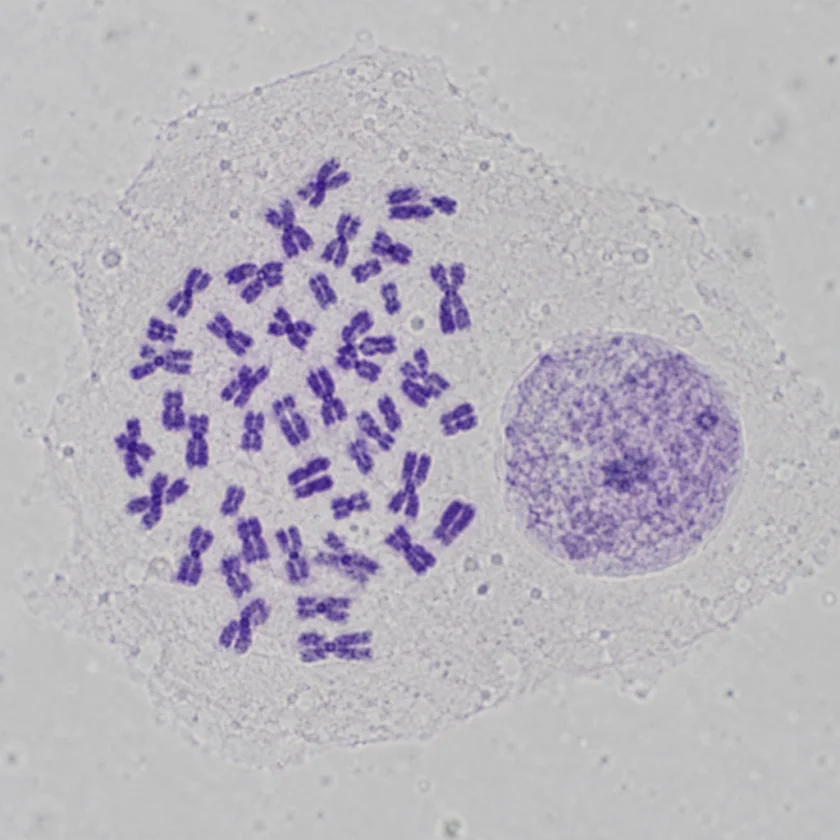


Of all the modern indications for astragalus, the telomerase-activating effect of cycloastragenol — the aglycone obtained by hydrolyzing astragaloside IV — is simultaneously the most scientifically intriguing and the most prone to commercial overstatement. The molecule has documented biological effects in cells and in mice: Bernardes de Jesus and colleagues showed in 2011 that a purified cycloastragenol preparation in the diet of adult and old mice elongated critically short telomeres without significantly increasing overall cancer incidence, and Harley's 2011 immune-aging study in older adults reported shifts in immune cell markers. But the leap from these findings to consumer claims of "reversing aging" or "adding decades of lifespan" outstrips the data. This deep-dive walks through the actual telomere biology, the specific studies that anchor the cycloastragenol story, the geroscience case for telomerase activators as a class, the appropriate skepticism toward longevity claims in the absence of multi-decade human outcome data, and the practical considerations around a purified cycloastragenol product versus whole-root astragalus and the substantial cost.
Table of Contents
- Telomere Biology — The Aging Hallmark
- Telomerase — The Reverse Transcriptase That Maintains Chromosome Ends
- Cycloastragenol — The Discovery
- The Commercial Cycloastragenol Product
- Harley 2011 — Immune Cell Markers in Older Adults
- Bernardes de Jesus 2011 — The Mouse Telomere Study
- The Critical Short Telomere Lengthening Hypothesis
- Cellular Senescence and the SASP
- The Geroscience Rationale for Telomerase Activators
- Why Lifespan Extension Claims Outrun the Evidence
- The Cancer-Safety Question
- Whole-Root Astragalus vs Purified Cycloastragenol
- Dosing Considerations for Anti-Aging Use
- Key Research Papers
- Connections
- Featured Videos
Telomere Biology — The Aging Hallmark
Telomeres are the repetitive DNA sequences (in vertebrates, the hexamer TTAGGG repeated thousands of times) that cap the ends of every linear chromosome. Their primary biological function is to prevent the cellular DNA-damage response from misidentifying the natural ends of chromosomes as DNA double-strand breaks. Without functional telomere capping, the cell would either trigger apoptosis (cell death) or attempt to fuse chromosome ends together, producing the genomic chaos that characterizes cancer.
Telomeres shorten with each cell division. This is because the DNA polymerases that copy chromosomes during cell division cannot fully replicate the lagging strand at the very end of each chromosome — the so-called "end-replication problem." Each cell division removes approximately 50-100 base pairs from each telomere. Human telomeres start at approximately 10-15 kilobase pairs at birth and progressively shorten throughout life. When a telomere shortens below a critical threshold (approximately 4-5 kilobase pairs), the cell enters a state called replicative senescence — it stops dividing, often persists for years in a dysfunctional metabolic state, and contributes to tissue dysfunction.
Telomere shortening is one of the recognized "Hallmarks of Aging" as formalized by Lopez-Otin and colleagues in 2013. Other hallmarks include genomic instability, epigenetic alteration, loss of proteostasis, deregulated nutrient sensing, mitochondrial dysfunction, cellular senescence, stem cell exhaustion, and altered intercellular communication. These hallmarks are interrelated, and interventions that address one often affect others. Telomerase activators are one class of intervention being investigated within this framework.
Population epidemiology associates shorter leukocyte telomere length with increased age-related disease risk — cardiovascular disease, dementia, type 2 diabetes, cancer (in a complex bidirectional pattern), and all-cause mortality — though the association is not as strong as some popular accounts suggest, and Mendelian-randomization studies that test causality have shown only modest effects of genetically determined telomere length on age-related disease outcomes. The relationship is real but not deterministic.
Telomerase — The Reverse Transcriptase That Maintains Chromosome Ends
Telomerase is the enzyme that solves the end-replication problem. It is a ribonucleoprotein consisting of a catalytic reverse transcriptase subunit (hTERT, the rate-limiting enzymatic component) and an RNA template subunit (hTERC, also called hTR, which serves as the template for adding TTAGGG repeats to chromosome ends).
Telomerase activity is highly regulated in human cells:
- Embryonic stem cells — high telomerase activity, maintaining indefinite proliferative capacity
- Adult tissue stem cells — moderate telomerase activity, sufficient to support physiological tissue regeneration but not unlimited proliferation
- Most adult somatic cells — very low or undetectable telomerase activity, leading to gradual telomere shortening with each division
- Activated lymphocytes — transiently upregulated telomerase during clonal expansion in response to antigen, supporting immune function
- Most cancer cells — aberrantly reactivated telomerase (in approximately 85-90% of cancers), allowing unlimited proliferation — making telomerase one of the most universal cancer hallmarks (Hanahan and Weinberg)
The 2009 Nobel Prize in Physiology or Medicine was awarded to Elizabeth Blackburn, Carol Greider, and Jack Szostak for the discovery of telomeres and telomerase. The dual nature of telomerase — necessary for tissue regeneration and immune function, but also enabling cancer cell immortalization — is the central tension in telomerase-activator pharmacology. A drug that selectively activated telomerase in tissue stem cells and immune cells without enabling cancer transformation would be enormously valuable; demonstrating that any candidate drug achieves this selectivity in long-term human use is the central challenge.
Cycloastragenol — The Discovery
Cycloastragenol is the cycloartane-type triterpenoid aglycone obtained when astragaloside IV is hydrolyzed (the sugar units are removed). It exists in trace amounts in whole astragalus root but is concentrated by enzymatic or chemical hydrolysis in the production of commercial cycloastragenol products.
The discovery of cycloastragenol's telomerase-activating effect came from a screening program at a biotechnology company in the late 1990s and early 2000s. The company screened libraries of natural products and small molecules for compounds that could selectively upregulate telomerase activity in cultured cells. The astragalus-derived compound emerged as one of the most active telomerase inducers in their screens. In a later laboratory study of T cells from six human donors, the commercial extract raised telomerase activity 1.3- to 3.3-fold relative to controls.
The mechanism appears to involve activation of the MAPK signaling pathway upstream of hTERT promoter activity, increasing transcription of the catalytic subunit. The effect is most pronounced in cells with low baseline telomerase activity — activated lymphocytes, fibroblasts, and certain tissue stem cells — and is more modest in cells already expressing telomerase robustly. This selectivity for low-baseline-telomerase cells may be relevant to the cancer-safety question discussed below.
The rights were licensed in 2002 to a startup company, which has marketed the compound as a consumer supplement since 2007. The compound has not been pursued as a U.S. Food and Drug Administration-approved pharmaceutical — the development cost would be enormous given the difficulty of designing a trial that demonstrates clinical aging benefit on a feasible timescale, and the natural-product origin makes patent protection limited.
The Commercial Cycloastragenol Product
A purified cycloastragenol product is marketed by a consumer-product company as a telomerase-activating supplement, generally in capsule form at 5-25 mg per capsule. The cost to the consumer is substantial — at the time of writing, in the range of $400-$1,000 per month for the higher-dose products, putting it among the most expensive over-the-counter supplements on the market.
Marketing in this category emphasizes the telomerase mechanism, research investment, and patient-reported quality-of-life improvements. Points raised about the category:
- Independent verification of cycloastragenol content in products of this type has been variable
- Long-term placebo-controlled outcome trials are limited. The early human evidence came from open-label program data, and small randomized placebo-controlled trials now exist: 117 people over one year measuring telomere length; 38 people with early age-related macular degeneration over one year, where a measure of macular sensitivity improved 0.97 decibels compared with placebo; and 40 people with metabolic syndrome in a crossover trial of 16 mg daily for 12 weeks, with higher high-density lipoprotein (HDL) cholesterol and smaller waist size than during placebo. Authors of the first two report funding from, employment by, or consulting for the product's maker
- The price is substantially higher than whole-root astragalus extracts, raising questions about value
- Consumer claims in this category often outstrip the actual clinical evidence base
None of these points invalidate the underlying biology — cycloastragenol does have measurable telomerase-activating effects, and modest immune and biomarker changes have been reported in people taking it. The clinical evidence base is more modest than marketing in this category implies, and the trials leave open the cost-benefit question between a purified product, whole-root astragalus and other less expensive options.
Harley 2011 — Immune Cell Markers in Older Adults
The 2011 study by Harley and colleagues is one of the pivotal human studies of this compound in older adults. The study enrolled 114 adults over 50 years of age in a commercial health maintenance program. They took the compound (10-50 mg daily) in an open-label fashion (no placebo control), together with a comprehensive dietary supplement pack and physician counseling and laboratory tests, and immune cell markers and a small number of other biomarkers were followed over 12 months. Because everything was taken together, the effects cannot be credited to the compound alone; the authors wrote that randomized trials were planned to assess its specific effects.
Reported findings:
- Reduction in the percentage of senescent CD8+ T cells (CD8+CD28- senescent cytotoxic T cells, a marker of immune aging): 1.5, 4.4, 8.6 and 7.5% at 3, 6, 9 and 12 months, not significant at 3 months
- Reduction in the percentage of natural killer cells with senescent surface marker patterns
- Most of these decreases were in cytomegalovirus-positive subjects
- Mean telomere length in white blood cells did not increase, in the subset of subjects measured
- Reduction in the percentage of short (under 4 kilobase pairs) telomeres (p = 0.037), in the same subset
- Improvements in subjective patient-reported quality of life and energy are described for the program; the study's abstract does not report them
The study has obvious methodological limitations — no placebo control, no blinding, modest sample size, financial conflicts of interest, and reliance on intermediate biomarkers rather than clinical outcomes. The findings are hypothesis-generating rather than definitive. But the directional consistency with the mouse studies discussed below, and the reasonably plausible mechanism, gives them more weight than the typical small open-label supplement study.
A later randomized double-blind placebo-controlled trial with overlapping authors (Salvador 2016) studied 117 relatively healthy cytomegalovirus-positive people aged 53-87 for one year and reported on telomere length. The low-dose group gained 530 base pairs (p = 0.005), the placebo group lost 290 base pairs (p = 0.01), and the high-dose group showed a trend that did not reach statistical significance. Accounts of this trial as showing reductions in senescent T-cell populations are not in that published report. The authors report funding from, employment by, or consulting for the maker.
Bernardes de Jesus 2011 — The Mouse Telomere Study
The Bernardes de Jesus paper, published in Aging Cell in 2011 from the laboratory of Maria Blasco at the Spanish National Cancer Research Centre (CNIO) in Madrid, is the most rigorous published animal study of this compound. It was carried out at an academic research institution with public laboratory funding; the compound was obtained from its maker, and one co-author (Harley) also led the human program study above.
The study design:
- Female mice aged 1 or 2 years were given the compound in their diet (25 mg per kg of body weight a day) for 4 months
- Telomere length was measured in blood white cells, and telomerase gene activity in several tissues including liver, kidney, lung and brain
- Health-span biomarkers including glucose tolerance, insulin sensitivity, bone mineral density, and skin condition were assessed
- Tumor burden and tumor type were monitored throughout the study
Key findings:
- Average telomere length in blood white cells was not significantly increased; telomerase gene activity rose 10-fold in the liver, and more modestly, without reaching significance, in kidney, lung and brain
- The percentage of very short telomeres (below 2, 3 and 4 kilobases) fell significantly, a clearer effect than any change in mean telomere length — consistent with the "short telomere lengthening" hypothesis discussed below
- Improved glucose tolerance in treated mice, with a tendency toward lower insulin and better insulin sensitivity scores
- Improved bone mineral density in the 2-year-old group
- Improved skin measures in the 1-year-old group (thicker fat and epidermal layers), faster hair regrowth after plucking in old mice, and better wound healing of skin cells in a dish
- No lifespan gain: the compound for 4 months "did not change statistically the mean or maximal lifespan of female mice". The authors add that longer or constant supplementation could not be ruled out as having an effect
- Critically: no significant increase in global cancer incidence compared to controls. A similar share of treated and control mice had malignant cancers at death, with a tendency to fewer sarcomas and slightly more lymphomas, and an increase in liver cancer, the organ with the 10-fold telomerase rise, that was not statistically significant. Only female mice were analysed
The cancer finding — that telomerase activation in adult mice did not significantly raise overall cancer incidence — was the most important contribution of the study. It addressed (but did not finally resolve) the central safety concern about telomerase activators as a drug class. The authors concluded that the compound was a candidate for further development as a healthspan intervention. Subsequent work from the Blasco group and others has explored more potent telomerase activators (including gene-therapy approaches with AAV-delivered hTERT) with similar findings of healthspan benefit without tumor acceleration in mice.
The translation from mouse to human is, as always, uncertain. Mouse and human telomere biology differ substantially — mouse telomeres are much longer than human telomeres, mouse cells reactivate telomerase more readily, and the species-specific cancer risk profile differs. The mouse findings support continued investigation but do not constitute proof of human benefit or safety.
The Critical Short Telomere Lengthening Hypothesis
One of the more nuanced findings emerging from the telomerase-activator literature is that the magnitude of effect on the population-mean telomere length is small, but the effect on the percentage of cells with critically short telomeres is more substantial. The proposed explanation is that telomerase preferentially lengthens the shortest telomeres in the cell — the ones most at risk of triggering senescence or chromosomal instability — rather than uniformly extending all telomeres.
This selective short-telomere lengthening is potentially the most therapeutically relevant aspect of telomerase activator pharmacology. If cellular senescence and dysfunction are driven primarily by the small fraction of cells in each tissue with critically short telomeres (the "weakest link" cells), then selectively rescuing those cells could have outsized functional impact even with minimal change in average telomere length.
The challenge is measurement. Standard telomere length measurement methods (qPCR-based mean length, terminal restriction fragment Southern blot) measure the mean telomere length across all cells in a sample, not the distribution. Methods that quantify the short-telomere subpopulation specifically (single-telomere length analysis, STELA; high-throughput Q-FISH) are more technically demanding and have only been applied in a subset of studies. The Bernardes de Jesus mouse study did include short-telomere quantification and showed reduction in the critical-short subpopulation with treatment.
Cellular Senescence and the SASP
Cellular senescence — the irreversible exit from the cell cycle that occurs when cells experience irreparable DNA damage, telomere shortening, oncogenic signaling, or other major stress — is one of the central drivers of tissue aging. Senescent cells accumulate in aged tissues across organ systems and contribute to dysfunction in part through their secretion of inflammatory cytokines, proteases, and growth factors — the senescence-associated secretory phenotype (SASP).
The SASP includes interleukin-6 (IL-6), IL-8, monocyte chemoattractant protein-1, matrix metalloproteinases, plasminogen activator inhibitor-1, and many other factors. Chronic low-grade inflammation driven by senescent cells (so-called "inflammaging") contributes to age-related diseases including atherosclerosis, type 2 diabetes, sarcopenia, osteoarthritis, and cognitive decline.
Telomerase activation has the potential to address senescence at the root by preventing the telomere-shortening-driven trigger of senescence in the first place. The relative contribution of telomere-shortening-induced senescence vs other senescence triggers (oncogenic stress, DNA damage from other sources, oxidative damage) varies by tissue and patient. The telomere-driven senescence pathway is most prominent in highly proliferative tissue populations — immune cells, hematopoietic stem cells, intestinal epithelium — which is consistent with the reported immune cell marker changes.
An alternative therapeutic approach to senescence — senolytics, drugs that selectively kill senescent cells — is an active area of research with combinations like dasatinib plus quercetin and the natural compound fisetin. The two approaches (preventing senescence by maintaining telomere length vs eliminating already-senescent cells) are complementary rather than competing strategies.
The Geroscience Rationale for Telomerase Activators
Geroscience — the field that studies aging biology as the most important risk factor for chronic disease — has proposed that interventions targeting aging biology could simultaneously prevent or delay multiple age-related diseases. The argument is that if cardiovascular disease, cancer, neurodegeneration, type 2 diabetes, sarcopenia, and frailty all share underlying biological aging mechanisms, then an intervention that slows aging biology could reduce risk of all of these simultaneously — producing a much larger combined effect than any single disease-specific intervention.
The geroscience rationale for telomerase activators specifically:
- Short telomeres are associated with multiple age-related diseases
- Telomerase activation can lengthen short telomeres and reduce senescent cell accumulation
- If telomere shortening is causal (and not just correlative) for aging dysfunction, telomerase activation would be expected to produce healthspan benefits
- The Bernardes de Jesus mouse data and other animal studies provide initial support for this hypothesis
The TAME trial (Targeting Aging with Metformin), the first major large-scale geroscience trial in humans, is testing a different drug (metformin) for a similar healthspan endpoint. If TAME succeeds and establishes the regulatory pathway for aging-as-an-indication, similar trials for telomerase activators become more tractable. Until then, telomerase activator products occupy an unusual regulatory position — sold as supplements rather than drugs, with claims constrained by U.S. Food and Drug Administration (FDA) structure-function rules rather than disease-treatment regulation.
For more on the broader oxidative-stress and aging biology context, see our Oxidative Stress page.
Why Lifespan Extension Claims Outrun the Evidence
Despite the legitimate underlying biology, consumer claims that cycloastragenol products or astragalus "reverses aging," "adds years to your life," or produces dramatic clinical anti-aging effects go beyond the evidence. The reasons:
- No human lifespan trials exist or can exist on a practical timescale. The fundamental challenge of lifespan extension research in humans is that meaningful lifespan endpoints require multi-decade follow-up. No trial of any telomerase activator or other intervention has run long enough to demonstrate actual lifespan extension in humans. The existing human evidence is on intermediate biomarkers (telomere length, senescent cell markers) and subjective quality-of-life measures, neither of which has been validated as a reliable surrogate for actual lifespan.
- Mouse-to-human translation is unreliable for aging interventions. Many interventions that extend mouse lifespan have failed to show human benefit (high-dose antioxidants, telomerase gene therapy, calorie-restriction mimetics with caveats). Mouse aging biology differs from human aging biology in many specific ways that affect translation.
- Telomere length is a weaker aging biomarker than commonly presented. Mendelian-randomization studies that test causality have shown that genetically determined telomere length has only modest effects on most age-related outcomes — smaller than the effect of well-established risk factors like low-density lipoprotein (LDL) cholesterol on cardiovascular disease, or hemoglobin A1c (HbA1c) on diabetes complications. Telomere length is one factor in aging, not a master regulator.
- Long-term safety of sustained telomerase activation in humans is unknown. The mouse studies are reassuring on cancer, but mouse cancer biology differs from human cancer biology, and the mouse studies followed animals for months to a year or two — not the decades that would be relevant to human use.
- The marketing-to-science ratio is high in the longevity-supplement space generally. Longevity claims invite the same skepticism as any product where the seller benefits from credulity.
As the evidence stands, astragalus and cycloastragenol products have plausible mechanism, modest supporting evidence in humans for intermediate biomarker effects, and a safety record limited to short-term use. Practitioners describe them as additions to a broader health strategy built on the interventions with the strongest evidence base (exercise, sleep, dietary pattern, social connection, hypertension control, smoking cessation, weight management). They are not substitutes for that broader strategy, and the reported effects are correspondingly small.
The Cancer-Safety Question
The central pharmacological concern with telomerase activators is the cancer-safety question. Approximately 85-90% of human cancers have aberrantly reactivated telomerase, and the immortalization of cancer cells through telomerase reactivation is one of the most universal hallmarks of malignancy. A drug that activates telomerase systemically could, in principle, enable or accelerate cancer transformation.
The countervailing arguments:
- Cancer cells require multiple genetic changes beyond telomerase reactivation. Activating telomerase in a normal cell does not by itself produce cancer.
- The Bernardes de Jesus mouse study showed no significant rise in overall cancer incidence, suggesting that modest pharmacologic telomerase activation in adult animals is tolerable.
- The preferential effect on critically short telomeres (rather than uniform telomere extension) may be relevant — short telomeres are associated with genomic instability that itself promotes cancer.
- Cycloastragenol's effect is modest (1.3- to 3.3-fold telomerase activity increase in human T cells in one laboratory study, though a 10-fold rise in telomerase gene activity in mouse liver) compared to the dramatic activation seen in established cancer cells.
Despite these reassurances, the safety evidence in humans is limited to relatively short-term (months to a few years) studies. Long-term effects of sustained use over decades have not been characterized. Because 85-90% of cancers reactivate telomerase and long-term human data do not exist, a personal history of cancer, particularly a cancer with high recurrence risk, is the situation the research raises the most concern for, and a strong family history of cancer is a further consideration.
Genetic studies point the same way as this concern. A 2025 Mendelian randomization study, which uses inherited gene variants to test cause and effect, found in East Asian groups that genetically longer telomeres went with a higher risk of thyroid cancer (odds ratio 2.49 per standard deviation, 95% confidence interval 1.79-3.47) and lung cancer (2.19, 1.60-3.08) in its largest Korean cohort, with similar results in a Japanese biobank. This concerns inherited telomere length, not any supplement.
Whole-Root Astragalus vs Purified Cycloastragenol
For the telomerase activation rationale specifically, the comparison is between a purified single-molecule product (at substantial cost) and whole-root astragalus preparations (at much lower cost). Cycloastragenol concentrations in whole-root astragalus are much lower than in the purified product — probably 10-100 times lower — so the direct telomerase-activating effect of whole-root preparations is correspondingly lower. Maximum telomerase activation specifically comes only from the concentrated product.
However, whole-root astragalus provides the full polysaccharide + saponin + other-constituent package, with documented benefits across immune function, cardiovascular, and renal indications, plus modest telomerase-related effects on top of those. Where health goals are broader than telomerase activation specifically — general immune resilience, cardiovascular support, renal protection, healthy aging in the general sense — practitioners describe whole-root astragalus as possibly giving more overall benefit per dollar than the purified product, even though it provides less telomerase activation specifically.
Some practitioners describe a hybrid approach within a broader health regimen: whole-root astragalus or standardized astragalus extract daily for the general benefits, with a purified cycloastragenol product added for a defined period (3-12 months) by people who want to test the telomerase activation strategy and can afford the cost. There are no documented interactions between whole-root astragalus and concentrated cycloastragenol products.
Dosing Considerations for Anti-Aging Use
- Purified cycloastragenol product — per product labeling, typically 5-25 mg daily. Higher doses are not better-validated for efficacy and may increase cost without benefit.
- Generic cycloastragenol products — multiple manufacturers offer cycloastragenol products at lower price points than the branded product. Quality control varies; third-party testing is how cycloastragenol content gets verified. Dose ranges of 25-50 mg daily are used for some generic preparations, reflecting different bioavailability profiles.
- Whole-root astragalus extract (for general healthy-aging support) — 250-500 mg of standardized extract, two to three times daily, in combination with the other healthy-aging interventions discussed below
- Sliced root decoction (traditional) — 15-30 g daily for a longevity-focused regimen, often combined with other tonifying herbs (ginseng, schisandra, reishi) in a classical tonic decoction
- Course duration — chronic use is the rule rather than the exception for anti-aging indications; benefits, if any, accumulate over months to years
- Monitoring — routine cancer screening per standard age-appropriate guidelines (no enhanced surveillance based on current evidence); standard preventive health monitoring (lipid panel, hemoglobin A1c, blood pressure, cancer screening, bone density)
The most evidence-based broader anti-aging strategy combines: regular aerobic and resistance exercise (the single highest-yield aging intervention), 7-9 hours of high-quality sleep, Mediterranean or similar minimally-processed dietary pattern with periodic time-restricted eating, social connection, ongoing intellectual engagement, blood pressure and lipid management, smoking cessation, alcohol moderation, and treatment of any underlying chronic disease. Astragalus or cycloastragenol as supplementary additions sit behind these foundational interventions, which have orders of magnitude more evidence behind them.
Key Research Papers
- Blackburn EH (2005). Telomeres and telomerase: their mechanisms of action and the effects of altering their functions. FEBS Letters. — PubMed PMID: 15680963
- Bernardes de Jesus B et al. (2011). The telomerase activator TA-65 elongates short telomeres and increases health span of adult/old mice without increasing cancer incidence. Aging Cell. — PubMed PMID: 21426483
- Harley CB, Liu W, Blasco M, Vera E, Andrews WH, Briggs LA, Raffaele JM (2011). A natural product telomerase activator as part of a health maintenance program. Rejuvenation Research. — PubMed PMID: 20822369
- Harley CB et al. (2013). A natural product telomerase activator as part of a health maintenance program: metabolic and cardiovascular response. Rejuvenation Research. — PubMed PMID: 23808324
- Fauce SR et al. (2008). Telomerase-based pharmacologic enhancement of antiviral function of human CD8+ T lymphocytes. Journal of Immunology. — PubMed PMID: 18981163
- Molgora B et al. (2013). Functional assessment of pharmacological telomerase activators in human T cells. Cells. — PubMed PMID: 24709644
- Lopez-Otin C et al. (2013). The hallmarks of aging. Cell. — PubMed PMID: 23746838
- Bernardes de Jesus B, Blasco MA (2013). Telomerase at the intersection of cancer and aging. Trends in Genetics. — PubMed PMID: 23876621
- Hanahan D, Weinberg RA (2011). Hallmarks of cancer: the next generation. Cell. — PubMed PMID: 21376230
- Codd V et al. (2013). Identification of seven loci affecting mean telomere length and their association with disease. Nature Genetics. — PubMed PMID: 23535734
- Tellechea ML, Pirola CJ (2017). The impact of hypertension on leukocyte telomere length: a systematic review and meta-analysis of human studies. Journal of Human Hypertension. — PubMed PMID: 27357526
- Salvador L, Singaravelu G, Harley CB, Flom P, Suram A, Raffaele JM (2016). A natural product telomerase activator lengthens telomeres in humans: a randomized, double blind, and placebo controlled study. Rejuvenation Research. — PubMed PMID: 26950204
- Dow CT, Harley CB (2016). Evaluation of an oral telomerase activator for early age-related macular degeneration - a pilot study. Clinical Ophthalmology. — PubMed PMID: 26869760
- Fernandez ML, Thomas MS, Lemos BS, et al. (2018). TA-65, a telomerase activator improves cardiovascular markers in patients with metabolic syndrome. Current Pharmaceutical Design. — PubMed PMID: 29546832
- Lee SH, Song DS, Kim UC, Jee SH, Lee K (2025). The causal relationship between telomere length and cancer risk: a two-sample Mendelian randomization. Cancer Epidemiology, Biomarkers & Prevention. — PubMed PMID: 40079752
PubMed Topic Searches
Connections
- All Herbs
- Astragalus Overview
- Astragalus Benefits Hub
- Astragalus for Immune Function
- Astragalus for Cardiovascular Health
- Astragalus for Kidney Disease
- Oxidative Stress
- Ashwagandha
- Rhodiola Rosea
- Ginseng
- Schisandra
- Reishi Mushroom
- Resveratrol
- Quercetin
- Vitamin D3
- Vitamin C
- Fasting
- Cancer
- Fatigue
- History