Ashwagandha for Stress and Anxiety
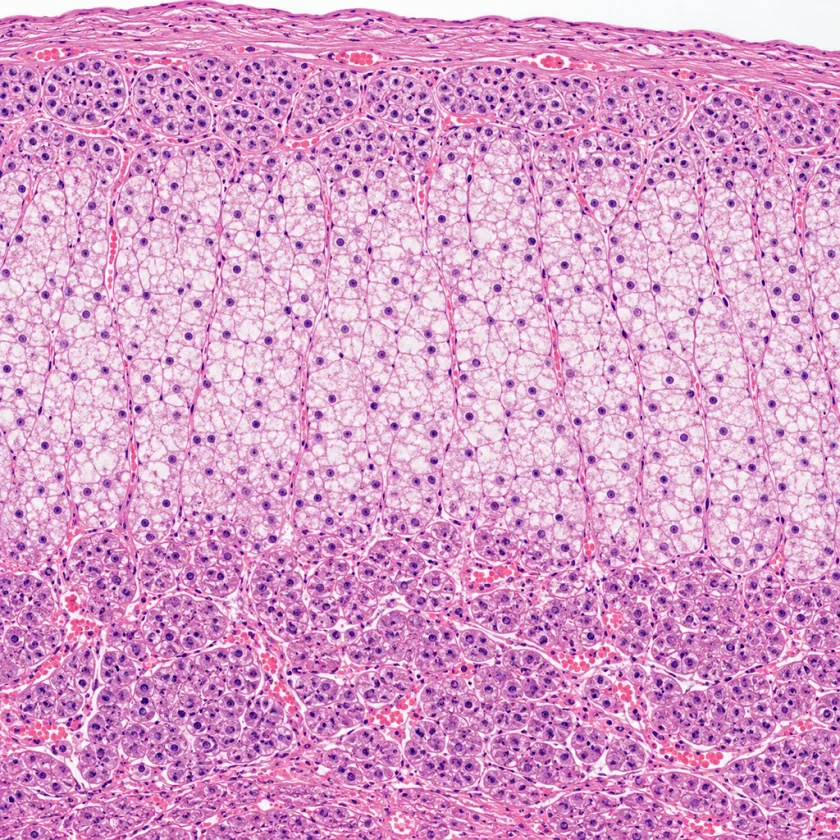
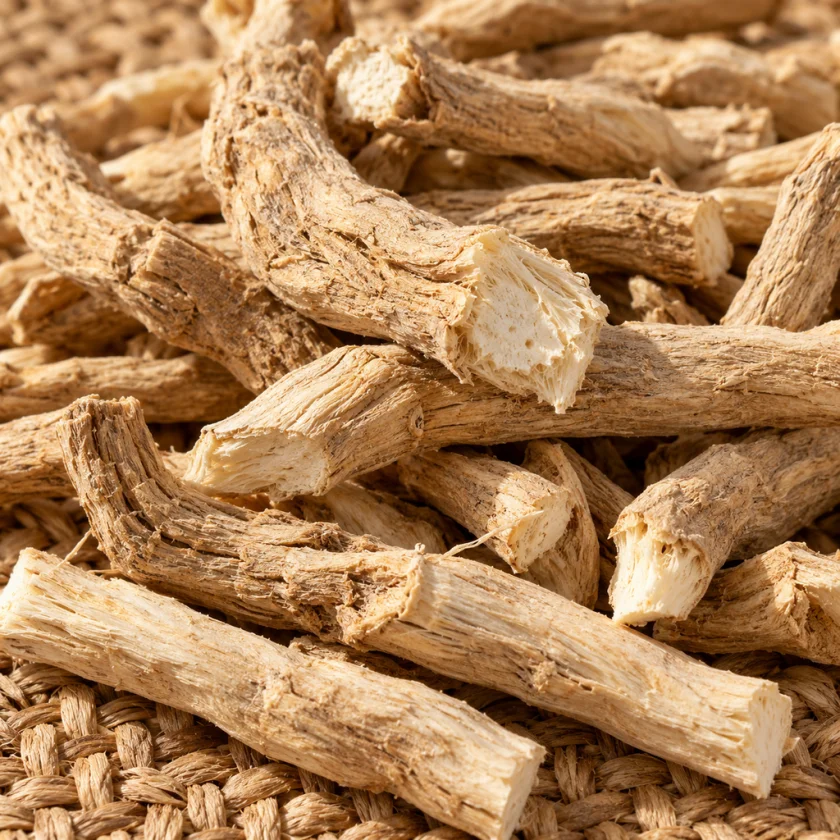
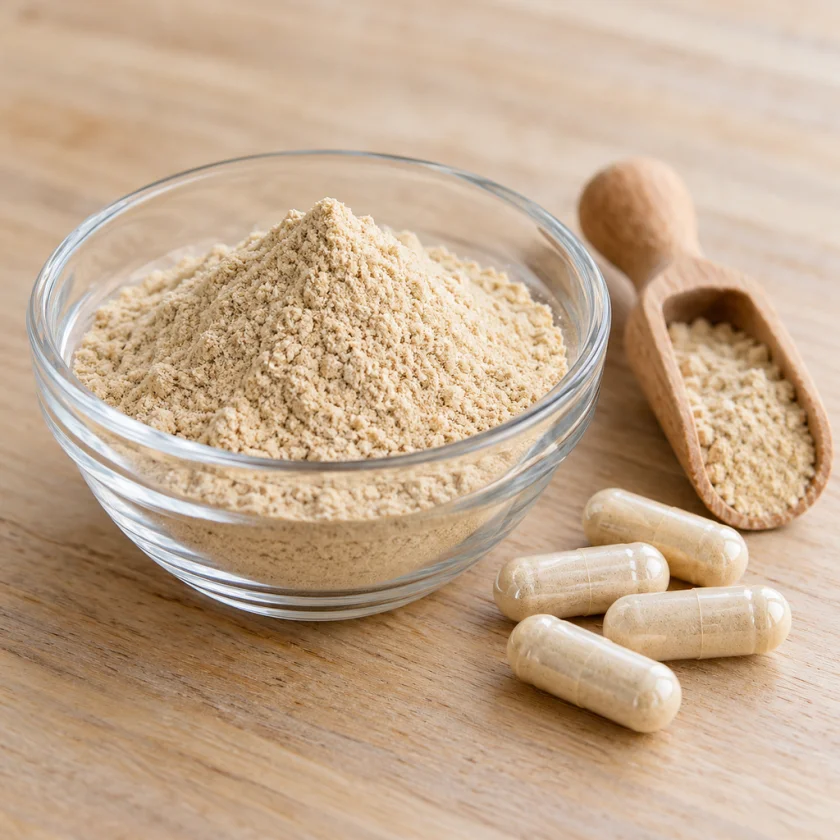
Ashwagandha is the most clinically validated adaptogen for the reduction of perceived stress and serum cortisol. The pivotal trial — Chandrasekhar 2012, double-blind, placebo-controlled, 64 adults with a history of chronic stress — documented a 27.9% reduction in morning serum cortisol with 300 mg twice daily of a standardized root extract over 60 days, against only a 7.9% reduction in placebo. Perceived Stress Scale scores fell by 44% (5.5% on placebo), the anxiety scores of the Depression Anxiety Stress Scale fell by 75.6% (placebo scores rose slightly), and side effects were mild and comparable in both groups. Later randomized trials have reported lower cortisol with both a standardized root-only extract (5% withanolides) and a standardized root-and-leaf extract (10% withanolides). The proposed mechanism is two-pronged — hypothalamic-pituitary-adrenal-axis modulation at the hypothalamic and pituitary level, and action at the gamma-aminobutyric acid-A receptor, which a root extract mimicked in a 1991 laboratory study; the Bhattacharya group at Banaras Hindu University tested the calming effect in rats. This page walks through the trial evidence, the mechanism, the comparison with conventional anxiolytics, dosing, and the safety profile.
Table of Contents
- The Chandrasekhar 2012 Root-Extract Trial
- Hypothalamic-Pituitary-Adrenal-Axis Modulation and Cortisol Reduction
- Gamma-Aminobutyric Acid-A Receptor Studies in the Laboratory and in Rats
- Root-and-Leaf Extracts
- Trials in People With Anxiety Disorders
- Comparison with Selective Serotonin Reuptake Inhibitors, Benzodiazepines, and Buspirone
- Doses Used in Trials, Extract Type, and Timing
- Onset of Effect and Duration of Treatment
- Stacking with L-Theanine, Magnesium, Rhodiola, and Holy Basil
- Cautions and Contraindications
- What Pooled Trials Show
- Key Research Papers
- Connections
- Featured Videos
The Chandrasekhar 2012 Root-Extract Trial
Chandrasekhar, Kapoor, and Anishetty published their landmark trial in the Indian Journal of Psychological Medicine in 2012 — the study that converted Ashwagandha from a traditional Ayurvedic recommendation into an evidence-based clinical option for stress reduction in the modern integrative medicine literature.
The design was a prospective, randomized, double-blind, placebo-controlled trial. Sixty-four adults aged 18-54 with a history of chronic stress (41 men and 23 women, 32 per group) were randomized to receive either 300 mg of a standardized root extract twice daily, or matched placebo, for 60 days. The active extract was standardized to contain at least 5% withanolides by high-performance liquid chromatography (HPLC), derived from the root only (no leaf material). Outcome measures included the Perceived Stress Scale (PSS), the General Health Questionnaire (GHQ-28), the Depression Anxiety Stress Scale (DASS), and morning serum cortisol.
After 60 days, results in the Ashwagandha arm versus placebo:
- Serum cortisol — reduced by 27.9% in the Ashwagandha group versus 7.9% in the placebo group (P < 0.001)
- Perceived Stress Scale — reduced by 44% versus 5.5% (P < 0.0001)
- Depression Anxiety Stress Scale — anxiety scores reduced by 75.6% versus a 4.3% rise on placebo; depression scores by 77.0% versus a 5.2% rise; stress scores by 64.2% versus 10.4% (P < 0.0001 for each)
- General Health Questionnaire — all four subscales (somatic, anxiety/insomnia, social dysfunction, severe depression) fell by 68-79% on Ashwagandha, against changes between an 11.6% fall and a 10.6% rise on placebo (P < 0.0001)
- Adverse events — mild and comparable in both groups: six on Ashwagandha (nasal congestion, constipation, cough and cold, drowsiness, decreased appetite) and five on placebo; no serious adverse events
The magnitude of the cortisol reduction is what made the trial influential. A 28% drop in serum cortisol over 60 days is comparable to what is reported with cognitive behavioral therapy for chronic stress or with sustained mindfulness practice. A 2019 trial by Salve et al. used the same type of root extract at 250 mg or 600 mg a day (600 mg is the same total daily dose Chandrasekhar used) against placebo for 8 weeks in 60 stressed adults. In the 600 mg/day group, Perceived Stress Scale scores fell from 22.95 to 14.15 (placebo 22.70 to 16.63) and serum cortisol from 16.12 to 10.86 mcg/dL (placebo 16.15 to 15.52).
Hypothalamic-Pituitary-Adrenal-Axis Modulation and Cortisol Reduction
The hypothalamic-pituitary-adrenal (HPA) axis is the primary neuroendocrine system that translates psychological stress into circulating cortisol. The cascade begins when the hypothalamic paraventricular nucleus releases corticotropin-releasing hormone (CRH) in response to perceived threat. CRH stimulates the anterior pituitary to release adrenocorticotropic hormone (ACTH), which travels through circulation to the adrenal cortex and stimulates cortisol synthesis and release. Cortisol then exerts negative feedback at the hypothalamus and pituitary, theoretically closing the loop.
The problem in chronic psychological stress is that the negative feedback becomes blunted. Cortisol receptors in the hypothalamus and hippocampus are downregulated by sustained exposure, the loop fails to close efficiently, and morning cortisol levels rise out of the normal diurnal pattern. The downstream consequences include sleep disruption, abdominal adiposity, insulin resistance, hippocampal atrophy and impaired memory consolidation, suppressed gonadal axis with reduced testosterone in men and menstrual disruption in women, and immunosuppression.
Ashwagandha withanolides act at multiple points in this cascade. Animal studies have demonstrated reduced CRH release from the hypothalamus, reduced adrenocorticotropic hormone release from the pituitary, and direct dampening of adrenal cortisol synthesis. The integrated clinical effect — the 20-30% reduction in morning serum cortisol seen consistently across trials — emerges from this multi-level modulation rather than from any single receptor antagonism.
Importantly, the effect is not blunt suppression of all cortisol output. Ashwagandha does not appear to interfere with the normal acute stress response (the cortisol spike needed to deal with immediate physical or psychological threat). What it does is restore the diurnal rhythm and lower the elevated baseline that characterizes the chronic-stress state. This is a meaningful distinction from corticosteroid-suppressing medications.
Gamma-Aminobutyric Acid-A Receptor Studies in the Laboratory and in Rats
The acute calming effect people describe within hours of a dose of Ashwagandha — before any hypothalamic-pituitary-adrenal-axis remodeling has occurred — is proposed to work through the gamma-aminobutyric acid-A receptor. The receptor evidence comes from a 1991 laboratory study by Mehta and colleagues in Maharaj Ticku's laboratory at the University of Texas Health Science Center; the behavioural evidence comes from rat studies by Sushil Kumar Bhattacharya and colleagues at Banaras Hindu University.
The gamma-aminobutyric acid-A receptor is a pentameric ion channel that, when activated by the inhibitory neurotransmitter gamma-aminobutyric acid (GABA), opens to allow chloride influx into neurons. This hyperpolarizes the cell and reduces its firing probability — the molecular basis of neural inhibition. The receptor has multiple modulatory binding sites distinct from the gamma-aminobutyric acid binding site itself: benzodiazepines bind one site, barbiturates another, ethanol and neurosteroids yet others. Each of these positive allosteric modulators amplifies gamma-aminobutyric acid's effect without directly opening the channel.
In the 1991 laboratory study, a methanol extract of the root reduced the binding of gamma-aminobutyric acid to its receptor sites, increased the binding of flunitrazepam (a marker for the benzodiazepine site), and increased chloride flow into spinal cord nerve cells even with no gamma-aminobutyric acid present — an effect blocked by the receptor blockers bicuculline and picrotoxin. The authors concluded that the extract contains an ingredient with “GABA-mimetic activity”. In a 2000 rat study, the Bhattacharya group gave glycowithanolides isolated from the root (20 and 50 mg/kg by mouth once daily for 5 days) and found an anxiety-reducing effect comparable to that of the benzodiazepine lorazepam in the elevated plus-maze, social interaction and feeding-latency tests. Neither study measured tolerance, withdrawal, motor coordination or memory.
This proposed dual mechanism — acute GABAergic anxiolysis plus longer-term hypothalamic-pituitary-adrenal-axis normalization — is how Ashwagandha's profile is usually explained. People describe a noticeable calming effect within 1-2 hours of a first dose, while the more durable improvement in baseline anxiety scores typically emerges over 4-8 weeks as cortisol patterns normalize.
Root-and-Leaf Extracts
A second widely studied type of standardized Ashwagandha extract is a full-spectrum extract derived from both roots and leaves, standardized to 10% withanolides (twice the withanolide content of the root-only extract on a per-gram basis), with the trade-off that it includes withaferin A from the leaves at meaningful concentration (the root-only extract has only trace withaferin A).
The practical difference between the two extract types is the amount used — practitioners describe 125-250 mg total daily dose of the root-and-leaf extract because of its higher withanolide concentration, against 300-600 mg total daily dose of the root-only extract. The two are described as producing comparable anxiolytic and cortisol effects on a withanolide-adjusted basis. Some practitioners describe preferring the root-and-leaf extract for acute anxiety and sleep because of its higher withaferin A content, and the root-only extract for testosterone and exercise outcomes because most published randomized controlled trial (RCT) data on those endpoints use it.
Trials in People With Anxiety Disorders
Beyond the "stressed but otherwise well" population studied in Chandrasekhar and Salve, Ashwagandha has been tested in people diagnosed with anxiety disorders, including Generalized Anxiety Disorder (GAD). The Andrade 2000 trial in Indian Journal of Psychiatry randomized 39 patients with ICD-10 anxiety disorders (generalized anxiety disorder, mixed anxiety and depression, panic disorder, and adjustment disorder with anxiety) to an ethanol extract of Ashwagandha (250 mg tablets, starting at two tablets twice a day) or placebo for 6 weeks. At 6 weeks, Hamilton Anxiety scores averaged 8.5 in the extract group (17.3 at the start) and 12.2 in the placebo group (18.6 at the start), and 88.2% versus 50% met the trial's response criteria (a Hamilton Anxiety score of 12 or below, with patient and rater both rating symptoms as mild at most).
A 2009 trial by Cooley et al. published in PLOS ONE randomized 81 employees with moderate-to-severe anxiety lasting more than 6 weeks to 12 weeks of either naturopathic care (dietary counselling, deep breathing relaxation, a standard multivitamin, and Ashwagandha root extract 300 mg twice daily standardized to 1.5% withanolides) or psychotherapy with matched deep breathing and a placebo; 75 were followed for 8 weeks or more. Beck Anxiety Inventory scores fell by 56.5% in the naturopathic care group and by 30.5% in the psychotherapy group (difference between groups p = 0.003). The trial did not isolate the Ashwagandha contribution from the other parts of the package. A 2014 systematic review by Pratte and colleagues found five human trials; all reported greater improvement than the comparison group, but “All studies exhibited unclear or high risk of bias”, and their differing designs prevented pooling them.
Integrative practitioners describe using Ashwagandha for milder anxiety symptoms that do not meet GAD criteria, pointing to its safety record in trials and the absence of the dependence or withdrawal that characterizes the benzodiazepine class. For diagnosed moderate-to-severe GAD, they describe using it alongside standard medicines and psychotherapy rather than on its own. The Anxiety page covers the broader management context.
Comparison with Selective Serotonin Reuptake Inhibitors, Benzodiazepines, and Buspirone
How does Ashwagandha compare against the conventional anxiolytic options? The honest answer is that head-to-head trials are scarce, so the comparison has to be made indirectly from separate trial literatures.
- Versus selective serotonin reuptake inhibitors (sertraline, escitalopram, paroxetine) — selective serotonin reuptake inhibitors (SSRIs) produce response rates of approximately 50-60% in GAD at 8-12 weeks, with effect sizes (Hedges g) of about 0.36-0.45. Ashwagandha trial effect sizes range from approximately 0.6 to 1.0 (larger), but the trials are smaller, shorter, and largely industry-funded, so the apparent superiority may not survive larger independent replication. The difference most often cited for Ashwagandha is the side-effect profile — no sexual dysfunction, no gastrointestinal (GI) upset, no activation/agitation in the first weeks, no discontinuation syndrome.
- Versus benzodiazepines (alprazolam, lorazepam, clonazepam) — benzodiazepines produce faster and stronger acute anxiolysis, but with tolerance, dependence, withdrawal risk, falls in the elderly, and cognitive impairment. Ashwagandha produces milder acute effect but no tolerance, no dependence, no cognitive impairment, and a far better long-term safety profile. For chronic anxiety, where these benzodiazepine risks build up over time (most uses outside acute panic or pre-procedural use), practitioners describe Ashwagandha as a substitute or add-on.
- Versus buspirone — buspirone is a 5-HT1A partial agonist with anxiolytic effect of modest magnitude, slow onset (2-4 weeks), and good safety profile. The Ashwagandha clinical profile is most similar to buspirone — slower onset than benzodiazepines, no dependence, modest-to-moderate effect size. For people who did not respond to buspirone or want a non-prescription option, practitioners describe Ashwagandha as an alternative with a comparable risk-benefit profile.
- Versus hydroxyzine — hydroxyzine is a first-generation antihistamine with anxiolytic properties, used short-term for situational anxiety. Ashwagandha lacks the sedating-antihistamine side effects (dry mouth, constipation, daytime grogginess) and is more often described for chronic daily use.
Doses Used in Trials, Extract Type, and Timing
The doses used in clinical trials and in practice depend on the extract:
- Standardized root-only extract (5% withanolides) — trials used 300-600 mg per day, divided into two doses. The Chandrasekhar trial used 300 mg twice daily (600 mg total); the Wankhede testosterone trial used 600 mg per day; the Salve stress trial used 250 or 600 mg per day. Withanolides are fat-soluble, and practitioners describe taking the extract with food to improve absorption.
- Standardized root-and-leaf extract (10% withanolides) — practitioners describe 125-500 mg per day, typically 250 mg once daily.
- Generic standardized extract (5% withanolides) — practitioners describe 600-1200 mg per day in divided doses; batch-to-batch variability is much higher than with trial-grade extracts.
- Raw root powder (traditional preparation) — traditional use is 3-6 grams per day, mixed in warm milk with a little ghee and honey (the classic kshirapaka preparation), or as a capsule. The traditional Ayurvedic dosing is higher because the raw powder contains a much lower percentage of active withanolides.
Practitioners describe timing as flexible — Ashwagandha is not strictly stimulating or sedating, and people report tolerating it morning or evening. The Chandrasekhar and Salve stress trials gave it twice daily, and practitioners describe twice-daily use (morning and evening) as giving smoother coverage than once-daily. People who notice mild drowsiness describe moving both doses later in the day, and those who notice mild alerting, earlier. The evening dose is often kept even when the main concern is daytime anxiety, on the reasoning that lower bedtime cortisol supports better sleep.
Onset of Effect and Duration of Treatment
People describe an acute effect within 1-2 hours of the first dose — a subtle calming, slight reduction in racing thoughts, mild muscle-tension reduction. The proposed GABAergic basis for it comes from the laboratory and rat studies above, and its size is described as much smaller than what a benzodiazepine produces acutely.
The clinically meaningful improvement in baseline anxiety, the cortisol reduction, and the durable change in stress reactivity emerges over 4-8 weeks. The Chandrasekhar trial measured at 60 days, the Salve trial at 56 days and the Andrade trial at 6 weeks. A week of use is well short of the 6-8 weeks of daily use these trials measured, and short of the time the main proposed mechanism (hypothalamic-pituitary-adrenal-axis remodeling) would need to operate.
Duration of treatment is open-ended — trials have run as long as 16 weeks with maintained efficacy and no loss of effect. Ayurvedic tradition uses Ashwagandha as a daily rasayana for years at a time, and there is no published evidence of tolerance, dependence, or rebound on discontinuation. Some integrative practitioners cycle Ashwagandha (8 weeks on, 2 weeks off) on general principles for any chronic supplement, but cycling has not been compared with continuous use in the trials described here.
Stacking with L-Theanine, Magnesium, Rhodiola, and Holy Basil
Integrative practitioners commonly combine Ashwagandha with other calming agents. The pairings they describe, with the amounts they commonly use:
- L-theanine (200 mg, 1-3 times daily) — the amino acid from green tea that increases alpha-wave electroencephalogram (EEG) activity and reduces anxiety without sedation. The two work through distinct mechanisms (Ashwagandha via gamma-aminobutyric acid-A and hypothalamic-pituitary-adrenal, L-theanine via N-methyl-D-aspartate (NMDA) modulation and brain-wave entrainment) and can be combined without overlap or interaction.
- Magnesium glycinate (200-400 mg elemental Mg, at bedtime) — magnesium is itself a N-methyl-D-aspartate antagonist and gamma-aminobutyric acid-A modulator, and most stressed adults are mildly magnesium-deficient. The glycine moiety in glycinate is itself a calming inhibitory neurotransmitter.
- Rhodiola rosea (200-400 mg, mornings only) — an adaptogen with a complementary profile, more activating and cognitive-supportive than Ashwagandha. Common pattern: Rhodiola in the morning for energy and mental performance under stress, Ashwagandha later in the day and at bedtime for calming and sleep. See our Rhodiola Rosea page.
- Holy basil / tulsi (300-600 mg standardized, twice daily) — another Ayurvedic adaptogen with cortisol-lowering effect and complementary mild stimulant qualities. Often paired with Ashwagandha in traditional Ayurvedic formulas. See our Holy Basil page.
- Lemon balm (300-600 mg, as needed) — for acute situational anxiety, lemon balm extract is a gamma-aminobutyric acid transaminase inhibitor with rapid onset. Pairs with the slower-building Ashwagandha effect. See our Lemon Balm page.
- Phosphatidylserine (100-300 mg) — a phospholipid that has been shown to blunt the cortisol response to acute exercise stress; sometimes combined with Ashwagandha for athletes or high-stress occupations.
Cautions and Contraindications
- Pregnancy — a long-standing concern. The World Health Organization and regulators have raised concerns about possible harm to the unborn baby (teratogenic effects) and miscarriage-causing (abortifacient) effects. A 2025 systematic review by Tallon and colleagues found that the miscarriage claims trace back to old ethnobotanical reports that were repeated without being checked against primary sources, and that animal studies showed no significant reproductive toxicity at doses relevant to people; it calls the evidence inconclusive and says better fertility and pregnancy studies are needed. For women trying to conceive, the concern raised is possible cycle disruption; the testosterone deep dive covers men trying to conceive.
- Hyperthyroidism / Graves disease — Ashwagandha mildly upregulates thyroid hormone (T4 and T3) and can worsen hyperthyroidism or precipitate thyrotoxicosis in vulnerable patients. The concern applies most to people with treated hyperthyroidism, multinodular goiter, or subclinical hyperthyroidism. The thyroid-stimulating effect is described as generally beneficial in hypothyroid and subclinical-hypothyroid patients, whose thyroid-stimulating hormone (TSH) and free T4 levels can still shift after starting Ashwagandha.
- Autoimmune disease — Ashwagandha is mildly immunomodulatory and theoretically could exacerbate Th1-dominant autoimmune conditions (lupus, rheumatoid arthritis, multiple sclerosis, Hashimoto's thyroiditis). In practice, the clinical signal for this is weak; the concern raised is flares.
- Hepatotoxicity case reports — rare case reports of cholestatic hepatitis with Ashwagandha have appeared in the literature, mostly with unidentified extracts or self-reported contaminated products. The LiverTox database lists Ashwagandha as a "rare" cause of liver injury. A 2020 case series from Iceland and the US Drug-Induced Liver Injury Network described 5 people whose liver injury was put down to ashwagandha supplements: all developed jaundice (yellowing of the skin and eyes) and symptoms such as nausea, tiredness, itching and abdominal discomfort 2-12 weeks after starting; itching and raised bilirubin lasted 5-20 weeks; none developed liver failure, and liver tests returned to normal within 1-5 months in the four who were followed. Chemical analysis confirmed ashwagandha in the supplements available for testing, with no other toxic compounds found. Jaundice and abdominal pain are signs of liver injury that hospitals treat as urgent.
- Sedative interaction — the GABAergic mechanism creates a theoretical additive risk with benzodiazepines, alcohol, opioids, and other central nervous system (CNS) depressants. Clinically the additive effect is described as mild but real in people taking them together.
- Thyroid medication interaction — in people on levothyroxine, practitioners describe re-checking thyroid-stimulating hormone 6-8 weeks after starting Ashwagandha, and report that some need a lower levothyroxine dose as the body's own thyroid output increases.
- Immunosuppressant interaction — theoretical antagonism with cyclosporine, tacrolimus, mycophenolate, and biologics for autoimmune disease. The concern is greatest for transplant recipients, who depend on these medicines to prevent rejection.
- Nightshade family / allergy — Ashwagandha is a Solanaceae plant (related to tomato, potato, eggplant, pepper). True nightshade allergy is rare; the Chandrasekhar trial report states that people allergic to plants of the Solanaceae family are contraindicated for the herb.
What Pooled Trials Show
A 2024 systematic review and meta-analysis by Arumugam and colleagues pooled 9 randomized controlled trials with 558 people. Compared with placebo, Ashwagandha lowered Perceived Stress Scale scores by an average of 4.72 points, Hamilton Anxiety Scale scores by 2.19 points, and serum cortisol by 2.58 (in the units the trials used). Four of the included trials reported mild to moderate side effects. The authors describe the side effects as limited, and write that more information is needed on safety with long-term use.
Key Research Papers
- Chandrasekhar K, Kapoor J, Anishetty S (2012). A prospective, randomized double-blind, placebo-controlled study of safety and efficacy of a high-concentration full-spectrum extract of ashwagandha root in reducing stress and anxiety in adults. Indian Journal of Psychological Medicine. 2012;34(3):255-62. PubMed PMID: 23439798
- Salve J, Pate S, Debnath K, Langade D (2019). Adaptogenic and anxiolytic effects of ashwagandha root extract in healthy adults: a double-blind, randomized, placebo-controlled clinical study. Cureus. 2019;11(12):e6466. PubMed PMID: 32021735
- Andrade C, Aswath A, Chaturvedi SK, Srinivasa M, Raguram R (2000). A double-blind, placebo-controlled evaluation of the anxiolytic efficacy of an ethanolic extract of Withania somnifera. Indian Journal of Psychiatry. 2000;42(3):295-301. PubMed PMID: 21407960
- Bhattacharya SK, Bhattacharya A, Sairam K, Ghosal S (2000). Anxiolytic-antidepressant activity of Withania somnifera glycowithanolides: an experimental study. Phytomedicine. 2000;7(6):463-9. PubMed PMID: 11194174
- Lopresti AL, Smith SJ, Malvi H, Kodgule R (2019). An investigation into the stress-relieving and pharmacological actions of an ashwagandha extract: a randomized, double-blind, placebo-controlled study. Medicine (Baltimore). 2019;98(37):e17186. PubMed PMID: 31517876
- Cooley K, Szczurko O, Perri D, Mills EJ, Bernhardt B, Zhou Q, Seely D (2009). Naturopathic care for anxiety: a randomized controlled trial ISRCTN78958974. PLOS ONE. 2009;4(8):e6628. PubMed PMID: 19718255
- Pratte MA, Nanavati KB, Young V, Morley CP (2014). An alternative treatment for anxiety: a systematic review of human trial results reported for the Ayurvedic herb ashwagandha. Journal of Alternative and Complementary Medicine. 2014;20(12):901-8. PubMed PMID: 25405876
- Speers AB, Cabey KA, Soumyanath A, Wright KM (2021). Effects of Withania somnifera (ashwagandha) on stress and the stress-related neuropsychiatric disorders anxiety, depression, and insomnia. Current Neuropharmacology. 2021;19(9):1468-1495. PubMed PMID: 34254920
- Mehta AK, Binkley P, Gandhi SS, Ticku MK (1991). Pharmacological effects of Withania somnifera root extract on GABA-A receptor complex. Indian Journal of Medical Research. 1991;94:312-5. PubMed PMID: 1660034
- Bonilla DA, Moreno Y, Gho C, Petro JL, Odriozola-Martínez A, Kreider RB (2021). Effects of ashwagandha (Withania somnifera) on physical performance: systematic review and bayesian meta-analysis. Journal of Functional Morphology and Kinesiology. 2021;6(1):20. PubMed PMID: 33670194
- Arumugam V, Vijayakumar V, Balakrishnan A, B Bhandari R, Boopalan D, Ponnurangam R, Sankaralingam Thirupathy V, Kuppusamy M (2024). Effects of Ashwagandha (Withania somnifera) on stress and anxiety: a systematic review and meta-analysis. Explore (NY). 2024;20(6):103062. PubMed PMID: 39348746
- Björnsson HK, Björnsson ES, Avula B, Khan IA, Jonasson JG, Ghabril M, Hayashi PH, Navarro V (2020). Ashwagandha-induced liver injury: a case series from Iceland and the US Drug-Induced Liver Injury Network. Liver International. 2020;40(4):825-829. PubMed PMID: 31991029
- Tallon MJ, Koturbash I, Blum JL (2025). A systematic and ethnobotanical review of ashwagandha's (Withania somnifera) teratogenic and abortifacient potentials. Phytotherapy Research. 2026;40(8):4737-4758. PubMed PMID: 40887707
PubMed Topic Searches
- PubMed: Ashwagandha cortisol RCTs
- PubMed: Withania anxiety/stress
- PubMed: Withanolide GABA mechanism
- PubMed: Ashwagandha root-extract trials
- PubMed: Root-and-leaf extract stress trials
- PubMed: Ashwagandha HPA-axis
- PubMed: Ashwagandha and GAD
- PubMed: Ashwagandha chronic stress
- PubMed: Ashwagandha and depression
- PubMed: Ashwagandha safety
- PubMed: Ashwagandha hepatotoxicity
- PubMed: Ashwagandha and thyroid
Connections
- All Herbs
- Ashwagandha Overview
- Ashwagandha Benefits Hub
- Ashwagandha for Sleep Quality
- Ashwagandha for Cognitive Function
- Ashwagandha for Testosterone
- Anxiety
- Depression
- Post-Traumatic Stress Disorder
- Insomnia
- Stress Management
- Natural Anxiety Relief
- Rhodiola Rosea
- Holy Basil (Tulsi)
- Lemon Balm
- Bacopa Monnieri
- History