Fasciola (Liver Fluke)
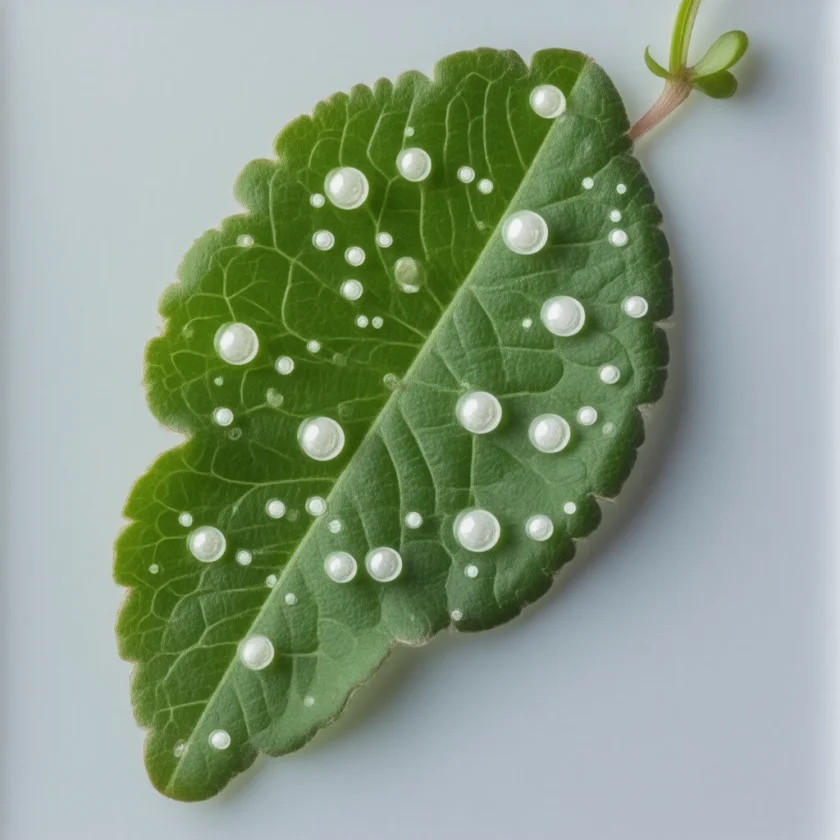
Fasciola is a flatworm — a leaf-shaped fluke — that lives inside the liver and bile ducts. It is, first and foremost, a disease of grazing animals: sheep and cattle around the world carry it, which is why it is often simply called the liver fluke. But the same parasite readily infects people, and when it does it causes an illness called fascioliasis. Two closely related species are responsible — Fasciola hepatica, the common liver fluke of cooler climates, and Fasciola gigantica, its larger cousin in tropical regions. The most surprising thing about this parasite is how people catch it: not from eating meat or liver, but from eating raw water plants such as wild watercress, or from drinking untreated water, where the microscopic infective stage lies waiting. This page explains what Fasciola is, the roundabout life cycle it needs a freshwater snail to complete, how it reaches the human liver, the two very different phases of illness it causes, and why one specific drug — and not the usual worm medicine — is the treatment that works. The World Health Organization lists fascioliasis among the neglected tropical diseases, a reminder that it quietly affects millions of people in poorer, farming regions.
Table of Contents
1. What Is Fasciola?
Fasciola is a trematode, or fluke — a type of parasitic flatworm. An adult is a soft, flat, leaf-shaped creature you could see with the naked eye: Fasciola hepatica grows to roughly two to three centimeters long, about the size of a small coin, while Fasciola gigantica can reach several centimeters more. Unlike a roundworm, which is round in cross-section, a fluke is flattened like a petal or a tongue, and it is a hermaphrodite, carrying both male and female organs in the same body.
What defines Fasciola is where it chooses to live. Once mature, the adult flukes settle in the bile ducts — the narrow channels that drain bile out of the liver — where they feed and lay eggs. This makes fascioliasis fundamentally a disease of the liver and biliary system, not the gut lining. The two species behave almost identically; F. hepatica dominates in temperate zones (Europe, the Americas, highland regions), and F. gigantica in warmer parts of Africa and Asia, with overlap in between.
It is worth being clear about the natural order of things. Fascioliasis is, at heart, a disease of livestock. Sheep and cattle are the classic hosts, and the flukes cause real economic losses to farmers through liver damage and reduced production. Humans are essentially caught up in a farm-animal parasite's life cycle — we become infected when we happen to eat the same contaminated plants the animals graze on. Because it thrives in poor rural and farming communities and receives relatively little attention, the World Health Organization counts fascioliasis among the world's neglected tropical diseases.
2. The Parasite and Its Life Cycle
Fasciola cannot get from one liver to the next on its own. It has one of the more elaborate life cycles in medicine, and the key to understanding the whole disease is a single, non-negotiable middleman: a freshwater snail. Without the right snail, the parasite simply cannot complete its journey, which is why fascioliasis is tied so tightly to wet, marshy, snail-friendly land.
The cycle turns like this:
- Eggs leave the body. Adult flukes in the bile ducts of an infected sheep, cow, or person lay eggs. The eggs travel with bile into the gut and are passed out in the feces.
- Eggs hatch in water. If the eggs land in fresh water, they develop and release a tiny swimming larva called a miracidium.
- The snail stage. The miracidium must find and burrow into a particular kind of freshwater snail (small mud snails of the family Lymnaeidae). Inside the snail, it multiplies through several developmental stages, so that one larva becomes many.
- Larvae leave the snail. The snail eventually releases free-swimming larvae called cercariae.
- They encyst on plants. The cercariae swim to nearby aquatic vegetation, attach to the leaves and stems, and coat themselves in a tough protective shell, becoming metacercariae. This is the infective stage — a microscopic cyst clinging to a water plant, waiting to be eaten. Metacercariae are hardy and can survive for weeks or months on damp vegetation.
- The cycle closes. A grazing animal — or a person — eats the plant, swallows the metacercariae, and a new infection begins.
Once swallowed, the metacercariae hatch in the small intestine, and the young flukes do something remarkable and destructive: they bore straight through the intestinal wall, cross the abdominal cavity, and tunnel into the liver. For several weeks they migrate through the liver tissue itself, eating and growing, before finally arriving in the bile ducts and settling down to become egg-laying adults. That migration is what causes the dramatic early illness described below.
3. How Infection Happens
Here is the single most important — and most counterintuitive — fact about fascioliasis: you do not catch it from eating meat. Undercooked beef, lamb, or even animal liver will not give you a Fasciola infection. The parasite does not wait in muscle or in the meat you buy. Instead, it waits on plants.
People become infected by eating raw or undercooked freshwater plants that carry the encysted metacercariae. The classic culprit, named again and again in the medical literature, is wild watercress — the peppery green that grows in slow streams and ditches, often in the very fields where sheep and cattle graze and defecate. Other implicated foods include water lettuce, wild mint, dandelion greens gathered near water, and raw vegetables or salads washed or grown in contaminated water. A second route is simply drinking untreated water that contains free-floating metacercariae, or using such water to rinse produce.
The reason wild watercress is so dangerous is that it grows exactly where the life cycle plays out: standing or slow-moving fresh water, grazing livestock nearby to seed the water with fluke eggs, and the right snails living in the mud. Cultivated watercress grown commercially in clean, controlled water is far safer than cress foraged from a wild stream. And importantly, a quick rinse under the tap is not a reliable safeguard — the metacercarial cysts stick firmly to the leaves and are not easily washed away.
4. Symptoms: Two Phases
Fascioliasis unfolds in two distinct phases that correspond exactly to what the fluke is doing inside the body. The first phase is the flukes tunneling through the liver; the second is the adult flukes living in the bile ducts. The two feel like almost different illnesses, and understanding the split is the key to understanding the disease.
The acute (migratory) phase
This phase begins weeks after eating the contaminated plant, as the young flukes bore through the intestinal wall and migrate through the liver tissue. The migration causes inflammation and tissue damage, and the body reacts strongly. Typical features include:
- Fever, often prolonged.
- Pain in the right upper abdomen, over the liver.
- An enlarged, tender liver (hepatomegaly).
- General malaise, fatigue, loss of appetite, and weight loss.
- Sometimes hives or an itchy rash (urticaria).
- A striking rise in a particular white blood cell — marked eosinophilia. This is a hallmark of the acute phase. Eosinophils are the immune cells that respond to invading worms, and in fascioliasis their numbers can climb dramatically, which is often the first clue that points a doctor toward a parasite.
The combination of fever, right-upper-abdominal pain, an enlarged liver, and very high eosinophils in someone who has eaten wild watercress is the classic picture of acute fascioliasis.
The chronic (biliary) phase
After the flukes reach the bile ducts and mature — which takes a few months — the illness changes character. The acute symptoms fade, and the disease becomes a problem of the biliary system. The adult flukes physically obstruct and inflame the bile ducts. This can produce:
- Biliary colic — bouts of cramping pain in the right upper abdomen.
- Intermittent bile-duct obstruction, sometimes with jaundice (yellowing of the skin and eyes).
- Cholangitis — inflammation, and sometimes infection, of the bile ducts.
- A clinical picture that can closely mimic gallstones, so much so that fascioliasis is sometimes discovered only when someone is being investigated or operated on for suspected gallstone disease.
- Over the long term, thickening and scarring of the bile-duct walls, and sometimes anemia.
Many chronic infections are mild or even silent for long stretches, with symptoms flaring only intermittently. In the chronic phase the very high eosinophil count often settles down, which is one reason the diagnosis can be missed if a doctor is looking only for the acute-phase clues.
5. Who Is Most at Risk
Fascioliasis follows a simple recipe wherever it is common: sheep or cattle grazing on wet land, plus people who eat wild aquatic plants. Put those two things together and the parasite thrives. It is found on every inhabited continent, but a handful of regions carry a very heavy burden:
- The Andean highlands of South America — particularly the Altiplano of Bolivia and parts of Peru — where some rural communities have among the highest human infection rates in the world, and where children are frequently affected.
- The Nile Delta of Egypt, a long-recognized hotspot.
- Iran, especially the Caspian coastal provinces, which have seen large human outbreaks.
- Parts of Europe (historically France, Spain, and Portugal, tied to watercress) and pockets of Asia.
Within these areas, the people at greatest risk are those who gather and eat wild watercress and other raw water plants, and those who drink or wash food in untreated surface water. Because the disease clusters in poor, rural, livestock-raising communities, it is easy for public-health systems to overlook — part of the reason it sits on the neglected-tropical-disease list. Travelers can also acquire it by eating wild greens or drinking untreated water in endemic regions, which is why fascioliasis occasionally turns up far from home in someone recently returned from an affected area.
6. Diagnosis
Diagnosing fascioliasis is genuinely tricky, and the reason comes straight from the life cycle: the timing of the test has to match the phase of the disease. A single approach does not work for both phases.
Why stool tests fail early. The obvious test for a worm is to look for its eggs in the stool. But in fascioliasis this only works late. During the acute, migratory phase the flukes are still young and have not yet reached the bile ducts, so they are not laying eggs yet — and a stool examination will be negative even in someone who is clearly ill. Eggs appear in the stool only once the flukes mature, in the chronic phase, and even then the shedding is intermittent and easy to miss, so several samples on different days may be needed.
Serology is the key in the acute phase. Because the eggs are absent early, the most useful test during the acute illness is a blood antibody test (serology), which detects the immune response to the parasite. Antibodies appear within weeks of infection — well before any eggs — making serology the mainstay for catching the disease in its dramatic early stage. A very high eosinophil count on a routine blood test is a strong supporting clue.
Imaging. Scans of the liver — ultrasound, and especially CT — help track the disease. In the acute phase they can reveal the tell-tale tunnel-like or track-shaped lesions the migrating flukes leave as they burrow through the liver. In the chronic phase, imaging can show thickened, dilated bile ducts and sometimes the flukes themselves.
Finding the fluke directly. In chronic biliary disease, an endoscopic procedure called ERCP (used to examine and treat the bile ducts) can sometimes reveal — and even remove — living flukes from inside the ducts, which is both a diagnosis and a treatment in one.
7. Treatment
The good news is that fascioliasis is treatable, and there is a clear drug of choice. The essential thing to know — and it is a genuinely important clinical point — is which drug to use, and which one not to use.
Triclabendazole is the drug of choice. This is the standard, WHO-recommended treatment for fascioliasis, and its great advantage is that it kills both the immature, migrating flukes of the acute phase and the mature adults in the bile ducts. It is usually given by mouth in one or two doses and is generally well tolerated. (It received U.S. Food and Drug Administration approval for human fascioliasis in 2019.)
Praziquantel does not work — and this trips people up. Praziquantel is the go-to medicine for nearly every other fluke and for tapeworms — it cures schistosomiasis, the Asian liver flukes, and many other worm infections. It is natural to assume it would work here too. It does not. Fasciola is notably resistant to praziquantel, and relying on it is a well-known cause of treatment failure. This is one of the clearest "the obvious drug is the wrong drug" lessons in parasitology: for Fasciola, reach for triclabendazole, not praziquantel.
Other options and a caution. Nitazoxanide has some activity and is sometimes used as an alternative. Older drugs such as bithionol have largely been replaced. One emerging concern is that triclabendazole resistance, long a problem in sheep and cattle after decades of veterinary use, has begun to appear in a small number of human cases — a reminder that this valuable drug needs to be used wisely. Anyone with suspected fascioliasis should be managed by a clinician, ideally one familiar with parasitic disease.
8. Prevention
Because infection comes from swallowing metacercariae on plants and in water, prevention is largely about what you eat and drink in areas where the parasite circulates. The single most effective rule is also the simplest:
- Do not eat wild watercress or other raw aquatic plants gathered from streams, ditches, or ponds where sheep and cattle graze. This is the number-one preventable cause of human fascioliasis.
- Be cautious with raw wild greens and salads in endemic regions, and remember that rinsing does not reliably remove the sticky cysts — thorough cooking is far more dependable, because heat kills the metacercariae.
- Drink safe water. Use treated, boiled, or filtered water rather than untreated surface water, and do not wash raw produce in contaminated water.
- Prefer cultivated over foraged. Commercially grown watercress raised in clean water is much safer than cress picked from the wild.
At the community and farm level, prevention also means controlling the parasite in livestock — deworming animals, managing wet pastures, and reducing the snail populations that the life cycle depends on — along with proper sanitation so that animal (and human) waste does not seed the water with fluke eggs. Breaking any single link in the chain — the snail, the plant, or the raw water — is enough to stop the parasite from reaching a new liver.
9. The Bottom Line
Fasciola, the liver fluke, is a leaf-shaped flatworm that lives in the bile ducts and belongs, by nature, to sheep and cattle — people are collateral. The one fact to carry away is how it spreads: not from meat, but from raw water plants, above all wild watercress, and from untreated water, by way of an infective cyst that a freshwater snail helped create. The illness comes in two acts — a fever-and-liver-pain acute phase with strikingly high eosinophils as the young flukes bore through the liver, and a later biliary phase that can mimic gallstones. Diagnosis leans on blood antibody tests early (because eggs have not yet appeared in the stool) and on stool eggs and imaging later. Treatment is straightforward once you know the trick: triclabendazole works, and the usual worm drug praziquantel does not. And prevention comes down to a single, memorable habit — leave the wild watercress alone, and drink clean water — which is why this ancient disease of farms remains, for individuals, a largely preventable one.
Key Research Papers
Peer-reviewed reviews and studies on Fasciola and human fascioliasis — covering the parasite's biology and plant-borne transmission, its global burden and epidemiology, how the infection is diagnosed and treated, and the rise of triclabendazole resistance. Journal names appear as plain text; the year/volume/pages link opens the full citation via DOI.
- Mas-Coma S, Bargues MD, Valero MA. Fascioliasis and other plant-borne trematode zoonoses. International Journal for Parasitology. 2005;35(11–12):1255–1278. — The foundational review of how flukes like Fasciola are acquired from raw aquatic plants. — doi:10.1016/j.ijpara.2005.07.010
- Mas-Coma S, Valero MA, Bargues MD. Fasciola, lymnaeids and human fascioliasis, with a global overview on disease transmission, epidemiology, evolutionary genetics, molecular epidemiology and control. Advances in Parasitology. 2009;69:41–146. — A comprehensive global account of the snail hosts, transmission, and control of fascioliasis. — doi:10.1016/S0065-308X(09)69002-3
- Keiser J, Utzinger J. Food-borne trematodiases. Clinical Microbiology Reviews. 2009;22(3):466–483. — Places fascioliasis within the wider family of food-borne fluke diseases and their treatment. — doi:10.1128/CMR.00012-09
- Fürst T, Keiser J, Utzinger J. Global burden of human food-borne trematodiasis: a systematic review and meta-analysis. The Lancet Infectious Diseases. 2012;12(3):210–221. — Quantifies how many people worldwide are affected by these neglected parasites. — doi:10.1016/S1473-3099(11)70294-8
- Marcos LA, Terashima A, Gotuzzo E. Update on hepatobiliary flukes: fascioliasis, opisthorchiasis and clonorchiasis. Current Opinion in Infectious Diseases. 2008;21(5):523–530. — Clinical overview of flukes that damage the liver and bile ducts. — doi:10.1097/QCO.0b013e32830f9818
- Ashrafi K, Bargues MD, O'Neill S, Mas-Coma S. Fascioliasis: a worldwide parasitic disease of importance in travel medicine. Travel Medicine and Infectious Disease. 2014;12(6):636–649. — Reviews endemic hotspots (the Andes, Egypt, Iran) and how travelers acquire the infection. — doi:10.1016/j.tmaid.2014.09.006
- Robinson MW, Dalton JP. Zoonotic helminth infections with particular emphasis on fasciolosis and other trematodiases. Philosophical Transactions of the Royal Society B. 2009;364(1530):2763–2776. — Explains why fascioliasis is fundamentally a livestock parasite that spills over into people. — doi:10.1098/rstb.2009.0089
- Cabada MM, White AC Jr. New developments in epidemiology, diagnosis, and treatment of fascioliasis. Current Opinion in Infectious Diseases. 2012;25(5):518–522. — Summarizes advances in serology-based diagnosis and drug therapy. — doi:10.1097/QCO.0b013e3283567b7e
- Webb CM, Cabada MM. Recent developments in the epidemiology, diagnosis, and treatment of Fasciola infection. Current Opinion in Infectious Diseases. 2018;31(5):409–414. — An updated review of the diagnostic pitfalls between the acute and chronic phases. — doi:10.1097/QCO.0000000000000482
- Keiser J, Utzinger J. Chemotherapy for major food-borne trematodes: a review. Expert Opinion on Pharmacotherapy. 2004;5(8):1711–1726. — Documents why triclabendazole, not praziquantel, is the effective drug for Fasciola — doi:10.1517/14656566.5.8.1711
- Fairweather I. Triclabendazole: new skills to unravel an old(ish) enigma. Journal of Helminthology. 2005;79(3):227–234. — Examines how triclabendazole works and the early warning signs of resistance. — doi:10.1079/JOH2005298
- Winkelhagen AJ, Mank T, de Vries PJ, Soetekouw R. Apparent triclabendazole-resistant human Fasciola hepatica infection, the Netherlands. Emerging Infectious Diseases. 2012;18(6):1028–1029. — An early report of drug-resistant fascioliasis in a human patient. — doi:10.3201/eid1806.120302
PubMed Topic Searches
Each link opens a live PubMed query so results stay current as new papers are indexed.
- PubMed: Fasciola hepatica fascioliasis
- PubMed: Fasciola gigantica liver fluke
- PubMed: Fascioliasis watercress transmission
- PubMed: Fascioliasis acute phase eosinophilia
- PubMed: Fascioliasis serology diagnosis
- PubMed: Fascioliasis triclabendazole treatment
- PubMed: Triclabendazole resistance
- PubMed: Fascioliasis biliary obstruction