Babesia Symptoms: From Flu-Like Illness to Severe Hemolysis
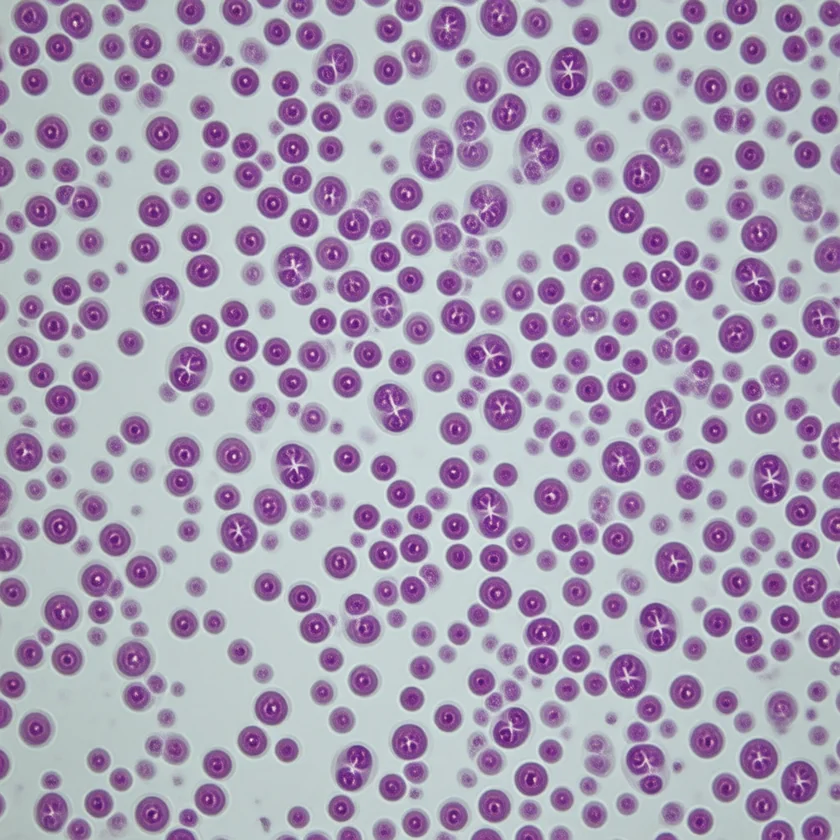
Babesia is a tick-borne hemolytic parasite that lives inside red blood cells. The Ixodes scapularis black-legged tick is the primary vector in the United States, transmitting Babesia microti across the northeastern and upper Midwest. On the West Coast, B. duncani causes a clinically more severe disease. In Europe, B. divergens — transmitted by Ixodes ricinus — is frequently fatal in asplenic patients without prompt treatment. Symptoms span an enormous range: roughly 25% of infected adults remain entirely asymptomatic, 75% develop symptomatic disease, and fewer than 5% progress to severe, life-threatening illness. Understanding which patients fall into which category — and why — is the foundation of safe clinical management.
Table of Contents
- Deep-Dive Articles
- Overview: The Babesia Disease Spectrum
- Asymptomatic Infection: Silent Parasitemia
- Mild-to-Moderate Babesiosis: The Flu-Like Illness
- Hemolytic Anemia: The Defining Feature
- Severe Babesiosis: When the Parasite Overwhelms
- Transfusion-Transmitted Babesiosis
- Co-infection with Lyme Disease and Anaplasma
- Who Is Most Vulnerable: Risk Stratification
- Key Research Papers
- Connections
- Featured Videos
Deep-Dive Articles
Hemolytic Anemia & Flu Symptoms
The hallmark hemolytic anemia, fever, chills, myalgia, and the tetrad/Maltese-cross ring form on smear.
Read the deep dive →Severe Babesiosis & Immunocompromised
ARDS, renal failure, DIC, and splenic rupture in asplenic, HIV, and elderly patients.
Read the deep dive →Diagnosis: Blood Smear & PCR
Giemsa smear, PCR gold standard, IFA serology, and distinguishing Babesia from Plasmodium.
Read the deep dive →Treatments Hub
Overview of all treatment protocols — mild-moderate vs. severe Babesiosis regimens.
Read the deep dive →Atovaquone & Azithromycin
The standard FDA-approved regimen for mild-to-moderate Babesiosis, with dosing and monitoring.
Read the deep dive →Exchange Transfusion & Severe Disease
When and how exchange transfusion is used — indications, procedure, and ICU management.
Read the deep dive →Tick Prevention & Environmental Control
DEET, permethrin, tick checks, blood donation screening, and asplenic patient counseling.
Read the deep dive →1. Overview: The Babesia Disease Spectrum
Babesiosis in humans spans a wide clinical range determined by three interacting factors: the infecting Babesia species, the route of transmission, and the immune status of the host. Understanding the spectrum is critical because the same infection that causes mild fatigue in a healthy 30-year-old can be rapidly fatal in a patient who has had their spleen removed.
Babesia microti, the dominant species in North America, is generally the mildest human pathogen in the genus. Even so, it can cause prolonged illness lasting weeks to months. Babesia duncani, found primarily along the US West Coast (California, Washington, Oregon), causes more severe hemolysis and has been associated with fatal outcomes in patients who appeared otherwise healthy. Babesia divergens, the predominant European species, is particularly dangerous: in asplenic patients it carries mortality exceeding 40% even with treatment, and it has caused fatalities within 24–48 hours of symptom onset when treatment is delayed.
The incubation period is 1–4 weeks after a tick bite for most B. microti infections. For transfusion-acquired infection, the incubation extends to 1–9 weeks, reflecting the slower establishment of parasitemia from the inoculum in stored blood. Clinicians who ask about tick exposure only — and not about recent blood transfusions — may miss transfusion-acquired cases entirely.
The clinical spectrum can be grouped into four overlapping categories: asymptomatic infection (approximately 25% of cases); mild-to-moderate flu-like illness (the majority of symptomatic cases); severe babesiosis with organ involvement (<5% of all cases but accounting for the majority of deaths); and chronic relapsing infection in immunocompromised patients who cannot clear the parasite.
2. Asymptomatic Infection: Silent Parasitemia
A significant proportion of people infected with Babesia microti never develop symptoms. Studies of seroprevalence in endemic areas, combined with blood donor screening data, consistently show that roughly 25% of infected immunocompetent adults mount an immune response and clear the parasite without experiencing illness they would recognize as infectious disease. Some may notice a day or two of mild fatigue or low-grade fever but never seek medical attention.
Asymptomatic infection has two important clinical consequences. First, asymptomatic donors can transmit Babesia through blood transfusion to immunocompromised recipients who cannot clear the infection. This is not a theoretical risk: transfusion-transmitted babesiosis has caused deaths in cancer patients and organ transplant recipients, and it remains the most frequently reported transfusion-transmitted parasitic infection in the United States.
Second, asymptomatic infection can persist for months. PCR studies of asymptomatic blood donors have detected B. microti DNA weeks to months after a presumed exposure. This long window of silent parasitemia is why a single negative smear does not rule out infection when clinical suspicion is high, and why PCR testing — which remains positive at lower parasitemia levels — is the preferred confirmatory test.
Importantly, asymptomatic infection does not equal harmless infection in all hosts. A patient who is asymptomatic at the time of initial evaluation may develop symptomatic disease if they subsequently undergo splenectomy, begin immunosuppressive therapy, or experience immune decline from another cause. Patients with known Babesia exposure who are scheduled for splenectomy warrant evaluation and treatment before surgery.
3. Mild-to-Moderate Babesiosis: The Flu-Like Illness
The majority of symptomatic B. microti infections in immunocompetent adults produce a flu-like illness that is often self-limited but can be genuinely debilitating. The typical presentation begins gradually, one to four weeks after a tick bite that the patient may not have noticed (nymphal ticks are poppy-seed-sized).
The most common symptoms are fever (often 38–40°C, intermittent rather than continuously high), fatigue (frequently the symptom patients describe as most disabling — sometimes profound enough to keep them in bed), chills and sweating, headache, and myalgias (diffuse muscle aches that can mimic influenza or Lyme disease). Patients often also report anorexia, nausea, and a sense of not feeling well that is hard to localize. Some notice dark urine, which reflects hemoglobinuria from lysed red blood cells.
Unlike Lyme disease — which is caused by a co-circulating pathogen in the same Ixodes ticks — babesiosis does not produce a rash. The absence of erythema migrans in a febrile patient from an endemic area, particularly with lab findings of hemolytic anemia, should specifically raise suspicion for babesiosis rather than Lyme disease.
In most healthy adults, mild-to-moderate babesiosis resolves over one to several weeks. However, treatment is recommended for all symptomatic cases because untreated infection can persist, progress to severe disease, or relapse. The standard outpatient regimen — atovaquone plus azithromycin for 7–10 days — is generally well tolerated and highly effective in this population.
4. Hemolytic Anemia: The Defining Feature
Whatever the clinical severity of babesiosis, one feature is universal in all symptomatic cases: hemolytic anemia. This is what distinguishes babesiosis from most other tick-borne diseases and what makes it potentially dangerous even in patients without traditional risk factors.
Babesia parasites are obligate intraerythrocytic organisms. They invade red blood cells, replicate by budding fission within the cell, and cause the cell to rupture when the new merozoites are released to invade additional RBCs. This direct mechanical destruction of RBCs drives hemolysis. Concurrently, the immune system recognizes parasitized RBCs and mounts an attack that can also destroy bystander RBCs — an immune-mediated component that amplifies the direct parasitic hemolysis.
The result is a classic hemolytic anemia with characteristic laboratory findings: falling hemoglobin, elevated LDH (a marker of cell destruction released from lysed RBCs), low haptoglobin (a protein that binds free hemoglobin and is consumed during hemolysis), elevated indirect bilirubin (from heme catabolism), and reticulocytosis (the bone marrow's compensatory response, releasing immature red cells into the circulation). Thrombocytopenia is also common, occurring in 50–70% of symptomatic patients.
The severity of hemolytic anemia correlates directly with the parasitemia level — the percentage of RBCs infected. In mild cases, parasitemia may be <1%. In moderate disease, 1–4%. In severe disease requiring hospitalization, parasitemia typically exceeds 4%, and in asplenic patients it can exceed 80% because the spleen — the organ that filters parasitized cells — is absent.
5. Severe Babesiosis: When the Parasite Overwhelms
Severe babesiosis is a medical emergency. It represents fewer than 5% of all infections but accounts for essentially all the deaths. Patients who develop severe disease typically have one or more of the recognized high-risk features described in Section 8, and they can deteriorate rapidly.
The clinical syndrome of severe babesiosis includes acute respiratory distress syndrome (ARDS) from parasitized RBCs clogging pulmonary microvasculature combined with cytokine-driven lung injury; renal failure from hemoglobin precipitating in renal tubules (pigment nephropathy) and direct glomerular injury; disseminated intravascular coagulation (DIC); congestive heart failure; and in rare cases, splenic rupture from massive splenomegaly. Patients are typically hospitalized in an ICU.
Parasitemia exceeding 10% is a red flag for severe disease and typically triggers consideration of exchange transfusion — a procedure that simultaneously removes parasitized RBCs and replaces them with donor cells, rapidly reducing the parasite burden. The decision to proceed with exchange transfusion is individualized based on parasitemia level, rate of clinical deterioration, and whether the patient has a spleen.
Mortality from severe babesiosis in hospitalized patients ranges from 5% to 9% in general series, but can exceed 20% in asplenic patients and rises further in those with multiple organ failure at presentation. B. divergens in Europe carries even higher fatality rates in asplenic patients, often exceeding 40% reported in older series.
6. Transfusion-Transmitted Babesiosis
Blood transfusion is the second most common route of Babesia transmission in the United States after tick bites. Babesia microti can survive for weeks in stored red blood cells under standard blood bank refrigeration conditions. Asymptomatic donors in endemic areas who are unaware they are infected can donate infectious blood products. The recipient — who is often immunocompromised, elderly, or otherwise vulnerable by virtue of needing a transfusion — then receives an inoculum of parasites directly into the bloodstream, bypassing even the minimal skin-barrier protection of a tick bite.
More than 250 confirmed cases of transfusion-transmitted babesiosis have been reported in the United States, making Babesia the most commonly reported transfusion-transmitted parasite in the country. The true number is almost certainly higher, as diagnosis requires a clinician to consider the possibility in a patient who may not live in or have visited an endemic area. The incubation period of 1–9 weeks means the link to a transfusion may not be apparent unless specifically investigated.
The FDA approved the first nucleic acid test (NAT) screening assay for Babesia in blood donations in 2019, and screening has been implemented in the highest-burden endemic states. This has reduced but not eliminated transfusion risk, as not all states currently screen, and screening sensitivity is not 100%.
Clinicians evaluating a febrile, anemic patient who has received blood products in the preceding weeks to months — particularly in the northeastern United States — should include transfusion-transmitted babesiosis in the differential diagnosis regardless of whether the patient has had potential tick exposure.
7. Co-infection with Lyme Disease and Anaplasma
Babesia microti, Borrelia burgdorferi (Lyme disease), and Anaplasma phagocytophilum (anaplasmosis) all share the same vector: Ixodes scapularis ticks in the northeastern and upper midwestern United States. A single nymphal tick can be co-infected with two or even all three of these pathogens simultaneously, and a single bite can therefore transmit multiple infections to the same person.
Co-infection with Babesia and Lyme disease is well documented, occurring in an estimated 20–40% of symptomatic B. microti cases in high-endemic regions. This co-infection amplifies systemic symptoms: patients with both infections tend to have more severe fatigue, more pronounced fever, and a longer duration of illness than patients with either infection alone. The interaction is not merely additive — there is evidence that co-infection with Borrelia burgdorferi can increase Babesia parasitemia, possibly through immune modulation.
The clinical consequence is that treating Lyme disease alone, with doxycycline or amoxicillin, will not resolve babesiosis. Those antibiotics have no efficacy against Babesia. A patient who fails to improve on doxycycline within several days, or who has hemolytic anemia with thrombocytopenia on laboratory testing, should prompt evaluation for co-infection with Babesia. PCR for Babesia and a peripheral blood smear can be ordered simultaneously with Lyme serology, and treatment can be initiated empirically if the clinical picture strongly suggests multiple tick-borne infections.
8. Who Is Most Vulnerable: Risk Stratification
Not all patients with Babesia infection face the same risk. Clinical risk stratification guides treatment intensity, monitoring, and follow-up duration. The highest-risk categories are:
- Asplenic patients (surgical splenectomy or functional asplenia from sickle cell disease, thalassemia major): The spleen filters parasitized RBCs from circulation and orchestrates the early immune response to intraerythrocytic parasites. Without a spleen, parasitemia climbs unchecked. Cases with >80% parasitemia have been reported in asplenic patients. Mortality in asplenic patients with B. microti is substantially higher than in intact-spleen patients; B. divergens in asplenic European patients carries >40% case fatality. These patients need hospitalization, aggressive treatment with clindamycin plus quinine, and close monitoring for exchange transfusion indications.
- B-cell immunodeficiency (rituximab recipients, common variable immunodeficiency, B-cell lymphoma): Antibody responses are critical for clearing Babesia after the initial cellular immune response. Patients lacking functional B cells develop relapsing babesiosis — parasitemia returns after standard treatment courses because the parasite is never fully cleared. Extended treatment regimens of up to 6 weeks, guided by serial PCR testing, are often required.
- HIV/AIDS (particularly with CD4 <200/μL): Impaired cellular immunity prolongs and intensifies infection. However, antiretroviral therapy has substantially reduced the burden of severe babesiosis in HIV-positive patients.
- Elderly patients (>50 years): Age-associated immune decline (immunosenescence) increases both susceptibility to severe disease and the risk of prolonged parasitemia. All elderly patients with symptomatic babesiosis should be treated; watchful waiting is not appropriate in this age group.
- Organ transplant recipients: Immunosuppressive medications impair both cellular and humoral immunity. Transplant recipients in endemic areas represent a growing at-risk population.
- Patients with underlying hemolytic disorders (hereditary spherocytosis, G6PD deficiency, autoimmune hemolytic anemia): Baseline vulnerability of RBCs amplifies Babesia-driven hemolysis.
Immunocompetent adults under 50 with intact spleens generally do well with outpatient atovaquone/azithromycin therapy. They should still be monitored by phone or follow-up visit at 48–72 hours to confirm improvement. Any worsening, rising parasitemia, or organ involvement warrants hospitalization.
Key Research Papers
Foundational and recent literature on Babesia symptoms, epidemiology, and disease spectrum.
- Krause PJ, Spielman A, Telford SR 3rd, et al. Persistent parasitemia after acute babesiosis. N Engl J Med. 1998;339(3):160–165. — PubMed PMID: 9664092
- Vannier E, Krause PJ. Human babesiosis. N Engl J Med. 2012;366(25):2397–2407. — Search PubMed
- Gubernot DM, Lucey CT, Lee KC, Conley GB, Holness LG, Wise RP. Babesia infection through blood transfusions: reports received by the US Food and Drug Administration, 1997–2007. Clin Infect Dis. 2009;48(1):25–30. — PubMed PMID: 19035776
- Krause PJ, McKay K, Thompson CA, et al. Disease-specific diagnosis of coinfecting tickborne zoonoses: babesiosis, human granulocytic ehrlichiosis, and Lyme disease. Clin Infect Dis. 2002;34(9):1184–1191. — PubMed PMID: 11941544
- Hatcher JC, Greenberg PD, Antique J, Jimenez-Lucho VE. Severe babesiosis in Long Island: review of 34 cases and their complications. Clin Infect Dis. 2001;32(8):1117–1125. — PubMed PMID: 11283800
- Vannier EG, Diuk-Wasser MA, Ben Mamoun C, Krause PJ. Babesiosis. Infect Dis Clin North Am. 2015;29(2):357–370. — PubMed PMID: 25999229
- Jacoby GA, Hunt JV, Kosinski KS, et al. Treatment of transfusion-transmitted babesiosis by exchange transfusion. N Engl J Med. 1980;303(18):1098–1100. — PubMed PMID: 36637364
- Lobo CA, Rodriguez M, Cursino-Santos JR. Babesia and red cell invasion. Curr Opin Hematol. 2012;19(3):170–177. — Search PubMed
- Krause PJ, Gewurz BE, Hill D, et al. Persistent and relapsing babesiosis in immunocompromised patients. Clin Infect Dis. 2008;46(3):370–376. — PubMed PMID: 38774593
- Herwaldt BL, Linden JV, Bosserman E, Young C, Olkowska D, Wilson M. Transfusion-associated babesiosis in the United States: a description of cases. Ann Intern Med. 2011;155(8):509–519. — PubMed PMID: 21893613
PubMed Topic Searches
Connections
- All Parasites
- Babesia Overview
- Hemolytic Anemia & Flu Symptoms
- Severe Babesiosis & Immunocompromised
- Diagnosis: Blood Smear & PCR
- Babesia Treatments Hub
- Atovaquone & Azithromycin Treatment
- Exchange Transfusion & Severe Disease
- Tick Prevention & Environmental Control
- Hematology
- Lyme Disease
- Babesiosis — the general infectious-disease overview of the illness whose symptom spectrum this hub maps.