Contact Dermatitis
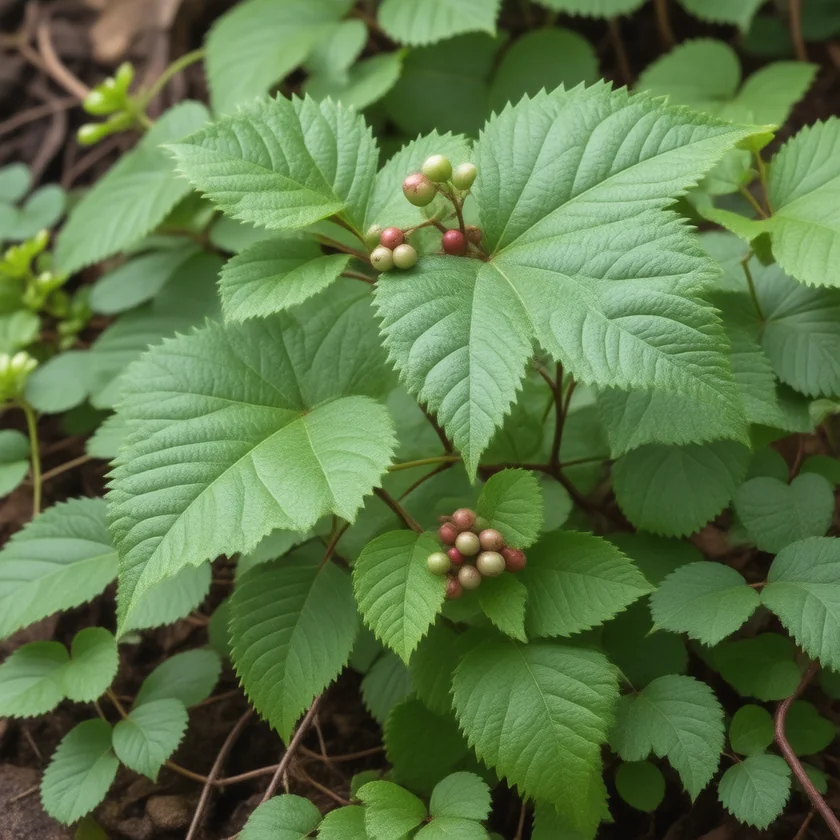
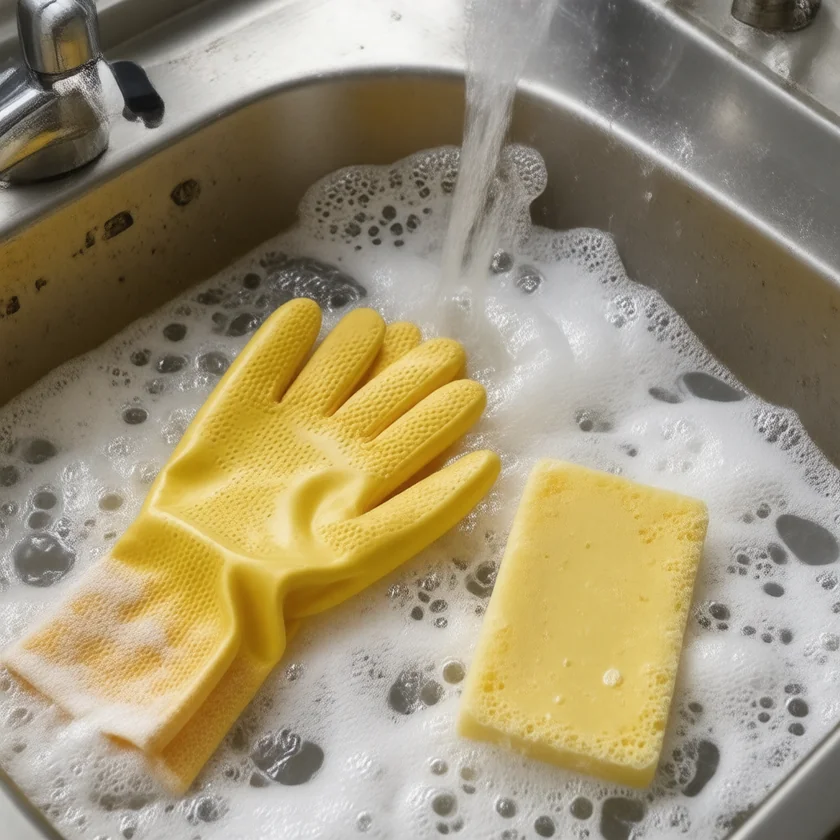
Table of Contents
Two Types of Contact Dermatitis
Contact dermatitis is skin inflammation caused by direct skin contact with a substance. There are two completely different mechanisms, and the type determines the treatment:
- Irritant Contact Dermatitis (ICD) — 80% of cases: A non-immune reaction in which the substance directly damages the skin barrier. Anyone's skin will eventually react to enough exposure to a strong enough irritant. No prior sensitization is required — it is not an allergy. Common example: dishpan hands from repeated soap and water exposure.
- Allergic Contact Dermatitis (ACD) — 20% of cases: A Type IV delayed hypersensitivity reaction mediated by T lymphocytes. Only people who have been previously sensitized to a specific allergen react. The first exposure causes sensitization (no rash); subsequent exposures trigger the allergic cascade. Classic example: poison ivy rash.
Both types cause a similar-looking rash, but the history, timing, and treatment approach differ significantly. ICD occurs immediately to hours after exposure; ACD occurs 12–72 hours after re-exposure in a sensitized individual.
Irritant Contact Dermatitis Causes
ICD results from repeated barrier damage. The skin can only repair itself so fast — constant irritant exposure outpaces recovery:
- Wet work: The single most important cause of occupational ICD. Repeated hand washing, immersion in water, or wearing occlusive gloves for extended periods. Healthcare workers, nurses, hairdressers, dishwashers, food processors, and bartenders are at highest risk.
- Soaps and detergents: Strip the skin's lipid barrier. Concentrated or industrial-strength products cause more rapid damage than household products.
- Acids and alkalis: Strong chemicals cause immediate burns and irritation. Even mild acids (vinegar, citrus) can cause ICD with repeated exposure.
- Solvents: Acetone, gasoline, turpentine, and other organic solvents dissolve skin lipids.
- Friction: Mechanical rubbing — tools, ill-fitting shoes, tight clothing — causes calluses and skin breakdown.
- Diaper rash: The most common form of ICD in infants. Urine and feces in prolonged contact with skin — ammonia from bacterial breakdown of urine is particularly irritating. Superimposed Candida infection is extremely common and changes the treatment.
Allergic Contact Dermatitis: Common Allergens
Thousands of substances can cause ACD. These are the most clinically important:
- Nickel: The most common contact allergen worldwide, particularly in women (due to jewelry exposure). Found in earrings, belt buckles, jean buttons, watchbands, bra clasps. The earring pattern: itchy red ears within 24–48 hours of wearing cheap earrings is a typical sign of nickel allergy; surgical steel, titanium, and 18K+ gold are the usual alternatives.
- Urushiol (poison ivy, oak, sumac): The most intense plant-based allergen. Even minute amounts (nanograms) can trigger severe blistering dermatitis in sensitized individuals. Urushiol can remain active on surfaces, tools, and clothing for years. Smoke from burning poison ivy can cause lung injury.
- Fragrances: The most common cosmetic allergen. "Fragrance" on an ingredient list can represent any of thousands of compounds. Products labelled "fragrance-free" differ from "unscented" ones, which may contain masking fragrances. Common culprits include Balsam of Peru, cinnamal, and geraniol.
- Preservatives: Methylisothiazolinone (MI) and methylchloroisothiazolinone (MCI/MI) — widely used in rinse-off and leave-on cosmetic products — are now among the most common contact allergens in Europe. Formaldehyde-releasing preservatives (imidazolidinyl urea, diazolidinyl urea, DMDM hydantoin) are also common.
- Rubber chemicals: Thiurams, carbamates, and mercaptobenzothiazole (MBT) in latex gloves, shoe soles, elastic waistbands. Thiuram is the most common rubber allergen. Latex protein allergy (Type I immediate hypersensitivity) is different and more dangerous.
- Para-phenylenediamine (PPD): Found in permanent hair dye, black henna tattoos, and some rubber products. Hair dye ACD typically presents as blistering dermatitis at the hairline, ears, and neck.
- Chromate (potassium dichromate): Found in cement, leather, and some paints. A major cause of hand dermatitis in construction workers.
- Formaldehyde: Found in nail polish (as a hardener), "permanent press" fabric finishes, and some personal care products. "Formaldehyde-free" nail polishes are available.
Clinical Presentation
The rash distribution is the biggest diagnostic clue — it often outlines the exact area of contact:
- Irritant Contact Dermatitis: Redness, dryness, scaling, fissures (cracks), and burning or stinging that begins during or shortly after contact. The rash is sharply confined to the area of exposure. Chronic ICD shows thickening (lichenification), scaling, and fissuring without much oozing.
- Allergic Contact Dermatitis: Intensely itchy rash appearing 12–72 hours after re-exposure. Features include redness, swelling, papules (bumps), vesicles (tiny fluid-filled blisters), and weeping. The rash may spread beyond the direct contact area because allergen-specific T cells circulate systemically. Severe cases (like poison ivy) can cause dramatic swelling, especially around the eyes.
Pattern recognition helps identify the allergen:
- Earlobe rash → nickel in earrings
- Wrist rash → nickel watch buckle or watchband rubber
- Waistband rash → nickel in jeans button or rubber elastic
- Scalp/hairline rash → hair dye (PPD)
- Foot rash matching shoe sole → rubber or chromate in footwear
- Linear streaks on arms → poison ivy brushed against skin
Patch Testing
Patch testing is the gold standard for diagnosing ACD. It identifies which specific allergen is responsible — critical information for long-term avoidance. It is NOT the same as a scratch test (which tests for immunoglobulin E-mediated Type I allergy like bee sting or food allergy).
- Thin-layer patch test: the U.S. Food and Drug Administration (FDA)-licensed thin-layer patch test has three ready-to-use adhesive panels holding 35 allergens and allergen mixes plus a negative control, applied to the back; its label covers people 6 years of age and older. Widely available in dermatology offices. Sufficient for diagnosing 80% of common contact allergies.
- Extended patch testing: For patients who test negative on standard panels but have strong clinical suspicion, extended series of 80+ allergens can be tested. Requires specialized contact dermatitis clinics.
- How it works: Patches are applied to the upper back for 48 hours, then read at 48 hours and again at 96 hours (or Day 7). A positive reaction shows a localized eczematous response exactly where the allergen patch was placed. The reading distinguishes true allergy (growing reaction at 96h) from irritant reactions (fading at 96h).
- Preparation: The FDA-licensed thin-layer patch test label states that topical steroids or immunosuppressants at or near the test sites are avoided from at least one week before testing until testing ends, as these can suppress reactions and cause false negatives; it also notes that oral steroids may cause false-negative results.
Acute Treatment
The first step is removing the source — washing the skin thoroughly with soap and water, removing contaminated clothing, and identifying and eliminating the offending substance. Then:
- Topical corticosteroids: The mainstay of treatment. Moderate to high potency is used on the body (triamcinolone 0.1%, fluocinonide 0.05%); low potency on the face (hydrocortisone 1%). A typical course is twice daily for 1–2 weeks. High-potency steroids are not used long-term on the face, groin, or armpits.
- Wet compresses: Cool, moist dressings applied to weeping/blistering areas for 15–30 minutes several times daily. Burow's solution (aluminum acetate) has mild astringent and antimicrobial properties. Wet compresses reduce oozing and provide soothing relief.
- Oral antihistamines: Diphenhydramine or hydroxyzine helps with itching and improves sleep during acute flares. Newer non-sedating antihistamines (cetirizine, loratadine) have less proven benefit for contact dermatitis-associated itch.
- Systemic corticosteroids (for severe ACD — especially poison ivy): Oral prednisone 0.5–1 mg/kg/day for 7–10 days minimum (tapered gradually — abrupt discontinuation after 5 days causes rebound). A common mistake is prescribing only a 5-day methylprednisolone dose pack — this is insufficient for poison ivy and causes rebound flare when stopped.
- Calamine lotion: Drying, anti-itch topical for mild poison ivy rash. Effective for oozing stages but may worsen dry/scaling phases.
Avoidance Strategies
Once the allergen is identified through patch testing, long-term avoidance is the cure for ACD:
- Nickel allergy: Surgical steel, titanium, niobium, and 18K+ gold jewelry are the usual substitutes. Nail polish painted on the inside of belt buckles and buttons is used as a barrier. Nickel barrier creams (containing chelating agents) are available but less reliable than substitution.
- Latex allergy: Nitrile or vinyl gloves are the latex-free alternatives. Latex in surgical gloves and medical equipment poses serious risk during procedures (anaphylaxis in severe cases).
- Fragrance allergy: Fragrance-free versions exist for all personal care products (shampoo, conditioner, moisturizer, soap, deodorant). Many "natural" products still contain high fragrance loads — essential oils are potent allergens.
- Hair dye allergy (PPD): Alternatives include henna without PPD, gradual darkening shampoos, and semi-permanent dyes free of PPD. A skin test of a new dye behind the ear 48 hours before full application shows a reaction before the whole scalp is exposed.
- Wet work/ICD prevention: Barrier creams (dimethicone, petrolatum-based) applied before work; cotton glove liners under rubber gloves to absorb sweat; limiting wet work to under 2 hours/day when possible; aggressive skin barrier repair with emollients after work.
- Poison ivy: The plant is recognised by its three leaflets ("leaves of three, let it be"). Long sleeves and gloves block skin contact outdoors in affected areas. A bentoquatam barrier lotion provides partial protection if applied before exposure. Washing exposed skin within 10 minutes of contact reduces severity.
Occupational Contact Dermatitis
Occupational contact dermatitis accounts for 15–20% of all occupational disease cases and is one of the most common reasons for workers' compensation claims. It disproportionately affects healthcare workers, hairdressers, cosmetologists, construction workers, cleaners, food processors, and mechanics.
Key principles for management:
- Early identification and patch testing are critical — chronic sensitized skin becomes more reactive over time, and continuing exposure despite sensitization worsens outcomes significantly
- Workplace modification (substitution of less irritating chemicals, improved ventilation, automation to reduce skin contact) is often more effective than individual protective equipment alone
- Occupational dermatitis may qualify for workers' compensation and may necessitate job reassignment if allergen avoidance is not possible in the current role
- Hairdressers with glyceryl thioglycolate allergy (perm solutions) or PPD allergy (hair dye) may be unable to continue working in their profession
Key Research Papers
Key peer-reviewed studies on contact dermatitis mechanisms, patch testing, and treatment. Each PMID link opens the study on PubMed.
- Fonacier L, Bernstein DI, Pacheco K, et al. Contact dermatitis: a practice parameter-update 2015. J Allergy Clin Immunol Pract. 2015;3(3 Suppl):S1-39. — PubMed PMID: 25965350
- Nosbaum A, Vocanson M, Rozieres A, Hennino A, Nicolas JF. Allergic and irritant contact dermatitis. Eur J Dermatol. 2009;19(4):325-332. — PubMed PMID: 19447733
- Zug KA, et al. Patch-test results of the North American Contact Dermatitis Group 2005-2006. Dermatitis. 2009;20(3):149-160. — PubMed PMID: 19470301
- Saary J, et al. A systematic review of contact dermatitis treatment and prevention. J Am Acad Dermatol. 2005;53(5):845-855. — PubMed PMID: 16243136
- Ale IS, Maibach HI. Irritant contact dermatitis. Rev Environ Health. 2014;29(3):195-206. — PubMed PMID: 25274939
Curated PubMed topic searches:
Connections
- Dermatology
- Eczema
- Psoriasis
- Rosacea
- Seborrheic Dermatitis
- Hidradenitis Suppurativa
- Allergies
- Latex Allergy
- Chamomile
- Zinc
- Vitamin D3
- Elimination Diet
- Nickel
- Herbs covered on this site that discuss this condition: Bhringraj / False Daisy (Eclipta prostrata) · Calendula · Makrut Lime (Citrus hystrix) · Elephant's Foot (Elephantopus scaber) · Arabian Jasmine (Jasminum sambac) · Yarrow