Campylobacter Symptoms and Overview: Food Poisoning, GBS Risk, and Diagnosis
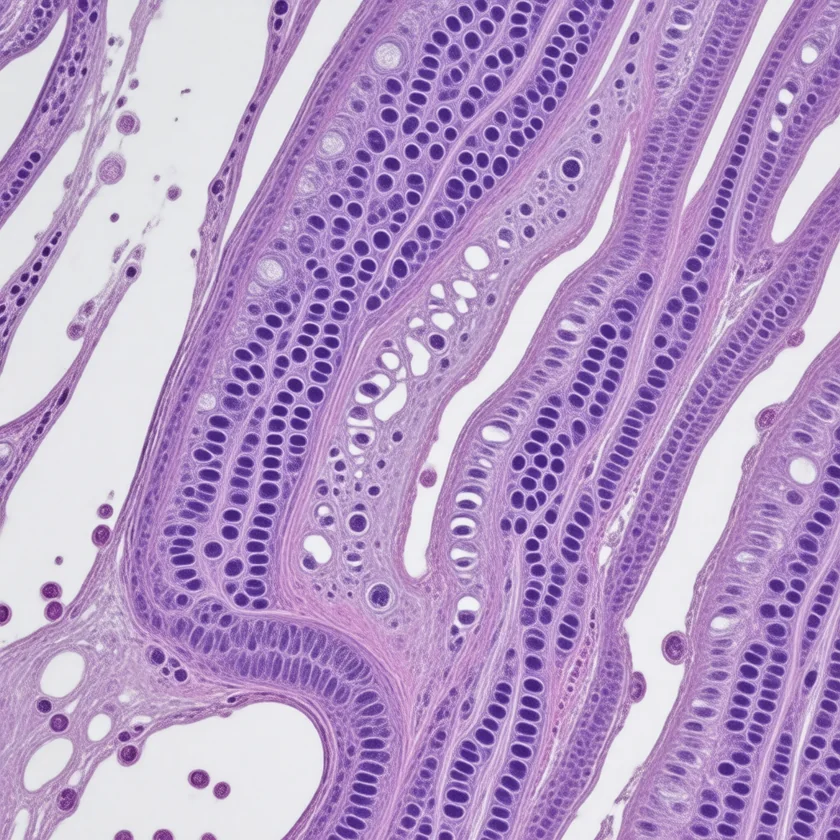
Campylobacter is the most common bacterial cause of diarrheal illness in high-income countries — yet most people have never heard its name. It causes roughly 1.5 million infections in the United States each year, more than Salmonella and E. coli O157:H7 combined. The good news: most cases resolve on their own within a week. The serious news: a small fraction lead to Guillain-Barré syndrome, a form of ascending paralysis that can require months of hospitalization. This overview covers the organism, its reservoirs, how illness unfolds, who is most at risk, and what complications to watch for.
Diarrhea & GI Symptoms
Fever, cramps, watery to bloody diarrhea — the typical 3-7 day course explained.
Read the deep dive →Guillain-Barré Syndrome
How a gut infection can trigger ascending paralysis — the molecular mimicry mechanism.
Read the deep dive →Diagnosis Tests
When to test, stool culture requirements, PCR panels, and blood cultures for bacteremia.
Read the deep dive →Treatment & Prevention
Most cases self-resolve — but here's when antibiotics are actually needed.
Read the deep dive →- Campylobacter Overview
- Species and Strain Variation
- Zoonotic Reservoir
- Incubation Period
- Clinical Spectrum
- Post-Infectious Complications
- High-Risk Groups
- Global Disease Burden
- How C. jejuni Causes Disease
- Key Research Papers
- Connections
Campylobacter Overview
Campylobacter jejuni is a Gram-negative, spiral-shaped, microaerophilic bacterium — meaning it thrives in environments with less oxygen than normal air. It is the leading bacterial cause of foodborne gastroenteritis in high-income countries, ahead of Salmonella, Shigella, and E. coli O157:H7 in case counts.
In the United States, the CDC estimates approximately 1.5 million cases per year, resulting in roughly 10,000 hospitalizations and 120 deaths (Scallan et al. 2011). In the European Union, Campylobacter is consistently the most reported zoonotic disease, with approximately 2.5 million human cases annually across member states. Globally, Platts-Mills and Kosek (2014) estimated 400 to 500 million cases per year, with the highest burden in children under five in low- and middle-income countries where access to clean water and food safety infrastructure is limited.
Despite this scale, Campylobacter receives far less public attention than Salmonella. One reason: outbreaks are less common. Unlike Salmonella, which contaminates centralized egg and produce processing lines, Campylobacter typically spreads through individual handling of raw poultry. Each infection tends to be isolated rather than part of an outbreak that triggers news coverage.
C. jejuni accounts for roughly 90% of human Campylobacter infections. C. coli causes most of the remaining 10%. Other species — C. lari, C. upsaliensis, C. fetus — are less common but clinically important in specific populations.
Species and Strain Variation
The genus Campylobacter contains over 30 recognized species, but the two that dominate human disease are C. jejuni and C. coli. While they cause clinically similar illness, there are epidemiological and resistance differences worth knowing.
C. jejuni is the dominant species in human cases worldwide. Its primary reservoirs are poultry and cattle. It tolerates the high body temperature of birds (approximately 42°C) and colonizes their intestinal tract commensally — meaning the birds carry it without becoming ill. This commensal relationship in the reservoir host makes eradication from the food supply extremely difficult.
C. coli is more strongly associated with swine exposure. It appears at higher rates among farm workers handling pigs. Critically, C. coli tends to carry higher rates of macrolide resistance (azithromycin and erythromycin resistance) than C. jejuni, which has treatment implications when the specific species is identified.
C. fetus is a clinically distinct species. It rarely causes simple gastroenteritis. Instead, it causes bacteremia and systemic infections — particularly in immunocompromised patients (HIV/AIDS, transplant recipients, those on immunosuppressive medications) and the elderly. C. fetus has a surface protein layer (S-layer) that helps it resist complement killing in the bloodstream, explaining its ability to cause invasive disease that C. jejuni rarely achieves in immunocompetent individuals.
Strain variation within C. jejuni matters enormously for two reasons. First, the Penner serotyping system (based on heat-stable antigens) and the Lior serotyping system have identified specific strains — most notably HS:19 and HS:41 — as the strains most strongly associated with Guillain-Barré syndrome after infection. Second, multilocus sequence typing (MLST) has revealed that certain C. jejuni clonal complexes (particularly CC-21 and CC-48) are overrepresented in human clinical cases relative to their prevalence in animal reservoirs, suggesting some strains are better adapted to human pathogenesis.
The organism's flagella are essential for virulence. The flagellar apparatus both enables the spiral motility that drives the bacterium through the mucus layer of the intestine and serves as a secretion system for virulence proteins including CiaB (Campylobacter invasion antigen B), which is injected into host epithelial cells and disrupts their cytoskeleton. Non-motile mutants cannot colonize effectively.
Zoonotic Reservoir
Campylobacter is fundamentally a zoonotic pathogen — it lives in animals and spills over into humans. Understanding the reservoir explains both why infections are so common and why they are so hard to prevent at a population level.
Poultry is the dominant reservoir. Studies in the United States and Europe consistently find C. jejuni contaminating 50 to 80% of retail chicken. The contamination occurs primarily at slaughter, when intestinal contents contact the carcass. Even with careful processing, the spiral-shaped bacterium penetrates feather follicles and skin folds in ways that surface washing cannot fully eliminate. Attribution studies using whole-genome sequencing and MLST have estimated that 50 to 80% of human campylobacteriosis cases in high-income countries are attributable to the chicken reservoir (Kaakoush et al. 2015).
Why chickens tolerate C. jejuni so well: The bird's normal body temperature of approximately 42°C is above the optimum growth temperature for most competing bacteria but ideal for C. jejuni. The organism colonizes the cecum and lower intestine of broiler chickens from the first weeks of life, reaching concentrations of 107 to 109 colony-forming units per gram of cecal content — a massive reservoir that enters slaughter plants with every flock.
Other animal reservoirs: Cattle carry C. jejuni and contaminate unpasteurized milk and, occasionally, drinking water through agricultural runoff. Sheep also carry the organism. Pet dogs and cats, particularly puppies and kittens with diarrhea, can transmit C. jejuni directly to household members. Wild birds — crows, starlings, gulls — serve as environmental reservoirs and can contaminate water sources. Migratory birds have been implicated in spreading particular strains over large geographic distances.
Environmental routes: Campylobacter can survive in cold water (4°C) for weeks. Drinking untreated surface water or water from contaminated wells is a documented exposure route. Swallowing a small amount of contaminated water while swimming in natural bodies of water has caused cases. Unlike many foodborne pathogens, C. jejuni does not multiply in food — it does not have a replication phase outside a living host. This means large doses are needed for infection (generally >500 organisms), which explains why it does not spread as readily through food as Salmonella.
Incubation Period
The incubation period for Campylobacter infection — the time between ingesting the bacterium and first feeling ill — is 2 to 5 days, with a range of 1 to 10 days. This is longer than the 6 to 48 hour incubation typical for Salmonella and considerably longer than the 2 to 6 hour incubation of Staphylococcal food poisoning.
The long incubation creates a practical problem: by the time a patient feels sick, they cannot identify which specific meal caused the infection. They may have eaten at three different restaurants, handled raw chicken at home, and visited a friend with a dog over the previous week — all plausible exposures. Without a laboratory test, the source is unknowable.
This incubation length also complicates outbreak detection. In a typical Salmonella outbreak from a contaminated product at a single event, dozens of people feel ill within 24 to 48 hours and the connection is clear. With Campylobacter, because exposures are usually individual (one household handling one package of chicken) and because the 2-5 day lag obscures the source, outbreaks are rarely recognized as outbreaks. Most Campylobacter cases appear as isolated sporadic cases in surveillance data.
The biological reason for this longer incubation involves the pathogenesis: C. jejuni must travel to the lower intestine, penetrate the mucus layer, adhere to and invade epithelial cells, and trigger an inflammatory response before symptoms appear. This process takes longer than the toxin-mediated mechanisms behind faster-onset foodborne illnesses.
Dose also affects incubation. Human volunteer studies conducted in the 1980s found that higher infectious doses tended to produce shorter incubation periods and more severe illness, while lower doses could result in asymptomatic colonization or milder, delayed illness.
Clinical Spectrum
The illness caused by C. jejuni ranges from no symptoms at all to life-threatening complications. Most people who get infected experience a middle course — an unpleasant but self-limited gastroenteritis that resolves without medical care.
Asymptomatic Infection
In populations with high endemic exposure — children in low- and middle-income countries, abattoir workers in high-income countries — infection can occur without producing symptoms. Repeated exposure builds partial immunity to specific strains.
Typical Gastroenteritis
The classic presentation begins with a prodrome of fever (often 38-39°C), malaise, headache, and myalgia lasting 12 to 24 hours. Then diarrhea begins — initially watery, often progressing to bloody in more severe cases. Abdominal cramping is prominent and can be severe enough to mimic appendicitis. Nausea is common; vomiting less so (unlike viral gastroenteritis where vomiting often dominates).
The diarrheal phase typically lasts 3 to 7 days, with most patients recovering fully within a week. The number of stools can reach 10 or more per day at peak illness. Blood in stool occurs in roughly 15% of diagnosed cases in clinical practice, though the true rate in all infections is lower because mild cases never seek care.
Bloody Dysentery
In a minority of patients, illness resembles inflammatory bowel disease flare — severe bloody diarrhea with mucus, significant abdominal pain, and fever. These patients are more likely to be hospitalized and more likely to receive antibiotics. Endoscopic findings, when performed, can show colitis indistinguishable from ulcerative colitis or Crohn's disease, which occasionally leads to misdiagnosis.
Bacteremia
Bacteremia — the organism entering the bloodstream — occurs in less than 1% of immunocompetent patients but is far more common in immunocompromised individuals. C. fetus is disproportionately represented in bacteremic cases because of its S-layer protection. Bacteremia can lead to seeding of distant sites: endocarditis, septic arthritis, meningitis, and thrombophlebitis have all been reported.
Post-Infectious Complications
The acute illness is not always the end of the story. A subset of patients develop complications that can last weeks, months, or in the case of GBS, much longer.
Reactive Arthritis
Reactive arthritis (formerly called Reiter's syndrome when accompanied by the triad of arthritis, urethritis, and conjunctivitis) occurs in 1 to 5% of Campylobacter infections. It typically begins 1 to 3 weeks after the diarrheal illness resolves, when the patient expects to be fully recovered. The arthritis is oligoarticular — affecting a small number of large joints, typically the knees, ankles, and wrists. It is asymmetric. The mechanism is immune-mediated rather than septic: bacterial antigens trigger an immune response that cross-reacts with joint tissue.
Patients who carry the HLA-B27 genetic marker are at significantly higher risk of developing reactive arthritis after Campylobacter infection, as with other post-infectious arthritides triggered by gut and urogenital pathogens. Most cases are self-limiting, resolving within weeks to months, but a minority can progress to chronic arthritis.
Guillain-Barré Syndrome (GBS)
GBS is the most feared complication of Campylobacter infection. It occurs in approximately 1 in 1,000 to 1 in 2,000 symptomatic Campylobacter cases, making it rare in absolute terms — but C. jejuni is nevertheless the single most commonly identified infectious trigger of GBS, preceding 20 to 40% of all GBS cases. The mechanism is molecular mimicry: specific ganglioside-like structures in C. jejuni lipooligosaccharide (LOS) resemble gangliosides on peripheral nerve myelin. Antibodies generated to fight the infection cross-react with nerve tissue, causing demyelination and the ascending paralysis characteristic of GBS. See the dedicated Guillain-Barré and Complications sub-article for detailed coverage.
Post-Infectious Irritable Bowel Syndrome
Emerging evidence over the past decade has established that acute gastroenteritis — including Campylobacter — can trigger a persistent IBS-like syndrome in some patients. The condition has been called post-infectious IBS (PI-IBS). Estimates from prospective follow-up studies suggest that approximately 10% of patients who had severe Campylobacter enteritis develop ongoing abdominal symptoms (bloating, irregular stool habit, cramping) that persist for months to years after the infection has cleared. Risk factors include severity of acute illness, female sex, anxiety and depression at the time of infection, and possibly certain gut microbiome compositions. The mechanism likely involves persistent low-grade inflammation, changes in gut motility, and altered sensory thresholds in the enteric nervous system.
Cholecystitis
Campylobacter can infect the gallbladder, causing acute cholecystitis. This complication is rare and more common in immunocompromised patients. It typically requires cholecystectomy in addition to antibiotics.
High-Risk Groups
While anyone can get Campylobacter, certain groups face a higher risk of infection, more severe illness, or more serious complications.
Immunocompromised Individuals
People with HIV/AIDS, organ transplant recipients on immunosuppressive medications, patients undergoing cancer chemotherapy, and those on long-term high-dose corticosteroids are at risk for prolonged and recurrent Campylobacter infection, bacteremia, and complications including cholecystitis and thrombophlebitis. In the pre-antiretroviral therapy era, HIV-positive patients with low CD4 counts frequently experienced chronic relapsing Campylobacter infections that were very difficult to cure. This population also faces a higher risk from C. fetus bacteremia.
Infants and Young Children
In high-income countries, Campylobacter infection rates peak in infants and toddlers under age two. Young children have not yet developed immune memory to the circulating strains, they are more likely to handle pets and soil, and they often put objects and fingers in their mouths. In low- and middle-income countries, children under five years old experience multiple Campylobacter infections per year, contributing significantly to the global diarrheal disease burden and to growth faltering.
The Elderly
Adults over age 65 face higher hospitalization rates from Campylobacter than younger adults, partly due to comorbidities that complicate recovery and partly due to waning immune competence. Dehydration from diarrheal illness is more dangerous in older adults with underlying cardiac or renal disease.
Travelers
Campylobacter is a common cause of traveler's diarrhea, particularly for travelers from high-income countries visiting South and Southeast Asia, sub-Saharan Africa, and parts of Latin America. The strains circulating in these regions often differ from those at home, so travelers lack specific immunity. Antibiotic resistance rates are also substantially higher in strains from these regions, complicating treatment.
Occupationally Exposed Workers
Poultry farm workers, slaughterhouse employees, and veterinarians have significantly higher rates of Campylobacter seropositivity than the general population, reflecting repeated occupational exposure. Most develop partial immunity and do not experience overt illness with each exposure, but they can serve as a source of household transmission to family members.
Global Disease Burden
Campylobacter's global burden has been systematically underestimated for decades. Because most cases are mild and self-limiting, patients do not seek medical care; among those who do, many physicians do not order stool cultures; among cultures ordered, many laboratories lack the microaerophilic incubation conditions required to grow the organism reliably. The true case count is a large multiple of the reported case count.
The Global Burden of Disease study and the systematic analyses by Kaakoush et al. (2015) have attempted to correct for this underreporting. Their estimates place the global incidence at 400 to 500 million cases per year, with the highest burden in South Asia and sub-Saharan Africa. In these regions, children under five experience 2 to 3 Campylobacter infections per year on average, and the cumulative effect of repeated infections contributes to stunted growth and impaired cognitive development — a phenomenon now recognized as a component of Environmental Enteric Dysfunction (EED).
In high-income countries, the disease burden is primarily economic: lost workdays, medical costs, and the cost of food safety interventions. In the United Kingdom, cost-of-illness analyses have placed the annual economic burden of Campylobacter at approximately £900 million. In the United States, Scallan et al. estimated Campylobacter as responsible for more hospitalizations from foodborne illness than any other single pathogen (approximately 8,500 per year).
Seasonality is pronounced in temperate climates. In the northern hemisphere, Campylobacter cases peak sharply in late spring and early summer — a pattern that precedes summer barbeque season by several weeks, suggesting the seasonal driver may be related to agricultural flock cycles (broiler flocks becoming colonized in spring and reaching slaughter age in early summer) rather than simply increased outdoor cooking.
How C. jejuni Causes Disease
Understanding how C. jejuni damages the gut helps explain the symptoms and why most infections resolve without treatment while a small number become severe.
Step 1 — Colonization: After ingestion, C. jejuni uses its corkscrew motility (driven by a flagellum at each end) to drill through the mucus layer overlying the intestinal epithelium. The flagella are essential: non-motile mutants fail to colonize in animal models. The organism preferentially colonizes the ileum, cecum, and colon.
Step 2 — Adhesion and invasion: Once at the epithelial surface, C. jejuni uses outer membrane proteins (CadF, FlpA) to bind fibronectin on the cell surface. It then invades epithelial cells via a process involving cytoskeletal rearrangement — essentially hijacking the cell's own machinery to pull itself inside. The invasion antigen CiaB, secreted through the flagellar apparatus, contributes to this process.
Step 3 — Toxin production: C. jejuni produces cytolethal distending toxin (CDT), a genotoxin that causes DNA double-strand breaks in host cells, triggering cell cycle arrest and cell death. CDT is important for virulence in animal models, though its exact contribution to human disease severity is still being characterized.
Step 4 — Inflammatory response: The host immune system mounts a vigorous response to C. jejuni invasion, releasing cytokines (IL-8, TNF-α) that recruit neutrophils and macrophages to the intestinal mucosa. This inflammatory response is responsible for the fever, cramps, and tissue damage (bloody diarrhea) that characterize severe infection. The inflammation also drives fluid secretion into the intestinal lumen, producing diarrhea.
Step 5 — Immune clearance: In immunocompetent individuals, the innate and adaptive immune response clears the infection within days to weeks. Antibodies to flagellin and outer membrane proteins confer partial protection against reinfection with the same strain, explaining why children in endemic settings develop increasing immunity with age and why adults from high-income countries traveling to endemic areas are more susceptible.
Key Research Papers
- Kaakoush NO, Castaño-Rodríguez N, Mitchell HM, Man SM. Global epidemiology of Campylobacter infection. Clin Microbiol Rev. 2015;28(3):687-720 — Search PubMed — The definitive global epidemiology review; covers reservoirs, human burden, antimicrobial resistance trends.
- Scallan E, Hoekstra RM, Angulo FJ, et al. Foodborne illness acquired in the United States — major pathogens. Emerg Infect Dis. 2011;17(1):7-15. — PubMed PMID: 21192848 — Established Campylobacter as the leading cause of foodborne hospitalization in the US.
- Tack DM, Marder EP, Griffin PM, et al. Preliminary incidence and trends of infections with pathogens transmitted commonly through food — Foodborne Diseases Active Surveillance Network. MMWR. 2020;69(17):509-14 — Search PubMed — Recent US surveillance data on Campylobacter trends.
- Platts-Mills JA, Kosek M. Update on the burden of Campylobacter in developing countries. Curr Opin Infect Dis. 2014;27(5):444-50 — Search PubMed — Covers the enormous but underreported global burden, especially in children under five.
- Young KT, Davis LM, DiRita VJ. Campylobacter jejuni: molecular biology and pathogenesis. Nat Rev Microbiol. 2007;5(9):665-79 — Search PubMed — Comprehensive review of flagella, adhesins, invasion, CDT toxin, and immune evasion mechanisms.
- Nachamkin I, Allos BM, Ho T. Campylobacter species and Guillain-Barré syndrome. Clin Microbiol Rev. 1998;11(3):555-67 — Search PubMed — Foundational paper linking specific C. jejuni strains and LOS structures to GBS via molecular mimicry.
- Keithlin J, Sargeant J, Thomas MK, Fazil A. Systematic review and meta-analysis of the proportion of Campylobacter cases that develop chronic sequelae. BMC Infect Dis. 2014;14:590 — PubMed PMID: 25416162 — Quantifies rates of reactive arthritis, GBS, and IBS following Campylobacter infection.
- Hannu T. Reactive arthritis. Best Pract Res Clin Rheumatol. 2011;25(3):347-57 — Search PubMed — Covers post-infectious arthritis from Campylobacter and other triggers; HLA-B27 associations.
- Wieczorek K, Osek J. Antimicrobial resistance mechanisms among Campylobacter. Biomed Res Int. 2013;2013:340605 — Search PubMed — Reviews C. jejuni vs C. coli resistance differences, including macrolide resistance in C. coli.
- Blaser MJ. Epidemiologic and clinical features of Campylobacter jejuni infections. J Infect Dis. 1997;176(Suppl 2):S103-5 — Search PubMed — Classic epidemiological overview by a leading researcher in the field; covers dose-response and immunity.
Search PubMed for more: Campylobacter jejuni epidemiology symptoms Campylobacter post-infectious complications
Connections
- All Bacteria
- Campylobacter Jejuni — main page
- Diarrhea and GI Symptoms
- Guillain-Barré Syndrome and Complications
- Diagnosis — Stool Culture and PCR
- Treatment and Prevention Hub
- Azithromycin and Antibiotic Treatment
- Food Safety and Prevention
- Fluoroquinolone Resistance
- Salmonella
- Gastroenterology
- Guillain-Barré Syndrome — Neurology