⚠ Evidence warning: Clinical trials or other evidence do not support the claim that fisetin slows human aging, or that practitioner longevity stacks combining fisetin with quercetin, rapamycin, metformin or nicotinamide adenine dinucleotide precursors are safe and complementary: the lifespan evidence comes from mice, the human trials are small or still at the protocol stage, and no combination has been tested. This page keeps it as a report of what people, websites or other media say.
Fisetin for Anti-Aging
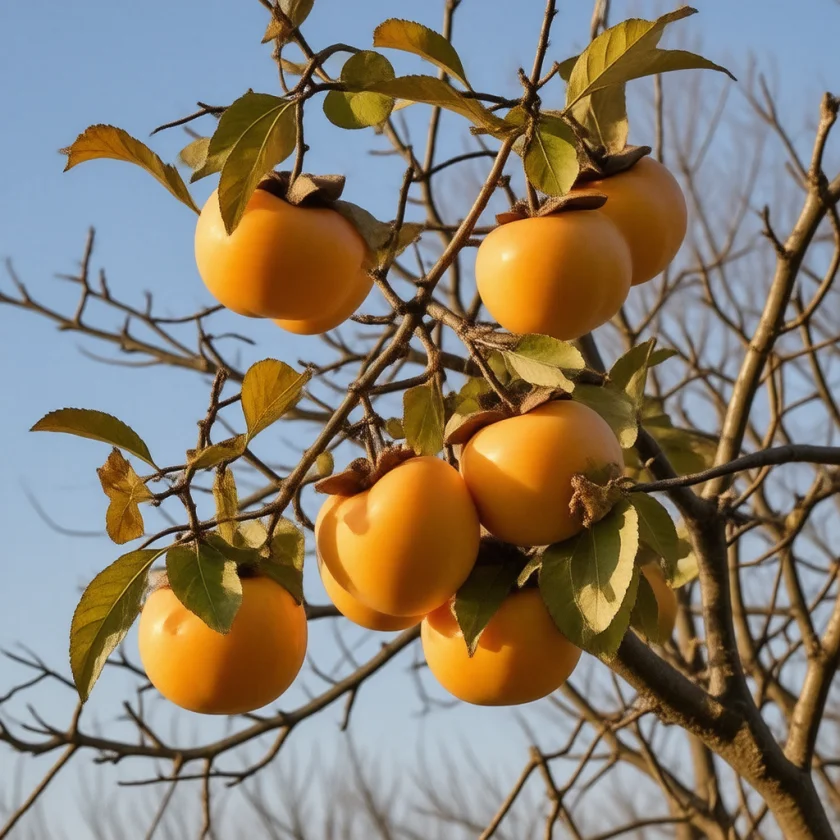
Beyond the specific senolytic application, fisetin is increasingly framed as a broader “longevity flavonoid” whose effects intersect with the major nutrient-sensing pathways that drive aging biology: AMP-activated protein kinase (AMPK) activation and mechanistic target of rapamycin (mTOR) suppression (the same axis as metformin, rapamycin, and caloric restriction), Sestrin family activation, Nrf2-mediated antioxidant defense, mitochondrial biogenesis support, and sirtuin activation. The dietary sources — strawberries at ~160 µg/g (measured on freeze-dried fruit), apples, persimmons, kiwis, grapes, onions, cucumbers — deliver small amounts (a 1998 Japanese diet survey measured an average of 0.4 mg a day), far below the 100-1000 mg used in supplemental research protocols. This deep-dive walks through the broader anti-aging framework, the AMP-activated protein kinase / Sestrin / mechanistic target of rapamycin mechanism, the dose discrepancy between dietary and supplemental intake, and the honest framing of where fisetin fits relative to other longevity interventions with stronger or weaker evidence.
Table of Contents
- The “Longevity Flavonoid” Framing
- Where Fisetin Fits in the Hallmarks of Aging
- AMP-Activated Protein Kinase Activation and Mechanistic Target of Rapamycin Suppression
- Sestrin Family Signaling
- Nrf2 Antioxidant Response and Mitochondrial Protection
- Sirtuin Activation
- Dietary Sources — Strawberries, Apples, Persimmons, Others
- The Dose Discrepancy — Dietary vs Supplemental
- Where Fisetin Fits vs Other Longevity Interventions
- Combinations — Stacking with Quercetin, Spermidine, Rapamycin
- Key Research Papers
- Connections
- Featured Videos
The “Longevity Flavonoid” Framing
The geroscience field has identified a small number of dietary plant compounds with effects across multiple aging-related pathways: resveratrol (from grape skins and red wine, originally framed as a sirtuin activator), spermidine (from wheat germ, soybeans, and aged cheese, an autophagy inducer), quercetin (from onions, apples, capers; a senolytic partner with dasatinib), curcumin (from turmeric, anti-inflammatory and Nrf2 activator), and now fisetin (from strawberries, senolytic and neuroprotective). The general framing is that these compounds modulate the same nutrient-sensing and stress-response pathways that respond to caloric restriction, exercise, and intermittent fasting — arguably the only interventions with rigorous lifespan-extension evidence across multiple model organisms.
Fisetin's entry into this group is recent — primarily after the Yousefzadeh 2018 senolytic paper. In that study, fisetin was the most potent senolytic (senescent-cell-clearing compound) of 10 flavonoids tested on aging cells in the lab. Given to normal (wild-type) mice late in life, it “reduced age-related pathology, and extended median and maximum lifespan” — a mouse result. In samples of human fat tissue tested in the lab, it reduced senescence in only “a subset of cells”. Its position in the framework is distinctive in two ways. First, it is the only one of these compounds for which a single mechanism (senolytic) has produced lifespan extension in mice when administered late in life. Second, its multi-pathway effect profile — AMP-activated protein kinase, Nrf2, BCL-xL (B-cell lymphoma-extra large) inhibition, brain-derived neurotrophic factor (BDNF) upregulation — matches the geroscience preference for “hub molecules” that modulate networks rather than single targets.
The marketing position has run further than the evidence. The honest scientific framing is that fisetin is a promising late-life intervention with strong preclinical evidence and pending human efficacy data. It is not yet a proven longevity intervention. Two trials designed to test fisetin in people published their plans in 2026. The TROFFi trial, a phase II randomized, double-blind, placebo-controlled study, is giving fisetin (20 mg per kg of body weight a day on days 1–3 of a 14-day cycle, for four cycles) or placebo to 88 postmenopausal women with early-stage breast cancer whose physical function declined after chemotherapy; its main measure is the change in 6-minute walking distance. A Danish triple-blind, placebo-controlled trial is giving adults aged 50 and over 100 mg of fisetin or placebo once a day for 7 weeks; its main measure is the change in the blood inflammation marker suPAR (soluble urokinase plasminogen activator receptor). Both papers describe trial designs; neither reports results. The pages on the senolytic mechanism, brain health, and inflammation each cover one aspect of why fisetin produces effects across the aging spectrum.
Where Fisetin Fits in the Hallmarks of Aging
The Lopez-Otin et al. framework (nine hallmarks in 2013, expanded to twelve in the 2023 update) lists these twelve hallmarks of aging: genomic instability, telomere attrition, epigenetic alterations, loss of proteostasis, disabled macroautophagy, deregulated nutrient-sensing, mitochondrial dysfunction, cellular senescence, stem cell exhaustion, altered intercellular communication, chronic inflammation, and dysbiosis. Fisetin has plausible mechanism-of-action evidence for effects on at least six of these:
- Cellular senescence — the dominant senolytic effect (see the dedicated senolytic page)
- Chronic inflammation (“inflammaging”) — through NF-κB (nuclear factor kappa B) inhibition and senolytic clearance of cells producing the SASP (senescence-associated secretory phenotype, the inflammatory signals senescent cells release)
- Mitochondrial dysfunction — preservation of mitochondrial membrane potential, support for mitochondrial biogenesis through AMP-activated protein kinase activation
- Deregulated nutrient-sensing — AMP-activated protein kinase activation and mechanistic target of rapamycin suppression
- Loss of proteostasis — autophagy induction through AMP-activated protein kinase/mechanistic target of rapamycin axis, proteasome enhancement in nerve-cell culture (Maher 2008)
- Disabled macroautophagy — restored through AMP-activated protein kinase and Sestrin signaling
The mechanistic breadth is part of what makes fisetin interesting to the geroscience community. Most pharmacologic candidates target one or two hallmarks; fisetin appears to gently modulate several in parallel, which is the integrated-intervention strategy that aging biology increasingly favors over single-target drug development.
AMP-Activated Protein Kinase Activation and Mechanistic Target of Rapamycin Suppression
The single most-validated longevity pathway in model organisms is the AMP-activated protein kinase / mechanistic target of rapamycin axis. AMP-activated protein kinase (AMPK) is a cellular energy sensor — it is activated when adenosine triphosphate (ATP) levels fall and AMP rises, signaling that the cell needs to conserve energy and switch from anabolic to catabolic metabolism. AMP-activated protein kinase activation:
- Suppresses mTORC1 (the mechanistic target of rapamycin complex 1), which drives anabolic protein synthesis and inhibits autophagy
- Activates autophagy — the cellular cleanup process that degrades damaged proteins and organelles
- Promotes mitochondrial biogenesis through PGC-1α (peroxisome proliferator-activated receptor gamma coactivator 1-alpha) activation
- Improves insulin sensitivity in peripheral tissues
- Reduces inflammation through SIRT1 activation
The interventions with the strongest longevity evidence in mammals — caloric restriction, intermittent fasting, exercise, metformin, rapamycin — all activate AMP-activated protein kinase or suppress mechanistic target of rapamycin directly. Fisetin activates AMP-activated protein kinase at concentrations achievable with supplementation, and this AMP-activated protein kinase activation explains many of the secondary effects (autophagy, mitochondrial biogenesis, anti-inflammatory).
The clinical implication is that fisetin sits in the same metabolic-pathway class as metformin and rapamycin — the two most-studied pharmacologic longevity interventions in humans. The differences are significant: metformin has decades of safety data and large human evidence for diabetes outcomes but only emerging evidence for non-diabetic aging applications. Rapamycin has the strongest preclinical longevity evidence but significant immunosuppressive side effects at chronic dosing. Fisetin has weaker human evidence than either but appears better-tolerated than rapamycin.
Sestrin Family Signaling
The Sestrin family (Sestrin1, Sestrin2, Sestrin3) is a less-publicized but mechanistically important group of stress-induced proteins that sit at the intersection of AMP-activated protein kinase and mechanistic target of rapamycin signaling. Sestrins are upregulated by:
- Oxidative stress
- DNA damage
- Exercise (Sestrin2 in particular is the proposed mediator of exercise's metabolic benefits)
- Caloric restriction
- Fisetin, in one study of human head and neck cancer cell lines (Won 2019)
When activated, Sestrins inhibit mTORC1 (reinforcing AMP-activated protein kinase's mechanistic target of rapamycin-suppressing effect) and trigger antioxidant gene expression through Nrf2. The Sestrin pathway is conserved from flies to mammals and Sestrin loss accelerates many age-related phenotypes.
The only study on PubMed linking fisetin to the Sestrins is a 2019 cell-culture study of human head and neck cancer cell lines: fisetin raised sestrin 2 and lowered phosphorylated mechanistic target of rapamycin, and silencing sestrin 2 blocked fisetin's killing of the cancer cells. It is an observation about cancer-cell death in a dish; there is no animal or human data on fisetin and Sestrins in aging. Sestrin activation in general is proposed to matter most in caloric excess and metabolic dysfunction (modern Western diet patterns), where it could partially compensate for the absence of natural caloric restriction.
Nrf2 Antioxidant Response and Mitochondrial Protection
Nuclear factor erythroid 2-related factor 2 (Nrf2) is the master transcriptional regulator of the body's endogenous antioxidant defense. Under normal conditions Nrf2 is bound to its inhibitor KEAP1 (Kelch-like ECH-associated protein 1) in the cytoplasm and rapidly degraded. Under oxidative stress (or in the presence of Nrf2-activating phytochemicals like sulforaphane, curcumin, and fisetin), Nrf2 is released, translocates to the nucleus, and drives expression of:
- Glutathione synthesis enzymes (glutamate-cysteine ligase catalytic and modifier subunits)
- Heme oxygenase-1 (HO-1)
- NAD(P)H quinone oxidoreductase 1 (NQO1), where NAD(P)H is nicotinamide adenine dinucleotide (phosphate)
- Thioredoxin and thioredoxin reductase
- Glutathione peroxidase
- Catalase
- Phase-II detoxification enzymes (glutathione-S-transferases, UDP-glucuronosyltransferases)
The net effect is a dramatic increase in the cell's ability to neutralize reactive oxygen species, detoxify xenobiotics, and protect against the oxidative damage that drives the aging process. The Nrf2 pathway is one of the most-actively-targeted in geroscience drug development.
Fisetin's Nrf2 activation is shared with several other dietary polyphenols and contributes to the antioxidant and mitochondrial-protective effects. The mitochondrial protection is mechanistically downstream — better antioxidant defense reduces oxidative damage to mitochondrial membranes and DNA, preserving electron transport chain function and adenosine triphosphate production. Aged mitochondria show reduced membrane potential, increased reactive oxygen species (ROS) production, and reduced adenosine triphosphate output. Fisetin partially reverses these changes in cell culture and in aged-mouse tissue.
For the broader oxidative-stress context, see our Oxidative Stress page.
Sirtuin Activation
The sirtuin family (SIRT1 through SIRT7 in mammals) are nicotinamide adenine dinucleotide-dependent deacetylases that respond to cellular energy status and regulate transcription, DNA repair, and metabolic homeostasis. Sirtuin activation has been a major focus of longevity drug development since the early 2000s, when resveratrol was originally framed as a sirtuin activator (a framing that has been substantially complicated by subsequent research).
Fisetin activates SIRT1 (the most-studied of the sirtuins) at supplemental concentrations. SIRT1 activation:
- Deacetylates FoxO (forkhead box O) transcription factors, promoting stress-resistance gene expression
- Deacetylates PGC-1α, supporting mitochondrial biogenesis
- Deacetylates NF-κB, reducing pro-inflammatory transcription
- Promotes longevity in invertebrate models (the original C. elegans and Drosophila sir-2 lifespan data)
The clinical evidence for SIRT1 activation as a longevity intervention is more contested than the marketing suggests. Early synthetic sirtuin activators (SRT1720, SRT2104) have had mixed clinical results. The integrated effect of fisetin on multiple pathways including SIRT1 is more plausible mechanistically than a single-target SIRT1 activation strategy.
Dietary Sources — Strawberries, Apples, Persimmons, Others
The fisetin values below come from a 1998 Japanese food survey (Kimira and colleagues), as cited in a 2013 review (Khan and colleagues). The review reports that fisetin was measured in freeze-dried vegetables and fruits, so these are amounts per gram of dried food, not fresh food:
- Strawberries — 160 µg/g (by far the richest natural source).
- Apples (with skin) — 26.9 µg/g
- Persimmons — 10.5 µg/g
- Lotus root — 5.8 µg/g
- Onions — 4.8 µg/g
- Grapes — 3.9 µg/g
- Kiwifruit — 2.0 µg/g
- Peaches — 0.6 µg/g
- Cucumbers — 0.1 µg/g
- Tomatoes, mangoes, several wines — trace amounts
The strawberry dominance is striking — strawberries contain approximately six times more fisetin per gram than the next-richest food (apples).
The only measured fisetin intake found comes from the same 1998 survey: 50 Japanese women who weighed everything they ate for 3 days took in an average of 0.4 mg of fisetin a day.
For more on strawberries as a dietary source of fisetin and other beneficial compounds, see our Strawberries page. For other berry sources, see Blueberries.
The Dose Discrepancy — Dietary vs Supplemental
The single most important practical question is the gap between dietary fisetin intake (an average of 0.4 mg/day in the one measured survey) and the doses used in research (~100-1500 mg/day for supplemental, or ~20 mg/kg for senolytic pulses). The dose discrepancy is roughly two to three orders of magnitude.
Three possibilities for interpretation:
- Dietary intake produces meaningful but small benefits — this is the position supported by epidemiologic studies of total flavonoid intake and cardiovascular / cognitive outcomes. Heavy fruit consumers do show modest mortality and disease benefits, and some of that benefit may be attributable to fisetin among the broader flavonoid mix. This is the “strawberries are enough” reading.
- Supplemental doses produce qualitatively different effects than dietary intake — this is the position supported by the senolytic data. Senescent-cell clearance requires the supraphysiologic concentrations that only supplementation provides. Dietary intake does not reach the thresholds needed to trigger senolysis. This is the reading that the senolytic effect requires supplement-level doses.
- Most of the supplemental claims are overstated and dietary intake captures most of the actual benefit — this is the skeptical position. The animal data uses doses (translated to human equivalents of 1000+ mg) that are achievable with supplementation but produce off-target effects that may not be desirable in long-term use.
The honest position is that both supplementary and dietary intake probably contribute, with supplementary being necessary for the specific senolytic application and dietary being sufficient for the broader background “flavonoid intake” benefit. Practitioners describe including strawberries, apples, and other fisetin-containing fruits regularly as part of overall fruit-and-vegetable intake, with intermittent supplemental dosing added for specific senolytic protocols by people who choose it on the preliminary evidence.
A 2026 double-blind randomized trial (Nutrients) tested a supplemental dose in people: 60 sedentary men with obesity were assigned for 12 weeks to placebo, fisetin 200 mg a day, exercise training (interval resistance plus aerobic training three times a week) with placebo, or training plus fisetin. The fisetin-only, training-only and training-plus-fisetin groups all lost significantly more weight than the placebo group, and the training-plus-fisetin group had the largest falls in two pro-inflammatory fat-tissue hormones (adipokines): asprosin (down 60.7%) and MCP-1 (monocyte chemoattractant protein-1, down 46.5%).
Where Fisetin Fits vs Other Longevity Interventions
Honest comparison with the main competing or complementary longevity interventions:
- vs caloric restriction / intermittent fasting — Caloric restriction (CR) has the strongest preclinical lifespan evidence and meaningful human evidence (the CALERIE trial, Comprehensive Assessment of Long-term Effects of Reducing Intake of Energy). Fisetin partially mimics CR mechanisms (AMP-activated protein kinase activation, mechanistic target of rapamycin suppression) but is not a substitute for actual caloric restriction. Most likely synergistic.
- vs exercise — exercise has Class I evidence for many aging outcomes. No study has tested fisetin as a substitute for exercise. Many of the same downstream pathways (Nrf2, brain-derived neurotrophic factor, AMP-activated protein kinase) overlap.
- vs metformin — metformin has the largest human evidence base (diabetes outcomes, observational data for cancer and cardiovascular outcomes in diabetics). The TAME (Targeting Aging with Metformin) trial is testing whether the effects translate to non-diabetic older adults. Fisetin and metformin share AMP-activated protein kinase as a mechanism but operate differently downstream.
- vs rapamycin — rapamycin has the strongest preclinical mammalian lifespan data of any pharmacologic intervention. Side effects (impaired wound healing, hyperlipidemia, mouth sores, immunosuppression) limit clinical use to specific indications. Practitioners describe fisetin's mechanistic target of rapamycin effects as gentler and more suited to long-term use; no study has compared the two directly.
- vs nicotinamide adenine dinucleotide (NAD+) precursors (nicotinamide mononucleotide (NMN), nicotinamide riboside (NR)) — raise nicotinamide adenine dinucleotide levels and indirectly activate sirtuins. Fisetin activates SIRT1 directly but does not raise nicotinamide adenine dinucleotide. Mechanistically complementary; see our nicotinamide adenine dinucleotide and nicotinamide mononucleotide page.
- vs spermidine — primary mechanism is autophagy induction. Some emerging human cardiovascular outcome data. Fisetin and spermidine share autophagy as a downstream effect through different upstream mechanisms. Plausibly stacking-compatible. See our Spermidine page.
- vs senolytics (dasatinib plus quercetin (D+Q), navitoclax) — for the specific senolytic application, fisetin is sold without a prescription, unlike the dasatinib in D+Q, and far safer than navitoclax (which causes severe thrombocytopenia). See the Senolytic page for the detailed comparison.
The integrated longevity stack favored by many practitioners includes (varying combinations of): caloric restriction or intermittent fasting, regular exercise, metformin (in diabetics or in some non-diabetic protocols), low-dose rapamycin (off-label), a nicotinamide adenine dinucleotide precursor, spermidine, and intermittent senolytic dosing (fisetin or D+Q). No randomized trial has tested this combined approach. Each component has at least preliminary individual evidence.
Combinations — Stacking with Quercetin, Spermidine, Rapamycin
Common combinations and their rationale:
- Fisetin + quercetin — the two flavonols have overlapping but not identical senolytic profiles. Quercetin is the senolytic partner in D+Q and has its own established mast-cell-stabilizing and anti-inflammatory effects. Some practitioners take both intermittently for additive senolytic effect. No interaction study of the two together was found.
- Fisetin + spermidine — complementary mechanisms (senolytic + autophagy induction). Both have plausible cardiovascular and cognitive benefits. The dosing schedules are different — spermidine is typically daily, fisetin pulsed — so they overlap rather than conflict.
- Fisetin + rapamycin — the rapamycin-curious longevity community sometimes combines pulsed rapamycin (weekly or biweekly) with pulsed fisetin (monthly two-day course). The mechanisms are partially overlapping (mechanistic target of rapamycin effects) and partially distinct (senolytic). No published interaction data exist; how the timing of the two courses affects either drug is untested.
- Fisetin + nicotinamide adenine dinucleotide precursors (nicotinamide mononucleotide, nicotinamide riboside) — complementary. Fisetin acts on SIRT1 directly; nicotinamide adenine dinucleotide precursors raise the substrate for sirtuins. The combination is rational on paper but has not been tested clinically.
- Fisetin + metformin — shared AMP-activated protein kinase mechanism. Metformin is taken daily for its primary diabetes indication; pulsed fisetin would not be expected to interact significantly. Some practitioners on metformin also take pulsed fisetin without observed problems.
- Fisetin + dasatinib (dasatinib plus fisetin, D+F, or the D+Q+F combination) — dasatinib is a prescription chemotherapy drug with serious side effects and significant drug-interaction potential.
For the broader longevity protocol context, see our Longevity Protocols page.
Key Research Papers
- Yousefzadeh MJ, Zhu Y, McGowan SJ, et al. (2018). Fisetin is a senotherapeutic that extends health and lifespan. EBioMedicine 36:18-28. — PubMed PMID: 30279143
- Khan N, Syed DN, Ahmad N, Mukhtar H (2013). Fisetin: a dietary antioxidant for health promotion. Antioxidants & Redox Signaling 19:151-162. — PubMed PMID: 23121441
- Lopez-Otin C, Blasco MA, Partridge L, Serrano M, Kroemer G (2013). The hallmarks of aging. Cell 153:1194-1217. — PubMed PMID: 23746838
- Lopez-Otin C, Blasco MA, Partridge L, Serrano M, Kroemer G (2023). Hallmarks of aging: an expanding universe. Cell 186:243-278. — PubMed PMID: 36599349
- Arai Y, Watanabe S, Kimira M, et al. (2000). Dietary intakes of flavonols, flavones and isoflavones by Japanese women and the inverse correlation between quercetin intake and plasma LDL cholesterol concentration. Journal of Nutrition 130:2243-2250. — PubMed PMID: 10958819
- Pal HC, Pearlman RL, Afaq F (2016). Fisetin and its role in chronic diseases. Advances in Experimental Medicine and Biology 928:213-244. — PubMed PMID: 27671819
- Fisetin and AMPK activation in metabolic tissues — PubMed
- Jin T, Kim OY, Shin MJ, et al. (2014). Fisetin up-regulates the expression of adiponectin in 3T3-L1 adipocytes via the activation of silent mating type information regulation 2 homologue 1 (SIRT1)-deacetylase and peroxisome proliferator-activated receptors (PPARs). Journal of Agricultural and Food Chemistry 62:10468-10474. (Mouse fat-cell culture study.) — PubMed PMID: 25286082
- Fisetin and mitochondrial biogenesis through PGC-1α PubMed
- Sestrin family proteins in longevity and aging biology — PubMed
- Caloric restriction, AMPK / mTOR signaling, and lifespan extension — PubMed
- Kimira M, Arai Y, Shimoi K, Watanabe S (1998). Japanese intake of flavonoids and isoflavonoids from foods. Journal of Epidemiology 8:168-175. — PubMed PMID: 9782673
- Maher P (2008). The flavonoid fisetin promotes nerve cell survival from trophic factor withdrawal by enhancement of proteasome activity. Archives of Biochemistry and Biophysics 476:139-144. — PubMed PMID: 18396148
- Won DH, Chung SH, Shin JA, et al. (2019). Induction of sestrin 2 is associated with fisetin-mediated apoptosis in human head and neck cancer cell lines. Journal of Clinical Biochemistry and Nutrition 64:97-105. — PubMed PMID: 30936621
- Ji J, Crespi CM, Yee L, et al. (2026). A phase II randomized placebo-controlled study of fisetin to improve physical function in breast cancer survivors: the TROFFi study rationale and trial design. Therapeutic Advances in Medical Oncology 18:17588359261424668. — PubMed PMID: 41835341
- Tavenier J, Berglind M, Hach LF, et al. (2026). Low-dose fisetin supplementation and its association with chronic inflammation in middle-aged and older adults: study protocol for a triple-blind, randomised, placebo-controlled trial. Basic & Clinical Pharmacology & Toxicology 139:e70290. — PubMed PMID: 42633989
- Alipour M, Saeidi A, Hejazi K, et al. (2026). The effects of interval resistance-aerobic training and fisetin supplementation on asprosin and selected adipokines in obese men: a double-blind randomized control trial. Nutrients 18(3). — PubMed PMID: 41683255
- Phenol-Explorer database fisetin content survey — PubMed
PubMed Topic Searches
Connections
- Fisetin Overview
- Fisetin Benefits Hub
- Fisetin Senolytic Activity
- Fisetin Brain Health & Cognition
- Fisetin Inflammation & Allergy
- Longevity Protocols
- Rapamycin
- Nicotinamide Adenine Dinucleotide and Nicotinamide Mononucleotide
- Spermidine
- Quercetin
- Intermittent Fasting
- Caloric Restriction
- Strawberries (Primary Source)
- Blueberries
- Oxidative Stress
- History