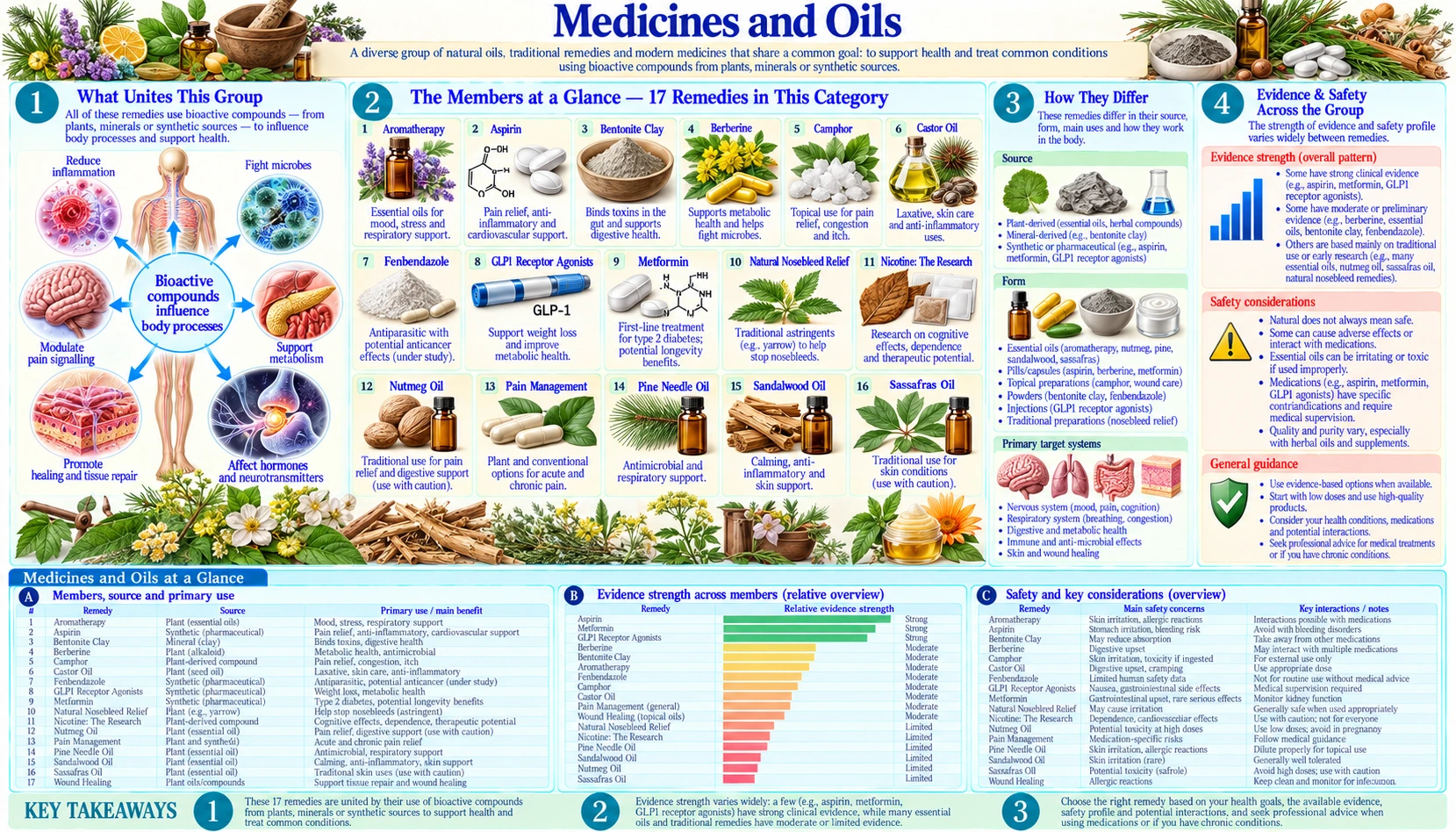
Medicines and Oils
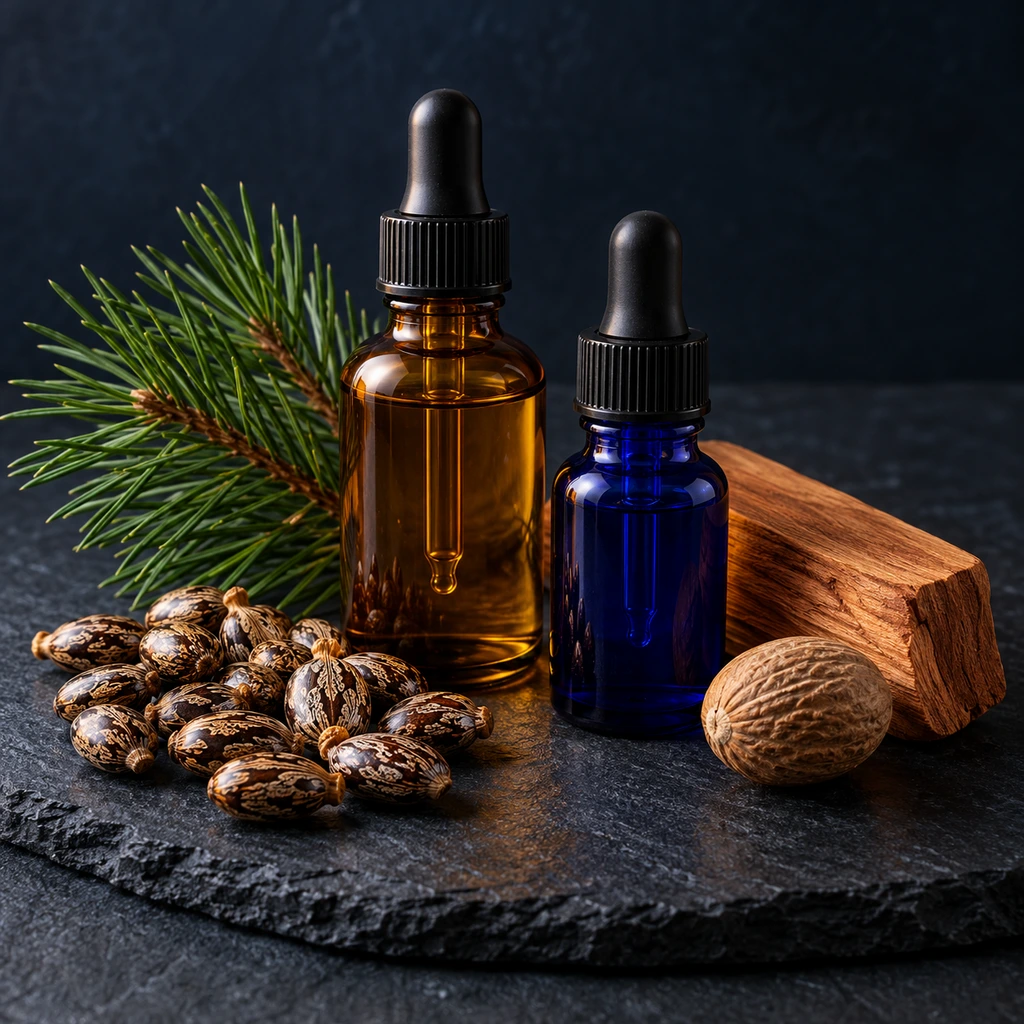
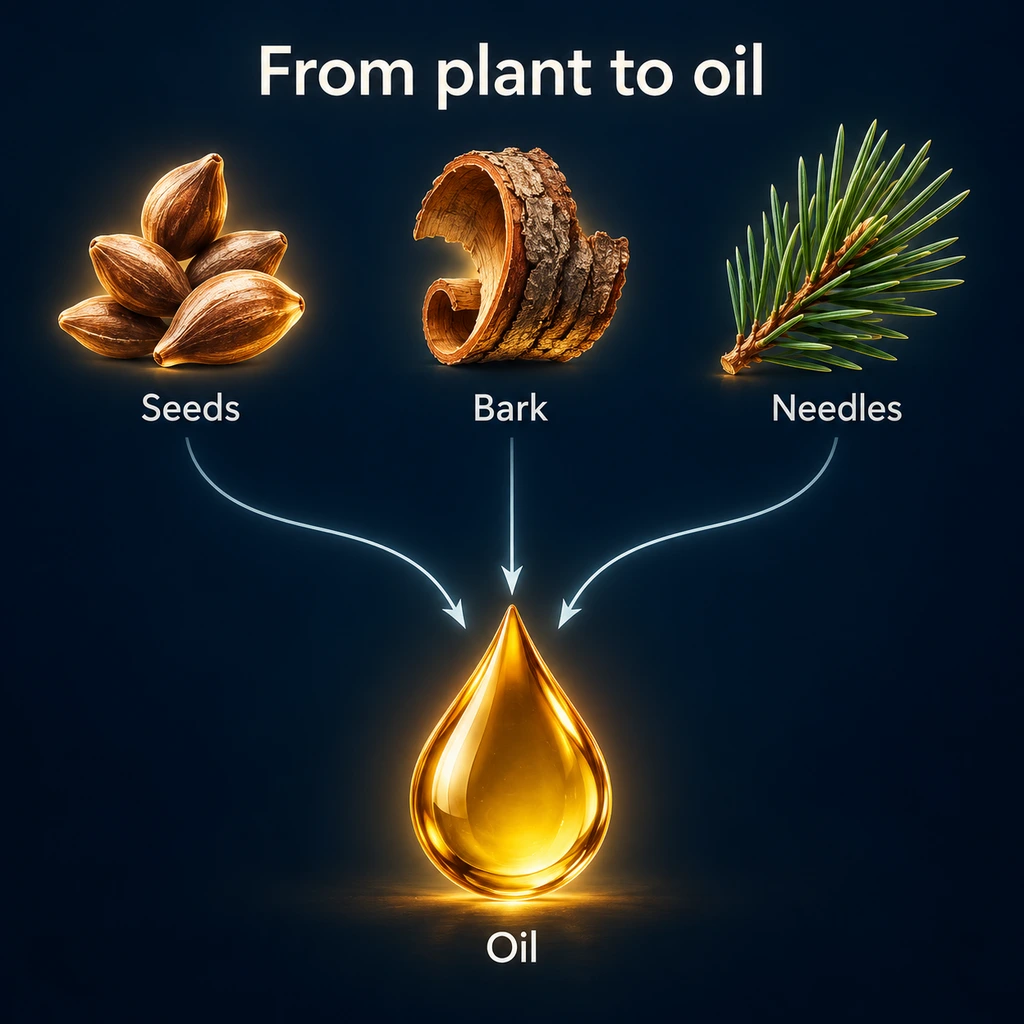
The Remedies (12)
Castor Oil
Oil pressed from castor seeds, a long-used stimulant laxative that is also applied to skin and studied for labor induction.
Read the deep dive →Berberine
A bright yellow plant alkaloid studied extensively for blood sugar, cholesterol and weight, with meta-analyses reporting improvements in type 2 diabetes markers.
Read the deep dive →Red Yeast Rice
Red yeast rice contains monacolin K, the same molecule as the statin lovastatin. Trials show it lowers LDL cholesterol, product strength varies widely, and in 2024 contaminated tablets in Japan were linked to kidney injury.
Read the deep dive →Bentonite Clay
Volcanic clay that binds certain toxins; trials found it lowered aflatoxin exposure, but heavy-metal detox claims lack human evidence and some products carried lead.
Read the deep dive →Wound Healing
How wounds heal in four phases, and what the evidence says about first aid, protein, vitamin C, zinc, honey and silver dressings.
Read the deep dive →Aromatherapy
The practice of inhaling or massaging in diluted plant essential oils, studied for anxiety, short-term stress, sleep and nausea, with modest measured benefits.
Read the deep dive →Pain Management
Non-prescription pain approaches graded by evidence, from movement and psychological therapies with strong trial support to heat, TENS, herbs and acupuncture.
Read the deep dive →Natural Nosebleed Relief
Covers how pressure on the soft nose stops a nosebleed, prevention with humidity, saline and petrolatum, and warning signs that need medical care.
Read the deep dive →Sandalwood Oil
Fragrant heartwood oil once taken as a urinary antiseptic, though not a modern infection treatment; now studied for skin inflammation and aroma.
Read the deep dive →Nutmeg Oil
Essential oil of the nutmeg seed, once a Dispensatory remedy for gas and aching joints; swallowing it can cause serious myristicin poisoning.
Read the deep dive →Pine Needle Oil
Oil steam-distilled from pine needles, historically inhaled with steam for chest congestion; the effect is mainly comforting, with antimicrobial activity in lab studies.
Read the deep dive →Sassafras Oil
Root-bark oil that once flavored root beer; it is mostly safrole, an animal carcinogen banned from US food since 1960.
Read the deep dive →Camphor
Sharp-smelling compound in chest rubs and balms; a trial found modest relief of children's night cough, but swallowed it can cause seizures.
Read the deep dive →Prescription and over-the-counter drugs now have their own section: Pharmacology › Drugs.
Pharmaceuticals used off-label, over-the-counter drugs, and the medicinal oils and clays. This is where dose, interaction and prescribing status matter most, so each page leads with them.
A remedy is filed here by what it claims to do, not by a judgement that it works. This section deliberately covers practices whose own pages conclude they do not — read the page before the category name.
Connections
Featured Videos