Berberine: Nature's Metabolic Optimizer
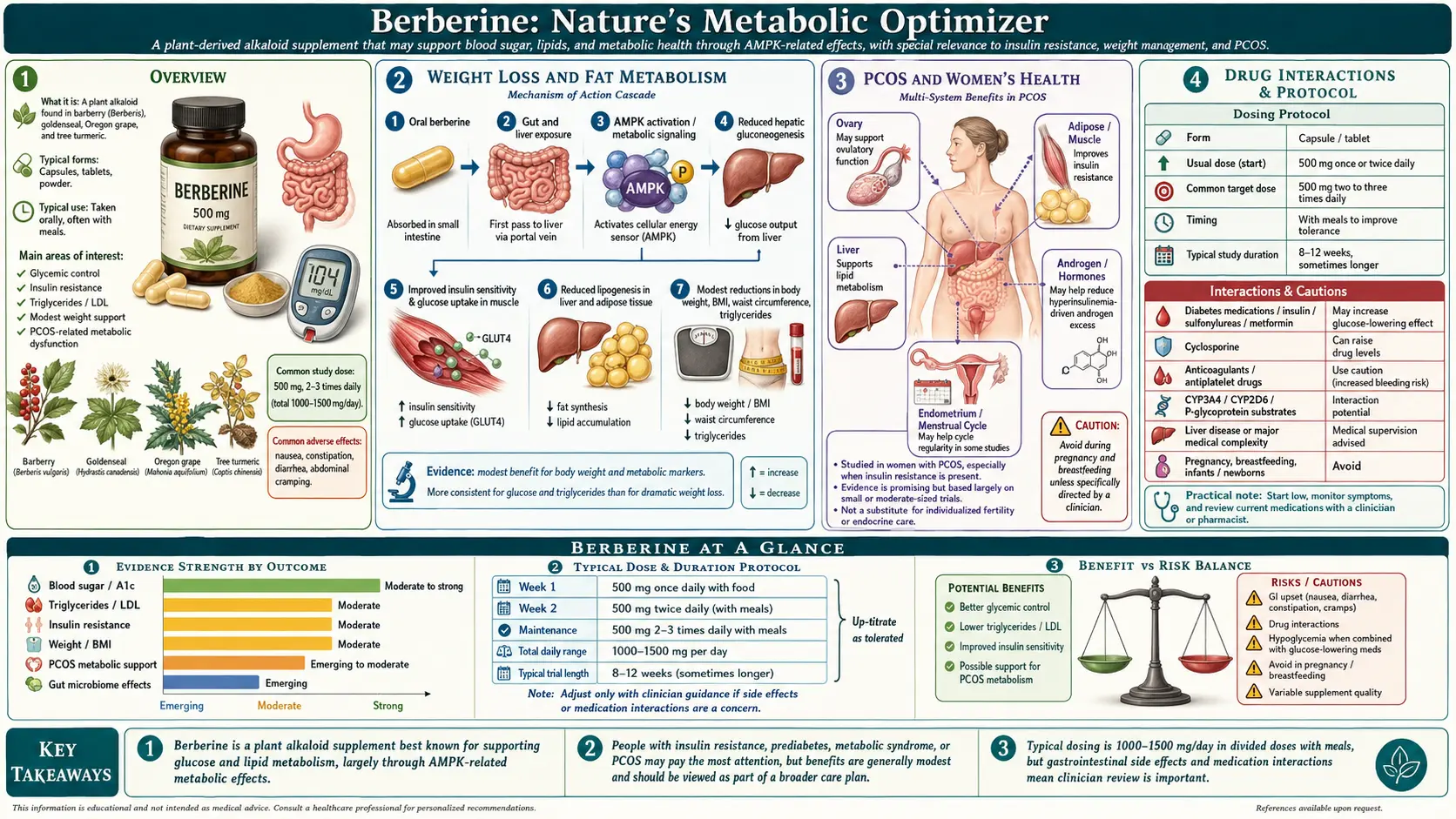
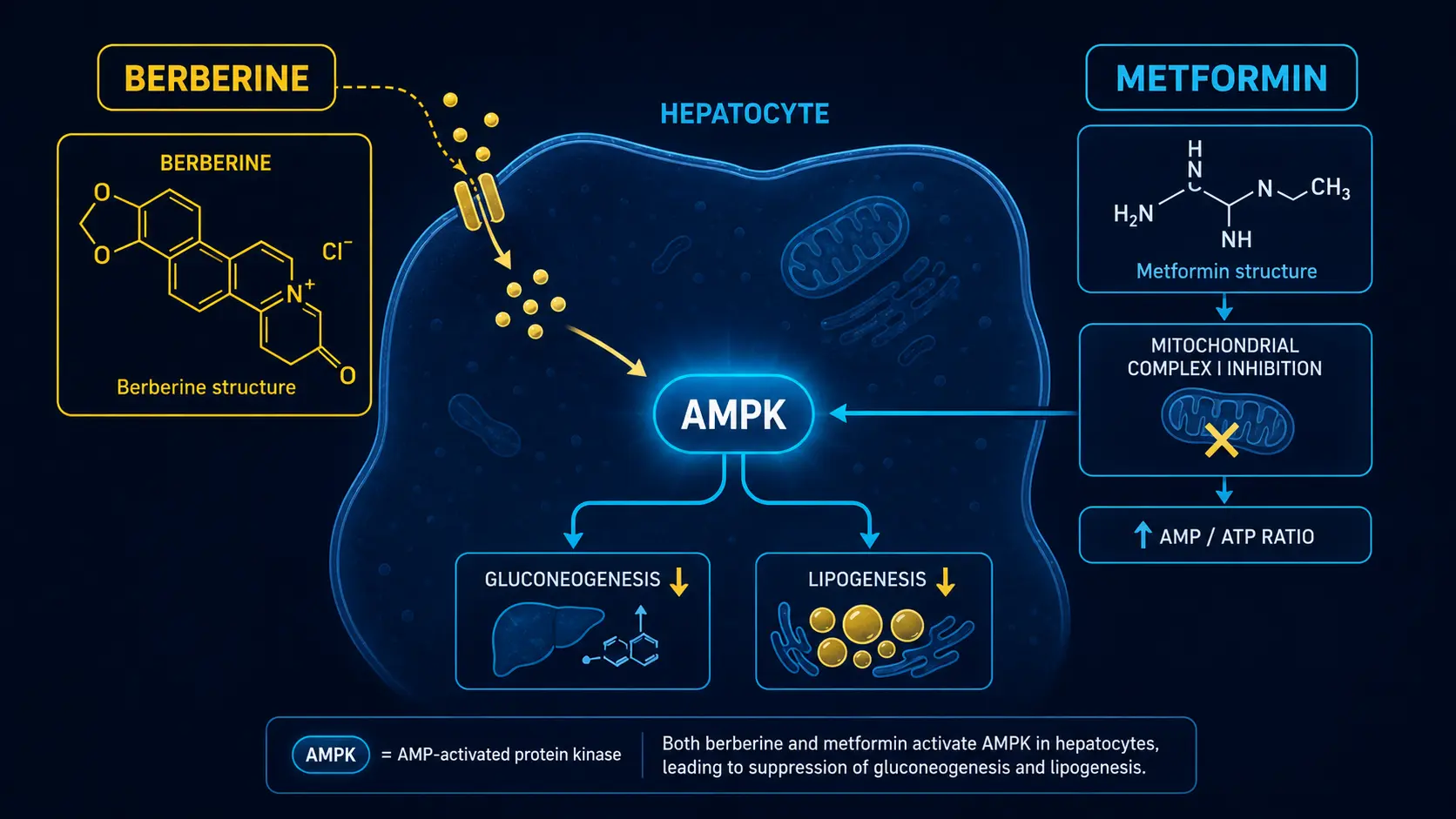
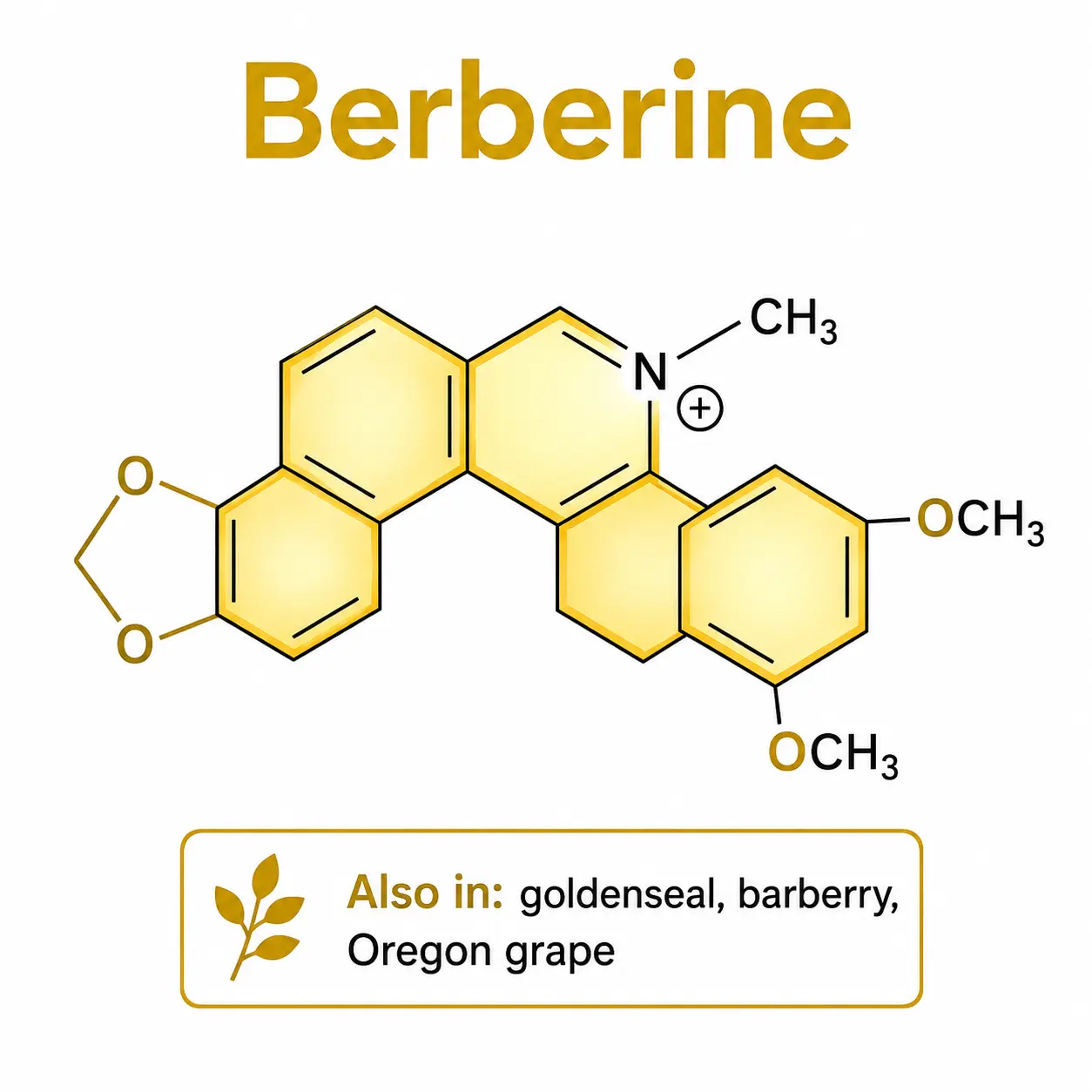
Table of Contents
- Overview
- History in Traditional Medicine
- Plant Sources
- Chemical Structure and Bioavailability
- AMP-Activated Protein Kinase Activation: The Master Metabolic Switch
- Blood Sugar Regulation
- Type 2 Diabetes Management
- Weight Loss and Fat Metabolism
- Cholesterol and Lipid Management
- Cardiovascular Health
- Gut Microbiome Effects
- Anti-Inflammatory Properties
- Antimicrobial Effects
- Polycystic Ovary Syndrome and Women's Health
- Liver Health and Non-Alcoholic Fatty Liver Disease
- Anti-Cancer Research
- Neuroprotective Effects
- Dihydroberberine and Enhanced Bioavailability
- Dosage and Timing
- Safety and Side Effects
- Drug Interactions
- Key Research Papers
- Featured Videos
Overview
Berberine is a bright yellow isoquinoline alkaloid that has surged to prominence in the modern health and wellness landscape, earning the viral nickname "Nature's Ozempic" across social media platforms — a name people borrowed from a brand of the injected diabetes and weight-loss drug semaglutide. While that comparison oversimplifies a complex compound with far broader therapeutic reach than any single pharmaceutical, the enthusiasm is not entirely misplaced. Berberine is one of the most extensively studied natural compounds in modern pharmacology, with over 4,500 published studies examining its effects on metabolism, blood sugar regulation, cardiovascular health, gut function, and beyond.
Unlike many supplements that rest on thin evidence and inflated marketing claims, berberine stands on a large body of clinical research. Multiple meta-analyses and systematic reviews have confirmed its ability to meaningfully reduce blood glucose, lower cholesterol, improve insulin sensitivity, and support weight management. A 2025 overview of 54 systematic reviews found that berberine improved 92.59% of the type 2 diabetes outcomes, 100% of the dyslipidemia (abnormal blood fats) outcomes and 90.91% of the metabolic syndrome outcomes it examined; the same overview rated only one of the 54 reviews as high quality, eight as low quality and 45 as very low quality.
What makes berberine especially noteworthy is its multi-target pharmacology. Rather than acting on a single receptor or pathway, berberine modulates dozens of molecular targets simultaneously — from AMP-activated protein kinase (AMPK) and NF-kB to gut microbiota composition and mitochondrial function. This pleiotropic action helps explain why a single compound can influence such a wide range of metabolic conditions. Its mechanisms, evidence base, limitations and safety profile are set out in the sections below.
History in Traditional Medicine
Berberine's medicinal history stretches back more than 3,000 years, making it one of the oldest continuously used therapeutic compounds in human civilization. Healers across China (Coptis chinensis, or Huang Lian), India (Berberis aristata, or Daruharidra), the ancient Near East, and North America (goldenseal and Oregon grape) independently reached for the same bitter, golden-rooted plants for infections, dysentery, and inflammation — long before anyone knew they shared a single yellow alkaloid. The compound itself was not isolated and named until 1830, and its surprising twentieth-century pivot from an old anti-diarrhoea remedy to a modern metabolic agent — along with the recent "Nature's Ozempic" craze — the fuller story is told in the dedicated History article.
Plant Sources
Berberine is not a single-source compound but rather a widely distributed alkaloid found across multiple plant families. The alkaloid concentrates primarily in the roots, rhizomes, and stem bark of its host plants, where it serves as a natural defense mechanism against pathogens and herbivores. The distinctive bright yellow color that berberine imparts has historically made it useful both as a medicine and as a natural dye for textiles and leather.
Berberis vulgaris (Common Barberry) is the plant from which berberine derives its name. Native to Europe, North Africa, and western Asia, common barberry contains approximately 1.5% berberine by dry weight in its root bark. The genus Berberis encompasses over 500 species distributed worldwide, many of which contain varying concentrations of the alkaloid. Barberry fruits have been used in traditional cuisines across the Middle East and Central Asia, while the root bark served medicinal purposes for centuries.
Coptis chinensis (Chinese Goldthread) is arguably the most pharmacologically significant source of berberine, containing among the highest concentrations of any plant — up to 5-8% berberine in its rhizomes. Known as Huang Lian in Chinese medicine, this small perennial herb grows in the shaded mountain forests of China and has been cultivated for medicinal purposes for thousands of years. Most clinical research on berberine has used extracts derived from Coptis chinensis or its close relatives.
Hydrastis canadensis (Goldenseal) is native to the eastern woodlands of North America and contains approximately 2-4% berberine by dry weight, along with significant amounts of the related alkaloid hydrastine. Goldenseal has become one of the most popular herbal supplements in the Western market, though overharvesting has placed wild populations under considerable ecological pressure, leading to its listing as a threatened species in several regions. Mahonia aquifolium (Oregon Grape), native to western North America, provides another significant source of berberine and has been studied for its antimicrobial and anti-inflammatory properties, particularly in dermatological applications.
Chemical Structure and Bioavailability
Berberine belongs to the protoberberine class of isoquinoline alkaloids, with the molecular formula C20H18NO4+. Its chemical structure comprises a dihydroisoquinoline ring fused with an isoquinoline ring, creating a planar, rigid aromatic system that gives the compound its characteristic bright yellow color and fluorescent properties. The molecule carries a permanent positive charge as a quaternary ammonium compound, a feature that profoundly influences its pharmacokinetic behavior — particularly its limited ability to cross cell membranes passively.
The bioavailability of orally administered berberine represents both its greatest pharmacological challenge and one of the most active areas of research. Studies in animal models have demonstrated that the absolute oral bioavailability of berberine is remarkably low — less than 1% of the ingested dose reaches systemic circulation. This poor absorption results from three compounding factors: extensive first-pass metabolism by cytochrome P450 enzymes in the intestinal wall (which eliminates more than 98% of the absorbed fraction), insufficient membrane permeability due to P-glycoprotein (P-gp)-mediated efflux transport that actively pumps berberine back into the intestinal lumen, and additional hepatic first-pass metabolism.
Despite this seemingly dismal bioavailability, berberine consistently demonstrates significant clinical effects in human trials — a phenomenon sometimes called the "berberine paradox." Researchers have proposed several explanations for this apparent contradiction. First, berberine accumulates in tissues at concentrations far higher than plasma levels suggest, particularly in the liver, kidneys, and brain. Second, intestinal microbiota metabolize berberine into bioactive metabolites including berberrubine, thalifendine, and demethyleneberberine, which may contribute substantially to its therapeutic effects. Third, berberine exerts significant direct effects on the gut epithelium and microbiome before systemic absorption, meaning that low systemic levels may not fully represent its therapeutic impact.
The physicochemical properties of berberine — a melting point of 145-147 degrees Celsius, solubility in hot water but limited solubility in cold water or ethanol, and insolubility in organic solvents like benzene and chloroform — have driven considerable research into enhanced delivery systems including nanoparticles, liposomes, solid lipid formulations, and the development of the more bioavailable derivative dihydroberberine.
AMP-Activated Protein Kinase Activation: The Master Metabolic Switch
At the molecular heart of berberine's wide-ranging metabolic effects lies its ability to activate AMP-activated protein kinase (AMPK), an enzyme often described as the body's master metabolic switch or cellular fuel gauge. AMP-activated protein kinase functions as a critical energy sensor present in virtually every cell, monitoring the ratio of AMP to adenosine triphosphate (ATP) (the cell's energy currency). When energy levels drop and the AMP-to-ATP ratio rises, AMP-activated protein kinase activates a cascade of metabolic responses designed to restore energy balance — switching on catabolic pathways that generate adenosine triphosphate (such as fatty acid oxidation and glucose uptake) while simultaneously switching off energy-consuming anabolic processes (such as lipogenesis and gluconeogenesis).
Berberine activates AMP-activated protein kinase through a mechanism that begins at the mitochondria. Research has established that berberine inhibits Complex I of the mitochondrial electron transport chain, which reduces cellular adenosine triphosphate production and consequently raises the AMP-to-ATP ratio. This sustained elevation in AMP levels triggers AMP-activated protein kinase phosphorylation at its critical threonine-172 (Thr172) residue, the hallmark of AMP-activated protein kinase activation. More recent research published in Frontiers in Pharmacology (2023) has revealed additional complexity: berberine also activates lysosomal AMP-activated protein kinase through an AXIN1-dependent mechanism and maintains AMP-activated protein kinase activity by reducing UHRF1 expression, which normally promotes AMP-activated protein kinase dephosphorylation.
The downstream consequences of berberine-induced AMP-activated protein kinase activation are extraordinarily broad. In muscle tissue, activated AMP-activated protein kinase stimulates glucose transporter type 4 (GLUT4) translocation to the cell membrane, dramatically increasing glucose uptake. In the liver, it suppresses gluconeogenic gene expression, reducing hepatic glucose output. In adipose tissue, it enhances lipolysis and fatty acid oxidation while inhibiting lipogenesis. AMP-activated protein kinase activation also promotes mitochondrial biogenesis, enhances autophagy (cellular self-cleaning), and suppresses the inflammatory NF-kB pathway.
This AMP-activated protein kinase-centric mechanism is remarkably similar to that of metformin, the world's most widely prescribed diabetes medication, which also acts in part through AMP-activated protein kinase activation via mitochondrial Complex I inhibition. This shared molecular target helps explain why berberine and metformin produce comparable clinical outcomes in blood sugar and lipid management, and why researchers have increasingly studied the two compounds in combination.
Blood Sugar Regulation
Berberine's ability to regulate blood sugar represents its most thoroughly documented therapeutic application, supported by extensive clinical evidence. The compound operates through multiple complementary mechanisms that target virtually every step in glucose homeostasis. Beyond AMP-activated protein kinase activation, berberine enhances insulin sensitivity in peripheral tissues by upregulating insulin receptor expression, promotes glycolysis (the breakdown of glucose for energy) by increasing the activity of key glycolytic enzymes, and inhibits gluconeogenesis (the liver's production of new glucose) by suppressing the expression of phosphoenolpyruvate carboxykinase (PEPCK) and glucose-6-phosphatase.
Clinical trials have consistently demonstrated that berberine produces clinically meaningful reductions in all three major markers of glycemic control. A landmark meta-analysis of 46 clinical studies involving over 4,000 participants with type 2 diabetes found that berberine significantly reduced fasting plasma glucose, postprandial (after-meal) glucose, and hemoglobin A1c (HbA1c) — the gold-standard measure of long-term blood sugar control. In several head-to-head trials, berberine's hypoglycemic effect was comparable to that of metformin, with some analyses suggesting that berberine may actually produce superior reductions in hemoglobin A1c, fasting plasma glucose, and 2-hour postprandial glucose.
In a pivotal study published in the journal Metabolism, 36 adults with newly diagnosed type 2 diabetes were randomized to receive either berberine (500 mg three times daily) or metformin (500 mg three times daily) for three months. The berberine group demonstrated reductions in hemoglobin A1c from 9.5% to 7.5%, fasting blood glucose from 10.6 to 6.9 mmol/L, and postprandial glucose from 19.8 to 11.1 mmol/L — results that were statistically indistinguishable from the metformin group. A subsequent six-month trial with 60 patients found that combining berberine with metformin produced superior glycemic control compared to metformin alone, suggesting additive or synergistic effects.
Berberine also addresses another important dimension of blood sugar regulation: it inhibits alpha-glucosidase, the intestinal enzyme responsible for breaking down complex carbohydrates into absorbable simple sugars. This mechanism, shared with the pharmaceutical acarbose, effectively slows the rate at which glucose enters the bloodstream after meals, blunting postprandial glucose spikes. Additionally, berberine has been shown to stimulate glucagon-like peptide-1 (GLP-1) secretion from intestinal L-cells, the same incretin hormone targeted by medications like semaglutide and liraglutide, providing yet another pathway through which it supports glycemic homeostasis.
Type 2 Diabetes Management
The evidence for berberine in the comprehensive management of type 2 diabetes extends well beyond simple blood sugar lowering. Type 2 diabetes is fundamentally a disease of metabolic dysfunction affecting glucose regulation, lipid metabolism, inflammatory signaling, and vascular health simultaneously — and berberine's multi-target pharmacology addresses multiple facets of this complex condition. A 2025 review in Pharmaceuticals characterized berberine as a "rising star" in type 2 diabetes management, highlighting novel insights into its anti-inflammatory, metabolic, and epigenetic mechanisms.
One of berberine's most valuable properties in diabetes management is its ability to address insulin resistance, the fundamental driver of type 2 diabetes. Berberine enhances insulin signaling by increasing insulin receptor substrate-1 (IRS-1) expression, promoting tyrosine phosphorylation of the insulin receptor, and activating the PI3K/Akt signaling pathway that mediates insulin's metabolic effects. These actions improve the ability of muscle, liver, and adipose tissue to respond appropriately to insulin, reducing the compensatory hyperinsulinemia that drives disease progression.
Berberine also targets the chronic low-grade inflammation that perpetuates insulin resistance and drives diabetic complications. By suppressing the NF-kB inflammatory pathway and reducing circulating levels of pro-inflammatory cytokines including tumor necrosis factor-alpha, interleukin-6 (IL-6), and C-reactive protein, berberine helps break the vicious cycle of inflammation and metabolic dysfunction. Emerging research has revealed that berberine also modulates epigenetic mechanisms — DNA methylation patterns and histone modifications — that influence the expression of genes involved in insulin sensitivity and beta-cell function, suggesting effects that may extend beyond the period of active supplementation.
For individuals already on pharmaceutical diabetes treatment, clinical evidence suggests that berberine can serve as a valuable adjunct therapy. Studies have demonstrated that adding berberine to metformin therapy produces greater improvements in glycemic control, lipid profiles, and body composition than metformin alone. However, the combination raises the risk of hypoglycemia (dangerously low blood sugar), and these studies tested berberine added to metformin, not berberine in place of prescribed medicine.
Weight Loss and Fat Metabolism
Berberine's effects on body weight and fat metabolism have generated tremendous public interest, fueled in part by the "Nature's Ozempic" social media phenomenon. While the comparison to glucagon-like peptide-1 receptor agonists is an oversimplification — berberine does not produce the dramatic appetite suppression or weight loss seen with semaglutide — clinical evidence does support modest but meaningful effects on body composition. A systematic review and meta-analysis found that berberine supplementation produced a statistically significant reduction in body weight (approximately 2.07 kg), body mass index (BMI), and waist circumference, along with reductions in C-reactive protein, a marker of systemic inflammation.
The mechanisms through which berberine influences fat metabolism are multifaceted and primarily mediated through AMP-activated protein kinase activation. In adipose tissue, berberine inhibits the differentiation of preadipocytes into mature fat cells (adipogenesis) by suppressing key transcription factors including PPAR-gamma and C/EBP-alpha. It simultaneously promotes lipolysis (the breakdown of stored fat) and enhances fatty acid beta-oxidation (the burning of fatty acids for energy) in both adipose tissue and skeletal muscle. These effects effectively shift the body's metabolic balance away from fat storage and toward fat utilization.
A pivotal 12-week clinical trial found that daily supplementation with 1.5 grams of berberine in obese participants produced a 23% decrease in triglycerides and a 12.2% decrease in total cholesterol, accompanied by significant reductions in body mass index and visceral fat. A larger, more rigorous randomized clinical trial published in JAMA Network Open in 2026 (337 adults without diabetes who had obesity and metabolic dysfunction-associated steatotic liver disease (MASLD), given berberine 1 g a day or a placebo for six months) found that berberine did not reduce visceral (deep belly) fat or liver fat compared with placebo; it did lower low-density lipoprotein cholesterol, apolipoprotein B and high-sensitivity C-reactive protein (an inflammation marker) more than placebo did.
Berberine's effects on gut microbiota composition also contribute to its weight management properties. The compound promotes the growth of beneficial bacteria that produce short-chain fatty acids, which influence appetite regulation, energy expenditure, and fat storage through both local gut effects and systemic signaling. However, it is important to maintain realistic expectations: berberine is not a weight loss miracle, and the National Center for Complementary and Integrative Health (NCCIH) has noted that the amounts and formulations used across studies have varied widely, making it difficult to draw definitive conclusions about weight loss magnitude.
Cholesterol and Lipid Management
Berberine's lipid-lowering properties represent one of its most clinically significant applications, with research demonstrating effects across the full spectrum of atherogenic lipids. A comprehensive meta-analysis of randomized controlled trials found that berberine produces significant reductions in total cholesterol, low-density lipoprotein (LDL) cholesterol ("bad" cholesterol), and triglycerides, with a concurrent increase in high-density lipoprotein (HDL) cholesterol ("good" cholesterol). Quantitatively, studies have reported average reductions in low-density lipoprotein cholesterol of approximately 0.5 mmol/L (18 mg/dL) and triglycerides of approximately 0.3 mmol/L (30 mg/dL), with a 2025 systematic review confirming these findings across multiple placebo-controlled trials.
The mechanism through which berberine lowers cholesterol is distinct from that of statins, though both classes of compounds ultimately upregulate the low-density lipoprotein receptor (LDLR) on liver cells, increasing the clearance of low-density lipoprotein cholesterol from the bloodstream. While statins achieve LDLR upregulation by inhibiting HMG-CoA reductase and depleting intracellular cholesterol (which triggers LDLR gene expression via sterol regulatory element binding proteins, or SREBPs), berberine operates through an entirely different pathway. Berberine stabilizes LDLR messenger RNA through a post-transcriptional mechanism dependent on ERK (extracellular signal-regulated kinase) activation, prolonging the lifespan of LDLR mRNA and thereby increasing the total number of low-density lipoprotein receptors produced by each cell.
This mechanistic distinction has important clinical implications. Because berberine and statins upregulate the low-density lipoprotein receptor through independent pathways, combining them can produce additive cholesterol-lowering effects. Several clinical studies have confirmed this synergy, demonstrating that adding berberine to statin therapy produces greater low-density lipoprotein reductions than statin monotherapy alone. This combination may be particularly valuable for patients who cannot tolerate high-dose statins due to muscle pain (myalgia) or other side effects, allowing them to achieve target cholesterol levels with a lower statin dose supplemented by berberine.
Beyond low-density lipoprotein and triglycerides, berberine also inhibits a protein called PCSK9 (proprotein convertase subtilisin/kexin type 9), which normally promotes the degradation of low-density lipoprotein receptors. By reducing PCSK9 activity, berberine helps maintain higher levels of low-density lipoprotein receptors on hepatocyte surfaces, further enhancing cholesterol clearance. This mechanism parallels that of the expensive injectable PCSK9 inhibitor drugs (evolocumab, alirocumab), though berberine's effect magnitude is considerably more modest.
Cardiovascular Health
The cardiovascular benefits of berberine extend well beyond its lipid-lowering effects, encompassing antihypertensive, antiarrhythmic, anti-atherosclerotic, and cardioprotective properties. Clinical evidence has shown improvements in 78% of cardiovascular disease outcomes assessed across multiple studies, suggesting a broad protective effect on heart and vascular health. These diverse cardiovascular actions reflect berberine's ability to modulate multiple pathways simultaneously — a characteristic that positions it as a potentially valuable complement to conventional cardiovascular therapies.
Berberine demonstrates antihypertensive effects through several mechanisms, including promotion of endothelium-dependent vasodilation via increased nitric oxide (NO) production, inhibition of the angiotensin-converting enzyme (ACE), and reduction of vascular smooth muscle cell proliferation. In clinical studies, berberine supplementation has been associated with modest but consistent reductions in both systolic and diastolic blood pressure. The compound also exhibits Class III antiarrhythmic properties, meaning it can help stabilize heart rhythm by prolonging the effective refractory period of cardiac tissue — an effect that has been studied specifically in the context of atrial fibrillation and ventricular arrhythmias.
At the vascular level, berberine protects against atherosclerosis — the progressive buildup of plaques in artery walls that underlies heart attacks and strokes. It achieves this through multiple complementary mechanisms: reducing low-density lipoprotein oxidation (a critical initiating event in plaque formation), suppressing the expression of adhesion molecules that recruit inflammatory cells to the vessel wall, inhibiting the proliferation and migration of vascular smooth muscle cells into the intimal layer, and reducing the formation of foam cells (lipid-laden macrophages that form the core of atherosclerotic plaques).
Berberine also exerts positive inotropic effects, meaning it can modestly strengthen cardiac contractility, which may benefit individuals with reduced heart function. Animal studies have demonstrated protective effects against ischemia-reperfusion injury (the damage that occurs when blood flow is restored after a period of obstruction, as during a heart attack), with berberine reducing infarct size and preserving cardiac function. While these cardiovascular properties are promising, it is important to note that large-scale, long-term cardiovascular outcome trials — the gold standard for demonstrating that a treatment actually reduces heart attacks, strokes, and cardiovascular death — have not yet been conducted for berberine.
Gut Microbiome Effects
One of the most fascinating and rapidly evolving areas of berberine research concerns its profound effects on the gut microbiome — the complex ecosystem of trillions of microorganisms residing in the intestinal tract. Given berberine's extremely low systemic bioavailability (less than 1%), the gastrointestinal tract is where the highest concentrations of the compound are found, and it is increasingly recognized that many of berberine's systemic health effects may originate from its interactions with gut bacteria rather than from direct action on distant tissues.
Research published in PMC and other journals has revealed that berberine substantially reshapes the gut microbial landscape. It promotes the growth of beneficial bacterial genera, particularly Lactobacillus and Akkermansia muciniphila — organisms strongly associated with improved metabolic health, enhanced gut barrier integrity, and reduced systemic inflammation. Akkermansia is of particular interest because its depletion has been linked to obesity, type 2 diabetes, and inflammatory bowel disease, and its restoration is considered a hallmark of improved metabolic health.
Berberine simultaneously suppresses populations of potentially pathogenic bacteria while boosting bacteria that produce short-chain fatty acids (SCFAs) — primarily butyrate, propionate, and acetate. These short-chain fatty acids serve as the primary energy source for colonocytes (cells lining the colon), strengthen the intestinal barrier, modulate immune function, influence appetite and energy expenditure through the gut-brain axis, and regulate hepatic glucose and lipid metabolism. The net effect is a shift in microbiome composition from a pro-inflammatory, dysbiotic profile toward a more balanced, health-promoting state.
The bidirectional relationship between berberine and gut bacteria adds another layer of complexity. Not only does berberine modify the microbiome, but gut bacteria actively metabolize berberine into biologically active compounds. Intestinal microbiota convert berberine into lipophilic metabolites including dihydroberberine, berberrubine, and demethyleneberberine, which are more readily absorbed than the parent compound and may contribute significantly to its systemic therapeutic effects. This means that individual variations in gut microbiome composition could partly explain why some people respond more robustly to berberine supplementation than others.
Anti-Inflammatory Properties
Chronic low-grade inflammation is now recognized as a unifying mechanism underlying many of the conditions that berberine has been shown to benefit — from type 2 diabetes and cardiovascular disease to fatty liver disease and neurodegenerative disorders. Berberine's anti-inflammatory effects are among its most well-characterized properties at the molecular level, operating through multiple interconnected signaling pathways that converge to suppress the inflammatory response at virtually every stage.
The most thoroughly studied anti-inflammatory mechanism involves berberine's inhibition of the NF-kB (nuclear factor kappa-light-chain-enhancer of activated B cells) signaling pathway, often called the master regulator of inflammation. Under inflammatory stimulation, NF-kB normally translocates to the cell nucleus and activates the transcription of hundreds of pro-inflammatory genes. Berberine blocks this process at multiple points: it inhibits the degradation of IkB-alpha (the protein that keeps NF-kB sequestered in the cytoplasm), reduces the phosphorylation and nuclear translocation of the NF-kB p65 subunit, and decreases the acetylation of p65 through a mechanism partially dependent on the deacetylase enzyme Sirt1.
Beyond NF-kB, berberine modulates the MAPK (mitogen-activated protein kinase) signaling cascade, including the ERK, JNK, and p38 MAPK pathways, all of which play critical roles in propagating inflammatory signals. It also activates the AKT1/SOCS1 pathway, which suppresses cytokine signaling, and inhibits the JAK/STAT pathway, another major conduit for inflammatory signal transduction. The net result of these multiple pathway interventions is a broad-spectrum suppression of pro-inflammatory mediators.
At the level of inflammatory mediators themselves, berberine has been shown to significantly reduce the production and secretion of key pro-inflammatory cytokines including tumor necrosis factor-alpha, interleukin-1-beta, interleukin-6, and MCP-1 (monocyte chemoattractant protein-1), while suppressing the expression of cyclooxygenase-2 (COX-2) and iNOS (inducible nitric oxide synthase) — enzymes responsible for producing inflammatory prostaglandins and nitric oxide, respectively. These effects have been demonstrated both in vitro (in cell culture models of inflammation) and in vivo (in animal models and human clinical trials), with AMP-activated protein kinase activation serving as a central coordinating mechanism that links the metabolic and anti-inflammatory actions of berberine.
Antimicrobial Effects
Berberine's antimicrobial properties were among the first to be recognized historically and remain clinically relevant today, particularly in the context of gastrointestinal infections and dysbiosis. The compound exhibits broad-spectrum activity against bacteria, fungi, parasites, and certain viruses, operating primarily by disrupting microbial cell membranes and inhibiting key enzymes necessary for microbial survival and replication. Its effectiveness as a natural antimicrobial has been validated against a wide range of pathogenic organisms.
In the treatment of Small Intestinal Bacterial Overgrowth (SIBO), berberine has emerged as a promising alternative to conventional antibiotic therapy. A 2014 retrospective review of patient charts at a hospital gastroenterology practice (published in Global Advances in Health and Medicine) compared multi-herb formulas that contain berberine among their ingredients with rifaximin — the standard pharmaceutical treatment for small intestinal bacterial overgrowth: 17 of 37 patients (46%) on the herbal formulas had a negative breath test afterwards, compared with 23 of 67 (34%) on rifaximin (P = .24), and the authors concluded that the herbal therapies were "at least as effective as rifaximin." The study did not test berberine on its own. This finding is particularly significant because small intestinal bacterial overgrowth frequently recurs after antibiotic treatment, and berberine's additional benefits on gut microbiome composition may offer advantages in preventing relapse. Unlike broad-spectrum antibiotics, berberine appears to selectively target pathogenic organisms while preserving or even enhancing beneficial bacterial populations.
Against Candida species, berberine demonstrates significant antifungal activity. It disrupts the fungal cell membrane integrity, inhibits biofilm formation (the protective matrix that makes Candida infections difficult to eradicate), and works synergistically with conventional antifungal agents. For individuals with chronic candidiasis or fungal overgrowth, berberine's dual antibacterial and antifungal properties make it particularly valuable, as these conditions frequently coexist. Research has shown that berberine effectively manages both Candida overgrowth and bacterial dysbiosis simultaneously, addressing the complex polymicrobial imbalances that characterize many chronic gastrointestinal conditions.
Berberine has also demonstrated activity against several clinically important bacterial pathogens, including Staphylococcus aureus (including methicillin-resistant strains, or MRSA), Escherichia coli, Streptococcus species, and Helicobacter pylori — the bacterium responsible for most peptic ulcers and a major risk factor for gastric cancer. Studies have explored berberine's potential as an adjunct in H. pylori eradication therapy, where it may enhance the effectiveness of standard triple therapy while reducing antibiotic-associated side effects. The compound's ability to target ESKAPE pathogens (the six most common multidrug-resistant organisms in hospital settings) has generated additional interest in its potential role in combating antibiotic resistance.
Polycystic Ovary Syndrome and Women's Health
Polycystic Ovary Syndrome (PCOS) affects an estimated 8-13% of reproductive-age women worldwide and represents a complex endocrine disorder characterized by insulin resistance, hyperandrogenism (excess male hormones), ovulatory dysfunction, and metabolic disturbances. Because insulin resistance is increasingly recognized as the central driver of polycystic ovary syndrome pathophysiology, berberine's potent insulin-sensitizing properties make it a compelling therapeutic option — and clinical research has increasingly supported its use in this population.
A 2022 prospective randomized study comparing berberine, metformin, and myoinositol in women with polycystic ovary syndrome found that berberine demonstrated greater improvements in clinical, hormonal, and lipid parameters compared to both metformin and myoinositol, while myoinositol improved the blood-sugar measures more. In that study berberine lowered total testosterone and the free androgen index (FAI) and raised sex hormone-binding globulin (SHBG); the study did not measure periods, hair growth or acne. Practitioners report that women taking berberine for polycystic ovary syndrome see more regular periods and less of the excess hair growth (hirsutism) and acne caused by excess male hormones. The hormonal improvements were accompanied by significant reductions in insulin resistance, suggesting that berberine addresses the root cause rather than merely masking symptoms.
For women with polycystic ovary syndrome pursuing fertility, berberine shows particular promise. Research has demonstrated that berberine intake may improve ovulatory function in women with chronic anovulation (failure to ovulate), potentially restoring regular menstrual cycles and natural fertility. In the context of in vitro fertilization (IVF), berberine has been shown to improve pregnancy rates and metabolic parameters while lowering the risk of ovarian hyperstimulation syndrome (OHSS) — a potentially dangerous complication of fertility treatment — in a manner comparable to metformin. These benefits, combined with a generally milder side-effect profile than metformin, have led some reproductive endocrinologists to consider berberine as a preconception metabolic intervention.
Comparisons with metformin in the polycystic ovary syndrome population have been particularly illuminating. While both compounds improve insulin sensitivity and metabolic parameters, studies have found that berberine may be more effective at reducing androgen levels, improving the luteinizing hormone-to-FSH ratio (a key hormonal marker in polycystic ovary syndrome), and improving dyslipidemia. Gastrointestinal side effects — the most common reason patients discontinue metformin — appear to be less severe with berberine. However, systematic reviews have cautioned that there is not yet solid evidence that berberine improves live birth rates, and larger, well-designed trials with pregnancy outcomes as primary endpoints are needed before berberine can be recommended as a standard fertility treatment for polycystic ovary syndrome.
Liver Health and Non-Alcoholic Fatty Liver Disease
Non-alcoholic fatty liver disease (NAFLD), now increasingly referred to as metabolic dysfunction-associated steatotic liver disease (MASLD), affects approximately 25-30% of the global adult population and is closely linked to insulin resistance, obesity, and metabolic syndrome. Berberine has emerged as one of the most promising natural interventions for this condition, with a 2025 overview of systematic reviews finding that berberine improved 86.67% of the non-alcoholic fatty liver disease outcomes it examined.
A pivotal randomized controlled trial demonstrated that 16 weeks of berberine treatment combined with lifestyle intervention significantly reduced hepatic fat content in non-alcoholic fatty liver disease patients, with parallel improvements in body weight, glucose metabolism, and lipid profiles. A 2024 meta-analysis published in the Journal of Translational Medicine (10 randomized trials, 811 patients) found that berberine improved the liver enzymes alanine aminotransferase (ALT), aspartate aminotransferase (AST) and gamma-glutamyl transferase (GGT) — markers of liver cell damage and inflammation — along with blood fats and insulin resistance; liver fat itself was not one of the outcomes it pooled.
The mechanisms through which berberine protects the liver are multifaceted and address the multiple pathological processes driving non-alcoholic fatty liver disease progression. Berberine activates AMP-activated protein kinase in hepatocytes, which directly inhibits de novo lipogenesis (the liver's synthesis of new fat) while promoting fatty acid oxidation. It enhances Sirtuin 1 (SIRT1) expression, which in turn activates CPT1A — the rate-limiting enzyme for mitochondrial fatty acid transport and oxidation — effectively accelerating the liver's ability to burn stored fat. Additionally, berberine reduces hepatic inflammation by suppressing NF-kB signaling and modulates gut microbiota composition in ways that reduce the translocation of bacterial endotoxins (lipopolysaccharides) from the gut to the liver via the portal vein.
Berberine also addresses the progression from simple steatosis (fat accumulation) to the more dangerous non-alcoholic steatohepatitis (NASH), characterized by liver inflammation and fibrosis. Research has documented berberine's ability to reduce oxidative stress in hepatocytes, inhibit hepatic stellate cell activation (the key event in liver fibrosis), and modulate the PPAR (peroxisome proliferator-activated receptor) signaling pathways that regulate lipid metabolism in the liver. While current pharmacological treatments for non-alcoholic fatty liver disease remain limited, berberine presents a favorable profile as an adjunct therapy, though formulation improvements to enhance bioavailability are needed to maximize its hepatoprotective potential.
Anti-Cancer Research
Berberine's potential anti-cancer properties have attracted substantial research attention, with preclinical studies demonstrating activity against multiple cancer types including colorectal, breast, pancreatic, liver, prostate, and lung cancers. The compound exerts its anti-cancer effects through multiple mechanisms that target nearly every hallmark of cancer biology, though it is critical to emphasize that most evidence remains at the preclinical stage, and the human trials so far concern preventing the return of bowel polyps, not replacing standard cancer treatment.
At the cellular level, berberine inhibits cancer cell proliferation by inducing cell cycle arrest — halting the division of cancer cells at specific checkpoints (primarily G1 and G2/M phases). It promotes apoptosis (programmed cell death) in cancer cells through both the intrinsic (mitochondrial) and extrinsic (death receptor) pathways, while largely sparing normal cells from these cytotoxic effects. Berberine also suppresses angiogenesis (the formation of new blood vessels that tumors require for growth) by inhibiting vascular endothelial growth factor (VEGF) expression, and it inhibits metastasis by reducing the expression of matrix metalloproteinases (MMPs) and other enzymes that cancer cells use to invade surrounding tissues.
The molecular pathways through which berberine achieves these effects include inhibition of the PI3K/AKT/mTOR pathway (a central driver of cancer cell growth and survival), suppression of the Wnt/beta-catenin pathway (critical for colorectal cancer progression), and modulation of the MAPK/ERK signaling cascade. Berberine's AMP-activated protein kinase-activating property is also relevant, as AMP-activated protein kinase activation has been shown to suppress tumor growth through multiple downstream mechanisms including inhibition of mechanistic target of rapamycin (mTOR) signaling and regulation of cellular energy metabolism in cancer cells.
The most advanced clinical evidence comes from colorectal cancer prevention. Clinical trials have demonstrated that berberine reduces the recurrence of colorectal adenomas (precancerous polyps), representing one of the few human studies showing a tangible cancer-preventive effect. Berberine has also shown radioprotective benefits, potentially reducing the side effects of radiation therapy in cancer patients while sensitizing tumor cells to radiation. Additionally, research indicates that berberine may counteract chemotherapy-induced toxicity — particularly the neurotoxicity and oxidative stress caused by doxorubicin — suggesting a potential role as a supportive agent during conventional cancer treatment, though this application requires much further clinical validation.
Neuroprotective Effects
Emerging research has revealed berberine's capacity to cross the blood-brain barrier and exert meaningful neuroprotective effects, opening potential therapeutic avenues for neurodegenerative diseases and cognitive decline. While this remains a relatively newer area of berberine research compared to its metabolic applications, the accumulating evidence from in vitro studies, animal models, and preliminary clinical data is increasingly compelling.
Berberine has demonstrated neuroprotective potential against Alzheimer's disease through multiple mechanisms. It inhibits acetylcholinesterase (the enzyme that breaks down the neurotransmitter acetylcholine), an approach shared with approved Alzheimer's medications like donepezil and galantamine. Additionally, berberine reduces the production and aggregation of amyloid-beta peptides — the toxic protein fragments that accumulate in Alzheimer's brains to form characteristic plaques — and inhibits tau protein hyperphosphorylation, which leads to the neurofibrillary tangles that represent the other pathological hallmark of the disease. These dual effects on both major Alzheimer's pathologies distinguish berberine from most pharmaceutical approaches, which typically target only one mechanism.
In models of Parkinson's disease, berberine has shown protective effects against dopaminergic neuron loss and reduces neuroinflammation and oxidative stress in the substantia nigra — the brain region most affected by the disease. For Huntington's disease, preclinical evidence suggests berberine may reduce mitochondrial dysfunction and excitotoxicity, two key pathological processes driving neuronal death. The compound's broad neuroprotective profile also encompasses protection against ischemic brain injury (stroke), traumatic brain injury, and drug-induced neurotoxicity.
The mechanisms underlying berberine's neuroprotection include its antioxidant activity (reducing oxidative damage to neurons), anti-inflammatory effects (suppressing microglial activation and neuroinflammatory cytokine production), anti-apoptotic properties (preventing premature neuronal death), and enhancement of neurotrophic factor expression (supporting neuronal survival and growth). Berberine also modulates the gut-brain axis, and its effects on gut microbiome composition may influence brain function through microbial metabolite signaling, vagal nerve pathways, and immune-mediated mechanisms. However, human clinical data on berberine's neurological applications remain limited, and substantially more research is needed before it can be recommended for the prevention or treatment of neurodegenerative conditions.
Dihydroberberine and Enhanced Bioavailability
Dihydroberberine (DHB) represents one of the most significant developments in berberine supplementation science. As discussed in the bioavailability section, conventional berberine suffers from extremely poor oral absorption (less than 1%), which has long been recognized as a major limiting factor for its therapeutic potential. DHB was developed specifically to overcome this challenge by leveraging the body's own metabolic conversion process.
During normal digestion, gut bacteria naturally convert a portion of ingested berberine into dihydroberberine, which is then absorbed through the intestinal wall and oxidized back to active berberine in the cells and bloodstream. Rather than relying on this inefficient bacterial conversion — which varies enormously between individuals based on their unique microbiome composition — DHB supplements deliver the pre-converted, more bioavailable form directly. This bypasses the variability of gut bacterial metabolism and dramatically improves absorption efficiency.
A randomized, controlled crossover pilot trial in five men, published in Nutrients in 2021, compared the two forms. It found peak plasma berberine levels of 3.76 ng/mL after 100 mg of dihydroberberine and 12.0 ng/mL after 200 mg, compared with 0.4 ng/mL after 500 mg of standard berberine; the 100 mg peak was significantly higher than standard berberine's, while the 200 mg peak only tended to be (p = 0.06). Total exposure over two hours (area under the curve) was 284.4 ng/mL × 120 min after 100 mg of dihydroberberine, against 42.3 after 500 mg of standard berberine. Blood sugar (glucose) and insulin levels did not differ between the products. Furthermore, DHB achieved these superior blood levels with a fraction of the dose, potentially reducing the gastrointestinal side effects that are the most common complaint with standard berberine supplementation.
A patented dihydroberberine product has gained popularity in the supplement market. However, several important caveats apply. The landmark absorption study included only five male participants, making it far too small to draw definitive conclusions about DHB's clinical superiority. Additionally, while DHB clearly achieves higher plasma levels, it has not been tested in the large clinical trials that have established berberine's therapeutic effects on blood sugar, cholesterol, and other outcomes. It remains theoretically possible that berberine's therapeutic benefits are mediated in part through its direct effects on the gut (where concentrations are highest with standard berberine) rather than solely through systemic circulation, in which case higher blood levels might not automatically translate to better outcomes. More human studies directly comparing clinical endpoints between standard berberine and DHB are needed.
Dosage and Timing
The most commonly studied dosage of berberine in clinical trials is 500 mg taken two to three times daily (1,000-1,500 mg total daily dose), typically administered immediately before or with meals. This divided dosing strategy is considered important for two reasons: it maintains more stable blood levels throughout the day given berberine's relatively short half-life, and it helps minimize gastrointestinal side effects by spreading the total dose across multiple smaller administrations rather than taking it all at once.
Research has shown that berberine can modulate gut microbial diversity at doses as low as 500 mg per day, while beneficial effects on cholesterol absorption have been observed at 300 mg daily, and improvements in glucose metabolism typically require 1,000-1,500 mg daily. The dose-response relationship is not always linear, and individual responses can vary considerably based on factors including body weight, metabolic status, gut microbiome composition, and concurrent medications. Most clinical trials have used treatment durations ranging from 8 to 24 weeks, with the longest published studies extending to two years.
Timing relative to meals appears to be clinically relevant. Taking berberine before meals is the timing most often described for maximizing its effects on postprandial glucose (after-meal blood sugar spikes), as this allows the compound to reach the intestinal tract in time to inhibit alpha-glucosidase and slow carbohydrate absorption. Some practitioners recommend taking berberine 20-30 minutes before eating for optimal glucose-lowering effects. For individuals using berberine primarily for lipid management or other non-glycemic applications, timing may be less critical.
For those using dihydroberberine (DHB), the dosage is substantially lower due to its enhanced bioavailability — typically 100-200 mg two to three times daily. Practitioners commonly describe starting with a lower dose (250-500 mg daily) and increasing it gradually over one to two weeks to check tolerance and reduce the chance of gastrointestinal discomfort. Berberine also changes how the body clears many prescription drugs: in a 2012 study in healthy men, two weeks of berberine at 300 mg three times a day slowed three drug-clearing liver enzymes — CYP2D6 (the dextromethorphan test ratio rose ninefold), CYP2C9 (the losartan test ratio doubled) and CYP3A4 (exposure to the test drug midazolam rose 40%) — and it adds to the blood-sugar lowering of diabetes medicines (see Drug Interactions below).
Safety and Side Effects
Berberine demonstrates a generally favorable safety profile at recommended doses, with clinical studies finding that its adverse effect rate is not significantly different from placebo in most well-designed trials. However, it is not without side effects, and the research raises particular concerns for certain groups. The most commonly reported adverse effects are gastrointestinal in nature, consistent with berberine's high concentration in the gut and its antimicrobial activity.
Gastrointestinal side effects are the most frequent complaints and include diarrhea, constipation, flatulence, abdominal pain, nausea, and bloating. These effects are typically mild and transient, often resolving within the first one to two weeks of use as the gut microbiome adapts to the compound's presence. How often they occur varies between studies; in the 2008 Metabolism trial, 20 patients (34.5%) had passing gastrointestinal side effects. Dividing the daily dose into two or three smaller doses taken with meals significantly reduces the likelihood and severity of digestive discomfort. Notably, in head-to-head comparisons with metformin, gastrointestinal adverse reactions were consistently reported as less severe in berberine groups.
Berberine carries a risk of hypoglycemia (dangerously low blood sugar), particularly when combined with insulin, sulfonylureas, or other glucose-lowering medications. The risk is greatest for people with diabetes who already take these medicines, because berberine's blood-sugar lowering adds to theirs. Berberine can cross the placenta and may stimulate contractions of the womb (uterus), and it passes into breast milk; for these reasons it is considered unsafe during pregnancy and while breastfeeding (contraindicated). In newborns, berberine exposure has been linked to kernicterus (bilirubin-related brain damage), because berberine pushes bilirubin off albumin, the blood protein that carries it; this is the reason berberine is regarded as unsafe for children.
Long-term safety data for berberine remain limited compared to pharmaceutical agents like metformin, which has decades of post-marketing surveillance data. The longest published clinical trials extend to approximately two years, and while no serious safety signals have emerged, the absence of long-term data means that the safety of indefinite daily use remains uncertain. Pre-existing liver or kidney disease is a further concern, as these organs are responsible for metabolizing and excreting the compound and its metabolites. Liver and kidney blood tests show whether either organ is being affected during long-term use.
Drug Interactions
Berberine's interactions with pharmaceutical medications represent the most important safety consideration for prospective users and demand careful attention. The compound is a potent inhibitor of several cytochrome P450 (CYP) enzymes, including CYP2D6, CYP2C9, and CYP3A4 — the enzyme families responsible for metabolizing an estimated 60-70% of all prescription drugs. By inhibiting these enzymes, berberine can cause co-administered medications to accumulate to potentially dangerous levels in the body, as they are metabolized more slowly than expected.
The interaction with metformin is among the most clinically relevant. While some studies have shown beneficial additive effects when the two compounds are combined, berberine enhances metformin's hypoglycemic effect, likely through synergistic AMP-activated protein kinase activation. This means the combination carries an increased risk of hypoglycemia, which can be dangerous or even life-threatening if blood sugar drops too low. A 2019 study in rats suggests the timing matters: blood levels of metformin rose significantly when berberine was given two hours before or two hours after metformin, but not when the two were given at the same time. Because the effects add up, a diabetes-medicine dose that suited a person before can bring blood sugar too low once berberine is added.
Berberine's interaction with blood-thinning medications is another area of significant concern. The compound has mild antiplatelet effects that can compound the bleeding risk associated with warfarin, clopidogrel, aspirin, and other anticoagulant or antiplatelet drugs. The warfarin concern is theoretical, based on how berberine acts rather than on reported cases: berberine inhibits CYP2C9, the primary enzyme responsible for clearing warfarin (in the 2012 human study the losartan test ratio for CYP2C9 doubled), which could raise warfarin levels and with them the bleeding risk and the International Normalized Ratio (INR), the blood-clotting test used to adjust warfarin doses.
Other clinically important drug interactions include those with cyclosporine (berberine can dramatically increase cyclosporine blood levels through cytochrome P450 3A4 and P-glycoprotein inhibition), statins metabolized by cytochrome P450 3A4 (such as atorvastatin and simvastatin, where berberine may increase statin exposure and the risk of myopathy), antihypertensive medications (additive blood-pressure-lowering effects may cause hypotension), and sedative medications (berberine may enhance central nervous system (CNS) depressant effects). The medicines most affected are those cleared by CYP2D6, CYP2C9 or CYP3A4 or carried by P-glycoprotein; drug labels and drug-interaction checkers list which enzyme clears each medicine. Because of berberine's antiplatelet effects and possible interactions with anesthetic drugs, the stopping time commonly given before planned surgery is at least two weeks.
Key Research Papers
- Yin J, Xing H, Ye J. Efficacy of berberine in patients with type 2 diabetes mellitus. Metabolism. 2008;57(5):712-717. — doi:10.1016/j.metabol.2008.01.013
- Lee YS, Kim WS, Kim KH, et al. Berberine, a natural plant product, activates AMP-activated protein kinase with beneficial metabolic effects in diabetic and insulin-resistant states. Diabetes. 2006;55(8):2256-2264. — doi:10.2337/db06-0006
- Kong W, Wei J, Abidi P, et al. Berberine is a novel cholesterol-lowering drug working through a unique mechanism distinct from statins. Nature Medicine. 2004;10(12):1344-1351. — doi:10.1038/nm1135
- Zhang Y, Li X, Zou D, et al. Treatment of type 2 diabetes and dyslipidemia with the natural plant alkaloid berberine. Journal of Clinical Endocrinology and Metabolism. 2008;93(7):2559-2565. — doi:10.1210/jc.2007-2404
- Lan J, Zhao Y, Dong F, et al. Meta-analysis of the effect and safety of berberine in the treatment of type 2 diabetes mellitus, hyperlipemia and hypertension. Journal of Ethnopharmacology. 2015;161:69-81. — doi:10.1016/j.jep.2014.09.049
- Imenshahidi M, Hosseinzadeh H. Berberine and barberry (Berberis vulgaris): A clinical review. Phytotherapy Research. 2019;33(3):504-523. — doi:10.1002/ptr.6252
- Zhang H, Wei J, Xue R, et al. Berberine lowers blood glucose in type 2 diabetes mellitus patients through increasing insulin receptor expression. Metabolism. 2010;59(2):285-292. — doi:10.1016/j.metabol.2009.07.029
- Dong H, Wang N, Zhao L, Lu F. Berberine in the treatment of type 2 diabetes mellitus: a systemic review and meta-analysis. Evidence-Based Complementary and Alternative Medicine. 2012;2012:591654. — doi:10.1155/2012/591654
- Cao C, Su M. Effects of berberine on glucose-lipid metabolism, inflammatory factors and insulin resistance in patients with metabolic syndrome. Experimental and Therapeutic Medicine. 2019;17(4):3009-3014. — doi:10.3892/etm.2019.7295
- Habtemariam S. Berberine pharmacology and the gut microbiota: A hidden therapeutic link. Pharmacological Research. 2020;155:104722. — doi:10.1016/j.phrs.2020.104722
- Zhang X, Zhao Y, Xu J, et al. Modulation of gut microbiota by berberine and metformin during the treatment of high-fat diet-induced obesity in rats. Scientific Reports. 2015;5:14405. — doi:10.1038/srep14405
- Chueh WH, Lin JY. Berberine, an isoquinoline alkaloid, inhibits streptozotocin-induced apoptosis in mouse pancreatic islets through down-regulating Bax/Bcl-2 gene expression ratio. Food Chemistry. 2012;132(1):252-260. — doi:10.1016/j.foodchem.2011.10.065
- Cicero AF, Baggioni A. Berberine and its role in chronic disease. Advances in Experimental Medicine and Biology. 2016;928:27-45.
- Turner N, Li JY, Gosby A, et al. Berberine and its more biologically available derivative, dihydroberberine, inhibit mitochondrial respiratory complex I: a mechanism for the action of berberine to activate AMP-activated protein kinase and improve insulin action. Diabetes. 2008;57(5):1414-1418. — doi:10.2337/db07-1552
- Wang Y, Tong Q, Shou JW, et al. Gut microbiota-mediated personalized treatment of hyperlipidemia using berberine. Theranostics. 2017;7(9):2443-2451. — Search PubMed
- An Y, Sun Z, Zhang Y, et al. The use of berberine for women with polycystic ovary syndrome undergoing IVF treatment. Clinical Endocrinology. 2014;80(3):425-431. — doi:10.1111/cen.12294
- Yan HM, Xia MF, Wang Y, et al. Efficacy of berberine in patients with non-alcoholic fatty liver disease. PLOS ONE. 2015;10(8):e0134172. — doi:10.1371/journal.pone.0134172
- Li Z, Geng YN, Jiang JD, Kong WJ. Antioxidant and anti-inflammatory activities of berberine in the treatment of diabetes mellitus. Evidence-Based Complementary and Alternative Medicine. 2014;2014:289264. — doi:10.1155/2014/289264
- Och A, Podgorski R, Nowak R. Biological activity of berberine — a summary update. Toxins. 2020;12(11):713. — doi:10.3390/toxins12110713
- Spinozzi S, Colliva C, Camborata C, et al. Berberine and its metabolites: relationship between physicochemical properties and plasma levels after administration to human subjects. Journal of Natural Products. 2014;77(4):766-772. — doi:10.1021/np400607k
- Liu D, Zhao L, Wang Y, et al. Berberine: A rising star in the management of type 2 diabetes — novel insights into its anti-inflammatory, metabolic, and epigenetic mechanisms. Pharmaceuticals (Basel). 2025;18(12):1890. — PubMed PMID: 41471379
- Asbaghi O, Ghanbari N, Shekari M, et al. The effect of berberine supplementation on obesity parameters, inflammation and liver function enzymes: a systematic review and meta-analysis of randomized controlled trials. Clinical Nutrition ESPEN. 2020;38:43-49. — doi:10.1016/j.clnesp.2020.04.010
- Shi L, Wang W, Jing C, et al. Berberine and health outcomes: an overview of systematic reviews. BMC Complementary Medicine and Therapies. 2025;25(1):147. — PubMed PMID: 40269802
- Xu X, Yi H, Wu J, et al. Therapeutic effect of berberine on metabolic diseases: both pharmacological data and clinical evidence. Biomedicine and Pharmacotherapy. 2021;133:110984. — doi:10.1016/j.biopha.2020.110984
PubMed Topic Searches
Connections
- All Remedies
- Berberine and Iron Overload
- Berberine: History and Traditional Use — where the compound came from before the clinical trials — huanglian in Chinese medicine, daruharidra in Ayurveda, European barberry, the yellow-dye trade, and the 1820s isolation.
- Blood Sugar Support
- Barberry
- Goldenseal
- Berberine (Herb Profile)
- Glucagon-Like Peptide-1 Receptor Agonists
- Chromium
- Probiotics
- Anti-Inflammatory Diet
- Diabetes
- Insulin Resistance
- Obesity
- Polycystic Ovary Syndrome
- Metabolic Syndrome
- Fasting
- Gut-Brain Axis
- Non-Alcoholic Fatty Liver Disease
- Longevity Protocols
- Conditions on this site that reference this page: Sinusitis · Fasting Insulin and Homeostatic Model Assessment of Insulin Resistance
- Blood Sugar Remedies — the full index of herbs, nutrients, foods and practices that act on blood glucose