⚠ Evidence warning: Clinical trials or other evidence do not support the claims that elderberry fights infection without driving runaway cytokine storms, raises IL-10 in inflamed tissue, protects against bacterial secondary infections or reduces convalescent fatigue, or that its complement, bradykinin, mast-cell, Keap1 and natural killer cell mechanisms explain the symptom relief in the clinical trials: the immune data cited here are test-tube studies, a 2021 systematic review found no studies linking elderberry to clinical inflammatory outcomes, and a 2020 influenza trial found no benefit. This page keeps it as a report of what people, websites or other media say.
Elderberry for Immune Modulation
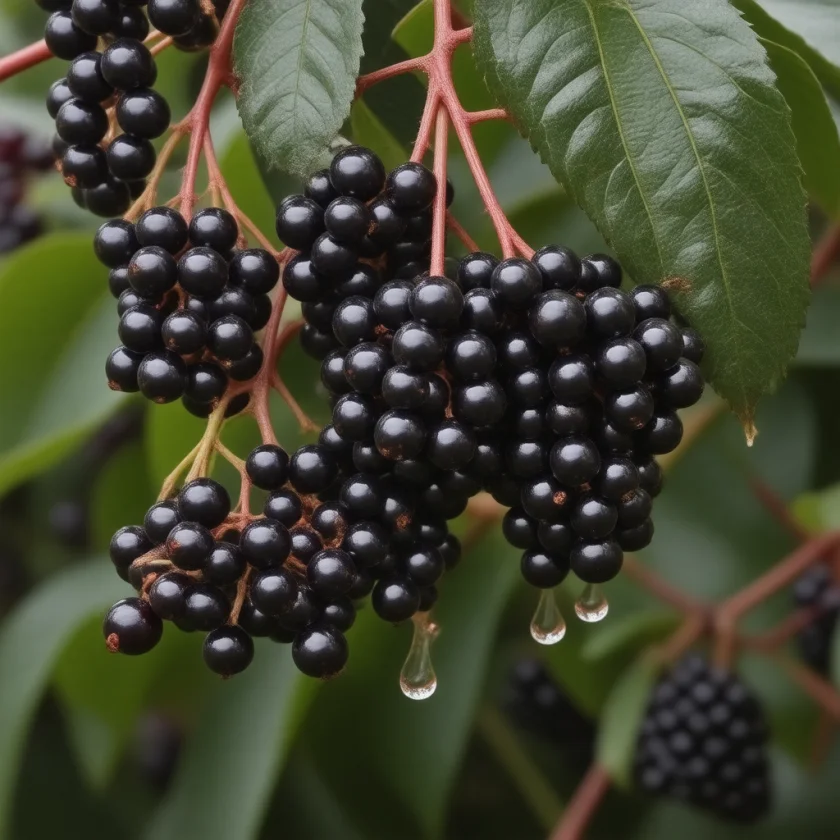
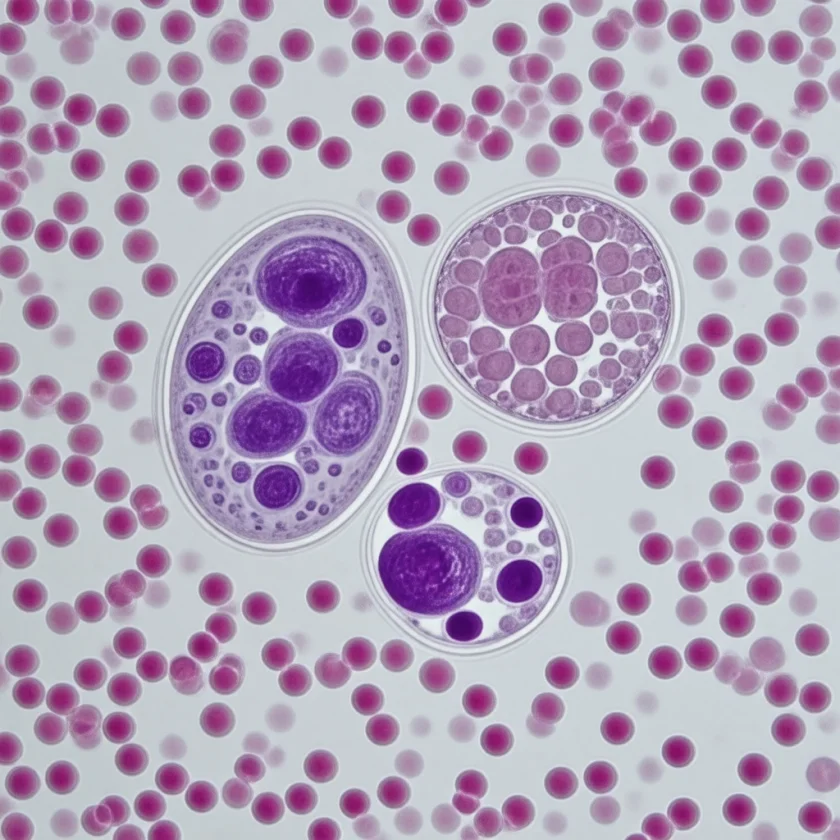
The immune-modulating effects of black elderberry extend well beyond its direct antiviral mechanism. The Barak 2001 ex-vivo study — the foundational paper on elderberry immunology — showed that a commercial black elderberry extract incubated with blood-derived monocytes from healthy donors increased pro-inflammatory cytokine production 2–45 fold across interleukin-1 beta (IL-1β), interleukin-6 (IL-6), interleukin-8 (IL-8), and tumor necrosis factor-α, with the most striking increase in tumor necrosis factor-α (44.9-fold). This is the cytokine profile a healthy immune system uses to mount a vigorous antiviral response. Crucially, elderberry simultaneously upregulates anti-inflammatory mediators (interleukin-10, IL-10) in inflamed tissue, producing a dual stimulating-but-resolving immune signature that fights infection without driving the runaway cytokine storms seen in severe viral disease. The same anthocyanin-rich polyphenol family that handles antiviral docking also directly activates complement, primes neutrophil oxidative burst, and modulates natural killer cell function. This page maps the immune mechanisms in detail, explains why the cytokine-stimulating profile is therapeutic in acute infection but carries theoretical caution flags in autoimmune disease, and discusses the upper respiratory anti-inflammatory effect that explains the durable symptom relief in the clinical trials.
Table of Contents
- Anthocyanin Pharmacology — The Active Compounds
- Barak 2001 — The Cytokine Foundation Study
- Cytokine Profile — What Elderberry Triggers
- The Dual Stimulating-Resolving Profile
- Complement Activation and Innate Immunity
- Neutrophil and Natural Killer Cell Effects
- Upper Respiratory Anti-Inflammatory Action
- Nrf2 Antioxidant Signaling and Immune Resolution
- Elderberry vs Echinacea — Different Immune Strategies
- Autoimmune Theoretical Caution
- Key Research Papers
- Connections
- Featured Videos
Anthocyanin Pharmacology — The Active Compounds
Black elderberry (Sambucus nigra) owes its deep purple-black color to anthocyanins — flavonoid pigments concentrated in the fruit skin and juice. The two dominant anthocyanins in S. nigra fruit are cyanidin-3-glucoside (C3G) and cyanidin-3-sambubioside, together accounting for over 90% of total anthocyanin content. Minor anthocyanins include cyanidin-3-sambubioside-5-glucoside and cyanidin-3,5-diglucoside. Total anthocyanin content of fresh ripe European black elderberries ranges from approximately 200-1000 mg per 100 g fresh weight, with significant cultivar and ripeness variation. American elderberry (S. canadensis) has similar profile.
Beyond the anthocyanins, elderberry contains:
- Quercetin and rutin — classical flavonols with documented immune-modulating activity
- Chlorogenic acid — the dominant phenolic acid, with antioxidant and modest anti-inflammatory effects
- Phenolic acids — including p-coumaric, ferulic, and caffeic acid
- Vitamin C — approximately 35 mg per 100 g fresh fruit, a meaningful dietary contribution
- Pectin and other soluble fiber — contributing to prebiotic effects on the gut microbiome
The anthocyanin pharmacokinetics are challenging. Cyanidin-3-glucoside has low oral bioavailability (~1-2% appears in plasma as the intact glycoside) but undergoes extensive metabolism by gut microbiota and hepatic enzymes to phenolic acid metabolites — protocatechuic acid, vanillic acid, and ferulic acid — that retain biological activity and circulate at much higher concentrations than the parent compound. Much of the systemic immune-modulating effect is now thought to be mediated by these microbial and hepatic metabolites rather than by the intact anthocyanins.
This metabolic conversion is one of the reasons that the gut microbiome composition matters for elderberry response — a person with healthy diverse gut flora extracts more active metabolites from a given dose of elderberry than someone with disrupted microbiota.
Barak 2001 — The Cytokine Foundation Study
The Barak et al. 2001 paper in European Cytokine Network is the foundational immunology study for elderberry. The authors separated blood-derived monocytes from 12 healthy human donors, incubated them with four different commercial elderberry preparations — an elderberry extract, a black elderberry syrup, an “immune system” formula and a children's formula — and compared cytokine production with that caused by lipopolysaccharide (LPS), a known monocyte activator. This was a test-tube study; no one took elderberry.
Key findings:
- Overall: production of the four inflammatory cytokines measured — interleukin-1β, tumor necrosis factor-α, interleukin-6 and IL-8 (a neutrophil chemokine that recruits neutrophils to infection sites) — was significantly increased, mostly by the black elderberry extract: 2–45 fold, compared with 3.6–10.7 fold for LPS.
- Tumor necrosis factor-α: the most striking increase, 44.9-fold.
- What the abstract does not give: separate figures for the other cytokines, any dose-response or time-course data, or any link between the test-tube concentrations and the doses people take.
The Barak 2001 study established that elderberry is not merely an antiviral binding agent — it is an active immune modulator that triggers the same cytokine cascade a healthy immune system uses to mount a vigorous antiviral response. This cytokine pattern is what would be expected from any effective adjuvant to viral infection.
A follow-up Barak 2002 study in Israel Medical Association Journal was a second test-tube study, again using blood-derived monocytes from 12 healthy donors, comparing three commercial elderberry formulations with two propolis-and-echinacea products. The elderberry preparations increased the production of five cytokines (1.3–6.2 fold) compared with the control — four inflammatory cytokines and the anti-inflammatory cytokine interleukin-10 (IL-10). No patients were studied; the authors only suggested that the products could help patients with influenza, or with cancer or AIDS receiving chemotherapy or other treatments.
Cytokine Profile — What Elderberry Triggers
The cytokine pattern induced by elderberry in healthy monocytes maps closely to the pattern produced during the early phase of a viral upper respiratory infection. Specifically:
- Interleukin-1β — alerts the hypothalamus to mount fever response, activates lymphocytes, primes the inflammasome for pathogen recognition
- Interleukin-6 — drives acute-phase response (C-reactive protein, serum amyloid A), supports T-cell differentiation, induces hepatic acute-phase protein synthesis
- IL-8 (CXCL8) — a neutrophil chemokine that recruits neutrophils from circulation to infection sites and primes their phagocytic and oxidative burst function
- Tumor necrosis factor-α — the cytokine most strongly increased by elderberry extract in the Barak 2001 test-tube study (44.9-fold); a broad pro-inflammatory effector that activates endothelium, supports leukocyte recruitment, induces apoptosis of infected cells
This is the cytokine signature of an effective antiviral response, not the cytokine signature of a pathological dysregulated inflammatory state. The distinction matters because there is a frequent concern raised about elderberry — "isn't a cytokine-stimulating supplement dangerous in viral infection where cytokine storm is the main pathology?" The answer hinges on whether the cytokine elevation occurs in the early productive phase (helpful) or in the late dysregulated phase (potentially harmful).
A 2021 systematic review (Wieland and colleagues) included five randomized trials of elderberry for the treatment or prevention of viral respiratory illness and “did not find any studies linking elderberry to clinical inflammatory outcomes”; it concluded that there is “no evidence that it overstimulates the immune system”, while calling the evidence on both benefits and harms uncertain. A 2020 randomized, placebo-controlled trial in 87 influenza patients found no benefit from elderberry (see below). The proposed explanation — that by accelerating viral clearance in the early phase, elderberry shortens the window of viral antigen presentation and reduces the total inflammatory burden over the illness course — has not been tested in people.
The Dual Stimulating-Resolving Profile
A more recent series of studies has revealed that elderberry's cytokine modulation is not purely pro-inflammatory — it has a dual profile that stimulates in the early phase and helps resolve in the late phase. Specifically, elderberry anthocyanins and their phenolic acid metabolites:
- Upregulate interleukin-10 — the dominant anti-inflammatory cytokine, in chronically inflamed tissue and in macrophage cultures activated with lipopolysaccharide (LPS) or oxidized low-density lipoprotein (LDL)
- Downregulate NF-κB signaling — the master pro-inflammatory transcription factor, when it is in its chronically activated state (this is the resolution phase, distinct from the acute pathogen-encounter phase where NF-κB activation is desirable)
- Modulate the NLRP3 inflammasome — reducing inappropriate inflammasome activation while preserving pathogen-triggered activation
- Promote macrophage M2 polarization in late-stage inflammation — the resolution-phase macrophage phenotype that clears debris and supports tissue repair
This dual stimulating-resolving profile is shared by many polyphenol-rich plant medicines (turmeric, green tea epigallocatechin gallate (EGCG), resveratrol, quercetin) and may represent a general principle: polyphenols stimulate immunity that is dormant when needed and tamp down immunity that is dysregulated when needed. The metaphor of a "thermostat" rather than a "switch" captures the effect.
For more on the broader polyphenol immune-modulation framework, see Quercetin and Immune Boosting.
Complement Activation and Innate Immunity
The complement system is the cascade of plasma proteins that opsonize pathogens (tag them for phagocytosis), form membrane attack complexes that lyse pathogen membranes, and generate the anaphylatoxins C3a and C5a that recruit and activate leukocytes. Elderberry polyphenols, particularly the larger oligomeric proanthocyanidins, are described as weakly activating the alternative pathway of complement — producing physiologic levels of C3a and C5a that prime innate immune cells without producing pathological hypercomplementemia.
The effects on complement described for elderberry extracts are that they:
- Stimulate moderate C3 cleavage to C3a and C3b
- Prime neutrophils via complement receptor 3 (CR3, also known as Mac-1) engagement
- Enhance opsonization of bacterial pathogens in serum mixed with elderberry extract
The one cited laboratory study on this point, Ho and colleagues (2017), found that elderberry and elderflower crude extracts and their isolated anthocyanins and procyanidins “possessed strong complement fixating activity”, which the authors framed as modulation of complement activity that “may have therapeutic value in inflammatory diseases”.
This complement-priming effect is one mechanism by which elderberry produces broader-spectrum antimicrobial effects than the narrow antiviral mechanism would suggest. The Krawitz 2011 paper tested a standardized elderberry liquid extract at 5%, 10%, 15% and 20% in liquid bacterial cultures and found antimicrobial activity against Streptococcus pyogenes, group C and G streptococci, and Branhamella catarrhalis (also called Moraxella catarrhalis); it also found that the extract inhibited the propagation of an H5N1-type influenza A virus and an influenza B virus in cell culture. The influenza-binding mechanism comes from a separate paper, Roschek 2009, in which elderberry flavonoids bound to H1N1 virions and, when bound, blocked their ability to infect host cells in vitro.
The clinical relevance: elderberry may provide some protection against the bacterial secondary infections that often follow viral upper respiratory infections, not only the primary viral illness. This has not been formally tested in a powered clinical trial.
Neutrophil and Natural Killer Cell Effects
Beyond cytokine and complement modulation, elderberry directly affects two innate immune effector cell populations:
- Neutrophils — the IL-8 induction documented by Barak recruits neutrophils to infection sites. Elderberry extracts also directly prime neutrophil oxidative burst (the respiratory burst that generates reactive oxygen species to kill ingested pathogens), as measured by chemiluminescence and dihydrorhodamine flow cytometry. Primed neutrophils respond more vigorously to secondary stimuli like bacterial peptides or opsonized particles.
- Natural killer (NK) cells — the lymphocyte population that kills virally infected cells without requiring prior antigen sensitization. Some studies show elderberry extracts enhance natural killer cytotoxicity against tumor cell lines and virally infected target cells, possibly via interleukin-6 and tumor necrosis factor-α mediated natural killer activation.
This combined effect on innate immunity — cytokine activation, complement priming, neutrophil recruitment, natural killer activation — explains why elderberry produces clinical benefit against a wide range of upper respiratory pathogens rather than only influenza. The mechanism is partly direct viral neutralization and partly general immune-boost effect.
Upper Respiratory Anti-Inflammatory Action
The dominant symptom of upper respiratory viral infection — the things patients actually feel and care about — are produced not by the virus directly but by the host inflammatory response: nasal congestion from local edema and mucus production, sinus pain from inflamed sinus mucosa, sore throat from inflamed pharyngeal lymphoid tissue, cough from airway inflammation and post-nasal drip, fever from cytokine-mediated hypothalamic resetting. Effective symptom relief therefore requires modulating the local upper respiratory inflammatory response.
Elderberry polyphenols achieve this through several mechanisms in upper respiratory tissue:
- Reduction of bradykinin signaling — bradykinin is the dominant nasal-symptom-producing inflammatory mediator. Elderberry flavonoids weakly antagonize bradykinin receptors and inhibit bradykinin generation from kininogen.
- Reduction of histamine release — elderberry quercetin and related flavonols are mast-cell stabilizers, reducing histamine and tryptase release in response to viral neuraminidase activity (which directly degranulates mast cells).
- Reduction of prostaglandin E2 synthesis — via modest inhibition of cyclooxygenase-2 (COX-2) expression in inflamed tissue, similar to mechanism though far weaker than nonsteroidal anti-inflammatory drugs (NSAIDs).
- Reduction of nitric oxide overproduction — via inhibition of iNOS expression in activated macrophages.
The net effect is reduced local symptom severity for the same viral burden — or, equivalently, the same symptom intensity at a much higher viral burden. Combined with the direct antiviral effect that reduces total viral burden over the illness course, this is the proposed explanation for the symptom relief reported in some elderberry randomized controlled trials (RCTs). A 2019 meta-analysis (Hawkins and colleagues) pooled 180 participants from randomized, controlled trials and found that elderberry supplementation “substantially” reduced upper respiratory symptoms, with “a large mean effect size”. It was published before the 2020 influenza trial that found no benefit (see below), so the trial results are not consistent.
For related upper-respiratory conditions, see Sinusitis and Asthma.
Nrf2 Antioxidant Signaling and Immune Resolution
The Nrf2 (nuclear factor erythroid 2-related factor 2) transcription factor is a master regulator of cellular antioxidant defense — binding antioxidant response elements (AREs) in promoter regions of over 200 genes encoding antioxidant enzymes (superoxide dismutase, catalase, glutathione peroxidase, glutathione-S-transferase, nicotinamide adenine dinucleotide (NAD)(P)H quinone oxidoreductase 1) and phase II detoxification enzymes. Sustained chronic viral infection or any sustained inflammatory state generates reactive oxygen species that activate Nrf2 as a compensatory protective response.
Elderberry polyphenols are direct Nrf2 activators — the cyanidin-3-glucoside molecule and its phenolic acid metabolites bind to Keap1 (the cytoplasmic repressor of Nrf2), releasing Nrf2 to translocate to the nucleus and drive ARE-mediated antioxidant gene transcription. The result is upregulated endogenous antioxidant defense that runs in parallel with the direct antiviral and immune-modulating effects.
Nrf2 activation is also one mechanism for the inflammation-resolution effect — resolved inflammation requires clearing reactive oxygen species and oxidized damaged molecules, and Nrf2-driven antioxidant enzymes do exactly that. The result is faster recovery and reduced "convalescent fatigue" after viral illness.
For more on the antioxidant mechanism in detail and its cardiovascular implications, see Antioxidant and Cardiovascular.
Elderberry vs Echinacea — Different Immune Strategies
The two most-marketed herbal cold-and-flu products in the Western market are elderberry and echinacea. They work via genuinely different immune mechanisms, and the trial evidence for each differs:
- Echinacea primarily stimulates innate immunity via alkylamides binding to cannabinoid CB2 receptors on macrophages and via polysaccharides activating toll-like receptors. The effect is fairly general macrophage activation without specific viral targeting. The clinical trial evidence is mixed — some trials show benefit, some show none, and Cochrane has not been able to conclude clearly positive efficacy.
- Elderberry combines specific antiviral binding (hemagglutinin and neuraminidase) with cytokine modulation (Barak profile). The 2020 trial authors cite three earlier peer-reviewed trials in which elderberry “decreased influenza duration by 4 days”. Their own randomized, double-blind, placebo-controlled trial (Macknin and colleagues, 2020) in 87 emergency-room influenza patients found no benefit: all symptoms became none or mild after 4.9 ± 2.8 days on placebo versus 5.3 ± 3.6 days on elderberry (p = 0.57), and complete resolution took 8.7 ± 3.8 versus 8.6 ± 3.9 days (p = 0.87). The authors wrote that their results “contradict previous studies”.
- Time-course differs: echinacea has been studied both for prophylaxis and treatment with similar trial designs; elderberry is more clearly an acute-treatment intervention with the 48-hour window being critical.
- Combinations are common: many commercial cold-and-flu products combine elderberry with echinacea (and often vitamin C, zinc, and other adjuncts). There is no head-to-head evidence that the combination outperforms elderberry alone, but there is also no documented antagonism.
For detailed echinacea coverage, see the Echinacea page.
Autoimmune Theoretical Caution
The cytokine-stimulating profile documented by Barak 2001 has raised a theoretical concern about elderberry use in patients with autoimmune disease driven by Th1, Th17, or cytokine-mediated tissue damage — specifically:
- Systemic lupus erythematosus (SLE) — Th1 / interferon-driven autoimmune disease; theoretical concern that further cytokine stimulation could provoke flare
- Rheumatoid arthritis (RA) — tumor necrosis factor-α and interleukin-6 driven autoimmune disease; the cytokines elderberry stimulates are the same ones targeted by rheumatoid arthritis biologic therapies (anti-TNF, anti-IL-6) — theoretical concern
- Multiple sclerosis (MS) — Th1/Th17 driven autoimmune disease; theoretical concern, especially for relapsing-remitting forms
- Inflammatory bowel disease (Crohn's, ulcerative colitis) — cytokine-mediated gut inflammation; the dual stimulating-resolving profile may favor resolution but no clinical data
- Solid organ transplant recipients on immunosuppressive therapy — theoretical concern that elderberry could antagonize immunosuppression
There is no documented clinical evidence of harm from elderberry in any of these conditions. The cautions are theoretical, derived from mechanism rather than from observed adverse events. Many autoimmune patients use elderberry uneventfully during cold-and-flu episodes. What the research shows:
- A 2021 systematic review that set out to assess the feared “cytokine storm” effect found five randomized trials and “did not find any studies linking elderberry to clinical inflammatory outcomes”. It reported “no evidence that it overstimulates the immune system”, found that elderberry has some effect on inflammatory markers that “may decline with ongoing supplementation”, and called the evidence on both benefits and harms uncertain.
- The trials tested elderberry during acute cold-and-flu episodes for a few days (the 2020 influenza trial gave it for 5 days), not as continuous prophylaxis, so there are no trial data on long-term use.
- The cytokines elderberry raised in the test-tube studies — tumor necrosis factor-α and interleukin-6 — are the same ones blocked by biologic immunosuppressants (anti-TNF, anti-IL-6), which is the basis of the theoretical concern about combining them with elderberry.
For more on the safety landscape see the Preparation and Safety deep-dive.
Key Research Papers
- Barak V, Halperin T, Kalickman I (2001). The effect of Sambucol, a black elderberry-based, natural product, on the production of human cytokines: I. Inflammatory cytokines. European Cytokine Network 12(2):290-6. — PubMed PMID: 11399518
- Barak V, Birkenfeld S, Halperin T, Kalickman I (2002). The effect of herbal remedies on the production of human inflammatory and anti-inflammatory cytokines. Israel Medical Association Journal 4(11 Suppl):919-22. — PubMed PMID: 12455180
- Krawitz C, Mraheil MA, Stein M, Imirzalioglu C, Domann E, Pleschka S, Hain T (2011). Inhibitory activity of a standardized elderberry liquid extract against clinically-relevant human respiratory bacterial pathogens and influenza A and B viruses. BMC Complementary and Alternative Medicine 11:16. — PubMed PMID: 21352539
- Roschek B Jr, Fink RC, McMichael MD, Li D, Alberte RS (2009). Elderberry flavonoids bind to and prevent H1N1 infection in vitro. Phytochemistry 70(10):1255-61. — PubMed PMID: 19682714
- Frøkiær H, Henningsen L, Metzdorff SB, Weiss G, Roller M, Flanagan J, Fromentin E, Ibarra A (2012). Astragalus root and elderberry fruit extracts enhance the IFN-beta stimulatory effects of Lactobacillus acidophilus in murine-derived dendritic cells. PLoS One 7(10):e47878. — PubMed PMID: 23118903
- Ho GT, Wangensteen H, Barsett H (2017). Elderberry and elderflower extracts, phenolic compounds, and metabolites and their effect on complement, RAW 264.7 macrophages and dendritic cells. International Journal of Molecular Sciences 18(3):584. — PubMed PMID: 28282861
- Sidor A, Gramza-Michałowska A (2015). Advanced research on the antioxidant and health benefit of elderberry (Sambucus nigra) in food — a review. Journal of Functional Foods 18:941-958. — doi:10.1016/j.jff.2014.07.012
- Waknine-Grinberg JH, El-On J, Barak V, Barenholz Y, Golenser J (2009). The immunomodulatory effect of Sambucol on leishmanial and malarial infections. Planta Medica 75(6):581-6. — PubMed PMID: 19214946
- Olejnik A, Olkowicz M, Kowalska K, Rychlik J, Dembczyński R, Myszka K, Juzwa W, Białas W, Moyer MP (2016). Gastrointestinal digested Sambucus nigra L. fruit extract protects in vitro cultured human colon cells against oxidative stress. Food Chemistry 197(Pt A):648-57. — PubMed PMID: 26616999
- Mocanu ML, Amariei S (2022). Elderberries-A source of bioactive compounds with antiviral action. Plants 11(6):740. — PubMed PMID: 35336621
- Wieland LS, Piechotta V, Feinberg T, Ludeman E, Hutton B, Kanji S, Seely D, Garritty C (2021). Elderberry for prevention and treatment of viral respiratory illnesses: a systematic review. BMC Complementary Medicine and Therapies 21(1):112. — PubMed PMID: 33827515
- Macknin M, Wolski K, Negrey J, Mace S (2020). Elderberry Extract Outpatient Influenza Treatment for Emergency Room Patients Ages 5 and Above: a Randomized, Double-Blind, Placebo-Controlled Trial. Journal of General Internal Medicine 35(11):3271-7. — PubMed PMID: 32929634
- Hawkins J, Baker C, Cherry L, Dunne E (2019). Black elderberry (Sambucus nigra) supplementation effectively treats upper respiratory symptoms: A meta-analysis of randomized, controlled clinical trials. Complementary Therapies in Medicine 42:361-5. — PubMed PMID: 30670267