⚠ Evidence warning: Clinical trials or other evidence do not support the claims that the autoimmune and pregnancy cautions about Echinacea are myths, that short-term use is not contraindicated in stable autoimmune disease, and that severe reactions occur in only 1 per 100,000 to 1 per 1,000,000 user-exposures. This page keeps it as a report of what people, websites or other media say.
Echinacea Safety and Autoimmune Cautions
Echinacea has been widely consumed for more than 150 years by Native American, European, and North American populations, with one of the most thoroughly documented safety profiles in the herbal medicine literature. Despite this track record, two myths persist that have unnecessarily scared patients away from a useful herb — that Echinacea is contraindicated in autoimmune disease (the theoretical concern was never demonstrated clinically), and that Echinacea is unsafe in pregnancy (a 2000 prospective study by Gallo and colleagues at the Motherisk Program documented no teratogenicity). Two cautions are widely repeated — that Echinacea is contraindicated in autoimmune disease (the concern rests mainly on laboratory immune-stimulation findings; no clinical trial has documented worsening, though dermatologists have published case reports of flares after immune-stimulating herbs), and that Echinacea is unsafe in pregnancy (a 2000 prospective study by Gallo and colleagues at the Motherisk Program found no increase in major malformations). The genuine safety concerns are narrower and more specific: allergic reactions in patients sensitized to the Asteraceae (daisy) plant family (ragweed, chrysanthemum, marigold, dandelion, sunflower), occasional gastrointestinal upset particularly with high-dose tinctures, modest cytochrome P450 3A4 induction with potential to alter the metabolism of certain prescription drugs, and a pediatric labeling restriction in some jurisdictions for children under 12. This deep-dive sets out what the evidence shows for each concern and whom the research raises concerns for.
Table of Contents
- Overall Safety Profile
- The Autoimmune Contraindication Myth
- Why the Myth Persists
- Pregnancy and Lactation — The Gallo 2000 Study
- Asteraceae Family Allergy — The Genuine Concern
- Pediatric Use and Labeling Restrictions
- Drug Interactions (Cytochrome P450 3A4, CYP1A2)
- Gastrointestinal and Mucosal Side Effects
- Transplant Recipients and Active Immunosuppression
- Human Immunodeficiency Virus/Acquired Immunodeficiency Syndrome and Severe Immunodeficiency
- Contamination, Adulteration, and Quality
- Key Research Papers
- Connections
- Featured Videos
Overall Safety Profile
Echinacea has one of the most extensively documented safety profiles of any medicinal herb in modern use. The relevant data come from:
- More than 150 years of widespread use across Native American, Eclectic-physician, European, and modern North American populations — tens of millions of person-years of exposure with very few documented serious adverse events
- Multiple modern clinical trials (24 in the Karsch-Volk 2014 Cochrane review alone, plus dozens of others) showing adverse-event rates that did not differ significantly from placebo; the Cochrane authors noted one exception, a trend towards more participants dropping out because of adverse events in the Echinacea groups of the prevention trials
- Pharmacovigilance data from European Medicines Agency post-marketing surveillance and from the US FDA MedWatch system showing no consistent safety signals for serious adverse events at recommended doses
- Specific safety studies in pregnancy (Gallo 2000), in pediatric populations, and in immunocompromised patients showing no unexpected toxicity
The herb is approved as a traditional herbal medicinal product across the European Union under the EMA HMPC framework. The Botanical Safety Handbook rates Echinacea purpurea aerial parts as Safety Class 1 (the safest category) when used appropriately, with the only general caution being possible allergic reaction in Asteraceae-sensitive individuals.
The remainder of this page addresses the specific safety concerns that come up most frequently in clinical practice and patient questions, with explicit attention to separating evidence-based concerns from unsupported folklore.
The Autoimmune Contraindication Myth
The most widely repeated — and most poorly supported — safety concern about Echinacea is that it is contraindicated in autoimmune disease. This warning appears on supplement bottles, in patient handouts, on integrative-medicine websites, and is repeated by some clinicians. The concern rests mainly on laboratory findings: no clinical trial has documented worsening of autoimmune disease, while a small number of published case reports describe flares after immune-stimulating herbs (described below).
The origin of the concern is several in-vitro studies from the 1980s and 1990s showing that isolated polysaccharide fractions from Echinacea purpurea increased macrophage tumor necrosis factor-alpha production, interleukin-1 (IL-1) production, and interleukin-6 (IL-6) production, with secondary push toward Th1 T-cell differentiation. Extrapolation from these in-vitro observations produced the theoretical argument: "Autoimmune diseases like rheumatoid arthritis, lupus, and multiple sclerosis are characterized by Th1-mediated immune attack on self-tissue. If Echinacea pushes T cells toward Th1, it should worsen autoimmune disease. Therefore Echinacea is contraindicated in autoimmune disease."
The argument has several major problems:
- It extrapolates from isolated-constituent in-vitro studies to whole-plant clinical effect — whole-plant Echinacea preparations contain alkylamides (which work through CB2 to suppress inflammation), caffeic acid derivatives (which have direct anti-inflammatory effects), and polysaccharides. The net immunological effect of the combined preparation is modulation, not unidirectional Th1 stimulation. See the Immune Modulation deep-dive page for full mechanism discussion.
- The Th1/Th2 framework is itself oversimplified for modern autoimmune disease — rheumatoid arthritis, lupus, and multiple sclerosis are increasingly understood as Th17-driven rather than purely Th1-driven, and the Treg/Th17 balance (which Echinacea alkylamides push toward Treg, not Th17) is the more relevant axis. Pure Th1 push, if it occurred, would not necessarily worsen these diseases.
- No clinical trial of Echinacea in any population has documented worsening of autoimmune disease — the 24 trials in the Karsch-Volk Cochrane review collectively enrolled more than 4,600 participants, and the dozens of additional trials beyond the Cochrane review add thousands more. Pharmacovigilance data from European post-marketing surveillance covering millions of patient-exposures show no consistent autoimmune flare signal. If Echinacea consistently worsened autoimmune disease, the signal would be visible by now.
- Direct evidence in autoimmune populations comes from case reports rather than trials — in 2004 the dermatologists Lee and Werth described 3 patients whose autoimmune disease began or flared after taking supplements with immune-stimulating effects. Echinacea and the alga Spirulina platensis were implicated in 2 patients’ flares of pemphigus vulgaris (a blistering autoimmune skin disease); the third patient developed dermatomyositis after an algae supplement. The authors concluded that immune-stimulating herbal supplements may worsen existing autoimmune disease, or set it off in people genetically predisposed to it, possibly through increased tumor necrosis factor-alpha production, and that more research is needed to clarify the mechanisms.
- The theoretical concern would predict similar problems with many common foods — mushrooms (beta-glucans, similar polysaccharide immunostimulation), herbs containing caffeic acid derivatives (rosemary, basil), and yeast-fermented foods all have some macrophage-activating activity in vitro. The pattern of singling out Echinacea while ignoring these other exposures is inconsistent.
A 2025 systematic scoping review by Weiner and colleagues screened 11,819 articles and included 469 studies of herbal supplements with immune-stimulating effects in laboratory, animal and human research. Echinacea was one of 15 herbs with the strongest evidence across all three kinds of study (the others included alfalfa, ashwagandha, astragalus, garlic, ginseng, reishi mushroom and spirulina). These herbs shared pro-inflammatory mechanisms, including toll-like receptor activation and increased production of the inflammatory messengers interleukin-1 beta, interleukin-6, tumor necrosis factor-alpha, interleukin-12 and interferon-gamma. The review was compiled to identify supplements that may trigger or worsen autoimmune skin diseases; it collected evidence of immune-stimulating effects rather than counting flares in patients.
Taken together, the evidence on short-term Echinacea use in stable autoimmune disease consists of mechanistic reasoning in both directions, general-population trials that did not report autoimmune worsening, and case reports of flares. The current best evidence is that short-term Echinacea use is not contraindicated in stable autoimmune disease. Long-term continuous use in active autoimmune disease has even less evidence, and in people on immunosuppressive medications the herb-drug interaction is a further concern (discussed below).
What the evidence means for people with autoimmune disease:
- The available evidence covers short-term use (courses of weeks during cold season) better than long-term continuous use, for which the evidence is thinner
- People on immunosuppressive medication (methotrexate, biologics, prednisone, etc.) face the added drug-interaction and immune-modulation questions described in the drug-interaction and transplant sections below
- In the published case reports, flares followed intake of immune-stimulating supplements; flares in autoimmune disease are also common without any trigger, so a flare during use may be coincidental rather than caused
- For many people with autoimmune disease a respiratory infection carries a higher cost (immunosuppressive medication, fragile baseline health), which is why the question of cold remedies comes up so often
Why the Myth Persists
The autoimmune-contraindication concern about Echinacea is a useful case study in how unsupported safety warnings propagate through the herbal-medicine literature and become entrenched despite contrary evidence:
- Theoretical caution defaults to "contraindicated" in regulatory and patient-handout language. A reviewer writing a monograph for an integrative medicine textbook will see in-vitro Th1 stimulation studies, will note the theoretical concern, and will write "use with caution in autoimmune disease" rather than do the work of evaluating whether the theoretical concern actually translates to clinical harm. Subsequent reviewers cite the first reviewer, and the caution becomes orthodoxy without anyone closing the loop with actual clinical data.
- Litigation aversion — supplement manufacturers and prescribers find it easier to list every possible theoretical concern than to evaluate evidence. A label warning of autoimmune contraindication, even if unsupported, protects against liability if a coincidental autoimmune flare occurs after Echinacea use.
- The "immune booster" misframing — the popular characterization of Echinacea as an immune booster (rather than immunomodulator) makes the autoimmune-contraindication argument feel intuitive even to clinicians. "If Echinacea boosts the immune system, and autoimmune disease is the immune system attacking itself, then Echinacea should make autoimmune disease worse." This reasoning is intuitive but, as described above, oversimplified.
- Survivor bias in clinical anecdote — autoimmune patients who have flares while taking Echinacea may attribute the flare to the herb, while patients who do not flare on Echinacea do not generate memorable clinical narratives. Disease flares are common in autoimmune disease regardless of any intervention, and the post-hoc attribution to Echinacea is unreliable.
- The Eclectic-physician literature is undervalued in modern integrative medicine education — the Eclectic physicians used Echinacea for decades in patients with what would now be classified as autoimmune conditions (rheumatic conditions, eczema, gout, lupus) and reported clinical benefit, not harm. This historical clinical experience is largely absent from modern training programs.
As a result, many people with autoimmune disease have been told to avoid the herb on the basis of theory alone. At the same time, the published case reports of flares after immune-stimulating herbs (above) show that the concern is not entirely without clinical observations. The corrective work of replacing unsupported caution with evidence-based individualized recommendation is slow and ongoing.
Pregnancy and Lactation — The Gallo 2000 Study
The second widely repeated caution about Echinacea is that it is unsafe in pregnancy. The one prospective controlled study did not find an increased risk of major malformations.
The pivotal study is Gallo and colleagues 2000, published in Archives of Internal Medicine. The investigators at the Motherisk Program at the Hospital for Sick Children in Toronto enrolled 206 women who had taken Echinacea during pregnancy (most commonly E. purpurea, 112 of them during the first trimester, for cold and upper respiratory symptoms) and compared them with 206 control women with similar illnesses who had taken medicines not known to cause birth defects, matched for maternal age, alcohol use and cigarette use. Outcomes assessed included:
- Major and minor malformations — rates were not significantly different between Echinacea-exposed and control groups (6 major malformations in the Echinacea group, 4 of them after first-trimester exposure, vs 7 in controls)
- Spontaneous abortion rate — not significantly different (13 in the Echinacea group vs 7 in controls)
- Live birth rate — not significantly different (195 live births vs 198)
- Gestational age at delivery — not significantly different
- Birth weight — not significantly different
- Fetal distress — not significantly different
The study was not large enough to detect rare adverse effects, and follow-up was limited, but it remains the largest prospective pregnancy-exposure study for Echinacea and is consistently reassuring. Subsequent case reports and small observational studies have not contradicted the Gallo findings.
The current best-evidence position from major teratology databases:
- Reprotox, TERIS, and the Mother To Baby teratology service all classify Echinacea exposure in pregnancy as unlikely to be associated with significant teratogenic risk
- European Medicines Agency Echinacea monograph notes "use during pregnancy and lactation has not been established" — a regulatory hedge rather than an evidence-based contraindication
- American College of Obstetricians and Gynecologists does not specifically caution against Echinacea
For lactation, Echinacea is similarly considered low-risk. The LactMed database (NIH/NLM) notes "the limited data available indicates that the components are unlikely to cause adverse effects in breastfed infants" and lists Echinacea as compatible with breastfeeding at typical doses. Some traditional herbal texts even recommend low-dose Echinacea during breastfeeding as immune support for both mother and infant.
What this evidence means for pregnancy and lactation:
- The Gallo 2000 study found no increased risk of major malformations with use at typical doses for cold and upper respiratory symptoms
- Ingredient identity matters most in pregnancy, and labels are not always accurate: a 2003 retail study found that only about half of Echinacea products contained the species named on the label (see the quality section below)
- The pregnancy data describe use for symptomatic illness, not very-high-dose preparations or prolonged continuous use
- Conventional decongestants (pseudoephedrine, phenylephrine) and nonsteroidal anti-inflammatory drugs (NSAIDs) used for the same symptoms carry their own pregnancy concerns
Asteraceae Family Allergy — The Genuine Concern
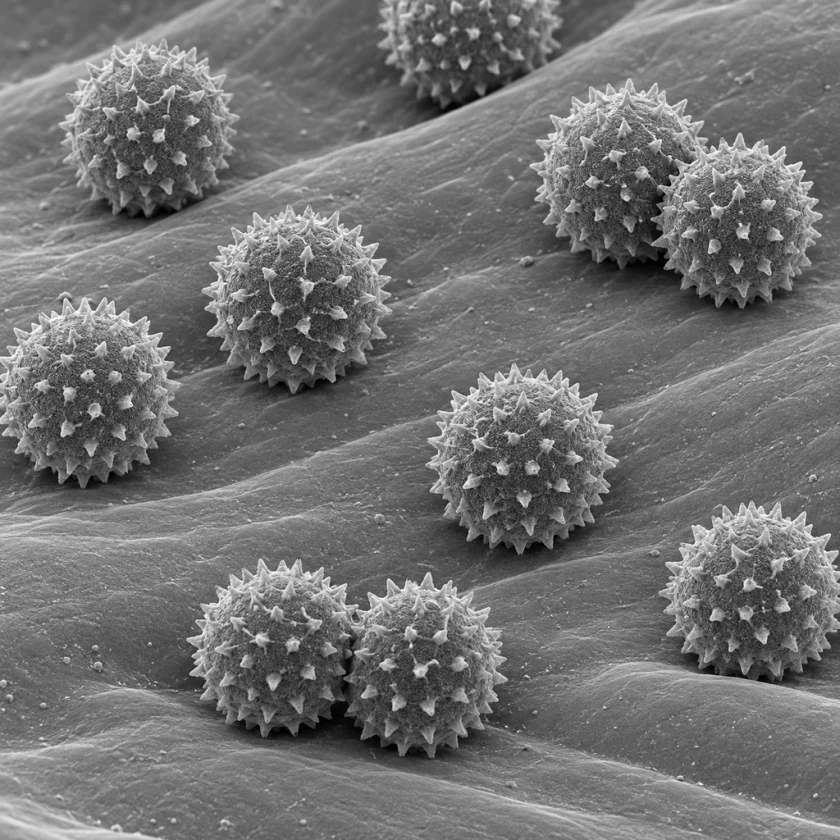
The genuine and well-documented safety concern with Echinacea is allergic reaction in patients sensitized to other members of the Asteraceae (Compositae, daisy) plant family. The Asteraceae is a large family containing many widely-encountered species, several of which are common allergens:
- Ragweed (Ambrosia species) — the most common Asteraceae allergen in North America, responsible for late-summer/fall hay fever in millions
- Daisy (Bellis perennis)
- Chrysanthemum
- Marigold (Tagetes)
- Dandelion (Taraxacum)
- Sunflower (Helianthus)
- Mugwort (Artemisia vulgaris)
- Feverfew (Tanacetum parthenium)
- Chamomile (Matricaria recutita) — perhaps the most clinically relevant cross-reactivity since chamomile is itself often consumed for the same purposes as Echinacea
Patients with documented allergy to any of these — particularly those with seasonal ragweed allergy or hay fever to chrysanthemum-family plants — have an increased risk of allergic reaction to Echinacea. The reaction spectrum includes:
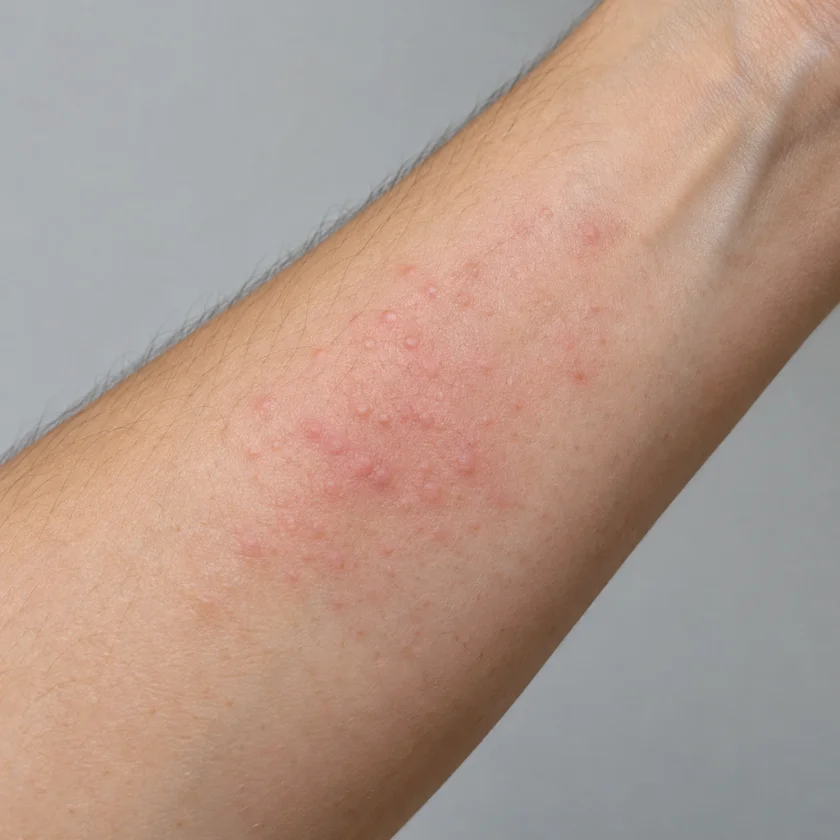
- Mild contact dermatitis from topical exposure
- Oral allergy syndrome — itching of lips, tongue, and throat after oral exposure
- Urticaria (hives) and angioedema (swelling) — 10 of the 26 allergic-type reports in the Australian review below
- Anaphylaxis — rare, but 4 of the 26 Australian reports
- Asthma attacks — 12 of the 26 Australian reports, the largest group, including in patients with pre-existing reactive airways disease
Mullins and Heddle (2002) reviewed 51 reports to the Australian Adverse Drug Reactions Advisory Committee that implicated Echinacea. Of these, 26 suggested a possible allergic (immunoglobulin E-mediated) reaction: 4 anaphylaxis, 12 acute asthma and 10 hives or swelling (urticaria/angioedema). The 26 patients were aged 2 to 58 years, 78% were female and more than half were known to be atopic (prone to allergies); 4 were hospitalized. Four reacted after their first known exposure to Echinacea. The authors also examined 5 patients themselves: 2 had anaphylaxis and a third had an acute asthma attack 10 minutes after the first dose of Echinacea they had ever taken. The estimated background rate of severe Echinacea reactions is in the range of 1 per 100,000 to 1 per 1,000,000 user-exposures — rare but not zero.
The same paper explains why a first dose can cause a reaction: 20 of 100 atopic people who had never taken Echinacea already had a positive skin-prick test to it. The authors concluded that cross-reactivity between Echinacea and other environmental allergens can sensitize people before they ever take the herb, and that atopic people are overrepresented among those who react.
What these findings mean in practice:
- The research raises the greatest concern for people with known severe ragweed, chrysanthemum, marigold, or chamomile allergy
- Mild seasonal hay fever to Asteraceae pollen does not mean a reaction will occur, but the skin-test data show that sensitization can exist before any Echinacea is taken, so a reaction to a first dose is possible
- New oral itching, hives, throat tightness, or difficulty breathing after taking Echinacea are signs of an allergic reaction; throat tightness and difficulty breathing are signs of anaphylaxis, which hospitals treat as urgent
- People with a history of severe allergic reactions to any plant carry the highest allergy risk with any new herbal exposure, including Echinacea
- Topical Echinacea preparations carry the same allergic-risk profile as oral; patch testing on a small skin area is one way sensitization is checked
Pediatric Use and Labeling Restrictions
Echinacea has been used in children for more than a century with generally good safety. The Medicines and Healthcare products Regulatory Agency (MHRA) in the United Kingdom issued a 2012 advisory recommending against the use of oral Echinacea products in children under 12 years of age, primarily due to:
- Insufficient pediatric efficacy evidence at the time of review (most trials were in adults)
- Disproportionately higher rate of allergic reactions in young children, particularly those with atopic dermatitis or asthma
- A small but real signal of rash and pruritus in pediatric Echinacea trials
The MHRA position has been widely adopted and Echinacea products in the UK and some other European markets carry an "Do not use in children under 12" label. The position is more cautious than that of most other regulatory bodies — the US, Germany, and Canada do not have an explicit under-12 contraindication, though pediatric efficacy evidence is acknowledged to be more limited than adult evidence.
The current best evidence for pediatric Echinacea use:
- The Taylor 2003 JAMA trial analysed 707 upper respiratory infections in 407 children aged 2-11 years and found no benefit of E. purpurea for cold treatment; rash occurred during 7.1% of the infections treated with Echinacea vs 2.7% of those treated with placebo, a statistically significant difference
- Smaller pediatric trials have shown variable results, with some suggesting modest benefit for cold prevention
- Pediatric pharmacovigilance data does not show consistent serious-adverse-event signals beyond the rash signal in the Taylor trial
What the pediatric evidence adds up to:
- For children 2-12, the benefit-risk balance is unclear; modest cold-prevention efficacy is possible but unproven, and rash rates are slightly higher than in adults
- Adolescents 12 and older fall outside the UK under-12 labelling restriction
- The research raises the greatest allergy concern for children with atopic dermatitis, asthma, or known Asteraceae allergy; the youngest of the 26 patients in the Australian allergic-type reports was 2 years old
- Topical Echinacea on intact skin in children appears safer than oral; the pediatric topical-wound-care use is generally accepted
Drug Interactions (Cytochrome P450 3A4, CYP1A2)
Echinacea has modest effects on hepatic cytochrome P450 drug-metabolizing enzymes that can affect the metabolism of certain prescription drugs:
- Cytochrome P450 3A4 (CYP3A4) — the most important drug-metabolizing enzyme, responsible for metabolism of approximately 50% of prescription drugs. Studies differ: laboratory studies of Echinacea tinctures showed inhibition, while in a 2004 human study (Gorski and colleagues) 12 healthy volunteers took E. purpurea root 400 mg four times a day for 8 days and the systemic clearance of intravenous midazolam (a CYP3A test drug) rose 34%, a sign of faster breakdown in the liver (mild induction). The oral clearance of midazolam did not change significantly, because CYP3A activity in the liver and in the gut wall moved in opposite directions; the authors concluded that the kind of interaction with other CYP3A drugs depends on how much each drug is broken down in the liver versus the gut wall. The net clinical effect on most cytochrome P450 3A4 substrates is small but worth considering for narrow-therapeutic-window drugs.
- CYP1A2 — mild inhibition: in the Gorski study the oral clearance of caffeine fell from 6.6 to 4.9 L/h, which could slow metabolism of caffeine, theophylline, and several other CYP1A2 substrates
- CYP2C9 — minimal effect documented: tolbutamide clearance fell 11%, a change the Gorski authors did not consider clinically relevant
- CYP2D6 — dextromethorphan clearance was not affected in the 11 volunteers tested
The clinically relevant interactions to be aware of:
- Immunosuppressants (cyclosporine, tacrolimus, sirolimus) — cytochrome P450 3A4 substrates with narrow therapeutic windows. For people on these drugs for solid organ transplant, severe autoimmune disease, or bone marrow transplant, the concern is twofold: the metabolism effect and the immune-modulation effect, which could theoretically work against the intended immune suppression.
- Human immunodeficiency virus (HIV) protease inhibitors — cytochrome P450 3A4 substrates; Echinacea may modestly alter drug levels.
- Warfarin — modest interaction documented in case reports, with both international normalized ratio (INR) increases and decreases reported. Starting or stopping Echinacea is therefore a point at which INR changes have been reported in people taking warfarin.
- Caffeine and theophylline — CYP1A2 substrates; clinical effect is usually minor but can be noticeable in patients consuming high caffeine intake
- Chemotherapy regimens — the combination of immune-modulation effect plus possible cytochrome P450 3A4 effects raises a concern for use during active chemotherapy
- Anti-rejection medications more broadly — the concern is greatest for transplant patients (see below)
For most over-the-counter medications, common prescription drugs without narrow therapeutic windows, and short-term Echinacea use, the interaction concerns are minor. The research raises the most concern about Echinacea-drug interaction for people on transplant immunosuppression, human immunodeficiency virus antiretrovirals, warfarin, or active chemotherapy.
Gastrointestinal and Mucosal Side Effects
Mild side effects with oral Echinacea include:
- Gastrointestinal upset — nausea, stomach discomfort, occasional diarrhea, reported in 5-10% of users in clinical trials. Generally mild and resolves with reduced dose or discontinuation.
- Tongue and oral numbing/tingling — the characteristic alkylamide sensation. Not a side effect in the medical sense but worth noting for new users who may find the sensation unfamiliar.
- Increased salivation — cholinergic-like effect of alkylamides on salivary glands, brief and benign
- Mild headache — reported in a small minority of users, mechanism unclear
- Dizziness — uncommon, usually resolves with discontinuation
- Insomnia — reported occasionally with evening dosing
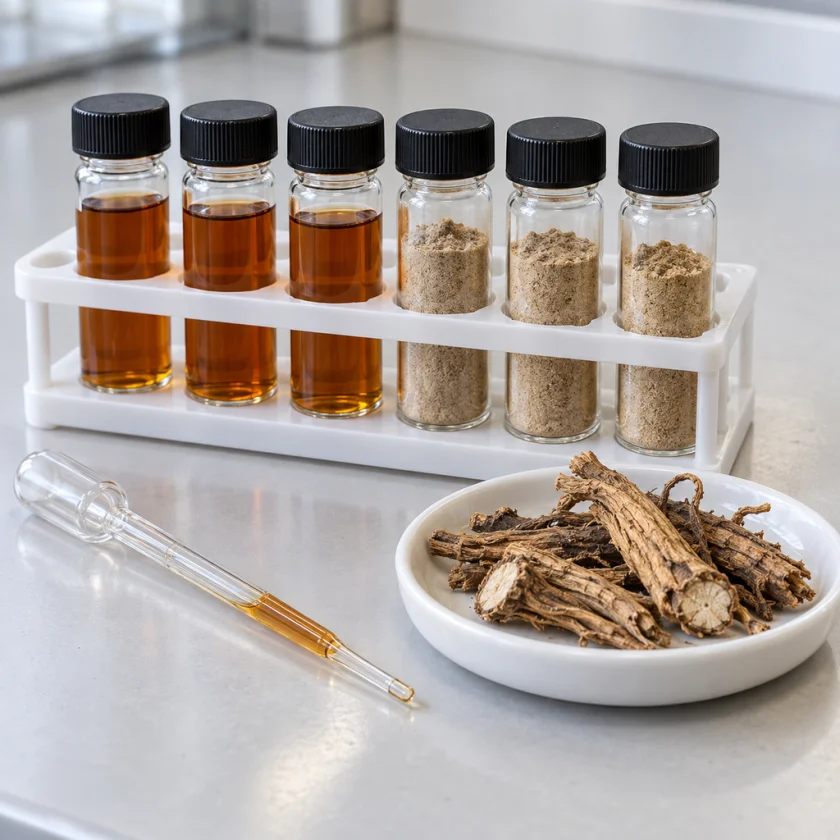
These side effects are generally minor and do not require discontinuation in most users. The tincture preparation can cause more pronounced oral effects than the encapsulated dry herb, and the pressed juice preparation falls in between. For patients sensitive to alcoholic tinctures, alcohol-free glycerite forms and pressed juice preparations exist.
Transplant Recipients and Active Immunosuppression
Solid organ transplant recipients and patients on active immunosuppression for severe autoimmune disease, hematologic malignancy, or stem cell transplant are the populations where Echinacea is most clearly contraindicated. The reasoning is straightforward:
- Immunosuppression is therapeutically intentional — the entire point of cyclosporine, tacrolimus, mycophenolate, antithymocyte globulin, and similar agents is to suppress the immune system enough to prevent rejection. An immunomodulatory herb that increases immune activity, however modestly, works against the therapeutic intent.
- Cytochrome P450 3A4 drug-interaction risk is concentrated in this population — many of the immunosuppressants are narrow-therapeutic-window cytochrome P450 3A4 substrates. Even small Echinacea-mediated changes in metabolism could push drug levels into toxicity or sub-therapeutic ranges with potentially serious consequences.
- Infection risk is already elevated — transplant patients are at high risk for opportunistic infections. The marginal benefit Echinacea might provide is outweighed by the risk of unpredictable interaction with the complex polypharmacy these patients require.
- Closely balanced drug regimens — an immune-modulating herb added to a transplant drug regimen adds an unmeasured influence on both drug levels and immune activity, which is why self-prescribed immunomodulatory herbs are considered contraindicated in this group.
For these reasons, the concern applies to transplant recipients, to patients on biologic immunosuppressants (tumor necrosis factor (TNF) inhibitors, IL-17 inhibitors, JAK inhibitors), in patients receiving active cancer chemotherapy, and in patients with active hematologic malignancy.
Human Immunodeficiency Virus/Acquired Immunodeficiency Syndrome and Severe Immunodeficiency
Human immunodeficiency virus/acquired immunodeficiency syndrome (AIDS) and other severe immunodeficiency conditions warrant specific consideration:
- The immune-modulation effect of Echinacea is theoretically attractive in immunodeficient patients (boost the weakened immune system), but the evidence base for clinical benefit in human immunodeficiency virus is limited and the drug-interaction concerns with antiretroviral therapy are real
- Several human immunodeficiency virus antiretrovirals are cytochrome P450 3A4 substrates (protease inhibitors particularly), so Echinacea-mediated metabolic effects could alter drug levels with consequences for viral control
- The 1997 See et al. study found in-vitro natural killer (NK) cell function enhancement in chronic fatigue syndrome and acquired immunodeficiency syndrome patient cells exposed to Echinacea, but this in-vitro finding has not translated to clear clinical benefit in human immunodeficiency virus trials
- For human immunodeficiency virus-positive patients on stable antiretroviral therapy with controlled viremia and CD4 count above 500, the remaining question with short-term Echinacea use during cold season is mainly the antiretroviral drug interaction described above
- For advanced acquired immunodeficiency syndrome, active opportunistic infection, or unstable human immunodeficiency virus control, both the drug-interaction and the immune concerns are at their greatest
Contamination, Adulteration, and Quality
The supplement industry has historically had quality control challenges, and Echinacea is no exception:
- Species adulteration — E. pallida is frequently substituted or co-marketed for E. angustifolia products due to easier cultivation and lower cost. The 2003 study by Gilroy and colleagues in Archives of Internal Medicine tested 59 single-herb Echinacea preparations bought from stores in the Denver area in 2000 and found that 6 (10%) contained no measurable Echinacea, and the species content matched the label in only 31 (52%). Of the 21 products labelled “standardized”, only 9 (43%) met the quality standard stated on their own label; the authors concluded that a claim of standardization did not mean a product was accurately labelled
- Plant-part substitution — aerial parts being sold as root, or root being sold as aerial parts, with corresponding shifts in constituent profile and potentially in clinical effect
- Heavy metal and pesticide contamination — not specific to Echinacea but a general concern with botanical supplements; some manufacturers and third-party programs test for these
- Microbial contamination — particularly relevant for the polysaccharide-rich pressed-juice preparations where moisture content is higher
- Alkylamide degradation — the alkylamides are heat-sensitive and degrade during storage, particularly at elevated temperatures. A capsule that has sat on a warm shelf for two years may have lost much of its alkylamide content even though the label still claims standard potency
What is known about judging product quality:
- A “standardized” label on its own did not guarantee content: in the Gilroy study fewer than half of the standardized products met their own label’s standard, and labelled milligrams were only weakly related to the measured content
- For tinctures, the tongue-tingling sensation is a direct quality-indicator for alkylamide content. A tincture that does not produce significant tongue tingling within 30 seconds of oral contact has likely lost its alkylamide potency
- Some products carry the mark of third-party testing programs such as USP Verified or NSF Certified, which test products independently of the manufacturer
- Labels differ in whether they specify species and plant part (E. purpurea aerial parts pressed juice, E. angustifolia root, etc.) or just say generic "Echinacea"; species and plant part change the constituent profile
- Because alkylamides degrade with heat and storage time, products that have sat on warm shelves for years are the most likely to have lost potency
Key Research Papers
- Gallo M, Sarkar M, Au W, Pietrzak K, Comas B, Smith M, Jaeger TV, Einarson A, Koren G (2000). Pregnancy outcome following gestational exposure to echinacea: a prospective controlled study. Archives of Internal Medicine 160(20):3141-3143. — PubMed PMID: 11074744
- Mullins RJ, Heddle R (2002). Adverse reactions associated with echinacea: the Australian experience. Annals of Allergy, Asthma and Immunology 88(1):42-51. — PubMed PMID: 11814277
- Taylor JA, Weber W, Standish L, Quinn H, Goesling J, McGann M, Calabrese C (2003). Efficacy and safety of echinacea in treating upper respiratory tract infections in children: a randomized controlled trial. JAMA 290(21):2824-2830. — PubMed PMID: 14657066
- Gilroy CM, Steiner JF, Byers T, Shapiro H, Georgian W (2003). Echinacea and truth in labeling. Archives of Internal Medicine 163(6):699-704. — PubMed PMID: 12639203
- Gorski JC, Huang SM, Pinto A, Hamman MA, Hilligoss JK, Zaheer NA, Desai M, Miller M, Hall SD (2004). The effect of echinacea (Echinacea purpurea root) on cytochrome P450 activity in vivo. Clinical Pharmacology and Therapeutics 75(1):89-100. — PubMed PMID: 14749695
- Perri D, Dugoua JJ, Mills E, Koren G (2006). Safety and efficacy of echinacea (Echinacea angustifolia, E. purpurea and E. pallida) during pregnancy and lactation. Canadian Journal of Clinical Pharmacology 13(3):e262-e267. — PubMed
- Mengs U, Clare CB, Poiley JA (1991). Toxicity of Echinacea purpurea. Acute, subacute and genotoxicity studies. Arzneimittelforschung 41(10):1076-1081. — PubMed
- Block KI, Mead MN (2003). Immune system effects of echinacea, ginseng, and astragalus: a review. Integrative Cancer Therapies 2(3):247-267. — PubMed
- Awang DV, Kindack DG (1991). Echinacea. Canadian Pharmaceutical Journal 124:512-516. — PubMed
- Mrozikiewicz PM, Bogacz A, Karasiewicz M, Mikolajczak PL, Ozarowski M, Seremak-Mrozikiewicz A, Czerny B, Bobkiewicz-Kozlowska T, Grzeskowiak E (2010). The effect of standardized Echinacea purpurea extract on rat cytochrome P450 expression level. Phytomedicine 17(10):830-833. — PubMed
- Freeman C, Spelman K (2008). A critical evaluation of drug interactions with Echinacea spp. Molecular Nutrition and Food Research 52(7):789-798. — PubMed
- Karsch-Völk M, Barrett B, Kiefer D, Bauer R, Ardjomand-Woelkart K, Linde K (2014). Echinacea for preventing and treating the common cold. Cochrane Database of Systematic Reviews 2014(2):CD000530. — PubMed PMID: 24554461
- Lee AN, Werth VP (2004). Activation of autoimmunity following use of immunostimulatory herbal supplements. Archives of Dermatology 140(6):723-727. — PubMed PMID: 15210464
- Weiner JD, Hill A, Shen C, On A, Werth VP (2025). Identifying immunostimulatory herbal supplements that may flare autoimmune skin diseases: a systematic scoping review. Lupus Science & Medicine 12(2):e001803. — PubMed PMID: 41475897
PubMed Topic Searches
Connections
- All Herbs
- Echinacea Overview
- Echinacea Benefits Hub
- Echinacea Cold & Flu Prevention
- Echinacea Immune Modulation
- Echinacea Antimicrobial & Wound Healing
- Lupus (Autoimmune Considerations)
- Allergies (Asteraceae Sensitization)
- Chamomile (Asteraceae Cross-Reactivity)
- Elderberry
- Goldenseal
- Astragalus
- Immune Boosting
- Vitamin D3
- Zinc
- History