Dandelion for Diuretic and Kidney Function
Dandelion is one of the few herbal diuretics whose effect has been measured in a human pilot trial — the Clare, Conroy, and Spelman study published in 2009 in the Journal of Alternative and Complementary Medicine, in which an ethanolic extract of fresh dandelion leaf significantly increased how often healthy volunteers urinated in the 5 hours after the first dose, and the ratio of urine passed to fluid drunk in the 5 hours after the second dose. The folk evidence is older still: the French folk name pissenlit ("piss-a-bed") and the English colloquial "piss-a-bed" both refer to the same prominent diuretic action that European peasants recognized centuries before any controlled trial. What is distinctive about dandelion as a diuretic, and clinically important, is that the leaf is naturally so potassium-rich that it largely offsets the urinary potassium loss that limits long-term use of pharmaceutical thiazide and loop diuretics. This deep-dive walks through the Clare trial, the critical leaf-vs-root distinction, the potassium-sparing mechanism, the comparison to pharmaceutical diuretics, and the traditional bladder and edema applications.
Table of Contents
- The Clare 2009 Human Diuretic Trial
- The Critical Leaf-vs-Root Distinction
- The Potassium-Sparing Mechanism
- Comparison to Thiazide and Loop Diuretics
- Mechanism of Diuretic Action
- Traditional Bladder and Urinary Tract Uses
- Cyclical Premenstrual Edema
- Mild Hypertension Adjunct
- Acute Uncomplicated Cystitis Combination
- Dosage, Forms, and Treatment Course
- Cautions and Drug Interactions
- Key Research Papers
- Connections
- Featured Videos
The Clare 2009 Human Diuretic Trial
The most-cited published human evidence for dandelion's diuretic effect is the small pilot trial conducted by Bevin Clare and colleagues at the Maryland University of Integrative Health, published in the Journal of Alternative and Complementary Medicine in 2009. The study design was straightforward but rigorous for a small pilot:
- Subjects: 17 healthy adult volunteers
- Intervention: 8 mL of a 1:1 ethanolic extract of fresh dandelion leaf (Taraxacum officinale folium), administered three times in one day (a total of 24 mL of extract)
- Measurements: urination frequency and the excretion ratio (urine volume to fluid intake) in the 5 hours after each dose, compared with baseline values established 2 days before the dosing day, and followed for 24 hours after dosing
- Fluid intake: urine volume and fluid intake were recorded by the subjects themselves
The result: urination frequency rose significantly (p < 0.05) in the 5 hours after the first dose, and the excretion ratio rose significantly (p < 0.001) in the 5 hours after the second dose. The third dose did not change any of the measured parameters. Subjects also reported subjective increase in urinary urgency.
The trial was small, had no placebo arm, was short-duration, and used a fresh-leaf ethanolic extract that is not directly comparable to capsule or dried-leaf-tea forms commonly available to consumers. These limitations have been duly noted in subsequent reviews. Still, the trial is the most rigorous human evidence to date that dandelion leaf has the diuretic effect that herbalists have traditionally attributed to it — the burden of evidence shifted from "traditional claim" to "small trial-supported observation." No larger or placebo-controlled human trial of dandelion leaf as a diuretic has been published since.
A 2026 study by Irish researchers tested dandelion root instead. In an open-label crossover, 14 physically active young adults drank 1 litre of water, once with and once without about 2.1 g of a commercial dandelion root powder (four capsules). Urine output over the next 4 hours was 1,268 g with the root powder and 1,164 g with water alone, a difference of 105 g (95% confidence interval -35 to 244 g, p = .13) that could be chance. The authors wrote that the result did not support a diuretic effect for this product at this dose and that other doses, timings and sources still need testing. Because it used root, not leaf, it fits the long-standing practice of using the leaf, not the root, for water loss.
For practical purposes, the Clare trial suggested that the diuretic effect of dandelion leaf is measurable and rapid in onset (within hours) — its authors concluded that the extract “shows promise as a diuretic in humans” and that further studies are needed — but it did not establish dose-response, did not compare to pharmaceutical diuretics, and did not address chronic effects with regular use. Most integrative recommendations rest on this evidence plus the long traditional record plus the regulatory acceptance by the German Commission E and the European Medicines Agency.
The Critical Leaf-vs-Root Distinction
One of the most common sources of disappointing or absent therapeutic effect when patients self-prescribe dandelion is the confusion between leaf and root preparations. The two parts of the plant have substantially different therapeutic profiles, and supplements labeled simply "dandelion" or "dandelion extract" without specifying which part are not predictably effective for either main indication.
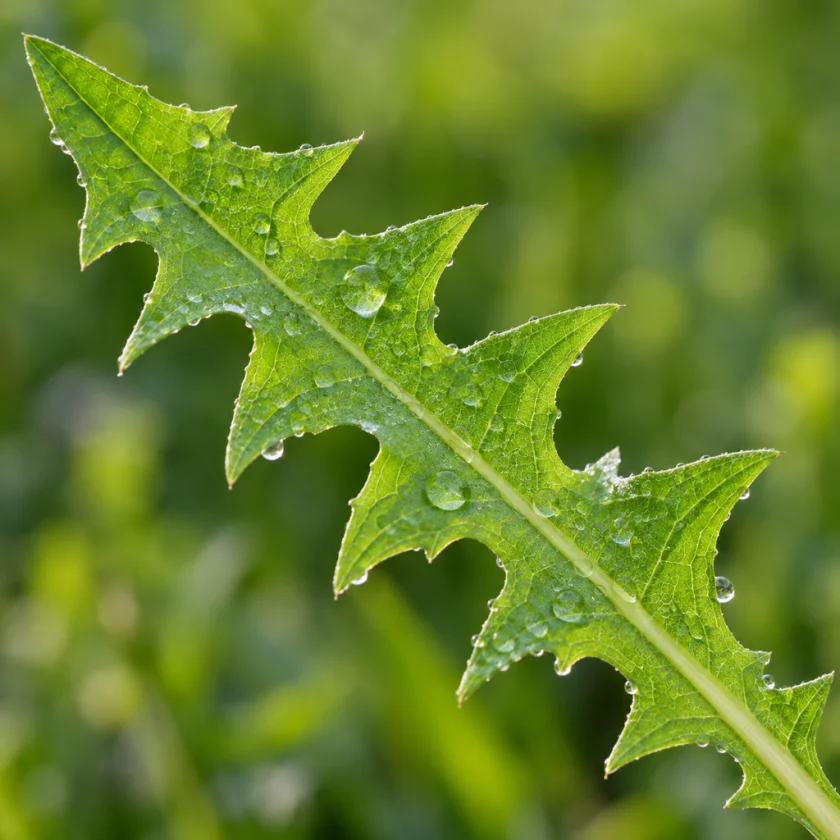
Dandelion leaf (Taraxaci folium, the aerial part):
- Primarily diuretic — this is the part traditionally used for fluid retention, mild hypertension, premenstrual edema, and bladder support
- Mineral-dense, especially in potassium, calcium, iron, and vitamin K
- Substantial vitamin A (as beta-carotene) and vitamin C
- Mildly bitter, used in salads, tinctures, and teas
- Best harvested young, in spring, before the plant flowers
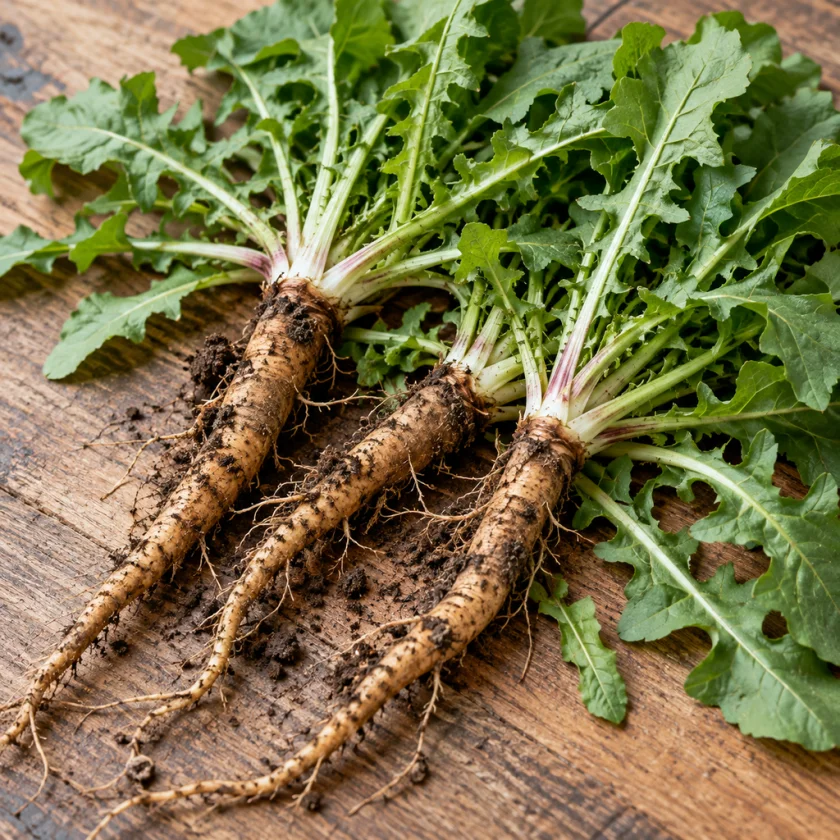
Dandelion root (Taraxaci radix, the underground part):
- Primarily hepatobiliary — this is the part traditionally used for liver support, bile flow stimulation, dyspepsia, and digestive bitter action (see Liver and Detox page)
- Rich in inulin (up to 40% of dry weight in autumn-harvested root) for prebiotic support (see Digestive Aid page)
- Bitter triterpenes (taraxasterol, taraxerol) responsible for hepatoprotective and choleretic effects
- Lower potassium and vitamin K content than the leaf, less of a concern for warfarin interaction
- Best harvested in autumn (second year of plant growth), roasted, and used in tea, tincture, or capsule
The European Medicines Agency monographs reflect this distinction, with separate monographs for Taraxaci radix (root) and Taraxaci herba cum radice (herb with root); the agency also lists Taraxaci folium (dandelion leaf) separately, under urinary tract disorders, where its assessment is still at the stage of an ongoing call for scientific data. The German Commission E monographs likewise distinguish root and leaf preparations. Commercial dandelion products do not always name the plant part on the label, and herbalists sell "dandelion leaf tincture" for the diuretic use and "dandelion root tincture" for the liver use.
The Clare 2009 diuretic trial used a fresh-leaf ethanolic extract specifically. There is no evidence that the diuretic effect transfers to root preparations, which contain different compounds in different proportions, and the 2026 root-powder study described above found no extra urine output.
The Potassium-Sparing Mechanism
Pharmaceutical diuretics fall into several classes by site of action in the nephron, and most of the commonly used classes have a clinically problematic potassium effect:
- Loop diuretics (furosemide, bumetanide, torsemide) act on the thick ascending limb of the loop of Henle by inhibiting the Na-K-2Cl cotransporter. They are powerful (produce diuresis of liters per dose) but cause substantial urinary potassium wasting and frequently require oral potassium supplementation or a potassium-sparing diuretic added in.
- Thiazide diuretics (hydrochlorothiazide / HCTZ, chlorthalidone) act on the distal convoluted tubule by inhibiting the Na-Cl cotransporter. They are moderately powerful and also cause urinary potassium wasting, though less severely than loop diuretics. They are the first-line antihypertensive in most US guidelines.
- Potassium-sparing diuretics (spironolactone, eplerenone, amiloride, triamterene) act on the collecting duct by inhibiting aldosterone signaling or the epithelial sodium channel. They produce modest diuresis but, critically, do not cause potassium wasting and can even cause hyperkalemia.
Dandelion leaf has a unique mechanism that is partly "natively potassium-sparing": the plant itself is one of the highest natural sources of potassium of any commonly consumed vegetable, with approximately 400 mg of potassium per 100 g of fresh leaves (more potassium than a banana of equal weight). When the leaf is consumed and the diuretic effect produces some urinary potassium loss, the simultaneous high dietary potassium load largely offsets that loss. The net effect on serum potassium is much smaller than with an equivalent dose of pharmaceutical loop or thiazide diuretic.
This is one of the most clinically valuable features of dandelion leaf as a mild diuretic. Practitioners point out that people on long-term thiazide therapy who eat dandelion leaf salad regularly take in extra dietary potassium, and for mild fluid retention that does not need a pharmaceutical diuretic they use dandelion leaf first, because it carries little risk of the hypokalemia (low blood potassium) that can develop with chronic thiazide use.
The mechanism is not zero-risk. Patients on potassium-sparing diuretics, angiotensin-converting enzyme inhibitors (ACE inhibitors), angiotensin receptor blockers (ARBs), or with chronic kidney disease can be at risk of hyperkalemia from large dietary potassium loads, including high-dandelion-leaf-content diets. The safety fact behind this: how much potassium the body can clear depends on kidney function and on these medicines, so large dietary potassium loads raise blood potassium most in people with weak kidneys or on these drugs.
Comparison to Thiazide and Loop Diuretics
Dandelion leaf is not a pharmaceutical-equivalent diuretic and has not been tested as a substitute for prescription diuretic therapy in conditions where strong diuresis is medically necessary — congestive heart failure, advanced cirrhosis with ascites, nephrotic syndrome, established symptomatic hypertension, or acute pulmonary edema. The magnitude of diuretic effect from dandelion leaf is meaningfully smaller, slower in onset, and less reliably reproducible than from prescription agents.
Where dandelion leaf occupies a clinical niche is in conditions where mild diuresis is desired and where pharmaceutical diuretics would be excessive or carry unacceptable trade-offs:
- Mild cyclical premenstrual fluid retention with modest weight gain and edema
- Mild postprandial bloating that resolves with diuresis
- Mild dependent edema in otherwise healthy adults without underlying cardiac, hepatic, or renal disease
- Adjunctive support in mild hypertension that does not yet require pharmacologic management, often as part of a broader lifestyle intervention including weight loss, sodium reduction, exercise, and DASH-pattern diet
- Adjunctive support in compensated heart failure under cardiology supervision, occasionally added to background loop diuretic therapy in patients with stable status
- Acute uncomplicated cystitis, where the diuresis flushes bacteria from the bladder and reduces urinary stasis
No study has compared dandelion leaf with hydrochlorothiazide or any other prescription diuretic, so its strength relative to them is not known; the Clare trial measured effects only in the 5 hours after each dose, and published dose-response data do not exist.
Substantial fluid retention from heart failure, cirrhosis or nephrotic syndrome is treated with pharmaceutical diuretics, and delaying that treatment while relying on dandelion alone is where the harm lies. Practitioners place the herb as an adjunct, a substitute for early pharmaceutical diuresis in mild self-limited fluid retention, or as a daily long-term mild support that helps maintain euvolemia in otherwise healthy adults.
Mechanism of Diuretic Action
The molecular pharmacology of dandelion's diuretic effect is less fully mapped than its hepatobiliary mechanism. The Clare trial established the effect but did not determine the molecular target. Subsequent animal-model studies have proposed several contributing mechanisms:
- Osmotic effect from high potassium content — the high potassium load from dandelion leaf consumption raises serum potassium modestly (within normal range in healthy subjects). The renal handling of potassium results in increased urinary potassium output, which obligates increased urinary water output to maintain electrolyte balance — an osmotic diuresis.
- Direct natriuretic effect from flavonoids — certain flavonoids in dandelion leaf appear to modestly inhibit sodium reabsorption in the renal tubule, increasing urinary sodium output and the associated water output. The molecular target is uncertain; some animal data suggest mild inhibition of the Na-K-ATPase pump on the basolateral membrane of tubular cells, but this is not well-confirmed.
- Aquaporin modulation — some animal data suggest dandelion leaf extract may modulate aquaporin water-channel expression in the collecting duct, though the data is preliminary.
- Renal blood flow modulation — vasodilator effects of certain dandelion polyphenols may modestly increase renal blood flow and glomerular filtration rate, contributing to increased urine production.
- Bitter-vagal effect — the same bitter-mediated vagal reflex discussed under the liver and bile-flow mechanism may also contribute modest cardiovascular effects (mild vasodilation, modest reduction in sympathetic tone) that indirectly support diuresis through hemodynamic effects.
The combined effect is mild diuresis without major perturbation of any single tubular transport mechanism. This is mechanistically consistent with the safety profile observed clinically: dandelion leaf, in usual doses, produces useful mild diuresis without the dramatic electrolyte disturbances that can occur with pharmaceutical loop diuretics.
Traditional Bladder and Urinary Tract Uses
Across European herbal traditions, dandelion leaf has been used for centuries for bladder and urinary tract complaints. The traditional uses anticipated and overlap with the modern diuretic indication:
- Bladder irritation and frequent urination — the diuretic flush of dilute urine paradoxically reduces the chemical irritation of concentrated urine on inflamed bladder epithelium; traditionally said to relieve symptoms within 24-48 hours
- Acute uncomplicated cystitis — traditionally believed to help symptoms by flushing bacteria out and diluting the urine they grow in; no study has tested whether it clears the infection
- Mild bladder stones (gravel) — the diuresis helps flush small concretions before they can grow to clinically significant size; not effective for established large stones
- Urinary stasis in the elderly — mild diuresis encourages more frequent bladder emptying, reducing risk of urinary stasis and the urinary tract infections that follow
- Postpartum urinary retention or sluggish urination — traditional use, mechanism uncertain
The traditional combination for acute uncomplicated cystitis pairs dandelion leaf with: cranberry (D-mannose and proanthocyanidins that prevent bacterial adhesion to bladder epithelium), uva ursi (arbutin, which is converted to the antibacterial hydroquinone in alkaline urine), and marshmallow root (mucilage that coats and soothes inflamed urinary tract mucosa). This combination has substantial traditional support and reasonable mechanistic rationale, though no large-scale randomized controlled trials have specifically tested the combination against standard antibiotic therapy.
The standard medical warning signs: cystitis that does not resolve within 48-72 hours, that comes with fever or flank pain, or that occurs in pregnancy or in people with diabetes, immunocompromise, or structural urinary tract abnormalities is treated with antibiotics in standard care, not with herbal protocols alone. Fever with flank pain can mean pyelonephritis (kidney infection), which hospitals treat as a medical emergency.
Cyclical Premenstrual Edema
Mild cyclical premenstrual edema — the 1-3 pound weight gain, breast tenderness, abdominal bloating, and ring/shoe tightness that appears in the luteal phase of the menstrual cycle in many women — is one of the most common conditions for which integrative practitioners recommend dandelion leaf. The mechanism is fluid retention driven by the hormonal milieu of the luteal phase (progesterone and estrogen patterns produce sodium retention through aldosterone-mediated and direct effects on the renal tubule). The fluid retention resolves spontaneously with menses, but the days leading up to it can be uncomfortable.
Pharmaceutical diuretics are rarely used for premenstrual edema — the symptoms are typically too mild and too self-limited to justify the side effects and electrolyte disruption of chronic monthly thiazide dosing. This is precisely the clinical niche dandelion leaf fits.
The regimen practitioners describe: 4-10 g of dried dandelion leaf as tea (or 2-5 mL of 1:3 tincture three times daily) starting on the first day of premenstrual symptoms (typically days 21-25 of a 28-day cycle) and continuing through the onset of menses. Practitioners report that the fluid retention eases within 1-3 days of starting, and that the mineral and bitter content of the leaf also eases the appetite and irritability components of premenstrual syndrome, contributing to overall symptom improvement.
For the broader picture, practitioner protocols for premenstrual edema often pair it with magnesium (200-400 mg/day, chronic), vitamin B6 (50-100 mg/day, chronic), and lifestyle support (sodium moderation, daily walking, sleep hygiene). The European Food Safety Authority (EFSA) set the adult safe upper limit for vitamin B6 at 12 mg a day in 2023, because the link between too much vitamin B6 and nerve damage (peripheral neuropathy) “is well established”; EFSA took 50 mg a day as the reference point for that harm, so the 50-100 mg doses in these protocols are at or above the level tied to nerve damage. Chaste tree berry (Vitex agnus-castus) is the most commonly used herb for premenstrual mood and breast tenderness symptoms; dandelion is the addition for the fluid component specifically.
Mild Hypertension Adjunct
Hypertension is the most common chronic disease in adults globally, and the management algorithm starts with lifestyle intervention (DASH diet, sodium reduction, weight loss, regular aerobic exercise, alcohol moderation, smoking cessation, stress reduction) before progressing to pharmacologic therapy if blood pressure remains above 140/90 (or 130/80 in patients with diabetes or established cardiovascular disease, per most current guidelines).
The lifestyle-intervention phase can incorporate dandelion leaf as a mild adjunctive diuretic and as a high-potassium dietary item. The DASH (Dietary Approaches to Stop Hypertension) pattern emphasizes high-potassium plant foods specifically; dandelion leaf is one of the highest-potassium leafy greens available, naturally fitting the DASH approach. Practitioners hold that the modest diuretic effect adds a small further blood pressure reduction beyond what dietary potassium alone provides.
A PubMed search finds no human trial of dandelion and blood pressure; the related studies are in rats and in the test tube. Practitioners use it as one small part of a wider lifestyle approach, not as a treatment on its own for established hypertension above the treatment threshold.
With prescribed blood pressure medicines, the safety fact is potassium: in people on angiotensin-converting enzyme inhibitors, angiotensin receptor blockers, or potassium-sparing diuretics, large daily dietary potassium loads can push blood potassium too high (hyperkalemia), particularly when kidney function is reduced.
Acute Uncomplicated Cystitis Combination
Acute uncomplicated cystitis (lower urinary tract infection) in otherwise healthy non-pregnant women is one of the most common reasons for primary care visits and antibiotic prescriptions. First-line antibiotic therapy (nitrofurantoin, trimethoprim-sulfamethoxazole, fosfomycin) is highly effective but contributes meaningfully to antimicrobial resistance with widespread use. For mild, uncomplicated, recurrent cases, integrative practitioners use the approach below with the aim of reducing antibiotic use; it has not been tested as a whole against antibiotics.
The dandelion leaf contribution to the integrative cystitis combination is the diuretic flush. The mechanism: increased urinary frequency and volume mechanically washes bacteria from the bladder lumen, dilutes the urine making it less hospitable for bacterial growth, and reduces the urinary stasis that allows established infections to persist.
The integrative protocol practitioners describe for acute uncomplicated cystitis (switching to antibiotics if not improving in 24-48 hours):
- Extra fluid intake — 2-3 liters of water per day for the duration of symptoms
- Dandelion leaf tea or tincture — 1-2 cups of strong tea or 2-5 mL of tincture, three times daily, for the diuretic effect
- D-mannose — 1 g three times daily for 5 days; binds to E. coli pili and prevents bacterial adhesion to bladder epithelium in laboratory work. The trial evidence is weak: a 2022 Cochrane review of 7 randomized trials (719 people) found “little to no evidence to support or refute the use of D-mannose to prevent or treat UTIs”, and a 2024 UK trial in 99 primary care centres gave 598 women with recurrent bladder infections 2 g of D-mannose powder or a placebo powder daily for 6 months, after which 51.0% and 55.7% had another suspected infection (p = .26), no clear difference.
- Cranberry extract — standardized to proanthocyanidins, 36 mg PAC daily; modest preventive effect against recurrent urinary tract infection (UTI)
- Uva ursi leaf — 3 g per day as tea, for 5-7 days only; the arbutin is converted in alkaline urine to hydroquinone, which has antibacterial activity. Not for long-term use (potential hepatotoxicity at extended high doses).
- Marshmallow root tea — soothing mucilage that coats the inflamed bladder mucosa
- Probiotic vaginal restoration — for recurrent urinary tract infection prevention, focused on Lactobacillus crispatus strains
In standard medical care, if symptoms do not improve within 48-72 hours, if fever or flank pain develops, if pregnancy is possible, or if the person has diabetes, immunocompromise, urinary tract structural abnormalities, or recurrent cystitis (more than 3 episodes per year), antibiotic therapy is started promptly rather than herbal-only management.
Dosage, Forms, and Treatment Course
For diuretic and kidney-support applications, dandelion leaf is the traditional preparation. The leaf is harvested young (pre-flowering, typically spring), tender, and richly mineral-laden.
- Fresh dandelion leaf in salad — a daily handful (approximately 30-50 g) of young pre-flowering leaves, washed and dressed with olive oil and lemon juice. The most natural whole-food form. Provides substantial mineral nutrition along with the diuretic effect.
- Dried dandelion leaf tea — 4-10 g per day (corresponding to 1-3 teaspoons of dried herb per cup), steeped in hot (not boiling) water for 10 minutes, 2-3 cups per day. The German Commission E approved dose range.
- Dandelion leaf tincture (1:3 in 30% alcohol) — 2-5 mL three times daily, taken in water. The Clare 2009 diuretic trial used a different preparation, a fresh-leaf hydroethanolic extract, at 8 mL three times daily, which is above typical tincture doses.
- Dandelion leaf capsules — 500-1500 mg dried powdered leaf, twice or three times daily. Loses the bitter-reflex component but retains most of the diuretic effect.
- Fresh-pressed juice — 10-15 mL of fresh dandelion-leaf juice, 1-2 times daily. Traditional spring-cleanse preparation. Difficult to source commercially; usually requires fresh foraging or home juicing.
The courses practitioners describe vary by condition:
- Mild fluid retention or premenstrual edema — intermittent use as needed, 3-7 days at a time
- Mild hypertension adjunct — daily use for at least 8-12 weeks before assessing blood pressure effect
- Acute uncomplicated cystitis — daily use for 5-7 days, then taper; switched to antibiotic therapy if not improving
- General daily mild diuretic support in otherwise healthy adults — long-term daily use of dandelion leaf in salad or 1-2 cups of leaf tea is generally well-tolerated
Cautions and Drug Interactions
- Asteraceae allergy — cross-reactive with ragweed, chamomile, marigold, echinacea, and other daisy-family plants. People with seasonal ragweed allergy or chamomile contact dermatitis are the most likely to react.
- Loop and thiazide diuretic interaction — additive diuretic effect can produce more pronounced volume depletion and electrolyte disturbance than expected. The risk is greatest for people already on chronic diuretic therapy who add daily dandelion leaf.
- Lithium interaction — the diuretic effect can reduce lithium clearance, raising serum lithium concentration, which matters for anyone on long-term lithium therapy, where blood levels are kept in a narrow range.
- Angiotensin-converting enzyme inhibitor (ACE inhibitor) / angiotensin receptor blocker (ARB) / potassium-sparing diuretic interaction — the high potassium content of dandelion leaf can contribute to hyperkalemia in patients on these agents, particularly if renal function is reduced; the serum potassium blood test shows it.
- Warfarin interaction (leaf, not root) — the substantial vitamin K content of fresh dandelion leaves can antagonize warfarin and reduce the international normalized ratio (INR), the blood test that tracks warfarin; the effect matters most for people on a stable warfarin dose who start eating dandelion leaf daily.
- Hypoglycemic medication interaction — modest additive hypoglycemic effect with insulin, sulfonylureas, and other diabetes drugs. Modest in magnitude; blood sugar can run slightly lower when it is started.
- Chronic kidney disease — in advanced chronic kidney disease (estimated glomerular filtration rate (eGFR) less than 30 mL/min) the kidneys clear potassium poorly, so the dietary potassium load of dandelion leaf carries a risk of hyperkalemia.
- Pregnancy and lactation — traditional use as a mild diuretic and mineral-rich green has continued through pregnancy in many cultures without reported harm. The European Medicines Agency monograph notes that "use during pregnancy and lactation is not recommended" due to absence of formal safety data, which is a regulatory default and not a positive safety signal. Most integrative practitioners consider modest use of fresh dandelion leaf in food to be safe in pregnancy; practitioners usually leave out concentrated tinctures or extracts.
- Foraging caution — dandelion is a bioaccumulator and readily concentrates lead, cadmium, arsenic, and other heavy metals from contaminated soil. Plants from roadsides, parking-lot edges, herbicide-treated lawns, industrial sites and former orchards carry the highest contamination risk; commercially grown organic dandelion is the lower-risk source.
- Oxalate content — moderate oxalate content. Large amounts of dandelion leaf add to oxalate intake, which matters for people with calcium oxalate kidney stones.
Key Research Papers
- Clare BA, Conroy RS, Spelman K (2009). The diuretic effect in human subjects of an extract of Taraxacum officinale folium over a single day. Journal of Alternative and Complementary Medicine 15(8):929-934. — PubMed PMID: 19678785
- Rácz-Kotilla E, Rácz G, Solomon A (1974). The action of Taraxacum officinale extracts on the body weight and diuresis of laboratory animals. Planta Medica 26(3):212-217. — PubMed PMID: 4427955
- Hook I, McGee A, Henman M (1993). Evaluation of dandelion for diuretic activity and variation in potassium content. International Journal of Pharmacognosy 31(1):29-34. — doi:10.3109/13880209309082914
- European Medicines Agency (2009). Community Herbal Monograph on Taraxacum officinale Weber ex Wigg., radix cum herba. — EMA: Taraxaci radix cum herba
- European Medicines Agency. Taraxaci folium (dandelion leaf) — herbal medicinal product listing. — EMA: Taraxaci folium
- Schütz K, Carle R, Schieber A (2006). Taraxacum — a review on its phytochemical and pharmacological profile. Journal of Ethnopharmacology 107(3):313-323. — PubMed PMID: 16950583
- Yarnell E (2002). Botanical medicines for the urinary tract. World Journal of Urology 20(5):285-293. — PubMed PMID: 12522584
- Sigstedt SC et al. (2008). Evaluation of aqueous extracts of Taraxacum officinale on growth and invasion of breast and prostate cancer cells. International Journal of Oncology 32(5):1085-1090. — PubMed PMID: 18425335
- Cravotto G et al. (2010). Phytotherapeutics: an evaluation of the potential of 1000 plants. Journal of Clinical Pharmacy and Therapeutics 35(1):11-48. — PubMed PMID: 20175810
- Kashiwada Y, Takanaka K, Tsukada H, Miwa Y, et al. (2001). Sesquiterpene glucosides from anti-leukotriene B4 release fraction of Taraxacum officinale. Journal of Asian Natural Products Research 3(3):191-197. — PubMed PMID: 11491394
- Modaresi M, Resalatpour N (2012). The effect of Taraxacum officinale hydroalcoholic extract on blood cells in mice. Advances in Hematology 2012:653412. — PubMed PMID: 22844289
- Williams CA, Goldstone F, Greenham J (1996). Flavonoids, cinnamic acids and coumarins from the different tissues and medicinal preparations of Taraxacum officinale. Phytochemistry 42(1):121-127. — PubMed PMID: 8728061
- Gavin J, Caulfield C, Egan B (2026). Co-ingestion of a commercially available dandelion root powder elicited no additional diuretic effect over 4 hr compared to ingestion of water alone in physically active young adults. International Journal of Sport Nutrition and Exercise Metabolism 36(5):523-531. — PubMed PMID: 42398668
- Cooper TE, Teng C, Howell M, Teixeira-Pinto A, et al. (2022). D-mannose for preventing and treating urinary tract infections. Cochrane Database of Systematic Reviews 8(8):CD013608. — PubMed PMID: 36041061
- Hayward G, Mort S, Hay AD, Moore M, et al. (2024). d-Mannose for prevention of recurrent urinary tract infection among women: a randomized clinical trial. JAMA Internal Medicine 184(6):619-628. — PubMed PMID: 38587819
- EFSA Panel on Nutrition, Novel Foods and Food Allergens (NDA), Turck D, Bohn T, Castenmiller J, et al. (2023). Scientific opinion on the tolerable upper intake level for vitamin B6. EFSA Journal 21(5):e08006. — PubMed PMID: 37207271