Soursop Leaf — Benefits Deep Dive
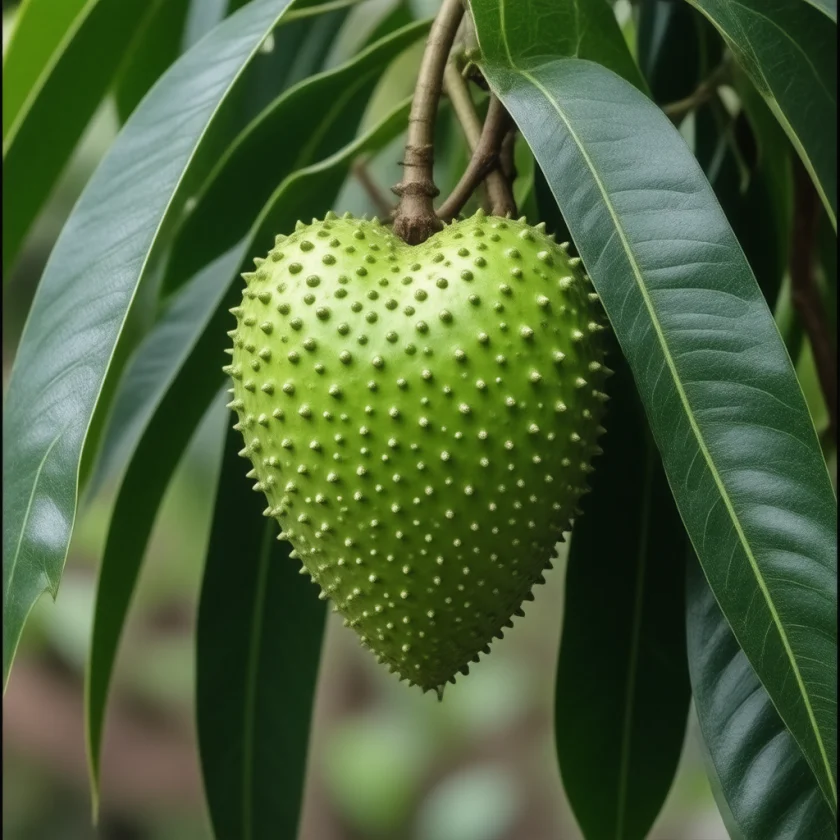
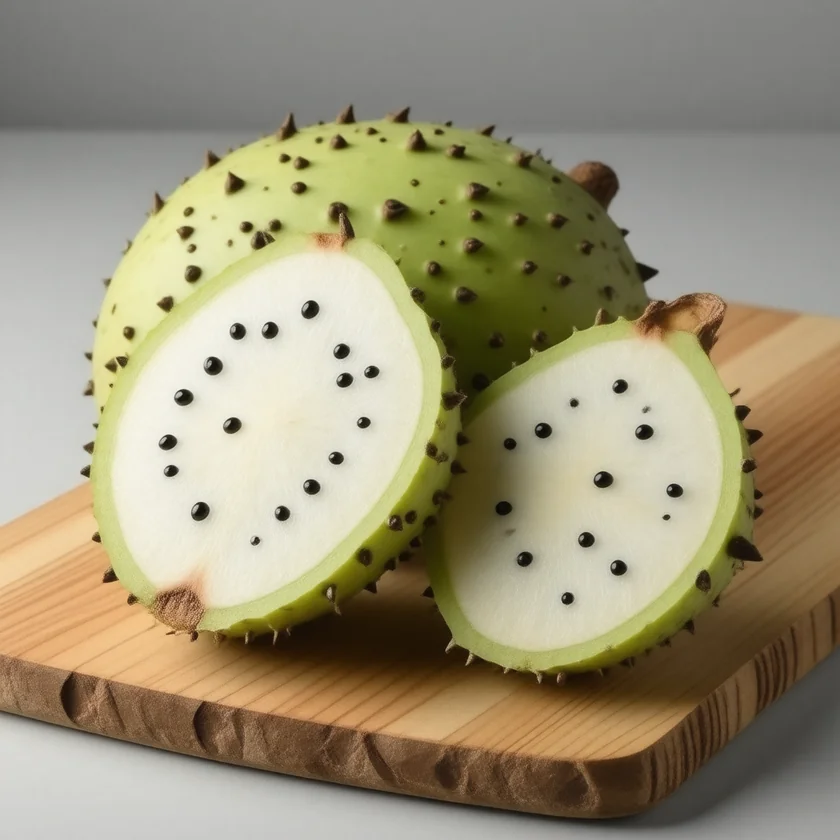
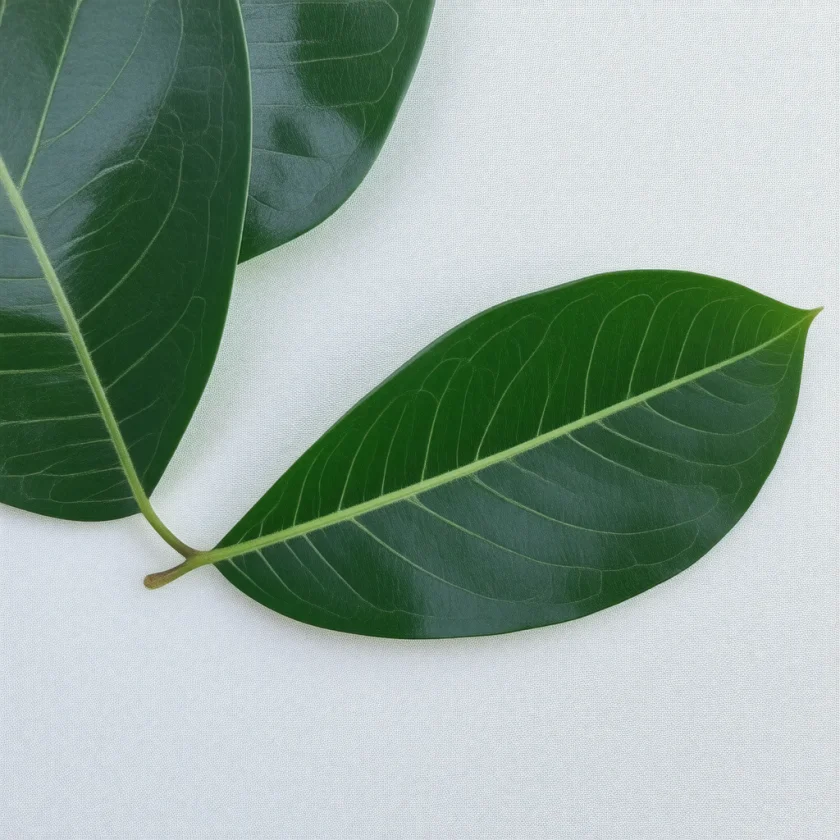
Soursop — Annona muricata, sold as graviola, guanábana, corossol, sirsak or guyabano — is one of the few plants on this site where an honest summary of the benefits literature has to begin with a warning rather than end with one. These four articles go deeper than the main Soursop Leaf page on each of the plant's claimed benefit areas, and they reach four different conclusions, because the evidence really is different in each case.
Before anything else: read the neurotoxicity article. Soursop leaf contains annonacin, a compound that shuts down complex I of the mitochondrial respiratory chain, and heavy long-term consumption of Annona fruit and leaf infusions has been linked — in epidemiology from Guadeloupe and in a substantial body of laboratory work — to an atypical parkinsonism that resembles progressive supranuclear palsy and does not respond to levodopa. That is not a footnote buried in a cautions list. It is the most consequential thing known about this plant, and the exposure pattern implicated is exactly the one marketing recommends: a cup of leaf tea every day, indefinitely. Start here: Soursop Safety: Annonacin, Neurotoxicity and Dose Limits.
The fruit is part of this picture too. The 1999 Guadeloupe case-control study found regular fruit eating, as well as herbal tea, over-represented among people with the atypical parkinsonism, and per serving an average fruit carries far more annonacin than a cup of leaf tea (figures below). The distinction that runs through all four articles is between fruit as food, leaf infusion as a daily remedy, and concentrated graviola capsules and extracts — three very different levels of exposure to the same compound class, routinely discussed as though they were one thing.
Table of Contents
Deep-Dive Articles
Soursop Safety: Annonacin, Neurotoxicity and Dose Limits
Read this one first. The Guadeloupe atypical-parkinsonism cluster told in order — what clinicians observed, what the case-control and pathology studies found, what the laboratory work added, and what remains genuinely unsettled. Why leaves and seeds carry more acetogenin than pulp, why an infusion extracts it, why a lipophilic compound accumulates, and why the concern is cumulative years rather than a single cup. Plus the practical exclusions: pregnancy, any movement disorder, mitochondrial disease, and concentrated extracts.
Read the deep dive →Soursop and Cancer: The Claim Examined
Verdict: NOT SUPPORTED in humans. The acetogenins really do kill cultured cancer cells and really do slow some rodent tumours — this article explains that work fairly, then explains in detail why it has not transferred: the concentration gap, the delivery problem, selectivity that looks far narrower in a body than in a dish, and the absence of any controlled human trial measuring tumour response or survival. It also traces the "10,000 times stronger than chemotherapy" line back to the in-vitro ratio it was distorted from.
Read the deep dive →Soursop Leaf for Blood Sugar and Blood Pressure
Tier: preliminary, animal only — and an interaction risk before it is a benefit. Rodent studies do report lower fasting glucose and modest blood-pressure reduction, with plausible mechanisms. There are no adequate human trials. This article treats those findings the way somebody on metformin or amlodipine actually needs them treated: as a reason to expect additive effects and to monitor, not as a benefit to go looking for.
Read the deep dive →Soursop Leaf for Sleep and Digestive Comfort
Tier: traditional use only. Evening leaf tea for sleep and "nerves" is the plant's most consistent traditional use across four continents, with gastric and anti-inflammatory uses close behind. This article documents them properly, reviews the rodent behavioural and gastroprotective work honestly, and then makes the uncomfortable point that this is the use which generates daily, open-ended exposure — when gentler alternatives carry no comparable signal.
Read the deep dive →Why the Safety Article Comes First
On most herb pages the cautions section is the last thing a reader reaches, and that ordering is usually defensible. Here it is not. Three features of soursop make the hazard information more important than the benefit information:
- The harm is invisible at the individual level until it is not. Nobody drinks a cup of soursop leaf tea and feels neurological damage. There is no warning symptom, no dose that announces itself, no acute reaction to teach caution. The syndrome described in Guadeloupe emerged after years or decades of heavy use.
- The usage pattern marketing promotes is one of the implicated ones. Wellness marketing tells readers to drink the tea daily and to keep going for months. The Guadeloupe case-control study implicated both regular fruit eating and herbal tea, and a 2005 quantification study estimated about 15 mg of annonacin in an average fruit against about 140 micrograms in a cup of leaf infusion; regular, open-ended use of either matches the implicated exposure.
- The claim that drives most use is the one with no human evidence at all. People are not usually reaching for soursop leaf because they read a rodent hypotension study. They are reaching for it because of the cancer claim — the weakest claim of the four.
A 2026 study of Parkinson's disease severity. Researchers compared people with Parkinson's disease in the Caribbean (74 patients) and in mainland France (104 patients). 71 of the 74 Caribbean patients (96%) had eaten Annonaceae fruits such as soursop; none of the 20 mainland patients asked had. After matching and adjusting for age, disease length, education and Parkinson's medication, the Caribbean group had more severe movement and thinking symptoms (Unified Parkinson's Disease Rating Scale part 3: 24.39 vs 18.50; Mattis Dementia Rating Scale: 127.21 vs 130.80). The authors called on health policy makers to raise public awareness about the risks of eating these fruits. The study compares two populations; it does not by itself show that the fruit caused the difference.
So the ordering here is deliberate: the safety article is card one, and every other article on this hub links back into it.
Evidence at a Glance
Each claimed use, with the strongest study design that actually supports it. This site's convention is to document a claimed use and label its evidence tier rather than quietly drop it, and to state documented harm alongside the claim.
- Cancer treatment or cure — NOT SUPPORTED. Extensive cell-culture work, some rodent xenograft work, and no controlled human trial measuring tumour response or survival. Documented harm: patients delaying effective oncological treatment.
- Neurotoxicity from long-term heavy use — documented harm signal. Case-control epidemiology plus neuropathology plus cell culture plus rodent lesion studies plus a quantification study estimating real-world intake. Causality in humans is not settled; the mechanism is well characterised.
- Blood-glucose lowering — preliminary (animal). Streptozotocin-diabetic rodent models. No adequate human trial. Clinically relevant mainly as an interaction risk.
- Blood-pressure lowering — preliminary (animal). Anaesthetised and normotensive rat models. No adequate human trial. Again, mainly an interaction consideration.
- Sedation, sleep, anxiety — traditional use only, with supportive rodent behavioural work. No randomised trial in humans.
- Digestive comfort, gastric protection, anti-inflammatory and analgesic use — traditional use only, with rodent gastroprotection and paw-oedema models behind it.
- Antiparasitic and antimicrobial activity — preliminary (in vitro), plus one traditional use the chemistry fully explains: powdered seed as a topical insecticide and lice treatment.
- Antioxidant activity — in vitro. Real, unremarkable, and shared with hundreds of ordinary leafy plants. Not a reason to choose this one.
The only randomized human trial found. In a 2017 double-blind trial, 30 outpatients with colorectal cancer who had already had surgery to remove the main tumour were given soursop leaf extract or a placebo daily for 8 weeks; 28 finished (14 in each group). Blood serum from the extract group killed colorectal cancer cells in a laboratory dish more strongly than serum from the placebo group. The trial measured nutritional status and this laboratory effect only; it measured no tumour, survival or relapse outcome.
Three Different Products, One Plant Name
Most confusion about soursop comes from treating three very different exposures as a single topic. Keeping them separate resolves nearly every apparent contradiction in the literature.
- The fruit pulp. A food. The lowest acetogenin concentration in the plant, eaten in a matrix of water, fibre, sugars, potassium and vitamin C. Per serving, though, the fruit is the larger dose: a 2005 quantification study estimated about 15 mg of the nerve toxin annonacin in an average fruit and 36 mg in a can of commercial nectar, against about 140 micrograms in a cup of leaf infusion or decoction. By the authors' estimate, an adult eating one fruit or drinking one can of nectar a day takes in, over a year, the amount of annonacin that caused brain lesions in rats given it by intravenous infusion.
- The leaf infusion. A remedy, not a beverage, whatever the packaging suggests. Hot water pulls the aromatics, the flavonoids, the alkaloids and — because acetogenins are lipophilic without being insoluble, and because leaf material is often simmered rather than briefly steeped — a real quantity of acetogenin. Content varies enormously between products and is essentially never stated on a label.
- Capsules, powders, tinctures and standardised extracts. Concentration is the entire point of these products. Alcohol and other solvent extractions favour precisely the lipophilic compounds of concern, and a capsule delivers in one swallow what a cup of tea merely infuses. These have the weakest safety case of any form and no established safe long-term dose.
A claim that "people have used this for centuries" is true of category one. It is much weaker for category two taken daily for years, and it is simply not true of category three, which is a modern industrial product.
Why the Benefit and the Harm Are the Same Property
This is the single idea that makes the rest of the literature legible. Annonaceous acetogenins are potent inhibitors of mitochondrial complex I (reduced nicotinamide adenine dinucleotide (NADH):ubiquinone oxidoreductase), the first enzyme complex of the electron transport chain. Block it and a cell can no longer regenerate adenosine triphosphate (ATP) through oxidative phosphorylation.
In a rapidly dividing tumour cell with high energy demand and often reduced metabolic flexibility, that starvation triggers apoptosis. That is exactly why acetogenins screen so well in oncology cell assays, and it is a real, mechanistically coherent finding rather than a marketing invention.
In a dopaminergic neuron — a cell with exceptionally high baseline energy demand, a long unmyelinated axon, an enormous number of synaptic terminals to maintain, and no capacity to divide and replace itself — the same inhibition does the same thing. This is not an analogy. Rotenone and MPTP, the two best-known chemical causes of experimental parkinsonism, act at the same target.
The same effect has been seen in animals drinking the fruit, not only the purified compound. In a 2016 study, mice drank commercial soursop juice (annonacin 16.2 mg per litre) for 12 months. They built up abnormal (phosphorylated) tau protein in brain nerve cells — to a lesser extent in ordinary mice and mice carrying normal human tau, and much more in mice carrying a human tau mutation. Animal study.
There is no version of this molecule that kills tumour cells and spares neurons. Any marketing that offers the anticancer mechanism while omitting the neurotoxic one is describing half of a single pharmacological property. The cancer article and the safety article on this hub are, in the end, about the same sentence.
Who the Research Raises Concerns For
Short version; expanded on the safety page.
- Anyone with Parkinson's disease, progressive supranuclear palsy, multiple system atrophy, corticobasal syndrome or any other parkinsonian or movement disorder. The syndrome linked to soursop is itself a parkinsonian disorder, and a 2026 study found Parkinson's disease more severe in a Caribbean group almost all exposed to Annonaceae fruits (see above); the concern covers leaf tea and all supplements.
- Anyone with a family history of parkinsonism or another neurodegenerative condition.
- Anyone with a known or suspected mitochondrial disorder. Adding a complex I inhibitor to an already-compromised respiratory chain has no upside.
- Pregnancy and breastfeeding. Acetogenins are lipophilic, cross membranes readily, and there is no human safety data. Some Annona preparations also carry traditional uterine-stimulant reputations.
- Infants and young children. A developing nervous system is the worst possible place to test a mitochondrial toxin.
- Anyone in active cancer treatment — in a 2018 survey of 100 people treated for lung cancer on Réunion, 67 had taken graviola and 25 took it regularly, most often as a boiled-leaf infusion; the survey authors wrote that the consequences of this use, its drug interactions and its side effects are unknown.
- Soursop seeds internally, in any quantity, by anyone. The seeds carry the highest acetogenin concentration in the plant, and their traditional use is as an insecticide and fish poison.
Key Research Papers
Each named paper links to its PubMed record (PMID). Entries that describe a body of work rather than one paper link to a PubMed topic search.
Theme 1 — The Guadeloupe epidemiology
- Caparros-Lefebvre and Elbaz, for the Caribbean Parkinsonism Study Group, Possible relation of atypical parkinsonism in the French West Indies with consumption of tropical plants: a case-control study, The Lancet, 1999;354(9175):281-6 — the original signal. PubMed PMID: 10440304
- Caparros-Lefebvre, Sergeant, Lees and colleagues, Guadeloupean parkinsonism: a cluster of progressive supranuclear palsy-like tauopathy, Brain, 2002;125(Pt 4):801-11 — the neuropathology. PubMed PMID: 11912113
- Lannuzel, Höglinger, Verhaeghe and colleagues, Atypical parkinsonism in Guadeloupe: a common risk factor for two closely related phenotypes?, Brain, 2007;130(Pt 3):816-27. PubMed PMID: 17303592
- Comparative work on the Guam parkinsonism–dementia complex and on reports from New Caledonia, which is how the environmental-toxin hypothesis is usually framed and challenged. PubMed topic search
- Ribeyron L, Petit A, Edragas R, Belson S, Tressières B, Bachoud-Lévi AC, Remy P, Roze E, Cleret de Langavant L, Lannuzel A, The clinical effect of Annonaceae fruit consumption on Caribbean Parkinson's disease severity, Behavioural Neurology, 2026;2026(1):e8897550 — Parkinson's disease more severe in a fruit-exposed Caribbean group than in mainland France. PubMed PMID: 42192274
Theme 2 — Annonacin neurotoxicology
- Lannuzel, Michel, Höglinger and colleagues, The mitochondrial complex I inhibitor annonacin is toxic to mesencephalic dopaminergic neurons by impairment of energy metabolism, Neuroscience, 2003;121(2):287-96. Cell culture. PubMed PMID: 14521988
- Champy, Höglinger, Féger and colleagues, Annonacin, a lipophilic inhibitor of mitochondrial complex I, induces nigral and striatal neurodegeneration in rats: possible relevance for atypical parkinsonism in Guadeloupe, Journal of Neurochemistry, 2004;88(1):63-9. Animal. PubMed PMID: 14675150
- Escobar-Khondiker, Höllerhage and colleagues, Annonacin, a natural mitochondrial complex I inhibitor, causes tau pathology in cultured neurons, Journal of Neuroscience, 2007;27(29):7827-37. Cell culture. PubMed PMID: 17634376
- Höllerhage, Matusch, Champy and colleagues, Natural lipophilic inhibitors of mitochondrial complex I are candidate toxins for sporadic neurodegenerative tau pathologies, Experimental Neurology, 2009;220(1):133-42. PubMed PMID: 19682988
- Rottscholl R, Haegele M, Jainsch B and colleagues, Chronic consumption of Annona muricata juice triggers and aggravates cerebral tau phosphorylation in wild-type and MAPT transgenic mice, Journal of Neurochemistry, 2016;139(4):624-639. Animal. PubMed PMID: 27569447
Theme 3 — How much acetogenin real consumption delivers
- Champy and colleagues, Quantification of acetogenins in Annona muricata linked to atypical parkinsonism in Guadeloupe, Movement Disorders, 2005;20(12):1629-33 — the paper that connects epidemiology to toxicology by estimating intake from fruit and from infusions. PubMed PMID: 16078200
- Comparative acetogenin content across Annona species and plant parts — relevant because leaf, seed and bark are richer than pulp and market species are substituted freely. PubMed topic search
- Work on annonacin absorption, distribution and blood–brain-barrier penetration, which is what makes chronic exposure more concerning than acute exposure. PubMed topic search
Theme 4 — The anticancer laboratory literature and its limits
- Moghadamtousi, Fadaeinasab, Nikzad and colleagues, Annona muricata (Annonaceae): a review of its traditional uses, isolated acetogenins and biological activities, International Journal of Molecular Sciences, 2015;16(7):15625-58 — the standard phytochemical review, and notable for reporting no human efficacy data. PubMed PMID: 26184167
- Rady and colleagues, Anticancer properties of graviola (Annona muricata): a comprehensive mechanistic review, Oxidative Medicine and Cellular Longevity, 2018;2018:1826170. In vitro and animal. PubMed PMID: 30151067
- Torres and colleagues, Graviola: a novel promising natural-derived drug that inhibits tumorigenicity and metastasis of pancreatic cancer cells in vitro and in vivo through altering cell metabolism, Cancer Letters, 2012;323(1):29-40 — one of the most-cited preclinical papers, and a good illustration of what "preclinical" means. PubMed PMID: 22475682
- Indrawati L, Ascobat P, Bela B, Abdullah M, Surono IS, The effect of an Annona muricata leaf extract on nutritional status and cytotoxicity in colorectal cancer: a randomized controlled trial, Asia Pacific Journal of Clinical Nutrition, 2017;26(4):606-612 — 28 patients; serum tested on cancer cells in the laboratory; no tumour, survival or relapse outcome. PubMed PMID: 28582808
- The clinical-trials gap itself: a search for human efficacy trials of Annona muricata in cancer returns no adequately designed study measuring tumour response or survival. PubMed topic search
Theme 5 — Metabolic, sedative and digestive claims, and documented harm from substitution
- Rodent antidiabetic work, including aqueous leaf extract in streptozotocin-induced diabetic rats, reported in Journal of Ethnopharmacology and comparable journals. Animal. PubMed topic search
- Nwokocha and colleagues on mechanisms of the hypotensive effect of Annona muricata in normotensive rats, Pharmaceutical Biology, 2012;50(11):1436-41. Animal. PubMed PMID: 22950673
- Rodent behavioural work on sedative, anxiolytic and anticonvulsant activity of Annona muricata extracts. Animal. PubMed topic search
- Gastroprotective and anti-inflammatory rodent models of Annona muricata leaf extract. Animal. PubMed topic search
- Moreau and colleagues on self-medication with Annona muricata as an anti-cancer agent on Réunion, Revue des Maladies Respiratoires, 2018;35(9):948-955 (in French) — documents the substitution behaviour in a real patient population. PubMed PMID: 30195454
- The broader literature on survival outcomes when patients use alternative medicine in place of conventional cancer treatment. PubMed topic search
External Resources
- Memorial Sloan Kettering — About Herbs: Graviola. A clinician-facing monograph that states plainly there is no human evidence for anticancer use, and lists the interaction concerns.
- Cancer Research UK — Complementary and alternative therapies. Useful patient-facing framing on how to evaluate any "natural cancer treatment" claim.
- U.S. National Center for Complementary and Integrative Health (NCCIH) — Cancer and complementary health approaches.
- ANSES — the French food-safety agency, which reviewed the risks of annonaceae-based products after the Guadeloupe findings and advised against consumption of concentrated preparations.
- Kew — Plants of the World Online. Authoritative for Annona taxonomy, which matters because market species are substituted freely.
- U.S. Department of Agriculture (USDA) FoodData Central. Nutrient composition of the fruit, for the food side of the question.
Connections
- All Herbs
- Soursop Leaf (Annona muricata) — the main topic page
- Progressive Supranuclear Palsy — the syndrome the Guadeloupe cluster resembles
- Parkinson's Disease
- Multiple System Atrophy
- Corticobasal Syndrome
- Neurology
- Cancer
- Oncology
- Type 2 Diabetes
- Hypertension
- Insomnia
- Toxins
Safety and disclaimer. This hub and its four articles are health information, not medical advice, and nothing here is a treatment plan. Soursop leaf is not a cancer treatment and there is no human trial evidence that it treats any cancer; how graviola interacts with cancer drugs, and what side effects it adds during treatment, is unknown. Long-term daily consumption of soursop leaf tea, and any use of concentrated graviola extracts, carries a documented neurological concern for which no safe dose has been established. The research raises its strongest concerns for pregnancy, breastfeeding, childhood, any parkinsonian or movement disorder, and any known mitochondrial condition. Rat studies report lower blood glucose with soursop leaf extracts, and an intravenous leaf extract lowered blood pressure in rats by blocking calcium (calcium antagonism), so the effect can add to that of diabetes or blood-pressure medicines.