⚠ Evidence warning: Clinical trials or other evidence do not support the claims that neem purifies the blood, treats skin infections, heals gum disease and reliably lowers blood sugar. This page keeps it as a report of what people, websites or other media say.
Neem — Benefits Deep Dive
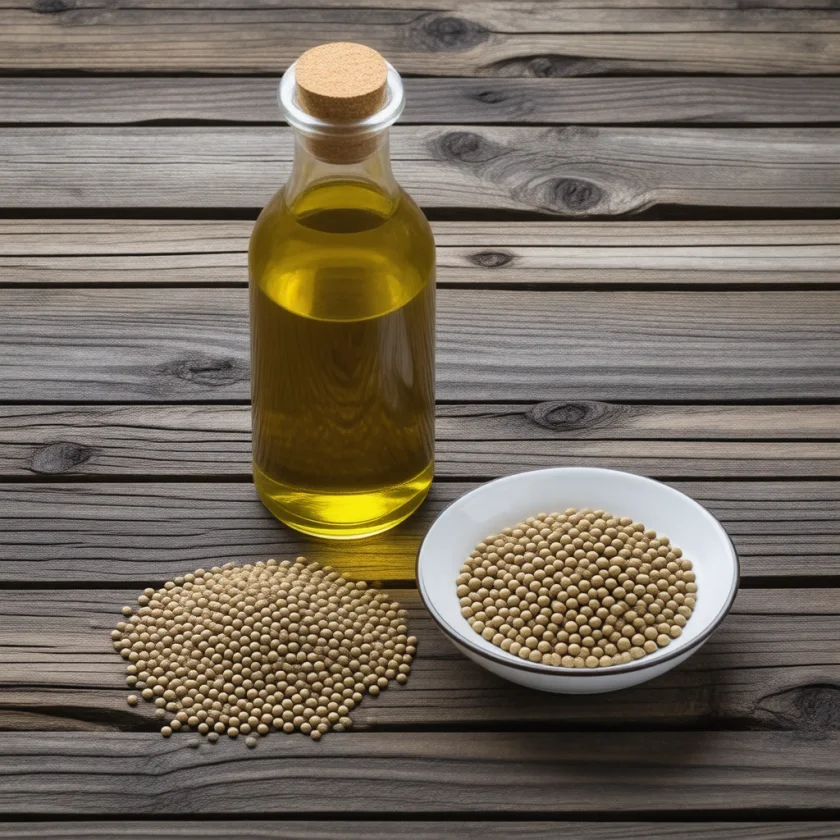
Neem (Azadirachta indica) is called the "village pharmacy" of India because every part of the tree — leaf, bark, seed, twig, oil, and root — is used medicinally, and because a single tree can supply an entire community's home-remedy needs. Five thousand years of continuous Ayurvedic use, codified in the Charaka Samhita and Sushruta Samhita, established neem as the primary remedy for skin infections, blood purification, fever, dental hygiene, and parasitic disease. Modern phytochemistry has identified more than 140 bioactive compounds in neem, with azadirachtin — the most-bioactive triterpenoid in the plant kingdom for insect biology — explaining both why neem is the most-studied botanical pesticide on Earth and why many of its human medicinal effects (antimicrobial, antifungal, antiparasitic, insulin-mimetic, anti-inflammatory) are so reproducible across cultures and centuries. Four benefit pages below explore the conditions where neem produces the largest clinical effect: skin and dermatological infection, dental and periodontal health, blood-sugar regulation, and the agricultural/repellent use that connects human and ecological health.
Deep-Dive Articles
Skin Conditions
Neem oil and leaf extract for acne, eczema, psoriasis, fungal ringworm, scabies, and chronic non-healing wounds. The Ayurvedic kushtha (skin-disease) tradition, the antimicrobial action of azadirachtin and nimbidin against Staphylococcus aureus and Cutibacterium acnes, the immunomodulating effect on Th17-driven psoriasis, and modern dermatology trials of neem soap, neem oil, and standardized leaf extracts.
Read the deep dive →Dental Health
The neem twig (datun) as the original Indian toothbrush, used for at least 4,000 years and still preferred over plastic toothbrushes by roughly 80% of rural Indians. Clinical trials of neem mouthwash against Streptococcus mutans and Porphyromonas gingivalis, head-to-head comparison with chlorhexidine (the dental gold standard) showing comparable plaque reduction without chlorhexidine's staining and taste-disturbance side effects.
Read the deep dive →Blood Sugar
Indian clinical trials of neem leaf extract in type 2 diabetes, the gliclazide-like (sulfonylurea-like) insulin-secretagogue mechanism, the parallel insulin-mimetic and peroxisome proliferator-activated receptor gamma (PPAR-gamma) agonist activity of nimbidin, and dose-response data. The traditional Ayurvedic use of bitter neem-leaf juice on an empty stomach for "sweet urine" (madhumeha), and what modern hemoglobin A1c (HbA1c) data say about that practice.
Read the deep dive →Insect Repellent & Agricultural
Azadirachtin as the most-effective natural insect-growth-regulator known — it disrupts ecdysis (insect molting) at concentrations as low as parts per billion. U.S. Environmental Protection Agency (EPA) registration as a biopesticide, head-lice trials of 0.5% neem oil shampoo, comparison to DEET and permethrin for mosquito repellence, the integrated-pest-management story, and why azadirachtin is acutely toxic to insects but essentially non-toxic to mammals at the same concentration. A 2009 review calls its toxicity for vertebrates "very low"; a 2013 case report of neem oil poisoning names azadirachtin as the ingredient implicated in the poisoning.
Read the deep dive →Table of Contents
Why Neem Produces Effects Across So Many Systems
Most medicinal plants act through one or two principal compounds. Neem is unusual because it produces a diverse pharmacopoeia of bioactive compounds — more than 140 identified to date — with three triterpenoids carrying most of the clinical weight, each with distinct molecular targets. Together they explain why a single plant can address infection, inflammation, glucose dysregulation, and insect biology with overlapping mechanisms.
- Azadirachtin (the insect-growth-regulator and broad antimicrobial) — the most bioactive triterpenoid in the plant kingdom for insect biology. Azadirachtin disrupts growth and deters feeding in insects, halting molting and metamorphosis at nanomolar concentrations. It is often described as blocking ecdysone (insect molting hormone) receptor signaling, but a 2009 review says its mode of action "still require[s] much research." In laboratory work, the same molecule is described as showing broad antimicrobial activity against Staphylococcus aureus, Escherichia coli, Streptococcus mutans, and several Candida species; antiparasitic activity against Plasmodium falciparum (malaria), head lice, and scabies mites; and anti-inflammatory activity through NF-kB pathway modulation. The agricultural and repellent uses exploit the insect-specific effects; the skin-infection benefits exploit the antimicrobial breadth.
- Nimbidin (the anti-inflammatory and insulin-sensitizing fraction) — a sulfurous bitter compound that explains much of neem's systemic anti-inflammatory effect. Nimbidin inhibits prostaglandin synthesis, reduces tumor necrosis factor-alpha and interleukin-6 (IL-6) production, and is described as a peroxisome proliferator-activated receptor gamma partial agonist (the same nuclear receptor targeted by the thiazolidinedione class of antidiabetic drugs). It is the principal driver of neem's blood-sugar lowering effect and contributes to the psoriasis and eczema applications where Th17-driven inflammation is central.
- Nimbin (the antiviral and antifungal triterpenoid) — structurally related to azadirachtin but with a distinct activity profile. Nimbin shows particular activity against fungal organisms (Trichophyton, Microsporum, Candida), enveloped viruses (in vitro evidence against herpes simplex, dengue), and is a co-driver of the ringworm and tinea traditional indications.
Two additional structural features amplify neem's utility. First, the compounds are concentrated differently in different plant parts — leaves carry the highest nimbidin content (best for systemic anti-inflammatory and blood-sugar use), seeds carry the highest azadirachtin (the source for commercial insecticides and topical antimicrobials), bark carries tannins and astringents (best for dental and gum applications), and twigs combine fiber with all three compound classes (the basis of the traditional datun toothbrush). Second, the bitter taste of neem — intense enough that it dominates any preparation — reflects high concentrations of these triterpenoids and serves as a natural deterrent against overconsumption, which has historically limited toxicity in traditional use.
One pilot trial has tested neem leaf capsules against COVID-19 infection. In 2021, 190 healthcare workers or relatives of patients with COVID-19 received 50 mg of a proprietary neem-leaf extract or a placebo twice daily for 28 days. Among the 154 who completed the study as planned, 3 on neem and 8 on placebo tested positive (relative risk 0.45). The authors say the finding needs further clinical trials.
The therapeutic complication, addressed below, is that the same compounds produce both human medicinal effects and acute mammalian hepatotoxicity at sufficient dose — the dose-toxicity window is narrower for concentrated neem oil than for leaf preparations, and is dramatically narrower for infants and young children than for adults.
Pediatric Hepatotoxicity Warning (Sundaravalli 1982)
Deaths are reported in infants and young children given concentrated neem oil by mouth. Sinniah and Baskaran reported in 1981 (The Lancet) thirteen infants, among Indians in Malaysia, who developed vomiting, drowsiness, metabolic acidosis, and encephalopathy (brain dysfunction) within hours of swallowing neem oil, also called margosa oil; they tied it to Reye's syndrome. A 2013 case report summarises Sundaravalli et al., 1982 (Indian Journal of Pediatrics) as 12 children given a single dose of 25-60 mL, with 10 deaths; the original paper has no abstract on PubMed. Neem oil is described as being given to small children as a traditional remedy for minor illness or as a "stomach cleanser." Subsequent case reports from India, Malaysia, and Mauritius have confirmed the pattern. The mechanism appears to involve mitochondrial dysfunction and microvesicular fatty infiltration of the liver, closely mimicking Reye syndrome.
Key safety boundaries for neem use:
- Concentrated neem oil by mouth has poisoned infants and children. A 1990 Singapore report lists vomiting, drowsiness, fast breathing, and recurrent seizures, and says the outlook is usually good but that deaths and lasting nerve damage have been reported. Doses vary. The 2013 case report summarises one series of infants given a few drops to 5 mL, with toxic encephalopathy, metabolic acidosis, and liver toxicity, all of whom recovered with supportive treatment; the deaths in its summary of Sundaravalli followed 25-60 mL. The LiverTox bibliography from the U.S. National Institutes of Health lists a 14-month-old with vomiting, seizures, and respiratory arrest after a spoonful, who recovered, and a 4-month-old who died of brain swelling on day 10 after a second dose. A 5-year-old had seizures that did not respond to treatment, with later hearing, vision, and balance problems. These reports concern the seed oil specifically — leaf preparations are described as carrying much lower risk.
- What animal work shows about the liver. In mice, neem oil acted on liver cell nuclei within 30 minutes and began injuring mitochondria (the cell's energy units) at 60 minutes, followed by microvesicular fatty liver and loss of liver glycogen.
- Pregnancy and neem taken by mouth. Animal studies show abortifacient and antifertility effects of neem oil and concentrated leaf extracts. Traditional Ayurvedic practice has used neem as a contraceptive and post-coital agent, which underscores the abortifacient risk.
- Adults — leaf preparations have the widest safety margin. Standardized neem leaf extract at 100-400 mg/day in clinical trials has been well-tolerated for up to 12 weeks. The trials read for this page used 50 mg twice daily for 28 days (side effects minimal, grade 1 or 2) and a leaf and twig extract at 125, 250, or 500 mg twice daily for 12 weeks (all tolerated it; 2 people had mild gut upset; none stopped because of side effects). Long-term safety data beyond 12 weeks is limited.
- Concentrated neem oil by mouth in adults. Doses above 5 mL/day in adults are described as producing hepatotoxicity, though the adult report read for this page involved a larger dose: a 73-year-old man who swallowed 20 mL by accident had vomiting, seizures, metabolic acidosis, and toxic encephalopathy, with normal liver tests, and recovered completely. Its authors write that neem oil poisoning is rare in adults. LiverTox records rare reports of acute severe metabolic acidosis, liver and multiorgan failure, and death after swallowing the oil.
- Topical neem oil and leaf preparations are the lowest-risk route and the basis for most modern uses (the dermatological applications and the insect-repellent applications). Allergic contact dermatitis is uncommon but reported.
- Dental use (twigs and mouthwash) is also low-risk because exposure is local and ingested quantities are small. This is the foundation of the dental health benefits.
The Sundaravalli 1982 and Sinniah 1981 series are the main references on neem oil poisoning in children.
Neem Leaf and Twig Extract in Blood-Sugar Trials
In a 12-week randomized, double-blind, placebo-controlled trial published in 2020, 80 people with type 2 diabetes already taking metformin received a water-based neem leaf and twig extract at 125, 250, or 500 mg, or a placebo, twice daily. All three doses lowered fasting blood sugar, after-meal blood sugar, and hemoglobin A1c compared with placebo. At 500 mg twice daily, hemoglobin A1c went from 7.78% to 6.26% and fasting blood sugar from 120.7 to 97.3 mg/dL. Platelet aggregation and blood fats did not change.
A similar 12-week trial published in 2021 gave the same doses or a placebo to people with metabolic syndrome (20 per group) and reported dose-related improvement in fasting and after-meal blood sugar, insulin resistance, and hemoglobin A1c. Both trials are small and come from one research group in Hyderabad, India.
Key Research Papers
- Sundaravalli N, Raju BB, Krishnamoorthy KA (1982). Neem oil poisoning. Indian Journal of Pediatrics. 49(398):357-9. — Summarised by Mishra 2013 as a case series of 12 children given a single dose of 25-60 mL, with 10 deaths; PubMed carries no abstract. — PubMed PMID: 7141505
- Sinniah D, Baskaran G (1981). Margosa oil poisoning as a cause of Reye's syndrome. The Lancet. 1(8218):487-9. — Thirteen infants with vomiting, drowsiness, metabolic acidosis, and encephalopathy within hours of swallowing margosa (neem) oil. — PubMed PMID: 6110100
- Lai SM, Lim KW, Cheng HK (1990). Margosa oil poisoning as a cause of toxic encephalopathy. Singapore Medical Journal. 31(5):463-5. — The abstract reports two infants; Mishra 2013 summarises this paper as 22 infants given a few drops to 5 mL who recovered completely. — PubMed PMID: 2259944
- Dhongade RK, Kavade SG, Damle RS (2008). Neem oil poisoning. Indian Pediatrics. 45(1):56-7. — PubMed PMID: 18250509
- Mishra A, Dave N (2013). Neem oil poisoning: Case report of an adult with toxic encephalopathy. Indian Journal of Critical Care Medicine. 17(5):321-2. — PubMed PMID: 24339648
- Sinniah R, Sinniah D, Chia LS, Baskaran G (1989). Animal model of margosa oil ingestion with Reye-like syndrome. Pathogenesis of microvesicular fatty liver. The Journal of Pathology. 159(3):255-64. — PubMed PMID: 2593049
- Margosa Oil (2020). LiverTox: Clinical and Research Information on Drug-Induced Liver Injury. National Institute of Diabetes and Digestive and Kidney Diseases. — PubMed PMID: 31643748
- Biswas K, Chattopadhyay I, Banerjee RK, Bandyopadhyay U (2002). Biological activities and medicinal properties of neem (Azadirachta indica). Current Science. 82(11):1336-1345. — A widely cited review of the biological activities of neem compounds; it counts more than 135 compounds isolated from neem. — Current Science 82(11):1336 (PDF)
- Wolinsky LE, Mania S, Nachnani S, Ling S (1996). The inhibiting effect of aqueous Azadirachta indica (neem) extract upon bacterial properties influencing in vitro plaque formation. Journal of Dental Research. 75(2):816-22. — A laboratory study: neem stick extract reduced adhesion of Streptococcus sanguis to saliva-coated hydroxyapatite, with no inhibition of streptococcal growth at up to 320 micrograms/mL; underpins the modern neem-mouthwash clinical trials. — PubMed PMID: 8655780
- Khosla P, Bhanwra S, Singh J, Seth S, Srivastava RK (2000). A study of hypoglycaemic effects of Azadirachta indica (neem) in normal and alloxan diabetic rabbits. Indian Journal of Physiology and Pharmacology. 44(1):69-74. — A rabbit study of neem leaf extract and seed oil: glucose lowering comparable to glibenclamide, more pronounced in diabetic animals. — PubMed PMID: 10919098
- Mordue (Luntz) AJ, Blackwell A (1993). Azadirachtin: an update. Journal of Insect Physiology. 39(11):903-924. — A classic review of azadirachtin's action on insects; cited as background for modern biopesticide formulations. — doi:10.1016/0022-1910(93)90001-8
- Morgan ED (2009). Azadirachtin, a scientific gold mine. Bioorganic & Medicinal Chemistry. 17(12):4096-105. — PubMed PMID: 19112026
- Pingali U, Ali MA, Gundagani S, Nutalapati C (2020). Evaluation of the Effect of an Aqueous Extract of Azadirachta indica (Neem) Leaves and Twigs on Glycemic Control, Endothelial Dysfunction and Systemic Inflammation in Subjects with Type 2 Diabetes Mellitus - A Randomized, Double-Blind, Placebo-Controlled Clinical Study. Diabetes, Metabolic Syndrome and Obesity. 13:4401-4412. — PubMed PMID: 33244247
- Pingali U, Vuppalanchi B, Nutalapati C, Gundagani S (2021). Aqueous Azadirachta indica (Neem) Extract Attenuates Insulin Resistance to Improve Glycemic Control and Endothelial Function in Subjects with Metabolic Syndrome. Journal of Medicinal Food. 24(11):1135-1144. — PubMed PMID: 34582720
- Nesari TM, Bhardwaj A, ShriKrishna R, et al. (2021). Neem (Azadirachta Indica A. Juss) Capsules for Prophylaxis of COVID-19 Infection: A Pilot, Double-Blind, Randomized Controlled Trial. Alternative Therapies in Health and Medicine. 27(S1):196-203. — PubMed PMID: 33891569
PubMed Topic Searches
External Authoritative Resources
- U.S. Environmental Protection Agency (EPA) — Azadirachtin and Clarified Hydrophobic Extract of Neem Oil Fact Sheet — the regulatory dossier for the active ingredient in commercial neem-oil biopesticides; mammalian toxicology and environmental fate data
- WHO Monographs on Selected Medicinal Plants, Volume 3 — Folium and Oleum Azadirachti (neem) — the WHO compilation of Ayurvedic and Unani materia medica covering neem's classical indications and contraindications
- LiverTox (U.S. National Institutes of Health, NIH) — Margosa Oil — a U.S. review chapter on liver injury reported after swallowing margosa (neem) oil
- PubMed — All research on Azadirachta indica (~6,000+ papers)