⚠ Evidence warning: Clinical trials or other evidence do not support the claims that andrographolide inhibits a JBP485-related dipeptide transporter at the kidney, that several semi-synthetic derivatives are in early clinical development, and that the herb is well-tolerated in non-pregnant adults and children over 4. This page keeps it as a report of what people, websites or other media say.
Andrographis — Benefits Deep Dive

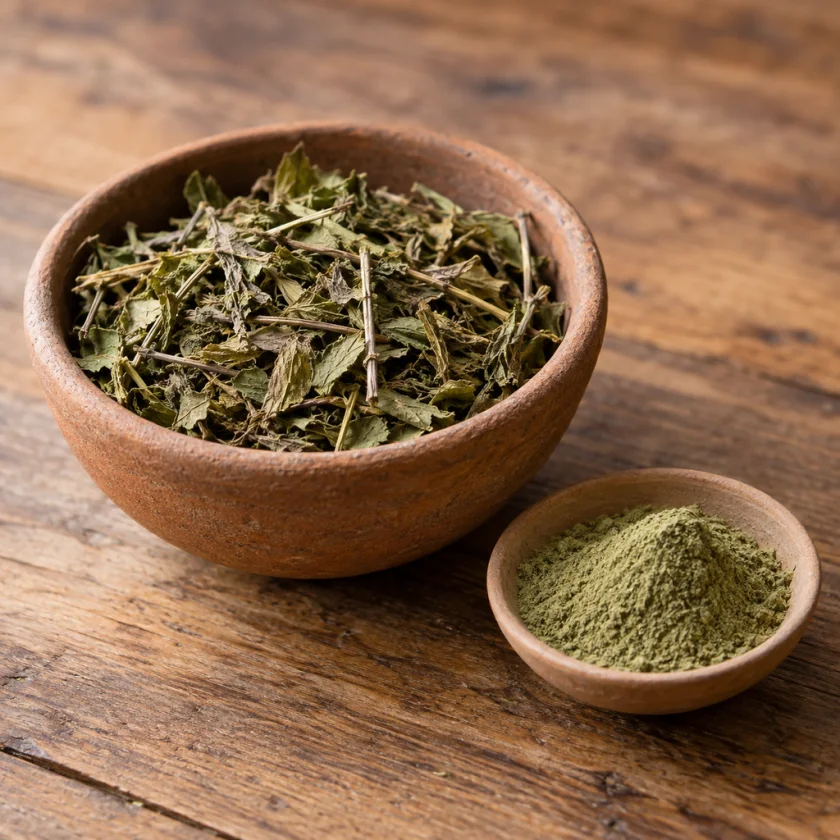
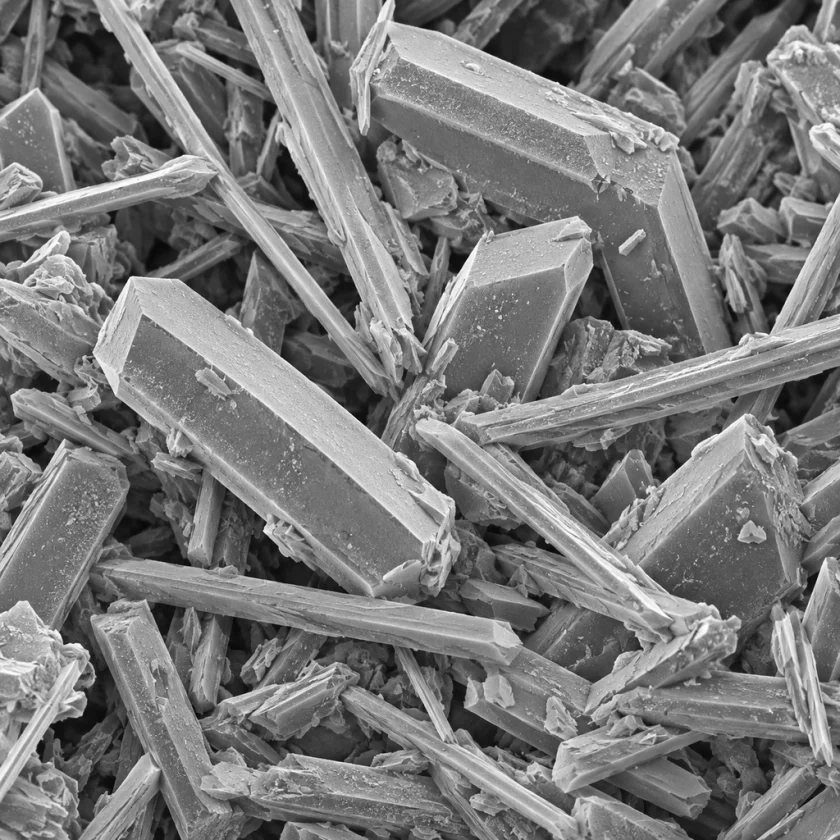
Andrographis paniculata is known across South and Southeast Asia as the "King of Bitters" (Maha-Tikta in Sanskrit, Chuan Xin Lian in traditional Chinese medicine), a name that reflects both its extraordinary bitterness and its premier status in traditional herbal pharmacopeias for fevers, infections, and liver disease. Its principal bioactive constituent is andrographolide, a labdane diterpene lactone present at 1-4% in the leaves and concentrated to standardized levels in modern extracts. Andrographolide is the molecular handle behind nearly every documented effect — from inhibition of NF-kB-driven inflammation, to potentiation of natural killer (NK) cell and macrophage activity, to hepatoprotection through Nrf2 induction, to direct interference with viral attachment and replication. Four benefit pages below explore the conditions where Andrographis produces its largest and best-documented clinical effects.
Deep-Dive Articles
Cold & Flu
The flagship clinical use. Coon & Ernst's 2004 systematic review of seven randomized controlled trials (RCTs) found Andrographis significantly superior to placebo for uncomplicated upper respiratory tract infection. Hu et al.'s 2017 meta-analysis of 33 trials and over 7,000 patients extended the conclusion. An andrographis–eleutherococcus combination product (Andrographis paniculata + Eleutherococcus senticosus, standardized to andrographolide and deoxyandrographolide) has also been tested in common-cold trials. This Swedish-Scandinavian formulation is the most-studied commercial preparation worldwide. For COVID-19, a 2025 meta-analysis of 6 randomized trials in 660 adults with mild-to-moderate illness found that single-herb andrographis products did not significantly speed fever resolution (relative risk 1.12) or cough resolution (relative risk 0.98), and did not lower the inflammation markers C-reactive protein (CRP) or IL-6, compared with antivirals or supportive care; side effects were mild, mainly rises in liver enzymes that settled without complications.
Read the deep dive →Immune Modulation
How andrographolide tunes immunity without crude over-stimulation. Activates natural killer (NK) cell cytotoxicity, boosts macrophage phagocytosis, increases CD4+/CD8+ ratios, and modulates the Th1/Th2/Th17 cytokine network. A standardized whole-herb andrographis extract has been tested in mild-to-moderate ulcerative colitis. In a 2011 trial of 120 patients in China (Tang et al.), 21% reached clinical remission after 8 weeks on 1,200 mg a day versus 16% on the standard drug mesalazine, with no significant difference between the two. In a 2013 placebo-controlled trial of 224 adults (Sandborn et al.), 60% of those on 1,800 mg a day had a clinical response at 8 weeks versus 40% on placebo; remission (38% versus 25%) was not significantly different.
Read the deep dive →Liver Protection
The classical Ayurvedic use as a cholagogue (bile-flow stimulant) plus the modern mechanistic story. Andrographolide activates Nrf2 to upregulate phase-II detoxification enzymes (glutathione-S-transferase, nicotinamide adenine dinucleotide (NAD)(P)H quinone oxidoreductase, glutathione peroxidase), inhibits CYP1A1/CYP2B1 bioactivation of carcinogens, and demonstrates protection against acetaminophen, ethanol, carbon tetrachloride, and aflatoxin hepatotoxicity in controlled animal trials. Comparison with the related milk thistle silymarin model.
Read the deep dive →Anti-Inflammatory
Andrographolide is one of the most potent natural-product inhibitors of NF-kB activation through covalent modification of the p50 subunit Cys-62. The downstream effect is sweeping suppression of tumor necrosis factor-alpha, interleukin-1-beta, interleukin-6 (IL-6), cyclooxygenase-2 (COX-2), and iNOS expression. Clinical trials in rheumatoid arthritis (Burgos 2009), osteoarthritis, and ankylosing spondylitis are reviewed. Andrographolide also inhibits the JBP485-related dipeptide transporter at the kidney, a relevant pharmacokinetic interaction.
Read the deep dive →Table of Contents
- Deep-Dive Articles
- Why Andrographis Produces Effects Across So Many Systems
- Research Papers: Cold & Flu
- Research Papers: Immune Modulation
- Research Papers: Liver Protection
- Research Papers: Anti-Inflammatory
- Research Papers: Cross-Cutting (Mechanism, Pharmacology, Safety)
- External Authoritative Resources
- Connections
- Featured Videos
Why Andrographis Produces Effects Across So Many Systems
Many medicinal plants accumulate a wide variety of secondary metabolites and produce a wide variety of mild biological effects. Andrographis is unusual because the bulk of its activity is attributable to a single molecule, andrographolide (and its three lesser congeners: 14-deoxyandrographolide, neoandrographolide, and 14-deoxy-11,12-didehydroandrographolide). Andrographolide is a labdane-type diterpene lactone with an alpha,beta-unsaturated lactone (a "Michael acceptor") group that allows it to form covalent bonds with cysteine thiols on a small set of regulatory proteins. The three principal molecular targets explain most of the clinical effects:
- NF-kB p50 subunit (Cys-62) — covalent modification of this cysteine blocks NF-kB binding to DNA at kappa-B promoter elements, shutting down transcription of tumor necrosis factor-alpha, interleukin-1-beta, interleukin-6, cyclooxygenase-2, iNOS, ICAM-1, and other inflammatory mediators. This is the mechanism behind the anti-inflammatory effects in arthritis and inflammatory bowel disease, and also a major contributor to its non-stimulatory immune-modulating profile.
- Keap1 (cysteine residues) — andrographolide modifies cysteines on Keap1, releasing Nrf2 to translocate to the nucleus where it binds ARE (antioxidant response element) promoter regions and activates phase-II detoxification enzymes (glutathione synthesis, glutathione-S-transferase, nicotinamide adenine dinucleotide(P)H quinone oxidoreductase, heme oxygenase-1). This is the mechanism behind the hepatoprotection against chemical and drug-induced liver injury.
- Viral attachment and replication proteins — andrographolide directly binds to viral spike proteins (demonstrated for human immunodeficiency virus (HIV) gp120, influenza hemagglutinin, dengue envelope) and to viral enzymes (human immunodeficiency virus reverse transcriptase, influenza neuraminidase, dengue NS5 polymerase). These direct antiviral effects, combined with the upstream cytokine modulation, explain the benefit in viral upper respiratory tract infection.
Beyond these three principal targets, andrographolide also activates AMP-activated protein kinase (AMPK), inhibits HIF-1-alpha, and modulates the PI3K/Akt and JAK/STAT pathways — explaining the broader interest in andrographolide as a candidate drug scaffold in cancer, type-2 diabetes, and neurodegenerative disease. Several semi-synthetic andrographolide derivatives are in early clinical development as anti-inflammatory drugs, including AND-1 (oncology). Semi-synthetic andrographolide derivatives have also been made in the laboratory; one of them, DRF 3188, has been tested only on MCF-7 breast-cancer cells (in culture and in a hollow-fibre assay), where it stopped the cells' division cycle by a mechanism similar to andrographolide's.
Pregnancy contraindication. Andrographis is a uterine stimulant and is contraindicated in pregnancy. Animal studies (rat, rabbit) document increased uterine contractions and abortifacient potential at doses corresponding to typical human therapeutic intake. The traditional Ayurvedic and Thai pharmacopeias both list pregnancy as an absolute contraindication. The European Medicines Agency's Committee on Herbal Medicinal Products did not adopt a European Union herbal monograph for andrographis; its 2014 assessment ended in a public statement only. A rat study has reported a reversible reduction in male fertility (decreased sperm motility on high-dose extracts), and one observational signal of reduced female fertility has been described. In non-pregnant adults, reviews of oral andrographis preparations found mainly mild stomach and skin side effects. The herb is otherwise well-tolerated in non-pregnant adults and children over 4 at age-adjusted doses.
Serious allergic reactions. Severe allergic reactions (anaphylaxis) are among the serious harms reported. A 2022 review of 262 clinical studies found adverse reactions in 383 of 9,490 people (4.04%) given injections of andrographolide-derived drugs; 55 had life-threatening anaphylactic shock and 3 deaths were attributed to the injection. The nine oral herbal andrographis preparations in the same review caused mainly mild to moderate stomach and skin reactions. A 2000 trial of oral andrographolide in people with HIV was stopped at 6 weeks because of adverse events, including an anaphylactic reaction in one patient.
Research Papers: Cold & Flu
- Coon JT, Ernst E (2004). Andrographis paniculata in the treatment of upper respiratory tract infections: a systematic review of safety and efficacy. Planta Medica 70(4):293-8 (seven double-blind trials, 896 people) — PubMed PMID: 15095142
- Hu XY et al. (2017). Andrographis paniculata (Chuan Xin Lian) for symptomatic relief of acute respiratory tract infections in adults and children: a systematic review and meta-analysis. PLoS One 12(8):e0181780 (33 randomized trials, 7,175 patients) — PubMed PMID: 28783743
- Prabhakornritta P et al. (2025). Exploring the clinical effects of Andrographis paniculata-derived compounds, its extract, or derivatives for the treatment of COVID-19: a systematic review and meta-analysis. Frontiers in Pharmacology 16:1598255 — PubMed PMID: 40822451
- Andrographis–eleutherococcus combination product clinical trials in common cold (Caceres / Melchior series) — PubMed: andrographis–eleutherococcus URTI trials
- Andrographolide and influenza neuraminidase inhibition — PubMed: Andrographolide and influenza
- Andrographis paniculata for sore throat symptom reduction (Thamlikitkul 1991 Thailand trial) — PubMed: Thamlikitkul Thailand trial
- Andrographis for sinusitis adjunct therapy — PubMed: Andrographis sinusitis
- Andrographolide attenuates influenza A virus-induced lung injury in mice — PubMed: Andrographolide influenza lung injury
- Standardization of andrographolide content in commercial Andrographis extracts — PubMed: Andrographolide standardization
- Saxena RC, Singh R, et al. randomized double-blind controlled trial of Andrographis extract in uncomplicated upper respiratory infection — PubMed: Saxena RCT
- Andrographis and respiratory syncytial virus inhibition in vitro — PubMed: Andrographolide RSV
Research Papers: Immune Modulation
- Tang T, Targan SR, Li ZS, Xu C, Byers VS, Sandborn WJ (2011). Randomised clinical trial: herbal extract HMPL-004 in active ulcerative colitis – a double-blind comparison with sustained release mesalazine. Alimentary Pharmacology & Therapeutics 33(2):194-202 — PubMed PMID: 21114791
- Sandborn WJ, Targan SR, Byers VS, Rutty DA, Mu H, Zhang X, Tang T (2013). Andrographis paniculata extract (HMPL-004) for active ulcerative colitis. American Journal of Gastroenterology 108(1):90-8 — PubMed PMID: 23044768
- Andrographolide enhances natural killer (NK) cell cytotoxicity — PubMed: Andrographolide NK cells
- Andrographolide modulates the Th1/Th2/Th17 cytokine balance — PubMed: Andrographolide Th1/Th2/Th17
- Andrographolide increases macrophage phagocytosis and intracellular killing — PubMed: Andrographolide macrophages
- Calabrese C et al. (2000). A phase I trial of andrographolide in HIV positive patients and normal volunteers. Phytotherapy Research 14(5):333-8 (13 HIV-positive patients and 5 healthy volunteers; mean CD4+ count rose from 405 to 501 cells/mm3 at 10 mg/kg; the trial was stopped at 6 weeks because of adverse events, including an anaphylactic reaction in one patient) — PubMed PMID: 10925397
- Standardized andrographis extract for active ulcerative colitis, Phase II trials — PubMed: HMPL-004 Phase II
- Andrographolide and dendritic cell maturation — PubMed: Andrographolide dendritic cells
- Andrographis paniculata extract and lymphocyte proliferation assays — PubMed: Lymphocyte proliferation
- Andrographolide for autoimmune disease (mechanistic review) — PubMed: Andrographolide autoimmunity review
- Andrographolide-mediated suppression of cytokine storm in sepsis models — PubMed: Andrographolide cytokine storm
Research Papers: Liver Protection
- Andrographolide activates Nrf2 / Keap1 antioxidant response element pathway — PubMed: Andrographolide Nrf2/Keap1
- Andrographolide-induced protection against carbon tetrachloride (CCl4) hepatotoxicity — PubMed: Andrographolide CCl4
- Andrographis paniculata and acetaminophen (paracetamol) hepatotoxicity reduction — PubMed: Andrographis paracetamol
- Andrographolide protection against ethanol-induced liver injury — PubMed: Andrographolide ethanol liver
- Andrographolide and aflatoxin B1 hepatocarcinogenesis — PubMed: Andrographolide aflatoxin
- Andrographis paniculata as a cholagogue (bile-flow stimulant) — PubMed: Andrographis cholagogue
- Andrographolide inhibition of CYP1A1 and CYP2B1 carcinogen bioactivation — PubMed: Andrographolide CYP P450
- Andrographolide upregulates glutathione synthesis and glutathione-S-transferase — PubMed: Andrographolide glutathione
- Andrographolide in non-alcoholic fatty liver disease (NAFLD) animal models — PubMed: Andrographolide NAFLD
- Comparison of Andrographis with silymarin (milk thistle) for hepatoprotection — PubMed: Andrographolide vs silymarin
Research Papers: Anti-Inflammatory
- Andrographolide as a covalent inhibitor of NF-kB p50 (Xia et al., Cys-62 modification) — PubMed: Andrographolide NF-kB p50
- Burgos RA et al. (2009). Efficacy of an Andrographis paniculata composition for the relief of rheumatoid arthritis symptoms: a prospective randomized placebo-controlled trial. Clinical Rheumatology 28(8):931-46 — PubMed PMID: 19408036
- Andrographolide inhibits TNF-alpha, IL-1-beta, IL-6 cytokine production — PubMed: Andrographolide TNF/IL-1/IL-6
- Andrographolide downregulates COX-2 and iNOS expression — PubMed: Andrographolide COX-2/iNOS
- Andrographolide in osteoarthritis (knee, hand) human trials — PubMed: Andrographolide osteoarthritis
- Andrographolide and ankylosing spondylitis — PubMed: Andrographolide ankylosing spondylitis
- Andrographolide for psoriasis (mechanism and small clinical trials) — PubMed: Andrographolide psoriasis
- Andrographolide attenuates LPS-induced acute lung injury (cytokine storm model) — PubMed: Andrographolide ALI
- Andrographolide and ICAM-1 / VCAM-1 endothelial adhesion molecule suppression — PubMed: Andrographolide ICAM-1/VCAM-1
Research Papers: Cross-Cutting (Mechanism, Pharmacology, Safety)
- Andrographolide pharmacokinetics and oral bioavailability in humans — PubMed: Andrographolide PK
- Andrographis paniculata uterine stimulant activity and pregnancy contraindication — PubMed: Andrographis pregnancy safety
- Andrographis and male fertility (rat studies) — PubMed: Andrographis male fertility
- Andrographolide as a candidate antidiabetic agent (insulin sensitization, alpha-glucosidase inhibition) — PubMed: Andrographolide diabetes
- Andrographolide in cancer chemoprevention (mechanism, apoptosis induction) — PubMed: Andrographolide oncology
- Andrographolide and HIV reverse transcriptase / gp120 binding — PubMed: Andrographolide HIV
- Andrographolide and dengue virus NS5 polymerase inhibition — PubMed: Andrographolide dengue
- Andrographolide cardioprotection: AMPK activation and ischemia-reperfusion injury — PubMed: Andrographolide cardioprotection
- Andrographolide neuroprotection in Parkinson's and Alzheimer's models — PubMed: Andrographolide neuroprotection
- Andrographis paniculata adverse-effect profile and post-marketing surveillance — PubMed: Andrographis safety
- Shang YX et al. (2022). Adverse Effects of Andrographolide Derivative Medications Compared to the Safe use of Herbal Preparations of Andrographis paniculata: Results of a Systematic Review and Meta-Analysis of Clinical Studies. Frontiers in Pharmacology 13:773282 — PubMed PMID: 35153776
- Satyanarayana C, Deevi DS, Rajagopalan R, Srinivas N, Rajagopal S (2004). DRF 3188 a novel semi-synthetic analog of andrographolide: cellular response to MCF 7 breast cancer cells. BMC Cancer 4:26 — PubMed PMID: 15207007
External Authoritative Resources
- European Medicines Agency — Andrographidis paniculatae folium HMPC assessment (public statement) — the EU herbal committee's assessment of Andrographis paniculata, which ended in a public statement (2014) without an EU herbal monograph
- U.S. National Institutes of Health (NIH) U.S. National Center for Complementary and Integrative Health (NCCIH) — Herbs at a Glance
- MedlinePlus — Andrographis
- Australia Therapeutic Goods Administration (TGA) — Australia's medicines regulator: Andrographis Compositional Guideline (the regulator that issued the 2015 taste-disturbance warning)
- PubMed — All research on Andrographis / andrographolide (~3,800+ papers)
Connections
- All Herbs
- Andrographis (Main Page)
- Andrographis for Cold & Flu
- Andrographis for Immune Modulation
- Andrographis for Liver Protection
- Andrographis Anti-Inflammatory
- Echinacea
- Elderberry
- Milk Thistle
- Turmeric
- Japanese Knotweed
- Influenza
- Pneumonia
- Sinusitis
- Arthritis
- Immune Boosting
- Vitamin C
- Vitamin D3
- History