⚠ Evidence warning: Clinical trials or other evidence do not support the claim that He Shou Wu slows aging ("tonifies jing"), extends life, and protects the heart and arteries; the support comes from cell and animal studies, and no human outcome trial exists. This page keeps it as a report of what people, websites or other media say.
He Shou Wu for Longevity and Cardiovascular Health
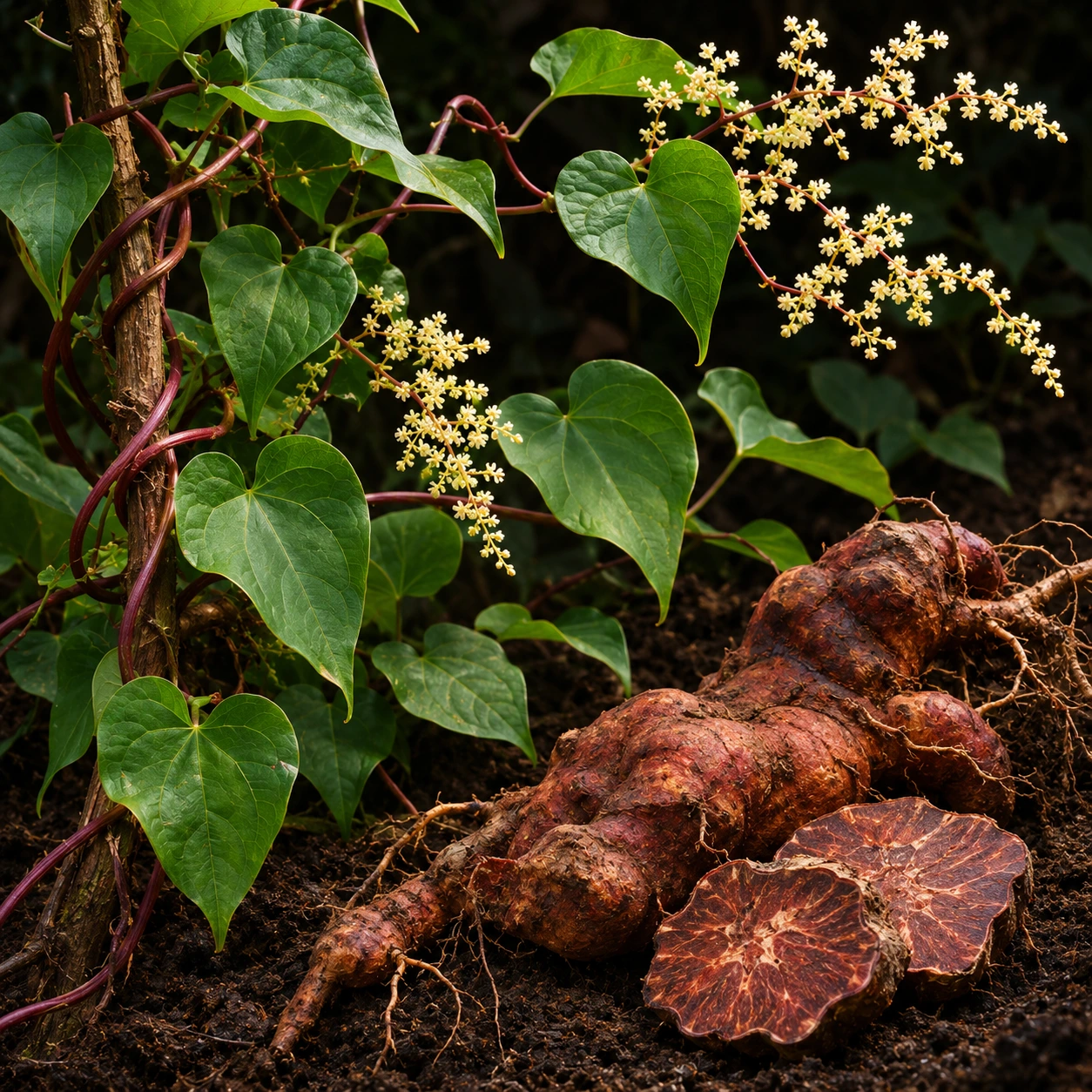
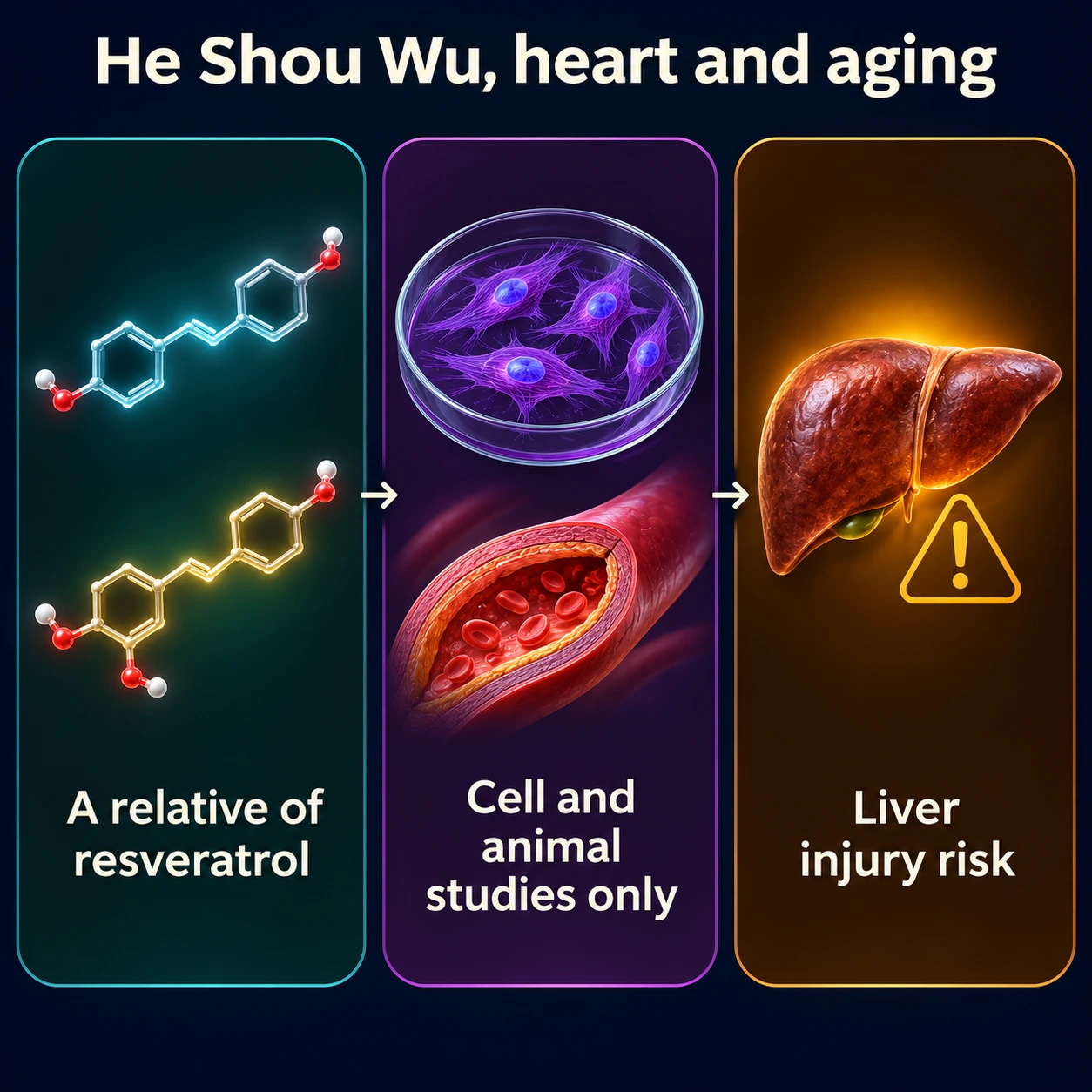
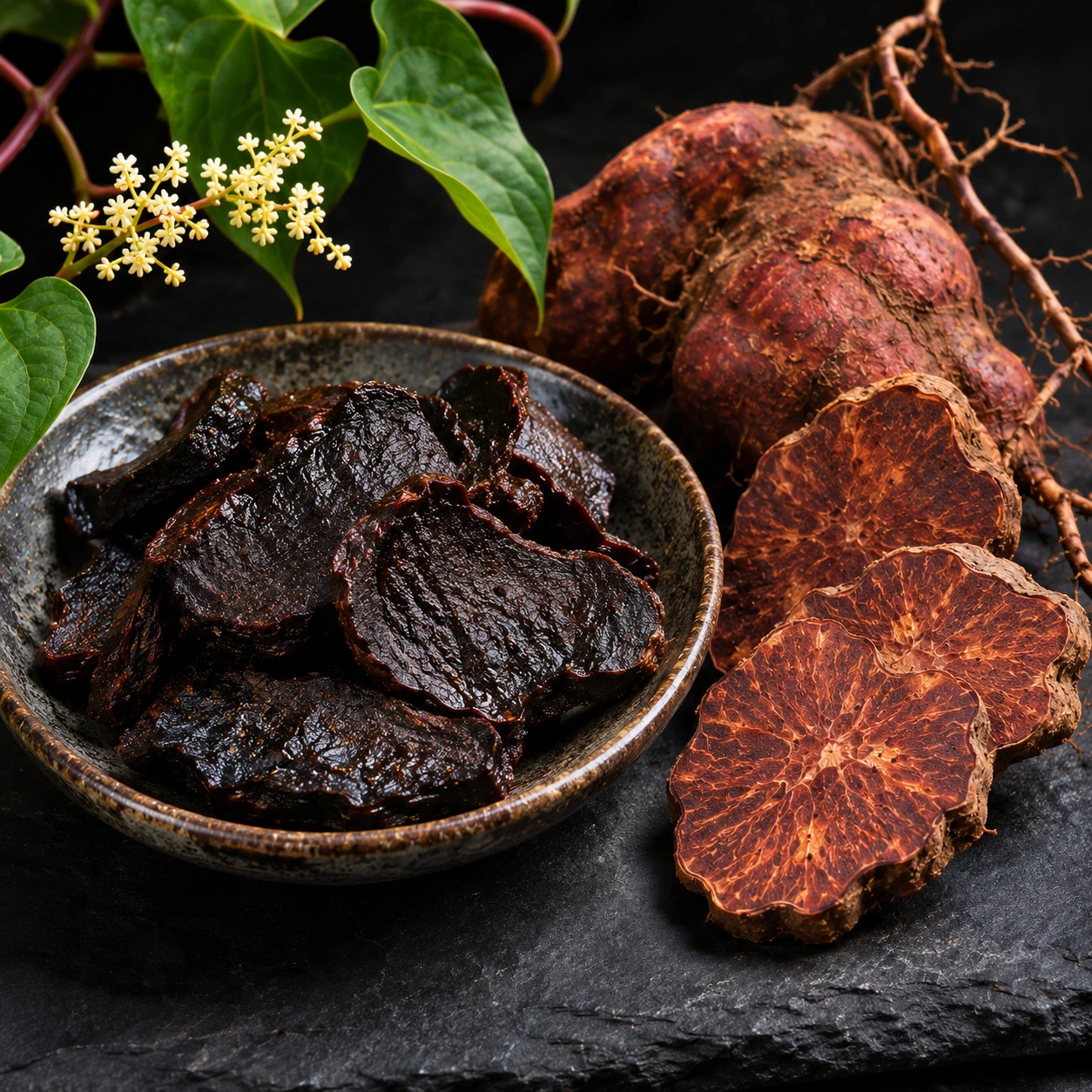
The longevity reputation of He Shou Wu in Traditional Chinese Medicine (TCM) has a surprisingly direct molecular bridge to one of the most active areas of modern aging research: the stilbene class of compounds and their interaction with the sirtuin family. 2,3,5,4'-tetrahydroxystilbene-2-O-glucoside (TSG), the principal active compound in He Shou Wu, is a close structural relative of resveratrol — both are stilbenes, both share the trans-stilbene backbone, and both activate SIRT1 in cell-culture studies. The cardiovascular evidence base, while not as developed as the cognitive evidence, includes animal lipid-lowering data, antioxidant capacity, anti-atherosclerotic effects in animal models, and reports of small human studies on cholesterol that this page could not verify. The emodin anthraquinone fraction is reported to add further cardiovascular-relevant mechanisms including anti-platelet and vasodilatory effects. This deep-dive walks through the SIRT1 / caloric-restriction-mimetic framework, the comparison with resveratrol, the lipid-lowering data, the antioxidant capacity, the traditional Chinese-medicine longevity claims and what evidence supports them, and where He Shou Wu sits among the better-studied cardiovascular and longevity measures — weighed always against the hepatotoxicity risk that the companion Liver Health and Hepatotoxicity Warning deep-dive details.
Table of Contents
- Traditional Longevity Claims in Chinese Medicine
- TSG as a Resveratrol Relative — Structural Family
- SIRT1 Activation and Caloric-Restriction Mimicry
- Emodin and Stilbenes as the Active Class
- Lipid-Lowering Evidence
- Antioxidant Effects on Vascular Tissue
- Anti-Atherosclerosis Animal Data
- Anti-Platelet and Anti-Thrombotic Effects
- Blood Pressure Effects
- Cardiovascular Integrative Context
- Cautions — Cardiovascular Use Still Carries Hepatic Risk
- Key Research Papers
- Connections
- Featured Videos
Traditional Longevity Claims in Chinese Medicine
The TCM longevity claim for He Shou Wu is one of the herb's defining indications. Classical formulary literature places it among the highest-tier jing-tonifying (essence-supplementing) herbs alongside shu di huang (prepared Rehmannia), nu zhen zi (Ligustrum lucidum fruit), gou qi zi (goji berry / Lycium), and a small number of others. The traditional theoretical framework: as the body ages, the kidney jing (the inherited and acquired essence stored in the kidney system, which in TCM physiology governs reproductive function, bone marrow, brain ("sea of marrow"), hair, teeth, hearing, and longevity) is gradually depleted, and herbs that tonify jing can slow this process and support the aging body.
Ayurveda, India’s traditional medicine, uses the Sanskrit term rasayana for herbs and practices that promote longevity, rejuvenation, and resistance to disease; Chinese medicine groups its longevity herbs under its own concepts, such as the jing tonics above, rather than under this Ayurvedic term. Across Asian traditional medicine, a small set of herbs recur in this category: ginseng (Panax ginseng, Panax notoginseng), astragalus, reishi mushroom, Rhodiola, ashwagandha (Withania), shilajit, gotu kola, and He Shou Wu. The concept is not pure folklore — many of these herbs have meaningful modern evidence for adaptogenic, anti-fatigue, antioxidant, and immunomodulatory effects.
The translation of traditional longevity claims into modern terms involves several distinct mechanistic targets:
- Antioxidant capacity — reducing oxidative damage that accumulates over the lifespan
- Anti-inflammatory effects — addressing "inflammaging," the chronic low-grade inflammation of older age
- Mitochondrial support — preserving mitochondrial function that declines with age
- Sirtuin / nicotinamide adenine dinucleotide (NAD+) axis support — activating longevity-associated cellular signaling
- Telomere protection — preserving telomere length, which shortens with age and is associated with mortality
- Autophagy support — promoting cellular housekeeping that clears damaged proteins and organelles
- Cardiovascular protection — addressing the leading cause of age-related mortality
- Hormonal optimization — preserving sex steroid, growth hormone, and thyroid axis function
He Shou Wu's preclinical mechanism profile touches several of these targets — antioxidant capacity, NF-κB anti-inflammatory effects, SIRT1 activation through the TSG stilbene class, and cardiovascular effects through the emodin and stilbene mechanisms. The traditional "longevity herb" framing is therefore mechanistically plausible — even if the leap from "extends mouse lifespan in some studies" to "extends human lifespan" remains, as for the entire longevity field, an unverified extrapolation.
TSG as a Resveratrol Relative — Structural Family
The structural and biological relationship between TSG and resveratrol is one of the most pharmacologically interesting facts about He Shou Wu. Resveratrol (3,5,4'-trihydroxy-trans-stilbene) is the famous polyphenol from grape skin and red wine that achieved fame in the early 2000s for its activation of SIRT1 and its proposed role in the "French paradox" (lower cardiovascular mortality despite high saturated fat intake, attributed in part to red wine consumption). The resveratrol story has been complicated by data quality issues, methodological controversies (around a biotechnology start-up’s sirtuin-activator drug programme), and the recognition that human dosing required to match the SIRT1-activating concentrations seen in cell culture is impractical — but resveratrol remains one of the most-studied natural compounds of the modern era, with a robust preclinical evidence base for caloric-restriction-mimetic effects, anti-inflammatory action, antioxidant capacity, and cardiovascular protection.
TSG (2,3,5,4'-tetrahydroxystilbene-2-O-β-D-glucoside) is a closely related molecule:
- Same trans-stilbene backbone
- One additional hydroxyl group at position 2 (vs. resveratrol's 3,5,4'-trihydroxy pattern)
- Glycosylated at position 2 with a β-D-glucose moiety (which improves water solubility and pharmacokinetics relative to the free aglycone)
- Found in the same plant family overlap — both Polygonaceae (knotweed family) plants produce stilbenes; Japanese knotweed (Polygonum cuspidatum, now Fallopia japonica) is one of the major commercial sources of pharmaceutical-grade resveratrol
This last point is worth dwelling on: Japanese knotweed and He Shou Wu (Polygonum multiflorum / Fallopia multiflora) are taxonomically very close relatives in the Polygonaceae. Both produce stilbenes as principal active compounds. Both have been used in TCM (Japanese knotweed as hu zhang for circulatory and inflammatory indications). The plant family's chemistry converges on this stilbene class.
The biological consequences of this structural relationship:
- TSG and resveratrol share many of the same molecular targets — SIRT1, AMP-activated protein kinase (AMPK), Nrf2, NF-κB
- The mechanistic literature on resveratrol is largely transferable as a working hypothesis for TSG, though direct head-to-head studies are limited
- TSG's glycosylation generally gives it better oral bioavailability than free resveratrol (a known weakness of resveratrol pharmacokinetics)
- The hepatotoxicity that characterizes He Shou Wu but not resveratrol is presumably attributable to the anthraquinone fraction (emodin etc.) and the human leukocyte antigen-B*35:01 immune mechanism, not to the stilbene class itself
If the resveratrol literature could be taken at face value, TSG would be a more bioavailable form of a famously bioavailability-limited longevity compound. The caveats: the resveratrol clinical literature has been mixed and disappointing in several large human trials, the SIRT1-activation paradigm has been actively contested in the academic literature, and the same critiques apply by extension to TSG.
SIRT1 Activation and Caloric-Restriction Mimicry
The sirtuin family of nicotinamide adenine dinucleotide-dependent deacetylases (SIRT1 through SIRT7 in mammals) is one of the most prominent targets in the modern longevity research field. SIRT1, the most-studied family member, regulates dozens of downstream targets through deacetylation of histone (H3K9, H4K16) and non-histone substrates including p53, PGC-1α, FOXO transcription factors, and NF-κB. SIRT1 activity is required for many of the cellular benefits of caloric restriction, the only intervention with consistent evidence for lifespan extension across multiple model organisms.
TSG has been shown in cell-culture studies to activate SIRT1, similar to resveratrol but with some methodological caveats common to the entire SIRT1-activator field:
- Direct activation in fluorometric SIRT1 enzyme assays (the same assay that drove the resveratrol discovery, and that has been criticized for using fluorophore-conjugated substrates that may not reflect physiologic substrate behavior)
- Indirect activation via nicotinamide adenine dinucleotide pool elevation (SIRT1 is nicotinamide adenine dinucleotide-dependent and any intervention that raises cellular nicotinamide adenine dinucleotide effectively activates the sirtuin family)
- Increased nuclear translocation and chromatin association of SIRT1
- Increased deacetylation of canonical SIRT1 substrates including PGC-1α (mitochondrial biogenesis), FOXO3a (stress resistance and longevity), and NF-κB p65 (anti-inflammatory)
The downstream cellular effects mirror caloric restriction:
- Increased mitochondrial biogenesis through PGC-1α
- Improved insulin sensitivity through downstream effects on glucose metabolism
- Reduced inflammatory cytokine production through NF-κB deacetylation
- Enhanced stress resistance through FOXO3a-mediated antioxidant gene expression
- Reduced senescent cell accumulation in some models
- Modest lifespan extension in some short-lived model organisms (the data in mammals are weaker and contested)
The honest summary of the SIRT1 longevity story: the cellular biology is real, the caloric restriction connection is real, but the clinical lifespan-extension data from any single pharmacologic SIRT1 activator (including resveratrol, the most-studied) in humans remains absent. The reasonable interpretation is that TSG and the stilbene class produce real cellular effects that overlap with caloric restriction in some respects, and these effects may translate to modest healthspan improvements (cardiovascular protection, metabolic health, anti-inflammatory benefit) without making any individual compound a "longevity drug."
For broader context on the longevity field, see our Longevity Protocols page.
Emodin and Stilbenes as the Active Class
The principal active compound classes in He Shou Wu, in approximate order of importance for the cardiovascular and longevity effects:
- Stilbenes (TSG and related glycosides) — the SIRT1, antioxidant, anti-inflammatory, and lipid-lowering effects are dominantly attributed to this class. TSG content in standardized extracts is the most useful single quality marker.
- Anthraquinones (emodin, physcion, chrysophanol, aloe-emodin, rhein) — reported anti-platelet, vasodilatory, and lipid-lowering effects, in addition to the laxative and (problematic) hepatotoxic effects. The dual nature of the anthraquinones — therapeutic at the cellular level but contributory to the hepatotoxicity at the organismal level — is the central pharmacologic puzzle of He Shou Wu.
- Tannins (catechin, epicatechin gallate, condensed proanthocyanidins) — additional antioxidant capacity and vasoprotective effects through the same mechanism that makes green tea and cocoa flavanols cardioprotective
- Lecithin and phospholipids — minor but probably contributory to the traditional jing-tonifying characterization and possibly to neuronal membrane integrity
The emodin component deserves separate attention because emodin has accumulated its own substantial modern pharmacology literature, distinct from the He Shou Wu / TCM context:
- Anti-cancer effects in cell culture — inhibition of multiple cancer cell lines, mechanisms including apoptosis induction, mitogen-activated protein kinase (MAPK) pathway modulation, and tyrosine kinase inhibition
- Anti-inflammatory through NF-κB suppression — overlaps mechanistically with the TSG anti-inflammatory effect
- Anti-viral activity in cell-culture screens against several viruses
- Lipid-lowering effects — documented in animal hyperlipidemia models, mechanism includes LXR (liver X receptor) modulation and peroxisome proliferator-activated receptor alpha (PPARα) activation
- Hepatotoxicity at high or sustained exposure — the same fraction that drives the He Shou Wu liver concern
The integrated effect of He Shou Wu is therefore the polypharmacology of these overlapping active classes — not attributable to any single isolated compound. This is both why isolated TSG monotherapy trials have not fully reproduced the traditional benefit and why isolated emodin carries the toxicity without the balancing effects.
Lipid-Lowering Evidence
Lipid-lowering is the cardiovascular effect most often described for He Shou Wu. Animal studies report reductions in total cholesterol, low-density lipoprotein (LDL) cholesterol, and triglycerides with extract supplementation. Human reports come from Chinese clinical literature that this page could not verify, and no placebo-controlled human lipid trial of He Shou Wu was found.
The animal data:
- Hypercholesterolemic rabbits, hamsters, and mice fed He Shou Wu extract or isolated TSG are reported to show reductions in total cholesterol and low-density lipoprotein over 4 to 12 weeks of treatment (secondary summaries give 15 to 30%; the original studies were not verified for this page)
- Triglyceride reductions are commonly reported (summaries give 10 to 25%; not verified for this page)
- High-density lipoprotein (HDL) is variably affected — some studies report modest increases, others report no change
- Mechanistic studies implicate upregulation of low-density lipoprotein receptor expression in liver, upregulation of CYP7A1 (the rate-limiting enzyme in bile acid synthesis from cholesterol), modulation of LXRα nuclear receptor activity, and PPARα activation contributing to fatty acid oxidation
- Anti-atherosclerotic effects in apolipoprotein E (ApoE)-knockout mouse models include reduced aortic plaque area, reduced foam-cell formation in macrophages, and improved endothelial function
The human data:
- Small open-label and observational studies in Chinese clinical settings are reported to show reductions in total cholesterol and low-density lipoprotein with standardized extract use; this page could not verify their figures against a named study, and no placebo-controlled human lipid trial was found
- For comparison, statin therapy routinely produces 30-50% low-density lipoprotein reductions; no head-to-head comparison of He Shou Wu with statins or with other lipid-lowering nutraceuticals (red yeast rice, plant sterols, niacin) was found
- Methodological quality is generally modest — most studies are not double-blind placebo-controlled
- A small subset of studies have specifically reported on patients with non-alcoholic fatty liver disease (NAFLD), with mixed findings; the hepatotoxicity concern complicates the use of He Shou Wu in any liver-disease population (see absolute contraindications in the Liver Health and Hepatotoxicity Warning deep-dive)
Where it stands: He Shou Wu is not a primary lipid-lowering treatment. Statins are the cornerstone in lipid guidelines for people with established atherosclerotic cardiovascular disease or markedly raised low-density lipoprotein. For people with intermediate-risk lipid profiles relying on diet and lifestyle change, He Shou Wu could at most be a small additional contributor, and its liver-injury record sets it apart from better-studied options such as plant sterols, omega-3 eicosapentaenoic acid (EPA) at higher doses, soluble fiber, or red yeast rice (which carries its own monitoring requirements). See Hyperlipidemia for the broader lipid management framework.
Antioxidant Effects on Vascular Tissue
Oxidative stress is central to cardiovascular pathophysiology — oxidized low-density lipoprotein is the key initiating particle in atherosclerotic plaque formation, endothelial dysfunction is driven by superoxide-mediated quenching of nitric oxide bioavailability, and inflammation and oxidative stress amplify each other in a positive-feedback cycle that drives plaque progression and rupture.
The antioxidant capacity of He Shou Wu translates to vascular tissue through several mechanisms:
- Direct reactive oxygen species (ROS) scavenging — the stilbene and polyphenol classes are direct radical scavengers
- Upregulation of endogenous antioxidants — superoxide dismutase (SOD), catalase, glutathione peroxidase upregulated in vascular and hepatic tissue from animals fed He Shou Wu extract
- Reduced low-density lipoprotein oxidation — documented in vitro and in animal models, an important mechanism for anti-atherosclerotic effect
- Improved nitric oxide bioavailability — through both direct effects on eNOS (endothelial nitric oxide synthase) expression and reduced superoxide-mediated NO quenching
- Mitochondrial protection in cardiomyocytes exposed to ischemia/reperfusion injury, with reduced infarct size in some experimental models
The vascular antioxidant effect of TSG is comparable to that of resveratrol and other well-studied stilbenes, and likely contributes meaningfully to the broader cardiovascular benefit profile.
Anti-Atherosclerosis Animal Data
Beyond lipid lowering, He Shou Wu extracts have been studied directly for anti-atherosclerotic effects in animal models. The most informative studies use the ApoE-knockout mouse (which spontaneously develops atherosclerotic lesions on a Western diet) or the low-density lipoprotein receptor (LDLR)-knockout mouse (similar atherosclerosis-prone phenotype) and quantify aortic plaque burden directly.
Reported findings across multiple studies:
- Reduced aortic plaque area (typically 20 to 40% reduction with sustained treatment)
- Reduced macrophage foam cell formation through modulation of cholesterol efflux pathways (upregulation of the cholesterol transporter ATP-binding cassette A1, ABCA1)
- Reduced VCAM-1 and ICAM-1 expression on endothelial cells (the adhesion molecules that recruit monocytes to early atherosclerotic lesions)
- Reduced MCP-1 (monocyte chemoattractant protein 1) and other chemokine expression
- Improved endothelium-dependent vasodilation in aortic ring preparations
- Reduced plaque inflammation as measured by CD68+ macrophage infiltration
- Increased plaque stability as measured by collagen content and reduced metalloproteinase activity
These effects are mechanistically attributable to the combined lipid-lowering, antioxidant, and anti-inflammatory effects discussed in the preceding sections, and they fit the broader pattern of "polyphenol cardioprotection" seen with green tea catechins, dark chocolate flavanols, blueberry anthocyanins, and other plant-source polyphenol-rich foods and extracts.
The translational gap remains: no large, long-duration cardiovascular outcome trial in humans has tested He Shou Wu for atherosclerosis prevention or regression. The animal data justify continued investigation but do not justify positioning He Shou Wu as established cardiovascular preventive therapy.
Anti-Platelet and Anti-Thrombotic Effects
Anti-platelet effects are reported for the emodin and related anthraquinone fraction of He Shou Wu in laboratory and animal work, though no published study of the anthraquinones of He Shou Wu itself was found for this page. The mechanisms described include:
- Inhibition of ADP- and collagen-induced platelet aggregation
- Reduced thromboxane A2 generation
- Some cyclooxygenase-1 (COX-1) inhibition (relatively weak)
- Reduced fibrinogen binding to platelet GPIIb/IIIa receptors
- Some inhibition of platelet activation by ADP at supraphysiologic concentrations in vitro
The clinical magnitude of these effects at typical herbal doses in humans is likely modest, but the reported anti-platelet activity raises a drug-interaction concern with:
- Aspirin — combined with He Shou Wu may increase bleeding risk; see Aspirin for context
- Clopidogrel and other P2Y12 inhibitors — combined anti-platelet effect
- Warfarin, direct oral anticoagulants (DOACs: apixaban, rivaroxaban, dabigatran, edoxaban) — combined anti-thrombotic effect, increased bleeding risk
- Nonsteroidal anti-inflammatory drugs (NSAIDs) at chronic use — additive anti-platelet effect plus gastrointestinal (GI) bleeding risk
- Other herbal anti-platelets (ginkgo, garlic at high doses, ginger, fish oil at high doses, vitamin E at high doses, turmeric/curcumin at high doses) — cumulative effect
For people on anticoagulant or anti-platelet drugs, the reported anti-platelet effect of the anthraquinones adds to the drugs’ bleeding effect. Herbs with anti-platelet effects are commonly stopped about 2 weeks before surgery or invasive procedures for the same reason.
Blood Pressure Effects
The blood pressure effects of He Shou Wu are less well-characterized than the lipid effects, with smaller datasets and more variable findings. The reported observations:
- Mild antihypertensive effect in some animal hypertension models (spontaneously hypertensive rat, deoxycorticosterone acetate (DOCA)-salt rat)
- Possible mechanism through improved endothelial NO production and reduced sympathetic tone
- Possible mechanism through angiotensin-converting enzyme (ACE)-inhibitor-like effects in some cell-culture studies (modest)
- Human data limited — small blood-pressure reductions are reported from some observational and open-label studies that this page could not verify, not consistently replicated
- No evidence to support He Shou Wu as a primary or substantial antihypertensive intervention
The measures with the strongest evidence for lowering blood pressure are dietary (the Dietary Approaches to Stop Hypertension (DASH) diet, less sodium, enough potassium from food), weight loss in people who are overweight, regular aerobic exercise, less alcohol, better sleep, and antihypertensive medications when indicated. He Shou Wu's possible contribution is modest at best. See Hypertension for the broader management framework.
Cardiovascular Integrative Context
Where does He Shou Wu fit among the cardiovascular and longevity measures that people use? The honest answer is "a relatively minor adjunct, with significant safety constraints." The measures described in guidelines, trials and practice for a middle-aged or older adult with intermediate cardiovascular risk:
- Foundation: Mediterranean-style diet, regular aerobic exercise (150+ min/week moderate intensity), resistance training (2x weekly), 7-8 hours sleep, treatment of sleep apnea, not smoking, limited alcohol, stress management
- Cardiovascular monitoring: regular checks of blood pressure, lipid panel, fasting glucose / hemoglobin A1c (HbA1c) and kidney function, with a coronary calcium score used in some people to refine risk
- Statin therapy, which guidelines base on atherosclerotic cardiovascular disease (ASCVD) risk and low-density lipoprotein level — the most evidence-supported drug treatment
- Antihypertensive therapy used to reach the guideline blood pressure (BP) target
- Omega-3 eicosapentaenoic acid/docosahexaenoic acid (DHA), commonly 1-2 g daily from fish or supplement; higher-dose eicosapentaenoic acid (icosapent ethyl) was tested in statin-treated people with raised triglycerides in the REDUCE-IT trial. See Omega-3 Fatty Acids.
- Vitamin D, where some practitioners aim for a blood 25-hydroxyvitamin D level of 40-60 ng/mL; see Vitamin D3
- Magnesium, studied for blood pressure, vascular function, and sleep; see Magnesium
- Coenzyme Q10, taken by some statin users in the hope of reducing muscle symptoms; see coenzyme Q10 (CoQ10)
- Established cardiovascular polyphenols from food — green tea, cocoa, berries, moderate red wine intake, olive oil polyphenols
- Adjunct longevity nutraceuticals in common use — resveratrol (human evidence is limited), pterostilbene (a related stilbene), nicotinamide adenine dinucleotide precursors (nicotinamide mononucleotide (NMN), nicotinamide riboside (NR)), curcumin
- He Shou Wu, used by people drawn to the TCM tradition and the SIRT1 / stilbene framework; practitioners describe the processed root form at 1-2 g daily of standardized extract with regular liver function tests (LFTs) — with the caveats that the cardiovascular and longevity evidence base is preclinical-heavy and human-evidence-light, and that the hepatotoxicity risk applies
Within the TCM longevity-herb space, Astragalus has a more favorable safety profile, a broader human evidence base, and an overlapping but distinct mechanism (immune modulation, telomere effects attributed to an astragalus compound sold in a commercial telomerase-activator supplement, mild cardiovascular effects). Within the stilbene class, Japanese knotweed, the principal resveratrol source, has a different (lower) hepatotoxicity profile than He Shou Wu.
Cautions — Cardiovascular Use Still Carries Hepatic Risk
- Hepatotoxicity — identical to other indications. See the dedicated Liver Health and Hepatotoxicity Warning deep-dive. The cardiovascular indication does not reduce the hepatic risk.
- Genetic risk of liver injury — a 2019 study found the gene variant HLA-B*35:01 in 45.4% of people with He Shou Wu (Polygonum multiflorum) liver injury, against 2.7% of the general Han Chinese population (odds ratio 30.4). In a follow-up of 72 outpatients taking the herb for 4 weeks, 6 developed a symptom-free rise in liver enzymes, and this happened more often in carriers of the variant (37.5%) than in non-carriers (4.7%) (PubMed PMID: 30985007).
- Anti-platelet and anti-thrombotic drug interactions — aspirin, clopidogrel, warfarin, DOACs, fish oil at high doses, ginkgo. Bleeding risk increases.
- Surgery preparation — because of the reported anti-platelet effect, herbs of this kind are commonly stopped 2 weeks before a planned surgical or invasive procedure
- Concomitant statin therapy — statins are themselves hepatotoxic in a small percentage of users (the most common drug class to elevate alanine aminotransferase (ALT) in clinical practice). Combining statins with He Shou Wu compounds both the hepatic monitoring burden and the cumulative risk. Practitioners who see the two combined describe closer LFT monitoring and a lower threshold for acting on any alanine aminotransferase rise (stopping one agent, re-checking, and restarting only the more important one).
- Concomitant red yeast rice — red yeast rice contains monacolin K, the same active compound as the drug lovastatin. Combining red yeast rice with He Shou Wu carries both hepatic and rhabdomyolysis risk.
- Pregnancy / lactation — not used (same as other indications)
- Fatty liver disease population — non-alcoholic fatty liver disease (NAFLD), renamed metabolic dysfunction-associated steatotic liver disease (MASLD) by a 2023 multisociety consensus (PubMed PMID: 37363821), is common: a 2022 meta-analysis of 1,030,160 adults in 17 countries estimated its worldwide prevalence at 32.4%, rising to 37.8% in studies from 2016 or later (PubMed PMID: 35798021). Because fatty liver is hard to detect without imaging, the cardiovascular-risk population is exactly the population most likely to have unsuspected baseline liver pathology. Liver imaging (ultrasound, or transient elastography, which measures liver stiffness) is how such disease is found.
- Heart failure with congestion — the anthraquinone-mediated electrolyte effects (potential hypokalemia from any laxative-class action) could be relevant in this population; not well-characterized
- Atrial fibrillation on rate-control or rhythm-control drugs — amiodarone in particular is itself hepatotoxic, so combining it with He Shou Wu adds one liver risk to another
Key Research Papers
- Lin L, Ni B, Lin H, Zhang M, Li X, Yin X, et al. (2015). Traditional usages, botany, phytochemistry, pharmacology and toxicology of Polygonum multiflorum Thunb.: a review. Journal of Ethnopharmacology. 2015;159:158–183. — PubMed PMID: 25449462
- Howitz KT, Bitterman KJ, Cohen HY, Lamming DW, Lavu S, Wood JG, et al. (2003). Small molecule activators of sirtuins extend Saccharomyces cerevisiae lifespan. Nature. 2003;425(6954):191–196. — PubMed PMID: 12939617
- Baur JA, Sinclair DA (2006). Therapeutic potential of resveratrol: the in vivo evidence. Nature Reviews Drug Discovery. 2006;5(6):493–506. — PubMed PMID: 16732220
- Bhullar KS, Hubbard BP (2015). Lifespan and healthspan extension by resveratrol. Biochimica et Biophysica Acta. 2015;1852(6):1209–1218. — PubMed PMID: 25640851
- Li C, Rao T, Chen X, Zou Z, Wei A, Tang J, et al. (2019). HLA-B*35:01 allele is a potential biomarker for predicting Polygonum multiflorum-induced liver injury in humans. Hepatology. 2019;70(1):346–357. — PubMed PMID: 30985007
- Riazi K, Azhari H, Charette JH, Underwood FE, King JA, Afshar EE, et al. (2022). The prevalence and incidence of NAFLD worldwide: a systematic review and meta-analysis. Lancet Gastroenterology & Hepatology. 2022;7(9):851–861. — PubMed PMID: 35798021
- Rinella ME, Lazarus JV, Ratziu V, Francque SM, Sanyal AJ, Kanwal F, et al. (2023). A multisociety Delphi consensus statement on new fatty liver disease nomenclature. Hepatology. 2023;78(6):1966–1986. — PubMed PMID: 37363821
PubMed Topic Searches
Connections
- All Herbs
- He Shou Wu Overview
- He Shou Wu Benefits Hub
- Hair and Anti-Aging
- Liver Health and Hepatotoxicity Warning
- Cognitive Function
- Japanese Knotweed (Resveratrol Source)
- Astragalus (Safer Longevity Tonic)
- Ginseng
- Hyperlipidemia
- Hypertension
- Atherosclerosis
- Omega-3 Fatty Acids
- Coenzyme Q10
- Magnesium
- Longevity Protocols
- Oxidative Stress
- Aspirin (Anti-Platelet Interaction)
- History