⚠ Evidence warning: Clinical trials or other evidence do not support the claim that He Shou Wu improves memory or cognitive scores in older adults with mild cognitive impairment. This page keeps it as a report of what people, websites or other media say.
He Shou Wu for Cognitive Function

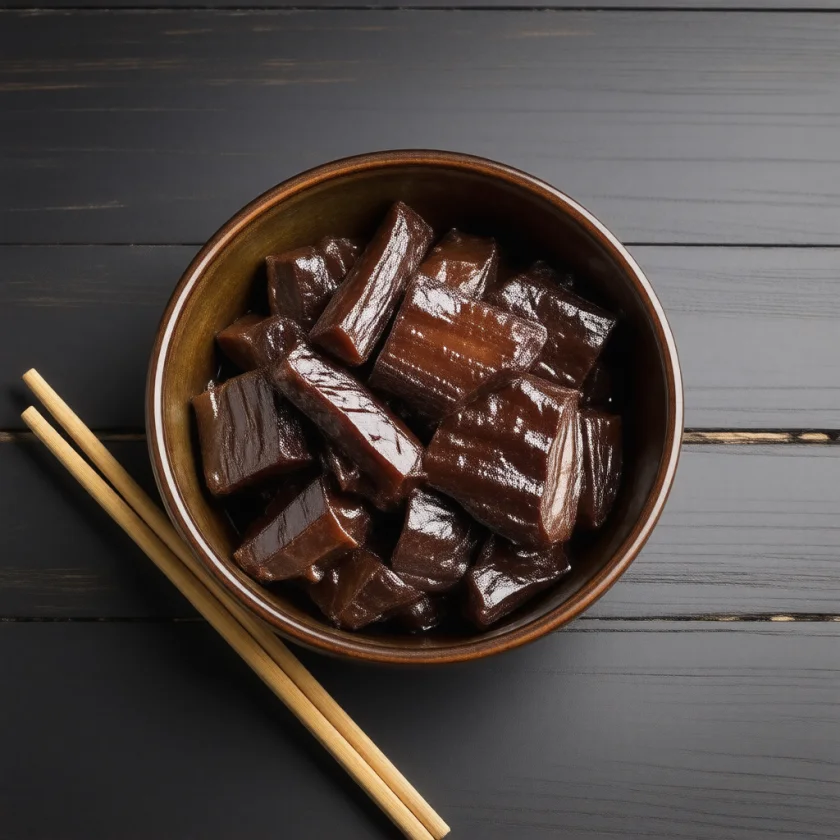
The cognitive and neuroprotective effects of He Shou Wu (Polygonum multiflorum) are among the most actively studied applications in the modern preclinical literature, with the active compound 2,3,5,4'-tetrahydroxystilbene-2-O-glucoside (TSG) producing measurable effects on amyloid-β toxicity, tau hyperphosphorylation, hippocampal neurogenesis, brain-derived neurotrophic factor (BDNF) expression, microglial inflammation, and cognitive performance in transgenic Alzheimer mouse models. The translational caveat is unavoidable: the data are preclinical — no human trial of He Shou Wu for memory or thinking has been published — and any cognitive benefit sits against the hepatotoxicity risk that the companion Liver Health and Hepatotoxicity Warning deep-dive details. This page walks through the cognitive mechanisms one by one, the state of the human evidence, the comparison with better-evidenced cognitive interventions, and where He Shou Wu sits among the components of an integrative cognitive-support plan.
Table of Contents
- TSG and Anti-Alzheimer Preclinical Data
- Amyloid-Beta Toxicity Reduction
- Tau Hyperphosphorylation Reduction
- Hippocampal Neurogenesis and Brain-Derived Neurotrophic Factor Upregulation
- Neuroinflammation and Microglial Phenotype
- Oxidative Stress in the Aging Brain
- The Human Evidence for Cognition
- Comparison with Other Cognitive Interventions
- Components of an Integrative Cognitive-Support Plan
- Cautions — Cognitive Use Carries the Same Hepatic Risk
- Key Research Papers
- Connections
- Featured Videos
TSG and Anti-Alzheimer Preclinical Data
The 2,3,5,4'-tetrahydroxystilbene-2-O-glucoside (TSG) molecule has accumulated one of the most extensive single-compound preclinical Alzheimer's disease evidence bases of any traditional Chinese medicine (TCM)-derived isolate. The model systems range from cell culture (PC12 neuronal cells, primary hippocampal neurons, SH-SY5Y human neuroblastoma cells) to transgenic mouse models (APP/PS1, 3xTg-AD, APP23 lines that overexpress mutant human amyloid precursor protein and develop amyloid plaques); no human trial has been published.
The consistent preclinical findings across these systems:
- TSG reduces beta-amyloid-induced neurotoxicity in cell culture at micromolar concentrations
- TSG reduces hippocampal amyloid plaque burden in transgenic mice given 4 to 16 weeks of oral or intraperitoneal (IP, injected into the belly cavity) dosing
- TSG reduces tau hyperphosphorylation at multiple Alzheimer-relevant epitopes (pSer202, pThr205, pSer396)
- TSG improves performance on standard rodent learning and memory tasks (Morris water maze, novel object recognition, Y-maze)
- TSG reduces hippocampal and cortical microglial activation, shifting microglia from the pro-inflammatory M1 phenotype toward the alternatively-activated M2 phenotype
- TSG upregulates brain-derived neurotrophic factor expression in the hippocampus and supports dentate-gyrus neurogenesis
- TSG protects mitochondrial function in neurons exposed to amyloid-β or other toxic stressors
Two mouse studies show what this looks like in practice. In mice bred to develop Alzheimer-like changes (the PDAPPV717I line), TSG at 120 and 240 micromol/kg a day improved Morris water maze and object-recognition memory both when it was started early (from 4 months of age) and when it was started late (from 10 months of age) (Zhang et al., 2006). In APP/PS1 mice given TSG by stomach tube for 12 months from 5 months of age, amyloid deposits were reduced (Yin et al., 2018). These are animal results; no human trial has been published.
The mechanistic picture is that TSG is acting on multiple parallel pathways relevant to Alzheimer's pathophysiology rather than on a single target. This polypharmacology is characteristic of complex herbal compounds and is both a strength (multiple mechanisms may produce additive effect, less prone to single-pathway escape) and a weakness (harder to characterize precisely, harder to dose-optimize for a single endpoint).
The translational challenge is the same one faced by every Alzheimer preclinical signal: the mouse transgenic models reproduce some but not all features of the human disease, the dosing regimens used in mice are often not directly translatable to humans (some studies use the equivalent of grams per day in a human), and the human Alzheimer trials of compounds with strong preclinical signals (including the anti-amyloid antibodies until very recently) have a long history of disappointment.
The reasonable interpretation: TSG and He Shou Wu have a real and reproducible preclinical signal for cognitive protection and Alzheimer-relevant pathology reduction. This signal is suggestive but not yet established in humans. The strength of the preclinical evidence justifies continued investigation but does not justify positioning He Shou Wu as an established Alzheimer's prevention or treatment.
Amyloid-Beta Toxicity Reduction
The amyloid hypothesis of Alzheimer's disease — that abnormal aggregation of amyloid-β peptides (especially Aβ1-42) into oligomers, fibrils, and plaques drives downstream neurodegeneration — has been the dominant pathophysiologic framework for three decades. The 2021-2024 successes of anti-amyloid monoclonal antibodies (lecanemab, donanemab) in modestly slowing clinical decline in early Alzheimer's have partially validated the framework, though with safety costs (ARIA, the amyloid-related imaging abnormalities of cerebral edema and microhemorrhage).
TSG and He Shou Wu extracts have been shown to act on multiple steps of the amyloid pathway:
- Reduced amyloid production — in some studies, TSG modulates the activity or expression of α-secretase (non-amyloidogenic processing of amyloid precursor protein), β-secretase (BACE1, the rate-limiting amyloidogenic step), or γ-secretase, shifting APP processing away from the amyloidogenic pathway.
- Reduced amyloid aggregation — cell-culture studies show TSG can disrupt the secondary nucleation of amyloid oligomers, an effect shared with resveratrol and several other stilbene compounds.
- Reduced amyloid-induced neurotoxicity — when neurons are co-incubated with pre-formed amyloid-β oligomers (which are the most toxic species), TSG pre-treatment reduces the resulting calcium influx, mitochondrial dysfunction, and apoptosis.
- Enhanced amyloid clearance — some studies suggest TSG supports microglial phagocytosis of amyloid plaques in transgenic mouse models, contributing to reduced amyloid burden in chronically treated animals.
- Reduced amyloid plaque deposition in vivo — the integrated effect in APP/PS1 transgenic mice given 8 to 16 weeks of TSG is a 20 to 40% reduction in hippocampal and cortical amyloid plaque burden compared to vehicle-treated transgenic controls.
The magnitude of these effects in mice is comparable to what some early-development anti-amyloid drugs achieve, and notable in that TSG is achieving the effect without the ARIA safety signal that has limited the antibody drugs. The caveat is that mouse plaque models do not always predict human clinical efficacy.
Tau Hyperphosphorylation Reduction
The tau pathology of Alzheimer's disease — hyperphosphorylation of the microtubule-associated tau protein leading to its detachment from microtubules, aggregation into paired helical filaments, and formation of neurofibrillary tangles — correlates more strongly with cognitive decline than amyloid plaque burden in many human studies. Tau-targeted therapies are an active area of drug development, and the preclinical evidence for TSG and tau is among the more interesting parts of the He Shou Wu cognitive literature.
TSG has been shown to:
- Reduce phosphorylation of tau at multiple Alzheimer-relevant epitopes including pSer202, pThr205, pSer396, and pSer404
- Modulate the activity of the kinases that phosphorylate tau (most importantly GSK-3β, but also CDK5 and the MAPK family)
- Support the activity of PP2A (protein phosphatase 2A), the principal phosphatase that dephosphorylates tau and whose activity is decreased in Alzheimer brain
- Reduce tau aggregation in cell-culture models of toxic tau species
- Reduce neurofibrillary-tangle-like pathology in tau-transgenic mouse models
The GSK-3β effect is mechanistically the most interesting because GSK-3β is also implicated in mood disorders (lithium's antidepressant effect is partially attributed to GSK-3β inhibition) and in insulin signaling (GSK-3β is downstream of insulin receptor signaling, contributing to the "Type 3 diabetes" framing of Alzheimer's as a brain insulin-resistance condition). TSG's GSK-3β effect connects the cognitive benefits to the broader metabolic and inflammatory effects covered in the Longevity and Cardiovascular deep-dive.
Hippocampal Neurogenesis and Brain-Derived Neurotrophic Factor Upregulation
The adult mammalian hippocampus retains the capacity for neurogenesis — new neurons are generated from neural stem cells in the subgranular zone of the dentate gyrus throughout adult life, though the rate declines with age and is dramatically reduced in Alzheimer's disease and in chronic stress / depression. Restoring or enhancing hippocampal neurogenesis is a target of several emerging cognitive interventions.
TSG has been shown in rodent models to:
- Increase the proliferation of neural progenitor cells in the dentate gyrus subgranular zone (measured by BrdU incorporation or Ki-67 staining)
- Increase the survival and maturation of newborn neurons over the 3 to 4 weeks required for full integration into hippocampal circuits
- Upregulate brain-derived neurotrophic factor (BDNF) expression in the hippocampus, dentate gyrus, and cortex
- Upregulate TrkB (the brain-derived neurotrophic factor receptor) signaling, including phosphorylation of TrkB and downstream Akt/CREB
- Upregulate other neurotrophic factors including NGF (nerve growth factor) and GDNF (glial-derived neurotrophic factor) in some studies
Brain-derived neurotrophic factor is one of the most extensively characterized molecules in cognitive neuroscience. It is required for long-term potentiation (LTP, the cellular correlate of learning and memory), for hippocampal-dependent memory consolidation, for the maturation and survival of new neurons, and for synaptic plasticity in adult cortex. Brain-derived neurotrophic factor expression is downregulated in depression, in chronic stress, in obesity, in metabolic syndrome, and in Alzheimer's disease. Interventions that upregulate brain-derived neurotrophic factor — including aerobic exercise (the strongest known brain-derived neurotrophic factor inducer), intermittent fasting, sleep, several antidepressants (the selective serotonin reuptake inhibitor (SSRI)/serotonin-norepinephrine reuptake inhibitor (SNRI) class), and a growing number of natural compounds — tend to support cognitive function and mood.
TSG's brain-derived neurotrophic factor effect places it in this brain-derived neurotrophic factor-upregulating compound class, which also includes bacopa monnieri, lion's mane, curcumin, omega-3 fatty acids (eicosapentaenoic acid (EPA) in particular), and several flavonoids. The realistic clinical interpretation is that TSG is one of many possible levers for brain-derived neurotrophic factor support, not a uniquely potent one.
For broader context on cognitive support, see our pages on Bacopa Monnieri, Ginkgo Biloba, and the Alzheimer's Disease page.
Neuroinflammation and Microglial Phenotype
Chronic neuroinflammation — sustained low-grade activation of microglia and astrocytes, with elevated pro-inflammatory cytokines (interleukin-1 beta (IL-1β), interleukin-6 (IL-6), tumor necrosis factor-α) and activation of NF-κB signaling — is now recognized as a central feature of Alzheimer's disease and probably a causal contributor rather than just a downstream response. The TREM2 gene, identified through Alzheimer genome-wide association studies (GWAS), codes for a microglial receptor; loss-of-function variants substantially increase Alzheimer risk and lock in this neuroinflammatory framework.
TSG and He Shou Wu extracts have well-characterized anti-neuroinflammatory effects:
- NF-κB suppression — TSG reduces nuclear translocation of NF-κB in lipopolysaccharide-stimulated microglia, dampening the master pro-inflammatory transcription program
- Microglial M1-to-M2 phenotype shift — microglia exist along a spectrum from classically-activated pro-inflammatory M1 (producing interleukin-1β, tumor necrosis factor-α, iNOS) to alternatively-activated reparative M2 (producing interleukin-10 (IL-10), arginase, growth factors). Aging and neurodegeneration shift the population toward M1; TSG shifts it back toward M2.
- Reduced cytokine cascade — interleukin-1β, interleukin-6, tumor necrosis factor-α, and downstream cyclooxygenase-2 (COX-2) and iNOS expression are reduced in TSG-treated tissue
- NLRP3 inflammasome suppression — the NLRP3 inflammasome is a key innate-immune complex activated by amyloid-β oligomers, and its activation drives interleukin-1β maturation. Some TSG studies report direct NLRP3 inhibition.
- Blood-brain barrier (BBB) stabilization — some evidence that TSG supports blood-brain barrier integrity, which is disrupted in early Alzheimer's and contributes to neuroinflammatory injury
The anti-neuroinflammatory mechanism is shared with several other neuroprotective natural compounds (curcumin, resveratrol, epigallocatechin gallate (EGCG), omega-3 eicosapentaenoic acid) and represents one of the more therapeutically interesting modes of action because it acts on a process that is causally upstream of both amyloid and tau pathology in some models.
Oxidative Stress in the Aging Brain
The brain is one of the organs most vulnerable to oxidative damage because of its high metabolic rate (the brain consumes approximately 20% of total body oxygen despite being 2% of body mass), high polyunsaturated fatty acid content in neuronal membranes (susceptible to lipid peroxidation), and relatively low endogenous antioxidant capacity (catalase is low in brain compared to liver). Cumulative oxidative damage to neurons, mitochondria, and DNA is implicated in the aging process and in several neurodegenerative diseases.
The TSG and broader stilbene-family antioxidant effects translate to brain tissue:
- Direct reactive oxygen species (ROS) quenching (similar to resveratrol)
- Upregulation of endogenous antioxidant enzymes: superoxide dismutase (SOD, both Cu/Zn and Mn forms), glutathione peroxidase (GPx), catalase
- Upregulation of glutathione synthesis through Nrf2 pathway activation
- Mitochondrial protection: TSG reduces mitochondrial membrane permeabilization, preserves Complex I and IV activity, and reduces reactive oxygen species generation at Complex III in stressed neurons
- Reduced lipid peroxidation (measured as MDA, malondialdehyde) in brain tissue from TSG-treated animals
- Reduced 8-OHdG (oxidative DNA damage marker) in brain tissue
The Nrf2 pathway is mechanistically central here. Nrf2 (nuclear factor erythroid 2-related factor 2) is the master transcription factor for cellular antioxidant response. Under basal conditions, Nrf2 is sequestered in the cytoplasm by Keap1; under oxidative or electrophilic stress, Nrf2 translocates to the nucleus and induces dozens of antioxidant and detoxification genes (HO-1, NQO1, glutamate-cysteine ligase, glutathione synthase). TSG has been shown to activate the Nrf2 pathway in neuronal cell culture and in vivo, an effect shared with sulforaphane, curcumin, and several other neuroprotective natural compounds.
For more on oxidative stress and antioxidant biology, see our Oxidative Stress page.
The Human Evidence for Cognition
No human trial of Polygonum multiflorum or TSG for memory or thinking was found in PubMed. A 2024 review of the field (Cha et al.) gathered “preclinical research done on experimental models” — cell, mouse and rat studies — and presented them as “a basis for future clinical trials”. A double-blind placebo-controlled trial of TSG or a standardized Polygonum multiflorum extract in people with mild cognitive impairment is not yet available.
Comparison with Other Cognitive Interventions
Where does He Shou Wu fit in the broader landscape of cognitive interventions? Honest comparison requires acknowledging that the evidence base for He Shou Wu is preclinical-heavy, while the evidence base for several alternatives is human-trial-heavier. Relative position:
- Aerobic exercise — the single most evidence-supported cognitive intervention. Slows hippocampal atrophy in older adults, increases hippocampal brain-derived neurotrophic factor, improves multiple cognitive domains. He Shou Wu is not a substitute for exercise.
- Mediterranean / MIND diet — strong observational and some interventional evidence for reduced Alzheimer's risk. In the 3-year MIND diet randomized trial (604 older adults with a family history of dementia, Barnes et al., 2023), changes in thinking scores and in brain magnetic resonance imaging (MRI) did not differ significantly from a control diet; both groups, each with mild calorie cutting, improved slightly.
- Sleep optimization — deep sleep is the period of glymphatic clearance of amyloid-β from the brain. Chronic sleep restriction is a major modifiable risk factor.
- Hearing aids for hearing loss — in the ACHIEVE trial (977 adults aged 70–84 with untreated hearing loss, Lin et al., 2023), hearing aids plus counselling did not slow 3-year cognitive decline overall (p = 0.96); a prespecified analysis suggested a benefit only in the older adults at higher risk of cognitive decline.
- Cardiovascular risk management — blood pressure control, lipid management, diabetes management, smoking cessation. The cardiovascular and Alzheimer risk factors overlap heavily.
- Omega-3 eicosapentaenoic acid/docosahexaenoic acid (DHA) — moderate evidence for cognitive support, particularly in those with low baseline omega-3 status. See Omega-3 Fatty Acids.
- Vitamin D — observational association with cognitive function; interventional evidence is mixed. See Vitamin D3.
- B vitamin complex — B12, folate, B6 lower homocysteine, which is associated with cognitive decline. Particularly relevant in older adults with subclinical B12 deficiency. See Vitamin B12.
- Bacopa monnieri — modest evidence for memory improvement in healthy older adults; reasonable better-evidenced alternative to He Shou Wu for cognitive use. See Bacopa Monnieri.
- Lion's mane mushroom — NGF-stimulating effect with some small human cognitive data. See Lion's Mane.
- Ginkgo biloba — mixed evidence; modest effect at best. See Ginkgo Biloba.
- He Shou Wu — mechanistically promising, preclinical evidence is strong, no human trial of cognition has been published, hepatotoxicity risk is real. It is a TCM tonic whose cognitive use rests on the cell and animal data above.
- U.S. Food and Drug Administration-approved Alzheimer drugs — donepezil, rivastigmine, memantine for symptomatic management; lecanemab and donanemab for early disease with confirmed amyloid pathology. These are the only interventions with established disease-modifying efficacy in confirmed Alzheimer's, though with their own safety considerations.
In summary: several interventions above have been tested in human trials, while He Shou Wu has been studied for cognition only in cells and animals, and it carries the liver-injury risk described in the cautions below.
Components of an Integrative Cognitive-Support Plan
The components that integrative cognitive-support plans layer together for an adult in their 60s or 70s with subjective memory complaints and mild objective cognitive testing decline, with where He Shou Wu sits among them:
- Modifiable cardiovascular risk — blood pressure, lipids, diabetes, smoking, weight, sleep apnea
- Aerobic exercise — the amount in public-health physical-activity guidelines is 150+ minutes per week of moderate-intensity activity, plus 2 sessions of resistance training
- Mediterranean-style diet — built on fish, leafy greens, olive oil, nuts and berries, with less ultra-processed food, refined carbohydrate and alcohol (see the MIND diet trial result above)
- Sleep — 7-8 hours, with sleep apnea and restless legs syndrome as the sleep disorders looked for
- Sensory deficits — hearing tests and hearing aids where hearing is lost (see the ACHIEVE result above), and vision checks
- Nutrient status — blood levels of B12, folate, vitamin D, omega-3 index, iron, and thyroid function
- Cognitive engagement — novel learning, social interaction, complex tasks (language learning, music, complex hobbies)
- He Shou Wu — studied for cognition only in cells and animals, so no human dose or cycle for cognitive use has been tested in a published trial; it carries the liver-injury risk described below.
- Adjacent better-evidenced cognitive herbs — Bacopa monnieri (a 12-week trial in adults aged 65 or older used 300 mg a day of standardized extract, Calabrese et al., 2008) and lion's mane mushroom (a 16-week trial in mild cognitive impairment used four 250 mg tablets three times a day, Mori et al., 2009), with much lower hepatotoxicity concern
- Regular cognitive testing — baseline and annual cognitive screening track the trajectory
- Specialist assessment — neurology and geriatrics clinics assess objective decline that progresses
The cognitive use of He Shou Wu carries the same hepatic risk profile as the hair-tonic use — a lower dose or a different reason for taking it is not known to reduce the idiosyncratic immune-mediated injury risk. The full hepatotoxicity warning applies.
Cautions — Cognitive Use Carries the Same Hepatic Risk
- Hepatotoxicity — the dominant safety issue, identical to other indications. See the dedicated Liver Health and Hepatotoxicity Warning deep-dive for the full details.
- Drug interactions in the elderly — the cognitive-support population is often on multiple medications. Statins, anticoagulants, antihypertensives, antidepressants, and anti-dementia drugs (donepezil, rivastigmine, memantine) all warrant review before adding He Shou Wu.
- Falls risk — not a known He Shou Wu effect specifically; in cognitively impaired older adults, any new medication or supplement that affects alertness, directly or through interactions, can change fall risk.
- Cognitive enhancement claims in healthy young adults — the cognitive evidence base is in older adults with cognitive impairment. There is no evidence to support He Shou Wu as a "nootropic" for cognitively-intact young adults, and the hepatotoxicity risk in that population is unjustified by the absence of clear benefit.
- Use with anti-amyloid antibody therapy — the new anti-amyloid antibodies (lecanemab, donanemab) have their own monitoring requirements (MRI for ARIA). Adding He Shou Wu, with its own liver function test (LFT) monitoring, creates a complex supervision picture: brain scans for the antibodies and liver tests for the herb.
- Quality matters — TSG content varies between products; TSG-standardized extracts with third-party testing state it, while bulk powders often do not
- Why liver injury strikes only some people — in a 2024 mouse study, TSG, the same compound credited with the brain effects, caused mild liver injury by switching on immune T cells (CD4+ and CD8+) and raising inflammatory signals such as tumor necrosis factor-α and interferon-γ, while regulatory T cells limited the damage (Liu et al., 2024). The authors present this as a first step toward understanding why He Shou Wu liver injury is idiosyncratic. This is an animal result.
Key Research Papers
- Zhang L, Xing Y, Ye CF, Ai HX, Wei HF, Li L (2006). Learning-memory deficit with aging in APP transgenic mice of Alzheimer's disease and intervention by using tetrahydroxystilbene glucoside. Behav Brain Res 173(2):246-54. — PubMed PMID: 16901557
- Wang T, Yang YJ, Wu PF, et al. (2011). Tetrahydroxystilbene glucoside, a plant-derived cognitive enhancer, promotes hippocampal synaptic plasticity. Eur J Pharmacol 650(1):206-14. — PubMed PMID: 20951128
- Yin X, Chen C, Xu T, Li L, Zhang L (2018). Tetrahydroxystilbene glucoside modulates amyloid precursor protein processing via activation of AKT-GSK3β pathway in cells and in APP/PS1 transgenic mice. Biochem Biophys Res Commun 495(1):672-678. — PubMed PMID: 29129695
- Cha J, Yun JH, Choi JH, Lee JH, Choi BT, Shin HK (2024). Preclinical Evidence and Underlying Mechanisms of Polygonum multiflorum and Its Chemical Constituents Against Cognitive Impairments and Alzheimer's Disease. J Pharmacopuncture 27(2):70-81. — PubMed PMID: 38948308
- Liu W, Zeng X, Wang X, et al. (2024). 2,3,5,4'-tetrahydroxystilbene-2-O-β-D-glucopyranoside (TSG)-Driven immune response in the hepatotoxicity of Polygonum multiflorum. J Ethnopharmacol 326:117865. — PubMed PMID: 38369066
- Livingston G, Huntley J, Liu KY, et al. (2024). Dementia prevention, intervention, and care: 2024 report of the Lancet standing Commission. Lancet 404(10452):572-628. — PubMed PMID: 39096926
- Barnes LL, Dhana K, Liu X, et al. (2023). Trial of the MIND Diet for Prevention of Cognitive Decline in Older Persons. N Engl J Med 389(7):602-611. — PubMed PMID: 37466280
- Lin FR, Pike JR, Albert MS, et al. (2023). Hearing intervention versus health education control to reduce cognitive decline in older adults with hearing loss in the USA (ACHIEVE): a multicentre, randomised controlled trial. Lancet 402(10404):786-797. — PubMed PMID: 37478886
- Calabrese C, Gregory WL, Leo M, et al. (2008). Effects of a standardized Bacopa monnieri extract on cognitive performance, anxiety, and depression in the elderly: a randomized, double-blind, placebo-controlled trial. J Altern Complement Med 14(6):707-13. — PubMed PMID: 18611150
- Mori K, Inatomi S, Ouchi K, Azumi Y, Tuchida T (2009). Improving effects of the mushroom Yamabushitake (Hericium erinaceus) on mild cognitive impairment: a double-blind placebo-controlled clinical trial. Phytother Res 23(3):367-72. — PubMed PMID: 18844328
PubMed Topic Searches
Connections
- All Herbs
- He Shou Wu Overview
- He Shou Wu Benefits Hub
- Hair and Anti-Aging
- Liver Health and Hepatotoxicity Warning
- Longevity and Cardiovascular
- Alzheimer's Disease
- Parkinson's Disease
- Bacopa Monnieri
- Ginkgo Biloba
- Lion's Mane
- Ashwagandha
- Omega-3 Fatty Acids
- Vitamin B12
- Vitamin D3
- Oxidative Stress
- Longevity Protocols
- History