⚠ Evidence warning: Clinical trials or other evidence do not support the claim that bee pollen improves endurance, recovery and immune resilience in athletes. This page keeps it as a report of what people, websites or other media say.
Bee Pollen for Athletic Performance
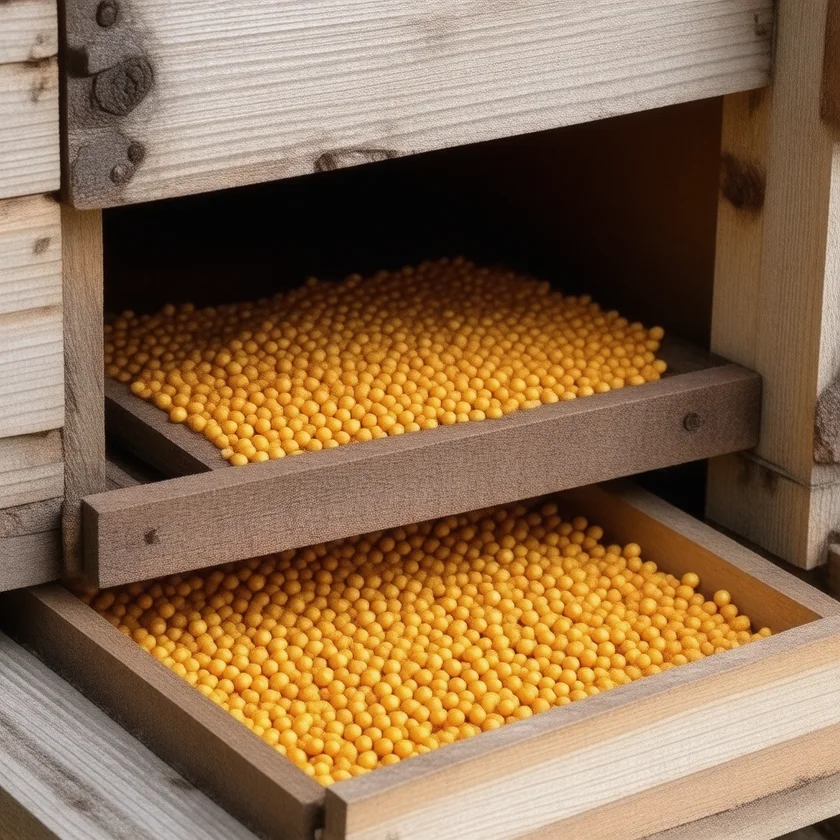
From the 1950s through the late 1980s, bee pollen was a staple of Soviet, East German, Bulgarian, and Romanian Olympic sports-nutrition programs. The state-sponsored sports medicine literature of the era credited bee pollen with measurable improvements in endurance, recovery, and immune resilience under heavy training loads, and the practice is reported to have spread to Western athletes; by 1982 a British trial noted that many competitive sportsmen in Britain regularly took pollen extract in the belief that it improved performance. The English-language randomized trial literature is small: Maughan and Evans 1982 (British swimmers) and Steben and Boudreaux 1978 (cross-country runners) are the two foundational trials and reached opposite conclusions, setting a pattern that has persisted in the subsequent literature. The contemporary scientific view is that bee pollen probably acts as a broad nutritional-recovery food (B-vitamins, amino acids, iron, antioxidants), with modest support for endurance benefit and minimal support for strength or power performance — positioning it as a recovery and resilience adjunct rather than a true performance-enhancing ergogen. This deep-dive walks through the Soviet/Eastern European tradition, the foundational Western trials, the proposed mechanisms, the endurance-vs-strength data, and the dosing, timing and safety facts reported for athletes.
Table of Contents
- The Soviet and Eastern European Sports-Nutrition Tradition
- The Western Athletic Adoption
- The Maughan and Evans 1982 Swimming Trial
- The Steben and Boudreaux 1978 Running Trial
- The B-Vitamin and Energy-Metabolism Mechanism
- The Amino-Acid Recovery Hypothesis
- Iron, Erythropoiesis, and Endurance Oxygen Delivery
- Endurance Performance Data
- Strength and Power Performance Data
- Anti-Fatigue Rodent Data
- Contemporary Positioning — Recovery Food, Not Ergogen
- Reported Dosing, Timing, and Safety
- Key Research Papers
- Connections
- Featured Videos
The Soviet and Eastern European Sports-Nutrition Tradition
State-supported sports programs in the Soviet Union, East Germany, Bulgaria, and Romania developed a distinctive nutritional toolkit between the 1950s and the late 1980s. Their elite athlete populations — gymnasts, weightlifters, swimmers, distance runners, and cross-country skiers — were among the most heavily studied athlete groups in history, and the state sports medicine institutes had the resources to test, document, and standardize what they used.
Bee pollen, royal jelly, and propolis featured prominently in this toolkit. The Soviet Union's All-Union Institute of Apitherapy (founded 1957) coordinated research and clinical use of bee products across the country, and athletes were among its primary research subjects. By the 1970s, bee pollen was a standard part of training-camp nutrition for endurance disciplines, with dosing in the range of 5-10 grams (one to two teaspoons) per day in three divided doses.
The Soviet rationale combined three claims. First, bee pollen was an inexpensive concentrated source of B-vitamins and protein during weeks of heavy training when athletes were often eating monotonous institutional food. Second, the bioactive compounds (flavonoids, enzymes, trace cobalt) were thought to support recovery between training sessions. Third, the immunomodulatory properties were thought to reduce the high rate of upper respiratory infections that plague heavily training endurance athletes — a real and well-documented phenomenon now called exercise-induced immune suppression.
The Bulgarian tradition went further: Bulgarian apitherapy clinics in the 1980s offered formal bee-pollen-and-honey treatment courses for athletes between competition seasons, and Bulgarian weightlifters of the era were prominent users. The East German sports-medicine program reportedly used bee pollen as part of preparation for the 1976 Montreal and 1980 Moscow Olympics. The Romanian gymnastics program, which dominated women's gymnastics in this era, reportedly used bee pollen as part of standard nutrition during training camps.
The methodological problem with this entire tradition is that it predates modern randomized-trial standards. The Eastern European literature consists mostly of uncontrolled case series, before-after observations, and field reports rather than blinded placebo-controlled trials. The persistence and breadth of use in elite populations suggests practitioners believed they were seeing real effects, but the evidence does not meet contemporary efficacy standards.
The Western Athletic Adoption
Bee pollen reached Western athletes by several routes. Professional boxers and a generation of NFL and NBA athletes are reported to have used bee pollen through the 1970s and early 1980s. In Britain, the Maughan and Evans 1982 trial examined below opened by noting that many competitive sportsmen in the country regularly used pollen extract in the belief that it could improve performance.
The Western adoption peaked in the 1980s and declined afterwards, as several anaphylaxis case reports made athletic-trainer journals reluctant to recommend the product. By the 2000s, bee pollen had largely been replaced in Western elite athletics by more standardized supplements (whey protein, branched-chain amino acids, beta-alanine, creatine, beetroot juice for nitric oxide), though it persists in endurance subcultures, particularly ultrarunning and some cycling communities.
The contemporary Olympic-level use of bee pollen is sporadic. Some Russian and Eastern European cross-country ski federations report ongoing use. Several elite Kenyan and Ethiopian marathon training camps reportedly use it. A small number of US ultrarunners have publicly endorsed it. It is not a mainstream sports-nutrition recommendation in the IOC, NCAA, or pro-sports nutritionist community.
The Maughan and Evans 1982 Swimming Trial
Ron Maughan, then at the University of Aberdeen and later one of the founding figures of the British Association of Sports and Exercise Science, conducted what remains the most-cited Western randomized trial of bee pollen for athletic performance. Published in the British Journal of Sports Medicine in 1982, the trial compared a six-week course of pollen extract with a placebo in adolescent competitive swimmers.
Methodology: 20 adolescent swimmers, all training daily, were split into a group taking a commercial pollen extract and a group taking a placebo, for six weeks. The researchers measured a range of physiological measures, including maximum oxygen uptake (the most oxygen the body can use during hard exercise, also called VO2 max) and vital capacity (the most air the lungs can breathe out after a full breath).
Results: maximum oxygen uptake rose in both groups, with no difference between them. Vital capacity rose significantly in the pollen group but not in the placebo group. Maughan and Evans concluded that no positive benefit was obtained from pollen supplementation.
The trial's one striking result concerned illness: the swimmers taking pollen extract lost 4 training days to colds and other upper-airway infections (upper respiratory tract infections), against 27 days in the placebo group. The authors suggested that in a longer study this difference could lead to better performance in the pollen group, through fewer interruptions to training.
The trial is methodologically clean by 1982 standards and is the most-cited Western evidence against bee pollen as an ergogenic aid. However, several considerations limit its broader interpretation:
- Sample size of 20, split into two groups, has limited power to detect small effects
- The pollen extract was a commercial preparation of unknown composition that may have differed substantially from raw bee pollen used in apitherapy traditions
- Six weeks may be insufficient duration to see effects on training adaptation
- The outcomes were laboratory measures (oxygen uptake, lung volume), not race times or recovery between training bouts
The Steben and Boudreaux 1978 Running Trial
Four years before Maughan and Evans, Robert E. Steben and Paul Boudreaux published a randomized trial of pollen extract in college cross-country runners in the Journal of Sports Medicine and Physical Fitness. This trial reached the opposite conclusion.
Methodology: 30 college-age male cross-country runners were randomized to one of three groups for two weeks: pollen extract (15 grams of honeybee-collected pollen daily, divided into three doses), protein concentrate (matching protein dose without the pollen-specific components), or placebo. Outcomes were blood hemoglobin, serum protein, and time to exhaustion in a treadmill-graded exercise test.
Results: The pollen-extract group had statistically significantly higher hemoglobin and longer time to exhaustion than the protein-concentrate and placebo groups. Self-reported energy and recovery were also higher in the pollen group. Steben and Boudreaux concluded that pollen supplementation improved endurance performance in college cross-country runners through mechanisms not explained by protein content alone.
The trial is methodologically simpler than Maughan and Evans — not blinded, shorter duration, single time-to-exhaustion test rather than a sport-specific competition measure. The positive findings have not been consistently reproduced in later trials. However, the trial established the template for the modern bee-pollen-as-ergogen claim and is frequently cited in the apitherapy literature.
The Maughan-versus-Steben disagreement is representative. Across the small body of bee-pollen-and-athletic-performance literature, trials with cleaner methodology (blinded, placebo-controlled, sport-specific outcomes) tend to find no effect, while trials with weaker methodology (open-label, short duration, lab-bench surrogate outcomes) tend to find positive effects. The most reasonable read is that bee pollen probably has, at most, a small endurance-enhancing effect that is masked by noise in well-controlled trials.
The B-Vitamin and Energy-Metabolism Mechanism
The most plausible single mechanism for any bee-pollen athletic benefit is the B-vitamin content. Bee pollen is one of the densest dietary sources of the complete B-complex, with notable amounts of:
- Thiamine (B1) — cofactor for pyruvate dehydrogenase and alpha-ketoglutarate dehydrogenase in the citric acid cycle; required for carbohydrate-to-ATP energy production
- Riboflavin (B2) — precursor to FAD/FMN; required for electron transport chain and beta-oxidation of fatty acids
- Niacin (B3) — precursor to nicotinamide adenine dinucleotide (NAD)/reduced nicotinamide adenine dinucleotide (NADH); required for glycolysis, citric acid cycle, and electron transport
- Pantothenic Acid (B5) — precursor to Coenzyme A; required for acetyl-CoA formation and fatty acid metabolism
- Pyridoxine (B6) — cofactor for amino acid transamination and glycogen breakdown
- Biotin (B7) — cofactor for carboxylases in fatty acid synthesis and gluconeogenesis
- Folate (B9) — required for nucleotide synthesis and erythrocyte production
For an athlete with adequate baseline B-vitamin status, supraphysiologic intake does not improve performance — the metabolic enzymes are already saturated and additional vitamin does not increase enzyme activity. For an athlete with marginal B-vitamin status (which is reasonably common in restricted-diet endurance athletes, vegetarian endurance athletes, and athletes in heavy training with limited dietary variety), supplementation to repletion produces measurable improvements in exercise capacity. Bee pollen's B-vitamin density makes it a reasonable repletion food for this latter population.
The Soviet-era observation that bee pollen seemed to help athletes during training camps probably reflects this repletion mechanism — athletes eating institutional food during weeks of heavy training were genuinely B-vitamin deficient, and the bee pollen filled a real gap. The same mechanism would not produce comparable benefit in a contemporary athlete with a diverse, B-vitamin-adequate diet.
The Amino-Acid Recovery Hypothesis
Bee pollen is approximately 20-30% protein by dry weight, containing the standard amino acids including the nine essentials in ratios that approximate the FAO/WHO reference protein for human nutrition. A 2015 review gives pollen an average of 22.7% protein, including 10.4% essential amino acids (methionine, lysine, threonine, histidine, leucine, isoleucine, valine, phenylalanine, and tryptophan) — the amino acids the body cannot make for itself. The branched-chain amino acids (leucine, isoleucine, valine) and glutamine are particularly relevant to athletic recovery.
- Leucine activates the mechanistic target of rapamycin (mTOR) pathway in muscle, stimulating muscle protein synthesis. A 2-3 gram dose of leucine post-exercise has a measurable anabolic effect even in well-fed athletes
- Glutamine is the most abundant free amino acid in plasma and is consumed rapidly by gut enterocytes and immune cells under stress. Heavy training depletes plasma glutamine and supplementation has been studied as a recovery and immune-support intervention
- The full essential amino acid profile supports erythrocyte production, immune cell maintenance, and post-exercise muscle protein turnover
The honest size of the effect is modest. A 10-gram daily dose of bee pollen delivers roughly 2.5 grams of total amino acid — less than a single whey protein shake (~25 grams protein per serving) and less than a typical meal. For an athlete already eating adequate protein, bee pollen does not add meaningful amino acid load. For an athlete with restricted intake, it makes a small but real contribution.
The Soviet-era athletes most likely to benefit were those on monotonous low-protein institutional diets, who may have been getting half or less of the 1.6-2.2 g/kg a day protein range given in the 2018 International Olympic Committee (IOC) consensus statement. Bee pollen at 10-15 grams per day would have been a meaningful percentage of total daily amino acid intake in that context.
See our Amino Acids landing page for a deeper treatment of essential amino acid nutrition.
Iron, Erythropoiesis, and Endurance Oxygen Delivery
Bee pollen is a meaningful dietary source of iron (typically 30-80 mg per 100 g dry weight, though variable by source) along with the cofactors for erythropoiesis: folate, B12-analogs, copper (which is required for ceruloplasmin and iron mobilization), and vitamin C (which enhances non-heme iron absorption).
Iron-deficiency anemia is a well-characterized cause of impaired endurance performance. Female endurance athletes, vegetarian endurance athletes, and adolescent endurance athletes are at elevated risk. Repletion of iron deficiency produces measurable improvements in VO2 max, time to exhaustion, and recovery. The Steben 1978 finding of higher hemoglobin in the bee pollen group is consistent with an iron-and-erythropoiesis mechanism.
However, the iron in bee pollen is in plant-matrix form (non-heme iron), with lower bioavailability than heme iron from animal sources. The bioavailability is also affected by the polyphenol content of the pollen itself (polyphenols can chelate non-heme iron and reduce absorption). The actual elemental iron delivery from a 10-gram dose of bee pollen is in the range of 1-3 mg of bioavailable iron, comparable to a small serving of leafy greens.
In athletes with documented iron deficiency, conventional iron supplements (ferrous sulfate, ferrous bisglycinate) and iron-rich animal foods such as organ meats supply iron far more efficiently; the 2018 IOC consensus statement notes that athletes with iron deficiency may be given larger doses of oral iron along with more dietary iron, and that iron supplements taken when iron stores are already adequate can cause vomiting, diarrhoea and abdominal pain and, at worst, iron overload and liver failure. Bee pollen contributes incrementally as a multi-micronutrient food rather than as a dedicated iron supplement.
Endurance Performance Data
The aggregate endurance data on bee pollen:
- Steben 1978 (cross-country runners, 30 subjects, two weeks) — positive: longer time to exhaustion, higher hemoglobin
- Maughan 1982 (adolescent swimmers, 20 subjects, six weeks, pollen vs placebo) — no difference in maximum oxygen uptake; vital capacity rose in the pollen group only; fewer training days lost to upper-airway infections (4 vs 27 days)
- Several smaller European trials in the 1970s-80s — mixed results, generally with weak methodology
- Tirla 2024 (professional combat fighters, Romania, 29 subjects, four weeks) — 15 fighters took 40 g a day of a dried black chokeberry and bee pollen mix (1:2) and 14 served as controls; plasma antioxidant capacity rose in the supplemented group, but maximum aerobic capacity, hemoglobin, body composition and inflammatory markers did not change. Two athletes were excluded before the start because of a history of allergy.
- No large modern human trial exists. The contemporary literature is dominated by rodent studies and small uncontrolled human series.
The conservative interpretation: bee pollen probably produces a small endurance benefit in athletes with marginal baseline nutrition or in rodent models where the experimental diet can be precisely controlled. The benefit in well-fed contemporary human athletes is probably negligible or absent. This is consistent with most multi-vitamin and multi-nutrient supplementation: large benefits appear only in deficient populations, and adequately nourished individuals see little to no effect.
Strength and Power Performance Data
The strength and power data for bee pollen are essentially negative. The handful of small trials testing bee pollen for maximal strength (one-rep-max bench press, squat) or power (vertical jump, sprint times) have shown no effect.
This is mechanistically plausible. Strength and power performance depends primarily on neural recruitment, muscle cross-sectional area, and intramuscular high-energy phosphate stores (adenosine triphosphate (ATP), phosphocreatine). None of these are limited by B-vitamin or micronutrient status in an adequately fed athlete. The supplements with proven benefit in strength sports — creatine, beta-alanine, sodium bicarbonate, caffeine — act through specific biochemical pathways that bee pollen does not engage.
The evidence gives no reason to expect a strength or power benefit from bee pollen specifically. The 2018 IOC consensus statement gives 1.6 g of protein per kg of body weight a day as optimal for gaining lean mass (up to 2.2 g/kg a day with no adverse effects), and describes creatine monohydrate at about 20 g a day for 5-7 days, then 3-5 g a day, as enhancing short-term, high-intensity exercise capacity; adequate sleep is the other basic of strength training.
Anti-Fatigue Rodent Data
Supplement and apitherapy writing describes the rodent forced-swim and treadmill-to-exhaustion literature on bee pollen as substantially more positive than the human trial literature, crediting bee pollen in mice and rats with the effects below. Most of these reports could not be traced to a specific published study:
- Extended time to exhaustion in mouse forced-swim tests with prior bee pollen supplementation (typically 200-500 mg/kg body weight daily for 4-8 weeks)
- Reduced post-exercise lactate accumulation
- Higher post-exercise muscle glycogen content
- Lower post-exercise muscle and hepatic oxidative stress markers (MDA, protein carbonyls)
- Higher post-exercise antioxidant enzyme activities (superoxide dismutase (SOD), catalase, glutathione peroxidase)
One rodent study that can be traced, published in 2015, gave rats Indian mustard bee pollen (100-300 mg/kg) while they swam daily for 4 weeks (5 days a week); in the leg muscle, the pollen improved antioxidant markers (superoxide dismutase, glutathione, malondialdehyde) and the activity of the mitochondrial energy enzymes (Complex I-IV). This was an animal study and did not measure time to exhaustion.
The rodent data are consistent with bee pollen acting as a broad antioxidant and metabolic support during exhaustive exercise. The translation to human athletes is uncertain because: (1) the rodent dose-equivalent for a 70 kg human would be 14-35 grams of bee pollen daily, higher than typical human dosing; (2) rodents have different antioxidant defense baselines than humans; (3) forced-swim assays measure capacity for emergency survival exertion, not the kind of trained-performance metrics that matter to athletes.
The rodent evidence is suggestive enough to motivate larger human trials but does not, by itself, establish human ergogenic effect.
Contemporary Positioning — Recovery Food, Not Ergogen
How the current evidence positions bee pollen for athletes:
- Not a true ergogen — the evidence does not support bee pollen as a performance-enhancing supplement in the way caffeine, creatine, or beta-alanine are. An athlete expecting a measurable performance boost will be disappointed.
- Reasonable recovery food — bee pollen is a dense source of B-vitamins, amino acids, iron, and antioxidant flavonoids. As part of a varied recovery-meal strategy, it makes a small positive contribution.
- Useful for athletes with restricted diets — vegetarian, vegan, or restricted-diet athletes get more incremental benefit because they may have marginal status of B12-analogs, iron, and complete amino acid intake.
- Potential immune-resilience role under heavy training — the upper-respiratory-infection mechanism of exercise-induced immune suppression is well documented, and bee pollen's flavonoid and zinc content plausibly supports immune resilience, though direct trial data are limited; the 1982 swimmer trial recorded 4 training days lost to upper-airway infections in the pollen group against 27 in the placebo group.
- Sourcing from local raw beekeepers — as for the allergy-desensitization application, practitioners describe local raw product as preserving enzyme content and protein structure better than imported heat-dried product.
For more on athletic recovery and supplementation, see our pages on Immune Boosting, Vitamin C, and Magnesium.
Reported Dosing, Timing, and Safety
The approach bee-pollen practitioners describe for athletes runs as follows:
- Anaphylaxis risk and the test dose — case reports describe severe allergic reactions (anaphylaxis) after eating bee pollen; a 2022 case report counted thirteen published cases, most in people who already had hay fever (allergic rhinitis), and described a 15-year-old boy in whom exercise was a possible co-factor. Practitioners describe starting with a tiny test dose rather than a full dose, in a setting with epinephrine and emergency access, following the safety protocol on the Allergy Desensitization page.
- Build-up — 1/4 teaspoon daily for one week, then 1/2 teaspoon for one week, then 1 teaspoon daily.
- Athletic-use dose — 1-2 teaspoons (5-10 g) daily, usually divided between morning and post-workout.
- Taken with a recovery meal — commonly mixed into yogurt, oatmeal, a smoothie, or honey, and kept unheated, because the live enzymes and some of the flavonoid antioxidants degrade above 110°F/45°C.
- Duration — practitioners describe at least 6-8 weeks of consistent use before judging the effect; the Soviet-era observation of benefit was based on weeks-to-months of consistent use, not single-dose effects.
- Sourcing — practitioners favour a local raw beekeeper first, then refrigerated raw product from a health food supplier, over heat-dried imported product.
- Tracking training metrics — resting heart rate, rating of perceived exertion (RPE) during fixed workouts, and recovery time between hard sessions are the measures practitioners follow; they describe stopping if there is no improvement after two months.
WADA-compliance note: bee pollen itself is not on the WADA Prohibited List and is permitted for competitive athletes. However, some commercial bee-pollen blends include other ingredients (royal jelly, ginseng, herbal stimulants) that may contain prohibited substances or contaminants. For athletes subject to drug testing, pure raw bee pollen from a single-source beekeeper carries the least of this added-ingredient risk.
Key Research Papers
- Maughan RJ, Evans SP (1982). Effects of pollen extract upon adolescent swimmers. British Journal of Sports Medicine 16(3):142-5. — PubMed PMID: 7139223
- Steben RE, Boudreaux P (1978). The effects of pollen and protein extracts on selected blood factors and performance of athletes. Journal of Sports Medicine and Physical Fitness. — PubMed PMID: 732296
- Sarić A et al. (2009). Antioxidant effects of flavonoid from Croatian Cystus incanus L. rich bee pollen. Food and Chemical Toxicology 47(3):547-54 (a study in mice). — PubMed PMID: 19124059
- Pascoal A et al. (2014). Biological activities of commercial bee pollens: antimicrobial, antimutagenic, antioxidant and anti-inflammatory. Food and Chemical Toxicology. — PubMed PMID: 24262487
- Krell R (1996). Value-Added Products from Beekeeping — Chapter on Pollen Production and Use. FAO Agricultural Services Bulletin No. 124 (not indexed in PubMed). — FAO Bulletin No. 124
- Komosinska-Vassev K et al. (2015). Bee pollen: chemical composition and therapeutic application. Evidence-Based Complementary and Alternative Medicine. — PubMed PMID: 25861358
- Phillips SM (2014). A brief review of higher dietary protein diets in weight loss: a focus on athletes. Sports Medicine 44 Suppl 2:S149-53. — PubMed PMID: 25355188
- Williams MH (2005). Dietary supplements and sports performance: amino acids. Journal of the International Society of Sports Nutrition. — PubMed PMID: 18500957
- Walsh NP et al. (2011). Position statement. Part one: Immune function and exercise. Exercise Immunology Review 17:6-63. — PubMed PMID: 21446352
- Walsh NP et al. (2011). Position statement. Part two: Maintaining immune health. Exercise Immunology Review 17:64-103. — PubMed PMID: 21446353
- Maughan RJ, Burke LM, Dvorak J, et al. (2018). IOC consensus statement: dietary supplements and the high-performance athlete. British Journal of Sports Medicine 52(7):439-455. — PubMed PMID: 29540367
- Tirla A, Vicas SI, Sirca TB, Cinezan C, Cavalu S (2024). Improved Antioxidant Status after Diet Supplementation with Novel Natural-Based Supplement in Combat Athletes. Sports (Basel) 12(9):247. — PubMed PMID: 39330724
- Ketkar S, Rathore A, Kandhare A, Lohidasan S, Bodhankar S, Paradkar A, Mahadik K (2015). Alleviating exercise-induced muscular stress using neat and processed bee pollen: oxidative markers, mitochondrial enzymes, and myostatin expression in rats. Integrative Medicine Research 4(3):147-160. — PubMed PMID: 28664121
- Leang ZX, Thalayasingam M, O'Sullivan M (2022). A paediatric case of exercise-augmented anaphylaxis following bee pollen ingestion in Western Australia. Asia Pacific Allergy 12(3):e23. — PubMed PMID: 35966155