Bananas - Beneficial Foods
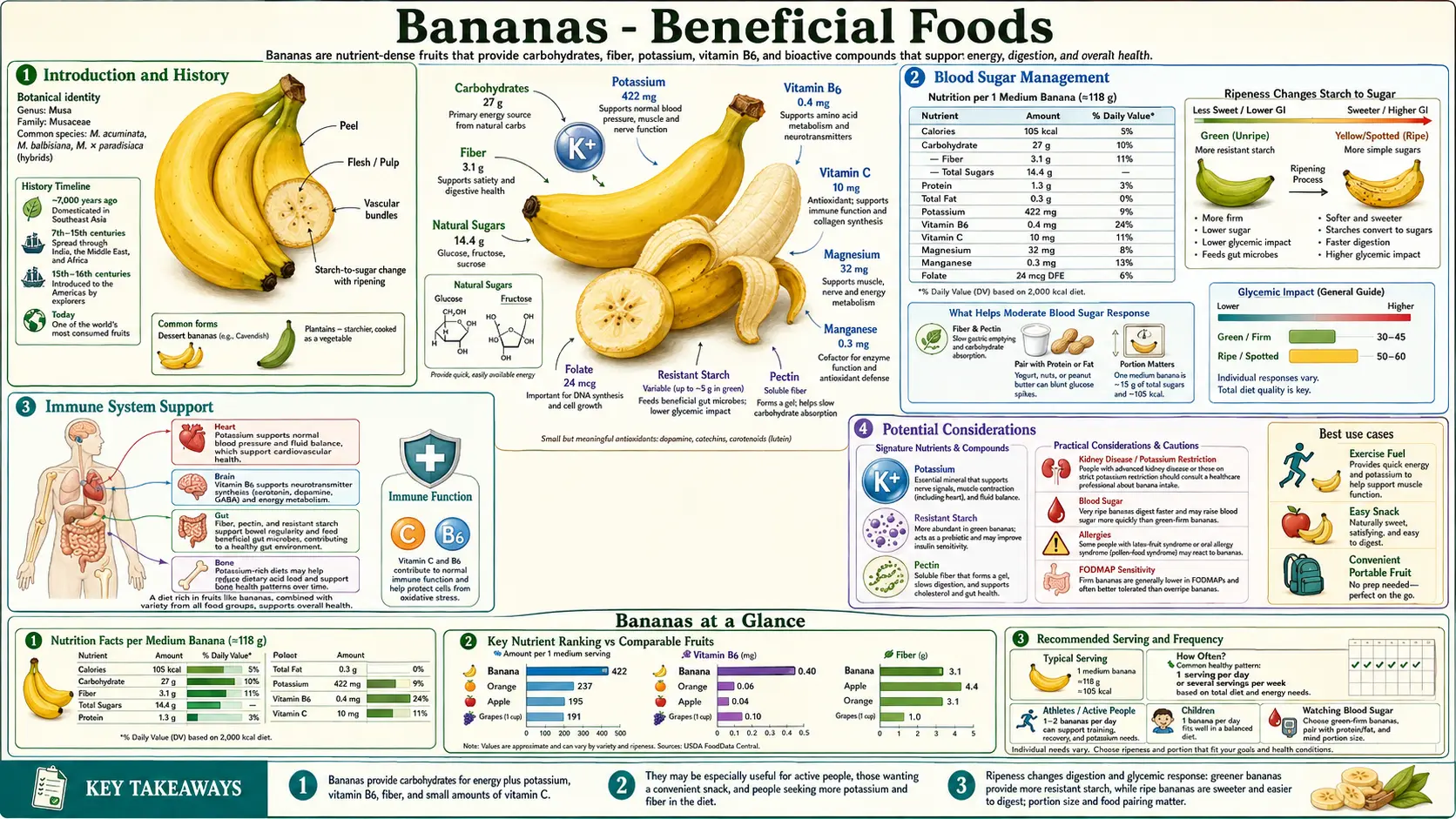
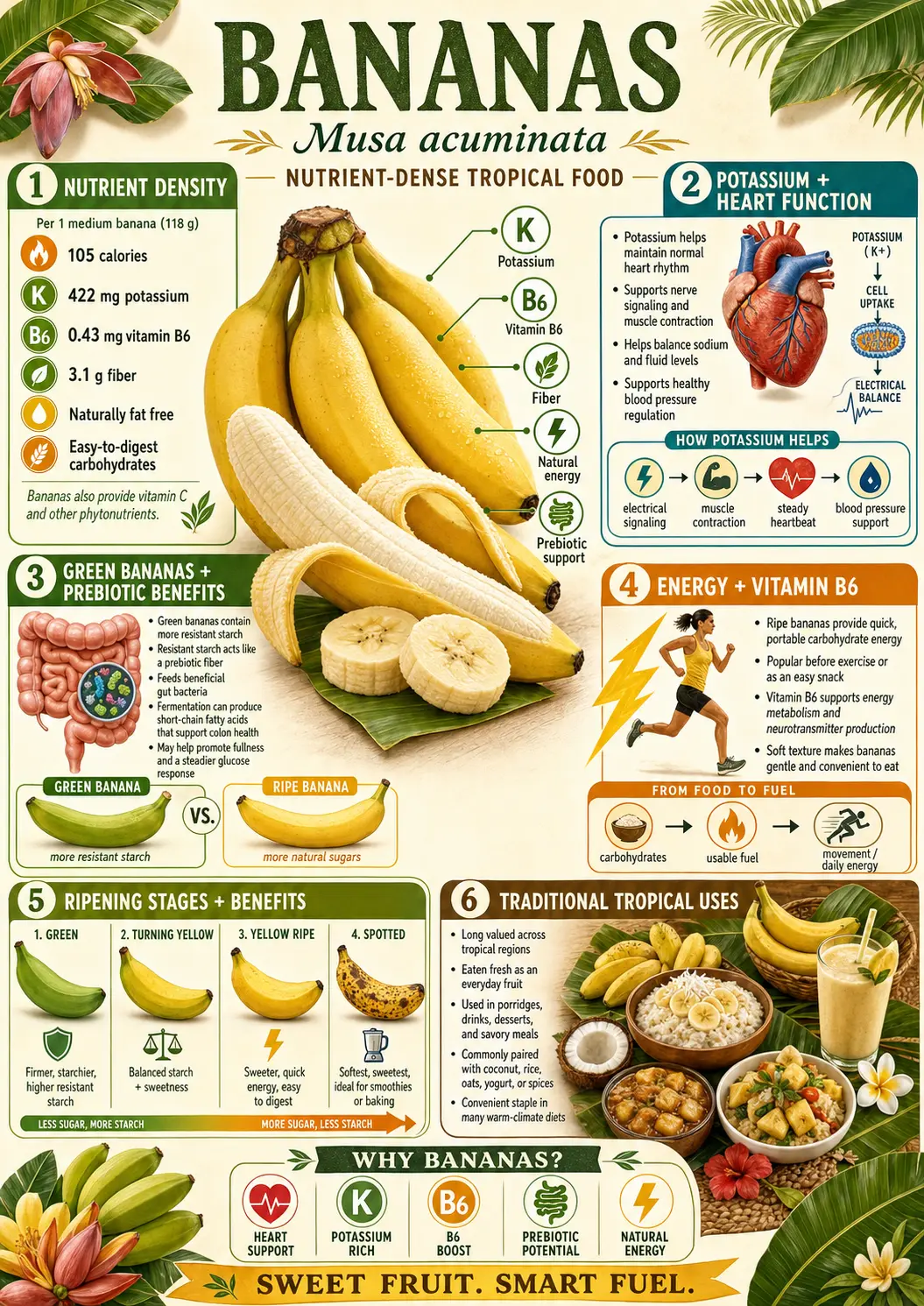
Table of Contents
- Introduction and History
- Nutritional Profile
- Heart Health and Blood Pressure
- Digestive Health
- Energy and Athletic Performance
- Blood Sugar Management
- Mood and Mental Health
- Kidney Health
- Weight Management
- Bone Health
- Muscle Recovery
- Immune System Support
- Anemia Prevention
- Green vs Yellow vs Brown Bananas
- Banana Peel Uses
- Optimal Consumption
- Potential Considerations
- Key Research Papers
- Connections
- Featured Videos
1. Introduction and History
The banana is one of the oldest cultivated fruits known, descended from wild Musa species of Island Southeast Asia and New Guinea and grown by people for thousands of years — the clearest archaeological evidence comes from Kuk Swamp in highland Papua New Guinea, where soils dated to roughly 6,950 to 6,440 years before present are rich in cultivated-banana remains. From that tropical cradle the fruit spread west across the Old World and, after 1492, into the Americas, eventually becoming one of the most widely eaten foods on Earth. — the fuller story is told in the dedicated History article.
2. Nutritional Profile
A single medium banana, weighing approximately 118 grams, delivers a concentrated package of essential nutrients while containing only about 105 calories. The macronutrient composition consists of approximately 27 grams of carbohydrates, 1.3 grams of protein, and just 0.4 grams of fat. Of the carbohydrate content, about 14 grams come from natural sugars (a mix of glucose, fructose, and sucrose), while 3.1 grams are dietary fiber. This fiber includes both soluble and insoluble forms, contributing to the fruit's beneficial effects on digestion and blood sugar regulation.
Potassium stands out as the most prominent mineral in bananas, with a medium fruit providing approximately 422 milligrams, or about 9% of the recommended daily intake. This essential electrolyte is critical for heart function, muscle contraction, and fluid balance. Alongside potassium, a medium banana delivers about 32 milligrams of magnesium (8% of daily needs), 0.3 milligrams of manganese (13% of daily needs), and smaller but meaningful amounts of phosphorus, calcium, iron, zinc, and selenium. The mineral profile of bananas makes them particularly valuable for maintaining electrolyte balance.
The vitamin content of bananas is equally impressive. A medium banana provides approximately 0.43 milligrams of vitamin B6 (pyridoxine), representing about 25% of the recommended daily intake. Vitamin B6 is essential for over 100 enzymatic reactions in the body, particularly those involved in protein metabolism and neurotransmitter synthesis. Bananas also supply about 10.3 milligrams of vitamin C (11% of daily needs), about 0.09 milligrams of riboflavin (B2), and notable amounts of niacin (B3), folate (B9), and pantothenic acid (B5). The B-vitamin complex in bananas supports energy metabolism and nervous system function.
Beyond conventional vitamins and minerals, bananas contain several bioactive compounds with significant health implications. Resistant starch, particularly abundant in unripe green bananas, functions similarly to dietary fiber and feeds beneficial gut bacteria. A medium green banana can contain up to 12.5 grams of resistant starch, while this amount decreases substantially as the fruit ripens. Bananas also contain dopamine at concentrations of approximately 2.5 to 10 milligrams per 100 grams of fruit pulp, though this dietary dopamine does not cross the blood-brain barrier and instead acts as a potent antioxidant in the body.
Bananas are also a source of several important antioxidant compounds, including catechins and gallocatechins, which belong to the flavonoid family. These polyphenols have been associated with reduced risk of cardiovascular disease and certain cancers in epidemiological studies. A medium banana contains measurable quantities of these catechins, with concentrations varying based on the ripeness and variety. Additionally, bananas provide small amounts of phytosterols, which may contribute to cholesterol management, and contain the amino acid tryptophan, a precursor to the neurotransmitter serotonin.
3. Heart Health and Blood Pressure
The relationship between banana consumption and cardiovascular health centers primarily on the fruit's exceptional potassium content. With approximately 422 milligrams of potassium per medium banana, regular consumption contributes meaningfully to the recommended daily intake of 2,600 to 3,400 milligrams for adults. Potassium plays a fundamental role in heart health by helping to regulate the electrical impulses that control heartbeat rhythm. Research published in the Journal of the American Heart Association has demonstrated that higher dietary potassium intake is consistently associated with lower blood pressure and reduced risk of stroke.
The mechanism by which potassium lowers blood pressure involves the sodium-potassium balance in the body. Potassium helps counteract the hypertensive effects of sodium by promoting sodium excretion through the kidneys. When potassium intake is sufficient, the kidneys are better able to flush excess sodium from the bloodstream, reducing blood volume and thereby lowering pressure on arterial walls. This sodium-potassium interplay is so well-established that it forms the basis of the DASH (Dietary Approaches to Stop Hypertension) diet, which emphasizes potassium-rich foods like bananas as a cornerstone of blood pressure management.
Clinical studies have provided compelling evidence for the blood pressure-lowering effects of potassium-rich diets. A 2013 meta-analysis published in the British Medical Journal, which pooled 22 randomized controlled trials and 11 cohort studies, found that increased potassium intake lowered systolic blood pressure by 3.49 mmHg and diastolic blood pressure by 1.96 mmHg in adults — an effect seen in people with high blood pressure (hypertension) but not in those without it. While these reductions may seem modest, population-level analysis suggests that even a 2 mmHg decrease in systolic blood pressure can reduce stroke mortality by 6% and coronary heart disease mortality by 4%.
Beyond potassium, bananas contribute to heart health through their fiber content and antioxidant compounds. The soluble fiber pectin found in bananas has been shown to help reduce low-density lipoprotein (LDL) cholesterol levels by binding to bile acids in the digestive tract and promoting their excretion. The catechins and dopamine present in bananas function as antioxidants that help prevent the oxidation of low-density lipoprotein cholesterol, a critical step in the formation of atherosclerotic plaques that can lead to heart attacks and strokes. A 2017 review of prospective studies in the International Journal of Epidemiology linked higher intake of fruit and vegetables to a lower risk of cardiovascular disease — 8 to 13 percent lower for each extra 200 grams a day, and about 28 percent lower at 800 grams a day of fruit and vegetables combined. The individual fruits with a clear link were apples and pears and citrus fruits; bananas were not among them.
The magnesium content of bananas further supports cardiovascular function. Magnesium helps maintain normal heart rhythm by regulating the transport of calcium and potassium across cell membranes. A deficiency in magnesium has been associated with an increased risk of arrhythmias, heart failure, and sudden cardiac death. The combination of potassium, magnesium, fiber, and antioxidants in bananas creates a synergistic effect that makes this fruit a particularly valuable component of a heart-healthy dietary pattern.
4. Digestive Health
Bananas have long been recognized for their gentle effects on the digestive system, earning a central place in the BRAT diet (bananas, rice, applesauce, and toast) commonly recommended during episodes of gastrointestinal distress. The soft, easily digestible texture of ripe bananas makes them one of the first solid foods tolerated after bouts of vomiting or diarrhea. Their natural binding properties, attributed to the pectin content, help normalize bowel movements by absorbing excess water in the intestines while simultaneously providing enough bulk to prevent constipation in healthy individuals.
Pectin, a soluble fiber found in both ripe and unripe bananas, plays a multifaceted role in digestive health. In ripe bananas, pectin forms a gel-like substance when combined with water in the digestive tract, slowing gastric emptying and promoting a feeling of fullness. This gel also acts as a protective coating on the stomach lining, which may help alleviate symptoms of acid reflux and gastritis. Some research suggests that bananas stimulate the production of mucus in the stomach, creating an additional barrier between the stomach lining and corrosive digestive acids.
The resistant starch found abundantly in unripe green bananas represents one of the most significant digestive health benefits of this fruit. Resistant starch passes through the small intestine undigested and reaches the colon intact, where it serves as a substrate for beneficial gut bacteria. Through the process of fermentation, these bacteria convert resistant starch into short-chain fatty acids (SCFAs), particularly butyrate, which serves as the primary energy source for colonocytes (the cells lining the colon). Butyrate has been shown to reduce inflammation in the gut, strengthen the intestinal barrier, and may help protect against colorectal cancer.
The prebiotic effects of bananas extend beyond resistant starch. Bananas contain fructooligosaccharides (FOS), a type of non-digestible carbohydrate that selectively stimulates the growth of beneficial bacteria such as Bifidobacteria and Lactobacilli in the colon. Studies published in the British Journal of Nutrition have demonstrated that regular consumption of FOS-containing foods leads to measurable increases in beneficial bacterial populations and improvements in markers of gut health, including enhanced mineral absorption and improved immune function through the gut-associated lymphoid tissue.
For individuals recovering from gastrointestinal illness, bananas also help restore electrolyte balance. The potassium lost during episodes of diarrhea or vomiting can be partially replenished by banana consumption, helping to prevent the muscle weakness, fatigue, and cardiac irregularities associated with hypokalemia. The natural sugars in ripe bananas provide readily accessible energy for recovering patients, while the fruit's mild flavor and smooth texture make it palatable even when appetite is diminished. This combination of electrolyte replacement, gentle digestibility, and prebiotic benefits makes bananas an exceptionally versatile food for maintaining and restoring digestive health.
5. Energy and Athletic Performance
Bananas have earned their reputation as the ideal natural energy food for athletes and active individuals. The carbohydrate composition of a medium banana provides approximately 27 grams of readily available fuel, delivered as a blend of glucose, fructose, and sucrose. This trio of natural sugars is absorbed at different rates, creating a sustained energy release rather than the sharp spike and crash associated with refined sugar sources. The glucose provides immediate fuel, the sucrose is quickly cleaved into glucose and fructose, and the fructose is metabolized more gradually through the liver, extending the energy delivery window.
During prolonged endurance exercise, the body relies heavily on muscle glycogen stores for fuel. As these stores become depleted, typically after 60 to 90 minutes of sustained activity, performance declines rapidly, a phenomenon marathon runners know as "hitting the wall." Research conducted at the North Carolina Research Campus found that consuming bananas during prolonged cycling exercise was as effective as consuming a commercially available 6% carbohydrate sports drink for maintaining performance. The study, published in PLOS ONE in 2012, compared bananas with a 6% carbohydrate drink in 14 trained cyclists (it had no water-only group): blood glucose levels and 75-kilometer time-trial performance did not differ between the two.
What makes bananas potentially superior to conventional sports drinks is their additional nutritional payload. Unlike sports drinks that provide only sugar and electrolytes, bananas deliver potassium, vitamin B6, fiber, and a range of antioxidant compounds alongside their carbohydrate content. The same cycling study found that bananas and the carbohydrate drink led to similar performance, blood glucose, inflammation, oxidative stress and immune measures; of 103 blood metabolites measured, only one (dopamine, higher with bananas) changed in a different pattern.
Marathon runners and endurance athletes have long relied on bananas as a race-day fuel source, and the science supports this tradition. A medium banana consumed 30 to 60 minutes before exercise provides an accessible carbohydrate load without the gastrointestinal discomfort that can accompany more concentrated energy sources. During exercise, bananas can be consumed in portions to maintain blood sugar, while their potassium content helps offset the electrolyte losses that occur through sweat. Post-exercise, bananas contribute to glycogen replenishment and provide the potassium needed to support muscle recovery.
Beyond competitive athletics, bananas serve as an excellent energy source for everyday physical activity and cognitive performance. The combination of natural sugars and fiber provides a moderate glycemic response that supports sustained mental focus and physical energy throughout the morning or afternoon. Unlike processed snack foods that can cause energy fluctuations, a banana provides stable fuel that helps maintain productivity and alertness. This makes bananas an ideal choice for students, office workers, and anyone seeking a convenient, portable source of sustained natural energy.
6. Blood Sugar Management
Despite their sweet taste and carbohydrate content, bananas possess several properties that make them a potentially beneficial food for blood sugar management when consumed thoughtfully. The glycemic index (GI) of a banana varies significantly based on its ripeness, ranging from approximately 30 for a green, unripe banana to about 62 for a fully ripe, spotted banana. This variation reflects the dramatic biochemical changes that occur during ripening, as resistant starch is progressively converted into simple sugars. Less ripe bananas have a lower glycemic impact.
Resistant starch, the predominant carbohydrate in green bananas, has emerged as a particularly promising compound for glycemic control. Unlike regular starch, resistant starch is not broken down by digestive enzymes in the small intestine, meaning it does not contribute to postprandial (after-meal) blood sugar spikes. A small 2005 study in the American Journal of Clinical Nutrition gave 10 healthy people 30 grams of resistant starch a day for four weeks; their insulin sensitivity during a test meal was 33 percent higher than after a placebo. A single green banana can provide 12 or more grams of resistant starch, making it one of the most accessible dietary sources of this beneficial compound.
Pectin, the soluble fiber found in both ripe and unripe bananas, contributes to blood sugar management through a different mechanism. By forming a viscous gel in the digestive tract, pectin slows the rate at which carbohydrates are broken down and absorbed, effectively flattening the postprandial glucose curve. This moderating effect means that even the sugars present in ripe bananas are absorbed more gradually than they would be if consumed in isolation, reducing the magnitude of blood sugar fluctuations. The fiber content of bananas, approximately 3.1 grams per medium fruit, further contributes to this glycemic buffering effect.
Clinical studies examining the effects of banana consumption on blood sugar have yielded nuanced results. A 2019 randomized trial in the British Journal of Nutrition gave 113 middle-aged adults with pre-diabetes or type 2 diabetes either diet advice plus 40 grams a day of green banana biomass (about 4.5 grams of resistant starch) or diet advice alone for 24 weeks; hemoglobin A1c and fasting blood glucose fell in the banana group, and hemoglobin A1c also fell in the diet-only group. Portion size and ripeness are the factors most often emphasized: one small to medium banana, slightly underripe and eaten with a source of protein or fat, is described as giving a gentler rise in blood sugar.
The vitamin B6 content of bananas may also play an indirect role in metabolic health. Vitamin B6 is involved in the metabolism of amino acids and the synthesis of neurotransmitters, but it also participates in glycogen metabolism, helping the body store and release glucose efficiently. Some research has suggested that adequate vitamin B6 status is associated with a reduced risk of developing type 2 diabetes, possibly through its role in reducing chronic inflammation and oxidative stress, both of which contribute to insulin resistance. Bananas are not a treatment for diabetes, but their combination of resistant starch, pectin, fiber, and micronutrients makes them a reasonable fruit choice within a balanced, glycemically-conscious diet.
7. Mood and Mental Health
The connection between banana consumption and mental well-being is rooted in the fruit's unique biochemical composition. Bananas contain tryptophan, an essential amino acid that serves as the precursor to serotonin, one of the brain's primary mood-regulating neurotransmitters. A medium banana provides approximately 11 milligrams of tryptophan. While this amount is modest compared to high-protein foods, the carbohydrate content of bananas facilitates tryptophan's entry into the brain by triggering an insulin response that clears competing amino acids from the bloodstream, effectively giving tryptophan preferential access to cross the blood-brain barrier.
Vitamin B6 plays an indispensable role in converting tryptophan into serotonin. The enzymatic conversion requires pyridoxal 5'-phosphate, the active form of vitamin B6, as a cofactor. With a medium banana providing roughly 25% of the daily recommended intake of vitamin B6, regular banana consumption helps ensure that the body has adequate resources for serotonin synthesis. Low serotonin levels have been implicated in depression, anxiety, insomnia, and obsessive-compulsive behavior, and several studies have found that individuals with depression tend to have lower circulating levels of vitamin B6 than their non-depressed counterparts.
Dopamine, present in bananas at concentrations of 2.5 to 10 milligrams per 100 grams of pulp, represents another neurologically significant compound. However, it is important to clarify that the dopamine found in bananas does not cross the blood-brain barrier and therefore does not directly affect brain dopamine levels or produce mood-altering effects. Instead, dietary dopamine from bananas functions primarily as a powerful water-soluble antioxidant in the peripheral circulation. Its antioxidant activity may still indirectly support brain health by reducing systemic oxidative stress and inflammation, both of which have been linked to increased risk of depression and neurodegenerative diseases.
The magnesium content of bananas provides additional support for mental health. Magnesium is involved in the regulation of the hypothalamic-pituitary-adrenal (HPA) axis, the body's central stress response system. Adequate magnesium intake helps modulate cortisol release and prevents the chronic hypothalamic-pituitary-adrenal axis activation associated with anxiety and stress-related disorders. A 2017 systematic review in Nutrients found evidence suggestive of a benefit of magnesium supplements on self-reported anxiety in people prone to anxiety, though it rated the quality of that evidence as poor; dietary sources like bananas contribute to maintaining optimal magnesium status.
The combination of steady energy release from natural sugars and fiber, along with the tryptophan, vitamin B6, and magnesium content, positions bananas as a supportive food for overall mental well-being. While no single food can treat clinical depression or anxiety, incorporating bananas into a balanced diet ensures a consistent supply of the building blocks needed for neurotransmitter production and stress regulation. The convenience and palatability of bananas make them a practical choice for maintaining stable mood and cognitive function throughout the day, particularly during periods of increased physical or mental demand.
8. Kidney Health
Potassium's role in kidney health is a double-edged sword that depends entirely on the current state of kidney function. For individuals with healthy kidneys, the potassium in bananas is highly beneficial. The kidneys efficiently regulate potassium levels in the blood, excreting excess amounts through urine. Adequate potassium intake supports kidney function by helping to maintain proper fluid balance and blood pressure, both of which reduce the mechanical stress on the delicate filtering structures of the kidneys known as nephrons. Long-term epidemiological studies have shown that higher dietary potassium intake is associated with a slower rate of kidney function decline in healthy adults.
One of the most well-documented benefits of potassium-rich foods for kidney health is their role in preventing kidney stones. Potassium citrate, the form of potassium found in fruits like bananas, increases urinary citrate excretion. Citrate binds to calcium in the urine, preventing the formation of calcium oxalate crystals that constitute approximately 80% of all kidney stones. A prospective study of 45,619 men, published in the Journal of the American Society of Nephrology in 2004, found that men with the highest dietary potassium intake had roughly half the risk of developing kidney stones (relative risk 0.54) compared to those with the lowest intake.
The alkalizing effect of bananas further contributes to kidney stone prevention. Like most fruits, bananas produce an alkaline ash when metabolized, which helps raise urinary pH. A more alkaline urinary environment inhibits the crystallization of uric acid, another common component of kidney stones. This is particularly relevant for individuals who consume high-protein diets, which tend to acidify the urine and increase the risk of both uric acid and calcium-based stone formation. Including potassium-rich fruits like bananas can help counterbalance the acidifying effects of protein-heavy dietary patterns.
However, for individuals with chronic kidney disease (CKD), particularly those in stages 3 through 5, the potassium content of bananas presents a significant concern. Damaged kidneys progressively lose their ability to excrete potassium efficiently, leading to a condition called hyperkalemia, in which blood potassium levels rise to potentially dangerous levels. Hyperkalemia can cause muscle weakness, cardiac arrhythmias, and in severe cases, cardiac arrest. For this reason, nephrologists often advise patients with advanced chronic kidney disease to limit or avoid high-potassium foods, including bananas, and to follow a carefully managed renal diet.
How much potassium a person with kidney disease can handle depends on how much kidney function remains and on the blood potassium level, which is why renal diets are set from blood potassium tests rather than general nutrition guidelines. Damaged kidneys cannot clear potassium well, and a high blood potassium level causes muscle weakness and an abnormal heart rhythm, and in severe cases can stop the heart. Half a banana carries half the potassium of a whole one (a medium banana has about 422 milligrams), and lower-potassium fruits carry less.
9. Weight Management
Bananas offer several properties that can support weight management when incorporated into a calorie-conscious dietary pattern. At approximately 105 calories per medium fruit, bananas have a relatively low calorie density compared to their volume and the satiety they provide. The combination of natural sugars, fiber, and water creates a food that satisfies sweet cravings while providing meaningful nutritional value, unlike processed sweets and desserts that deliver empty calories without the accompanying vitamins, minerals, and fiber.
Resistant starch, particularly abundant in green and slightly underripe bananas, has emerged as a potentially valuable tool for weight management. A 2004 study in Nutrition and Metabolism found that replacing 5.4% of a meal’s carbohydrate with resistant starch raised fat burning (fat oxidation) after the meal by 23%, though it did not change how much of the meal’s fat was stored; the authors suggested it could reduce fat build-up over the long term. When resistant starch reaches the colon and is fermented into short-chain fatty acids, these metabolites influence hormonal signaling that affects appetite regulation. Specifically, short-chain fatty acids stimulate the release of peptide YY (PYY) and glucagon-like peptide-1 (GLP-1), both of which are satiety hormones that reduce hunger and food intake.
The fiber content of bananas contributes to satiety through mechanical means. The soluble fiber pectin absorbs water and expands in the stomach, activating stretch receptors that signal fullness to the brain. This effect, combined with the relatively slow gastric emptying rate promoted by pectin, means that a banana can keep hunger at bay for longer than a comparable number of calories from low-fiber processed snacks. Studies have consistently shown that individuals who consume higher amounts of dietary fiber tend to have lower body weights and less body fat accumulation over time.
Bananas also serve as an effective natural sweetener replacement in cooking and baking. Mashed ripe bananas can partially or fully replace added sugar in recipes for muffins, pancakes, smoothies, and frozen desserts, simultaneously reducing caloric density while adding fiber, potassium, and vitamins. A single mashed banana can replace up to half a cup of sugar in many recipes, cutting approximately 400 calories from the total preparation while contributing natural sweetness and moisture. This substitution strategy allows individuals to enjoy sweet-tasting foods while maintaining a caloric deficit.
It is worth noting that bananas alone will not cause weight loss; overall dietary pattern and energy balance remain the fundamental determinants. However, replacing high-calorie, nutrient-poor snacks with bananas represents a simple and sustainable dietary improvement. The portability, affordability, and natural packaging of bananas make them an ideal choice for planned snacking, which research suggests is more effective for weight management than unplanned, impulsive eating. By providing a satisfying combination of sweetness, texture, and nutrition in a convenient format, bananas can play a meaningful supporting role in a weight management strategy.
10. Bone Health
While bananas are not traditionally considered a bone-building food due to their relatively modest calcium content, they contribute to skeletal health through a fascinating indirect mechanism involving fructooligosaccharides (FOS). These non-digestible prebiotic carbohydrates found in bananas stimulate the growth of beneficial bacteria in the colon, particularly Bifidobacteria species. As these bacteria ferment FOS and other prebiotic fibers, they produce short-chain fatty acids that lower the pH of the colonic environment. This acidification has a direct and measurable effect on mineral absorption, particularly calcium and magnesium.
Research published in the American Journal of Clinical Nutrition has demonstrated that prebiotic supplementation, including FOS, can increase calcium absorption by 20% or more in certain populations. The lower pH in the colon increases the solubility of calcium, converting it from an insoluble form that would be excreted to a soluble form that can be absorbed through the colonic epithelium. This enhanced absorption is particularly significant because the colon represents a secondary absorption site for calcium that is often underutilized in typical Western diets lacking in prebiotic fiber.
The magnesium content of bananas further supports bone health. Approximately 60% of the body's magnesium is stored in bone tissue, where it contributes to the structural integrity of the bone crystal lattice. Magnesium also regulates the activity of osteoblasts (bone-building cells) and osteoclasts (bone-resorbing cells), helping to maintain the balance between bone formation and resorption. Magnesium deficiency has been identified as a risk factor for osteoporosis, and studies have shown that higher dietary magnesium intake is associated with greater bone mineral density, particularly in older adults.
Potassium from bananas also plays a protective role in bone health by helping to maintain acid-base balance in the body. Metabolic acids produced by high-protein diets and other dietary factors can promote calcium leaching from bones as the body uses calcium as a buffering agent. Potassium-rich foods produce alkaline metabolites that reduce this acid load, thereby decreasing urinary calcium losses. A 2002 study in the Journal of Clinical Endocrinology and Metabolism found that in 60 postmenopausal women on a high-salt diet, potassium citrate supplements prevented the rise in urinary calcium and in a marker of bone breakdown (bone resorption) that the salt caused.
The cumulative effect of FOS-enhanced calcium absorption, magnesium for structural integrity, and potassium for acid-base buffering makes bananas a more significant contributor to bone health than their calcium content alone would suggest. Bananas alone do not protect against osteoporosis; regular consumption as part of a diet that includes adequate calcium from dairy or fortified foods, vitamin D from sunlight or supplementation, and weight-bearing exercise creates a comprehensive approach to maintaining strong bones throughout the lifespan.
11. Muscle Recovery
Bananas have long been associated with the prevention and relief of muscle cramps, a belief that has made them a ubiquitous presence at athletic events and gym snack bars. The connection between banana consumption and cramp prevention centers on potassium, an electrolyte critical for normal muscle contraction and relaxation. During intense or prolonged exercise, potassium is lost through sweat and redistributed from the blood into working muscle cells. When blood potassium levels drop, muscles may become hyperexcitable, meaning they contract more readily and are slower to relax, creating the conditions for painful cramping.
While the relationship between potassium depletion and muscle cramps is well-established physiologically, the clinical evidence for bananas specifically preventing exercise-associated cramps is more nuanced than popular belief suggests. Research indicates that exercise-associated muscle cramps are likely multifactorial, involving not only electrolyte imbalances but also neuromuscular fatigue, inadequate conditioning, and environmental heat stress. Nevertheless, maintaining adequate potassium intake through foods like bananas remains a prudent strategy for minimizing one of the contributing factors to cramp susceptibility, particularly for athletes who sweat heavily.
Beyond cramp prevention, bananas serve as an effective post-workout recovery food. The carbohydrate content of a banana helps replenish depleted muscle glycogen stores, a process that is most efficient in the 30 to 60 minutes immediately following exercise. The insulin response triggered by the banana's natural sugars further accelerates glycogen synthesis and promotes the uptake of amino acids into muscle tissue, supporting the repair and growth processes that occur after training. Pairing a banana with a protein source, such as a whey shake or Greek yogurt, creates an optimal post-workout nutritional combination.
The anti-inflammatory properties of bananas may provide an additional advantage for post-exercise recovery. A 2018 trial from Appalachian State University gave 20 cyclists bananas, a 6% sugar drink, or water only during 75-kilometer time trials. In laboratory immune cells grown in the cyclists’ blood plasma, expression of the inflammatory gene cyclooxygenase-2 (COX-2) was lower after both kinds of banana than after water alone, but not after the sugar drink; overall, bananas and the sugar drink eased post-exercise inflammation to a similar degree. The natural phenolic compounds in bananas, including dopamine and catechins, appear to modulate the inflammatory response that follows intense exercise, potentially reducing muscle soreness and accelerating the recovery timeline.
Electrolyte replacement is a critical component of recovery from prolonged exercise, and bananas contribute meaningfully to this process. In addition to potassium, the magnesium in bananas supports muscle relaxation and helps prevent the residual tightness and spasms that can follow intense training sessions. The natural sugars also help restore liver glycogen, which is important for maintaining blood glucose levels during the recovery period. For athletes and recreational exercisers alike, consuming one to two bananas after training, alongside adequate hydration and protein, represents a simple, affordable, and effective recovery strategy supported by both tradition and emerging scientific evidence.
12. Immune System Support
The immune-boosting properties of bananas stem primarily from their substantial vitamin B6 content. Vitamin B6 is essential for the production of antibodies, the specialized proteins that the immune system uses to identify and neutralize pathogens such as bacteria and viruses. A deficiency in vitamin B6 leads to impaired lymphocyte proliferation, reduced antibody production, and decreased interleukin-2 activity, all of which compromise the body's ability to mount an effective immune response. A single medium banana, providing approximately 25% of the daily recommended intake of vitamin B6, makes a significant contribution to maintaining immune competence.
Vitamin C, while present in smaller quantities in bananas compared to citrus fruits, still contributes to immune defense. The approximately 10.3 milligrams of vitamin C in a medium banana supports the immune system through multiple mechanisms, including stimulating the production and function of white blood cells, enhancing the ability of neutrophils to engulf and destroy pathogens, and protecting immune cells from oxidative damage caused by the reactive oxygen species they generate during pathogen killing. Vitamin C also supports the integrity of epithelial barriers in the skin and gut, the body's first lines of defense against infection.
The antioxidant compounds in bananas provide broader immune support by reducing oxidative stress that can suppress immune function. Chronic oxidative stress damages immune cell membranes, impairs signaling pathways, and accelerates immune cell aging (immunosenescence). The dopamine and catechin antioxidants found in bananas help neutralize free radicals and reduce oxidative damage throughout the body, creating a physiological environment more conducive to optimal immune function. Studies have shown that individuals with higher dietary antioxidant intake tend to experience fewer and shorter-duration respiratory infections.
The prebiotic effects of bananas support immune function through the gut-associated lymphoid tissue (GALT), which houses approximately 70% of the body's immune cells. By promoting the growth of beneficial bacteria through their fructooligosaccharide and resistant starch content, bananas help maintain a healthy gut microbiome that actively communicates with and modulates the immune system. Beneficial bacteria stimulate the production of secretory immunoglobulin A (sIgA), enhance the activity of natural killer cells, and help train the immune system to distinguish between harmless substances and genuine threats, reducing the risk of both infections and autoimmune reactions.
The combined effects of vitamin B6 for antibody production, vitamin C for white blood cell function, antioxidants for oxidative stress reduction, and prebiotics for gut immune modulation make bananas a valuable food for supporting the immune system across multiple pathways. While bananas alone cannot prevent infection or replace medical treatment, regular consumption as part of a varied, nutrient-rich diet helps provide the body with the raw materials and supportive conditions needed for a well-functioning immune defense system.
13. Anemia Prevention
Anemia, characterized by a deficiency of healthy red blood cells or hemoglobin, affects over 1.6 billion people worldwide and is one of the most common nutritional deficiency disorders. While bananas are not among the richest sources of iron, they contain a combination of nutrients that support the body's ability to produce hemoglobin and maintain healthy red blood cell populations. A medium banana provides approximately 0.3 milligrams of iron, which, while modest, contributes to cumulative daily intake when combined with other iron-containing foods in the diet.
The more significant contribution of bananas to anemia prevention lies in their vitamin B6 content. Vitamin B6 is essential for the synthesis of hemoglobin, the oxygen-carrying protein in red blood cells. Specifically, pyridoxal 5'-phosphate (the active form of B6) serves as a cofactor for the enzyme delta-aminolevulinic acid synthase, which catalyzes the first and rate-limiting step in heme biosynthesis. Without adequate vitamin B6, the body cannot produce heme at a sufficient rate, leading to a form of anemia known as sideroblastic anemia, in which iron accumulates in red blood cell precursors but cannot be properly incorporated into hemoglobin.
Folate (vitamin B9), present in bananas at approximately 24 micrograms per medium fruit, plays a complementary role in preventing anemia. Folate is required for DNA synthesis and cell division, processes that are particularly critical for the rapidly dividing cells of the bone marrow that produce red blood cells. Folate deficiency leads to megaloblastic anemia, characterized by the production of abnormally large, immature red blood cells that cannot function effectively. While a banana alone does not provide the full daily folate requirement, it contributes to a cumulative intake that, combined with leafy greens, legumes, and fortified grains, helps prevent deficiency.
The vitamin C in bananas enhances non-heme iron absorption from plant-based foods consumed at the same meal. Non-heme iron, the form found in plant foods and fortified products, is poorly absorbed compared to heme iron from animal sources. Vitamin C converts ferric iron (Fe3+) to ferrous iron (Fe2+) in the stomach, the form that is more readily absorbed by the intestinal enterocytes. Consuming a banana alongside iron-rich foods such as spinach, lentils, or fortified cereals can meaningfully increase the amount of iron the body absorbs from these sources, making bananas a useful companion food in vegetarian and vegan diets.
For individuals at elevated risk of anemia, including pregnant women, menstruating individuals, growing children, and those following plant-based diets, bananas represent a convenient and accessible food that supports multiple aspects of red blood cell production. The combination of iron, vitamin B6 for heme synthesis, folate for red blood cell maturation, and vitamin C for iron absorption enhancement creates a nutritional synergy that exceeds what any single nutrient could provide alone. Bananas alone do not treat anemia, but they are a valuable component of a dietary strategy aimed at maintaining healthy hemoglobin levels.
14. Green vs Yellow vs Brown Bananas
The ripening process of bananas involves a dramatic transformation in chemical composition that significantly affects both their nutritional properties and their suitability for different health goals. Green, unripe bananas are composed primarily of starch, with resistant starch comprising up to 70 to 80 percent of the dry weight. As the banana ripens and transitions from green to yellow, the enzyme amylase gradually converts this resistant starch into simple sugars. By the time a banana has reached the fully yellow stage, its resistant starch content has decreased by approximately 80%, while its sugar content has risen correspondingly from about 1% in green bananas to approximately 12% of total weight.
For individuals focused on blood sugar management, weight control, or gut health through prebiotic effects, green bananas offer clear advantages. Their high resistant starch content provides a lower glycemic response, greater prebiotic fuel for beneficial gut bacteria, and enhanced satiety through short-chain fatty acid-mediated hormonal signaling. Green bananas are also firmer in texture and have a slightly astringent, less sweet taste that makes them well-suited for savory preparations, including boiling, frying, or incorporation into stews and curries as practiced in many tropical culinary traditions.
Yellow bananas with minimal brown spotting represent the most commonly consumed ripeness stage and offer a balanced nutritional profile. At this stage, the conversion of starch to sugar is largely complete, providing a sweeter taste and softer texture while still retaining meaningful fiber content. The vitamin and mineral content remains relatively stable throughout the ripening process, meaning that yellow bananas provide essentially the same levels of potassium, vitamin B6, magnesium, and vitamin C as their green counterparts. Yellow bananas are the most versatile stage for eating fresh, adding to cereals, or blending into smoothies.
As bananas progress to the brown-spotted and fully brown stage, additional biochemical changes occur that have important nutritional implications. A widely shared claim says that bananas with dark spots produce a substance called Tumor Necrosis Factor (TNF), and that the more spotted the banana, the more of it there is. The study behind it, from Teikyo University in Japan (2009), was done in mice: banana extracts primed the animals’ own immune cells to make TNF-α, and the effect differed with the variety and ripeness of the fruit, tending to rise as it ripened. It did not find TNF in bananas themselves — the TNF was made by the mice’s immune cells. The authors concluded that eating bananas is associated with immune-stimulating effects that differ with ripeness. Additionally, the total antioxidant capacity of bananas increases during the later stages of ripening, as certain phenolic compounds are released from their bound forms.
Choosing the optimal ripeness depends on individual health goals. Green bananas are best for blood sugar management, resistant starch intake, and prebiotic effects. Yellow bananas offer a balanced combination of taste, convenience, and nutrition for general health maintenance. Brown-spotted bananas provide the highest antioxidant levels and sweetness, making them ideal for baking, smoothies, and natural sweetener applications. Understanding these differences allows individuals to strategically select banana ripeness to align with their specific nutritional objectives, and purchasing bananas at various stages of ripeness ensures a continuous supply suited to different uses throughout the week.
15. Banana Peel Uses
Banana peels, which constitute approximately 35% of the fruit's total weight, are typically discarded without a second thought in Western cultures. However, banana peels contain a remarkable concentration of nutrients and bioactive compounds that have been utilized in traditional medicine systems and culinary practices across Asia, Africa, and South America for centuries. The peel contains higher concentrations of potassium, magnesium, and fiber than the fruit flesh, along with significant amounts of vitamin B6, vitamin B12, lutein, and various polyphenolic antioxidants including gallocatechin and dopamine.
In traditional medicine systems across Southeast Asia and India, banana peels have been applied topically to treat skin conditions including warts, insect bites, minor burns, and acne. The proposed mechanism involves the proteolytic enzymes and antioxidant compounds in the peel, which may help reduce inflammation and promote tissue healing. Scientific investigation of these traditional uses remains limited, but some preliminary studies have confirmed that banana peel extracts possess antimicrobial and anti-inflammatory properties in laboratory settings, lending some credibility to these longstanding practices.
The claim that rubbing banana peel on teeth can whiten them has gained considerable attention in popular health media. Proponents suggest that the potassium, magnesium, and manganese in the peel are absorbed by the teeth and produce a whitening effect. However, there is currently no peer-reviewed scientific evidence supporting this claim, and dental professionals generally caution against relying on unproven remedies when effective and tested whitening treatments are available. The mild abrasive texture of the peel could theoretically remove some surface stains through mechanical action, but this would not produce the peroxide-based bleaching effect of professional whitening treatments.
From a culinary perspective, banana peels are edible and can be prepared in several ways. In South and Southeast Asian cuisines, banana peels are commonly cooked in curries, stir-fried, or blended into smoothies. Boiling the peel for approximately 10 minutes softens it significantly and reduces any bitter taste. The peel can also be baked until crispy to create a chip-like snack. As global interest in reducing food waste grows, chefs and food scientists have increasingly explored banana peel utilization, developing recipes for banana peel flour, vinegar, and even meat substitutes that take advantage of the peel's fibrous texture.
It is important to note that non-organic banana peels may carry residues of pesticides and fungicides applied during cultivation. People who eat the peel often choose organic bananas or wash and scrub the peel first. Additionally, the fiber content of banana peels is substantially higher than that of the flesh, and introducing large amounts of peel fiber suddenly into the diet can cause gastrointestinal discomfort. Gradual incorporation, combined with adequate hydration, allows the digestive system to adapt. While more research is needed to fully validate the health claims associated with banana peels, their nutritional density and traditional usage suggest they deserve more attention than the waste bin they typically receive.
16. Optimal Consumption
One to two bananas a day adds modest amounts of sugar and calories for a healthy adult. Two medium bananas provide approximately 200 to 210 calories, 840 to 844 milligrams of potassium (about 18% of the 4,700-milligram Daily Value used on U.S. food labels), about 50% of the daily vitamin B6 requirement, and 6 grams of dietary fiber. Health organizations including the World Health Organization and the American Heart Association recommend consuming at least five servings of fruits and vegetables daily, and one to two bananas can form a convenient and nutritious portion of this target.
The timing of banana consumption can be strategically optimized based on individual goals. Consuming a banana 30 to 60 minutes before exercise provides readily available carbohydrate fuel for physical performance. Eating a banana as part of breakfast helps replenish glycogen stores after the overnight fast and provides sustained morning energy. A mid-afternoon banana can combat the natural energy dip that many people experience between 2:00 and 4:00 PM. For those focusing on sleep quality, consuming a banana in the evening provides tryptophan and magnesium, both of which may support relaxation and sleep onset.
Combining bananas with complementary foods enhances their nutritional impact. Pairing a banana with a protein source such as nut butter, Greek yogurt, or cheese slows the absorption of its natural sugars, creating a more sustained energy release and reducing the glycemic impact. Adding banana to oatmeal provides both soluble and insoluble fiber for digestive health. Blending banana with leafy greens and citrus fruits in a smoothie creates a nutritionally comprehensive snack. The vitamin C in banana also enhances iron absorption when consumed alongside iron-rich foods such as fortified cereals or leafy greens.
Proper storage extends the useful life of bananas and preserves their nutritional value. Bananas keep at room temperature until they reach the desired ripeness, after which they can be placed in the refrigerator to slow further ripening. The peel will darken in the refrigerator, but the fruit inside remains at the arrested ripeness stage for several additional days. For longer-term storage, peeled bananas can be frozen for use in smoothies, baking, or homemade ice cream. Frozen bananas retain most of their nutritional value for up to six months, with only minor losses in vitamin C. Wrapping the stem end of a banana bunch in plastic wrap can slow the release of ethylene gas and delay ripening by two to three days.
When selecting bananas, choosing a range of ripeness levels allows for different uses throughout the week. Purchasing green bananas alongside yellow ones ensures that fresh bananas are available over a longer period. Overripe bananas that have become too soft for fresh eating can be peeled and frozen immediately for future use, eliminating waste. For those who prefer a specific ripeness level, placing bananas in a paper bag with an apple or tomato accelerates ripening through concentrated ethylene exposure, while separating individual bananas from the bunch slows the process slightly.
17. Potential Considerations
While bananas are safe and beneficial for the vast majority of people, some people face specific risks from them. The most significant concern involves people with chronic kidney disease, for whom the high potassium content of bananas can pose a serious health risk. As kidney function declines, the body's ability to regulate blood potassium levels diminishes, and consuming potassium-rich foods can lead to hyperkalemia, a condition in which elevated blood potassium levels cause dangerous cardiac arrhythmias, muscle weakness, and potentially fatal cardiac arrest. In advanced chronic kidney disease (stages 3 through 5), renal diets limit potassium according to blood potassium tests.
Bananas have been identified as a potential trigger for migraine headaches in susceptible individuals. This association is believed to be related to tyramine, a naturally occurring amine that increases as bananas ripen. Tyramine can cause blood vessel constriction followed by dilation, a mechanism implicated in migraine pathophysiology. Additionally, the phenylethylamine present in bananas has been proposed as another potential migraine trigger. A food diary is the usual way to see whether banana consumption lines up with headache episodes.
Latex-fruit syndrome is an important cross-reactive allergy that affects individuals with latex allergies. Some proteins in banana share structural similarity with proteins found in natural rubber latex. A 2002 review of the latex-fruit syndrome reported that approximately 30 to 50 percent of people with latex allergy react to some plant foods, especially fresh fruits — banana is one of several. Symptoms can range from mild oral itching and tingling (oral allergy syndrome) to more severe reactions including hives, abdominal cramping, and in rare cases, anaphylaxis. Other fruits that share this cross-reactivity include avocado, kiwi, and chestnut. In people with latex allergy, this cross-reaction can cause anaphylaxis — swelling of the throat, trouble breathing or a sudden drop in blood pressure — which hospitals treat as an emergency.
The sugar content of overripe bananas warrants attention for individuals managing diabetes or following low-sugar dietary protocols. As previously discussed, the ripening process converts resistant starch to simple sugars, and a brown, fully ripe banana contains significantly more free sugar than a green or just-yellow specimen. While the glycemic index of even a ripe banana remains moderate (approximately 62), consuming multiple overripe bananas can result in a substantial sugar load. Blood glucose response to bananas differs with ripeness and from person to person.
For people following a low-FODMAP diet for irritable bowel syndrome (IBS), ripe bananas contain higher levels of fructans, a type of fermentable oligosaccharide that can trigger symptoms in FODMAP-sensitive individuals. Interestingly, unripe green bananas are generally considered low-FODMAP and are often well-tolerated by irritable bowel syndrome patients, while ripe bananas may provoke bloating, gas, and abdominal discomfort. Monash University's FODMAP research group classifies one medium unripe banana as low-FODMAP and one medium ripe banana as moderate-FODMAP, offering useful guidance for sensitive individuals. Finally, while extremely rare, banana allergy unrelated to latex cross-reactivity has been documented and is one possible cause of unexplained allergic symptoms after eating bananas.
Key Research Papers
- Aburto NJ et al. "Effect of increased potassium intake on cardiovascular risk factors and disease: systematic review and meta-analyses" BMJ, 2013. — PubMed PMID: 23558164 (22 randomized trials and 11 cohort studies: higher potassium intake lowered blood pressure by 3.49/1.96 mmHg in adults, an effect seen in people with hypertension but not in those without, and was associated with a 24% lower risk of stroke.)
- D'Elia L et al. "Potassium intake, stroke, and cardiovascular disease: a meta-analysis of prospective studies" Journal of the American College of Cardiology, 2011. — PubMed PMID: 21371638 (Higher dietary potassium intake was associated with a 21% lower risk of stroke.)
- Aune D et al. "Fruit and vegetable intake and the risk of cardiovascular disease, total cancer and all-cause mortality" International Journal of Epidemiology, 2017. — PubMed PMID: 28338764 (Systematic review and dose-response meta-analysis linking higher fruit consumption to reduced cardiovascular disease risk.)
- Nieman DC et al. "Bananas as an energy source during exercise: a metabolomics approach" PLOS ONE, 2012. — PubMed PMID: 22616015 (Randomized crossover trial in 14 cyclists: bananas and a 6% carbohydrate drink gave similar 75-km performance, blood glucose, inflammation and oxidative stress; dopamine was higher with bananas.)
- Nieman DC et al. "Metabolic recovery from heavy exertion following banana compared to sugar beverage or water only ingestion" PLOS ONE, 2018. — PubMed PMID: 29566095 (Banana ingestion reduced COX-2 mRNA expression and attenuated inflammation following 75-km cycling compared to water alone.)
- Johnston KL et al. "Resistant starch improves insulin sensitivity in metabolic syndrome" Diabetic Medicine, 2010. — PubMed PMID: 20536509 (In 20 insulin-resistant people with metabolic syndrome, 40 g/day of resistant starch for 12 weeks improved insulin sensitivity compared with placebo.)
- Robertson MD et al. "Insulin-sensitizing effects of dietary resistant starch and effects on skeletal muscle and adipose tissue metabolism" American Journal of Clinical Nutrition, 2005. — PubMed PMID: 16155268 (In 10 healthy people, 30 g/day of resistant starch for 4 weeks raised insulin sensitivity during a test meal by 33% compared with placebo.)
- Costa ES et al. "Beneficial effects of green banana biomass consumption in patients with pre-diabetes and type 2 diabetes: a randomised controlled trial" British Journal of Nutrition, 2019. — PubMed PMID: 30887937 (24-week trial in 113 adults with pre-diabetes or type 2 diabetes: 40 g/day of green banana biomass plus diet advice was followed by lower HbA1c and fasting glucose; HbA1c also fell with diet advice alone.)
- Higgins JA et al. "Resistant starch consumption promotes lipid oxidation" Nutrition and Metabolism, 2004. — PubMed PMID: 15507129 (In 12 people, a meal with 5.4% of its carbohydrate as resistant starch raised post-meal fat oxidation by 23% compared with a 0% meal; meal fat storage did not change.)
- Abrams SA et al. "A combination of prebiotic short- and long-chain inulin-type fructans enhances calcium absorption and bone mineralization in young adolescents" American Journal of Clinical Nutrition, 2005. — PubMed PMID: 16087995 (Prebiotic fructans significantly increased calcium absorption and enhanced bone mineralization.)
- Sellmeyer DE, Schloetter M, Sebastian A. "Potassium citrate prevents increased urine calcium excretion and bone resorption induced by a high sodium chloride diet" Journal of Clinical Endocrinology and Metabolism, 2002. — PubMed PMID: 11994333 (In 60 postmenopausal women on a high-salt diet, potassium citrate prevented the rise in urine calcium and in a bone-resorption marker.)
- Taylor EN, Stampfer MJ, Curhan GC. "Dietary factors and the risk of incident kidney stones in men: new insights after 14 years of follow-up" Journal of the American Society of Nephrology, 2004. — PubMed PMID: 15579526 (In 45,619 men, the highest dietary potassium intake was associated with a relative risk of 0.54 for kidney stones compared with the lowest.)
- Boyle NB et al. "The effects of magnesium supplementation on subjective anxiety and stress: a systematic review" Nutrients, 2017. — PubMed PMID: 28445426 (Systematic review finding suggestive evidence that magnesium supplementation reduces subjective anxiety in vulnerable populations.)
- Hvas AM et al. "Vitamin B6 level is associated with symptoms of depression" Psychotherapy and Psychosomatics, 2004. — PubMed PMID: 15479988 (Low plasma pyridoxal phosphate levels were significantly associated with depression scores.)
- Sansone M et al. "The water-soluble non-starch polysaccharides from bananas display immunomodulatory properties on cultured macrophages" Food Research International, 2016. — PubMed PMID: 29606233 (Cell-culture study: water-soluble polysaccharides from two banana varieties activated cultured macrophages; effects on phagocytosis and TNF-α release depended on concentration and variety.)
- Iwasawa H, Yamazaki M. "Differences in biological response modifier-like activities according to the strain and maturity of bananas" Food Science and Technology Research, 2009;15(3):275–282. — doi:10.3136/fstr.15.275 (Mouse study: banana extracts primed the animals’ own immune cells to make TNF-α, an effect that differed with variety and ripeness; not indexed in PubMed.)
- Wagner S, Breiteneder H. "The latex-fruit syndrome" Biochemical Society Transactions, 2002. — PubMed PMID: 12440950 (About 30–50% of people allergic to latex react to some plant foods, especially fresh fruits; banana is one of several.)
PubMed Topic Searches
The following curated PubMed topic searches lead to the peer-reviewed primary literature and systematic reviews that underpin the health claims discussed on this page. Each link opens PubMed in a new tab.
- PubMed: Banana potassium content and blood pressure
- PubMed: Bananas and exercise performance (cycling)
- PubMed: Banana resistant starch (green banana)
- PubMed: Bananas and gut microbiota
- PubMed: Banana tryptophan and mood
- PubMed: Ripe vs unripe banana glycemic index
- PubMed: Bananas and muscle cramps
- PubMed: Banana dietary fiber and constipation
- PubMed: Banana vitamin B6 content
- PubMed: Banana prebiotic fructooligosaccharides
Browse all PubMed citations for “Bananas”
This content is provided for informational purposes only and does not constitute medical advice. Consult a qualified healthcare provider for personalized dietary guidance.
Connections
- All Food
- Potassium
- Magnesium
- Vitamin B6
- Yogurt
- Oats
- Sweet Potatoes
- Potassium-Rich Foods
- Tryptophan
- Blood Sugar Management
- Diabetes
- Hypertension
- Stroke
- Depression
- Anxiety
- Anemia
- Kidney Stones
- Lentils
- Resistant Starches
- High Resistant Starch Foods — food rankings by RS grams per serving, the cook-and-cool RS3 protocol, a daily ~20g meal plan, and butyrate/short-chain fatty acid (SCFA) mechanism.
- Calcium — bananas supply little calcium themselves, but their prebiotic fructooligosaccharides acidify the colon and measurably raise calcium absorption.