Bananas for Athletic Performance
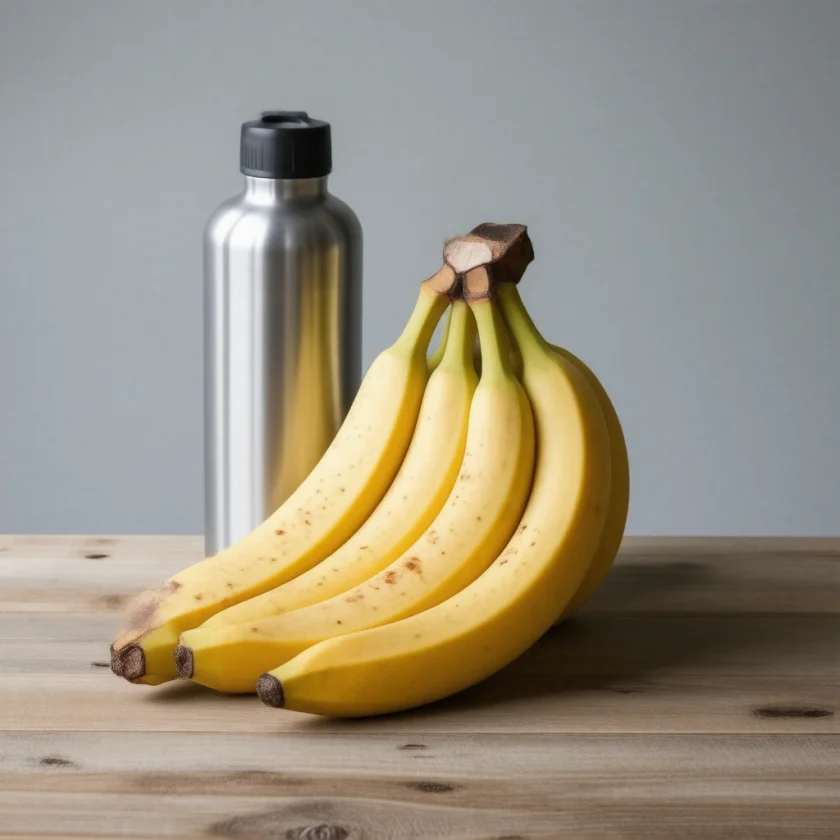
The banana is the most-studied "real food" alternative to engineered sports drinks. The David Nieman group at Appalachian State University and the North Carolina Research Campus has run a series of controlled trials in trained cyclists comparing bananas head-to-head with the standard 6% carbohydrate sports beverage; their PLOS ONE 2012 trial found similar performance, blood glucose and inflammation with bananas and the sports drink, with higher dopamine the main difference, and a 2018 trial found that bananas and a sugar drink had a comparable influence in limiting post-exercise metabolic change and inflammation. The iconic banana-for-muscle-cramps belief is more nuanced than usually assumed — modern evidence (Schwellnus, Miller) suggests exercise-associated muscle cramps are predominantly neuromuscular rather than electrolyte-driven, so the muscle-cramp benefit of bananas is real but not via the textbook "potassium" mechanism. This deep-dive walks through the fueling literature, the optimal banana timing for different exercise modalities, and the practical comparison with manufactured sports nutrition.
Table of Contents
- Why Bananas Suit Exercise: The Nutrient Match
- The Nieman Group Trials: Banana vs Sports Drink
- The Banana-Specific Signal: Dopamine, Oxylipins, Polyphenols
- Pre-Exercise Timing
- During-Exercise Use
- Post-Exercise Recovery
- Muscle Cramps: The Iconic Belief Reconsidered
- Hydration and Electrolyte Replacement
- Endurance vs Strength Training Use
- Comparison: Banana vs Sports Drink vs Gel
- Cautions for Athletes
- Key Research Papers
- Connections
- Featured Videos
Why Bananas Suit Exercise: The Nutrient Match
The banana matches up almost perfectly with what exercise physiology says an endurance athlete needs from a mid-workout food:
- Carbohydrate: ~27 g per medium fruit, a mix of glucose, fructose, and sucrose. The glucose-fructose blend uses both the SGLT1 (glucose) and GLUT5 (fructose) intestinal transporters in parallel, supporting carbohydrate absorption rates of 1.2-1.5 g per minute — well above the ~1.0 g/min ceiling of glucose alone.
- Low fat, low fiber (when ripe): minimal slowing of gastric emptying. A ripe banana clears the stomach in 30-45 minutes, comparable to a sports drink.
- Potassium: 422 mg, replacing some of the potassium lost in sweat (though sweat potassium losses are small — typically only 50-100 mg per liter of sweat).
- Vitamin B6: 0.43 mg, supporting glycogen phosphorylase activity (which uses P5P as a covalently bound cofactor) for muscle glycogen mobilization.
- Minimal protein and fat: 1.3 g protein, 0.4 g fat. Not a problem for short-duration exercise; insufficient for post-exercise muscle repair on its own.
- Magnesium and manganese: small amounts that contribute to mitochondrial adenosine triphosphate (ATP) synthesis.
- Phytochemicals: dopamine, catecholamines, polyphenols, and carotenoids that are not present in engineered sports drinks and may contribute to attenuated post-exercise inflammation.
- Convenience: portable, biodegradable packaging, room-temperature stable, costs less than $0.30 per fruit in most markets.
The match is so close that some sports-nutrition researchers consider the banana a near-ideal natural template that engineered sports nutrition has spent decades trying to approximate.
The Nieman Group Trials: Banana vs Sports Drink
David Nieman's exercise physiology lab at the Appalachian State University Human Performance Lab (later moved to the North Carolina Research Campus in Kannapolis) has run the most-cited series of trials comparing bananas to sports drinks in trained athletes.
Nieman 2012 (PLOS ONE): 14 trained cyclists completed two 75-km cycling time trials, randomly receiving either bananas or a 6% carbohydrate sports drink. Total carbohydrate intake was matched at 0.2 g/kg body weight every 15 minutes. Performance time and blood glucose did not differ between conditions. The authors reported:
- Similar performance, blood glucose, inflammation, oxidative stress, and innate immune levels in both trials
- Of 103 metabolites detected, only one (dopamine) changed differently, with higher dopamine after bananas
- Higher interleukin-10 (IL-10), interleukin-8 (IL-8) and ferric reducing ability of plasma (FRAP, an antioxidant measure) during the banana trial
Nieman 2015 (Journal of Proteome Research): 20 male athletes cycled 75 km while consuming water, bananas, or pears (0.6 g carbohydrate/kg each hour) in random order. Performance times were 5.0% faster with bananas and 3.3% faster with pears than with water (P = 0.018 and P = 0.091). With water alone, 107 metabolites (mostly lipid-related) rose more than 2-fold, a rise 48% and 52% smaller in the banana and pear trials. Metabolites unique to the fruit trials included fructose, fruit constituents, and sulfated phenolics linked to higher antioxidant capacity (FRAP). The authors concluded that bananas and pears improved 75-km cycling performance.
Nieman 2018 (PLOS ONE): 20 cyclists completed four 75-km time trials with two types of banana (Cavendish and mini-yellow, the latter with 63% more polyphenols), a 6% sugar drink, or water. Compared with water, all three carbohydrate trials had lower post-exercise leukocyte counts, interleukin-6 (IL-6), IL-10, interleukin-1 receptor antagonist and 9+13 HODEs (an oxylipin). The authors concluded that bananas and the sugar drink had a comparable influence in limiting metabolic disturbance and inflammation. The banana-only finding was lower COX-2 gene expression and lower reliance on glycolysis in monocytes cultured in post-exercise plasma.
Across these trials, bananas matched a sports drink for performance (2012) and a sugar drink for limiting post-exercise inflammation (2018), and bananas and pears improved performance compared with water alone. The banana is not magic; it is a natural carbohydrate source with co-delivered phytochemicals that engineered sports drinks lack.
The Banana-Specific Signal: Dopamine, Oxylipins, Polyphenols
The small metabolomic differences between banana and sports drink fueling point to compounds in whole fruit that may act beyond carbohydrate delivery alone.
- Dopamine in the banana pulp (~40 mg/kg): increases peripheral plasma dopamine after ingestion. Peripheral dopamine does not cross the blood-brain barrier intact, but it acts on peripheral D1 and D2 receptors with effects on splanchnic blood flow, renal function, and possibly modulation of the sympathetic nervous system response to exercise.
- Polyphenols (gallocatechin, gallic acid derivatives): the banana pulp contains modest but measurable polyphenol content. These compounds have antioxidant effects in vitro and modulate exercise-induced oxidative stress.
- Oxylipins: bioactive lipid mediators derived from polyunsaturated fatty acids that regulate inflammation. A 2020 Nieman trial in 59 cyclists (Frontiers in Nutrition) found that bananas eaten during a 75-km time trial were linked to lower post-exercise levels of pro-inflammatory oxylipins made from arachidonic acid by cytochrome P450 enzymes, compared with water alone (PubMed PMID: 32850939).
- Serotonin precursor: the modest tryptophan content combined with Vitamin B6 supports serotonin synthesis. This may contribute to the "calming" subjective feeling some athletes report after a banana.
The translation for the individual athlete is that in these trials a banana in place of a sports drink during a long workout did not slow performance. The differences are small at the individual-session level but may accumulate across a long training season.
Pre-Exercise Timing
A banana 30-60 minutes before exercise is a near-optimal pre-workout snack for most endurance disciplines:
- Ripeness: stage 5-7 (yellow with minor brown spots) for fastest gastric emptying and glucose availability. A green banana before exercise is harder to digest because of its resistant starch and may produce gastrointestinal (GI) distress.
- Timing: 30-60 minutes pre-exercise allows gastric emptying and initial absorption while avoiding insulin-mediated rebound hypoglycemia at exercise onset.
- Common pairing: a small amount of caffeine (a cup of coffee), which independently improves endurance performance by approximately 2-4% in trained athletes.
- High-fat or high-protein foods: eaten with the banana, these slow gastric emptying. Banana plus toast plus jam empties quickly; banana plus eggs and bacon does not (for endurance pre-fueling specifically).
For a longer endurance event (a marathon or a multi-hour cycling event), a banana eaten 60-90 minutes before the start helps top off muscle and liver glycogen and is generally well-tolerated by the gut.
During-Exercise Use
For exercise lasting 60 minutes or longer, carbohydrate intake during exercise improves performance. The current sports-nutrition consensus is:
- 60-90 minutes of exercise: 30-60 g of carbohydrate per hour
- 90 minutes to 2.5 hours: 60 g of carbohydrate per hour
- Greater than 2.5 hours: up to 90 g of carbohydrate per hour (requires glucose + fructose blend to exceed the 60 g glucose-transporter ceiling)
A medium banana delivers 27 g of carbohydrate, so one banana per hour falls within the recommended range for moderate-duration exercise. For longer events (ultramarathons, century rides), one banana per hour plus a sports drink or gel provides the needed carbohydrate flux. The Nieman trials used roughly half a banana every 15 minutes during 75 km of cycling, equivalent to about two bananas per hour — 54 g carbohydrate per hour, in the upper part of the recommended range.
Practical considerations during exercise:
- Bananas are easier to carry than they look — the peel is rugged and waterproof, and the fruit packs into a cycling jersey pocket without crushing as long as you do not crash on it.
- For running, bananas are less practical mid-run because they require two hands and the peel needs disposal. Sports gels are simpler in this context.
- For cycling, hiking, and rowing, bananas are excellent because you can stop for 30 seconds, peel, eat, and continue.
Post-Exercise Recovery
Post-exercise nutrition has two goals: muscle glycogen resynthesis and muscle protein repair. Bananas address the first but not the second.
Glycogen resynthesis: the window of accelerated muscle glycogen resynthesis is the first 30-60 minutes post-exercise, when GLUT4 translocation to the muscle membrane is upregulated independent of insulin. Carbohydrate consumed during this window is preferentially stored as muscle glycogen rather than liver glycogen or fat. The recommended intake for glycogen resynthesis is roughly 1.0-1.2 g of carbohydrate per kg body weight per hour for the first 4 hours post-exercise. For a 70 kg athlete, that is 70-84 g per hour — equivalent to three bananas per hour, which is unrealistic on its own. The practical approach is to combine 1-2 bananas with another carbohydrate source (oatmeal, rice, sports drink) immediately post-exercise.
Muscle protein repair: requires 20-40 g of high-biological-value protein within the first 2 hours post-exercise. Bananas contain only 1.3 g of protein and are nutritionally insufficient on this axis. A banana plus a scoop of whey protein, or a banana plus Greek yogurt, addresses both glycogen and protein in one meal.
The traditional banana-plus-chocolate-milk post-workout combination is well-supported: the chocolate milk provides carbohydrate (the lactose plus added sugar) and protein (8 g per cup), the banana adds more carbohydrate, potassium, and dopamine. This combination compares favorably with engineered recovery drinks in published trials.
Muscle Cramps: The Iconic Belief Reconsidered
The folk wisdom that "bananas prevent muscle cramps" is one of the most widespread beliefs in popular sports nutrition. The mechanism most people cite is "potassium for electrolyte balance," which is partially true but greatly overstates the role of dietary potassium in cramp prevention.
Modern exercise physiology has substantially revised the muscle cramp model. The dominant theoretical framework is now the altered neuromuscular control hypothesis proposed by Schwellnus and colleagues (BJSM 2009 review) and refined by Miller and others. The key observations driving this model are:
- Exercise-associated muscle cramps occur in athletes whose serum electrolytes are normal at the time of cramping.
- Cramps occur most often in the muscle groups doing the work (calves in runners, quads in cyclists), not throughout the body as one would expect if systemic electrolyte depletion were causative.
- In a 2010 trial (Miller et al.) in which cramps were electrically induced in dehydrated men, cramps lasted 84.6 seconds after a small drink of pickle juice versus 133.7 seconds after water, and plasma composition barely changed in that time, so the effect could not be explained by restored fluids or electrolytes (the often-quoted 35-second figure is anecdotal). This is consistent with a TRPV1/TRPA1 oropharyngeal reflex mechanism.
- Stretching aborts cramps consistently, which fits a neuromuscular control model (golgi tendon organ activation inhibiting alpha motor neuron firing) rather than an electrolyte model.
This does not mean bananas are useless for cramp-prone athletes. The likely modest benefit of bananas comes through several other mechanisms: maintaining adequate muscle glycogen (low glycogen is associated with cramping), supporting Vitamin B6-dependent muscle glycogen mobilization, replacing modest amounts of potassium and magnesium lost in sweat, and avoiding the dehydration that does contribute (alongside neuromuscular fatigue) to cramping risk. The folk wisdom is directionally correct but mechanistically imprecise.
Hydration and Electrolyte Replacement
Sweat electrolyte losses vary considerably by individual but typical ranges are:
- Sodium: 230-1,150 mg per liter of sweat (highly variable; "salty sweaters" lose much more)
- Potassium: 50-100 mg per liter
- Magnesium: 5-15 mg per liter
- Calcium: 10-30 mg per liter
Notice the asymmetry: sodium losses are 10-50 times higher than potassium losses, but the public-health and sports-nutrition focus is often on potassium. This is because sodium can be aggressively replaced through ordinary salty foods or sports drinks, whereas dietary potassium intake is chronically below the recommended adequate intake in most adults regardless of exercise.
For an exercise session producing 1-2 liters of sweat loss (typical of a hard 60-90 minute workout), the actual potassium loss is only 100-200 mg — one quarter of a banana's potassium content. The banana easily covers this loss. The sodium replacement, however, requires salty foods, salted nuts, or a sports drink — a banana alone is inadequate.
For multi-hour or hot-weather endurance events, the standard recommendation is to combine bananas with a sodium-containing sports drink, salty pretzels, or salt tablets. The combination addresses all four electrolyte needs (sodium, potassium, magnesium, chloride) reasonably well.
Endurance vs Strength Training Use
Most of the banana sports-nutrition literature is from endurance contexts (cycling, running, triathlon). The strength-training use case is different:
- Pre-strength-training: a banana plus a small protein source (whey shake, Greek yogurt) 60-90 minutes before training provides energy and amino acids without excessive volume in the stomach.
- During strength training: generally not needed unless the session is very long (greater than 90 minutes). Most strength sessions can be completed on stored glycogen alone with water.
- Post-strength-training: a banana plus a protein source (whey, milk, eggs) within the first hour supports glycogen resynthesis and protein repair. The carbohydrate-to-protein ratio for optimal strength recovery is approximately 3:1, which one banana (27 g carb) plus 8 g of protein closely approximates.
For high-volume training blocks (e.g., competitive weightlifting, military training), the banana's utility increases as session length and frequency increase.
Comparison: Banana vs Sports Drink vs Gel
| Attribute | Medium Banana (118g) | 12 oz Sports Drink (6%) | Sports Gel (32 g) |
|---|---|---|---|
| Carbohydrate | 27 g | 21 g | 22-25 g |
| Calories | 105 | 80 | 100 |
| Sodium | 1 mg | 160 mg | 50-200 mg (varies) |
| Potassium | 422 mg | 45 mg | 20-50 mg |
| Water | 88 g (in fruit) | 340 g | ~5 g |
| Phytochemicals | Yes (dopamine, polyphenols) | No | No |
| Vitamin B6 | 0.43 mg | 0 | 0 |
| Cost per serving | $0.20-0.40 | $1-2 | $1-3 |
| Packaging | Compostable peel | Plastic bottle (recyclable) | Foil-laminated plastic (typically landfill) |
| Best for | Pre/during/post moderate exercise | Hydration + carb in hot/long sessions | Compact carb in races where weight matters |
The banana wins on potassium density, phytochemical content, B6 content, cost, and environmental impact. The sports drink wins on sodium content and combined hydration delivery. The gel wins on compactness and the ability to consume mid-run without using both hands. For a typical 60-90 minute training session, the banana covers the main fuel needs on its own; for a hot multi-hour event, bananas plus a sports drink cover both carbohydrate and sodium.
Cautions for Athletes
- Gastrointestinal distress with green bananas: the high resistant starch content of unripe bananas can produce gas and bloating during exercise. Ripe (yellow, lightly spotted) bananas have less resistant starch.
- FODMAP-sensitive athletes: overripe bananas are high-FODMAP and can trigger gastrointestinal symptoms in sensitive athletes during exercise. Stage 5-6 bananas (yellow, minimal spots) carry less of this load than overripe ones.
- Insufficient sodium for hot-weather endurance: bananas alone are not adequate electrolyte replacement for multi-hour exercise in hot conditions. Salty foods or a sports drink supply the missing sodium.
- Insufficient protein for post-strength-training recovery: bananas alone do not provide adequate protein for muscle protein synthesis after resistance training. Whey, milk, eggs, or Greek yogurt supply the protein bananas lack.
- Latex-fruit syndrome: athletes with confirmed latex allergy may cross-react to bananas.
- Pre-competition gut training: any new fueling strategy — including switching from sports drink to bananas — is commonly tested in training before being used in competition, because the gut adapts to whatever fuel it sees regularly.
- Doping considerations: bananas are not on any banned-substance list, and the dopamine content of bananas (peripheral, non-CNS) does not produce a positive test for any banned substance.
Key Research Papers
- Nieman DC, Gillitt ND, Henson DA et al., Bananas as an energy source during exercise: a metabolomics approach — PLoS One 2012;7(5):e37479. — PubMed PMID: 22616015
- Nieman DC, Gillitt ND, Sha W et al., Metabolomics-Based Analysis of Banana and Pear Ingestion on Exercise Performance and Recovery — J Proteome Res 2015;14(12):5367-5377. — PubMed PMID: 26561314
- Nieman DC, Gillitt ND, Sha W, Esposito D, Ramamoorthy S, Metabolic recovery from heavy exertion following banana compared to sugar beverage or water only ingestion: A randomized, crossover trial — PLoS One 2018;13(3):e0194843. — PubMed PMID: 29566095
- Nieman DC, Gillitt ND, Chen GY et al., Blueberry and/or Banana Consumption Mitigate Arachidonic, Cytochrome P450 Oxylipin Generation During Recovery From 75-Km Cycling: A Randomized Trial — Front Nutr 2020;7:121. — PubMed PMID: 32850939
- Jeukendrup AE, Carbohydrate intake during exercise and performance. — Search PubMed
- Jentjens RL, Jeukendrup AE, Determinants of post-exercise glycogen synthesis. — Search PubMed
- Schwellnus MP et al., Exercise-associated muscle cramps: review of evidence and altered neuromuscular control hypothesis — BJSM 2009. — Search PubMed
- Miller KC, Mack GW, Knight KL et al., Reflex inhibition of electrically induced muscle cramps in hypohydrated humans — Med Sci Sports Exerc 2010;42(5):953-961. — PubMed PMID: 19997012
- Stofan JR et al., Sweat sodium and potassium losses in athletes PubMed: Sweat electrolyte losses
- Ivy JL, Glycogen resynthesis after exercise: effect of carbohydrate intake timing PubMed: Glycogen resynthesis
- Phillips SM, Van Loon LJ, Dietary protein for athletes — J Sports Sci 2011. — PubMed PMID: 22150425
- Pritchett K et al., Acute effects of chocolate milk on recovery from endurance exercise PubMed: Chocolate milk recovery
- Currell K, Jeukendrup AE, Superior endurance performance with combined glucose and fructose PubMed: Glucose-fructose
Connections
- All Food
- Bananas Benefits (Hub)
- Bananas (Main Page)
- Potassium & Heart Rhythm
- Resistant Starch: Green vs Ripe
- Vitamin B6 & Mood
- Potassium
- Magnesium
- Sodium
- Vitamin B6
- Sweet Potatoes (Athletic Carb Source)
- Oats (Pre-Workout Carb)
- Eggs (Post-Workout Protein)
- Milk (Chocolate Milk Recovery)
- Exercise as Remedy
- Electrolyte Panel
- History
- Nutrients