Quercetin for Allergy and Histamine
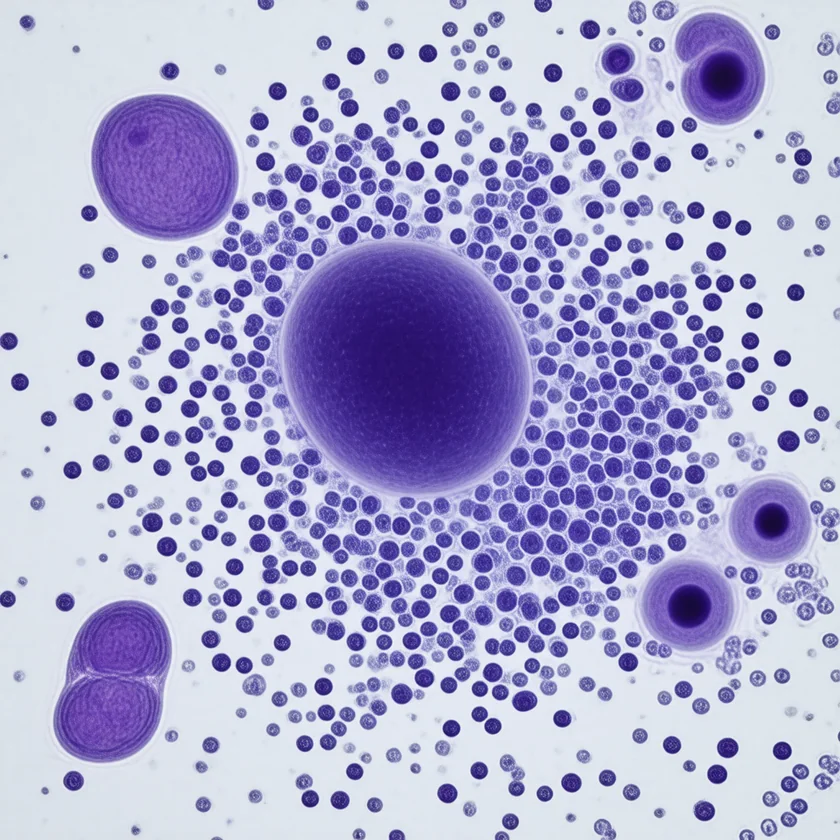
Mast cells release histamine and other mediators when IgE antibodies bound to their high-affinity receptor (FcεRI) are cross-linked by an allergen. IgE and mast cells are linked to anaphylaxis and other acute allergic reactions and, a 2012 review argues, also to the long-term tissue changes of chronic allergic inflammation in asthma (Galli 2012). Quercetin, a dietary flavonol, was reported in 1981 as an inhibitor of antigen-induced histamine release from human basophils (Middleton 1981) and in 1984 inhibited antigen-induced histamine release from rat intestinal mast cells (Pearce 1984). Since then it has been tested in cultured human mast cells, in rodent models of allergic disease and in a few small human trials in pollen allergy; a 2025 review counted only two clinical trials of quercetin on its own in allergic disease (Naso 2025). This page reports what those studies found, what they did not test, the forms and doses they used, and the safety and drug-interaction findings.
Table of Contents
- The Mast Cell — What It Is and Why It Matters
- The Degranulation Cascade — From the IgE Receptor to Mediator Release
- What Laboratory Studies Show Quercetin Does to Mast Cells
- Quercetin, Cromolyn and Antihistamines: What Has Been Compared
- Allergic Rhinitis and Hay Fever
- Allergic Asthma
- Chronic Urticaria and Mast Cell Activation Syndrome (MCAS)
- Atopic Dermatitis (Eczema) and Other Skin Conditions
- Doses and Forms Used in the Studies
- Safety and Drug-Interaction Findings
- Key Research Papers
- Connections
- Featured Videos
The Mast Cell — What It Is and Why It Matters
Mast cells are hematopoietic cells that reside in virtually all vascularized tissues and can secrete a broad spectrum of cytokines, chemokines and growth factors when activated by immune or non-immune stimuli (Mukai 2018). Studies of cultured human mast cells measure histamine, tryptase, leukotrienes, prostaglandin D2 and the cytokines IL-6, IL-8 and TNF among them (Kempuraj 2005, Weng 2012).
IgE antibodies and mast cells have been so convincingly linked to anaphylaxis and other acute allergic reactions that, in the words of a 2012 review, it can be difficult to think of them in other contexts; the same review summarises evidence that both are also key drivers of the long-term changes and tissue remodelling of chronic allergic inflammation in asthma and other settings, with roles that are partly linked and partly independent of each other (Galli 2012).
Mast cells are not activated only through IgE. Substance P, a neuropeptide, is one of the non-immune triggers studied in skin conditions such as contact dermatitis and photosensitivity (Weng 2012), and other receptors on the mast cell, such as KIT, can influence how much mediator is released (Gilfillan 2006). Mast cell activation is seen in IgE-dependent allergy, other immunologic and inflammatory reactions, primary mast-cell disorders and hereditary alpha tryptasemia (Valent 2020). Mast cell activation syndrome (MCAS), described in the MCAS section below, is a narrower diagnosis with its own consensus criteria.
The Degranulation Cascade — From the IgE Receptor to Mediator Release
Mast-cell activation through the high-affinity IgE receptor, FcεRI, is considered a key event in allergic inflammation. A 2006 review describes FcεRI-dependent degranulation as regulated by two complementary signalling pathways, one activating phospholipase Cγ and the other activating phosphatidylinositol 3-kinase (PI3K), each using its own transmembrane and cytosolic adaptor molecules; how strongly other receptors such as KIT influence mediator release may depend on how well they activate these pathways (Gilfillan 2006).
A rise in calcium inside the cell is one of the steps studied in these experiments. In cultured human mast cells activated with anti-IgE, the flavonols quercetin, kaempferol, myricetin and morin suppressed the rise in intracellular calcium in a dose-dependent way, and the authors propose that inhibition of calcium influx and of protein kinase C theta signalling may explain how flavonols reduce mediator release (Kempuraj 2005). In LAD2 mast cells, quercetin also prevented IgE-triggered calcium influx (Zhao 2025).
What Laboratory Studies Show Quercetin Does to Mast Cells
The studies below were done in isolated cells or animals. None of them measured an effect in people.
- Rat intestinal mast cells (Pearce 1984) — quercetin inhibited anaphylactic histamine release from mucosal mast cells isolated from the small bowel of rats previously infected with the nematode Nippostrongylus brasiliensis; in the authors' earlier work, the drug cromoglycate (cromolyn) had been inactive in this system. The effect was immediate and did not decrease when the cells were pre-incubated with quercetin. Acacetin, apigenin, chrysin and phloretin were also active but less potent than quercetin; catechin, flavone, morin and taxifolin were inactive. In mast cells from the rat peritoneum, acacetin and chrysin were more active than quercetin. Rutin, the glycoside of quercetin, was inactive in both types of mast cell.
- Human cord-blood-derived mast cells (Kempuraj 2005) — the cells were pre-incubated for 15 minutes with quercetin, kaempferol, myricetin or morin at 0.01 to 100 µM and then activated with anti-IgE. At 100 µM, quercetin and kaempferol inhibited the release of IL-6, IL-8 and TNF by 82–93%; quercetin, kaempferol and myricetin inhibited tryptase release by 79–96% and histamine release by 52–77%.
- Mast-cell lines (Min 2007, Park 2008) — in the human mast-cell line HMC-1, stimulated with a phorbol ester and a calcium ionophore, quercetin decreased the gene expression and production of TNF, IL-1β, IL-6 and IL-8 and reduced the activation of NF-κB and p38 MAP kinase (Min 2007). A comparison of six flavonoids found that fisetin, kaempferol, myricetin, quercetin and rutin inhibited histamine release and the rise in intracellular calcium in RBL-2H3 cells, and that fisetin, quercetin and rutin decreased all four cytokines measured in HMC-1 cells (Park 2008).
- Histidine decarboxylase (Kempuraj 2006) — in HMC-1 cells, quercetin decreased the release of tryptase and IL-6 and down-regulated the messenger RNA of histidine decarboxylase, the enzyme that makes histamine.
- Cultured human mast cells compared with cromolyn (Weng 2012) — quercetin inhibited the rise in cytosolic calcium and the activation of NF-κB; the comparison with cromolyn is described in the next section.
- A mouse model of chronic urticaria (Zhao 2025) — in mice sensitised with ovalbumin, quercetin reduced wheals, scratching, eosinophil infiltration and mast-cell degranulation in skin lesions, and lowered serum IgE, histamine, TNF, MCP-1 and IL-13. In LAD2 mast cells it bound the receptor CD300f and prevented IgE-triggered degranulation, histamine release and calcium influx.
Laboratory and human concentrations. The cultured-cell experiments used up to 100 µM quercetin (Kempuraj 2005, Weng 2012). In healthy volunteers taking 150 mg/day of quercetin for two weeks, the median peak plasma quercetin concentration was 431 nmol/L, with high variation between people (Egert 2008). After a single 150 mg or 300 mg dose of quercetin-4′-O-glucoside, plasma quercetin peaked at 4.66 and 9.72 µM at 30 minutes (Hubbard 2004). Weng and colleagues describe quercetin as a promising mast-cell inhibitor “especially in formulations that permit more sufficient oral absorption”.
Quercetin, Cromolyn and Antihistamines: What Has Been Compared
Cromolyn (disodium cromoglycate) is described by Weng and colleagues as the only compound marketed as a mast cell “stabilizer”, and as not particularly effective in blocking human mast cells (Weng 2012). In their experiments:
- quercetin and cromolyn, both at 100 µM, were similarly effective in inhibiting the secretion of histamine and prostaglandin D2 from cultured human mast cells, and both inhibited histamine, leukotrienes and prostaglandin D2 from human cord-blood-derived mast cells stimulated with IgE/anti-IgE;
- quercetin was more effective than cromolyn in inhibiting IL-8 and TNF release from LAD2 mast cells stimulated by substance P;
- quercetin worked when added before the trigger, whereas cromolyn had to be added together with the trigger or it rapidly lost its effect.
These are cell-culture results. No study comparing quercetin with cromolyn, or with an antihistamine, in people was found in a PubMed search (October 2026). One of the Weng study's authors worked for the supplement company that supplied the water-soluble quercetin used, as the paper discloses.
Allergic Rhinitis and Hay Fever
The human trials of quercetin in allergic rhinitis are small placebo-controlled studies in Japanese adults with pollen allergy:
- Kawai 2009 — 20 people with Japanese cedar pollinosis took two capsules daily of 100 mg enzymatically modified isoquercitrin (EMIQ, a quercetin glycoside) or placebo for 8 weeks during the pollen season. Over the whole study, total eye-symptom scores and eye-itching scores were significantly lower with EMIQ; the total nasal score only trended lower (p = 0.06 in weeks 4–5). Serum IgE and the cytokines measured were not significantly lowered.
- Hirano 2009 — 24 people with Japanese cedar pollinosis took 100 mg EMIQ or placebo for 8 weeks, starting 4 weeks before pollen release. The combined eye-symptom and medication score was significantly lower with EMIQ over the whole study period; no significant differences were found in nasal symptoms. Serum IgE was not significantly lowered.
- Yamada 2022 — 66 adults aged 22–78 with pollen-allergy symptoms took 200 mg/day of quercetin, in a lecithin-based phytosome formulation, or a placebo for 4 weeks. Several scores on a Japanese rhinoconjunctivitis quality-of-life questionnaire, including eye itching, sneezing, nasal discharge and sleep disorder, improved significantly compared with placebo; the authors conclude that quercetin-containing supplements might reduce some pollen-allergy symptoms.
A 2025 meta-analysis pooled 13 randomized trials (823 participants) of polyphenolic compounds in general, such as catechins or quercetin, not quercetin alone. In seasonal allergic rhinitis, the compounds reduced total nasal symptom scores, sneezing and nasal itching; effects on quality of life were not significant, and the overall certainty of the evidence for the key nasal outcomes was rated low to very low because of inconsistency and risk of bias (Lai 2025). A 2016 review lists inhibition of histamine release, lower pro-inflammatory cytokines and leukotrienes, suppressed IL-4 production and restrained antigen-specific IgE formation among the anti-allergic properties attributed to quercetin (Mlcek 2016); a 2020 review covers allergic asthma, allergic rhinitis and atopic dermatitis (Jafarinia 2020).
Allergic Asthma
A 2012 review summarises evidence that IgE and mast cells drive not only acute allergic reactions but also the long-term changes and tissue remodelling of chronic allergic inflammation in asthma (Galli 2012).
Most of the asthma evidence for quercetin comes from animals. A 2025 systematic review and meta-analysis of 13 rodent studies of allergic disease models found that quercetin lowered total and ovalbumin-specific IgE and histamine, reduced the infiltration of eosinophils, macrophages and lymphocytes, lowered IL-4 and TNF and raised interferon-γ. The authors note large differences between studies and methodological limitations, and state that use in people has to be evaluated in well-designed trials (Lv 2025).
The human evidence is thin. In a 30-day pilot registry from Italy, people with mild-to-moderate asthma attacks and rhinitis chose either standard management alone or standard management plus one or two tablets a day of a quercetin phytosome product; the authors report fewer daily and night symptoms, higher peak expiratory flow and less use of inhalers and rescue medication in the quercetin group (Cesarone 2019). A registry of this kind is not randomized or blinded. No randomized placebo-controlled trial of quercetin alone in asthma was found in a PubMed search (October 2026).
Blood-pressure research is covered on the Cardiovascular Health page and the antiviral research on the Zinc Ionophore page. Asthma itself is covered on the Asthma page.
Chronic Urticaria and Mast Cell Activation Syndrome (MCAS)
Urticaria. The 2022 international urticaria guideline describes urticaria as a frequent, mast cell-driven disease that presents with wheals, angioedema or both; the lifetime prevalence of acute urticaria is about 20%, and chronic spontaneous or inducible urticaria is disabling and impairs quality of life (Zuberbier 2022). Quercetin's urticaria evidence is from animals and cells: in a mouse model of chronic urticaria it reduced wheals, scratching and mast-cell degranulation (Zhao 2025, described above). No clinical trial of quercetin in chronic urticaria was found in a PubMed search (October 2026).
Mast cell activation syndrome. Under the consensus criteria described in a 2020 review, MCAS is diagnosed when severe systemic mast-cell activation is shown by a substantial increase in serum tryptase above the person's own baseline, and the symptoms are recurrent, involve more than one organ system and respond to drugs that stabilise mast cells or target their mediators. MCAS is then classed as primary (KIT-mutated, clonal mast cells), secondary (an underlying IgE-dependent allergy or other triggering condition) or idiopathic (Valent 2020). A 2021 critical review notes that alternative diagnostic criteria often lack specificity and validation, and that an increasing number of patients are given a misdiagnosis of MCAS based on nonspecific criteria, which can delay recognition of the conditions actually responsible (Gülen 2021).
No clinical trial of quercetin in MCAS was found in a PubMed search (October 2026). A 2025 case report describes a 42-year-old woman with complex regional pain syndrome, hypermobile Ehlers-Danlos syndrome and a family history of MCAS whose regimen included montelukast, cromolyn and a gastrointestinal regimen that included quercetin with bromelain; her course was followed over six months during which her health declined (Shabbir 2025). A single case report cannot show whether any one element helped. A 2019 paper on fibromyalgia puts forward the hypothesis that mast cells in the thalamus contribute to pain and inflammation, and that inhibiting mast-cell stimulation could be a new approach to the condition (Theoharides 2019); it does not report a trial.
Allergies are covered on the Allergies page and POTS on the POTS page.
Atopic Dermatitis (Eczema) and Other Skin Conditions
The atopic dermatitis evidence for quercetin is preclinical. A 2025 review states that preclinical evidence supports its potential in asthma, conjunctivitis, atopic dermatitis and food allergies, while human studies are still scarce (Naso 2025); the 2025 animal meta-analysis described in the asthma section pooled rodent models of allergic disease in general (Lv 2025). No randomized trial of oral quercetin in atopic dermatitis was found in a PubMed search (October 2026).
In two other skin conditions, Weng and colleagues report two small open-label pilot trials in which quercetin significantly decreased contact dermatitis and photosensitivity, conditions the authors describe as not responding to conventional treatment (Weng 2012). Open-label pilots have no placebo group.
Doses and Forms Used in the Studies
These are the doses the cited studies used. They are reported as study details, not as instructions; decisions about supplements belong with a clinician.
- Pollen-allergy trials — two capsules daily of 100 mg EMIQ for 8 weeks during the pollen season (Kawai 2009); 100 mg EMIQ for 8 weeks, starting 4 weeks before pollen release (Hirano 2009); 200 mg/day of quercetin in a lecithin phytosome formulation for 4 weeks (Yamada 2022).
- Asthma registry — one or two tablets a day of a quercetin phytosome product for 30 days, with standard management (Cesarone 2019).
- Absorption study — 50, 100 or 150 mg/day of quercetin for 2 weeks (Egert 2008).
- Upper-respiratory trials — the doses used in these trials are described on the Zinc Ionophore page.
Absorption of different forms.
- Plain quercetin — a 2019 pharmacokinetic paper describes quercetin's poor solubility and low oral absorption as its major drawbacks (Riva 2019). In healthy volunteers taking 150 mg/day, the median peak plasma concentration was 431 nmol/L, reached 360 minutes after intake (Egert 2008).
- Enzymatically modified isoquercitrin (EMIQ) — in people, its absorption was significantly higher than that of isoquercitrin (quercetin-3-O-glucoside) or rutin, and the profile of quercetin metabolites in plasma did not differ from that after isoquercitrin (Murota 2010). EMIQ is the form used in the two cedar-pollen trials.
- Quercetin-4′-O-glucoside — plasma quercetin peaked at 4.66 and 9.72 µM 30 minutes after single 150 mg and 300 mg doses (Hubbard 2004).
- Lecithin phytosome formulation — in a 12-volunteer crossover study whose authors are employees of the formulation's manufacturer, a quercetin–lecithin phytosome produced plasma levels up to 20 times those usually obtained with unformulated quercetin, with no notable side effects (Riva 2019). The same type of formulation was used in the Yamada 2022 trial.
- Quercetin with bromelain — the combination appears in the MCAS case report above (Shabbir 2025). No human pharmacokinetic study of quercetin absorption with and without bromelain was found in a PubMed search (October 2026), so the claim that bromelain improves quercetin absorption is not supported by a published human measurement.
Safety and Drug-Interaction Findings
- General safety — a 2018 review by Germany's Federal Institute for Risk Assessment found that adverse effects of supplemental quercetin have rarely been reported in human intervention studies and were mild; quercetin supplements are frequently marketed in daily doses of up to 1000 mg, above usual dietary intake, and adequate data on long-term use (more than 12 weeks) of doses of 1000 mg or more are not available. Animal studies raised possible concerns: enhancement of kidney-damaging effects in a previously damaged kidney, and promotion of tumour development, especially in estrogen-dependent cancer (Andres 2018).
- CYP3A drugs — in 18 healthy men, 500 mg/day of quercetin for 13 days lowered blood levels of the CYP3A substrate midazolam, which the authors interpret as induction of CYP3A activity, more prominent in carriers of the CYP3A5*1 allele (Duan 2012).
- Cyclosporine — in pigs and rats, quercetin given with the immunosuppressant cyclosporine significantly decreased cyclosporine's oral bioavailability. The authors note cyclosporine's narrow therapeutic window and state that combining quercetin with cyclosporine or other drugs handled by P-glycoprotein or CYP3A4 requires close monitoring (Hsiu 2002).
- Platelets, anticoagulants and antiplatelet drugs — in a pilot study in people, platelet aggregation was inhibited 30 and 120 minutes after single 150 mg and 300 mg doses of quercetin-4′-O-glucoside (Hubbard 2004). In a pilot study whose first author is an employee of the formulation's manufacturer, 10 days of a quercetin phytosome product did not significantly change bleeding time in 30 people taking aspirin, ticlopidine or clopidogrel, and 20 days did not significantly change the INR in 20 people taking warfarin or dabigatran (Riva 2019, interaction study). Platelet research is also covered on the Cardiovascular Health page.
- Kidneys — in a phase I cancer trial of intravenous quercetin, dose-limiting kidney toxicity appeared at 1700 mg/m²; at 1400 mg/m², 2 of 10 evaluable patients had renal toxicity, and at 945 mg/m², 3 of 14 had clinically significant renal toxicity (Ferry 1996). These were intravenous doses, not oral supplements. The 2018 safety review lists the possible enhancement of kidney damage in an already damaged kidney, seen in animals, among its concerns (Andres 2018).
- Pregnancy, breastfeeding and thyroid medicine — no human studies of quercetin supplements in pregnancy or breastfeeding, and no human study of quercetin and levothyroxine absorption, were found in a PubMed search (October 2026).
Key Research Papers
- Pearce FL, Befus AD, Bienenstock J (1984). Mucosal mast cells. III. Effect of quercetin and other flavonoids on antigen-induced histamine secretion from rat intestinal mast cells. Journal of Allergy and Clinical Immunology 73(6):819–823. — PubMed PMID: 6202731
- Middleton E Jr, Drzewiecki G, Krishnarao D (1981). Quercetin: an inhibitor of antigen-induced human basophil histamine release. Journal of Immunology 127(2):546–550. — PubMed PMID: 6166675
- Mlcek J, Jurikova T, Skrovankova S, Sochor J (2016). Quercetin and its anti-allergic immune response. Molecules 21(5):623. — PubMed PMID: 27187333
- Jafarinia M, Sadat Hosseini M, Kasiri N, et al. (2020). Quercetin with the potential effect on allergic diseases. Allergy, Asthma & Clinical Immunology 16:36. — PubMed PMID: 32467711
- Kempuraj D, Madhappan B, Christodoulou S, et al. (2005). Flavonols inhibit proinflammatory mediator release, intracellular calcium ion levels and protein kinase C theta phosphorylation in human mast cells. British Journal of Pharmacology 145(7):934–944. — PubMed PMID: 15912140
- Min YD, Choi CH, Bark H, et al. (2007). Quercetin inhibits expression of inflammatory cytokines through attenuation of NF-kappaB and p38 MAPK in HMC-1 human mast cell line. Inflammation Research 56(5):210–215. — PubMed PMID: 17588137
- Park HH, Lee S, Son HY, et al. (2008). Flavonoids inhibit histamine release and expression of proinflammatory cytokines in mast cells. Archives of Pharmacal Research 31(10):1303–1311. — PubMed PMID: 18958421
- Weng Z, Zhang B, Asadi S, et al. (2012). Quercetin is more effective than cromolyn in blocking human mast cell cytokine release and inhibits contact dermatitis and photosensitivity in humans. PLoS ONE 7(3):e33805. — PubMed PMID: 22470478
- Theoharides TC, Tsilioni I, Bawazeer M (2019). Mast cells, neuroinflammation and pain in fibromyalgia syndrome. Frontiers in Cellular Neuroscience 13:353. — PubMed PMID: 31427928
- Egert S, Wolffram S, Bosy-Westphal A, et al. (2008). Daily quercetin supplementation dose-dependently increases plasma quercetin concentrations in healthy humans. Journal of Nutrition 138(9):1615–1621. — PubMed PMID: 18716159
- Riva A, Ronchi M, Petrangolini G, Bosisio S, Allegrini P (2019). Improved oral absorption of quercetin from Quercetin Phytosome®, a new delivery system based on food grade lecithin. European Journal of Drug Metabolism and Pharmacokinetics 44(2):169–177. — PubMed PMID: 30328058 (the authors are employees of the formulation's manufacturer; this entry replaces a citation to a 2019 “quercetin phytosome in pre-allergic seasonal rhinitis” paper in Minerva Gastroenterologica e Dietologica for which no record was found in PubMed or Crossref)
- Hirano T, Kawai M, Arimitsu J, et al. (2009). Preventative effect of a flavonoid, enzymatically modified isoquercitrin on ocular symptoms of Japanese cedar pollinosis. Allergology International 58(3):373–382. — PubMed PMID: 19454839
- Kawai M, Hirano T, Arimitsu J, et al. (2009). Effect of enzymatically modified isoquercitrin, a flavonoid, on symptoms of Japanese cedar pollinosis: a randomized double-blind placebo-controlled trial. International Archives of Allergy and Immunology 149(4):359–368. — PubMed PMID: 19295240
- Yamada S, Shirai M, Inaba Y, Takara T (2022). Effects of repeated oral intake of a quercetin-containing supplement on allergic reaction: a randomized, placebo-controlled, double-blind parallel-group study. European Review for Medical and Pharmacological Sciences 26(12):4331–4345. — PubMed PMID: 35776034
- Lai YR, Liao YH, Huang L, et al. (2025). Clinical effects of polyphenolic compounds on allergic rhinitis: a systematic review and meta-analysis. Journal of Allergy and Clinical Immunology: In Practice 13(9):2475–2491.e16. — PubMed PMID: 40618891
- Naso M, Trincianti C, Tosca MA, Ciprandi G (2025). Quercetin and its lecithin-based formulation: potential applications for allergic diseases based on a narrative review. Nutrients 17(9):1476. — PubMed PMID: 40362785
- Lv Z, Pan Z, Huang Y, Yang H, Li X (2025). Quercetin exhibits multi-target anti-allergic effects in animal models: a systematic review and meta-analysis of preclinical studies. Frontiers in Pharmacology 16:1673712. — PubMed PMID: 41357894
- Cesarone MR, Belcaro G, Hu S, et al. (2019). Supplementary prevention and management of asthma with quercetin phytosome: a pilot registry. Minerva Medica 110(6):524–529. — PubMed PMID: 31578841
- Galli SJ, Tsai M (2012). IgE and mast cells in allergic disease. Nature Medicine 18(5):693–704. — PubMed PMID: 22561833
- Gilfillan AM, Tkaczyk C (2006). Integrated signalling pathways for mast-cell activation. Nature Reviews Immunology 6(3):218–230. — PubMed PMID: 16470226
- Mukai K, Tsai M, Saito H, Galli SJ (2018). Mast cells as sources of cytokines, chemokines, and growth factors. Immunological Reviews 282(1):121–150. — PubMed PMID: 29431212
- Kempuraj D, Castellani ML, Petrarca C, et al. (2006). Inhibitory effect of quercetin on tryptase and interleukin-6 release, and histidine decarboxylase mRNA transcription by human mast cell-1 cell line. Clinical and Experimental Medicine 6(4):150–156. — PubMed PMID: 17191106
- Zhao C, Wang N, Wang C, et al. (2025). Quercetin alleviates chronic urticaria by negatively regulating IgE-mediated mast cell activation through CD300f. Phytotherapy Research 39(7):3033–3045. — PubMed PMID: 40309955
- Zuberbier T, Abdul Latiff AH, Abuzakouk M, et al. (2022). The international EAACI/GA²LEN/EuroGuiDerm/APAAACI guideline for the definition, classification, diagnosis, and management of urticaria. Allergy 77(3):734–766. — PubMed PMID: 34536239
- Valent P, Akin C, Nedoszytko B, et al. (2020). Diagnosis, classification and management of mast cell activation syndromes (MCAS) in the era of personalized medicine. International Journal of Molecular Sciences 21(23):9030. — PubMed PMID: 33261124
- Gülen T, Akin C, Bonadonna P, et al. (2021). Selecting the right criteria and proper classification to diagnose mast cell activation syndromes: a critical review. Journal of Allergy and Clinical Immunology: In Practice 9(11):3918–3928. — PubMed PMID: 34166845
- Shabbir Z, Mazdeyasnan L, McLain M (2025). A case of complex regional pain syndrome with hypermobile Ehlers-Danlos syndrome and mast cell activation syndrome: the role of unconventional therapies. Cureus 17(7):e87898. — PubMed PMID: 40809669
- Murota K, Matsuda N, Kashino Y, et al. (2010). alpha-Oligoglucosylation of a sugar moiety enhances the bioavailability of quercetin glucosides in humans. Archives of Biochemistry and Biophysics 501(1):91–97. — PubMed PMID: 20638359
- Hubbard GP, Wolffram S, Lovegrove JA, Gibbins JM (2004). Ingestion of quercetin inhibits platelet aggregation and essential components of the collagen-stimulated platelet activation pathway in humans. Journal of Thrombosis and Haemostasis 2(12):2138–2145. — PubMed PMID: 15613018
- Andres S, Pevny S, Ziegenhagen R, et al. (2018). Safety aspects of the use of quercetin as a dietary supplement. Molecular Nutrition & Food Research 62(1). — PubMed PMID: 29127724
- Duan KM, Wang SY, Ouyang W, Mao YM, Yang LJ (2012). Effect of quercetin on CYP3A activity in Chinese healthy participants. Journal of Clinical Pharmacology 52(6):940–946. — PubMed PMID: 21680781
- Hsiu SL, Hou YC, Wang YH, et al. (2002). Quercetin significantly decreased cyclosporin oral bioavailability in pigs and rats. Life Sciences 72(3):227–235. — PubMed PMID: 12427482
- Riva A, Corti A, Belcaro G, et al. (2019). Interaction study between antiplatelet agents, anticoagulants, diabetic therapy and a novel delivery form of quercetin. Minerva Cardioangiologica 67(1):79–83. — PubMed PMID: 30226032 (first author affiliated with the formulation's manufacturer)
- Ferry DR, Smith A, Malkhandi J, et al. (1996). Phase I clinical trial of the flavonoid quercetin: pharmacokinetics and evidence for in vivo tyrosine kinase inhibition. Clinical Cancer Research 2(4):659–668. — PubMed PMID: 9816216
PubMed Topic Searches
Connections
- Quercetin Overview
- Quercetin Benefits Hub
- Quercetin for Cardiovascular Health
- Quercetin Senolytic Activity (D+Q)
- Quercetin Zinc Ionophore
- Fisetin (Sister Flavonol)
- Fisetin Inflammation & Allergy
- Allergies
- Asthma
- POTS (MCAS Overlap)
- Vitamin C (Quercetin Co-Factor)
- Stinging Nettle
- Butterbur
- Immune Boosting
- Apples (Dietary Quercetin)
- Onions (Highest Dietary Quercetin)
- Calcium — the mineral whose cytosolic influx is the mast-cell degranulation trigger quercetin blunts.
- History