Botanical and Algal Sources
The Compounds (7)
French Maritime Pine Bark
A standardized French maritime pine bark extract of procyanidins, studied in many trials for circulation, venous health, blood pressure and skin.
Read the deep dive →Grape Seed Extract
Concentrated from wine-grape seeds, this OPC-rich extract has its best clinical evidence for blood pressure, venous insufficiency and LDL oxidation.
Read the deep dive →Bilberry
A wild European cousin of the blueberry, rich in anthocyanins and studied for eye health, night vision and small-vessel circulation.
Read the deep dive →Spirulina
Blue-green cyanobacterium eaten since Aztec times, rich in protein and the pigment phycocyanin, studied for immune, allergy, cardiovascular and blood-sugar effects.
Read the deep dive →Chlorella
Single-celled green freshwater algae dense in protein and chlorophyll, studied for immune, metabolic and heavy-metal effects; its vitamin K matters alongside warfarin.
Read the deep dive →Sea Moss
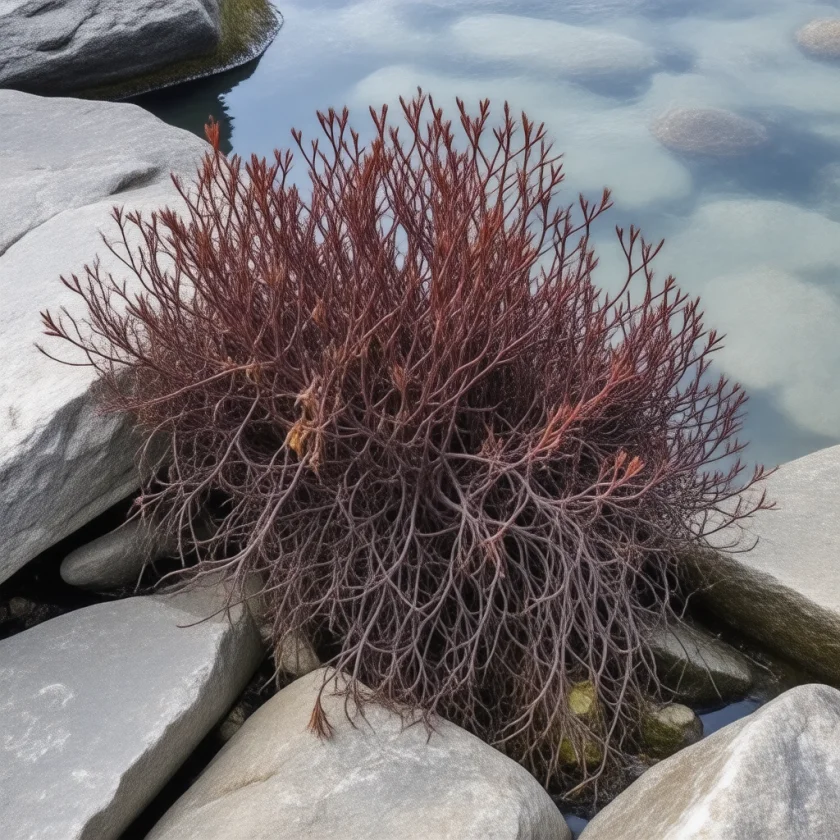
Irish moss, a mineral-rich red seaweed traditionally eaten as a gel; its high iodine raises thyroid cautions, and blood-thinner interactions are flagged.
Read the deep dive →Chlorophyll
The green plant pigment and its copper-based derivative chlorophyllin; the one strong human trial involved aflatoxin, while popular detox claims remain untested.
Read the deep dive →Whole extracts and organisms rather than single molecules — berry and bark extracts, and the algae. They are grouped by what they ARE because that is what makes them different: an extract is a mixture whose composition varies by batch and standardisation, so the label matters as much as the plant.