Chlorophyll and Chlorophyllin
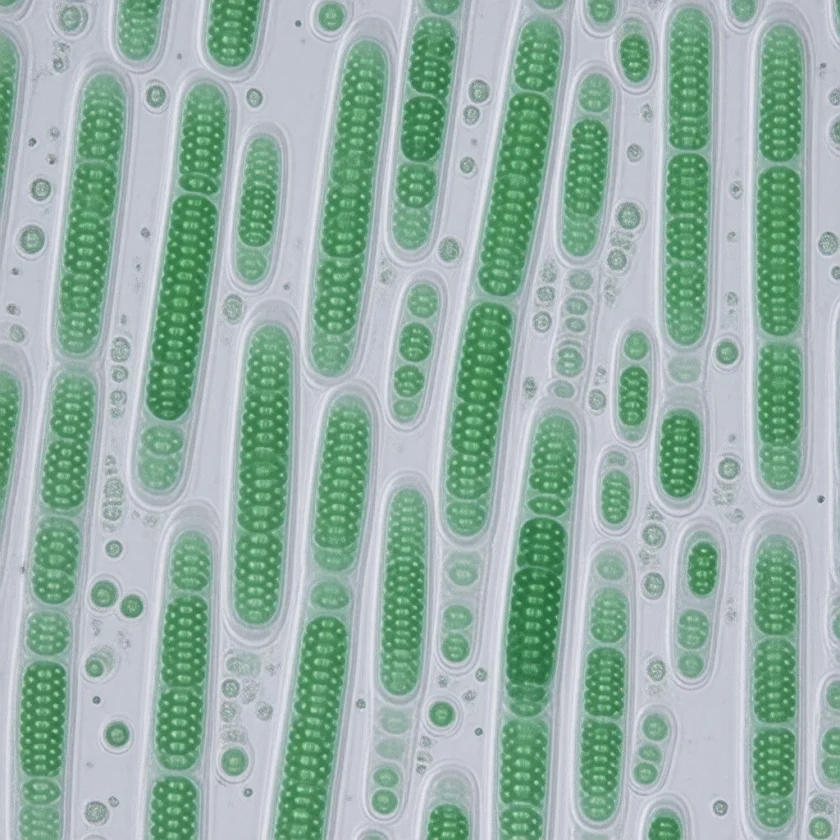
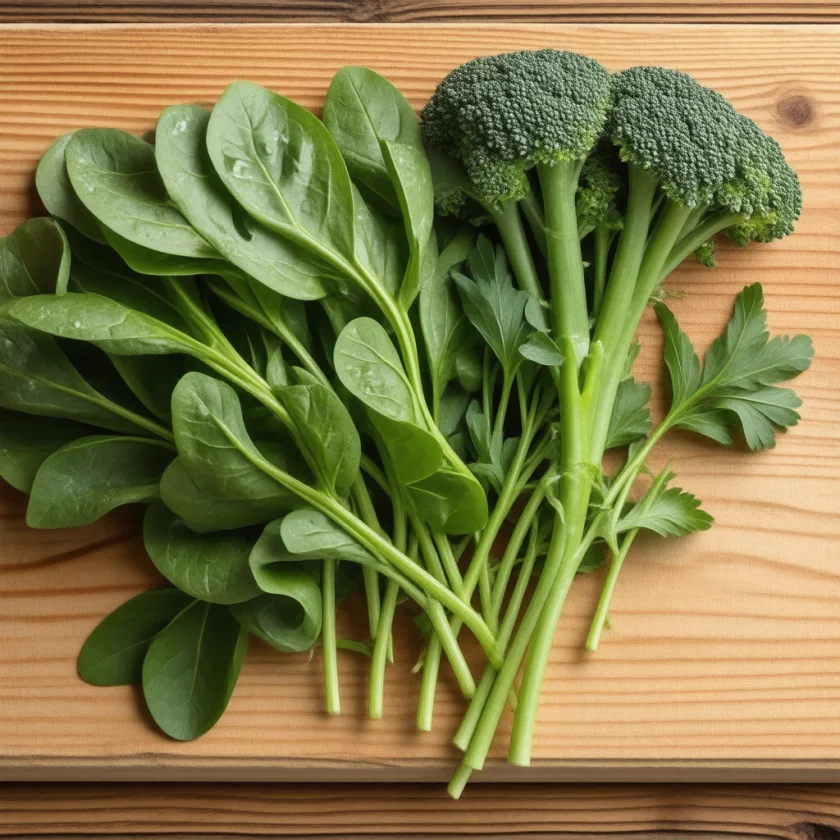
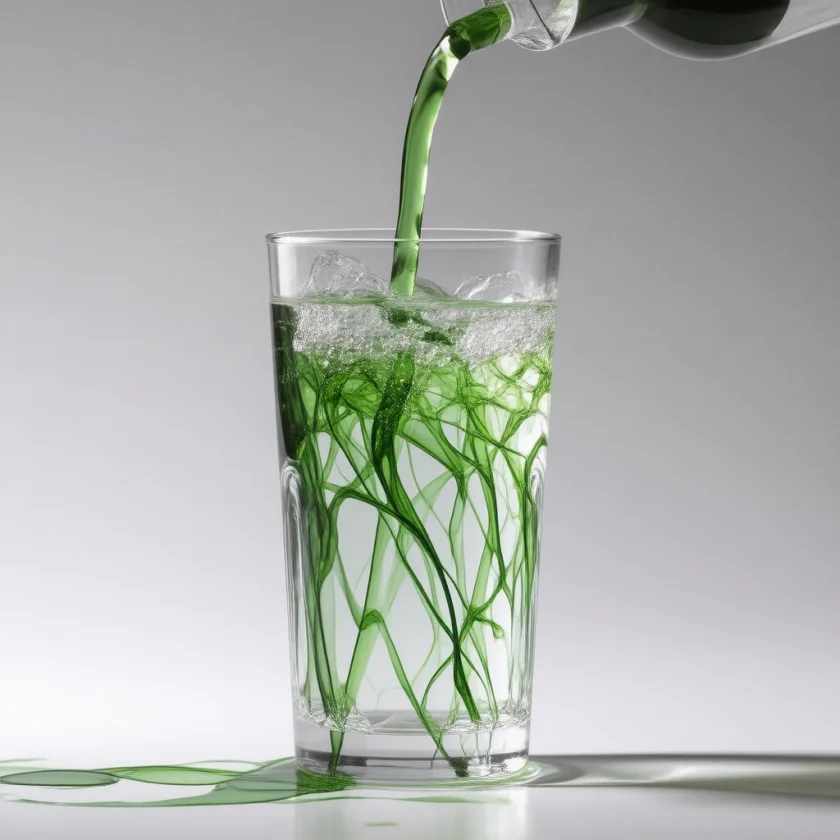
Chlorophyll is the green pigment plants use to catch sunlight, and you eat it every time you eat spinach, parsley or broccoli. The “liquid chlorophyll” sold as drops is usually something else: sodium copper chlorophyllin, a water-soluble, copper-containing derivative made from chlorophyll in a factory. Its one strong human result is narrow — in a randomized trial in Qidong, China, chlorophyllin taken with meals cut a urine marker of aflatoxin DNA damage by 55% in people exposed to mold toxins in their food. The popular promises (oxygenated blood, “blood building,” detox, no more body odor, clear skin) are either untested or have been tested and come up short, and whole green vegetables remain the better source.
Table of Contents
- What It Is: Chlorophyll vs. Chlorophyllin
- A Short History: From Leaf Pigment to Bottled Drops
- What Is Actually in It: Green Food vs. the Bottle
- The Aflatoxin Trial in Qidong, China
- Body Odor and the “Internal Deodorant”
- Skin and Acne
- Gut Health: What Green Vegetables Do
- How People Use It
- Myths and Overclaims
- Safety, Side Effects and Who Should Avoid It
- Key Research Papers
- Connections
- Featured Videos
What It Is: Chlorophyll vs. Chlorophyllin
Chlorophyll is the pigment that makes plants and algae green. Plants use it to trap the light energy that drives photosynthesis. Its core is a large, flat ring built from four smaller rings — the same family of ring as the heme in your red blood cells — but with a magnesium atom at the center where heme has iron. A long fatty tail (called phytol) hangs off the ring, which makes chlorophyll dissolve in fat rather than water. Two forms, chlorophyll a and chlorophyll b, make up about 99% of the chlorophyll in the plants we eat.
Chlorophyllin is what most people are actually buying. It is a semi-synthetic mixture: manufacturers extract chlorophyll, treat it with alkali to strip off the fatty tail, and swap the central magnesium for copper. The U.S. rule that allows it as a food color describes exactly that — “a green to black powder prepared from chlorophyll by saponification and replacement of magnesium by copper,” with the chlorophyll extracted from alfalfa (21 CFR 73.125). Without its tail, chlorophyllin dissolves in water, which is why it can be sold as a liquid.
What the liquid drops actually contain
According to the Linus Pauling Institute's chlorophyll monograph, natural chlorophyll is less stable and much more expensive than chlorophyllin, so most over-the-counter “chlorophyll” supplements actually contain sodium copper chlorophyllin. Read the ingredient line rather than the front of the bottle: “sodium copper chlorophyllin” or “chlorophyllin copper complex” tells you what is inside.
Chlorophyllin is not one molecule but a family of them. Two of the commonest are copper chlorin e6 and copper chlorin e4, and the exact mix varies from product to product. When food chemists in Spain analyzed commercial green colorants with high-resolution mass spectrometry, they identified more than a dozen chlorophyll compounds that had never been described before, and worked out the chain of chemical reactions during manufacture that produces them (Pérez-Gálvez & Roca, 2023). In plain terms, a bottle of “liquid chlorophyll” holds a set of copper-containing breakdown products of chlorophyll, not the pigment of a fresh leaf.
Why the difference matters
The two behave differently in the body, so evidence about one is not automatically evidence about the other. Natural chlorophyll mostly stays in the gut. Parts of chlorophyllin get into the blood: in the Qidong trial, blood serum from volunteers taking chlorophyllin tablets was visibly green, and chemists traced the color to two copper chlorins that came from the tablets (Egner et al., 2000). And in rats, natural chlorophyll protected the colon lining against the irritating breakdown products of red-meat heme, while chlorophyllin did not (de Vogel et al., 2005). Keep that split in mind as you read the claims below.
A Short History: From Leaf Pigment to Bottled Drops
No traditional healing system prescribed “chlorophyll” — it is a modern chemical idea. What tradition did recommend, in nearly every cuisine on earth, was eating green leaves and herbs. Evidence tier for that tradition: traditional use only. The chlorophyll story itself runs like this:
- 1817. The French pharmacists Pierre Joseph Pelletier and Joseph Bienaimé Caventou isolated the green pigment of leaves and named it chlorophyll, from the Greek words for “green” and “leaf.”
- 1915. Richard Willstätter received the Nobel Prize in Chemistry “for his researches on plant pigments, especially chlorophyll” (NobelPrize.org).
- 1930. Hans Fischer received the same prize “for his researches into the constitution of haemin and chlorophyll and especially for his synthesis of haemin” (NobelPrize.org). The family resemblance between the leaf pigment and the blood pigment was a genuine scientific discovery. The later leap from “similar ring” to “builds blood” is the part that did not hold up (see Myths).
- 1940s. Laboratory work suggested chlorophyllin slowed the growth of some anaerobic bacteria in test tubes and sped the healing of experimental wounds in animals, and doctors began applying chlorophyllin solutions and ointments to slow-healing wounds. The human studies of the late 1940s and 1950s were largely uncontrolled.
- Late 1940s–1950s. Because chlorophyllin seemed to take the smell out of foul wounds, doctors began giving it by mouth to people with colostomies and ileostomies to reduce stool odor. By 1952–1953 the idea was drawing enough attention that the BMJ, The Lancet and JAMA all ran pieces with titles like “Chlorophyll as a deodorant.”
- Today. U.S. over-the-counter drug rules still list “chlorophyllin copper complex” as a deodorant for internal use, allowed on the label only as “an aid to reduce odor from a colostomy or ileostomy” or “an aid to reduce fecal odor due to incontinence” (21 CFR Part 357, Subpart I). The water-bottle drops promoted in social-media videos are sold as dietary supplements, which do not need FDA approval before they go on sale.
What Is Actually in It: Green Food vs. the Bottle
How much chlorophyll is in green vegetables
Dark leafy greens are the richest everyday source. These figures for raw vegetables come from the Linus Pauling Institute's monograph, which draws on a 2004 food analysis:
- Spinach, 1 cup: 23.7 mg
- Parsley, ½ cup: 19.0 mg
- Garden cress, 1 cup: 15.6 mg
- Green beans, 1 cup: 8.3 mg
- Arugula, 1 cup: 8.2 mg
- Leeks, 1 cup: 7.7 mg
- Endive, 1 cup: 5.2 mg
- Sugar peas, 1 cup: 4.8 mg
- Chinese cabbage, 1 cup: 4.1 mg
How much is in a supplement
The U.S. over-the-counter label for chlorophyllin as an internal deodorant sets the adult dose at 100 to 200 mg a day in divided doses, with up to 100 mg more if odor is not controlled, and never more than 300 mg a day; for children under 12 it directs parents to a doctor (21 CFR 357.850). The Qidong trial used 100 mg three times a day. For scale, 100 mg of chlorophyllin weighs about the same as the chlorophyll in four cups of raw spinach — but it is a different molecule, and it comes without the fiber, folate, vitamin K and other nutrients of the leaves.
How much your body absorbs
Surprisingly little is known about chlorophyll absorption in people. Animal studies suggest only about 1–3% of dietary chlorophyll is absorbed. On the way through, the molecule loses its magnesium and is reworked by gut microbes, and most of it leaves in the stool as breakdown products called pheophytins. For decades, chlorophyll derivatives were thought to work almost entirely inside the gut, by latching onto certain carcinogens there; newer research finds that some derivatives and their metabolites do reach the bloodstream (Hayes & Ferruzzi, 2020). Chlorophyllin is clearly absorbed in part — hence the green serum in Qidong.
The copper question
U.S. specifications set chlorophyllin's total copper at 4–6% by weight, with only a trace allowed as “free” copper (21 CFR 73.125). At the 300 mg daily maximum, that is roughly 12–18 mg of copper, almost all of it held inside the ring. For comparison, the adult upper limit for copper is 10 mg a day (Linus Pauling Institute) — but that limit assumes ordinary copper from food and supplements, and how much ring-bound copper the body actually frees from chlorophyllin has not been well measured; the gaps are laid out in a 2021 review (Zhong et al., 2021; PMID: 33548074). The practical upshot: stay within the label, do not stack several “green” products, and if you have been told to limit copper, skip it.
The Aflatoxin Trial in Qidong, China
This is the strongest human evidence for chlorophyllin, and it is about a very specific problem. Aflatoxin B1 is a poison made by molds that grow on corn, peanuts and other crops stored warm and damp. The liver converts it into a form that binds DNA and causes mutations, and in hot, humid parts of Asia and Africa a diet high in aflatoxin — especially combined with chronic hepatitis B infection — drives high rates of liver cancer (see Liver Cancer and Mold and Mycotoxins).
The mechanism: a molecular sponge in the gut
Chlorophyll and chlorophyllin are large, flat molecules, and they form tight complexes with other flat molecules — including aflatoxin, some of the heterocyclic amines that form in well-done meat, and the polycyclic aromatic hydrocarbons in tobacco smoke. A toxin held in that embrace is less likely to cross the gut wall. In rainbow trout and rats, chlorophyllin given alongside aflatoxin sharply reduced DNA damage in the liver and, in trout, liver tumors; natural chlorophyll also reduced aflatoxin-induced cancers in rats. Evidence tier: laboratory and animal.
The human trial
Residents of Qidong, in Jiangsu Province, China, are at high risk of liver cancer, partly because their staple foods are contaminated with aflatoxin. In a randomized, double-blind, placebo-controlled trial, 180 healthy adults there took either 100 mg of chlorophyllin or a placebo three times a day, with meals, for four months (Egner et al., 2001). The researchers measured a urine marker called aflatoxin-N7-guanine — the fragment the body excretes after repairing aflatoxin-damaged DNA, and a marker linked to higher liver-cancer risk. After three months, the chlorophyllin group's median level was 55% lower than the placebo group's (P = 0.036). Adherence was excellent and no adverse events were reported. Evidence tier: RCT in humans, biomarker outcome.
A later study went a step further. Four volunteers swallowed a tiny, ethics-board-approved trace dose (30 nanograms) of radioactively labeled aflatoxin so that researchers could follow it through the body with an ultra-sensitive method; three of them repeated the experiment with 150 mg of purified natural chlorophyll or chlorophyllin in the same capsule. Each one impeded aflatoxin absorption and lowered peak blood levels, reaching statistical significance in one or more of the three volunteers (Jubert et al., 2009). Evidence tier: tiny crossover pilot — but notably, natural chlorophyll had the effect too, not just the supplement form.
What this does and does not show
- It shows that chlorophyllin taken with contaminated food reduces how much aflatoxin reaches and damages DNA.
- It does not yet show fewer liver cancers; a trial with cancer itself as the outcome could take as long as 20 years.
- Whether chlorophyllin helps people who are not eating much aflatoxin — most people in the United States, for example — is unknown (Linus Pauling Institute).
- The first line of defense is still avoiding the toxin: throw out moldy, shriveled or discolored nuts and grains, and store them cool and dry. Our Aflatoxin, Mould and Safe Sourcing page covers the kitchen side.
Body Odor and the “Internal Deodorant”
Deodorizing is chlorophyllin's oldest medical use, and the only health claim U.S. regulators allow on its label: reducing odor from a colostomy or ileostomy, and fecal odor due to incontinence (21 CFR 357.850). The label carries one warning — “If cramps or diarrhea occurs, reduce the dosage.” The evidence behind the claim is thinner than its long history suggests.
What the studies found
- Nursing homes, 1980 (uncontrolled). A report on the use of chlorophyllin in the care of 62 geriatric nursing-home patients found the tablets helpful in controlling body and fecal odors, easing chronic constipation and reducing excess gas, with no ill effects. The authors candidly added that it served “at times as a useful and morale-building placebo,” and their own lab tests failed to confirm any antibacterial action (Young & Beregi, 1980; PMID: 7350215). Evidence tier: uncontrolled observation.
- Urinary odor, 1983 (controlled). Twenty incontinent older patients with urinary catheters took chlorophyllin 100 mg a day and a placebo, two weeks each, in random order, double-blind. Odor fell about 21% on chlorophyllin and rose about 9% on placebo, but the difference was not statistically significant, and the authors concluded that this dose may not be effective (Nahata et al., 1983). Evidence tier: RCT, negative.
- Colostomy odor, 1989 (controlled). Twenty-eight people with colostomies took 75 mg chlorophyll tablets three times a day or a placebo in a randomized, double-blind crossover trial. Their own ratings of the odor were no different from placebo (Christiansen et al., 1989). Evidence tier: RCT, negative.
- Fish-odor syndrome (trimethylaminuria), 2004. People with this inherited condition cannot convert smelly trimethylamine into its odorless form, so they give off a fishy odor. In a small study of Japanese patients, copper chlorophyllin 180 mg a day for three weeks lowered free trimethylamine in the urine and raised its odorless form to the levels seen in unaffected people, and its effect appeared to last longer — several weeks — than activated charcoal's (Yamazaki et al., 2004). There was no placebo group. Evidence tier: small uncontrolled study. More on the condition: Fishy Body Odor.
Everyday body odor and bad breath
For healthy people hoping a daily shot of chlorophyll will stop underarm odor or bad breath, there is essentially nothing to go on. A PubMed search turns up reports from around 1950 and one Japanese experimental study from 1981 — but no modern placebo-controlled trial. Underarm odor is made by skin bacteria breaking down sweat on the surface, which gives a swallowed pigment no obvious way to act, and most bad breath starts in the mouth (see Halitosis). If chlorophyll drops seem to help you, that is low-risk, but it is not a proven effect.
Bottom line: for colostomy, ileostomy or incontinence odor, chlorophyllin is a legal, low-risk option that some people find helpful, but both controlled trials failed to beat placebo. For trimethylaminuria it is worth raising with the specialist. For ordinary body odor it is unproven.
Skin and Acne
Skin claims come in two kinds: drinking chlorophyll to “clear your skin from the inside,” and putting chlorophyllin on the skin. Only the second has any data.
- Topical acne pilot, 2015. Ten people with mild-to-moderate acne and large visible pores applied a gel containing 0.1% sodium copper chlorophyllin (in liposomes) twice a day for three weeks. Every measure — including oiliness, pore size and acne lesions — improved compared with each person's own starting point, and the gel was well tolerated (Stephens et al., 2015). Evidence tier: pilot study, no control group.
- Sun-damaged skin, 2015. A similar pilot assessed the safety and efficacy of a topical copper chlorophyllin gel (0.066%) in ten women with photodamaged facial skin for eight weeks, and reported improvements in fine lines and sun spots — again measured against baseline only (Sigler & Stephens, 2015; PMID: 25844615). Evidence tier: pilot study, no control group.
- Drinking it for acne. No trial has tested oral chlorophyll or chlorophyllin for acne.
Why the pilots are weak: acne waxes and wanes, people tend to join a study when their skin is at its worst (so it tends to improve anyway), and simply starting a gentle twice-daily routine can help. Without a comparison group using an identical gel minus the chlorophyllin, a three-week improvement cannot be credited to the chlorophyllin. The Linus Pauling Institute's verdict is the fair one: placebo-controlled trials are needed. For treatments with real trial evidence, see Acne.
One skin warning runs the other way: chlorophyll drinks and algae tablets have been linked to sun-triggered blistering in a handful of people (see Safety).
Gut Health: What Green Vegetables Do
Most of the chlorophyll you swallow never leaves your gut, so if it does anything useful, the gut is the place to look. The most interesting findings involve heme, the iron-containing pigment in red meat — and they point to the vegetable, not the bottle.
- Rats, heme and spinach (2005). In rats fed heme for two weeks, the contents of the colon became about eight times more toxic to cells, and the colon lining almost doubled its rate of cell turnover — changes the researchers link to the colon-cancer risk of red-meat diets. Adding spinach, or the same amount of purified chlorophyll, blocked these effects completely, apparently by stopping the toxic heme byproduct from forming (de Vogel et al., 2005, Carcinogenesis). Evidence tier: animal.
- Rats, chlorophyll vs. chlorophyllin (2005). The same team repeated the experiment with chlorophyllin, including the copper form sold in drops. Natural chlorophyll again prevented the damage; the chlorophyllins did not (de Vogel et al., 2005, The Journal of Nutrition). Evidence tier: animal.
- People, the Netherlands Cohort Study (2006). Among 120,852 Dutch adults aged 55 to 69 followed for 9.3 years, men whose diets had the highest ratio of heme to chlorophyll had a 43% higher rate of colon cancer than men with the lowest ratio. No such pattern appeared in women, and the authors called for confirmation (Balder et al., 2006). Evidence tier: cohort — an association, not proof of cause.
- People, fried meat plus “protective” foods (2011). In a small controlled feeding study in humans, eight volunteers ate fried meat cooked at high temperature either alone or together with cruciferous vegetables, yogurt and chlorophyllin tablets. The combination made their stool less mutagenic and nearly halved DNA damage in colorectal cells taken from the lining of the rectum (Shaughnessy et al., 2011; PMID: 21541030). Because the three were given together, chlorophyllin's own share of that inhibition cannot be separated out. Evidence tier: small human feeding study.
- Gut bacteria and weight. In young mice on a high-fat diet, chlorophyll supplementation early in life slowed weight gain, helped prevent diet-induced obesity and modulated the gut microbiota (Li et al., 2019; PMID: 31338957). No human trial has shown that chlorophyll or chlorophyllin improves the microbiome. Evidence tier: animal.
- Constipation and gas. The only support is the uncontrolled 1980 nursing-home report described above. The fiber that comes with whole greens is the better-supported help.
Bottom line: the best gut-health argument is for eating green vegetables — especially alongside red meat — not for drinking chlorophyllin. In the one direct comparison, the leaf pigment did what the bottled form could not. The bigger picture is on our Gut Health page.
How People Use It
Food first
- A daily big handful of dark greens. A salad of 1 cup raw spinach, 1 cup arugula and ½ cup chopped parsley supplies roughly 50 mg of natural chlorophyll, plus the fiber, folate and vitamin K the drops lack. See Spinach, Arugula and Parsley.
- Pair greens with red meat. Given the heme findings above, a side of spinach, kale or broccoli with a steak is a sensible habit — cheap, with no downside, and consistent with the animal and cohort data, though not proven to prevent cancer.
- Cook lightly. Long cooking, especially with lemon juice or vinegar in the pot, turns greens olive-drab as chlorophyll loses its magnesium. Brief steaming, stirring greens into soup or hot brown rice at the end of cooking, or eating them raw keeps more of the natural pigment.
- Blend rather than juice. A smoothie made from whole leaves keeps their fiber; juicing discards much of it.
If you use chlorophyllin
- Check the label for “sodium copper chlorophyllin” or “chlorophyllin copper complex” and the milligrams per serving.
- Amounts studied run from 100 to 300 mg a day in divided doses. The U.S. deodorant label caps adults at 300 mg a day; the Qidong trial used 100 mg with each of three meals; the trimethylaminuria study used 180 mg a day.
- Take it with food if the aim is to bind something in that food, as in Qidong.
- Expect green stools, and possibly green urine or a discolored tongue.
- Children under 12: the U.S. label directs parents to a doctor. Pregnancy and breastfeeding: safety has not been tested, and the Linus Pauling Institute advises avoiding it.
- Topical gels in the skin pilots used 0.066–0.1% chlorophyllin.
Chlorella and spirulina are sometimes sold as “chlorophyll sources.” They are whole algae with their own evidence and risks — see Chlorella and Spirulina.
Myths and Overclaims
Popular videos about liquid chlorophyll mix a few real findings with a lot of borrowed authority. Here is where the common claims stand.
- “Chlorophyll oxygenates your blood.” False. Chlorophyll helps make oxygen only inside a living chloroplast, using light, water and carbon dioxide. Swallowed, it sits in a dark gut, loses its magnesium and is mostly excreted. In healthy people, blood leaving the lungs is already nearly fully loaded with oxygen (see Hemoglobin & the Oxygen Dissociation Curve), and no study has shown that chlorophyll drops raise it.
- “It builds blood because it is almost identical to hemoglobin.” Misleading. The rings are relatives, but chlorophyll holds magnesium (the drops hold copper) while heme holds iron, and your body does not turn one into the other — it builds heme itself, and what is usually missing in anemia is iron. (Chemists can make an iron version, sodium iron chlorophyllin, which lab studies are exploring as an iron source — but there the iron does the work, and it is not what liquid chlorophyll contains.) The only human “blood” data involve wheat grass juice, not chlorophyll: an uncontrolled pilot study in 16 patients with thalassemia major reported that half needed more than 25% less transfusion (Marawaha et al., 2004; PMID: 15297687), but a larger study of 53 patients taking wheat grass tablets for a year found no reduction in transfusion requirement (Choudhary et al., 2009). If you are anemic, find the cause — see Iron-Deficiency Anemia.
- “Chlorophyll detoxes your body.” True only in a narrow sense. The one “detox” effect with human evidence is binding certain flat, ring-shaped toxins — aflatoxin above all — in the gut, while you eat them. We found no human trial showing that chlorophyll pulls heavy metals or “stored toxins” out of your tissues. A product that promises detox without naming the toxin, and without measuring it before and after, is selling a feeling. Your liver and kidneys do the clearing.
- “It alkalizes your blood.” False. Your lungs and kidneys hold blood pH in a tight range whatever you drink; a drink that could shift it would be a medical emergency, not a wellness habit.
- “Liquid chlorophyll gives you the healing power of green foods.” Mostly false. The drops contain chlorophyllin, and in the one head-to-head animal test on the colon, natural chlorophyll protected while chlorophyllin did not. The drops also lack everything else in the leaf — fiber, folate, vitamin K, potassium, nitrate, and carotenoids such as lutein. Green vegetables earn their reputation; the benefit is on the plate, not in the dropper.
- “It ends body odor.” Unproven. The two controlled trials, in people with colostomies and incontinence, found no significant benefit over placebo, and no modern trial has tested healthy people.
- “Drink it for clear skin.” Untested. The skin data are two ten-person pilots of a gel applied to the face, with no control group.
- “It melts fat and fixes your gut bacteria.” Mouse data only.
Safety, Side Effects and Who Should Avoid It
At ordinary doses chlorophyllin has a good safety record: the Linus Pauling Institute notes that no toxic effects have been attributed to it in more than 50 years of clinical use, and the 180 adults in the Qidong trial reported no adverse events over four months. Natural chlorophyll from food is not known to be toxic. The “bizarre side effects” in the videos are mostly real but harmless — with two exceptions worth knowing.
Expected and harmless
- Green stools, and sometimes green urine.
- A yellow or black tinge on the tongue.
- Loose stools or cramps, occasionally. The U.S. label's advice is to reduce the dose.
- Green-tinged blood serum, noticed when the Qidong trial's blood samples were sorted.
It can fool a stool blood test
In a laboratory study of more than 100 foods, drinks and drugs, chlorophyll tablets produced false-positive results on guaiac cards, the older chemical test for hidden blood (Gogel et al., 1989; PMID: 2787993). If you are asked to do a stool test for blood, mention any chlorophyll product you take.
Sun sensitivity and pseudoporphyria
This is the one serious reaction on record. When chlorophyll breaks down and loses both its magnesium and its tail, some of the products — such as pheophorbide a — absorb light and can pass that energy into the skin, causing damage where the sun hits.
- In Japan, five people who had taken chlorella tablets developed swelling and then purple-red lesions on sun-exposed skin — a new kind of plant-triggered sun reaction the authors called chlorella photosensitization. The culprit in the tablets was pheophorbide a and a related ester (Jitsukawa et al., 1984; PMID: 6735553).
- In Australia, two people developed pseudoporphyria — fragile skin and blisters on the backs of the hands that look like porphyria cutanea tarda, but with normal porphyrin tests — after drinking a commercial liquid chlorophyll product. The laboratory found fluorescent chlorophyll-derived photosensitizers in the drink (Rossi et al., 2015).
- A Sydney case series described four patients with chlorophyll-induced pseudoporphyria whose photosensitivity was ongoing after cessation of the product (Zhao et al., 2016; PMID: 25882293).
These cases are rare, but they are why anyone who notices blistering, fragile skin or unusual sunburn on the hands or face while taking chlorophyll drinks or algae tablets should stop and get it checked. As a sensible precaution, people with a porphyria, or who already take medicines that cause sun sensitivity, have extra reason to steer clear. Background on the look-alike condition: Porphyria Cutanea Tarda.
Who should avoid it or ask first
- Pregnant or breastfeeding women — untested; the Linus Pauling Institute advises avoiding chlorophyll and chlorophyllin supplements.
- Children under 12 — the U.S. label says to consult a doctor.
- Anyone told to limit copper, such as people with Wilson disease — see The copper question.
- People with a history of photosensitivity or porphyria.
- Anyone about to do a guaiac stool test.
Two unknowns are worth stating plainly. Supplements vary in what they contain, and nobody has carefully tested whether chlorophyllin's knack for binding flat molecules in the gut also reduces the uptake of nutrients you want (Linus Pauling Institute).
Key Research Papers
- Egner PA, Wang JB, Zhu YR, et al. (2001). Chlorophyllin intervention reduces aflatoxin-DNA adducts in individuals at high risk for liver cancer. Proceedings of the National Academy of Sciences of the United States of America. — PubMed PMID: 11724948
- Jubert C, Mata J, Bench G, et al. (2009). Effects of chlorophyll and chlorophyllin on low-dose aflatoxin B(1) pharmacokinetics in human volunteers. Cancer Prevention Research. — PubMed PMID: 19952359
- Egner PA, Stansbury KH, Snyder EP, Rogers ME, Hintz PA, Kensler TW (2000). Identification and characterization of chlorin e(4) ethyl ester in sera of individuals participating in the chlorophyllin chemoprevention trial. Chemical Research in Toxicology. — PubMed PMID: 10995263
- Hayes M, Ferruzzi MG (2020). Update on the bioavailability and chemopreventative mechanisms of dietary chlorophyll derivatives. Nutrition Research. — PubMed PMID: 32828967
- Pérez-Gálvez A, Roca M (2023). Comprehensive chlorophyll composition of commercial green food colorants and coloring foodstuffs by HPLC-ESI-QTOF-MS/MS: Chlorophyllins. Food Chemistry. — PubMed PMID: 36863233
- de Vogel J, Jonker-Termont DS, van Lieshout EM, Katan MB, van der Meer R (2005). Green vegetables, red meat and colon cancer: chlorophyll prevents the cytotoxic and hyperproliferative effects of haem in rat colon. Carcinogenesis. — PubMed PMID: 15550456
- de Vogel J, Jonker-Termont DS, Katan MB, van der Meer R (2005). Natural chlorophyll but not chlorophyllin prevents heme-induced cytotoxic and hyperproliferative effects in rat colon. The Journal of Nutrition. — PubMed PMID: 16046728
- Balder HF, Vogel J, Jansen MC, et al. (2006). Heme and chlorophyll intake and risk of colorectal cancer in the Netherlands cohort study. Cancer Epidemiology, Biomarkers & Prevention. — PubMed PMID: 16614114
- Nahata MC, Slencsak CA, Kamp J (1983). Effect of chlorophyllin on urinary odor in incontinent geriatric patients. Drug Intelligence & Clinical Pharmacy. — PubMed PMID: 6628224
- Christiansen SB, Byel SR, Strømsted H, Stenderup JK, Eickhoff JH (1989). [Can chlorophyll reduce fecal odor in colostomy patients?]. Ugeskrift for Laeger. — PubMed PMID: 2675439
- Yamazaki H, Fujieda M, Togashi M, et al. (2004). Effects of the dietary supplements, activated charcoal and copper chlorophyllin, on urinary excretion of trimethylamine in Japanese trimethylaminuria patients. Life Sciences. — PubMed PMID: 15043988
- Stephens TJ, McCook JP, Herndon JH Jr (2015). Pilot Study of Topical Copper Chlorophyllin Complex in Subjects With Facial Acne and Large Pores. Journal of Drugs in Dermatology. — PubMed PMID: 26091384
- Rossi E, Borchard K, Cole JM (2015). Pseudoporphyria following self-medication with chlorophyll. The Australasian Journal of Dermatology. — PubMed PMID: 25123581
- Choudhary DR, Naithani R, Panigrahi I, et al. (2009). Effect of wheat grass therapy on transfusion requirement in beta-thalassemia major. Indian Journal of Pediatrics. — PubMed PMID: 19205635