Bilberry (Vaccinium myrtillus): Anthocyanin Antioxidant for Eyes and Circulation
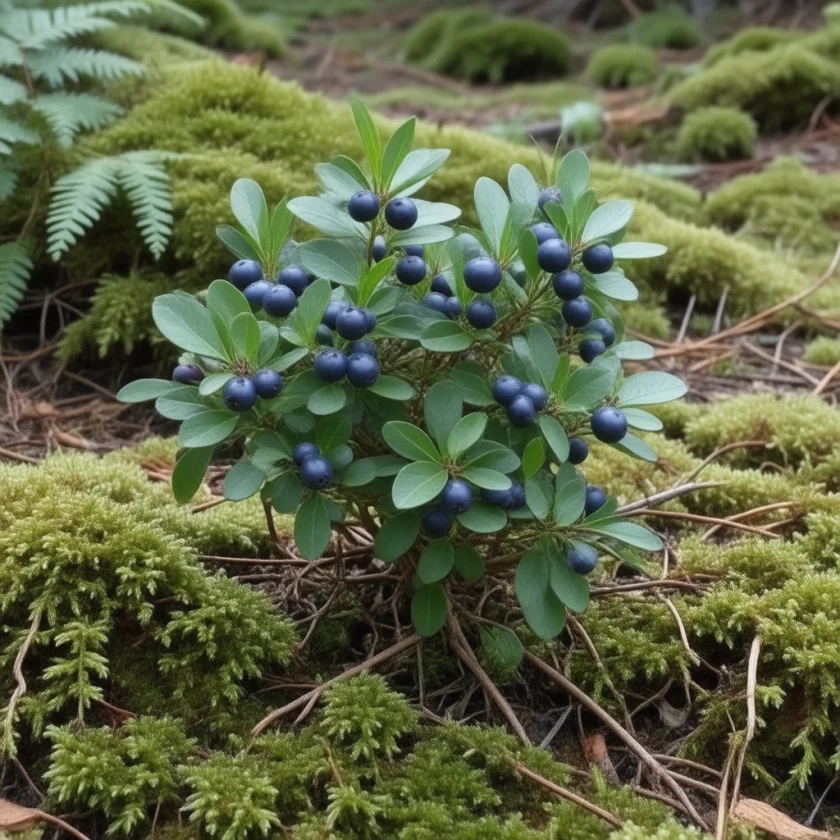
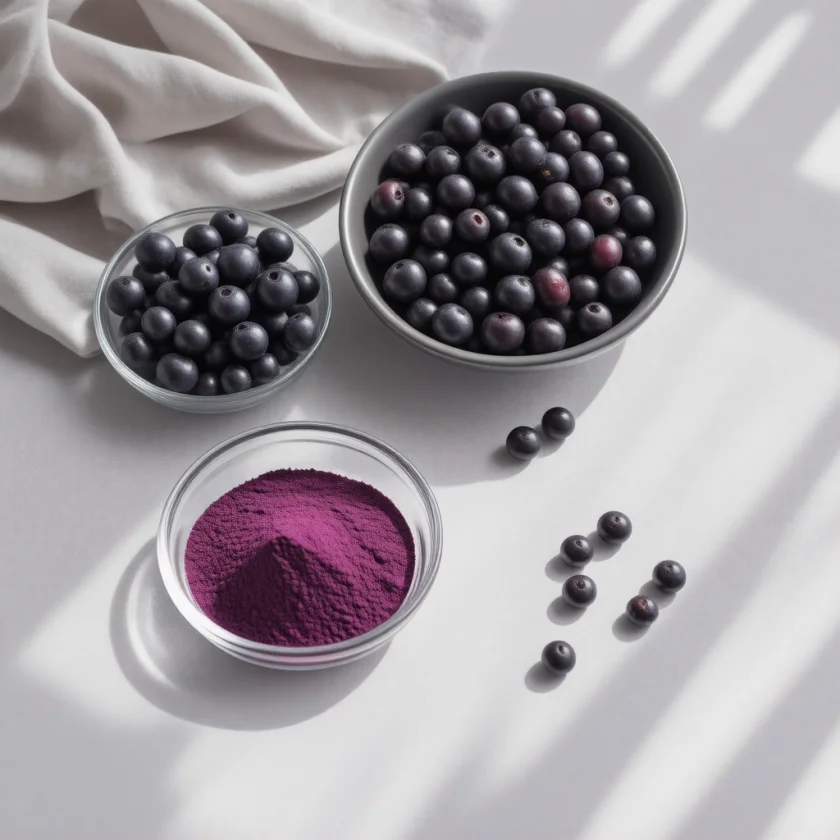
Bilberry (Vaccinium myrtillus) is the European cousin of the cultivated blueberry — a small, dark, intensely pigmented wild berry whose deep blue-purple flesh is packed with anthocyanins, the flavonoid pigments that give it both its color and its antioxidant power. Bilberry is most famous for the (largely mythical) story that World War II RAF pilots ate bilberry jam to sharpen their night vision, and that legend launched decades of research into the berry's effects on the eye, the retina, and the small blood vessels (microcirculation) that anthocyanins seem to protect. Modern evidence is more measured than the myth: controlled trials do not support better night vision in healthy eyes, while small trials report effects on screen-related eye fatigue, post-meal blood sugar, and markers of low-grade inflammation, and older studies examined capillary and venous symptoms. A 2022 review of bilberry's clinical research found the results for vision, diabetes, and circulation contradictory and the trials generally small — though bilberry remains one of the more-studied dietary anthocyanin sources.
Table of Contents
- What Bilberry Is (Vaccinium myrtillus)
- Bilberry vs. Blueberry
- Anthocyanins & the Antioxidant Mechanism
- The WWII RAF Night-Vision Story
- Benefit: Eye Health, Retina & Night Vision
- Benefit: Microcirculation & Venous Tone
- Benefit: Blood Sugar & Metabolic Effects
- Benefit: Anti-Inflammatory & Vascular Protection
- Forms & Standardization (% Anthocyanins)
- Dosages Used in Research
- Cautions and Contraindications
- Key Research Papers
- Connections
- Featured Videos
What Bilberry Is (Vaccinium myrtillus)
Bilberry is the fruit of Vaccinium myrtillus, a low-growing deciduous shrub in the heath family (Ericaceae) native to the heaths, moorlands, and coniferous forests of northern and central Europe, reaching into northern Asia. It is known by many regional names — European blueberry, whortleberry, huckleberry, blaeberry (Scotland), and myrtille (France). The plant is a low shrub that produces small, round, near-black berries that ripen in mid- to late summer.
Bilberry has never been successfully domesticated on a commercial scale the way the North American highbush blueberry has. It resists cultivation because it depends on specific mycorrhizal soil fungi and acidic, nutrient-poor woodland conditions. As a result, virtually all bilberries are wild-harvested by hand or with traditional berry rakes, primarily in Scandinavia, the Baltic states, Poland, and Russia. This wild origin is part of why bilberry commands a premium and why standardized extract — rather than fresh fruit — is the dominant supplement form outside Europe.
The defining visual feature, and the key to its pharmacology, is that bilberry flesh is pigmented all the way through — a deep red-purple inside as well as out. Cut a bilberry open and it stains the fingers; cut a cultivated blueberry open and the flesh is pale green-white. That whole-flesh pigmentation reflects a far higher anthocyanin concentration, and it is the reason bilberry, not blueberry, became the berry of choice for early European phytotherapy research.
Beyond anthocyanins, bilberry fruit supplies vitamin C, vitamin E, manganese, dietary fiber, and a spectrum of other polyphenols including flavonols (quercetin, myricetin), phenolic acids (chlorogenic acid), and tannins. The leaves — used traditionally as a tea for blood-sugar and urinary complaints — have a different chemistry and are not the focus of the standardized extracts discussed here.
Bilberry vs. Blueberry
Bilberry and the cultivated blueberry are close botanical relatives — both belong to the genus Vaccinium — and they are often confused, but they are distinct species with meaningful differences:
- Species — Bilberry is Vaccinium myrtillus (a single European species); cultivated blueberries are mostly North American species, principally highbush Vaccinium corymbosum and lowbush/wild Vaccinium angustifolium.
- Flesh color — Bilberry is pigmented throughout (red-purple flesh); blueberry flesh is pale and translucent. This is the single most reliable way to tell them apart.
- Anthocyanin content — Bilberry typically contains substantially more total anthocyanin per gram than cultivated highbush blueberry. A German HPLC analysis (Müller 2012) measured up to 1,017 mg anthocyanins per 100 g fresh bilberries versus up to 438 mg per 100 g in blueberries.
- Growth habit — Bilberries grow as single (or paired) berries on low wild shrubs and are wild-harvested; blueberries grow in dense clusters on cultivated bushes and are farmed at scale.
- Size and taste — Bilberries are smaller, softer, and more intensely tart-sweet; blueberries are larger, firmer, and milder.
The practical upshot: for an equivalent serving, bilberry delivers more anthocyanins, which is why the clinical literature on anthocyanin-mediated effects (eye, vascular) leans heavily on bilberry extract. Blueberry, however, is far more accessible and affordable as a whole food and carries its own strong evidence base for cognitive and cardiometabolic health. The two are complementary, not interchangeable. Other notable anthocyanin-rich relatives include black currant, cranberry, lingonberry, and the deeply pigmented pomegranate.
Anthocyanins & the Antioxidant Mechanism
Anthocyanins are a class of water-soluble flavonoid pigments responsible for the red, purple, and blue colors of many fruits and flowers. In bilberry, the anthocyanins exist as anthocyanidins (the sugar-free aglycone cores) bound to sugars to form anthocyanin glycosides. Bilberry contains all five of the common dietary anthocyanidins in this group — delphinidin, cyanidin, petunidin, peonidin, and malvidin — each attached to glucose, galactose, or arabinose, yielding roughly 15 distinct anthocyanin compounds (the 2012 Müller analysis quantified 15). Delphinidin and cyanidin glycosides predominate in bilberry, while blueberries carry relatively more malvidin and petunidin glycosides.
As antioxidants, anthocyanins work through several complementary routes:
- Direct free-radical scavenging — the catechol and pyrogallol hydroxyl groups on the anthocyanidin B-ring donate hydrogen atoms and electrons to neutralize reactive oxygen species (superoxide, hydroxyl radical, peroxynitrite) and reactive nitrogen species, terminating oxidative chain reactions.
- Metal chelation — anthocyanins bind catalytic transition metals (iron, copper) that would otherwise drive Fenton-type radical generation.
- Indirect (Nrf2) antioxidant signaling — rather than acting only as sacrificial scavengers, anthocyanins and their metabolites activate the Nrf2–ARE transcription pathway, upregulating the body's own antioxidant enzymes (glutathione peroxidase, superoxide dismutase, catalase, heme oxygenase-1). This is increasingly viewed as the more durable mechanism, since circulating anthocyanin concentrations are low.
- Collagen and capillary stabilization — anthocyanins cross-link and protect collagen fibers, inhibit collagen-degrading enzymes (collagenase, elastase, hyaluronidase), and reduce capillary permeability and fragility — the basis of bilberry's classic vascular reputation.
- Anti-inflammatory enzyme modulation — downregulation of NF-κB signaling, COX-2, and inflammatory cytokines (TNF-α, IL-6).
An important pharmacokinetic caveat frames all of this: intact anthocyanins are poorly absorbed — a 2017 human study of bilberry extract found low levels of anthocyanins in plasma and urine, mostly as glucuronides (Mueller 2017) — and they are rapidly metabolized. A 2017 review (Kay and colleagues) concluded that once the breakdown products made by colonic bacteria are counted, anthocyanins are considerably more bioavailable than earlier estimates suggested. Much of their in-vivo activity is now attributed to their breakdown products — phenolic acids such as protocatechuic acid — and to extensive metabolism by the gut microbiome, which converts anthocyanins into smaller, more absorbable, biologically active phenolics. This means bilberry's benefits are unlikely to be explained by simple "high-ORAC antioxidant" arguments alone; cell-signaling and microbiome-mediated effects are central. This is conceptually parallel to other polyphenol antioxidants such as quercetin and grape-derived oligomeric proanthocyanidins (grape seed extract).
The WWII RAF Night-Vision Story
Bilberry's fame rests largely on a Second World War legend — that RAF night-fighter pilots ate bilberry jam to sharpen their night vision — a piece of folklore attached to the wartime publicity (best documented for carrots) that masked the RAF's use of airborne interception radar. Controlled trials in people with normal sight have not confirmed it: a 2004 systematic review (Canter & Ernst) found that the four most recent randomized trials were all negative and concluded that the evidence does not support improved normal night vision, and a 2000 crossover trial in 15 young men (Muth and colleagues, 480 mg/day for 3 weeks) found no change in night visual acuity or contrast sensitivity. The research on eye strain and small blood vessels is more measured than the myth — the fuller story is told in the dedicated History & Discovery article.
Benefit: Eye Health, Retina & Night Vision
Setting the night-vision myth aside, bilberry anthocyanins have a plausible and partly supported role in ocular health. The eye is unusually vulnerable to oxidative stress — it is exposed to constant light, has very high oxygen consumption in the retina, and packs polyunsaturated fatty acids (prone to peroxidation) into photoreceptor membranes. Anthocyanins concentrate in vascular and pigmented tissues, scavenge radicals, and stabilize the fine capillary network that feeds the retina.
Asthenopia (eye strain / fatigue). This is the eye area with the most consistent positive human data, from a small number of Japanese trials. In a randomized, placebo-controlled trial of 88 office workers who used video display terminals (VDTs), Ozawa and colleagues (2015) gave 480 mg/day of bilberry extract for 8 weeks; the extract lessened the screen-induced drop in critical flicker fusion and eased several subjective symptoms (ocular fatigue, pain, heaviness), while near-point accommodation did not change. In a 12-week randomized trial of 109 healthy adults, Kosehira and colleagues (2020) found that 240 mg/day of standardized extract improved an objective measure of ciliary-muscle strain after VDT tasks. The effects are modest, the populations are people with computer-use eye strain rather than eye disease, and two of the three authors of the 2020 trial were employees of a supplement company.
Retinal microvascular and degenerative conditions. Because anthocyanins reduce capillary permeability and oxidative damage, bilberry has been studied in diabetic retinopathy and in early/dry age-related macular degeneration, often in combination products. A non-randomized Italian registry study of 140 patients with various retinopathies (Gizzi and colleagues, 2016) reported improved retinal blood-flow measurements after 6 months of standardized bilberry extract added to standard care, but patients chose their own groups and the study was not blinded, so the evidence remains suggestive rather than definitive. The evidence supports bilberry only as adjunctive support for retinal vascular health; it has not been shown to treat macular degeneration or diabetic eye disease. For macular protection, the carotenoids lutein and zeaxanthin and the marine carotenoid astaxanthin have a stronger, more specific evidence base.
Glaucoma and intraocular pressure. Two Italian studies of a combination supplement pairing standardized bilberry extract with pine-bark extract reported lower intraocular pressure and better ocular blood flow in people with ocular hypertension: in 38 subjects (20 supplemented, 18 untreated), mean pressure fell from 25.2 to 22.0 mmHg after 3 months (Steigerwalt 2008), and in a 79-patient study the supplement added to latanoprost eye drops lowered pressure more than latanoprost alone (Steigerwalt 2010). These are early, small studies of a combination product, not of bilberry alone, and none tested bilberry as a replacement for prescribed glaucoma therapy.
Cataract and lens protection. Mechanistically, anthocyanin antioxidant activity could help limit oxidative damage to the lens, the process underlying cataract formation, but direct clinical evidence in humans is sparse.
Bottom line on the eye: the most consistent (though limited) human evidence is for screen-related eye strain/fatigue; plausible but limited evidence for retinal microvascular support; no support for enhancing normal night vision.
Benefit: Microcirculation & Venous Tone
The most pharmacologically coherent of bilberry's benefits is its effect on small blood vessels. Capillary and venous complaints are among the oldest clinical uses of standardized bilberry extract (typically standardized to 36% anthocyanins) in the Italian medical literature.
Anthocyanins act on the microvasculature in several ways: they protect and stabilize the collagen and elastin of vessel walls, reduce capillary permeability and fragility, inhibit the enzymes that break down the connective-tissue matrix around vessels, and improve endothelial function and nitric-oxide–mediated vasodilation. The net effect is sturdier, less leaky capillaries and improved venous tone.
Chronic venous insufficiency (CVI). Bilberry anthocyanin extract has been studied for the leg symptoms of CVI — aching, heaviness, swelling, tingling, and the appearance of varicose veins — mainly in older, small Italian clinical studies (for example Ghiringhelli and colleagues, 1978, on high-dose anthocyanosides in venous stasis, published in Italian without an English abstract). No large modern randomized trial of bilberry alone in CVI was found, and a 2022 review (Vaněková & Rollinger) described the results for circulatory disorders as contradictory. The proposed mechanism (reduced capillary leakage, improved venous tone) would fit the reported symptom relief, and bilberry occupies a similar niche to other venotonic flavonoid extracts like grape seed and pine bark.
Capillary fragility and bruising. By the same capillary-stabilizing mechanism, bilberry has been used for conditions of increased capillary fragility, easy bruising, and microbleeds — effects that overlap with the "vitamin P" (flavonoid) tradition.
Diabetic and hypertensive microangiopathy. Because small-vessel damage is a core complication of diabetes and hypertension, the capillary-protective profile of bilberry has driven interest in microangiopathy of the retina, kidney, and peripheral tissues. The evidence here is mechanistically reasonable but clinically preliminary.
This venous/capillary application is bilberry's clearest traditional and clinical identity, and it is closely related to the use of grape seed proanthocyanidins for the same indications — both are oligomeric/polymeric flavonoids that stabilize the vascular matrix.
Benefit: Blood Sugar & Metabolic Effects
Bilberry has a long folk reputation as an anti-diabetic plant — the leaves were traditionally brewed as a tea to lower blood sugar — and modern research has revisited both fruit and leaf for metabolic effects.
The proposed mechanisms include inhibition of carbohydrate-digesting enzymes (α-glucosidase and α-amylase) by anthocyanins, slowing the post-meal rise in glucose; improved insulin sensitivity via anthocyanin signaling in muscle and liver; activation of AMPK (a master metabolic regulator); and reduced oxidative and inflammatory stress in insulin-responsive tissues.
Human evidence is encouraging but modest. In a double-blind crossover study, Hoggard and colleagues (2013) gave 8 men with diet-controlled type 2 diabetes a single 0.47 g capsule of standardized extract (36% anthocyanins, about 50 g of fresh bilberries) before a glucose-equivalent drink; the post-meal rise in glucose and insulin was significantly smaller than with placebo. That was a single dose, not a test of long-term glycemic control. In contrast, the randomized dietary trial by Kolehmainen and colleagues (2012), in which people with features of metabolic syndrome ate the equivalent of 400 g of fresh bilberries a day, found no difference from the control diet in glucose or lipid metabolism. Animal studies of bilberry and the related anthocyanin C3G (cyanidin-3-glucoside) more consistently show improved insulin sensitivity and reduced hyperglycemia.
The fair conclusion is that bilberry, as part of a polyphenol-rich diet, may modestly blunt post-meal glucose spikes and support metabolic health, but it is an adjunct to — never a replacement for — established management of diabetes and insulin resistance. The research raises a concern about additive glucose lowering for people on glucose-lowering medication (see Cautions).
Benefit: Anti-Inflammatory & Vascular Protection
Beyond the eye and the capillary bed, bilberry anthocyanins exert broad anti-inflammatory and cardiometabolic effects that connect its various uses.
Systemic inflammation. Anthocyanins suppress NF-κB–driven transcription of pro-inflammatory genes and lower circulating inflammatory markers. In a randomized controlled dietary trial, Kolehmainen and colleagues (2012) had 15 people with features of metabolic syndrome eat the equivalent of 400 g of fresh bilberries daily while 12 kept their habitual diet; CRP, IL-6, IL-12, and LPS tended to fall, a combined inflammation score differed significantly between groups (p = 0.024), and expression of some monocyte- and macrophage-related genes (MMD, CCR2) decreased.
Lipids and endothelial function. By protecting LDL from oxidation, improving nitric-oxide–mediated vasodilation, and reducing vascular inflammation, anthocyanin-rich berries support endothelial health — the inner lining of blood vessels whose dysfunction is an early step in atherosclerosis. Habitual anthocyanin intake has been associated with lower cardiovascular risk in cohort studies — in 93,600 young and middle-aged women of the Nurses' Health Study II, the highest intake quintile had a 32% lower risk of heart attack over 18 years (hazard ratio 0.68; Cassidy 2013) — though such associations are observational and not bilberry-specific. In apo E-deficient mice, bilberry extracts reduced atherosclerotic plaque development (Mauray 2009), an animal finding.
Gut and inflammatory bowel disease. An open-label pilot study by Biedermann and colleagues (2013) reported that a standardized anthocyanin-rich bilberry preparation, taken for 6 weeks by 13 patients with mild-to-moderate ulcerative colitis, was followed by remission in 63.4% and by clinical, endoscopic, and calprotectin improvement, with disease activity rising again after it was stopped. A later randomized, placebo-controlled trial of the anthocyanin-rich extract in moderate-to-severe ulcerative colitis (Biedermann 2024), cut short by COVID-19 with 26 patients analyzed, found no significant difference in clinical response (9/18 vs 3/8), although fecal calprotectin fell in the extract group. These findings are consistent with anthocyanins' local anti-inflammatory action in the gut and their extensive metabolism by colonic bacteria; the evidence is preliminary but biologically interesting given how much anthocyanin activity occurs in the colon.
Antioxidant defense and aging. By upregulating endogenous antioxidant enzymes through Nrf2, bilberry contributes to the broader anti-oxidative-stress toolkit alongside endogenous and supplemental antioxidants such as glutathione, NAC, and alpha lipoic acid, and addresses the same oxidative-stress biology covered under oxidative stress.
Forms & Standardization (% Anthocyanins)
Because bilberry's actives are the anthocyanins and because fresh wild fruit is hard to obtain outside Europe, standardized extract is the dominant supplement form and the form used in most clinical trials. Standardization is the single most important quality variable.
- Standardized extract (36% anthocyanins / 25% anthocyanidins) — the standard used in several of the trials described here (for example Hoggard 2013 and Gizzi 2016 used extracts standardized to 36% anthocyanins). The 36%-anthocyanin figure is commonly expressed as about 25% anthocyanidins (the sugar-free cores). Products on the market vary in whether they carry this standardization.
- 25% anthocyanidin extracts — the same standard expressed as the aglycone; functionally equivalent to the 36%-anthocyanin standard.
- Dried fruit / powder — whole dried bilberry or fruit powder retains the full polyphenol spectrum and fiber but has far lower and more variable anthocyanin concentration, so doses must be much larger.
- Bilberry juice and jam — traditional food forms; pleasant but dilute and often sugar-laden. Not a reliable way to hit research-level anthocyanin doses.
- Leaf extract / tea — chemically distinct from the fruit (different actives, used traditionally for blood sugar and urinary complaints). NCCIH states that bilberry leaves may be unsafe in high doses or for long periods — the safety record of the fruit extract does not apply to the leaf.
- Combination products — bilberry is frequently combined with lutein, zeaxanthin, astaxanthin, grape seed, or pine-bark proanthocyanidins in eye- and vascular-support formulas.
Quality and adulteration findings: Bilberry extract is expensive and wild-harvested, which makes it a frequent target for adulteration — cheaper anthocyanin sources (other Vaccinium species, elderberry, even the synthetic red dye amaranth) have been found in products. In a 2006 analysis, an extract that met its claimed 25% anthocyanins by a simple spectrophotometric assay held only 9% by HPLC, the gap traced to amaranth dye (Penman 2006). A 2021 German HPLC study found 45% of bilberry dietary supplements tested to be of unacceptable quality — including bilberry-free products, products nearly free of anthocyanins, and products falsified with anthocyanins from other sources (Gaspar 2021). Both studies conclude that authenticity requires chromatographic fingerprinting of the Vaccinium myrtillus anthocyanin profile rather than a single-wavelength assay.
Dosages Used in Research
Doses below refer to standardized extract (36% anthocyanins / 25% anthocyanidins) unless otherwise noted. Anthocyanins are water-soluble; bilberry has been taken with or without food in studies, and taking it with a meal is described as gentler on the stomach.
- Eye strain / asthenopia — the two Japanese eye-fatigue trials used 240 mg/day (Kosehira 2020, 12 weeks) and 480 mg/day (Ozawa 2015, 8 weeks); the negative night-vision crossover trial used 480 mg/day of a 25%-anthocyanoside extract for 3 weeks (Muth 2000).
- Chronic venous insufficiency / microcirculation — 160 mg of standardized extract twice daily (320 mg/day) is the dose commonly cited in herbal monographs; the original venous studies are older and mostly published in Italian.
- Metabolic / blood-sugar support — the Hoggard 2013 study used a single 0.47 g dose of extract before a glucose load; the Kolehmainen 2012 dietary trial used the equivalent of 400 g of fresh bilberries a day. Effects are modest and adjunctive.
- Whole dried fruit — traditional herbal monographs give roughly 20–60 g of dried fruit per day (a traditional use for non-specific diarrhoea), reflecting the much lower anthocyanin density of unconcentrated fruit.
Onset and duration. In the eye-strain trials, differences from placebo appeared after 4–12 weeks of daily use rather than acutely. Bilberry is well tolerated for long-term use at these doses; the venous extracts have decades of European clinical use behind them. There is no established upper limit for the standardized fruit extract, but more is not necessarily better given the low bioavailability ceiling — the reported benefits came from consistent use over weeks rather than from megadosing.
Cautions and Contraindications
Bilberry fruit and standardized fruit extract have an excellent safety record, with centuries of dietary use and decades of clinical use in Europe. The most important cautions are about specific situations and about the leaf.
- Bilberry leaf is not bilberry fruit — NCCIH states that bilberry leaves may be unsafe when consumed in high doses or for long periods. The safety record of the fruit does not transfer to the leaf. The benefits described on this page refer to the fruit/standardized fruit extract.
- Blood sugar — antidiabetic drugs — because bilberry can modestly lower blood glucose, combining it with insulin or oral hypoglycemics (metformin, sulfonylureas, etc.) could theoretically increase the risk of hypoglycemia. The research raises a concern for people with diabetes on these drugs, particularly when starting bilberry.
- Bleeding and antiplatelet/anticoagulant drugs — high doses of anthocyanin extract may have mild antiplatelet/blood-thinning effects and could theoretically add to the action of warfarin, DOACs, aspirin, clopidogrel, or NSAIDs. The research raises a concern for people taking these drugs, especially around surgery; commonly cited pre-surgical guidance is to stop high-dose extract about two weeks before elective surgery.
- Pregnancy and breastfeeding — bilberry fruit as food is considered safe; the safety of concentrated extract in pregnancy and lactation has not been established, and there is no good safety data on medicinal doses in pregnancy or breastfeeding.
- GI effects — uncommon and mild (loose stools, mild stomach upset), usually at higher doses; taking it with food is described as easing them.
- Product authenticity — because adulteration is common (see Forms), an ineffective or mislabeled product is a more realistic "risk" than toxicity; only some products verify that they contain authentic Vaccinium myrtillus extract.
Bilberry is a supplement and a food, not a treatment for eye disease, vascular disease, or diabetes; the research studied it as an adjunct alongside, not instead of, medical care. Decisions about supplements belong with a clinician.
Key Research Papers
The citations below are peer-reviewed studies and reviews on Vaccinium myrtillus (bilberry) anthocyanins. Author names, titles, and journals are given as plain text; the linked year/volume/pages resolves to the DOI or PubMed record.
- Muth ER, Laurent JM, Jasper P. The effect of bilberry nutritional supplementation on night visual acuity and contrast sensitivity. Alternative Medicine Review. 2000;5(2):164–173. — PubMed PMID: 10767671
- Canter PH, Ernst E. Anthocyanosides of Vaccinium myrtillus (bilberry) for night vision — a systematic review of placebo-controlled trials. Survey of Ophthalmology. 2004;49(1):38–50. — doi:10.1016/j.survophthal.2003.10.006
- Kosehira M, Machida N, Kitaichi N. A 12-week-long intake of bilberry extract (Vaccinium myrtillus L.) improved objective findings of ciliary muscle contraction of the eye: a randomized, double-blind, placebo-controlled, parallel-group comparison trial. Nutrients. 2020;12(3):600. — doi:10.3390/nu12030600
- Ozawa Y, Kawashima M, Inoue S, et al. Bilberry extract supplementation for preventing eye fatigue in video display terminal workers. Journal of Nutrition, Health & Aging. 2015;19(5):548–554. — doi:10.1007/s12603-014-0573-6
- Chu W, Cheung SCM, Lau RAW, Benzie IFF. Bilberry (Vaccinium myrtillus L.) In: Herbal Medicine: Biomolecular and Clinical Aspects. 2nd ed. CRC Press/Taylor & Francis; 2011 (NCBI Bookshelf NBK92770).
- Gizzi C, Belcaro G, Gizzi G, et al. Bilberry extracts are not created equal: the role of non anthocyanin fraction. Discovering the “dark side of the force” in a preliminary study. European Review for Medical and Pharmacological Sciences. 2016;20(11):2418–2424. — PubMed PMID: 27338070
- Kolehmainen M, Mykkänen O, Kirjavainen PV, et al. Bilberries reduce low-grade inflammation in individuals with features of metabolic syndrome. Molecular Nutrition & Food Research. 2012;56(10):1501–1510. — doi:10.1002/mnfr.201200195
- Hoggard N, Cruickshank M, Moar KM, et al. A single supplement of a standardised bilberry (Vaccinium myrtillus L.) extract (36% wet weight anthocyanins) modifies glycaemic response in individuals with type 2 diabetes controlled by diet and lifestyle. Journal of Nutritional Science. 2013;2:e22. — doi:10.1017/jns.2013.16
- Biedermann L, Mwinyi J, Scharl M, et al. Bilberry ingestion improves disease activity in mild to moderate ulcerative colitis — an open pilot study. Journal of Crohn's and Colitis. 2013;7(4):271–279. — doi:10.1016/j.crohns.2012.07.010
- Vaněková Z, Rollinger JM. Bilberries: curative and miraculous — a review on bioactive constituents and clinical research. Frontiers in Pharmacology. 2022;13:909914. — PubMed PMID: 35847049
- Kalt W, Cassidy A, Howard LR, et al. Recent research on the health benefits of blueberries and their anthocyanins. Advances in Nutrition. 2020;11(2):224–236. — doi:10.1093/advances/nmz065
- Mauray A, Milenkovic D, Besson C, et al. Atheroprotective effects of bilberry extracts in apo E-deficient mice. Journal of Agricultural and Food Chemistry. 2009;57(23):11106–11111. — doi:10.1021/jf9035468
- Biedermann L, Doulberis M, Schreiner P, et al. Efficacy and safety of anthocyanin-rich extract in patients with ulcerative colitis: a randomized controlled trial. Nutrients. 2024;16(23):4197. — PubMed PMID: 39683589
- Steigerwalt RD, Gianni B, Paolo M, et al. Effects of Mirtogenol on ocular blood flow and intraocular hypertension in asymptomatic subjects. Molecular Vision. 2008;14:1288–1292. — PubMed PMID: 18618008
- Steigerwalt RD Jr, Belcaro G, Morazzoni P, et al. Mirtogenol potentiates latanoprost in lowering intraocular pressure and improves ocular blood flow in asymptomatic subjects. Clinical Ophthalmology. 2010;4:471–476. — PubMed PMID: 20505841
- Penman KG, Halstead CW, Matthias A, et al. Bilberry adulteration using the food dye amaranth. Journal of Agricultural and Food Chemistry. 2006;54(19):7378–7382. — PubMed PMID: 16968108
- Gaspar DP, Lechtenberg M, Hensel A. Quality assessment of bilberry fruits (Vaccinium myrtillus) and bilberry-containing dietary supplements. Journal of Agricultural and Food Chemistry. 2021;69(7):2213–2225. — PubMed PMID: 33587635
- Müller D, Schantz M, Richling E. High performance liquid chromatography analysis of anthocyanins in bilberries (Vaccinium myrtillus L.), blueberries (Vaccinium corymbosum L.), and corresponding juices. Journal of Food Science. 2012;77(4):C340–C345. — PubMed PMID: 22394068
- Mueller D, Jung K, Winter M, et al. Human intervention study to investigate the intestinal accessibility and bioavailability of anthocyanins from bilberries. Food Chemistry. 2017;231:275–286. — PubMed PMID: 28450007
- Kay CD, Pereira-Caro G, Ludwig IA, et al. Anthocyanins and flavanones are more bioavailable than previously perceived: a review of recent evidence. Annual Review of Food Science and Technology. 2017;8:155–180. — PubMed PMID: 28125348
- Cassidy A, Mukamal KJ, Liu L, et al. High anthocyanin intake is associated with a reduced risk of myocardial infarction in young and middle-aged women. Circulation. 2013;127(2):188–196. — PubMed PMID: 23319811
- Ghiringhelli C, Gregoratti L, Marastoni F. [Capillarotropic action of anthocyanosides in high dosage in phlebopathic statis]. Minerva Cardioangiologica. 1978;26(4):255–276. (Article in Italian.) — PubMed PMID: 673187
PubMed Topic Searches
- PubMed: Vaccinium myrtillus bilberry anthocyanins
- PubMed: bilberry night vision visual acuity
- PubMed: bilberry eye fatigue asthenopia
- PubMed: bilberry venous insufficiency microcirculation
- PubMed: bilberry blood glucose diabetes
- PubMed: anthocyanin inflammation NF-kB
- PubMed: bilberry retina diabetic retinopathy
- PubMed: anthocyanin bioavailability gut microbiota