Collagen for Joint Health
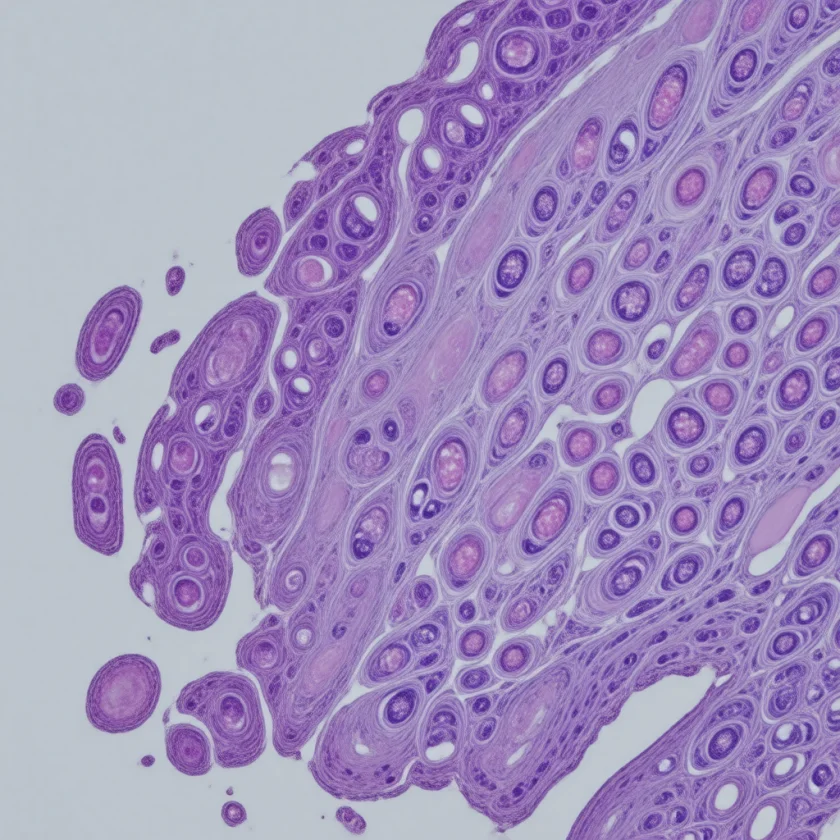

Articular (hyaline) cartilage gives joints a smooth, low-friction surface; collagen makes up about 60% of its dry weight, and type II collagen is 90–95% of that collagen (Sophia Fox 2009). Two different kinds of collagen supplement have been tested in joint trials. Hydrolyzed collagen (collagen peptides) is given in grams — 10 g a day in the Clark 2008 trial of athletes, 5 g in a 2017 trial of athletes with knee pain, 1.2 g in a 2012 trial of older adults with joint pain. Undenatured type II collagen from chicken sternum cartilage is given in milligrams — 40 mg a day in the Crowley 2009 and Lugo 2016 knee osteoarthritis trials, both sponsored by the company that supplies the ingredient. Meta-analyses report small-to-moderate improvements in osteoarthritis pain and function with collagen products and describe the evidence as limited, heterogeneous or at high risk of bias; the proposed oral-tolerance mechanism for undenatured collagen comes from animal studies. This page sets out what each trial and review found, how the trials were funded where the paper says so, and what the 2019 American College of Rheumatology guideline says about the older joint supplements.
Interactive Visualization Vitamin C, Collagen & Why Sailors Fell Apart Zip three protein chains into the strongest rope in biology — then take the vitamin C away and watch the helix unravel, and old healed scars split back open. Launch →
Table of Contents
- Joint Cartilage Biology — Type II Collagen as Scaffold
- Two Kinds of Collagen Supplement Studied for Joints
- The Clark 2008 Athlete Trial and Later Trials of Hydrolyzed Collagen
- The McAlindon 2011 Osteoarthritis Imaging Pilot
- Undenatured Type II Collagen Trials in Knee Osteoarthritis (Crowley 2009, Lugo 2016)
- The Oral-Tolerance Hypothesis — What the Animal Studies Show
- Glucosamine and Chondroitin — What the Trials and Guidelines Report
- Meta-Analyses and Combined Products
- Oral Type II Collagen in Rheumatoid Arthritis Research
- Doses and Time Courses Used in the Trials
- Key Research Papers
- Connections
- Featured Videos
Joint Cartilage Biology — Type II Collagen as Scaffold
Articular cartilage is the specialized connective tissue that covers the bone ends in movable (diarthrodial) joints. A review of its basic science describes its main job as providing a smooth, lubricated surface for movement and passing loads across the joint with low friction (Sophia Fox 2009).
The same review gives these proportions:
- Water — up to 80% of the wet weight of the tissue (65–80%, falling from the surface zone to the deep zone)
- Collagen — about 60% of the dry weight; type II collagen is 90–95% of the collagen and forms fibrils intertwined with proteoglycan aggregates
- Proteoglycans — the second-largest group of matrix molecules, 10–15% of the wet weight
- Chondrocytes (the cartilage cells) — about 2% of the total volume
- Minor collagens (types I, IV, V, VI, IX and XI) — a small share, helping to form and stabilize the type II fibril network
Articular cartilage has no blood vessels, lymphatics or nerves; it is nourished by diffusion from the synovial fluid, and the review describes it as having a limited capacity for intrinsic healing and repair (Sophia Fox 2009). Cartilage loss is a central feature of osteoarthritis.
The research question for collagen supplements is whether swallowing collagen, in either of two quite different forms, changes joint symptoms or cartilage. The trials below test that question in athletes, in older adults with joint pain, and in people with knee osteoarthritis.
Two Kinds of Collagen Supplement Studied for Joints
The joint-collagen trials fall into two groups that differ in form, dose and proposed mechanism:
- Hydrolyzed collagen (collagen hydrolysate, collagen peptides) — collagen broken into small peptides by enzymes. Daily doses in the trials on this page were 10 g (Clark 2008), 5 g (Zdzieblik 2017) and 1.2 g (Bruyère 2012). A 2006 review reported that, according to published research, orally given collagen hydrolysate is absorbed from the intestine and accumulates in cartilage, and that it increased the synthesis of matrix molecules by chondrocytes compared with untreated controls; the clinical studies it reviewed often did not report key information such as statistical significance (Bello & Oesser 2006). In mice and in cultured cartilage cells, the collagen dipeptide prolyl-hydroxyproline (Pro-Hyp) limited cartilage thinning and increased matrix glycosaminoglycan and aggrecan expression (Nakatani 2009) — an animal and cell finding, not a human result. The same dipeptide's effects on skin cells are covered in the skin deep dive.
- Undenatured type II collagen — type II collagen from chicken sternum cartilage processed to keep its native structure (Lugo 2016). The knee osteoarthritis trials gave 40 mg a day. The trial reports measured the active, undenatured content of that 40 mg differently: 10 mg of “bioactive undenatured type II collagen” in Crowley 2009, and 1.2 mg by an extraction-ELISA method in Lugo 2016. The proposed mechanism is oral tolerance, described below; it rests on animal studies.
The two forms are not studied at the same doses or for the same proposed reason. In mice, feeding soluble type II collagen before immunization suppressed collagen-induced arthritis while denatured type II collagen had no observable effect (Nagler-Anderson 1986), and the Lugo 2016 authors cite such animal work to suggest that hydrolyzed (denatured) collagen would not act through the same pathway.
The Clark 2008 Athlete Trial and Later Trials of Hydrolyzed Collagen
Clark and colleagues ran a 24-week randomized, placebo-controlled, double-blind trial at Penn State University, published in Current Medical Research and Opinion in 2008. It recruited 147 varsity or club athletes (72 men, 75 women) who had activity-related joint pain and no evidence of joint disease. One group (n = 73) took 25 mL of a liquid containing 10 g of collagen hydrolysate each day; the other (n = 74) took 25 mL of a xanthan-containing placebo liquid. Pain, mobility and inflammation were rated on visual analogue scales. Data from 97 of the 147 participants could be statistically evaluated (Clark 2008).
What the abstract reports:
- Across the 97 evaluable participants, six measures changed significantly more with collagen hydrolysate than with placebo: joint pain at rest rated by the physician (p = 0.025), and joint pain when walking (p = 0.007), standing (p = 0.011), at rest (p = 0.039), carrying objects (p = 0.014) and lifting (p = 0.018) rated by participants
- In the 63 participants with knee pain, the differences were larger (physician-rated pain at rest, p = 0.001), with significant differences also for pain when running in a straight line and when changing direction
- The authors describe the study's size and limitations and state that future studies are needed to support the findings
Two later trials tested collagen products in other groups:
- Zdzieblik 2017 — 139 athletes with functional knee pain took 5 g a day of collagen peptides or placebo for 12 weeks. Activity-related pain improved more with collagen peptides (change on a visual analogue scale 19.5 vs 13.9; p = 0.046), confirmed by the physicians' assessment (p = 0.021); pain at rest did not differ significantly from placebo (p = 0.209), and use of additional treatments fell in the collagen group. One of the four authors listed an affiliation with a private collagen research institute. A corrigendum to the paper was published later in 2017.
- Bruyère 2012 — 200 people aged 50 or over with joint pain of the limbs or lower back took 1.2 g a day of collagen hydrolysate or placebo for 6 months. At 6 months, 51.6% in the collagen group and 36.5% in the placebo group had at least a 20% improvement in pain in the most painful joint (p < 0.05); at 3 months the difference was not significant (44.1% vs 39.6%, p = 0.53). Tolerability did not differ between groups.
The McAlindon 2011 Osteoarthritis Imaging Pilot
McAlindon and colleagues at Tufts Medical Center ran a single-centre, randomized, placebo-controlled, double-blind pilot trial of collagen hydrolysate in mild knee osteoarthritis, published in Osteoarthritis and Cartilage in 2011. Participants could continue their usual pain medicines. The question was whether either of two MRI methods — delayed gadolinium-enhanced MRI of cartilage (dGEMRIC), which reflects proteoglycan content, or T2 mapping — could detect short-term changes in knee cartilage. The primary outcome was the change in dGEMRIC at 24 weeks; 48-week imaging, symptoms, function and analgesic use were secondary outcomes (McAlindon 2011).
Among 30 randomized participants, the dGEMRIC score rose in the medial and lateral tibial regions with collagen hydrolysate (median increases of 29 and 41 ms) and fell with placebo (median declines of 37 and 36 ms), and the difference between groups at 24 weeks was significant. No significant differences were seen in the other four cartilage regions, in any T2 value, or in the clinical outcomes. The authors concluded that the preliminary results suggest dGEMRIC may be able to detect a change in proteoglycan content among people taking collagen hydrolysate after 24 weeks (McAlindon 2011).
The trial was a 30-person pilot with an imaging surrogate as its main outcome, and it found no difference in symptoms. The 2019 American College of Rheumatology/Arthritis Foundation osteoarthritis guideline does not address collagen supplements (Kolasinski 2020).
Undenatured Type II Collagen Trials in Knee Osteoarthritis (Crowley 2009, Lugo 2016)
Lugo 2016. This multicentre, randomized, double-blind, placebo-controlled trial, published in Nutrition Journal, randomized 191 volunteers aged 40–75 with knee osteoarthritis (moderate-to-severe on physical examination) to one of three daily treatments for 180 days (Lugo 2016):
- Undenatured type II collagen, 40 mg (n = 63) — measured by the authors as delivering 1.2 mg of undenatured type II collagen
- Glucosamine hydrochloride 1,500 mg plus chondroitin sulfate 1,200 mg (n = 66)
- Placebo (n = 62)
The primary endpoint was the change in total WOMAC score (Western Ontario and McMaster Universities Osteoarthritis Index, which scores pain, stiffness and physical function; lower is better) from baseline to day 180. What the paper reports:
- At day 180, the undenatured collagen group had a significantly larger fall in total WOMAC score than placebo (p = 0.002) and than glucosamine plus chondroitin (p = 0.04) in the primary analysis; the mean changes were −551, −414 and −454 points respectively on the trial's scale
- In the paper's repeated-measures and area-under-the-curve analyses, the difference from placebo remained significant (p = 0.0097 and p = 0.0098), but the difference from glucosamine plus chondroitin was not (p = 0.25 and p = 0.26)
- WOMAC pain and stiffness subscores improved more than with placebo and with glucosamine plus chondroitin; physical function improved more than with placebo
- Glucosamine plus chondroitin did not differ significantly from placebo in total WOMAC score in any of the analyses
- Safety outcomes did not differ among the groups; 27 participants (14%) dropped out, nine per group, none because of an adverse event attributed to a study product
Funding: the trial was sponsored by the company that supplies the undenatured collagen ingredient, which also provided all study materials. Two of the three authors were employees of that company and the third provided consulting services to it. The paper states that the study was run and managed by a contract research organization and that an independent statistician performed the analyses (Lugo 2016).
Crowley 2009. This earlier trial, published in the International Journal of Medical Sciences, randomized 52 people with knee osteoarthritis to 40 mg a day of undenatured type II collagen (n = 26) or to glucosamine hydrochloride 1,500 mg plus chondroitin 1,200 mg a day (n = 26) for 90 days. It had no placebo group. After 90 days the undenatured collagen group's WOMAC score had fallen by 33%, against 14% with glucosamine plus chondroitin; visual analogue pain scores fell by 40% against 15.4%; and the Lequesne functional index fell by 20% against 6% (Crowley 2009). The paper states that the research was supported by the ingredient supplier's research center; three of its nine authors listed that company's research and development department, while the conflict-of-interest statement reads that no conflict of interest exists.
An earlier pilot. A 2002 paper by Bagchi and colleagues described a 42-day pilot study of 10 mg a day of undenatured type II collagen in five women aged 58–78 with significant joint pain, reporting reductions in pain and stiffness (Bagchi 2002).
What these trials cover: the two controlled trials enrolled people with knee osteoarthritis, not athletes or people with mild joint discomfort, and both were funded by the ingredient's supplier. A 2023 review that pooled eight randomized trials of undenatured type II collagen in early knee osteoarthritis (243 people receiving it) reported better WOMAC and pain scores than placebo and described the literature as limited (Kumar 2023).
The Oral-Tolerance Hypothesis — What the Animal Studies Show
The mechanism proposed for undenatured type II collagen is oral tolerance: an antigen eaten in small amounts is handled by the gut's lymphoid tissue in a way that dampens, rather than provokes, a later immune response to it. The evidence for this comes from animals:
- Mice, 1986. Collagen-induced arthritis is produced in susceptible mice and rats by immunizing them with type II collagen. Giving soluble type II collagen by stomach tube before immunization suppressed the incidence of arthritis; denatured type II collagen had no observable effect on the incidence or severity of the disease (Nagler-Anderson 1986).
- Mice, 2008. In mice fed type II collagen six times before immunization, dendritic cells in the Peyer's patches (lymphoid tissue in the gut wall) expressed more of the enzyme indoleamine 2,3-dioxygenase, and their suppressive effect on collagen-specific T cells was mediated by Foxp3+ regulatory T cells (Park 2008).
- Rats, 2013. In rats with chemically induced (monoiodoacetate) knee osteoarthritis, 1, 3 or 10 mg/kg of porcine native type II collagen by mouth for 13 days reduced pain measures, with greater effect at lower doses, and lowered a urine and blood marker of cartilage breakdown (CTX-II). The research was funded by the Italian Ministry of Education, University and Research and the University of Florence; one author disclosed a grant from a company (Di Cesare Mannelli 2013).
How this applies to osteoarthritis is not settled. The rat-study authors wrote that the absence of an immune component in osteoarthritis makes it difficult to assume oral tolerance as the mechanism (Di Cesare Mannelli 2013). The Lugo 2016 authors wrote that how undenatured type II collagen affects osteoarthritis symptoms is not known; they describe regulatory T cells as a hypothesis and call for studies of the mechanism (Lugo 2016).
Glucosamine and Chondroitin — What the Trials and Guidelines Report
Glucosamine and chondroitin sulfate were the comparison arm in both undenatured-collagen trials above. Their own record:
- GAIT trial (Clegg 2006). 1,583 people with symptomatic knee osteoarthritis were randomized to glucosamine 1,500 mg, chondroitin sulfate 1,200 mg, both, celecoxib 200 mg, or placebo daily for 24 weeks. Glucosamine and chondroitin alone or combined were not significantly better than placebo at reducing knee pain by 20% (placebo response 60.1%); celecoxib was. In an exploratory analysis of the subgroup with moderate-to-severe pain, the response rate was higher with the combination than with placebo (79.2% vs 54.3%).
- Glucosamine sulfate over 3 years (Reginster 2001). In 212 people with knee osteoarthritis given 1,500 mg of glucosamine sulfate or placebo daily for 3 years, the placebo group had progressive joint-space narrowing (mean −0.31 mm) while the glucosamine group had no significant joint-space loss (−0.06 mm).
- Supplement meta-analysis (Liu 2018). Glucosamine and chondroitin showed statistically significant pain improvements of unclear clinical importance; the authors described widely used supplements such as glucosamine and chondroitin as either ineffective or showing small and arguably clinically unimportant effects.
The 2019 American College of Rheumatology/Arthritis Foundation guideline strongly recommends against glucosamine for knee, hip and hand osteoarthritis. It notes that pharmaceutical-grade preparations have been studied in multiple trials, but that differences between industry-sponsored and publicly funded studies raise serious concerns about publication bias, and that the data at lowest risk of bias fail to show any important benefit over placebo. It strongly recommends against chondroitin for knee and hip osteoarthritis, and against combination products of glucosamine and chondroitin, while conditionally recommending chondroitin for hand osteoarthritis (Kolasinski 2020). Guideline positions on the main osteoarthritis treatments are summarized on the Osteoarthritis page.
Meta-Analyses and Combined Products
Several reviews have pooled the collagen trials in osteoarthritis:
- García-Coronado 2019 — in placebo-controlled trials of oral collagen, total WOMAC score fell (weighted mean difference −8.00) and visual analogue pain scores fell (−16.57). Among WOMAC subscores, only stiffness improved significantly; pain and functional limitation subscores did not differ significantly from placebo.
- Liu 2018 — across 69 trials of 20 supplements, collagen hydrolysate was among seven with large, clinically important effects on pain in the short term; undenatured type II collagen showed statistically significant short-term improvement of unclear clinical importance, and was one of two supplements with clinically important effects on pain at medium term. In the overall analysis, supplements as a group had no clinically important effects on pain and function at medium or long term, and the quality of evidence ranged from very low to high.
- Lin 2023 — four trials of collagen peptides (507 people with knee osteoarthritis), all judged at high risk of bias, showed greater pain relief than placebo (standardized mean difference −0.58); adverse events did not differ significantly.
- Liang 2024 — 35 randomized trials (3,165 people) of collagen derivatives found small-to-moderate effects on pain (standardized mean difference −0.35, moderate certainty) and function (−0.31, high certainty), with no increase in withdrawals or adverse events.
- Simental-Mendía 2025 — 11 trials (870 people) with knee osteoarthritis showed improvement in function and pain scores with collagen, with high heterogeneity between trials (I² 75% and 88%).
None of the trials described on this page tested hydrolyzed collagen and undenatured type II collagen together, or either one combined with other supplements. For two other supplements often combined with collagen, the 2019 ACR guideline conditionally recommends against fish oil (noting that only one published trial had addressed it in osteoarthritis) and conditionally recommends against vitamin D (noting that some trials showed small effects, others none, and pooled data were null) for knee, hip and hand osteoarthritis (Kolasinski 2020).
Arthritis more broadly, including lifestyle factors and medicines, is covered on the Arthritis page.
Oral Type II Collagen in Rheumatoid Arthritis Research
Rheumatoid arthritis is an inflammatory disease of the joint lining thought to involve T cells reacting to an antigen within the joint; type II collagen, the major protein of articular cartilage, is a potential autoantigen (Trentham 1993). The rheumatoid arthritis trials used chicken or bovine type II collagen; daily doses are given below where the paper's abstract states them. Their results:
- Trentham 1993 (Science) — in 60 people with severe, active rheumatoid arthritis, swollen and tender joint counts fell over 3 months with chicken type II collagen but not with placebo; four people in the collagen group had complete remission, and no side effects were evident.
- McKown 1999 — in 190 people with active rheumatoid arthritis, bovine type II collagen (0.1 mg a day for a month, then 0.5 mg a day) added to existing treatment for 6 months did not improve disease activity: the ACR 20 response was 16.84% with collagen and 20.0% with placebo, and several clinical measures favoured placebo.
- Cazzola 2000 — in 60 people with long-standing active rheumatoid arthritis, 0.25 mg a day of chicken type II collagen for 6 months gave a response rate that was not significantly different from placebo; the authors described only small and inconsistent benefits and raised the possibility that oral collagen may induce flares in a subgroup.
- Choy 2001 — in 55 people given 0.05, 0.5 or 5 mg of bovine type II collagen or placebo daily for 6 months, only the 0.5 mg group improved (small but significant); the authors described the therapeutic window as narrow.
- Wei 2009 — in a 24-week trial of 503 people comparing 0.1 mg a day of chicken type II collagen with methotrexate 10 mg a week, symptoms improved in both groups, but ACR 20 response rates (41.55% vs 57.86%) and ACR 50 response rates (16.89% vs 30.82%) were significantly lower with collagen; side effects were fewer and milder with collagen.
Taken together, these trials gave conflicting results, as the Choy 2001 authors noted of the trials before theirs. Decisions about rheumatoid arthritis treatment belong with a rheumatologist.
Doses and Time Courses Used in the Trials
The trials on this page used these products, doses and durations:
- Clark 2008 (athletes) — 10 g collagen hydrolysate daily, 24 weeks
- Zdzieblik 2017 (athletes with knee pain) — 5 g collagen peptides daily, 12 weeks
- Bruyère 2012 (age 50+, joint pain) — 1.2 g collagen hydrolysate daily, 6 months; no significant difference from placebo at 3 months, a significant difference at 6 months
- McAlindon 2011 (mild knee osteoarthritis) — collagen hydrolysate; imaging outcome at 24 weeks, follow-up to 48 weeks
- Crowley 2009 (knee osteoarthritis) — 40 mg undenatured type II collagen daily, 90 days, compared with glucosamine plus chondroitin
- Lugo 2016 (knee osteoarthritis) — 40 mg undenatured type II collagen daily, 180 days, compared with placebo and with glucosamine plus chondroitin
- Bagchi 2002 (pilot, five women) — 10 mg undenatured type II collagen daily, 42 days
On safety, the Lugo 2016 trial found no difference in safety outcomes among its three groups, and the Liang 2024 meta-analysis found no increase in withdrawals or adverse events with collagen derivatives compared with control. Questions about any supplement are for a clinician.
Key Research Papers
- Clark KL et al. (2008). 24-Week study on the use of collagen hydrolysate as a dietary supplement in athletes with activity-related joint pain. Current Medical Research and Opinion. 24(5):1485–1496. — PubMed PMID: 18416885
- McAlindon TE et al. (2011). Change in knee osteoarthritis cartilage detected by delayed gadolinium enhanced magnetic resonance imaging following treatment with collagen hydrolysate: a pilot randomized controlled trial. Osteoarthritis and Cartilage. 19(4):399–405. — PubMed PMID: 21251991
- Lugo JP et al. (2016). Efficacy and tolerability of an undenatured type II collagen supplement in modulating knee osteoarthritis symptoms: a multicenter randomized, double-blind, placebo-controlled study. Nutrition Journal. 15:14. — PubMed PMID: 26822714
- Crowley DC et al. (2009). Safety and efficacy of undenatured type II collagen in the treatment of osteoarthritis of the knee: a clinical trial. International Journal of Medical Sciences. 6(6):312–321. — PubMed PMID: 19847319
- Trentham DE et al. (1993). Effects of oral administration of type II collagen on rheumatoid arthritis. Science. 261(5129):1727–1730. — PubMed PMID: 8378772
- Bagchi D et al. (2002). Effects of orally administered undenatured type II collagen against arthritic inflammatory diseases: a mechanistic exploration. International Journal of Clinical Pharmacology Research. 22(3–4):101–110. — PubMed PMID: 12837047
- Bello AE, Oesser S (2006). Collagen hydrolysate for the treatment of osteoarthritis and other joint disorders: a review of the literature. Current Medical Research and Opinion. 22(11):2221–2232. — PubMed PMID: 17076983
- Zdzieblik D, Oesser S, Gollhofer A, König D (2017). Improvement of activity-related knee joint discomfort following supplementation of specific collagen peptides. Applied Physiology, Nutrition, and Metabolism. 42(6):588–595. (A corrigendum was published in 2017, PMID 29081241. Editorial note: this entry previously gave a different title for this paper.) — PubMed PMID: 28177710
- Ohara H et al. (2010). Collagen-derived dipeptide, proline-hydroxyproline, stimulates cell proliferation and hyaluronic acid synthesis in cultured human dermal fibroblasts. Journal of Dermatology. 37(4):330–338. — PubMed PMID: 20507402 (Editorial note: this entry previously described a chondrocyte study in Bioscience, Biotechnology, and Biochemistry; no such paper was found, and the 2010 Ohara paper on Pro-Hyp is this skin-fibroblast study. The chondrocyte evidence is Nakatani 2009, below.)
- Clegg DO et al. (2006). Glucosamine, chondroitin sulfate, and the two in combination for painful knee osteoarthritis. New England Journal of Medicine (GAIT trial). 354(8):795–808. — PubMed PMID: 16495392
- Lopez HL et al. (2015). Eggshell membrane as a novel bioactive ingredient in sports nutrition: a study in patients with mild joint pain. Journal of the American Nutraceutical Association. Editorial note: this paper could not be found in PubMed or Crossref and is unverified; it is not used for any statement on this page.
- García-Coronado JM et al. (2019). Effect of collagen supplementation on osteoarthritis symptoms: a meta-analysis of randomized placebo-controlled trials. International Orthopaedics. 43(3):531–538. — PubMed PMID: 30368550
- Bruyère O, Zegels B, Leonori L, Rabenda V, Janssen A, Bourges C, Reginster JY (2012). Effect of collagen hydrolysate in articular pain: a 6-month randomized, double-blind, placebo controlled study. Complementary Therapies in Medicine. 20(3):124–130. — PubMed PMID: 22500661
- Nakatani S, Mano H, Sampei C, Shimizu J, Wada M (2009). Chondroprotective effect of the bioactive peptide prolyl-hydroxyproline in mouse articular cartilage in vitro and in vivo. Osteoarthritis and Cartilage. 17(12):1620–1627. (Animal and cell study.) — PubMed PMID: 19615963
- Sophia Fox AJ, Bedi A, Rodeo SA (2009). The basic science of articular cartilage: structure, composition, and function. Sports Health. 1(6):461–468. — PubMed PMID: 23015907
- Liu X, Machado GC, Eyles JP, Ravi V, Hunter DJ (2018). Dietary supplements for treating osteoarthritis: a systematic review and meta-analysis. British Journal of Sports Medicine. 52(3):167–175. — PubMed PMID: 29018060
- Lin CR, Tsai SHL, Huang KY, Tsai PA, Chou H, Chang SH (2023). Analgesic efficacy of collagen peptide in knee osteoarthritis: a meta-analysis of randomized controlled trials. Journal of Orthopaedic Surgery and Research. 18(1):694. — PubMed PMID: 37717022
- Liang CW, Cheng HY, Lee YH, Liao CD, Huang SW (2024). Efficacy and safety of collagen derivatives for osteoarthritis: a trial sequential meta-analysis. Osteoarthritis and Cartilage. 32(5):574–584. — PubMed PMID: 38218227
- Simental-Mendía M, Ortega-Mata D, Acosta-Olivo CA, Simental-Mendía LE, Peña-Martínez VM, Vilchez-Cavazos F (2025). Effect of collagen supplementation on knee osteoarthritis: an updated systematic review and meta-analysis of randomised controlled trials. Clinical and Experimental Rheumatology. 43(1):126–134. — PubMed PMID: 39212129
- Kumar P, Bansal P, Rajnish RK, Sharma S, Dhillon MS, Patel S, Kumar V (2023). Efficacy of undenatured collagen in knee osteoarthritis: review of the literature with limited meta-analysis. American Journal of Translational Research. 15(9):5545–5555. — PubMed PMID: 37854210
- Nagler-Anderson C, Bober LA, Robinson ME, Siskind GW, Thorbecke GJ (1986). Suppression of type II collagen-induced arthritis by intragastric administration of soluble type II collagen. Proceedings of the National Academy of Sciences of the USA. 83(19):7443–7446. (Animal study.) — PubMed PMID: 3463976
- Park MJ et al. (2008). Indoleamine 2,3-dioxygenase-expressing dendritic cells are involved in the generation of CD4+CD25+ regulatory T cells in Peyer's patches in an orally tolerized, collagen-induced arthritis mouse model. Arthritis Research & Therapy. 10(1):R11. (Animal study.) — PubMed PMID: 18221522
- Di Cesare Mannelli L, Micheli L, Zanardelli M, Ghelardini C (2013). Low dose native type II collagen prevents pain in a rat osteoarthritis model. BMC Musculoskeletal Disorders. 14:228. (Animal study.) — PubMed PMID: 23915264
- McKown KM et al. (1999). Lack of efficacy of oral bovine type II collagen added to existing therapy in rheumatoid arthritis. Arthritis and Rheumatism. 42(6):1204–1208. — PubMed PMID: 10366113
- Cazzola M, Antivalle M, Sarzi-Puttini P, Dell'Acqua D, Panni B, Caruso I (2000). Oral type II collagen in the treatment of rheumatoid arthritis. A six-month double blind placebo-controlled study. Clinical and Experimental Rheumatology. 18(5):571–577. — PubMed PMID: 11072596
- Choy EH, Scott DL, Kingsley GH, Thomas S, Murphy AG, Staines N, Panayi GS (2001). Control of rheumatoid arthritis by oral tolerance. Arthritis and Rheumatism. 44(9):1993–1997. — PubMed PMID: 11592359
- Wei W et al. (2009). A multicenter, double-blind, randomized, controlled phase III clinical trial of chicken type II collagen in rheumatoid arthritis. Arthritis Research & Therapy. 11(6):R180. — PubMed PMID: 19951408
- Reginster JY et al. (2001). Long-term effects of glucosamine sulphate on osteoarthritis progression: a randomised, placebo-controlled clinical trial. Lancet. 357(9252):251–256. — PubMed PMID: 11214126
- Kolasinski SL et al. (2020). 2019 American College of Rheumatology/Arthritis Foundation Guideline for the Management of Osteoarthritis of the Hand, Hip, and Knee. Arthritis Care & Research. 72(2):149–162. — PubMed PMID: 31908149
PubMed Topic Searches
Connections
- All Amino Acids
- Vitamin C, Collagen & Why Sailors Fell Apart — interactive animation
- Collagen Overview
- Collagen Benefits Hub
- Collagen for Skin
- Collagen for Bone Density
- Collagen for Hair & Nails
- Arthritis
- Osteoporosis
- Bone Broth
- Glycine
- Proline
- Turmeric (Anti-Inflammatory)
- Vitamin C (Cofactor)
- Vitamin D3
- Copper (Lysyl Oxidase)
- Osteoarthritis — the joint disease these collagen trials were designed to treat.
- History
- Sources