N-Acetylcysteine (NAC) & Kidney Health
The kidney is one of the most metabolically active organs in the body. It receives roughly 25% of cardiac output, concentrates toxins and drugs during excretion, and relies heavily on its endogenous glutathione system to protect tubular epithelium from oxidative damage. When glutathione falls — whether from aging, diabetes, dialysis, iodinated contrast agents, sepsis, or rhabdomyolysis — the renal medulla becomes exquisitely vulnerable to injury. N-acetylcysteine (NAC) is the most clinically studied intervention for replenishing renal glutathione, and its role in kidney protection has been tested in more than a hundred randomized controlled trials over the past two decades.
This article surveys the full arc of NAC kidney research — from the landmark 2000 Tepel paper on contrast nephropathy through the definitive PRESERVE and ACT trials, to chronic kidney disease, hemodialysis, cystine stones, diabetic nephropathy, and acute kidney injury. The evidence is genuinely mixed: some indications are now considered discredited (routine contrast prophylaxis), while others remain practice-changing (cystinuria, hemodialysis cardiovascular protection). We walk through each one honestly.
Table of Contents
- Mechanisms of Kidney Protection
- Contrast-Induced Nephropathy: The Rise and Fall of Routine Prophylaxis
- Chronic Kidney Disease (CKD)
- Hemodialysis and the Tepel 2003 Cardiovascular Trial
- Acute Kidney Injury (AKI)
- Diabetic Nephropathy
- Cystinuria and Kidney Stone Prevention
- Rhabdomyolysis-Induced AKI
- Evidence Summary Table
- Dosing Protocols
- Safety Profile and Drug Interactions
- Practical Use for General Kidney Support
- References
- Connections
- Featured Videos
Mechanisms of Kidney Protection
NAC protects kidney tissue through at least five distinct, overlapping mechanisms. Understanding them helps explain why it works in some indications and not others.
1. Glutathione Replenishment
NAC is deacetylated intracellularly by acylase I to release free L-cysteine, which enters the glutathione synthesis pathway via glutamate-cysteine ligase (the rate-limiting enzyme). The renal proximal tubule has among the highest glutathione turnover rates in the body because it handles the bulk of xenobiotic and drug conjugation. When glutathione falls below ~30% of normal, tubular cells cannot detoxify electrophilic metabolites and mitochondrial ROS, and apoptosis follows. NAC raises tissue glutathione within 24–72 hours.
2. Direct Free-Radical Scavenging
NAC's free sulfhydryl (–SH) group directly quenches hydroxyl radicals (·OH), hypochlorous acid (HOCl), and peroxynitrite (ONOO–) without requiring enzymatic machinery. This makes NAC useful in acute settings (contrast, ischemia-reperfusion) where glutathione synthesis cannot keep pace with ROS bursts.
3. Nitric Oxide Donation and Medullary Vasodilation
NAC reacts with endogenous nitric oxide to form S-nitroso-NAC, a stable NO-donor. In the renal medulla — the part of the kidney most vulnerable to hypoxia — this restores vasodilation that is lost during contrast exposure, sepsis, and hypotension. Heyman and colleagues demonstrated in rat models that NAC reverses the medullary vasoconstriction induced by iodinated contrast agents.
4. NF-kB Suppression and Anti-Inflammatory Effects
Cellular redox state regulates nuclear factor kappa-B (NF-kB), the master transcription factor for inflammatory cytokines. By restoring glutathione, NAC reduces transcription of TNF-alpha, IL-1-beta, IL-6, and the chemokine MCP-1 in renal tubular cells. This is particularly relevant to sepsis-induced AKI and diabetic nephropathy, both of which have strong inflammatory components.
5. Mitochondrial Protection
Mitochondrial glutathione pools protect the electron-transport chain from the superoxide it constantly generates. Depletion of mitochondrial GSH triggers the mitochondrial permeability transition pore, which releases cytochrome c and initiates apoptosis — the end pathway common to ischemia-reperfusion, acetaminophen toxicity, and contrast nephropathy. NAC restores mitochondrial glutathione and prevents pore opening.
Contrast-Induced Nephropathy: The Rise and Fall of Routine Prophylaxis
Contrast-induced nephropathy (CIN), now more formally called contrast-associated acute kidney injury (CA-AKI), is defined as a rise in serum creatinine of 25% or at least 0.5 mg/dL within 48–72 hours of iodinated contrast. Pathophysiology involves direct tubular toxicity, medullary hypoxia from vasoconstriction, and a burst of oxidative stress — a triad that NAC is mechanistically perfect for. For nearly two decades, NAC was the most commonly used pharmacologic prophylaxis in cardiology, radiology, and nephrology. Then two large, well-conducted trials effectively ended the practice.
Tepel 2000 — The Landmark Paper
Martin Tepel and colleagues published in the New England Journal of Medicine (Vol 343, 2000) a small RCT of 83 patients with chronic renal insufficiency (mean serum creatinine ~2.4 mg/dL) undergoing contrast-enhanced CT. Patients received oral NAC 600 mg twice daily the day before and day of the procedure, or placebo, along with 0.45% saline in both arms. CIN occurred in 2% of NAC-treated patients versus 21% of placebo — a 90% relative risk reduction. The study was small and the control rate was high, but the result launched NAC into mainstream practice almost overnight.
Marenzi 2006 — High-Dose IV in STEMI
Giancarlo Marenzi and colleagues randomized 354 patients undergoing primary PCI for ST-elevation myocardial infarction to placebo, standard-dose NAC, or high-dose NAC (1,200 mg IV bolus, then 1,200 mg IV twice daily for 48 hours). CIN rates were 33% (placebo), 15% (standard), and 8% (high-dose) — with corresponding in-hospital mortality of 11%, 4%, and 3% (NEJM 354:2773). The signal seemed even stronger in the sickest patients.
REMEDIAL Trials (Briguori 2007)
The Italian REMEDIAL series showed that high-dose NAC (1,200 mg twice daily) was superior to standard dose in moderate-to-severe CKD patients undergoing angiography, and that combining NAC with sodium bicarbonate added further protection (Circulation 115:1211).
ACT Trial 2011 — The First Big Blow
The Acetylcysteine for Contrast-induced nephropathy Trial, led by Otavio Berwanger, randomized 2,308 at-risk patients undergoing angiography to oral NAC 1,200 mg twice daily (two doses before, two after) or placebo. CIN occurred in 12.7% of both groups (RR 1.00, 95% CI 0.81–1.25). There was no benefit on death, dialysis, or 30-day mortality (Circulation 124:1250). This well-powered trial substantially undermined the enthusiasm Tepel had generated.
PRESERVE 2018 — The Definitive Answer
Steven Weisbord and colleagues enrolled 5,177 high-risk patients (eGFR <60 or diabetes with eGFR <90) undergoing angiography across 53 VA and academic centers. A 2x2 factorial design tested IV sodium bicarbonate versus saline, and oral NAC versus placebo. The primary composite outcome (death, need for dialysis, or persistent 50% rise in creatinine at 90 days) occurred in 4.6% of NAC patients and 4.5% of placebo patients (OR 1.02, 95% CI 0.78–1.33). Neither bicarbonate nor NAC conferred benefit (NEJM 378:603).
PRESERVE is now considered definitive. Both KDIGO and the American College of Radiology removed routine NAC prophylaxis from their guidelines. Isotonic saline hydration remains the only evidence-supported preventive intervention. Some clinicians still use NAC adjunctively on the logic that it is cheap and safe, but the evidence does not support it.
What This Means for Patients
If you are scheduled for a CT with contrast or a cardiac catheterization and your doctor has not prescribed NAC, that is consistent with current evidence. Adequate hydration, avoidance of concurrent nephrotoxins, and using the minimum effective volume of contrast are the protective measures that actually work.
Chronic Kidney Disease (CKD)
CKD is characterized by progressive loss of glomerular filtration, accompanied by systemic oxidative stress, accelerated atherosclerosis, and retention of uremic toxins. Plasma markers of oxidative injury — malondialdehyde (MDA), advanced oxidation protein products (AOPP), F2-isoprostanes — rise inversely with eGFR.
Nascimento 2010
Nascimento and colleagues enrolled non-dialysis CKD stage 3–4 patients into a placebo-controlled trial of oral NAC 600 mg twice daily for 8 weeks. NAC reduced MDA and AOPP and improved endothelial function measured by flow-mediated dilation (American Journal of Kidney Diseases, and a peritoneal-dialysis companion paper in Peritoneal Dialysis International 30:336).
Renke 2008
In non-diabetic proteinuric CKD patients, oral NAC 1,200 mg/day for 8 weeks reduced urinary 8-isoprostane and urinary albumin excretion by roughly 25% (Kidney and Blood Pressure Research 31:404).
What About eGFR?
Despite consistent improvements in oxidative-stress biomarkers, no adequately powered long-term trial has shown that NAC slows CKD progression or delays dialysis. The small creatinine reductions seen in some studies may reflect reduced creatinine generation rather than true GFR improvement. Current KDIGO CKD guidelines do not recommend NAC for slowing progression.
Hemodialysis and the Tepel 2003 Cardiovascular Trial
Patients on maintenance hemodialysis have ~20-fold higher cardiovascular mortality than age-matched controls. The drivers include severe oxidative stress, chronic microinflammation, endothelial dysfunction, and iron-related redox cycling — a target-rich environment for an antioxidant intervention.
Tepel 2003 — The Positive Outcome Trial
Martin Tepel (the same investigator as the 2000 CIN paper) published in Circulation (107:992) an RCT of 134 hemodialysis patients randomized to NAC 600 mg twice daily or placebo for a median of 14.5 months. The composite cardiovascular endpoint — myocardial infarction, stroke, cardiovascular death, revascularization need, or peripheral artery disease — occurred in 47% of placebo patients versus 28% of NAC patients, a 40% relative risk reduction (RR 0.60, 95% CI 0.38–0.95, p=0.03). This remains one of the strongest single-trial signals in nephrology secondary prevention.
Why It Has Not Been Replicated
No subsequent large RCT has replicated Tepel 2003 in hemodialysis. The 2021 Cochrane review of antioxidants in CKD (Saglimbene) concluded that evidence for NAC on mortality or cardiovascular outcomes is of low certainty. Yet the mechanistic plausibility is strong, the side-effect profile is benign, and the cost is trivial — so many nephrologists still consider a trial of NAC 600 mg twice daily reasonable in high-cardiovascular-risk dialysis patients, while acknowledging the evidence is not definitive.
Acute Kidney Injury (AKI)
Sepsis-Induced AKI
Sepsis causes AKI through a combination of microcirculatory failure, cytokine-driven tubular injury, and oxidative stress. Several small RCTs (Molnar 2003, Spapen 1998) reported modest improvements in organ-failure scores but no mortality benefit. The 2012 Cochrane review (Szakmany) concluded that NAC does not reduce mortality or improve renal function in sepsis.
Cardiac Surgery AKI
Post-cardiopulmonary-bypass AKI is a major driver of morbidity after CABG and valve surgery. The 2009 Cochrane review (Ho and Morgan) pooled 10 RCTs with nearly 1,400 patients and found no reduction in AKI, need for dialysis, or mortality with perioperative NAC (American Journal of Kidney Diseases 53:33). NAC is not recommended in this setting.
Kidney Transplantation
Small trials have shown reduced markers of delayed graft function with NAC given to donors or recipients, but clinical graft survival has not improved consistently. The evidence is considered suggestive but inadequate for guideline adoption.
Diabetic Nephropathy
Diabetic kidney disease is driven by hyperglycemia-induced mitochondrial superoxide, advanced glycation end-products, and podocyte oxidative injury. Mechanistically, NAC should help — and in animal models it consistently reduces albuminuria, glomerular hypertrophy, and mesangial matrix expansion in streptozotocin-diabetic rats.
Human data are mostly short-term. Ribeiro 2011 showed that NAC 1,200 mg/day for 12 weeks in type 2 diabetics with microalbuminuria reduced urinary albumin-to-creatinine ratio by roughly 30% and lowered serum MDA. But no long-term RCT has demonstrated NAC slows progression to ESRD in diabetic nephropathy, and ACE inhibitors / ARBs / SGLT2 inhibitors remain the evidence-based backbone of renoprotection.
Cystinuria and Kidney Stone Prevention
Cystinuria is an autosomal-recessive defect in the SLC3A1/SLC7A9 cystine transporter that causes massive urinary cystine hyperexcretion. Cystine is poorly soluble (~250 mg/L at pH 7), so when urinary concentration exceeds that threshold, cystine crystallizes into hexagonal stones that recur throughout life. Conventional therapy escalates from hydration and urinary alkalinization to thiol drugs like tiopronin and D-penicillamine, which cleave cystine disulfides but have significant adverse-effect profiles (rash, taste disturbance, proteinuria, lupus-like syndrome).
How NAC Dissolves Cystine
Cystine is the oxidized dimer of cysteine, held together by a disulfide bond. NAC's free thiol performs a thiol-disulfide exchange reaction with cystine, forming a mixed disulfide (NAC-S-S-cysteine) that is approximately 200-fold more soluble than cystine. This shifts the equilibrium toward soluble species and prevents crystallization.
Evidence
A 2017 Nature Medicine paper (Sahota et al., 23:740) demonstrated that NAC dissolved cystine stones in a Drosophila model and in human urine samples, raising the possibility of dissolution therapy rather than just prevention. Older case series showed that 1–3 g/day oral NAC reduces urinary cystine supersaturation at doses comparable to tiopronin with a much more tolerable side-effect profile. NAC is now considered a reasonable second-line (or first-line in tiopronin-intolerant patients) thiol agent for cystinuria.
Calcium Oxalate Stones
Most kidney stones are calcium oxalate. Animal studies show NAC reduces oxalate-induced tubular oxidative injury and crystal deposition, but no RCT supports NAC for routine calcium-stone formers. Citrate, hydration, and dietary modification remain the evidence-based approach.
Rhabdomyolysis-Induced AKI
Rhabdomyolysis releases myoglobin into the circulation; myoglobin filters through glomeruli and causes direct tubular toxicity via heme-iron redox cycling, which generates catastrophic oxidative stress in proximal tubular cells. Aggressive crystalloid resuscitation with sodium bicarbonate remains first-line. NAC has been tested as an adjunct on mechanistic grounds (replenishing tubular glutathione against heme-iron-driven ROS), and small case series and animal data are supportive, but no large RCT exists. NAC is considered a reasonable adjunct in severe cases given its safety, not a standard therapy.
Evidence Summary Table
| Indication | Evidence Level | Current Role |
|---|---|---|
| Contrast-induced nephropathy prevention | Negative (PRESERVE, ACT) | No longer recommended |
| Acetaminophen-induced kidney/liver injury | Strong — FDA-approved | Standard of care (IV) |
| Cystinuria stone prevention | Moderate — small studies plus Nature Med mechanism | 2nd-line thiol agent after tiopronin |
| CKD oxidative-stress reduction | Moderate — biomarker data | Optional adjunct; does not slow progression |
| Hemodialysis cardiovascular events | One positive RCT (Tepel 2003) | Reasonable to consider, not guideline-endorsed |
| Sepsis-induced AKI | Negative (Cochrane) | Not recommended |
| Cardiac-surgery AKI prevention | Negative (Cochrane) | Not recommended |
| Diabetic nephropathy | Weak — short-term biomarker data | Investigational |
| Rhabdomyolysis AKI | Weak — case series | Reasonable adjunct in severe cases |
Dosing Protocols
Oral Dosing for CKD / Dialysis / General Kidney Support
- 600 mg twice daily (1,200 mg/day) — the dose used in Tepel 2003 and most biomarker studies
- Take with or without food; effervescent and liquid forms are better tolerated than capsules
- Typical treatment duration for biomarker response: 8–12 weeks minimum
IV Dosing for Acute MI (Historical, Marenzi Protocol)
- 1,200 mg IV bolus before PCI
- Followed by 1,200 mg IV twice daily for 48 hours
- This is hospital-based care; not applicable to routine outpatient use
Cystinuria
- 1–3 g/day orally, divided into 2–3 doses
- Combined with high fluid intake (>3 L/day) and urinary alkalinization (potassium citrate to target urine pH 7.0–7.5)
- Monitor 24-hour urinary cystine supersaturation
Pharmacokinetics
Oral bioavailability of intact NAC is 4–10% due to extensive first-pass deacetylation. Peak plasma concentration occurs 1–2 hours after ingestion. Half-life is roughly 6 hours for total NAC and shorter for reduced NAC. Food does not meaningfully change total absorption but may slow it. The low intact-molecule bioavailability is not a failure mode — the liver converts NAC to cysteine and glutathione directly, so the "active" species downstream are fully used.
Safety Profile and Drug Interactions
Common Oral Side Effects
- Nausea, vomiting, diarrhea — in 5–10%, usually mild and dose-related
- Characteristic sulfurous odor and taste
- Headache and facial flushing, infrequent
IV Anaphylactoid Reactions
Intravenous NAC causes non-IgE-mediated anaphylactoid reactions in 10–20% of first-loading-dose infusions — urticaria, bronchospasm, hypotension, angioedema. These are histamine-mediated and managed by slowing or pausing the drip plus antihistamines. Asthmatic patients are at higher risk. True IgE anaphylaxis is rare.
Drug Interactions
- Nitroglycerin: NAC potentiates nitrate-induced vasodilation and hypotension. Patients on chronic nitrates must be informed before starting NAC.
- Activated charcoal: adsorbs oral NAC — separate dosing by at least 1 hour.
- Antiplatelets / anticoagulants: theoretical mild additive effect; clinically rarely significant at standard doses.
Contraindications and Cautions
- Known NAC hypersensitivity
- Active peptic ulcer disease (relative — oral NAC can aggravate GI symptoms)
- Severe asthma (IV caution)
- Pregnancy Category B — generally considered safe; used IV in pregnant women for acetaminophen overdose
Practical Use for General Kidney Support
Given the mixed but broadly positive picture, what should someone interested in kidney health actually do? A practical framework:
- If you have CKD stage 3–4 and significant cardiovascular risk: a trial of 600 mg twice daily is reasonable, particularly if you are also on hemodialysis. Monitor blood pressure if you are on nitrates.
- If you have cystinuria or recurrent cystine stones: discuss NAC with your urologist as an alternative to tiopronin, especially if you have had thiol-drug side effects.
- If you are scheduled for a cardiac catheterization or CT with contrast: focus on hydration. NAC is no longer recommended for routine prophylaxis based on PRESERVE and ACT.
- If you have diabetes with microalbuminuria: NAC may reduce oxidative stress biomarkers, but ACE inhibitors, ARBs, and SGLT2 inhibitors are the evidence-backed renoprotective drugs.
- For general kidney antioxidant support in an aging population: 600–1,200 mg/day as a nutraceutical adjunct is a reasonable low-risk choice, but it is not a substitute for blood-pressure and glycemic control.
Always discuss new supplements with your nephrologist, especially if you are on multiple medications. The evidence for NAC is genuinely mixed; this page summarizes it honestly rather than overselling it.
References
- Tepel M, van der Giet M, Schwarzfeld C, et al. Prevention of radiographic-contrast-agent-induced reductions in renal function by acetylcysteine. N Engl J Med 2000;343(3):180–184. PMID 10900277.
- Marenzi G, Assanelli E, Marana I, et al. N-acetylcysteine and contrast-induced nephropathy in primary angioplasty. N Engl J Med 2006;354(26):2773–2782. PMID 16807414.
- Briguori C, Airoldi F, D'Andrea D, et al. Renal Insufficiency Following Contrast Media Administration Trial (REMEDIAL): a randomized comparison of 3 preventive strategies. Circulation 2007;115(10):1211–1217. PMID 17309918.
- ACT Investigators. Acetylcysteine for prevention of renal outcomes in patients undergoing coronary and peripheral vascular angiography (ACT). Circulation 2011;124(11):1250–1259. PMID 21859972.
- Weisbord SD, Gallagher M, Jneid H, et al. Outcomes after angiography with sodium bicarbonate and acetylcysteine (PRESERVE). N Engl J Med 2018;378(7):603–614. PMID 29130810.
- Tepel M, van der Giet M, Statz M, Jankowski J, Zidek W. The antioxidant acetylcysteine reduces cardiovascular events in patients with end-stage renal failure. Circulation 2003;107(7):992–995. PMID 12600912.
- Ho KM, Morgan DJR. Meta-analysis of N-acetylcysteine to prevent acute renal failure after major surgery. Am J Kidney Dis 2009;53(1):33–40. PMID 18805611.
- Kelly AM, Dwamena B, Cronin P, Bernstein SJ, Carlos RC. Meta-analysis: effectiveness of drugs for preventing contrast-induced nephropathy. Ann Intern Med 2008;148(4):284–294. PMID 18283206.
- Nascimento MM, Suliman ME, Silva M, et al. Effect of oral NAC on plasma inflammatory and oxidative stress markers in peritoneal dialysis patients. Perit Dial Int 2010;30(3):336–342. PMID 20228173.
- Renke M, Tylicki L, Rutkowski P, et al. The effect of NAC on proteinuria and markers of tubular injury in non-diabetic CKD patients. Kidney Blood Press Res 2008;31(6):404–410. PMID 19060485.
- Sahota A, Parihar JS, Capaccione KM, et al. Mechanisms that redirect the urinary excretion of cystine reveal new therapies for cystinuria. Nat Med 2017;23(6):740–743. PMID 28504723.
- Heyman SN, Goldfarb M, Shina A, Karmeli F, Rosen S. NAC ameliorates renal microcirculation. Kidney Int 2003;63(2):634–641. PMID 12631129.
- DiMari J, Megyesi J, Udvarhelyi N, et al. NAC ameliorates ischemic renal failure. Am J Physiol 1997;272(3 Pt 2):F292–F298. PMID 9087671.
- Sun Z, Fu Q, Cao L, et al. IV NAC for prevention of CIN: a meta-analysis of RCTs. PLoS One 2013;8(1):e55124. PMID 23383076.
- Saglimbene VM, Palmer SC, Ruospo M, et al. Antioxidants for adults with chronic kidney disease. Cochrane Database Syst Rev 2021;CD008176. PMID 33728639.
- Hsu SP, Chiang CK, Yang SY, Chien CT. NAC for prevention of CIN in patients with CKD. Nephrology (Carlton) 2010;15(2):229–234. PMID 20470282.
- Fishbane S, Durham JH, Marzo K, Rudnick M. NAC in the prevention of radiocontrast-induced nephropathy. J Am Soc Nephrol 2004;15(2):251–260. PMID 14747371.
- Molnar Z, Shearer E, Lowe D. NAC to prevent progression of multisystem organ failure. Crit Care Med 1999;27(6):1100–1104. PMID 10397212.
- Szakmany T, Hauser B, Radermacher P. NAC for sepsis and SIRS in adults. Cochrane Database Syst Rev 2012;CD006616. PMID 22972094.
- Ribeiro G, Roehrs M, Bairros A, et al. NAC on oxidative damage in diabetic rats (and related clinical extension data). Drug Chem Toxicol 2011;34(4):467–474. PMID 21770723.
Research Papers
Selected PubMed topic searches relevant to N-acetylcysteine in nephrology, including contrast-induced nephropathy and chronic kidney disease.
- PubMed: NAC and contrast-induced nephropathy
- PubMed: NAC and chronic kidney disease
- PubMed: NAC in hemodialysis patients
- PubMed: NAC and diabetic nephropathy
- PubMed: NAC and cisplatin nephrotoxicity
- PubMed: Glutathione in the renal tubule
- PubMed: NAC in kidney transplant ischemia
- PubMed: NAC and polycystic kidney disease
- PubMed: Homocysteine in CKD
- PubMed: Oxidative stress in CKD
- PubMed: NAC and acute kidney injury
- PubMed: Cystatin C and GFR
Connections
- NAC Overview — master hub
- NAC & Glutathione — the upstream mechanism
- NAC & Cardiovascular Health — relevant to CKD cardiac risk
- NAC & Liver Health — acetaminophen overdose protects kidney too
- Kidney Disease
- Kidney Stones
- Glomerulonephritis
- Acute Kidney Injury
- Nephrotic Syndrome
- Cysteine
- Celery Juice
- Coffee and Kidney Health
Featured Videos
NAC & Kidney Function: Benefits of N-Acetyl L-Cysteine for Kidney Health | ft. Dr. Matt Lyon

The REAL Reasons To Use N-Acetylcysteine (NAC)

What You ACTUALLY Need to Know About N-Acetylcysteine (NAC)
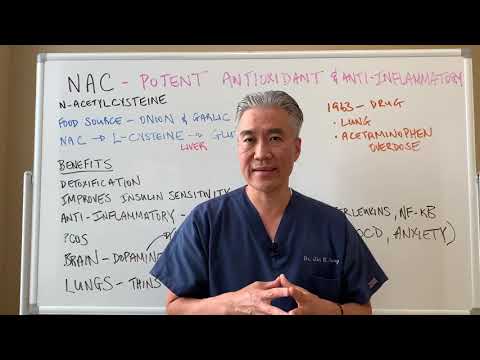
NAC--(N-Acetylcysteine) Potent Antioxidant and Anti-Inflammatory

10 AMAZING Benefits of NAC (N-Acetylcysteine) Supplements
Cysteine & CKD: How NAC Supports Glutathione & Kidney Health? | PODCAST | ft. Jessianna Saville

N-Acetylcysteine: Is It REALLY Dangerous? Dr. Anderson Explains

Tips To Reverse Low Kidney Function

The BIG NAC ( N-Acetyl Cysteine) Mistake