⚠ Evidence warning: Clinical trials or other evidence do not support the claim that matching the detox mechanism to the exposure produces measurable laboratory and symptom improvement. This page keeps it as a report of what people, websites or other media say.
Detox Protocols — Benefits Deep Dive
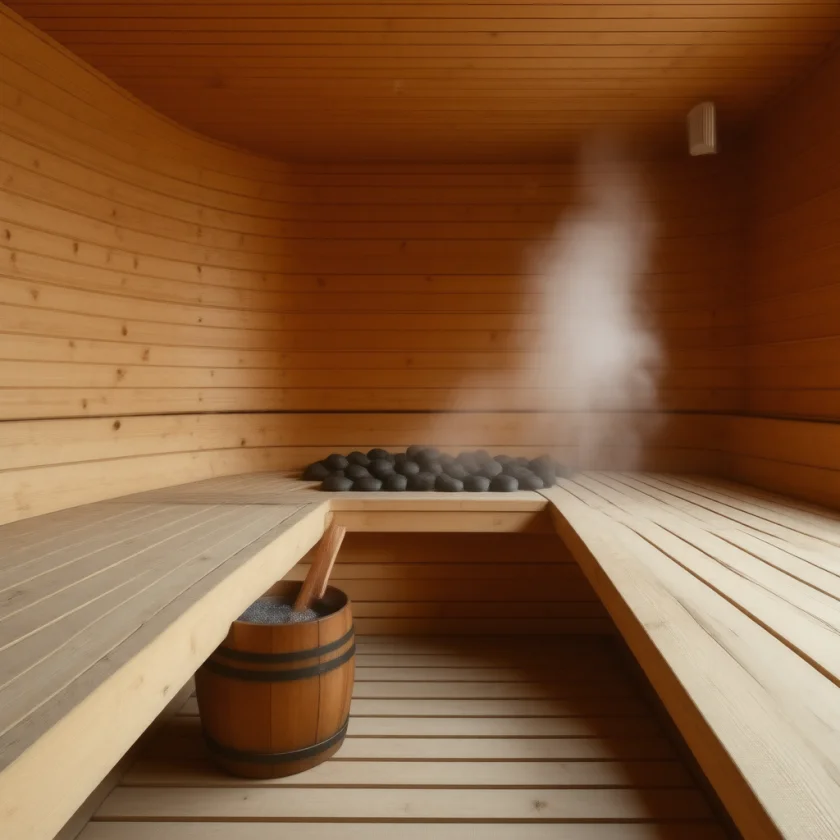
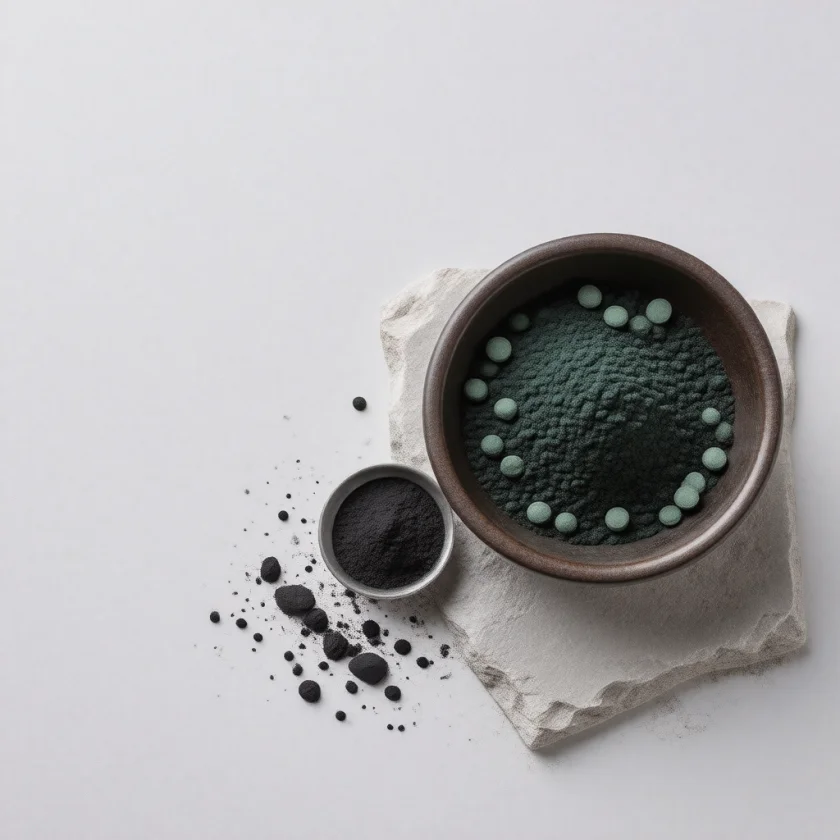
The human body has a coordinated, multi-organ detoxification system — the liver runs a two-phase biochemical pipeline (cytochrome P450 oxidation then conjugation), the sweat glands move heavy metals and lipophilic compounds across the dermis, intestinal binders intercept bile-recirculated toxins before reabsorption, and the colon serves as the final terminal-exit highway. Each of the four deep-dive pages below maps one of these mechanisms in depth: the liver Phase 1 / Phase 2 biochemistry that determines whether a toxin becomes safer or more reactive, the controlled-hyperthermia evidence base for sauna-induced sweating, the binder pharmacology that distinguishes activated charcoal from chlorella from cholestyramine, and the controversial-but-historically-documented practice of coffee enemas as practiced in the Gerson and Gonzalez protocols.
Deep-Dive Articles
Liver Phase 1 & Phase 2 Biotransformation
The cytochrome P450 (CYP) oxidation cascade that activates xenobiotics in Phase 1, the six conjugation pathways of Phase 2 (glucuronidation, sulfation, glutathione conjugation, acetylation, methylation, amino-acid conjugation), the dangerous "Phase 1 / Phase 2 mismatch" that generates more toxic intermediates than the body can neutralize, the genetic polymorphisms (cytochrome P450 2D6, NAT2, COMT, GST) that shift individual susceptibility, and the nutrient cofactors (B-vitamins, sulfur amino acids, magnesium, selenium) required for each step.
Read the deep dive →Sweating and Sauna Therapy
The Genuis and Sears chromatographic studies that quantified heavy metals (arsenic, cadmium, lead, mercury) and persistent organic pollutants (BPA, phthalates, PCBs) in induced sweat at concentrations frequently exceeding serum and urine levels, the Finnish Kuopio Ischemic Heart Disease cohort (an observational study of 2,315 middle-aged men, not a trial) linking more frequent sauna use with lower cardiovascular and all-cause mortality, infrared vs traditional Finnish sauna comparison, hydration and electrolyte protocols, and contraindications for unstable cardiovascular disease and certain medications.
Read the deep dive →Binders: Charcoal, Chlorella, and Beyond
How intestinal binders interrupt the enterohepatic recirculation loop that re-exposes the body to bile-secreted toxins, the pharmacology of activated charcoal (U.S. Food and Drug Administration-approved for acute poisoning, ~1,000 m²/g surface area), chlorella cell-wall binding to methylmercury and dioxins, bentonite and zeolite clays, the prescription bile-acid sequestrants cholestyramine and colesevelam used by Shoemaker for mold biotoxin illness (CIRS), timing relative to medications and meals, and the constipation / nutrient-depletion caveats.
Read the deep dive →Coffee Enemas
The historical inclusion of coffee enemas in the Merck Manual through the 1972 edition, Max Gerson's use in the 1940s-50s cancer protocol, Nicholas Gonzalez's revival of the practice for pancreatic cancer in his private practice and the regimen's later evaluation in a National Cancer Institute-sponsored study run at Columbia University, the proposed mechanism of caffeine-and-palmitate-driven glutathione S-transferase upregulation and bile flow stimulation, the existing observational and pilot evidence, electrolyte and bowel-perforation safety considerations, and the practical preparation and administration protocol.
Read the deep dive →Table of Contents
- Deep-Dive Articles
- How the Four Detox Mechanisms Differ
- Research Papers: Liver Phase 1 / Phase 2
- Research Papers: Sauna & Sweating
- Research Papers: Binders
- Research Papers: Coffee Enemas
- Research Papers: Cross-Cutting (Toxin Burden, Cofactors)
- External Authoritative Resources
- Connections
- Featured Videos
How the Four Detox Mechanisms Differ
"Detox" is one of the most over-marketed and least-understood terms in consumer health. Most retail "detox teas" and "cleanses" target none of the actual biochemical machinery that the body uses to neutralize and excrete xenobiotic toxins. A scientifically grounded detox protocol matches an intervention to a specific clearance pathway, because the body uses four physically and biochemically distinct routes to remove fat-soluble toxins, water-soluble toxins, heavy metals, and biotoxins:
- Hepatic biotransformation — the liver's two-phase pipeline converts lipophilic toxins into water-soluble metabolites that can be excreted through bile or urine. Liver Phase 1 and Phase 2 walks through the CYP450 superfamily, conjugation chemistry, and the cofactor depletion that turns a normally protective system into a generator of reactive intermediates.
- Dermal excretion via sweat — eccrine sweat glands move both water-soluble (urea, sodium, lactate) and certain lipophilic compounds across the skin. Sweating and sauna therapy reviews the controlled studies that have quantified arsenic, cadmium, lead, mercury, BPA, and phthalates in induced sweat, sometimes at concentrations exceeding serum.
- Intestinal sequestration via binders — toxins excreted in bile re-enter the gut lumen and can be reabsorbed (enterohepatic recirculation) unless physically bound to an indigestible substrate that escorts them out in stool. Activated charcoal, chlorella, bentonite, cholestyramine, and colesevelam each have a different binding profile and different appropriate use cases.
- Colonic transit and biliary clearance — the colon is the final exit; if transit is slow, toxins linger and re-absorb. Coffee enemas are the most controversial of the four interventions, with proponents pointing to liver biotransformation enzyme upregulation and bile-flow stimulation, and skeptics pointing to limited rigorous trials and a small safety signal for electrolyte disturbance.
Practitioners of these protocols describe the four mechanisms as complementary, not redundant. For a heavy-metal burden they combine all four: liver cofactors to support glutathione conjugation, sweating to mobilize cadmium and mercury through the dermis, binders to capture biliary mercury before reabsorption, and adequate colonic transit to prevent the bound complexes from sitting in the gut. For a mold-biotoxin presentation (chronic inflammatory response syndrome, CIRS) they lean heavily on bile-acid sequestrant binders, and for a pharmaceutical or industrial exposure on liver Phase 1 / Phase 2 support and sauna. Matching mechanism to exposure is the difference between a protocol that produces measurable laboratory and symptom improvement and a protocol that produces only marketing copy. These combinations come from practice rather than from trials.
What is known and not known: a 2012 systematic review of arsenic, cadmium, lead and mercury in sweat included 24 studies. In people with higher exposure or body burden, sweat levels generally exceeded plasma or urine levels, and cadmium was more concentrated in sweat than in blood plasma. The reviewers conclude that research “including appropriately sized trials” is still needed to establish safe, effective sweating protocols.
The same scientific lens applies to safety. Each mechanism has its own contraindications: cytochrome P450 inducers can dangerously accelerate prescription drug clearance (or in the opposite case, inhibitors can produce drug-level toxicity); sauna is contraindicated in unstable cardiovascular disease and certain seizure disorders; binders can sequester essential nutrients and medications if mistimed; coffee enemas carry electrolyte and rare bowel-perforation risk. Each deep-dive page covers the corresponding cautions in detail.
Research Papers: Liver Phase 1 / Phase 2
- Cytochrome P450 superfamily overview and xenobiotic metabolism (Guengerich) PubMed: CYP450 review
- Glutathione S-transferase polymorphisms (GSTM1, GSTT1, GSTP1) and detoxification capacity PubMed: GST polymorphisms
- NAT2 (N-acetyltransferase 2) slow vs fast acetylator phenotypes PubMed: NAT2 acetylator phenotypes
- Sulfation and PAPS (3'-phosphoadenosine-5'-phosphosulfate) cofactor requirements PubMed: Sulfation and PAPS
- Glucuronidation and UGT enzyme polymorphisms (UGT1A1 Gilbert syndrome) PubMed: UGT glucuronidation
- Cruciferous vegetables, sulforaphane, and Nrf2-mediated Phase 2 induction PubMed: Sulforaphane Nrf2
- Hepatic glutathione synthesis and cysteine availability PubMed: Glutathione synthesis
- COMT (catechol-O-methyltransferase) and estrogen / catecholamine methylation PubMed: COMT methylation
- Drug-drug interactions and grapefruit juice CYP3A4 inhibition PubMed: Grapefruit CYP3A4
- St John's Wort and CYP3A4 / P-glycoprotein induction PubMed: St John's Wort CYP
Research Papers: Sauna & Sweating
- Genuis et al., "Blood, Urine, and Sweat (BUS) Study" — arsenic, cadmium, lead, mercury — 21057782: Genuis BUS Study. — PubMed PMID: 21057782
- Sears ME et al., Arsenic, cadmium, lead, mercury in sweat: a systematic review — 22505948: Sears heavy metals in sweat. — PubMed PMID: 22505948
- Genuis SJ et al., Human elimination of phthalate compounds via sweat — 23213291: Phthalates in sweat. — PubMed PMID: 23213291
- Genuis SJ, Beesoon S, Birkholz D, Lobo RA. Human excretion of bisphenol A: blood, urine, and sweat (BUS) study. J Environ Public Health. 2012;2012:185731. — PubMed PMID: 22253637. In this study of 20 people, bisphenol A (BPA, a chemical used in plastics) was found in the sweat of 16, including some people who had no BPA detected in their blood or urine. The authors conclude that blood or urine testing may underestimate how much BPA the body holds.
- Laukkanen T et al., Sauna bathing and cardiovascular events (Kuopio Ischemic Heart Disease) — 25705824: Kuopio sauna cardiovascular. — PubMed PMID: 25705824. An observational study, not a trial, of 2,315 middle-aged men (aged 42–60) in Eastern Finland followed for a median of 20.7 years. After adjustment for cardiovascular risk factors, men who used a sauna 4 to 7 times a week had a hazard ratio for sudden cardiac death of 0.37 compared with men who used it once a week; similar associations were seen for fatal heart disease and death from any cause. Women were not studied.
- Laukkanen JA et al., Sauna bathing and dementia / all-cause mortality — 27932366: Sauna and dementia. — PubMed PMID: 27932366
- Patrick RP, Johnson TL. Sauna use as a lifestyle practice to extend healthspan. Exp Gerontol. 2021;154:111509. — PubMed PMID: 34363927.
- Hannuksela ML, Ellahham S. Benefits and risks of sauna bathing. Am J Med. 2001;110(2):118–126. — PubMed PMID: 11165553.
- Crinnion WJ, Sauna as a valuable clinical tool for detoxification — 21951023: Crinnion sauna detox. — PubMed PMID: 21951023
- Beever R, Far-infrared sauna for cardiovascular risk factors. — Search PubMed
Research Papers: Binders
- Chyka PA, Seger D, Krenzelok EP, Vale JA; American Academy of Clinical Toxicology; European Association of Poisons Centres and Clinical Toxicologists. Position paper: Single-dose activated charcoal. Clin Toxicol (Phila). 2005;43(2):61–87. — PubMed PMID: 15822758.
- American Academy of Clinical Toxicology; European Association of Poisons Centres and Clinical Toxicologists. Position statement and practice guidelines on the use of multi-dose activated charcoal in the treatment of acute poisoning. J Toxicol Clin Toxicol. 1999;37(6):731–751. — PubMed PMID: 10584586.
- Chlorella and dioxin / methylmercury excretion (animal studies): Morita K, Matsueda T, Iida T, Hasegawa T. Chlorella accelerates dioxin excretion in rats. J Nutr. 1999;129(9):1731–1736. — PubMed PMID: 10460212; Uchikawa T, Kumamoto Y, Maruyama I, Kumamoto S, Ando Y, Yasutake A. Enhanced elimination of tissue methylmercury in Parachlorella beijerinckii-fed mice. J Toxicol Sci. 2011;36(1):121–126. — PubMed PMID: 21297350.
- Shim JA, Son YA, Park JM, Kim MK. Effect of Chlorella intake on Cadmium metabolism in rats. Nutr Res Pract. 2009;3(1):15–22. — PubMed PMID: 20016697.
- Bentonite (montmorillonite) for aflatoxin binding (a calcium montmorillonite clay studied as an aflatoxin binder): Phillips TD, Afriyie-Gyawu E, Williams J, Huebner H, Ankrah NA, Ofori-Adjei D, Jolly P, Johnson N, Taylor J, Marroquin-Cardona A, Xu L, Tang L, Wang JS. Reducing human exposure to aflatoxin through the use of clay: a review. Food Addit Contam Part A Chem Anal Control Expo Risk Assess. 2008;25(2):134–145. — PubMed PMID: 18286403.
- Ghana trial of a calcium montmorillonite clay studied as an aflatoxin binder: Afriyie-Gyawu E, Ankrah NA, Huebner HJ, Ofosuhene M, Kumi J, Johnson NM, Tang L, Xu L, Jolly PE, Ellis WO, Ofori-Adjei D, Williams JH, Wang JS, Phillips TD. NovaSil clay intervention in Ghanaians at high risk for aflatoxicosis. I. Study design and clinical outcomes. Food Addit Contam Part A Chem Anal Control Expo Risk Assess. 2008;25(1):76–87. — PubMed PMID: 17852392; Wang P, Afriyie-Gyawu E, Tang Y, Johnson NM, Xu L, Tang L, Huebner HJ, Ankrah NA, Ofori-Adjei D, Ellis W, Jolly PE, Williams JH, Wang JS, Phillips TD. NovaSil clay intervention in Ghanaians at high risk for aflatoxicosis: II. Reduction in biomarkers of aflatoxin exposure in blood and urine. Food Addit Contam Part A Chem Anal Control Expo Risk Assess. 2008;25(5):622–634. — PubMed PMID: 18478481.
- Shoemaker RC, Cholestyramine for chronic biotoxin illness (CIRS / mold) PubMed: Shoemaker cholestyramine
- Kraljević Pavelić S, Simović Medica J, Gumbarević D, Filošević A, Pržulj N, Pavelić K. Critical Review on Zeolite Clinoptilolite Safety and Medical Applications in vivo. Front Pharmacol. 2018;9:1350. — PubMed PMID: 30538633.
- Pectin and lead chelation in animal models — Search PubMed
Research Papers: Coffee Enemas
- Gonzalez NJ, Isaacs LL. Evaluation of pancreatic proteolytic enzyme treatment of adenocarcinoma of the pancreas, with nutrition and detoxification support. Nutr Cancer. 1999;33(2):117–124. — PubMed PMID: 10368805. An uncontrolled case series of 11 patients; its favourable survival figures were not reproduced when the same regimen was tested against chemotherapy (next entry).
- Chabot JA, Tsai WY, Fine RL, Chen C, Kumah CK, Antman KA, Grann VR. Pancreatic proteolytic enzyme therapy compared with gemcitabine-based chemotherapy for the treatment of pancreatic cancer. J Clin Oncol. 2010;28(12):2058–2063. — PubMed PMID: 19687327. The decisive test of this regimen, sponsored by the National Cancer Institute. Among 55 patients with inoperable pancreatic cancer, the 23 who chose gemcitabine-based chemotherapy lived a median of 14.0 months, while the 32 who chose the enzyme-and-detoxification regimen lived a median of 4.3 months (adjusted mortality hazard ratio 6.96, P < .001). One-year survival was 56% versus 16%, and quality-of-life ratings were also better in the chemotherapy group. The trial began as a randomized study, but because most eligible patients refused random assignment it was changed to a controlled observational study in which patients chose their treatment.
- Coffee enema case reports: Eisele JW, Reay DT. Deaths related to coffee enemas. JAMA. 1980;244(14):1608–1609. — PubMed PMID: 7420666.
- Keum B, Jeen YT, Park SC, Seo YS, Kim YS, Chun HJ, Um SH, Kim CD, Ryu HS. Proctocolitis caused by coffee enemas. Am J Gastroenterol. 2010;105(1):229–230. — PubMed PMID: 20054322.
- Caffeine pharmacokinetics by rectal administration PubMed: Rectal caffeine pharmacokinetics
- Lam LK, Sparnins VL, Wattenberg LW. Isolation and identification of kahweol palmitate and cafestol palmitate as active constituents of green coffee beans that enhance glutathione S-transferase activity in the mouse. Cancer Res. 1982;42(4):1193–1198. — PubMed PMID: 7059995. A study in mice fed green coffee beans.
- Cassileth BR, The Gonzalez regimen (overview & controversy) PubMed: Gonzalez regimen overview
- Hildenbrand GL et al., Five-year survival in Gerson therapy for melanoma PubMed: Hildenbrand Gerson melanoma
- Teekachunhatean S, Tosri N, Rojanasthien N, Srichairatanakool S, Sangdee C. Pharmacokinetics of Caffeine following a Single Administration of Coffee Enema versus Oral Coffee Consumption in Healthy Male Subjects. ISRN Pharmacol. 2013;2013:147238. — PubMed PMID: 23533801.
Research Papers: Cross-Cutting (Toxin Burden, Cofactors)
- CDC National Report on Human Exposure to Environmental Chemicals PubMed: CDC NHANES exposure report
- Environmental Working Group, Body Burden study (cord blood toxin survey) PubMed: Cord-blood body burden
- Glutathione and N-acetylcysteine (NAC) in acetaminophen overdose PubMed: NAC acetaminophen antidote
- Magnesium status and glutathione synthesis PubMed: Magnesium and glutathione
- Selenium and glutathione peroxidase in heavy-metal detoxification PubMed: Selenium and mercury
- B-vitamin methylation cycle (folate, B12, B6) and Phase 2 conjugation PubMed: B-vitamins methylation
- Constipation and enterohepatic recirculation of estrogens / toxins PubMed: Enterohepatic recirculation
- Bile acid synthesis and biliary excretion of lipophilic toxins PubMed: Biliary toxin excretion
- Fasting and autophagy in cellular clearance of damaged organelles PubMed: Fasting and autophagy
- Persistent organic pollutants (POPs) and adipose tissue redistribution during weight loss PubMed: POPs and adipose redistribution
External Authoritative Resources
- ATSDR Toxicological Profiles (U.S. Centers for Disease Control and Prevention, CDC) — the canonical reference for the toxicokinetics, health effects, and human exposure pathways of every regulated environmental toxin
- U.S. Centers for Disease Control and Prevention National Report on Human Exposure to Environmental Chemicals — ongoing biomonitoring data on chemical burden in the U.S. population
- Environmental Working Group — consumer-facing toxin and chemical-exposure database
- National Institute of Environmental Health Sciences (NIEHS) — federal research on environment-disease linkages
- PubMed — All research on detoxification / xenobiotic clearance