Coltsfoot and Pyrrolizidine Alkaloids: The Liver Risk
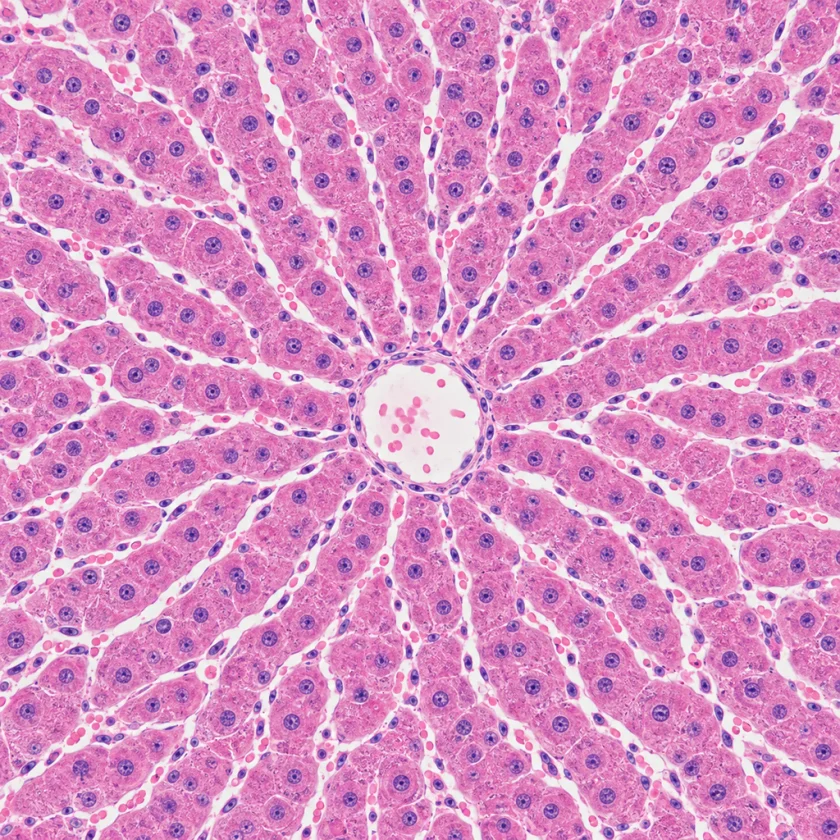
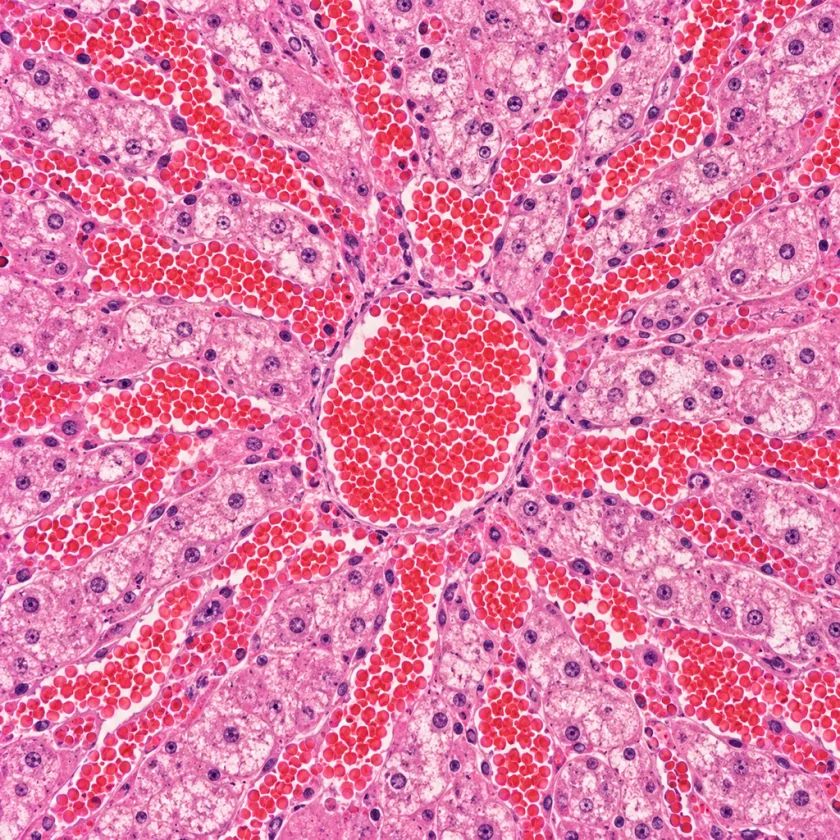
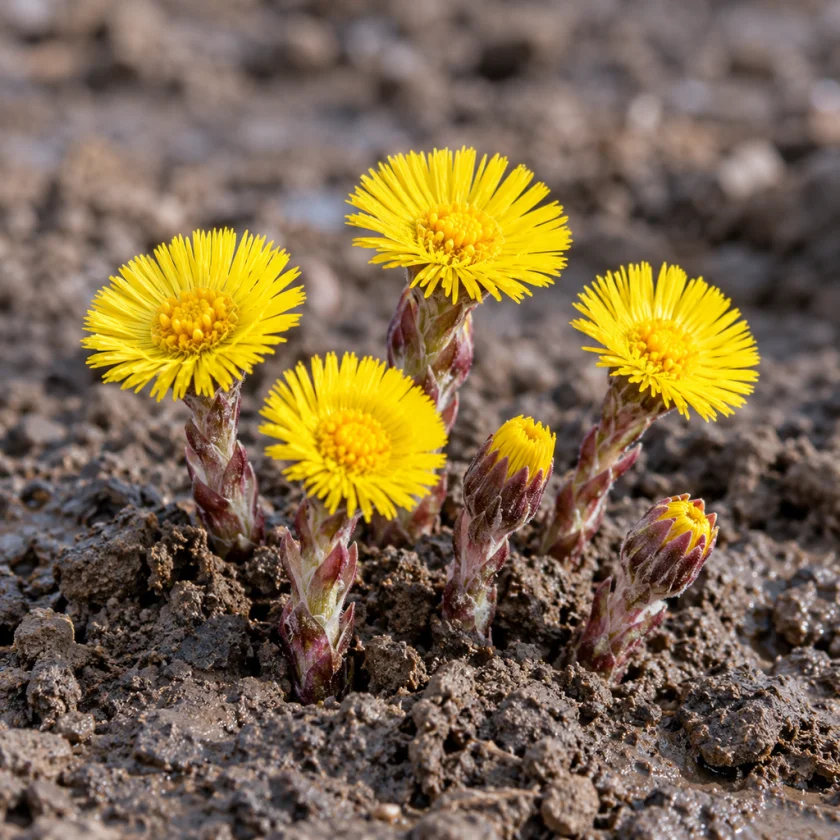
Of all the coltsfoot pages, this is the one that matters most. Everything else about Tussilago farfara — the two-thousand-year cough tradition, the pleasant slippery tea, the honey-fried Chinese flower buds, the old boiled sweets called coltsfoot rock — sits downstream of a single chemical fact. The plant makes pyrrolizidine alkaloids, and pyrrolizidine alkaloids injure the liver in a specific, well-characterised, cumulative way.
This is not a scare page and it is not a contamination story. Nobody sprayed anything on the plant. The alkaloids are coltsfoot's own manufactured insect defence, built into the leaf and the flower bud, and no amount of washing, organic certification or careful sourcing removes them from ordinary coltsfoot. That is what makes coltsfoot different from a herb with a theoretical concern attached: the hazard is structural. This page explains exactly what the alkaloids are, the chemical trap by which your own liver turns a fairly inert molecule into a reactive one, the vascular disease that results, what has actually been documented in people (including where the record is genuinely uncertain, which we say plainly), and what warning signs and lab tests matter.
Table of Contents
- What Pyrrolizidine Alkaloids Are
- Senkirkine and Senecionine: Coltsfoot's Two
- The Metabolic Trap: The Liver Makes the Poison
- Hepatic Sinusoidal Obstruction Syndrome
- Why the Damage Is Cumulative and Delayed
- Documented Human Cases — and Their Caveats
- Genotoxicity and the Cancer Signal
- Plant Part, Season, Provenance: Why Content Varies
- How Preparation Affects the Alkaloids
- Warning Signs and Which Lab Tests Matter
- Groups at Highest Risk
- Evidence Tiers for Every Claim on This Page
- Key Research Papers
- Connections
- Featured Videos
What Pyrrolizidine Alkaloids Are
Pyrrolizidine alkaloids — PAs for short — are a family of several hundred related plant compounds built around a double-ring core called the pyrrolizidine nucleus, usually carrying an attached ester side chain. Plants across at least a dozen families make them, and they make them for the same reason a nettle makes a sting: to be unpleasant to eat. Insects and grazing animals that consume PA-rich plants get sick, so over evolutionary time the plants that made more alkaloid were browsed less.
Toxicologists divide the family by one structural detail that turns out to matter enormously. PAs with a double bond at the 1,2 position of the ring — the "1,2-unsaturated" PAs — are the dangerous ones. PAs without it are largely benign. Coltsfoot's alkaloids are in the dangerous group. This is a rare case where a single bond in a diagram predicts whether a plant belongs in a teacup.
The plants that carry 1,2-unsaturated PAs form a rogues' gallery familiar to anyone who reads herbal safety literature: comfrey, butterbur, borage, the ragworts and groundsels (Senecio species), heliotrope, and coltsfoot. Some, like comfrey, have been the subject of decades of regulatory attention. Others, like the Senecio weeds, have caused mass poisonings when their seeds contaminated grain harvests. The whole class has been reviewed repeatedly — the widely cited 1999 survey Pyrrolizidine alkaloids in human diet in Mutation Research laid out the dietary exposure routes, and later reviews such as Pyrrolizidine alkaloids in food: a spectrum of potential health consequences (Food Additives & Contaminants: Part A, 2011) and Pyrrolizidine alkaloids: chemistry, pharmacology, toxicology and food safety (International Journal of Molecular Sciences, 2018) extended it. (Evidence tier: established review literature.)
What every one of those reviews converges on is a three-word verdict: these compounds are hepatotoxic, genotoxic and, for several members of the class, carcinogenic in animals. It is unusual for a plant-constituent class to attract all three descriptors. It is the reason coltsfoot is not simply "a herb with cautions."
Senkirkine and Senecionine: Coltsfoot's Two
Coltsfoot's principal alkaloids are senkirkine and senecionine. Senkirkine is generally reported as the dominant one in Tussilago farfara; senecionine, the alkaloid that gives its name to the whole Senecio group, is usually present in smaller amounts. Both are 1,2-unsaturated. Both belong to the toxic side of the structural divide described above.
Senkirkine has one structural quirk worth knowing about, because it undercuts a comforting assumption. It is an otonecine-type alkaloid rather than the more common retronecine type. Retronecine-type PAs are often present in the plant partly as N-oxides — a more water-soluble, somewhat less directly reactive form. Otonecine-type alkaloids such as senkirkine do not form stable N-oxides in the same way, and they are activated by liver enzymes without needing an intermediate reduction step. In practical terms: the presence of senkirkine means you cannot argue that coltsfoot's alkaloid load is mostly in a "safer" N-oxide reservoir. The modern comprehensive review of the plant — A review of the ethnobotanical value, phytochemistry, pharmacology, toxicity and quality control of Tussilago farfara L. (coltsfoot), Journal of Ethnopharmacology, 2021 — catalogues both alkaloids among well over a hundred identified constituents and treats their presence as the plant's central quality-control problem. (Evidence tier: analytical chemistry, well established.)
It is worth being explicit about what the rest of the plant's chemistry does not do. Coltsfoot also contains mucilage, flavonoids such as rutin and hyperoside, and the sesquiterpene tussilagone, which has genuine anti-inflammatory activity in cell studies. None of those compounds neutralise, chelate, block or otherwise protect against the alkaloids. A plant is not a formulation designed for balance; it is a plant. The soothing constituents and the hepatotoxic ones simply coexist in the same leaf.
The Metabolic Trap: The Liver Makes the Poison
Here is the part that surprises people, and it is the key to understanding everything downstream. The alkaloid you swallow is not, itself, very toxic. If PAs stayed in the form they arrive in, they would be a minor curiosity. The damage happens because the liver tries to detoxify them and, in doing so, manufactures something far worse inside its own cells.
The sequence, established in detail across the mechanistic literature, runs like this:
- Absorption. The alkaloid is absorbed from the gut and travels in the portal circulation straight to the liver — the organ that receives everything the intestine takes up, at full concentration, before the rest of the body sees it.
- Oxidation by cytochrome P450. Hepatic CYP enzymes, principally the CYP3A family, oxidise the alkaloid. The intended outcome is a more water-soluble molecule that can be excreted. For 1,2-unsaturated PAs the actual outcome is a dehydropyrrolizidine — a reactive pyrrolic ester.
- Electrophilic attack. That pyrrolic ester is highly electrophilic: it is chemically hungry for electron-rich sites. Inside the cell those sites are proteins, glutathione and DNA. It binds them covalently, forming what analytical toxicologists call pyrrole–protein adducts.
- Where the damage lands. The adducts form in and around the hepatocytes closest to the liver's smallest draining vessels, and critically they damage the sinusoidal endothelial cells that line those vessels. Endothelium is thin, metabolically exposed and poor at repair. It gives way first.
This process has a name — metabolic activation — and it explains the organ specificity elegantly. The liver is harmed not because it is passive but because it is the site of the chemistry. The mechanism is laid out in Pyrrolizidine alkaloids — genotoxicity, metabolism enzymes, metabolic activation, and mechanisms (Drug Metabolism Reviews, 2004) and refined in Metabolic activation of pyrrolizidine alkaloids: insights into the structural and enzymatic basis (Chemical Research in Toxicology, 2014). (Evidence tier: mechanistic laboratory work, strongly established and reproduced.)
Two consequences follow that matter to a real person:
- Anything that stresses the liver or competes for CYP3A can shift the balance. Heavy alcohol use, existing liver disease and polypharmacy are not vague "be careful" categories here; they change how much reactive intermediate forms and how well the cell mops it up with glutathione.
- The reactive species is generated inside the cell, so there is no chance to intercept it. Once the alkaloid is absorbed, there is no antidote to give and nothing to bind it in the gut. Prevention is the only control point.
Hepatic Sinusoidal Obstruction Syndrome
The disease that PAs cause has two names, and you will meet both. The modern term is hepatic sinusoidal obstruction syndrome (SOS). The older term, still in wide use, is hepatic veno-occlusive disease (VOD). The name changed because pathologists realised the primary injury is to the sinusoids — the tiny, porous capillary channels threading between plates of liver cells — rather than to the larger veins, which become involved later.
Picture the liver's drainage as a river delta running in reverse: thousands of narrow sinusoidal channels collect blood, feed into central veins, and those into progressively larger vessels leaving the organ. When pyrrole adducts damage the endothelium lining the sinusoids, the lining swells, sloughs and detaches. Cellular debris and red cells are swept downstream and lodge where the channels narrow. Fibrin and collagen are laid down. The channels obstruct.
What follows is a plumbing problem with systemic consequences:
- Back pressure. Blood cannot leave the liver freely, so pressure rises behind the blockage — a post-sinusoidal portal hypertension.
- Congestion and pain. The liver engorges and its capsule stretches, producing tenderness and a dull, persistent ache under the right ribs.
- Ascites. Fluid weeps into the abdominal cavity. This is often the symptom that finally brings someone to a doctor, and it is frequently mistaken at first for weight gain or bloating.
- Hepatocyte death. Liver cells starved of drainage and oxygen die, releasing enzymes into the blood and, if enough are lost, producing jaundice and impaired clotting.
- Progression. In severe cases the endpoint is liver failure. In survivors of subacute injury the endpoint may be fibrosis and ultimately cirrhosis.
Two focused accounts of this pathway are Hepatic sinusoidal-obstruction syndrome: toxicity of pyrrolizidine alkaloids (Journal of Hepatology, 2003) and Hepatotoxicity of pyrrolizidine alkaloids (Journal of Pharmacy & Pharmaceutical Sciences, 2015). (Evidence tier: established clinical pathology, described in human case series.)
SOS is not unique to plants — it is also a recognised complication of certain chemotherapy regimens and of stem-cell transplant conditioning — which is precisely why clinicians recognise the syndrome. It is also why a herbal cause is easy to miss: the picture looks like a transplant or chemotherapy complication in someone who has had neither, and the diagnosis depends on a clinician thinking to ask what the patient has been drinking. Herbal-cause SOS is closely related but distinct from Budd–Chiari syndrome, where the obstruction sits in the large hepatic veins rather than the sinusoids.
Why the Damage Is Cumulative and Delayed
The single most under-appreciated feature of PA toxicity is its arithmetic. This is not a threshold poison that is harmless below a line and dangerous above it. Each exposure produces some quantity of reactive pyrrole; some of that binds irreversibly to tissue; and the binding persists. Adducts have been detected in blood long after exposure ended, which is the analytical basis for using them as exposure biomarkers.
Three practical consequences follow, and each one defeats an intuition people reasonably have:
- "It's only a cup of tea" does not scale the way you expect. A cup a day for a winter is not one cup's risk repeated harmlessly; it is a summed dose. The literature on PA poisoning describes both an acute pattern (large exposure, rapid onset) and a subacute or chronic pattern from small repeated doses over weeks to months — and the chronic pattern is the one a herbal tea drinker is actually at risk of.
- Stopping does not immediately end the story. Because injury proceeds from adducts already formed and from the fibrotic response to them, illness can declare itself after the exposure has ceased. Someone who drank coltsfoot tea through February and develops right-upper-quadrant pain and ascites in April may not connect the two, and neither may their doctor.
- Exposures add across sources. Coltsfoot tea plus a comfrey preparation plus PA-contaminated honey or herbal tea blends are one cumulative burden, not three separate small ones. This is why regulators treat PAs as a total-intake problem rather than a per-product one.
(Evidence tier: established from human outbreak epidemiology and adduct-biomarker studies; the specific dose needed to cause harm in an individual is not known and varies with liver health, co-exposures and genetics.)
Note carefully what that last parenthesis does not say. It does not say a small dose is safe. It says nobody can tell you where your own line is, which is a different and less reassuring statement. Because these alkaloids are also genotoxic, safety assessors generally decline to set a "no effect" level at all and instead work from the principle of driving exposure as low as reasonably achievable. Regulators have still set a numeric ceiling: the European Medicines Agency’s herbal committee (public statement EMA/HMPC/893108/2011 Rev. 1, 2021) uses an acceptable intake of 1.0 µg of toxic, unsaturated PAs per day for an adult (calculated for a 50 kg person; 0.5 µg a day for a 20 kg child) as the limit for herbal medicines taken by mouth. The 2014 version of that statement set 0.35 µg a day.
Documented Human Cases — and Their Caveats
Coltsfoot's human record is thinner than its notoriety suggests, and honesty requires saying both halves of that sentence. The class-level evidence in humans is extensive; the coltsfoot-specific case reports are few, and the most famous one carries a real identification caveat.
The 1988 newborn case
The case that shaped coltsfoot's reputation was published in The Journal of Pediatrics in 1988 under the title Hepatic veno-occlusive disease in newborn infant of a woman drinking herbal tea. A mother drank a herbal tea regularly through pregnancy; her newborn developed hepatic veno-occlusive disease and died. Pyrrolizidine alkaloids were identified as the cause, and the tea was one intended to contain coltsfoot.
Two lessons come out of it, and the second is the one usually omitted.
First, and not in doubt: PAs cross the placenta and can destroy a developing liver. A fetus has immature metabolic and repair capacity and no way to refuse the exposure. Nothing about this case is disputed at the level of "a baby died of PA-induced veno-occlusive disease traced to a herbal tea drunk in pregnancy."
Second, and important for accuracy: when the plant material was examined, the identification of the herb was questioned. The material sold or used as coltsfoot appeared to have been misidentified or admixed with another PA-bearing plant. So the case is unambiguous proof of PA hepatotoxicity in a fetus, and unambiguous proof that loose herbal material is unreliable, but it is not a clean demonstration that authentic Tussilago farfara at a normal tea dose killed an infant. We flag that because the caveat is part of the honest record, and because people who defend coltsfoot raise it — correctly.
What the caveat does not do is exonerate coltsfoot. Authentic coltsfoot contains senkirkine and senecionine; the misidentification question concerns which PA-containing plant delivered the dose, not whether the dose was PA. And a hazard that includes "you may be sold a more toxic look-alike" is a worse hazard, not a lesser one. (Evidence tier: single case report, cause of injury established, botanical attribution uncertain.)
Adult veno-occlusive disease
Hepatic veno-occlusive disease has also been reported in adults following consumption of PA-containing herbal preparations, including preparations described as coltsfoot. Separately, a fetal case of veno-occlusive disease attributed to dietary pyrrolizidine alkaloids was reported in the European literature in the early 2000s, and a reversible case in an 18-month-old boy following a PA-containing herbal tea was reported in European Journal of Pediatrics in 1995 — showing that the injury is not invariably fatal when exposure stops early; he recovered completely within 2 months. In that case, analysis of the leaf material showed that the parents had gathered Adenostyles alliariae (Alpendost), a look-alike, in place of coltsfoot. (Evidence tier: individual case reports.)
The class-level human evidence, which is not thin at all
Where the human evidence becomes overwhelming is at the level of the alkaloid class. Mass poisonings from PA-contaminated grain and from PA-containing traditional medicines have produced hundreds of cases of veno-occlusive liver disease and many deaths, documented across several continents and reviewed in Hepatic veno-occlusive disease associated with toxicity of pyrrolizidine alkaloids in herbal preparations (Netherlands Journal of Medicine, 2010). Those episodes are the reason nobody in toxicology treats 1,2-unsaturated PAs as a theoretical concern. (Evidence tier: human outbreak epidemiology, established.)
So the fair summary is this: coltsfoot has a small number of case reports, one of which is famous and botanically contested, sitting inside a very large and uncontested body of human evidence that its alkaloids cause the disease in question. That is a much stronger position than "one disputed case," which is how the risk is sometimes dismissed.
Genotoxicity and the Cancer Signal
Liver failure is the acute worry. DNA damage is the long one, and it changes how the risk is reasoned about.
The same reactive pyrroles that bind proteins also bind DNA, forming DNA adducts and producing cross-links. That is the definition of a genotoxic agent, and it has been demonstrated for PAs across standard assay systems. The consequence for risk assessment is decisive: for a genotoxic carcinogen, assessors generally do not assume a safe threshold exists. Instead of "keep below X," the operating principle becomes "keep as low as reasonably achievable." Every regulatory position on PAs flows from that choice.
For coltsfoot specifically there is direct animal evidence, and it is unusually direct because it tested the herb itself — young, pre-blooming coltsfoot flowers — rather than an isolated compound. The 1976 study Carcinogenic activity of coltsfoot, Tussilago farfara L., published in Gann (the Japanese cancer-research journal), fed coltsfoot-flower diets to rats: 8 of 12 rats on the highest-dose diet (32%, then 16%) developed liver tumours (hemangioendothelial sarcoma), 1 of 10 on the 8% diet, and none on the 4% diet. The authors attribute the effect most probably to senkirkine. Plant material, dietary route, tumours in the target organ the mechanism predicts. (Evidence tier: animal carcinogenicity study.)
The parallel case of comfrey has been worked out in more depth — Metabolism, genotoxicity, and carcinogenicity of comfrey (Journal of Toxicology and Environmental Health, Part B, 2010) reviews it — and international cancer-classification bodies have placed certain individual pyrrolizidine alkaloids in the "possibly carcinogenic to humans" category. Note the honest limit here: there is no epidemiological study showing that people who drank coltsfoot tea developed liver cancer. Such a study would be nearly impossible to conduct. The cancer concern is mechanistic and animal-based, not epidemiologically demonstrated in coltsfoot users, and we are not going to overstate it. What it does mean is that the risk cannot be dismissed as dose-dependent-and-therefore-avoidable by drinking a little.
Plant Part, Season, Provenance: Why Content Varies
People sometimes read that coltsfoot's alkaloid content is variable and hear reassurance. It is the opposite of reassurance. Variability means unpredictability, and unpredictability is exactly the wrong property for a substance with no assumed safe threshold.
Known sources of variation include:
- Plant part. Flower buds and young leaves generally carry more alkaloid than mature leaves. The Chinese medicinal material kuan dong hua is the flower bud — the part more likely to be alkaloid-rich.
- Developmental stage. Alkaloid production shifts as the plant grows, so harvest timing changes the load.
- Genetics and provenance. Wild populations differ. Two plausible-looking bags of dried coltsfoot from different regions are not interchangeable products.
- Growing conditions. Because PAs are a defence compound, environmental stress and browsing pressure plausibly modulate production.
- Species admixture. Foraged material may include look-alikes, some of which carry higher PA loads — the failure mode documented in the 1995 Austrian infant case, where Adenostyles alliariae was gathered in place of coltsfoot.
Analytical surveys of retail herbal teas and honeys have repeatedly found measurable pyrrolizidine alkaloids in products that were never labelled as containing PA plants at all — the alkaloids arriving via weed seeds and plant fragments harvested alongside the intended crop, or via bees foraging on PA-bearing flowers. That work is what put PAs on food-safety agendas rather than herbal-safety agendas alone. Its relevance here is that a coltsfoot drinker's PA exposure may not be coming from coltsfoot alone. (Evidence tier: analytical survey work, well replicated.)
How Preparation Affects the Alkaloids
A reasonable question, and one worth answering directly, because several folk beliefs about it are wrong.
- Hot-water infusion does not destroy PAs. These alkaloids are water-extractable, which is precisely how a tea delivers them. Steeping is an extraction, not a detoxification. Longer or hotter steeping extracts more, not less.
- Drying does not destroy them. Dried herb retains its alkaloid content; PA surveys are routinely run on dried commercial material.
- Alcohol tincture extracts them efficiently too, and a tincture concentrates a larger mass of herb into a smaller dose volume.
- Honey-frying, the traditional Chinese processing of kuan dong hua, is not a decontamination step. Processing (pao zhi) in Chinese pharmacy genuinely modifies some herbs' chemistry, and it is a serious body of craft — but it is not established to remove pyrrolizidine alkaloids, and honey itself can carry PAs from foraging.
- Smoking the dried leaf — the practice Dioscorides and Pliny recorded — changes the exposure route rather than removing the hazard, and adds combustion products. It is not a way around the problem.
- Industrial extraction genuinely can remove them. This is the one real exception and it is not a kitchen technique: purpose-built manufacturing that removes or excludes PAs, verified by batch assay, is the basis of the PA-depleted butterbur extracts used in migraine research. See Regulation, Bans and "PA-Free" Products for what that does and does not guarantee a shopper.
(Evidence tier: analytical chemistry for the extraction points; absence of evidence — not evidence of absence — for honey-frying, which simply has not been shown to remove PAs.)
Warning Signs and Which Lab Tests Matter
If you or someone you know has been taking coltsfoot — or comfrey, or borage, or an unidentified herbal tea — these are the symptoms that warrant medical attention rather than watchful waiting:
- Pain, fullness or tenderness under the right ribs that persists.
- Abdominal swelling or a rising waistline, especially with rapid unexplained weight gain from retained fluid. This is ascites and it is a red flag.
- Jaundice — yellowing of the whites of the eyes or the skin.
- Dark urine and pale stools.
- Persistent nausea, poor appetite and unusual fatigue.
- Easy bruising or bleeding, which suggests clotting factors are affected.
- Confusion or drowsiness — a late and urgent sign pointing towards hepatic encephalopathy.
The blood tests a clinician will reach for are the standard liver function tests: the transaminases alanine aminotransferase (ALT) and aspartate aminotransferase (AST), alkaline phosphatase, bilirubin, albumin and prothrombin time or international normalized ratio (INR). Gamma-glutamyl transferase (GGT) often accompanies them. In sinusoidal obstruction the pattern typically shows raised transaminases and bilirubin with the clinical triad of tender hepatomegaly, ascites and weight gain; imaging with Doppler ultrasound assesses flow, and definitive diagnosis has historically required biopsy.
Two practical points that make a real difference to an outcome:
- Naming the herb to the clinician matters. Herb-induced liver injury is routinely missed because nobody mentions the tea. The packet, where there is one, helps — identification of the actual plant material can matter.
- Normal liver tests today do not show that continuing is safe. Because the injury is cumulative and can be clinically silent until advanced, a clean panel is a snapshot, not a permission slip.
There is no antidote. Management of PA-induced sinusoidal obstruction is supportive — stopping the exposure, managing fluid and portal pressure, and in severe cases considering transplantation. That absence of a rescue treatment is itself an argument for prevention.
Groups at Highest Risk
The research raises the highest concern for these groups — and this applies regardless of any "PA-free" label, because a label is not a verified assay:
- Anyone pregnant. PAs cross the placenta and the fetal liver is uniquely vulnerable. This is the most important line on this page.
- Anyone breastfeeding. PAs can pass into milk.
- Infants and children. Smaller body mass, developing metabolism, and — galling given the herb's cough reputation — the group most often given cough remedies.
- Anyone with existing liver disease of any kind: hepatitis, fatty liver, cirrhosis, or a history of drug-induced liver injury. See Liver Disease.
- Heavy drinkers. Alcohol and PAs converge on the same organ and the same enzyme systems.
- Anyone on multiple medications, particularly those handled by CYP3A, and anyone on a drug already flagged for liver toxicity.
- Anyone already taking another PA-containing herb — comfrey, borage, butterbur that is not certified PA-free. The burden adds up.
- Anyone using wild-collected or unlabelled material. Provenance unknown means dose unknown.
Evidence Tiers for Every Claim on This Page
Because this page labels evidence rather than asserting it, here is the honest ledger for the claims above:
- Coltsfoot contains senkirkine and senecionine — established analytical chemistry.
- 1,2-unsaturated PAs are hepatotoxic and genotoxic — established, reproduced across laboratories and reviewed repeatedly.
- Metabolic activation by hepatic CYP to reactive pyrroles — established mechanistic laboratory work.
- PAs cause sinusoidal obstruction syndrome in humans — established from human case series and outbreaks.
- Coltsfoot itself caused a fatal infant case — single case report; PA causation established, botanical identity of the material uncertain.
- Coltsfoot is carcinogenic in rats — one classic animal feeding study.
- Coltsfoot causes cancer in humans — not demonstrated. Inferred from mechanism and animal data. We say inferred, not shown.
- Coltsfoot relieves cough better than a safer demulcent — not demonstrated. See the cough tradition and evidence.
The shape of that list is the argument. The harm side is anchored in established mechanism and human disease. The benefit side is anchored in tradition and plausibility. Those are not the same weight of evidence, and that asymmetry — not alarm — is the reason this page reads the way it does.
Key Research Papers
Each citation below links to its PubMed record; the last two entries are live PubMed topic searches, so their results stay current as new work appears.
- Chen S, Dong L, Quan H, et al. A review of the ethnobotanical value, phytochemistry, pharmacology, toxicity and quality control of Tussilago farfara L. (coltsfoot). Journal of Ethnopharmacology. 2021;267:113478. — PubMed PMID: 33069788 — the modern comprehensive review of the plant, including its alkaloids and the quality-control problem they create.
- Roulet M, Laurini R, Rivier L, Calame A. Hepatic veno-occlusive disease in newborn infant of a woman drinking herbal tea. The Journal of Pediatrics. 1988;112(3):433–6. — PubMed PMID: 3346784 — the landmark fatal infant case attributed to pyrrolizidine alkaloids in a coltsfoot-intended herbal tea.
- Sperl W, Stuppner H, Gassner I, Judmaier W, Dietze O, Vogel W. Reversible hepatic veno-occlusive disease in an infant after consumption of pyrrolizidine-containing herbal tea. European Journal of Pediatrics. 1995;154(2):112–6. — PubMed PMID: 7720737 — an 18-month-old boy given a home-gathered tea meant to contain coltsfoot; the leaf material was identified as Adenostyles alliariae (Alpendost), and he recovered completely within 2 months.
- Rasenack R, Müller C, Kleinschmidt M, Rasenack J, Wiedenfeld H. Veno-occlusive disease in a fetus caused by pyrrolizidine alkaloids of food origin. Fetal Diagnosis and Therapy. 2003;18(4):223–5. — PubMed PMID: 12835579 — the fetal veno-occlusive case attributed to pyrrolizidine alkaloids of food origin.
- Hirono I, Mori H, Culvenor CC. Carcinogenic activity of coltsfoot, Tussilago farfara l. Gann. 1976;67(1):125–9. — PubMed PMID: 1269853 — rats fed diets of young, pre-blooming coltsfoot flowers developed liver tumours (hemangioendothelial sarcoma); direct animal carcinogenicity evidence for the herb itself.
- Fu PP, Xia Q, Lin G, Chou MW. Pyrrolizidine alkaloids--genotoxicity, metabolism enzymes, metabolic activation, and mechanisms. Drug Metabolism Reviews. 2004;36(1):1–55. — PubMed PMID: 15072438 — how hepatic enzymes convert PAs into reactive pyrroles that bind protein and DNA.
- Ruan J, Yang M, Fu P, Ye Y, Lin G. Metabolic activation of pyrrolizidine alkaloids: insights into the structural and enzymatic basis. Chemical Research in Toxicology. 2014;27(6):1030–9. — PubMed PMID: 24836403 — which structures activate, and via which enzymes.
- Chojkier M. Hepatic sinusoidal-obstruction syndrome: toxicity of pyrrolizidine alkaloids. Journal of Hepatology. 2003;39(3):437–46. — PubMed PMID: 12927933 — the vascular pathology of PA liver injury.
- Chen Z, Huo JR. Hepatic veno-occlusive disease associated with toxicity of pyrrolizidine alkaloids in herbal preparations. Netherlands Journal of Medicine. 2010;68(6):252–60. — PubMed PMID: 20558855 — the human clinical record from herbal PA exposure.
- Neuman MG, Cohen L, Opris M, Nanau RM, Hyunjin J. Hepatotoxicity of Pyrrolizidine Alkaloids. Journal of Pharmacy & Pharmaceutical Sciences. 2015;18(4):825–43. — PubMed PMID: 26626258 — mechanisms and clinical presentation together.
- Prakash AS, Pereira TN, Reilly PE, Seawright AA. Pyrrolizidine alkaloids in human diet. Mutation Research. 1999;443(1-2):53–67. — PubMed PMID: 10415431 — dietary exposure routes and the genotoxic consequence.
- Edgar JA, Colegate SM, Boppré M, Molyneux RJ. Pyrrolizidine alkaloids in food: a spectrum of potential health consequences. Food Additives & Contaminants: Part A. 2011;28(3):308–24. — PubMed PMID: 21360376 — from acute liver disease through to cancer risk.
- Moreira R, Pereira DM, Valentão P, Andrade PB. Pyrrolizidine Alkaloids: Chemistry, Pharmacology, Toxicology and Food Safety. International Journal of Molecular Sciences. 2018;19(6). — PubMed PMID: 29874826 — a broad modern synthesis of the class.
- Mei N, Guo L, Fu PP, Fuscoe JC, Luan Y, Chen T. Metabolism, genotoxicity, and carcinogenicity of comfrey. Journal of Toxicology and Environmental Health, Part B. 2010;13(7-8):509–26. — PubMed PMID: 21170807 — the parallel PA herb, worked out in more depth than coltsfoot.
- Analytical surveys of pyrrolizidine alkaloids in commercial teas, herbal drugs and honey — repeatedly finding measurable PAs in products not labelled as PA plants, via weed admixture and bee foraging. — Search PubMed
- Pyrrole–protein adducts as biomarkers of pyrrolizidine-alkaloid exposure — the analytical basis for detecting past exposure after symptoms appear. — Search PubMed
External Resources
- European Medicines Agency — the EU regulator whose herbal committee has published on pyrrolizidine alkaloids in herbal medicinal products.
- European Food Safety Authority — scientific opinions on pyrrolizidine alkaloids in food and feed.
- German Federal Institute for Risk Assessment (BfR) — the agency behind much of the analytical work on PAs in teas and herbal products.
- NIH National Center for Complementary and Integrative Health — US government herb-safety information.
- PubMed — the biomedical literature database behind every citation above.
Connections
- All Herbs
- Coltsfoot
- Coltsfoot Benefits Hub
- Coltsfoot for Cough
- Regulation and PA-Free Products
- Safer Alternatives for Cough
- Comfrey
- Comfrey: Never Internally
- Butterbur PA Liver Safety
- Choosing a PA-Free Product
- Liver Disease
- Cirrhosis
- Budd–Chiari Syndrome
- Hepatic Encephalopathy
- Liver Function Tests
- Gamma-Glutamyl Transferase
- Toxins
Safety Note and Disclaimer
This page is health education, not medical advice, and it exists to document what is known about a plant — including what is claimed for it — so that readers can decide with the risks in plain view. Coltsfoot’s cough benefit is unproven, while its alkaloids are established liver toxins with no assumed safe threshold; the European Medicines Agency’s limit for herbal medicines taken by mouth is 1.0 µg of these alkaloids a day for an adult. The risk is highest during pregnancy and breastfeeding (the alkaloids cross the placenta), in children, in people with any liver condition, in heavy drinkers and in people taking prescription medicines. Right-upper-abdominal pain, abdominal swelling, jaundice or unexplained fluid weight gain in someone who has been taking coltsfoot — or any PA-containing herb — are signs of liver injury that hospitals treat as urgent, and naming exactly what was taken is what lets clinicians make the diagnosis. A cough lasting more than about three weeks, or accompanied by blood, breathlessness, chest pain or persistent fever, is a warning sign of illness that no herb treats.