⚠ Evidence warning: Clinical trials or other evidence do not support the claims that the evidence for senna is strong and consistent and that systematic reviews consistently place it among the laxatives that improve chronic constipation. This page keeps it as a report of what people, websites or other media say.
Senna

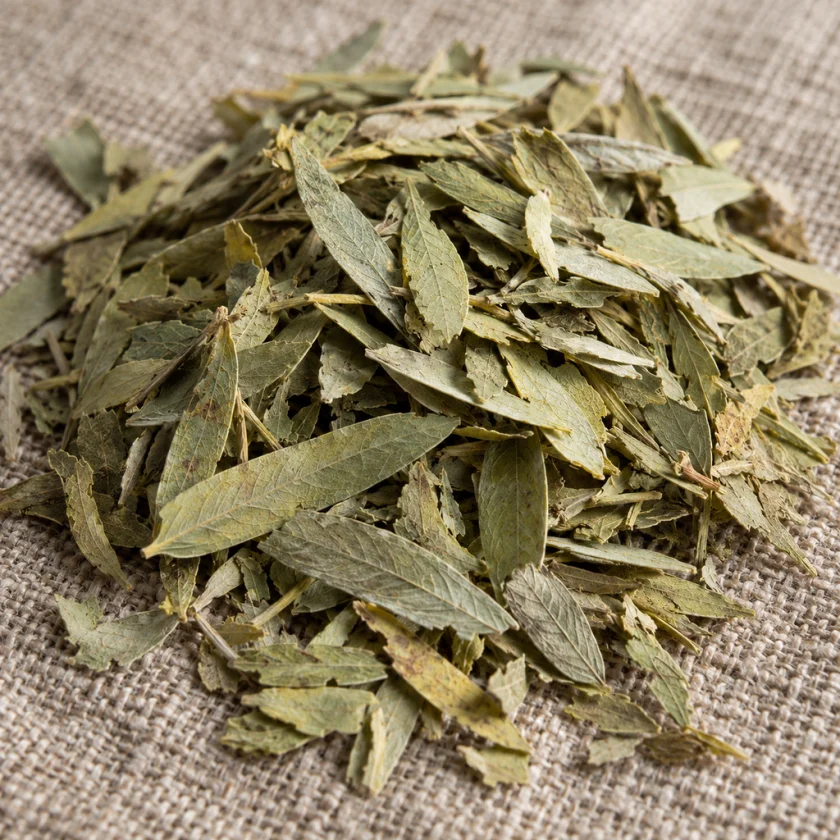

Senna (Senna alexandrina, also written Cassia senna or Cassia angustifolia) is a small flowering shrub whose dried leaves and pods have been used as a laxative for more than a thousand years. It stands out among the plants on this site for an unusual reason: senna is not a gentle folk remedy. It is a stimulant laxative drug — covered by the U.S. Food and Drug Administration's over-the-counter (OTC) monograph for laxatives, and sold in familiar drugstore products. When people ask “does an herbal laxative actually work?”, senna is the honest answer of “yes.”
But working well and being safe for everyday use are two different things. Senna is meant for short-term, occasional constipation — not as a daily habit. This page explains what senna is, the active compounds that make it work, how it moves your bowels, the evidence for its uses (occasional constipation, opioid-related constipation, and bowel-prep before procedures), label dosing, and — most importantly — the safety story: cramping, fluid and potassium loss, the debated question of “dependence,” the harmless brown colon staining called melanosis coli, who the labels raise concerns for, and the food-and-lifestyle steps that come first.
Table of Contents
- What Senna Is
- The Active Compounds: Sennosides
- How Senna Works
- Evidence and Uses: Constipation
- Dosing and Products
- The Safety Story: Short-Term Use
- Chronic Use and Overuse Concerns
- Drug Interactions
- Who the Labels Raise Concerns For
- First-Line Steps Before a Laxative
- The Honest Bottom Line
- Key Research Papers
- Connections
- Featured Videos
What Senna Is
Senna is a shrub in the legume family that grows in warm, dry regions — historically the Nile valley, the Arabian Peninsula, India, and Somalia. The parts used medicinally are the dried leaflets and the flat seed pods (sometimes called “senna pods”). Pods are generally a little gentler than the leaf. Both are sold as loose tea, tea bags, tablets, and liquid.
What makes senna different from most botanicals covered on this site is its regulatory status. In the United States, standardized senna extracts (measured as sennosides) are treated as a legitimate over-the-counter laxative drug, not merely a supplement. You will find it in brand-name and generic “senna” and “sennosides” tablets, and in senna-plus-stool-softener combinations. It is also widely used in hospitals and hospice care. In other words, senna has earned its place in mainstream medicine — which is exactly why it deserves a clear-eyed look at both its benefits and its limits.
The Active Compounds: Sennosides
The laxative power of senna comes from a family of molecules called sennosides — specifically sennosides A and B, which are anthraquinone glycosides (also grouped under the older term “anthranoids”). A glycoside is simply an active molecule with one or more sugar units attached. That attached sugar is the key to how senna works, and to its timing.
When you swallow a sennoside, it passes through the stomach and small intestine largely intact and inactive. Your own digestive enzymes cannot easily unlock it. Only when it reaches the large intestine (colon) do the resident gut bacteria strip off the sugar and convert the sennoside into its active form — a compound called rhein anthrone. This is why senna is described as a “prodrug”: it is delivered as an inert package and switched on by your microbiome exactly where it is needed. It also explains why heavy antibiotic use, which disrupts gut bacteria, can blunt senna's effect in some people.
How Senna Works
Once the active rhein anthrone is released in the colon, it does two useful things at the same time:
- It stimulates the colon's muscles. Senna acts on the nerves and smooth muscle of the colon wall, increasing the wave-like contractions (peristalsis) that push stool toward the exit. This is why senna is called a stimulant laxative.
- It increases fluid in the stool. Rhein anthrone changes how the colon lining handles water and salts, so the colon secretes more fluid and reabsorbs less. The result is a softer, wetter, easier-to-pass stool.
Because the sennosides first have to travel the length of your gut and be activated by colonic bacteria, senna does not work instantly. The typical onset is about 6 to 12 hours. That timing is the reason the standard advice is to take it at bedtime — you swallow it in the evening and get a bowel movement the next morning, rather than being caught out during the day.
Evidence and Uses: Constipation
Senna is one of the better-studied laxatives, and the evidence for its core use is strong and consistent. Senna is sold in the United States as an over-the-counter laxative drug under the FDA's laxative monograph (M007), and the European Medicines Agency lists senna leaf as a herbal medicine for short-term use in cases of occasional constipation. It is used in three main ways:
Occasional (short-term) constipation
For the common, temporary constipation that comes with travel, a change in diet, dehydration, or certain medications, senna reliably produces a bowel movement (the US label: generally within 6–12 hours) and is used when dietary steps are not enough. Systematic reviews of chronic constipation treatments consistently place stimulant laxatives like senna among the agents that improve stool frequency and symptoms. A 2011 meta-analysis (Ford and Suares) found laxatives as a group more effective than placebo for chronic constipation, while a 2005 systematic review (Ramkumar and Rao) found a paucity of quality trial data for several commonly used laxatives, senna among them.
Opioid-induced constipation
Opioid pain medicines slow the gut dramatically, and constipation is one of their most predictable side effects. Because opioids paralyze normal gut movement, a stimulant laxative that directly prods the colon is well suited to the problem. Senna is a first-line, guideline-supported option here, and randomized trials in cancer and palliative-care patients found senna at least as effective as osmotic laxatives such as lactulose — often at lower cost. In hospice and cancer care, starting senna alongside a new opioid prescription is standard practice specifically to head off constipation before it begins.
Bowel preparation before procedures
Senna is also used, often combined with other agents, to help clear the bowel before a colonoscopy or certain surgeries. This is a supervised, one-time use at higher doses, given under medical direction before the procedure.
The honest framing: senna's job is to relieve constipation. It is not a detox, a weight-loss aid, or a “cleanse.” Any pounds lost after a dose are water and stool weight, not fat, and using senna for weight control is both ineffective and risky (see the safety sections below).
Dosing and Products
Modern senna products are standardized to sennosides, which is a real advantage over raw leaf tea: you know how much active compound you are getting. A US over-the-counter label for 8.6 mg sennoside tablets, taken preferably at bedtime, gives these doses: adults and children 12 and over start at 2 tablets once a day, with a maximum of 4 tablets twice a day; children 6 to under 12, 1 tablet once a day (maximum 2 tablets twice a day); children 2 to under 6, half a tablet once a day (maximum 1 tablet twice a day); for children under 2 the label says to ask a doctor. The European Medicines Agency's monograph gives 10–30 mg of sennosides (calculated as sennoside B) once daily at night for adults and adolescents over 12. Product strengths vary from label to label.
- The smallest dose that works. The EMA monograph describes the correct dose as the smallest one that produces a comfortable soft stool. More is not better — it mostly means more cramping and looser stools.
- Bedtime dosing. The US label says preferably at bedtime and the EMA once daily at night; the 6–12 hour onset means a bedtime dose gives a morning result.
- Tea is harder to dose. Loose senna tea and tea bags can deliver an unpredictable amount of sennosides and steep stronger the longer they sit, which is a common cause of unexpectedly severe cramping and diarrhea. Standardized tablets are more reliable.
- Combination products. Senna is often paired with a stool softener (docusate). The softener does not add much on its own but can make the senna-driven bowel movement more comfortable.
The most important dosing point is about duration, not amount. The US label reads “Do not use laxative products for longer than 1 week unless directed by a doctor”, and the European Medicines Agency states that senna is not to be used for more than 1 week, adding that two or three doses during that week are usually enough. The EMA also notes that when laxatives are needed every day, the cause of the constipation calls for investigation.
The Safety Story: Short-Term Use
Used occasionally and as directed, senna is generally well tolerated. But because it forcefully stimulates the colon and shifts fluid, it has predictable side effects, and a few important cautions. The most common issues, even with normal use, are:
- Abdominal cramping and griping. The colon contractions that move stool can be felt as crampy discomfort. This is the number-one complaint and is dose-related — larger doses cramp more.
- Diarrhea and urgency. Too much senna, or senna in a sensitive person, can tip from “a normal bowel movement” into watery diarrhea and sudden urgency.
- Fluid and electrolyte loss. Diarrhea flushes out water and salts. The one to watch most is potassium — losing too much (a state called hypokalemia) can cause muscle weakness, cramps, and, in serious cases, heart-rhythm problems. This risk is small with a dose or two but grows with heavy or prolonged use.
- Harmless reddish or brownish urine. Senna's pigments can tint urine; this is cosmetic and not a cause for alarm.
The US label lists rectal bleeding, or no bowel movement after using a laxative, as reasons to stop and see a doctor, because these may indicate a serious condition. Severe or persistent abdominal pain (which can signal a blockage) and signs of dehydration such as dizziness, a racing heart, or muscle weakness are warning signs too. Escalating the dose to force a result leads toward overdose, whose main signs, according to the EMA monograph, are griping pain and severe diarrhoea with loss of fluid and salts.
Chronic Use and Overuse Concerns
Most of senna's bad reputation comes not from occasional use but from chronic, heavy, unsupervised use — often for months or years, and sometimes for weight control or an eating disorder. Three concerns come up repeatedly, and it is worth being honest about how solid each one actually is. A fourth hazard is rarer: the US National Institutes of Health's LiverTox database states that senna is generally safe and well tolerated, but can cause liver injury (clinically apparent liver injury) when used in high doses for longer than recommended periods, and the EMA monograph notes that chronic overdoses of anthranoid laxatives may lead to toxic hepatitis.
“Dependence” and the “lazy bowel” debate
The classic teaching is that long-term stimulant-laxative use makes the bowel “lazy” that the colon becomes reliant on the drug and eventually cannot move on its own, a picture once called cathartic colon. This warning is why regulators and clinicians uniformly advise short-term use.
Here is the honest nuance: the strong version of this claim — that ordinary laxative use permanently damages the colon's nerves and creates true dependence — is debated and not well supported by good evidence. Much of it traces to old, very-high-dose animal studies and to case reports in people who were already severely constipated for other reasons. Expert reviews that specifically examined the myths around constipation concluded that the fear of laxative-induced bowel damage is largely overstated. At the same time, people who overuse stimulant laxatives can end up in a genuine cycle where escalating doses seem to be needed — sometimes because of low potassium (which itself slows the gut) or an underlying, untreated cause. The research summarized here points to restraint rather than panic: the labels limit senna to short-term use, and a few days of use has not been shown to ruin the bowel.
Melanosis coli (harmless brown pigmentation)
Regular use of senna and other anthraquinone laxatives can, over months, deposit a brown-to-black pigment in the lining of the colon — a finding called melanosis coli that a doctor may notice during a colonoscopy. It looks dramatic but is harmless and reversible, typically fading within several months to a year after stopping the laxative. It was once feared to raise colon-cancer risk, but well-designed prospective studies of anthranoid-laxative users found no increased risk of colorectal cancer or precancerous polyps. Melanosis coli is best understood as a visible marker that someone has been using an anthraquinone laxative, not as a disease.
Electrolyte and fluid problems
This is the concern with the most real-world teeth. Chronic senna overuse can cause ongoing potassium loss, dehydration, and disturbed salt balance. Low potassium can make constipation worse (a frustrating loop), cause fatigue and muscle weakness, and become dangerous in people with heart conditions or those taking certain medicines (below). This is the mechanism behind most serious harm from laxative misuse.
Drug Interactions
Senna's interactions flow mainly from two things it does: it can lower potassium, and it speeds up the gut, which can change how other oral medicines are absorbed. The European Medicines Agency's monograph states that low potassium (hypokalaemia) from long-term laxative overuse strengthens the action of heart glycosides such as digoxin and interacts with heart-rhythm (antiarrhythmic) medicines, and that diuretics, corticosteroids and liquorice root taken at the same time can add to the potassium loss. The combinations that come up most are:
- Diuretics (“water pills”). Thiazide and loop diuretics also lower potassium; adding senna can deepen that loss.
- Digoxin. This heart medicine becomes more toxic when potassium is low, so senna-related potassium loss can raise the risk of dangerous heart rhythms.
- Corticosteroids and other potassium-lowering drugs. Same additive concern with potassium.
- Warfarin and other anticoagulants. Diarrhea can alter gut bacteria and the absorption of vitamin K and of the drug itself, potentially shifting blood-thinning control (international normalized ratio, INR). The evidence is modest.
- Any oral medication with a narrow safety margin. Faster transit can reduce how much of a swallowed drug is absorbed, so its effect can be weaker.
Who the Labels Raise Concerns For
The US label, the European Medicines Agency's monograph and clinical practice raise concerns for these groups:
- Anyone with possible bowel obstruction or unexplained abdominal pain. If stool cannot get through, stimulating the colon can be harmful. The EMA lists blockage or narrowing of the intestine, appendicitis and abdominal pain of unknown cause as contraindications, and the US label lists stomach pain, nausea and vomiting as reasons to ask a doctor before use.
- Inflammatory bowel disease (Crohn's disease, ulcerative colitis) and other bowel inflammation. Stimulant laxatives can aggravate an already irritated bowel, and the EMA lists inflammatory bowel disease as a contraindication.
- Pregnancy. Dietary measures and bulk-forming or osmotic laxatives are generally used first. Senna is poorly absorbed and has been used short-term in pregnancy. The European Medicines Agency lists pregnancy as a contraindication, because of laboratory data on a possible genetic-damage (genotoxic) risk from several related anthranoid compounds such as emodin and aloe-emodin. The US label says to ask a health professional before use if pregnant or breastfeeding.
- Breastfeeding. Only small amounts reach breast milk. The US LactMed database states that usual doses of senna are acceptable during breastfeeding: an early uncontrolled report with an old senna product found more diarrhea in breastfed infants, while several controlled studies of modern senna products found no effect on the infant. The European Medicines Agency lists breastfeeding as a contraindication, because active breakdown products such as rhein pass into breast milk in small amounts.
- Children. Senna is used in children for constipation. The US label gives doses from age 2 (6 to under 12: 1 tablet once a day; 2 to under 6: half a tablet once a day) and says to ask a doctor for children under 2, while the European Medicines Agency lists use in children under 12 as a contraindication.
- People with significant heart, kidney, or electrolyte problems, or a history of laxative misuse or an eating disorder. The EMA notes that people with kidney disorders can develop salt (electrolyte) imbalance, and the potassium loss described above is dangerous for people with heart conditions (see Drug Interactions).
First-Line Steps Before a Laxative
Because senna is a short-term tool, it works best on top of the basics that keep bowels moving on their own. For ordinary constipation these steps come first, and the European Medicines Agency's monograph states that senna leaf preparations are for use when a change of diet or bulk-forming agents have not worked. They address causes rather than forcing an outcome:
- Fiber, increased gradually. More vegetables, fruit, beans, and whole grains, or a soluble-fiber supplement; increasing slowly and with plenty of water limits gas and bloating.
- Fluids. Stool needs water to stay soft; mild dehydration is a very common, easily fixed cause of hard stools.
- Movement. Regular physical activity, even walking, helps the gut keep its rhythm.
- Timing and toilet habits. Your gut is most active after meals (the gastrocolic reflex), so unhurried bathroom time after breakfast — and not ignoring the urge — can make a real difference.
- Food that works with you. Prunes, in particular, have good evidence for gentle relief thanks to their fiber and natural sorbitol. Kiwifruit, pears, and adequate magnesium-rich foods can help too.
Our Natural Constipation Relief page covers these food-and-lifestyle strategies in depth, and our Prunes page looks at the fruit with the best evidence base.
The Honest Bottom Line
Senna is an inexpensive stimulant laxative with a place in mainstream medicine: it is sold over the counter in the US, the European Medicines Agency lists it for short-term use in occasional constipation, and it is widely used for the predictable constipation caused by opioid pain medicines. The EMA describes it as the step for when a change of diet or bulk-forming agents have not worked.
What it is not is a daily supplement or a long-term solution. The US label limits use to 1 week unless a doctor directs otherwise and the EMA to 1 week; both give a bedtime dose, the EMA describes the right dose as the smallest one that works, and fluid matters because of the fluid it draws out. The scary stories mostly belong to chronic, heavy misuse; the melanosis-coli staining is harmless, and the “lazy bowel” fear is largely overstated, but the potassium and fluid losses of overuse are real. The EMA notes that needing a laxative every day calls for the cause of the constipation to be investigated; fiber, fluids, movement, and food are the basics for rebuilding regularity.
Key Research Papers
- Ford AC, Suares NC. Effect of laxatives and pharmacological therapies in chronic idiopathic constipation: systematic review and meta-analysis. Gut. 2011;60(2):209–218. — meta-analysis of 21 placebo-controlled trials; laxatives as a group (seven trials, 1,411 patients) were more effective than placebo for chronic idiopathic constipation. — doi:10.1136/gut.2010.227132
- Ramkumar D, Rao SSC. Efficacy and safety of traditional medical therapies for chronic constipation: systematic review. Am J Gastroenterol. 2005;100(4):936–971. — graded review: good evidence (grade A) for polyethylene glycol and tegaserod, moderate evidence (grade B) for psyllium and lactulose, and a paucity of quality data for several commonly used agents, including milk of magnesia, senna, bisacodyl and stool softeners. — doi:10.1111/j.1572-0241.2005.40925.x
- Agra Y, Sacristán A, González M, et al. Efficacy of senna versus lactulose in terminal cancer patients treated with opioids. J Pain Symptom Manage. 1998;15(1):1–7. — randomized trial finding senna at least as effective as lactulose for opioid constipation, at lower cost. — doi:10.1016/S0885-3924(97)00276-5
- Passmore AP, Wilson-Davies K, Stoker C, Scott ME. Chronic constipation in long stay elderly patients: a comparison of lactulose and a senna-fibre combination. BMJ. 1993;307(6907):769–771. — senna-plus-fibre outperformed lactulose for stool frequency in elderly patients. — doi:10.1136/bmj.307.6907.769
- Müller-Lissner SA, Kamm MA, Scarpignato C, Wald A. Myths and misconceptions about chronic constipation. Am J Gastroenterol. 2005;100(1):232–242. — expert review arguing the “laxatives damage the bowel / cause dependence” belief is largely unsupported. — doi:10.1111/j.1572-0241.2005.40885.x
- van Gorkom BAP, de Vries EGE, Karrenbeld A, Kleibeuker JH. Review article: anthranoid laxatives and their potential carcinogenic effects. Aliment Pharmacol Ther. 1999;13(4):443–452. — reviews melanosis coli and the (unproven) cancer-risk question for senna-type laxatives. — doi:10.1046/j.1365-2036.1999.00468.x
- Nusko G, Schneider B, Schneider I, et al. Anthranoid laxative use is not a risk factor for colorectal neoplasia: results of a prospective case control study. Gut. 2000;46(5):651–655. — found no increased colorectal cancer or adenoma risk in anthranoid-laxative users. — doi:10.1136/gut.46.5.651
- Morales MA, Hernández D, Bustamante S, Bachiller I. Is senna laxative use associated to cathartic colon, genotoxicity, or carcinogenicity? J Toxicol. 2009;2009:287247. — senna-specific safety review of the dependence and cancer questions. — doi:10.1155/2009/287247
- de Witte P. Metabolism and pharmacokinetics of anthranoids. Pharmacology. 1993;47(Suppl 1):86–97. — explains how inactive sennosides are activated by colonic bacteria to rhein anthrone. — doi:10.1159/000139847
- Bharucha AE, Lacy BE. Mechanisms, evaluation, and management of chronic constipation. Gastroenterology. 2020;158(5):1232–1249. — comprehensive review placing senna within stepwise constipation management. — doi:10.1053/j.gastro.2019.12.034
- Wald A. Constipation: advances in diagnosis and treatment. JAMA. 2016;315(2):185–191. — clinical review covering fiber, osmotic, and stimulant laxatives including senna. — doi:10.1001/jama.2015.16994
- Cirillo C, Capasso R. Constipation and botanical medicines: an overview. Phytother Res. 2015;29(10):1488–1493. — reviews senna and other plant laxatives, their mechanisms, and cautions. — doi:10.1002/ptr.5410
- LiverTox: Clinical and Research Information on Drug-Induced Liver Injury. Senna. Bethesda (MD): National Institute of Diabetes and Digestive and Kidney Diseases; 2012–. — liver injury reported with high doses used longer than recommended. — PubMed PMID: 31643257
- Drugs and Lactation Database (LactMed). Senna. Bethesda (MD): National Institute of Child Health and Human Development; 2006–. — usual doses acceptable during breastfeeding. — PubMed PMID: 30000408
- European Medicines Agency, Committee on Herbal Medicinal Products. European Union herbal monograph on Senna alexandrina Mill., folium (senna leaf), Rev. 1. EMA/HMPC/625849/2015. — indication, dose, 1-week limit, contraindications and interactions. — EMA monograph (PDF)
- US National Library of Medicine, DailyMed. Sennosides 8.6 mg tablets, OTC Drug Facts label (OTC monograph M007). — uses, 1-week warning and dosing by age. — DailyMed label
Connections
- All Herbs
- Natural Constipation Relief
- Prunes
- Gastroenterology (Digestive Health)
- Small Intestinal Bacterial Overgrowth (SIBO)
- Potassium
- Magnesium
- Aloe Vera
- Ginger
- Remedies
- Constipation — the symptom senna treats, with causes, red flags, and first-line steps.