Eucalyptus — Antimicrobial & Wound Care
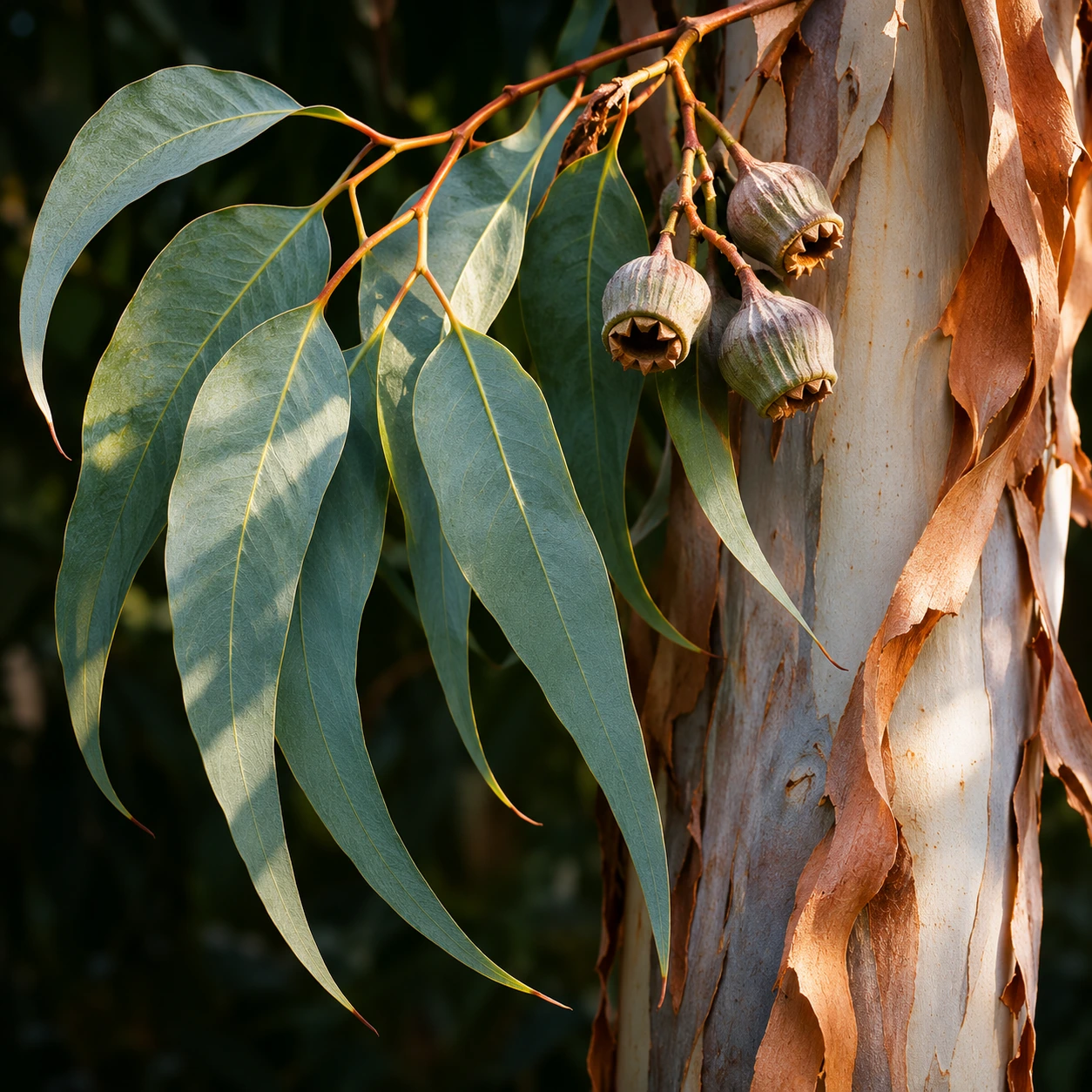
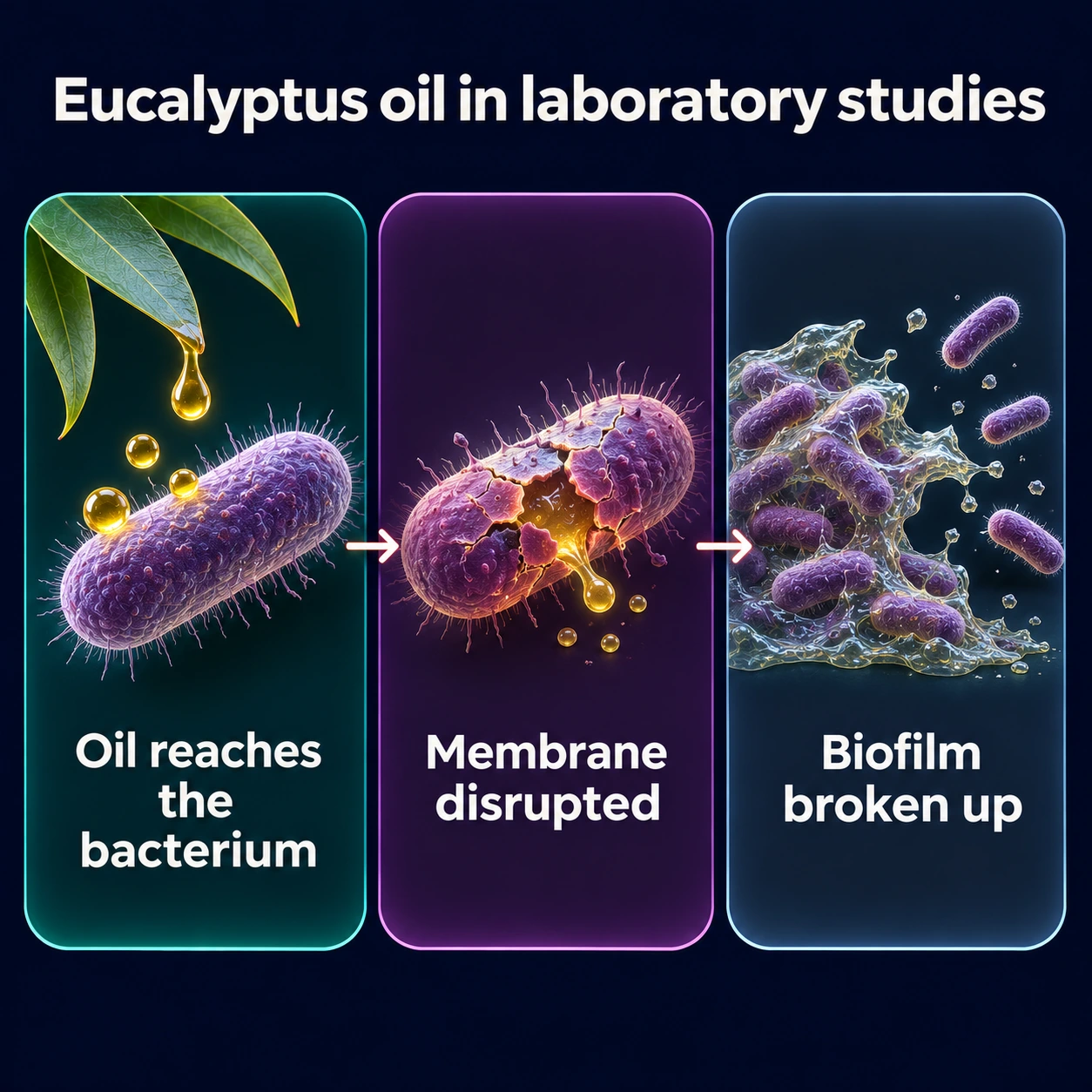
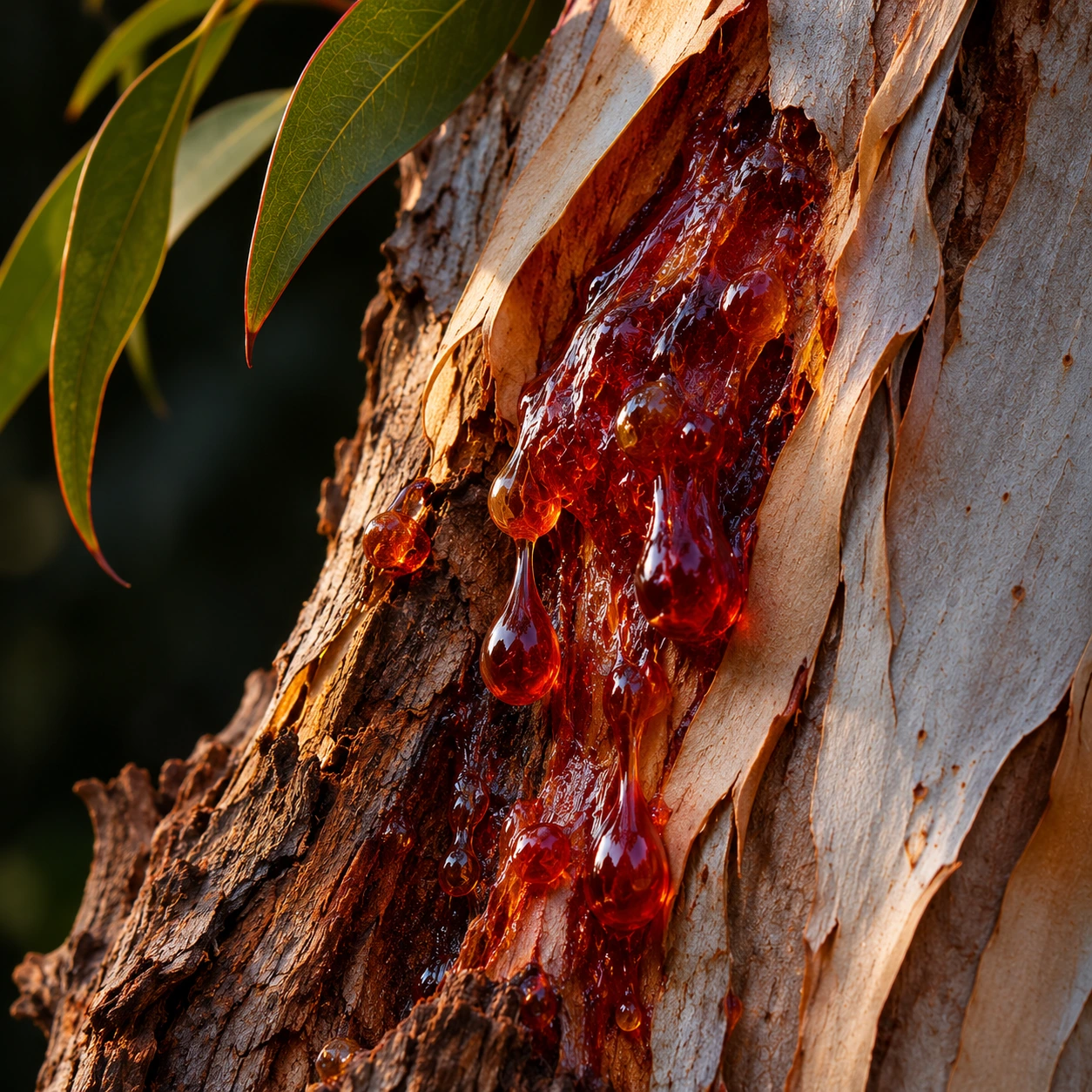
Long before modern microbiology gave us a name for Staphylococcus aureus or methicillin-resistant Staphylococcus aureus (MRSA), Australian Aboriginal peoples were applying the sticky red kino resin from eucalyptus trees to cuts, burns, and sores — an effective wound antiseptic with tens of thousands of years of empirical use. Modern in-vitro work has demonstrated broad-spectrum antibacterial activity for Eucalyptus globulus essential oil against both Gram-positive and Gram-negative pathogens, including methicillin-resistant Staphylococcus aureus (MRSA) at minimum inhibitory concentrations of 0.125–1.0% v/v, plus key respiratory pathogens (Haemophilus influenzae, Haemophilus parainfluenzae, Streptococcus pneumoniae) and oral biofilm organisms (Streptococcus mutans, Porphyromonas gingivalis, Fusobacterium nucleatum). The antimicrobial mechanism is multi-target — cineole, alpha-pinene, limonene, p-cymene, and globulol all integrate into bacterial cell membranes, disrupting the proton motive force and quorum-sensing biofilm signals — which is why bacteria struggle to develop resistance to essential oils the way they do to single-compound antibiotics. This page walks through the in-vitro evidence, the dental and oral applications (eucalyptol is an active ingredient of essential-oil mouthwashes), the Aboriginal kino tradition, the surgical antiseptic history dating to Joseph Lister, and the modern wound-dressing research.
Table of Contents
- Australian Aboriginal Kino Tradition
- Multi-Target Antibacterial Mechanism
- Methicillin-Resistant Staphylococcus Aureus and Antibiotic-Resistant Pathogens
- Activity Across Gram-Positive and Gram-Negative
- Biofilm and Quorum-Sensing Disruption
- Oral and Dental Antimicrobial Use (Essential-Oil Mouthwash)
- Wound Care and Topical Antiseptic
- Lister and the Surgical Antiseptic Era
- Synergy with Conventional Antibiotics
- Preparations and Topical Dilution
- Cautions
- Key Research Papers
- Connections
- Featured Videos
Australian Aboriginal Kino Tradition
The earliest documented medicinal use of eucalyptus is in Australian Aboriginal pharmacopoeia, where the genus has played a central role for tens of thousands of years — predating any written medical tradition by a wide margin. The signature preparation is kino, the dark red, astringent gum-resin that exudes from wounds in the bark of certain eucalyptus species (particularly Eucalyptus citriodora, E. resinifera, and E. camaldulensis). Kino is rich in polyphenolic tannins, kinotannic acid, and pyrocatechin — compounds that astringe tissues, precipitate bacterial surface proteins, and form a temporary protective barrier over wounds.
Aboriginal healers applied freshly harvested kino directly to cuts, burns, abscesses, ulcers, sores, and the umbilical stumps of newborns. The astringent precipitation of mucus and surface protein creates a localized antimicrobial environment, and the tannins themselves have direct bacteriostatic activity against many skin and wound pathogens. Aboriginal women across many Australian language groups also chewed kino for sore throats and chewed eucalyptus leaves for the same purpose, recognizing the same active properties that we now call essential-oil terpenoids.
Eucalyptus leaves themselves were processed in several ways: chewed for mouth and throat infections, made into infusions for fevers and respiratory congestion, pounded into pastes and applied to wounds, and burned in smoking ceremonies that simultaneously purified living spaces of biting insects and respiratory pathogens. The smoke ceremonies were sometimes carried out at the entrance to dwellings during epidemic illness.
The pharmacological sophistication is striking. Aboriginal communities distinguished among the hundreds of Eucalyptus species and selected specific ones for specific purposes — species rich in kino resin for wound work, species rich in volatile oil for respiratory steam ceremonies, and species with particular taste and bitterness for digestive complaints. This was not random foraging; it was a knowledge system passed orally across generations that mapped chemotype to clinical effect long before any chemist isolated a single terpene.
Multi-Target Antibacterial Mechanism
The antibacterial potency of Eucalyptus globulus essential oil derives from a complex terpenoid mixture, with each component contributing through distinct biochemical mechanisms. Unlike single-target pharmaceutical antibiotics — penicillin binds penicillin-binding proteins; ciprofloxacin inhibits DNA gyrase — eucalyptus attacks bacterial cells on several fronts at once.
- 1,8-Cineole (eucalyptol). The dominant compound at 60–90% of E. globulus oil. Lipophilic ether that partitions into the bacterial phospholipid bilayer, expanding membrane volume, increasing permeability, and disrupting membrane-embedded protein function. On its own it is antibacterial in laboratory tests, but weaker than the whole oil: Hendry 2009 found crude eucalyptus oil significantly more effective than 1,8-cineole alone against microbes grown in suspension, and Mulyaningsih 2010 found 1,8-cineole alone had low activity.
- Alpha-pinene. 2–10% of the oil. Bicyclic monoterpene with independent antibacterial action against both Gram-positive and Gram-negative bacteria, and an important second function as a membrane-permeabilizing agent that enhances penetration of cineole and other co-occurring actives.
- Limonene. 1–8%. Cyclic monoterpene that disrupts membrane integrity and has been shown to enhance the activity of conventional antibiotics when used in combination — particularly relevant to the antibiotic-synergy work discussed below.
- p-Cymene. 1–5%. Aromatic monoterpene with modest direct antibacterial activity but a strong membrane-targeting role. p-Cymene inserts into the phospholipid bilayer, expanding and destabilizing it, opening the membrane to the more potent actives.
- Globulol. 0.5–4%. A sesquiterpene alcohol largely unique to eucalyptus species. Lower volatility than the monoterpenes, so globulol persists on surfaces and in tissues longer, providing sustained antibacterial activity. In the one study on this page that tested it alone (Mulyaningsih 2010, on oil from eucalyptus fruits), globulol showed low antibacterial activity; aromadendrene was the compound that appeared responsible for that oil's effect.
The mechanistic upshot: bacteria exposed to eucalyptus essential oil suffer simultaneous membrane permeabilization, leakage of ions and small molecules, collapse of the transmembrane proton gradient (which powers adenosine triphosphate (ATP) synthesis and most active transport), and disruption of membrane-anchored signaling proteins. Electron microscopy of eucalyptus-treated bacteria shows visible morphological damage: membrane blebbing, cytoplasmic condensation, and at higher doses complete cell lysis.
Because each component compound hits a slightly different molecular target, evolving resistance requires simultaneous mutations in multiple bacterial systems — statistically vanishingly unlikely on the timescales over which antibiotic resistance normally develops. This is the same logic behind combination antiretroviral therapy for human immunodeficiency virus (HIV): three drugs hitting three different targets defeat any single-mutation escape.
Methicillin-Resistant Staphylococcus Aureus and Antibiotic-Resistant Pathogens
The single most striking finding in modern eucalyptus antimicrobial research is its retained activity against methicillin-resistant Staphylococcus aureus (MRSA). Methicillin-resistant Staphylococcus aureus is defined by resistance to the beta-lactam antibiotic class (penicillins, cephalosporins, carbapenems) via the mecA-encoded modified penicillin-binding protein PBP2a. Because eucalyptus oil does not act on penicillin-binding proteins at all — it disrupts the membrane upstream of any wall-synthesis machinery — the resistance mechanism is completely irrelevant to its activity.
Reported minimum inhibitory concentration (MIC) values for E. globulus oil against methicillin-resistant Staphylococcus aureus clinical isolates fall in the 0.125–1.0% (v/v) range, depending on the specific oil chemotype, the methicillin-resistant Staphylococcus aureus strain, and the assay method. Minimum bactericidal concentration (MBC) is typically within one to two dilutions of minimum inhibitory concentration, indicating rapid killing rather than mere growth arrest. These concentrations are easily achievable in topical formulations. In a direct laboratory comparison (Hendry 2009), however, chlorhexidine, the standard hospital antiseptic, was significantly more active than eucalyptus oil against microbes both free-floating and grown in biofilms.
Eucalyptus oil retains activity against other resistant pathogens of clinical importance:
- Vancomycin-resistant Enterococcus (VRE) — inhibited at 1–5% in surface-disinfection studies
- Extended-spectrum beta-lactamase (ESBL)-producing E. coli — inhibited at concentrations similar to non-ESBL strains
- Carbapenem-resistant Pseudomonas aeruginosa — moderate direct activity, strong biofilm-disrupting activity
- Multidrug-resistant Acinetobacter baumannii — reported activity in in-vitro panels
The clinical translation is not that essential oils replace intravenous (IV) vancomycin for systemic methicillin-resistant Staphylococcus aureus bacteremia — they cannot achieve therapeutic plasma levels and are not formulated for parenteral use. The translation is that for topical and surface applications — wound care, skin colonization eradication, hospital surface disinfection, dental biofilm management — eucalyptus oil is a viable adjunct that does not select for the same resistance phenotypes as conventional antibiotic agents.
A 2023 systematic review (Elangovan and Mudgil) gathered 20 studies published between 2002 and 2022 that tested Eucalyptus globulus essential oil against methicillin-resistant Staphylococcus aureus, alone or combined with other agents. The studies found antibacterial activity against it, and found that the effect could be stronger when the oil was combined with other essential oils or with antibiotics. All of this work was done in the laboratory; the review included no clinical trials in people.
For more on staphylococcal infection, see our Staphylococcus aureus page.
Activity Across Gram-Positive and Gram-Negative
Gram-positive bacteria (single thick peptidoglycan cell wall, single plasma membrane) are generally more susceptible to essential oils than Gram-negative bacteria (additional outer membrane with lipopolysaccharide barrier). Eucalyptus oil follows that general pattern but retains useful activity across both groups.
Gram-positive susceptibility (typical MICs 0.125–1% v/v):
- Staphylococcus aureus (including methicillin-resistant Staphylococcus aureus) — the most-studied target
- Streptococcus pneumoniae — community-acquired pneumonia, otitis media, meningitis pathogen
- Streptococcus pyogenes — group A streptococcus, strep throat and skin infection
- Streptococcus mutans — primary dental-caries pathogen
- Enterococcus faecalis and E. faecium — including VRE strains
- Listeria monocytogenes — foodborne pathogen
- Bacillus cereus, B. subtilis — environmental and foodborne sporeformers
Gram-negative susceptibility (typical MICs 1–5% v/v):
- Haemophilus influenzae — respiratory pathogen, particularly susceptible due to mucoid environment
- Haemophilus parainfluenzae and Stenotrophomonas maltophilia — respiratory pathogens; in a test of 300 bacterial isolates from patients with respiratory infections (Cermelli 2008), these two and H. influenzae were the most susceptible to E. globulus oil, followed by S. pneumoniae
- Escherichia coli (including ESBL) — urinary tract infection (UTI), gastrointestinal (GI) infection
- Pseudomonas aeruginosa — opportunistic, biofilm-forming
- Klebsiella pneumoniae — nosocomial pneumonia, urinary tract infection
- Salmonella species — foodborne enteric pathogens
For more on respiratory bacterial infection, see our Pneumonia page; for urinary infection, see Urinary Tract Infections.
Biofilm and Quorum-Sensing Disruption
The greatest clinical advantage of eucalyptus oil over many conventional antibiotics is its activity against bacterial biofilms. Biofilms are structured communities of bacteria embedded in a self-produced extracellular matrix of polysaccharides, proteins, and DNA. Biofilm-embedded bacteria are 100 to 1,000 times more resistant to conventional antibiotics than the same species in planktonic (free-floating) form. Many chronic infections — chronic sinusitis, otitis media with effusion, chronic prostatitis, diabetic foot ulcers, venous leg ulcers, indwelling-catheter colonization, prosthetic-joint infection — are biofilm-driven and notoriously resistant to systemic antibiotic therapy.
Eucalyptus oil disrupts biofilms through two distinct mechanisms:
- Quorum-sensing interference. Bacteria coordinate biofilm formation, virulence-factor expression, and stress responses through quorum-sensing — the secretion and detection of small signaling molecules (acyl-homoserine-lactones in Gram-negatives, autoinducing peptides in Gram-positives). Cineole has been shown to interfere with both AHL- and AIP-class quorum-sensing systems, preventing bacteria from coordinating the cooperative behaviors needed for biofilm establishment.
- Matrix penetration. Once a biofilm is established, the lipophilic terpenoid mixture in eucalyptus oil penetrates the extracellular matrix where many hydrophilic antibiotics cannot. The dispersed cineole and globulol then act on the resident bacteria, exposing them to immune clearance and any concurrently administered systemic antibiotic.
The dental application is the most evidence-supported real-world example: dental plaque is a polymicrobial biofilm, and the essential-oil mouthwashes (the best known combines eucalyptol with thymol, menthol, and methyl salicylate) demonstrably reduce plaque mass, gingival inflammation, and total oral bacterial counts compared to control rinses. The mechanism is the same biofilm-matrix-penetration logic operating on a smaller scale.
The chronic-wound application is less clinically developed but actively studied. In-vitro work has shown eucalyptus oil penetrates and disrupts S. aureus and P. aeruginosa biofilm cultures grown on wound-relevant substrates. Clinical case series have reported improved healing outcomes when eucalyptus-based dressings are part of a comprehensive wound-care protocol, though high-quality randomized controlled trials remain limited.
Oral and Dental Antimicrobial Use (Essential-Oil Mouthwash)
The most universally familiar antimicrobial application of eucalyptol is the mouthwash. Eucalyptol is one of the four active essential-oil compounds in the best-known essential-oil mouthwash, alongside thymol (from thyme), menthol (from mint), and methyl salicylate. Together these four actives at concentrations of approximately 0.092% (eucalyptol), 0.064% (thymol), 0.042% (menthol), and 0.060% (methyl salicylate) produce the characteristic flavor and the documented oral-antimicrobial effect of that mouthwash and its generic equivalents.
Controlled trials comparing essential-oil mouthwash with control rinses have shown:
- 34% less plaque and 34% less gingivitis after 6 months compared with a hydroalcohol (water-and-alcohol) control rinse, in a double-blind trial of 107 healthy adults who rinsed with 20 mL twice daily for 30 seconds on top of their normal oral hygiene (DePaola 1989)
- Less gingivitis and plaque in a systematic review of 11 studies (Stoeken 2007): used alongside regular toothbrushing, the essential-oil rinse reduced gingivitis (weighted mean difference −0.32 index points) and plaque (−0.83 index points) significantly more than the control; the results varied a great deal between studies
- Significant reduction in volatile sulfur compound production (halitosis)
Comparison to chlorhexidine, the prescription gold-standard mouthwash, is the more interesting trial design. Chlorhexidine is more potent on a per-rinse basis for short-term plaque suppression, but it has two real-world disadvantages that eucalyptol-containing mouthwashes do not share: it causes brown tooth staining with chronic use, and it produces a temporary taste disturbance that many patients find intolerable. The 2007 review above found that most studies agreed the essential-oil rinse caused no more staining than the control products.
Specific oral pathogens hit by eucalyptol:
- Streptococcus mutans — primary dental-caries bacterium
- Porphyromonas gingivalis — key periodontal pathogen, marker of chronic gingivitis-to-periodontitis progression
- Fusobacterium nucleatum — bridge organism in oral biofilm maturation
- Aggregatibacter actinomycetemcomitans — associated with aggressive periodontitis
- Tannerella forsythia and Treponema denticola — periodontal red-complex organisms
- Prevotella intermedia — halitosis-producing
The volatile-sulfur-compound producers (P. gingivalis, P. intermedia, T. denticola) are the primary contributors to halitosis, and reduction in their populations explains why essential-oil mouthwash produces sustained breath improvement beyond the immediate masking effect of the menthol.
Wound Care and Topical Antiseptic
Topical eucalyptus oil at appropriate dilution has documented antibacterial activity against wound-relevant pathogens (S. aureus, P. aeruginosa, Acinetobacter baumannii) and combined antibacterial-plus-anti-inflammatory effects that distinguish it from purely antiseptic agents.
Burns. Burn wounds are highly susceptible to bacterial colonization, particularly by S. aureus, P. aeruginosa, and A. baumannii. Animal burn-wound model studies have shown that topical eucalyptus oil at 2–5% dilution in a carrier reduces wound bacterial counts by 2–3 log units versus untreated controls and promotes faster epithelialization. The anti-inflammatory action reduces excessive inflammation in the burn bed, which can impede healing.
Chronic ulcers. Diabetic foot ulcers and venous leg ulcers represent a major clinical challenge due to persistent bacterial biofilm infection. The biofilm-disrupting properties of eucalyptus oil discussed above are particularly relevant. Eucalyptus has been formulated into hydrogels, nanofiber mats, chitosan films, and alginate dressings for sustained-release antibacterial delivery; in-vitro testing of these advanced dressings has shown inhibition of wound-relevant pathogen growth alongside maintained cytocompatibility with human fibroblasts and keratinocytes.
Insect bites and minor wounds. Diluted eucalyptus oil applied topically to insect bites provides both antibacterial protection against secondary infection and a local cooling-analgesic effect via TRPM8 activation (covered on the Pain & Joint Relief page). Aboriginal traditional use of kino on cuts and abrasions falls into the same category.
Dilution. Undiluted eucalyptus essential oil is too irritating for direct application to a wound; the dilutions described for wound-area use are 1–2% in a carrier oil (jojoba, coconut, sweet almond), or a commercial preparation already formulated for topical use. Substantial burns, deep wounds, and chronic ulcers are beyond what home topical care covers; spreading redness, fever, or pus around a wound are signs of a spreading infection.
Lister and the Surgical Antiseptic Era
Joseph Lister's 1867 introduction of antiseptic surgery using carbolic acid (phenol) is widely credited as the foundation of modern surgical practice — the breakthrough that turned operating theaters from charnel-house mortality factories into the survivable-procedure environments we expect today. What is less remembered is that eucalyptus oil rapidly joined carbolic acid as an alternative surgical antiseptic, particularly across the British Empire's tropical and Antipodean territories.
The Melbourne chemist (pharmacist) Joseph Bosisto, founder of the Pharmaceutical Society of Victoria in 1857, arrived in Melbourne in 1851 and, with help from the government botanist Ferdinand von Mueller, set up his first still for commercial distillation of eucalyptus oil at Dandenong (Victoria), supplying medical-grade product to military and civilian hospitals across Australia and from there to Britain. By the 1880s, eucalyptus oil appeared in the British Pharmacopoeia and was listed in multiple colonial pharmacopoeias as an approved wound antiseptic. Australian military surgeons used eucalyptus-based antiseptic preparations extensively during the Boer War and World War I, with favorable wound-healing outcomes reported in dispatches.
Eucalyptus oil's advantage over carbolic acid was twofold: significantly less tissue toxicity at antimicrobial concentrations, and a more tolerable scent for both patient and surgical staff. Carbolic acid at the concentrations needed for reliable antisepsis caused chemical burns, cleaved skin proteins, and was systemically toxic if absorbed. Eucalyptus oil, while not bacteria-killing on the same per-volume basis as carbolic acid, produced sufficient bactericidal effect at concentrations the surrounding tissues tolerated well.
The eucalyptus-as-surgical-antiseptic era waned with the introduction of synthetic antiseptics (hexachlorophene, povidone-iodine, chlorhexidine) in the mid-20th century, which were standardizable to a precision impossible with natural essential oils. But the historical reputation cemented eucalyptus oil's position in the hospital pharmacy and in over-the-counter (OTC) topical preparations through to the present day.
Synergy with Conventional Antibiotics
One of the most clinically promising areas of current eucalyptus research is the demonstration of synergistic interaction with conventional antibiotic drugs. Synergism — defined as a combined effect exceeding the sum of individual effects — allows lower doses of each agent to achieve equivalent or superior antibacterial activity. This is measured by the fractional inhibitory concentration index (FICI); FICI values below 0.5 indicate true synergism.
The one checkerboard study of eucalyptus-oil compounds cited on this page (Mulyaningsih 2010, on oil from eucalyptus fruits) found that combining aromadendrene with 1,8-cineole lowered the minimum inhibitory concentrations “in most cases in an additive way”, while time-kill tests suggested a synergistic effect. The fruit oil inhibited methicillin-resistant Staphylococcus aureus and vancomycin-resistant Enterococcus faecalis. All of this is laboratory work.
Combinations reported in laboratory research include (the ampicillin, gentamicin, ciprofloxacin, tea tree and thyme combinations below are not tested in any of the papers listed on this page):
- Eucalyptus oil + ampicillin against methicillin-resistant Staphylococcus aureus clinical isolates that are fully resistant to ampicillin alone. The proposed mechanism: cineole permeabilizes the bacterial membrane, increasing intracellular ampicillin concentration and allowing the antibiotic to reach its penicillin-binding-protein target despite the modified PBP2a.
- Eucalyptus oil + gentamicin against resistant Pseudomonas aeruginosa. Eucalyptus disrupts efflux-pump function, reducing the pseudomonad's ability to actively pump out the aminoglycoside.
- Eucalyptus oil + ciprofloxacin against resistant E. coli. Similar efflux-pump-disruption mechanism.
- Eucalyptus oil + chlorhexidine against free-floating S. aureus, methicillin-resistant Staphylococcus aureus, E. coli and Candida albicans, and against biofilm cultures of methicillin-resistant Staphylococcus aureus and Pseudomonas aeruginosa. Reported in the Hendry 2009 Journal of Antimicrobial Chemotherapy study, which tested a panel of hospital-relevant microbes.
- Eucalyptus oil + tea tree oil (terpinen-4-ol). Two membrane-disrupting essential oils together produce synergistic activity against methicillin-resistant Staphylococcus aureus with FICI values of 0.25–0.50.
- Eucalyptus oil + thyme oil (thymol, carvacrol). Phenolic-membrane attack from thyme plus terpenoid-ether attack from cineole produce 2–4-fold faster kill kinetics than either alone.
These synergistic combinations are an active area of research, with potential to restore the clinical effectiveness of older antibiotics against resistant pathogens. Sub-inhibitory concentrations of eucalyptus oil — below the level that would itself kill bacteria — appear to be enough to disable resistance mechanisms and resensitize bacteria to standard antibiotic therapy.
Preparations and Topical Dilution
Topical dilutions commonly described:
- General topical use (intact skin): 2–3% eucalyptus essential oil in carrier oil. Approximately 12–18 drops essential oil per 30 mL (1 oz) carrier.
- Wound care: 1–2% dilution near (not directly into) open wounds.
- Face wash or gentle skin antiseptic: 0.5–1% dilution.
- Oral rinse (homemade): 1–2 drops in a small glass of warm water, swished for 30 seconds and spat out, not swallowed.
Commercial preparations:
- Essential-oil mouthwashes — the most widely-used delivery vehicle for eucalyptol antimicrobial activity. The 6-month trial above used 20 mL twice daily for 30 seconds.
- Eucalyptus-based wound salves — commercial preparations at 2–5% in beeswax or shea butter base; sold for minor cuts, scrapes, and abrasions on intact-margin wounds.
- Surgical-grade antiseptic preparations — still used in some traditional Australian medical practices and in tropical-medicine settings; the label states the concentration.
- Dental gel adjuncts — some toothpaste and gum-care products contain eucalyptol at low percentage as adjunctive antimicrobial.
Cautions
- Undiluted oil and mucous membranes. Undiluted essential oil on the mouth, nostrils, eyes, genital mucosa, or directly in an open wound is the classic way it causes harm on contact: cineole at full strength causes chemical burns.
- Swallowed eucalyptus oil is poisonous. In the largest series of poisoned children (109 children admitted to a Melbourne hospital between 1981 and 1992; Tibballs 1995), 2–3 mL could cause minor depression of consciousness in young children, and significant depression of consciousness was to be expected after 5 mL or more of 100% oil; three children were unconscious after 5–10 mL, and all 109 recovered. An adult man who mistakenly swallowed 15 mL of eucalyptus oil kept in a cough-syrup bottle had seizures within minutes and died (case report, 2025). Mouthwash use involves swishing and spitting, not swallowing.
- Seizures in children. In three Indian children who swallowed eucalyptus oil for the first time, seizures began 15–25 minutes later, one child had a prolonged seizure (status epilepticus), and all three recovered within 2 days (Dudipala 2021).
- How young children reach it. In Victoria, Australia, eucalyptus oil was a leading cause of poisoning hospitalisation among children under five. In a survey of 109 families, 74% of the children got to the oil through a home vaporiser, most often placed at floor level (Day 1997).
- Children under six. Eucalyptus essential oil on the face, chest, or near the nose of children under six is a recognised concern: mentholated rubs near the airway can trigger laryngospasm and bronchospasm.
- Skin sensitivity. Some individuals develop contact dermatitis to eucalyptus oil. A patch test on a small skin area 24 hours before broader use shows a reaction early; redness, itching, burning, or rash are the signs of one.
- Not a substitute for systemic antibiotics. Topical eucalyptus oil is used as an adjunct for minor wound infection and oral biofilm management. It is not a substitute for intravenous vancomycin, oral cephalexin, or any other systemic antibiotic when one is indicated for cellulitis, bacteremia, deep tissue infection, or other serious bacterial syndromes.
- Drug interactions. Cineole is reported to induce the liver enzymes CYP3A4 and CYP2B6 (cytochrome P450 enzymes that clear many medicines), potentially affecting metabolism of warfarin, cyclosporine, tacrolimus, carbamazepine, phenytoin, and many statins; no study for this is listed on this page.
- Pregnancy. Topical eucalyptus at proper dilution is generally considered low-risk in pregnancy. There is no safety data for concentrated essential-oil exposure or oral cineole products in pregnancy.
Key Research Papers
- Mulyaningsih S, Sporer F, Zimmermann S, Reichling J, Wink M (2010). Synergistic properties of the terpenoids aromadendrene and 1,8-cineole from the essential oil of Eucalyptus globulus against antibiotic-susceptible and antibiotic-resistant pathogens. Phytomedicine 17(13):1061–1066 (oil from the fruits; aromadendrene-rich). — PubMed PMID: 20727725
- Hendry ER, Worthington T, Conway BR, Lambert PA (2009). Antimicrobial efficacy of eucalyptus oil and 1,8-cineole alone and in combination with chlorhexidine digluconate against microorganisms grown in planktonic and biofilm cultures. Journal of Antimicrobial Chemotherapy 64(6):1219–1225. — PubMed PMID: 19837714
- Bachir RG, Benali M (2012). Antibacterial activity of the essential oils from the leaves of Eucalyptus globulus against Escherichia coli and Staphylococcus aureus. Asian Pacific Journal of Tropical Biomedicine 2(9):739–742. — PubMed PMID: 23570005
- Cermelli C, Fabio A, Fabio G, Quaglio P (2008). Effect of eucalyptus essential oil on respiratory bacteria and viruses. Current Microbiology 56(1):89–92. — PubMed PMID: 17972131
- Elaissi A, Rouis Z, Salem NAB, Mabrouk S, Salem YB, Salah KBH, Aouni M, Farhat F, Chemli R, Harzallah-Skhiri F, Khouja ML (2012). Chemical composition of 8 eucalyptus species' essential oils and the evaluation of their antibacterial, antifungal and antiviral activities. BMC Complementary and Alternative Medicine 12:81. — PubMed PMID: 22742534
- Tyagi AK, Malik A (2011). Antimicrobial potential and chemical composition of Eucalyptus globulus oil in liquid and vapour phase against food spoilage microorganisms. Food Chemistry 126(1):228–235. — doi:10.1016/j.foodchem.2010.11.002
- Stoeken JE, Paraskevas S, van der Weijden GA (2007). The long-term effect of a mouthrinse containing essential oils on dental plaque and gingivitis: a systematic review. Journal of Periodontology 78(7):1218–1228. — PubMed PMID: 17608576
- DePaola LG, Overholser CD, Meiller TF, Minah GE, Niehaus C (1989). Chemotherapeutic inhibition of supragingival dental plaque and gingivitis development (essential-oil mouthwash). Journal of Clinical Periodontology 16(5):311–315. — PubMed PMID: 2723103
- Sherry E, Boeck H, Warnke PH (2001). Topical application of a new formulation of eucalyptus oil phytochemical clears methicillin-resistant Staphylococcus aureus infection. American Journal of Infection Control 29(5):346 (a one-paragraph letter). — PubMed PMID: 11584265
- Salari MH, Amine G, Shirazi MH, Hafezi R, Mohammadypour M (2006). Antibacterial effects of Eucalyptus globulus leaf extract on pathogenic bacteria isolated from specimens of patients with respiratory tract disorders. Clinical Microbiology and Infection 12(2):194–196. — PubMed PMID: 16441463
- Elangovan S, Mudgil P (2023). Antibacterial properties of Eucalyptus globulus essential oil against MRSA: a systematic review. Antibiotics (Basel) 12(3):474. — PubMed PMID: 36978341
- Tibballs J (1995). Clinical effects and management of eucalyptus oil ingestion in infants and young children. Medical Journal of Australia 163(4):177–180. — PubMed PMID: 7651249
- Day LM, Ozanne-Smith J, Parsons BJ, Dobbin M, Tibballs J (1997). Eucalyptus oil poisoning among young children: mechanisms of access and the potential for prevention. Australian and New Zealand Journal of Public Health 21(3):297–302. — PubMed PMID: 9270157
- Dudipala SC, Mandapuram P, Ch LK (2021). Eucalyptus oil-induced seizures in children: case reports and review of the literature. Journal of Neurosciences in Rural Practice 12(1):112–115. — PubMed PMID: 33531768
- Suresh D, VijayaKumar S, Pradhan P, Balasubramanian S (2025). Fatal eucalyptus oil poisoning in an adult male: a case report with comprehensive autopsy and histopathological findings. Cureus 17(4):e83053. — PubMed PMID: 40432665
PubMed Topic Searches
Connections
- All Herbs
- Eucalyptus Overview
- Eucalyptus Benefits Hub
- Eucalyptus — Respiratory Health
- Eucalyptus — Pain & Joint
- Eucalyptus — Antifungal
- Tea Tree
- Thyme
- Oregano
- Antibacterial Herbs
- Staphylococcus aureus & Methicillin-Resistant Staphylococcus Aureus
- Pneumonia
- Sinusitis
- Urinary Tract Infections
- Immune Boosting
- History