Eucalyptus for Pain & Joint Relief
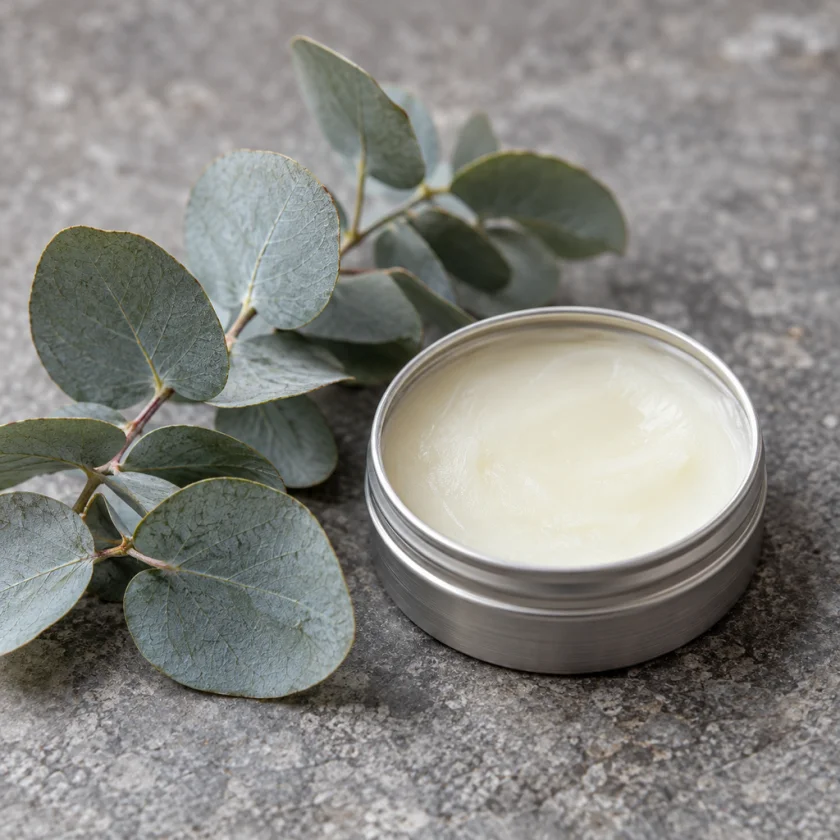
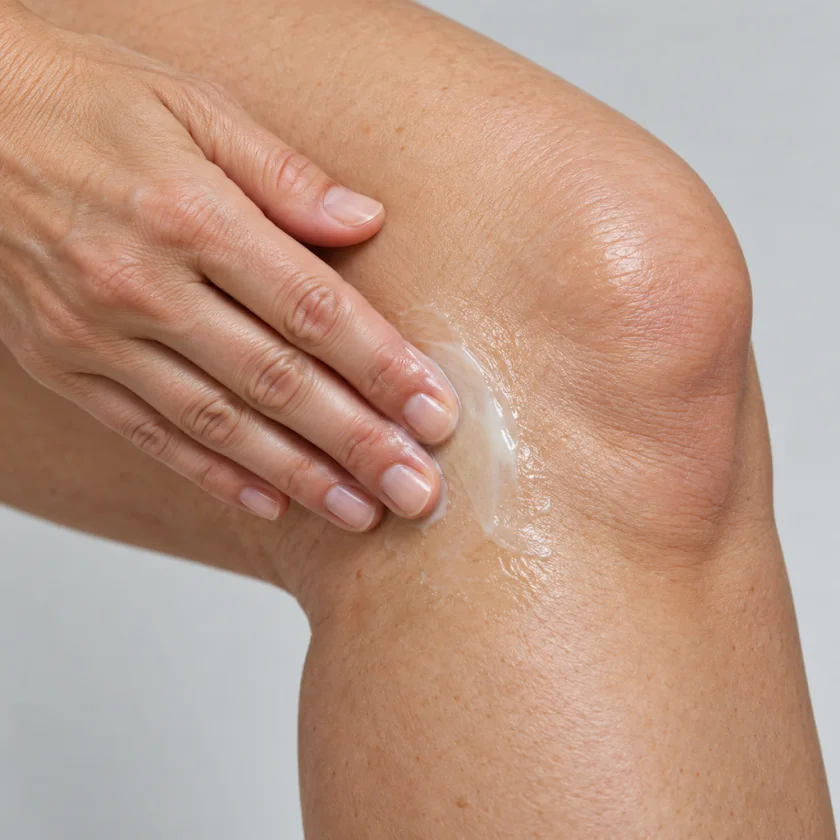

Topical eucalyptus oil — usually formulated alongside menthol and camphor — is one of the oldest and most widely available counter-irritant analgesics on the pharmacy shelf. The mechanism that gives chest rubs their characteristic cooling sensation also gives eucalyptus-based muscle balms, arthritis creams, and tension-headache rubs their analgesic effect: 1,8-cineole and alpha-pinene activate TRPM8 cold receptors in cutaneous nerve endings (producing the perceived cooling) while inhibiting TRPA1 pain receptors that transmit irritant and inflammatory pain signals. The sesquiterpenoid globulol adds an anti-inflammatory contribution by inhibiting cyclooxygenase-2 (COX-2) and 5-LOX pathways, the same arachidonic-acid cascade hit by nonsteroidal anti-inflammatory drugs (NSAIDs) and leukotriene-receptor antagonists. The combined effect — perceived cooling, pain-signal blockade, and local anti-inflammation — is the same logic behind menthol- and camphor-based balms, gels and creams, with which eucalyptus is commonly co-formulated. This page covers the TRP-channel mechanism, the published clinical trials (pain after total knee replacement, tension headache), formulations and the dilutions in common use, and the comparison with the related menthol and camphor counter-irritant class.
Table of Contents
- The Counter-Irritant Analgesic Class
- TRPM8 Cold Receptor Activation — the Cooling Mechanism
- TRPA1 Pain Receptor Inhibition
- Globulol and the Anti-Inflammatory Pathway
- Arthritis and Chronic Joint Pain
- Muscle Strain, DOMS, and Sports Recovery
- Knee-Replacement and Post-Surgical Trials
- Tension Headache and Migraine
- Comparison with Menthol and Camphor
- Formulations and Topical Dilution
- Cautions
- Key Research Papers
- Connections
- Featured Videos
The Counter-Irritant Analgesic Class
Counter-irritant analgesics are a topical pharmacologic class whose unifying feature is the production of a strong, non-painful sensory input (typically cooling, warming, or tingling) at the site of underlying musculoskeletal pain. The sensory input recruits afferent nerve fibers that compete with pain-transmitting fibers for central processing — the gate-control theory of pain attributed to Melzack and Wall in 1965 — reducing the conscious perception of the underlying pain.
The counter-irritant class includes:
- Cooling agents — menthol (peppermint), 1,8-cineole (eucalyptus), camphor at low concentration. Act via TRPM8 cold receptors.
- Warming agents — capsaicin (chili pepper), methyl salicylate (wintergreen), nicotinate esters. Act via TRPV1 hot receptors.
- Counter-irritants by other mechanisms — camphor at high concentration, turpentine. Act via TRPA1 and TRPV3.
Eucalyptus oil — through its principal active 1,8-cineole — sits firmly in the cooling-agent subset and is commonly formulated alongside menthol and camphor. The familiar tri-active combinations include camphor-menthol-eucalyptus chest rubs and balms (red and white types), menthol-camphor muscle creams, and many of the topical balms used in massage therapy. The pharmacology of these combinations is well-characterized and the over-the-counter availability is essentially universal.
The clinical territory for counter-irritant analgesics is musculoskeletal pain that does not require systemic anti-inflammatory or opioid therapy: localized osteoarthritis pain, muscle strain, post-exercise muscle soreness, tension headache, mild neuropathic pain, and post-procedural pain. They are not appropriate for severe acute pain, deep visceral pain, or pain associated with active infection — in those contexts the underlying condition needs systemic management.
TRPM8 Cold Receptor Activation — the Cooling Mechanism
TRPM8 is the molecular cold-and-menthol receptor — a non-selective cation channel expressed in sensory neuron endings throughout the skin, oral cavity, nasal mucosa, and visceral epithelium. TRPM8 is activated by temperatures below approximately 26 degrees Celsius, by menthol, and by 1,8-cineole — all of which open the channel, allow calcium and sodium influx, and trigger nerve-firing that the brain interprets as cooling.
The relevant facts for analgesia:
- TRPM8 activation produces non-painful sensory input that crowds out painful inputs at the dorsal horn of the spinal cord (gate-control mechanism).
- TRPM8 activation simultaneously inhibits nociceptive neurons — the central terminals of pain-transmitting C-fibers are suppressed in the presence of TRPM8-mediated cold-channel signaling.
- TRPM8 activation triggers reflex vasodilation downstream of the cooling sensation (paradoxical given the channel name, but the vascular response is well-documented). Increased blood flow brings additional oxygen and nutrients to inflamed tissue and accelerates removal of inflammatory metabolites.
- TRPM8 desensitizes with sustained application, meaning that the perceived cooling fades over 15–30 minutes even as the underlying analgesic effect persists.
The threshold concentration of 1,8-cineole needed for TRPM8 activation is in the millimolar range — readily achieved by any standard topical formulation. Higher concentrations of cineole produce sustained channel activation and longer analgesic duration but also greater initial cooling intensity and a higher risk of skin irritation. The typical 2–5% topical formulation balances these.
TRPA1 Pain Receptor Inhibition
TRPA1 (the "wasabi receptor") is the molecular sensor for chemical irritants — allyl isothiocyanate (mustard, horseradish, wasabi), cinnamaldehyde, allicin (garlic), acrolein, formaldehyde, and many endogenous inflammatory mediators including bradykinin metabolites and reactive oxygen species. TRPA1 activation transmits the burning, stinging, irritant pain quality.
1,8-cineole has been shown in patch-clamp electrophysiology studies to inhibit TRPA1 at concentrations achieved by topical eucalyptus oil application. Inhibition of TRPA1 reduces transmission of irritant and inflammatory pain signals from the periphery to the central nervous system — an analgesic mechanism distinct from the gate-control effect of TRPM8 activation.
The combined TRPM8 activation plus TRPA1 inhibition produces a dual-channel analgesic profile: incoming pain-channel traffic is reduced (TRPA1) while non-painful sensory traffic is increased (TRPM8). This is mechanistically different from systemic nonsteroidal anti-inflammatory drugs (which act on prostaglandin synthesis), opioids (which act on opioid receptors in the central nervous system), or local anesthetics (which block sodium channels nonspecifically). It is also why topical eucalyptus and topical menthol can produce analgesic benefit at the application site without producing systemic side effects.
The most striking clinical demonstration of TRPA1-mediated pain in everyday life is bronchopulmonary irritation from cigarette smoke or noxious chemical vapors — both work through TRPA1 activation. The same channels in cutaneous nerve endings transmit irritant pain in inflamed joint tissue, strained muscle, or tension-headache scalp muscle. Eucalyptus oil dampens that signal.
Globulol and the Anti-Inflammatory Pathway
The sesquiterpene alcohol globulol, present at 0.5–4% in Eucalyptus globulus essential oil, contributes a third analgesic mechanism: local anti-inflammatory action through inhibition of the arachidonic-acid cascade.
Inflammation in injured or arthritic tissue is driven by enzymatic conversion of arachidonic acid (released from membrane phospholipids by phospholipase A2) into two main families of mediators:
- Prostaglandins (PGE2, PGI2, PGD2, PGF2) via the cyclooxygenase (cyclooxygenase-1, cyclooxygenase-2) pathway. These mediate pain sensitization, vasodilation, and the swelling-redness-heat triad of acute inflammation. This is the pathway nonsteroidal anti-inflammatory drugs (ibuprofen, naproxen, celecoxib) inhibit.
- Leukotrienes (LTB4, LTC4, LTD4, LTE4) via the 5-lipoxygenase (5-LOX) pathway. These mediate neutrophil chemotaxis, bronchoconstriction, and amplification of inflammation. This is the pathway montelukast and zileuton inhibit.
Globulol and the other co-occurring sesquiterpenoids are described as inhibiting both cyclooxygenase-2 and 5-LOX — a dual blockade that is unusual among natural compounds. The Juergens 2003 asthma trial (covered on the Respiratory Health page) did not test them: it gave pure 1,8-cineole (200 mg three times a day in gut-soluble capsules) and reported a steroid-sparing, anti-inflammatory effect of the cineole itself. In topical application to inflamed joint or muscle tissue, the same dual blockade reduces local prostaglandin- and leukotriene-driven pain and swelling.
Cineole itself, the principal monoterpenoid, also has documented cyclooxygenase-2 inhibition and tumor necrosis factor-alpha suppression. The net topical anti-inflammatory effect is therefore the sum of contributions from cineole, globulol, and the co-occurring sesquiterpenoids in the essential-oil matrix — another illustration of the multi-target advantage of whole-oil preparations over single-compound pharmaceutical actives.
Arthritis and Chronic Joint Pain
Osteoarthritis is the leading musculoskeletal cause of disability worldwide, affecting an estimated 528 million people globally. The condition is characterized by progressive loss of articular cartilage, subchondral bone changes, synovial inflammation, and joint pain that is typically activity-related and worse at the end of the day. Topical analgesics are increasingly emphasized in osteoarthritis treatment guidelines because they provide meaningful symptom relief without the gastrointestinal and cardiovascular risks of oral nonsteroidal anti-inflammatory drug (NSAID) therapy.
The American College of Rheumatology (ACR) and Osteoarthritis Research Society International (OARSI) guidelines specifically recommend topical capsaicin and topical nonsteroidal anti-inflammatory drugs (diclofenac gel) for knee osteoarthritis, with topical counter-irritant balms (containing menthol, camphor, and eucalyptus oil) commonly used by patients in everyday practice as adjuncts. Although the high-quality randomized-trial evidence base for eucalyptus-specific arthritis use is thinner than for capsaicin or diclofenac gel, the underlying TRPM8 / TRPA1 / anti-inflammatory mechanism is well-characterized and the clinical effect at the application site is reproducible.
How it is commonly applied to arthritic joints in everyday practice:
- A 3–5% eucalyptus oil preparation (or a camphor-menthol-eucalyptus combination cream) is applied to the painful joint twice daily.
- It is massaged gently into the skin for 1–2 minutes, which spreads the volatile ingredients.
- Initial cooling sensation lasts 15–30 minutes; analgesic effect can persist 2–4 hours.
- Oil left on unwashed hands can irritate the eyes (as the European Medicines Agency's monograph notes) and the inside of the nose and mouth (mucous membranes); hands are usually washed after applying it.
- Rash, persistent burning, or skin damage are signs of a skin reaction to the preparation.
For more on osteoarthritis management, see our Osteoarthritis page.
Muscle Strain, DOMS, and Sports Recovery
Delayed-onset muscle soreness (DOMS) is the muscle pain, stiffness, and reduced range of motion that develops 12–72 hours after unaccustomed exercise, particularly eccentric (lengthening) contractions. The mechanism involves microscopic muscle-fiber damage, inflammatory cytokine release (tumor necrosis factor-alpha, interleukin-6, interleukin-1-beta), and sensitization of mechanoreceptors and nociceptors in the affected muscle and overlying fascia.
Topical counter-irritant balms containing eucalyptus oil are widely used in sports settings for DOMS relief. The mechanism — perceived cooling that masks underlying pain, local anti-inflammatory action that reduces the cytokine drive, and reflex vasodilation that accelerates metabolite clearance — is well-aligned with the pathophysiology of DOMS. Counter-irritant rubs (menthol gels and menthol-camphor-eucalyptus balms) are among the most widely used post-exercise recovery aids in professional and amateur sport, alongside foam rolling, ice baths, and compression garments.
Acute muscle strain — partial-thickness fiber rupture from a sudden eccentric overload — is treated similarly with a counter-irritant rub at the strained-muscle site, alongside the standard RICE (rest, ice, compression, elevation) acute-injury protocol. The cooling sensation reproduces some of the effect of ice without requiring an ice pack, useful in field-side settings where ice is unavailable.
For chronic overuse injuries (tennis elbow, plantar fasciitis, patellar tendinopathy), topical eucalyptus-containing balms are commonly used adjunctively; they do not change the underlying mechanical-loading driver of the injury, so pain relief alone without load modification is not a long-term solution.
Knee-Replacement and Post-Surgical Trials
A small but informative cluster of trials has examined inhaled and topical eucalyptus oil for post-surgical pain reduction. The most-cited is a 2013 study by Jun et al. in Evidence-Based Complementary and Alternative Medicine that randomized patients recovering from total knee replacement to inhale eucalyptus oil (3% in almond oil, on a gauze pad placed between the nose and upper lip for 30 minutes during continuous passive motion exercise, once a day on three consecutive days starting on the third day after surgery) or almond oil alone. 52 patients completed the trial.
Findings:
- Pain scores on the visual analog scale (VAS) were significantly lower in the eucalyptus group on all three days of inhalation.
- Systolic and diastolic blood pressure (a physiologic marker of pain stress) were significantly lower in the eucalyptus group on the second day only.
- Heart rate and the blood markers of inflammation (C-reactive protein and white blood cell count) did not differ between the groups.
- The published paper reports no patient-satisfaction outcome and no side-effect data.
The mechanism is presumed to involve a combination of central sedative effect from inhaled volatile terpenoids (a recognized aromatherapeutic mechanism), cineole's anti-inflammatory action via cyclooxygenase-2 / 5-LOX inhibition (although the blood inflammation markers measured in the trial did not change), and the placebo and comfort effect of a pleasant scent in an unpleasant hospital environment. The trial sample size is small, the effect size is moderate, and replication in larger trials would strengthen the evidence base — but the result is consistent with multiple smaller studies of inhaled aromatherapy in post-operative settings.
For more on post-surgical pain management, see our Pain Management page.
Tension Headache and Migraine
Tension-type headache (TTH), the most prevalent primary headache disorder, is characterized by bilateral, non-pulsatile, pressing or tightening pain of mild-to-moderate intensity, often accompanied by pericranial muscle tenderness over the temporalis, masseter, frontalis, sternocleidomastoid, and trapezius. Topical application of menthol or eucalyptus-menthol combinations to the temples and forehead is one of the oldest documented non-pharmacologic interventions for TTH and remains widely used.
The mechanism in TTH parallels the joint-pain mechanism: TRPM8 activation produces cooling, TRPA1 inhibition reduces irritant-pain transmission from the over-sensitized pericranial muscle and scalp nerve endings, and the local massage component of application provides additional muscle-tension relief. A 1996 trial by Göbel et al. published in Nervenarzt treated 164 tension-type headache attacks in 41 patients and found no significant difference in pain relief between 10% peppermint oil in ethanol spread across the forehead and temples (peppermint oil is rich in menthol) and 1,000 mg of oral acetaminophen; both worked better than placebo. Eucalyptus itself was tested by the same group in 1994 (Cephalalgia, 32 healthy volunteers): a combination of peppermint oil, eucalyptus oil and ethanol relaxed the muscles and the mind but had little influence on experimental pain sensitivity, while peppermint oil with ethanol produced a significant analgesic effect. Combined eucalyptus-menthol balms are nonetheless widely used for headache in everyday practice.
For migraine, the evidence is more limited. Some smaller studies have suggested benefit from inhaled eucalyptus oil during the prodromal or early-headache phase of migraine attack, but topical application to the temporal region is the more common approach. Eucalyptus-containing products cause significant irritation near the eyes or directly in the ear canal.
Comparison with Menthol and Camphor
Eucalyptus oil, peppermint oil (containing menthol), and camphor are the three classic cooling-counter-irritant essential oils. They share a common TRP-channel mechanism but differ in pharmacologic profile and traditional formulation niches.
- Menthol (from Mentha piperita): the strongest pure TRPM8 activator, produces the most intense cooling sensation per milligram. Penetrates skin rapidly, short duration of action (1–2 hours). Strongest masking effect on acute pain, less anti-inflammatory contribution. Active in menthol gels, menthol-methyl-salicylate creams, and peppermint oil aromatherapy.
- 1,8-Cineole (from Eucalyptus globulus): moderate TRPM8 activation, additional TRPA1 inhibition, and anti-inflammatory action via cyclooxygenase-2 / 5-LOX inhibition. Longer duration of effect (2–4 hours) due to globulol's lower volatility. Better systemic anti-inflammatory profile than pure menthol.
- Camphor (from Cinnamomum camphora): unique dual action — at low concentration produces cooling via TRPM8, at higher concentration activates TRPV3 (warming) and TRPA1 (irritation). The cooling-then-warming sequence creates the distinctive sensation of camphor balms. Local-anesthetic activity at high concentration. Toxic if ingested in modest quantity.
The three are most commonly co-formulated rather than used singly, because their effects are complementary:
- Red (warming) camphor-menthol balm — menthol 10%, camphor 11%, cassia oil 5%, clove oil 1.5% (a warming-cooling combination for arthritis and muscle pain)
- White (cooling) camphor-menthol-eucalyptus balm — menthol 8%, camphor 11%, eucalyptus oil 13%, cajuput oil 13%, mint oil 6% (predominantly cooling, used for headaches, insect bites, mild muscle pain)
- Petrolatum-based camphor-menthol-eucalyptus chest rub — menthol 2.8%, camphor 4.8%, eucalyptus oil 1.2% in petrolatum (low concentration of each for sustained vapor delivery in respiratory use, but also widely used as a chest-rub muscle balm)
Patients with sensitive skin or who develop irritation from menthol or camphor sometimes tolerate pure eucalyptus formulations better; conversely, patients who find the eucalyptus scent unappealing often prefer menthol-only products.
Formulations and Topical Dilution
Commercial topical formulations:
- Camphor-menthol-eucalyptus balms (red and white types) — the most widely available eucalyptus-menthol-camphor counter-irritant balms. The white type is eucalyptus-dominant; the red type is camphor-and-cassia-dominant.
- Camphor-menthol-eucalyptus chest rubs — petrolatum-based with low concentration of each active for sustained vapor delivery; also widely applied off-label to sore muscles.
- Methyl-salicylate creams — methyl-salicylate-dominant, with menthol and camphor; not primarily eucalyptus products but a related class.
- Menthol gels — menthol-only counter-irritants, free of eucalyptus.
- Generic eucalyptus muscle balm — many regional products containing 2–10% eucalyptus oil in a beeswax or shea-butter base.
Home dilutions in common use for topical pain relief:
- Pure Eucalyptus globulus essential oil is commonly diluted to 3–5% in a carrier oil (jojoba, sweet almond, fractionated coconut) — approximately 18–30 drops of essential oil per 30 mL of carrier.
- For sensitive skin or facial application (temples for tension headache), 1–2% dilutions are used.
- For deep muscle pain on tougher skin areas (lower back, thighs), dilutions up to 5–7% are described, usually after a 24-hour patch test.
- Some home blends add peppermint essential oil (for extra menthol cooling) and a small amount of frankincense or copaiba oil, which are traditionally used for inflammation.
Cautions
- Undiluted eucalyptus essential oil on skin. Pure essential oil causes contact dermatitis and chemical burn at full strength, which is why it is diluted in a carrier oil or bought as a preparation already formulated for skin use.
- Eyes, mucous membranes, and broken skin. Counter-irritant balms containing eucalyptus, menthol, and camphor are intended for intact skin only. Application near the eyes causes significant lacrimation and burning; application to broken skin or open wounds causes severe stinging.
- Children under six. Topical eucalyptus or mentholated rubs near the face, chest, or nostrils of an infant or toddler can trigger reflex laryngospasm and bronchospasm. The European Medicines Agency's herbal monograph on eucalyptus oil (Revision 1, 2024) lists it as contraindicated in children under 24 months of age, because 1,8-cineole-containing preparations can induce laryngospasm (a sudden closing of the voice box), and in children with a history of seizures, with or without fever; many pediatricians extend the caution to age six.
- Heat sources. Counter-irritant balms combined with heating pads, hot-water bottles, or vigorous exercise that strongly warms the skin can produce skin damage.
- Ingestion of essential oil is potentially fatal. The European Medicines Agency's monograph lists stomach pain, vomiting, breathing problems, drowsiness, loss of consciousness and convulsions after larger-than-intended doses by mouth — emergency signs; this is why balms and essential oils are kept out of reach of children and pets.
- Skin sensitivity. A 24-hour patch test on a small area of skin is the usual check before broader use; redness, itching, persistent burning, or rash are signs of a skin reaction.
- Drug interactions. Topical absorption is generally low, and the European Medicines Agency's 2024 herbal monograph on eucalyptus oil lists no reported interactions with medicines (“None reported”).
- Pregnancy. In aromatherapy practice, topical eucalyptus at proper dilution and away from the abdomen is generally considered low-risk in pregnancy. The European Medicines Agency's monograph states that safety during pregnancy and breastfeeding has not been established and that, in the absence of sufficient data, use during pregnancy and breastfeeding is not recommended.
Key Research Papers
- Santos FA, Rao VS (2000). Antiinflammatory and antinociceptive effects of 1,8-cineole a terpenoid oxide present in many plant essential oils. Phytotherapy Research 14(4):240–244. — PubMed
- Jun YS, Kang P, Min SS, Lee JM, Kim HK, Seol GH (2013). Effect of eucalyptus oil inhalation on pain and inflammatory responses after total knee replacement: a randomized clinical trial. Evidence-Based Complementary and Alternative Medicine 2013:502727. — PubMed
- Caceres AI, Liu B, Jabba SV, Achanta S, Morris JB, Jordt SE (2017). Transient receptor potential cation channel subfamily M member 8 channels mediate the anti-inflammatory effects of eucalyptol. British Journal of Pharmacology 174(9):867–879. — PubMed
- Takaishi M, Fujita F, Uchida K, Yamamoto S, Sawada Shimizu M, Hatai Uotsu C, Shimizu M, Tominaga M (2012). 1,8-Cineole, a TRPM8 agonist, is a novel natural antagonist of human TRPA1. Molecular Pain 8:86. — PubMed
- Soares MCMS, Damiani CEN, Moreira CVL, Stefanon I, Vassallo DV (2005). Eucalyptol, an essential oil, reduces contractile activity in rat cardiac muscle. Brazilian Journal of Medical and Biological Research 38(3):453–461. — PubMed
- Silva J, Abebe W, Sousa SM, Duarte VG, Machado MIL, Matos FJA (2003). Analgesic and anti-inflammatory effects of essential oils of Eucalyptus. Journal of Ethnopharmacology 89(2-3):277–283. — PubMed
- Göbel H, Schmidt G, Soyka D (1994). Effect of peppermint and eucalyptus oil preparations on neurophysiological and experimental algesimetric headache parameters. Cephalalgia 14(3):228–234. — PubMed
- Sayyah M, Nadjafnia L, Kamalinejad M (2004). Anticonvulsant activity and chemical composition of Artemisia dracunculus L. essential oil. Journal of Ethnopharmacology 94(2-3):283–287. — PubMed PMID: 15325732
- Liapi C, Anifantis G, Chinou I, Kourounakis AP, Theodosopoulos S, Galanopoulou P (2007). Antinociceptive properties of 1,8-cineole and beta-pinene, from the essential oil of Eucalyptus camaldulensis leaves, in rodents. Planta Medica 73(12):1247–1254. — PubMed
- de Cassia da Silveira e Sa R, Andrade LN, de Sousa DP (2013). A review on anti-inflammatory activity of monoterpenes. Molecules 18(1):1227–1254. — PubMed
- Hong CZ, Shellock FG (1991). Effects of a topically applied counterirritant (Eucalyptamint) on cutaneous blood flow and on skin and muscle temperatures. A placebo-controlled study. American Journal of Physical Medicine & Rehabilitation 70(1):29–33. — PubMed
- Kulkarni SK, Bishnoi M, Patil CS, Kumar A (2005). Analgesic activity of acetyl-11-keto-beta-boswellic acid, a 5-lipoxygenase-enzyme inhibitor. Indian Journal of Pharmacology 37(4):255. — doi:10.4103/0253-7613.16575
PubMed Topic Searches
Connections
- All Herbs
- Eucalyptus Overview
- Eucalyptus Benefits Hub
- Eucalyptus — Respiratory Health
- Eucalyptus — Antimicrobial
- Eucalyptus — Antifungal
- Peppermint (Menthol)
- Rosemary
- Thyme
- Osteoarthritis
- Rheumatoid Arthritis
- Fibromyalgia
- Migraine
- Pain Management
- Anti-Inflammatory Remedies
- Antibacterial Herbs
- History